Have a question? Call now! +16468108764

Key Insights From Knight Frank’s The Wealth Report 2026

The Wealth Report 2026 by Knight Frank examines how global wealth is shifting in response to geopolitical instability, technological change, and evolving investment priorities. Marking its 20th edition, the report argues that private investors are navigating a far more fragmented environment than the one that shaped markets over the past two decades. Inflation pressures, supply chain disruptions, regional conflicts, and changing tax policies are all influencing how wealth is preserved and deployed.

One of the clearest findings is the continued expansion of ultra-high-net-worth wealth worldwide. The global population of individuals with more than US$30 million in assets reached more than 713,000 in 2026, with the United States accounting for the largest share of new wealth creation. Growth across Asia and the Middle East is also accelerating, reinforcing a more globally distributed concentration of wealth.

The report highlights a major shift in investment behaviour among wealthy individuals and family offices. Real estate is no longer viewed simply as a lifestyle asset or status purchase. Increasingly, investors are treating commercial and residential property as strategic, income-producing holdings that can provide stability during periods of volatility. Private capital has become one of the dominant forces in commercial real estate transactions, supported by faster decision-making, flexible structures, and growing professionalisation among family offices.

Prime residential markets continue to outperform many mainstream housing sectors, supported by sustained wealth creation and limited supply in global luxury destinations. Dubai, Tokyo, Miami, Mumbai, and several other international markets experienced strong growth in prime property values, while tax policy changes and political uncertainty continue to influence buying patterns in cities such as London and Los Angeles.

Another major theme is the increasing mobility of both wealth and people. Wealthy investors are expanding across multiple global hubs to gain access to opportunity, security, and favourable business environments. London and New York remain influential financial centres, but Dubai, Singapore, and Hong Kong are strengthening their appeal as global wealth corridors.

The report also explores how luxury consumption is evolving. Younger, wealthy consumers are placing greater emphasis on wellness, personal growth, experience, and exclusivity rather than traditional status-driven consumption. This shift is helping drive what the report describes as the “transformation economy,” where luxury brands, private clubs, hospitality operators, and developers focus on curated experiences and long-term engagement.

Technology and infrastructure are emerging as critical investment themes. Artificial intelligence is increasing demand for energy-intensive infrastructure such as data centres, while investors are paying closer attention to power generation, sustainability, and energy security. The report also examines how blockchain and AI could eventually streamline real estate transactions, although adoption remains limited by regulation and operational complexity.

Luxury investment markets delivered mixed results during the year. Watches and certain art categories showed resilience, while newer collectible sectors such as rare fossils, vintage couture, and fractional ownership platforms are attracting younger investors. Overall, the report suggests that wealthy investors are continuing to diversify into alternative assets while maintaining a strong focus on long-term value and flexibility.

Across every section, the central message remains consistent: uncertainty is no longer temporary. Investors are adapting to a world where resilience, agility, and intelligent capital allocation matter more than ever. The Wealth Report 2026 presents a picture of global wealth that is increasingly mobile, professionally managed, and strategically positioned across property, infrastructure, technology, and luxury sectors.

Read the full report: https://www.knightfrank.com/research/reports/wealthreport

Explore deeper industry insights and connect with global luxury leaders – join the WLCC community: https://worldluxurychamber.com/wlcc-community/


Based on insights from The Wealth Report 2026 by Knight Frank Research. Sources:

  • The Wealth Report 2026, Knight Frank Research, 20th Edition, 2026.
  • Liam Bailey, “From the editor,” The Wealth Report 2026.
  • “Key takeaways,” The Wealth Report 2026.
  • “Private wealth emerges,” The Wealth Report 2026.
  • “Family offices,” The Wealth Report 2026.
  • “PIRI 100 global,” The Wealth Report 2026.
  • “Chain reaction,” The Wealth Report 2026.

Exclusive Interview: The Signals That Separate Real Buyers with Mark Satterfield

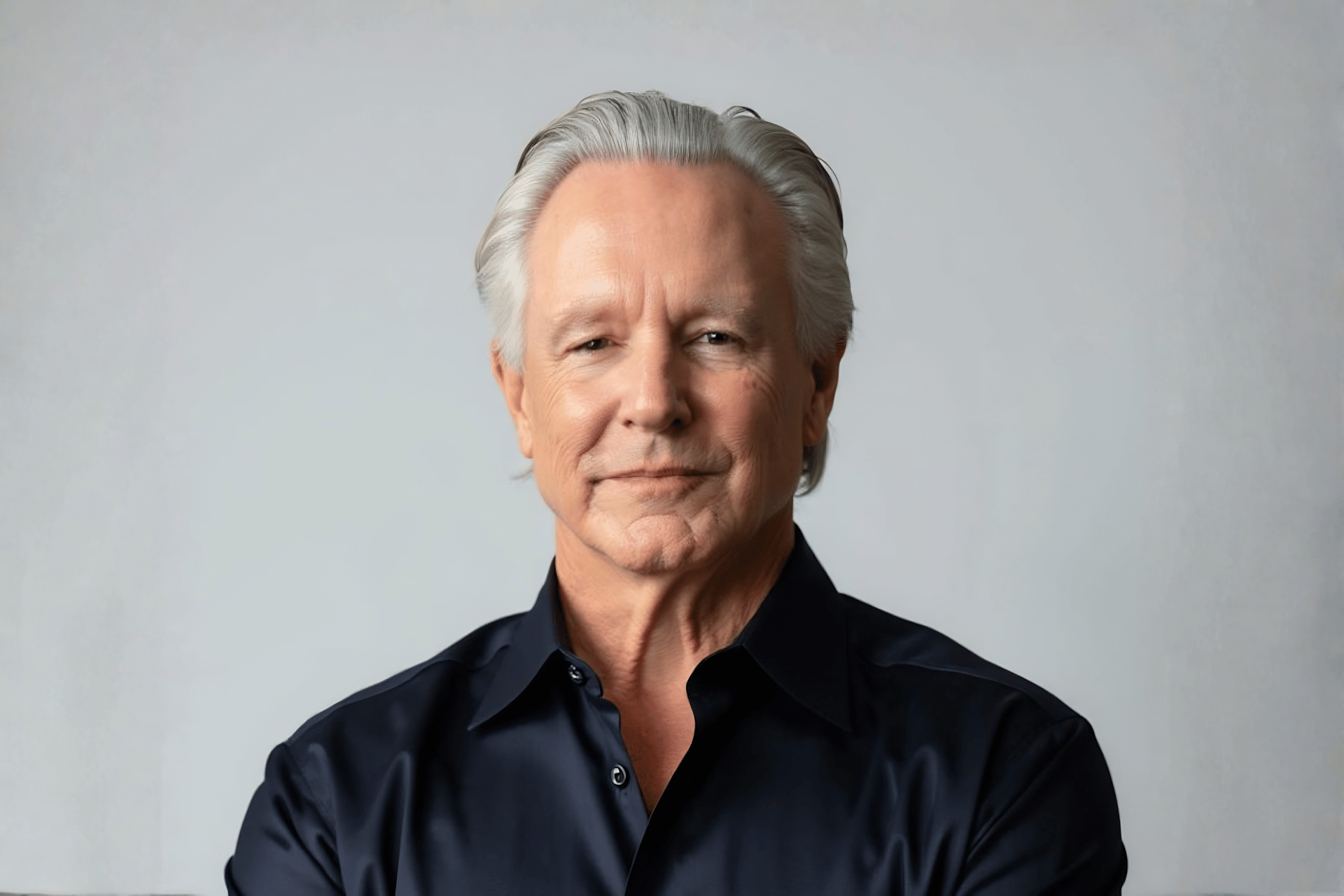
Mark Satterfield, author of The Luxury Agent Playbook, named among the TOP Luxury Books for 2026 by WLCC, breaks down what truly drives affluent clients and how they assess who to trust. In this conversation, Satterfield moves beyond theory to outline the signals, behaviors, and expectations that define high-value relationships at the top end of the market.

World Luxury Chamber of Commerce: In The Luxury Agent Playbook, you highlight that affluent clients follow a different decision process. What are the key signals agents should look for to identify serious high-net-worth buyers and avoid time-wasters?

Mark Satterfield: Affluent real estate buyers don’t browse—they pre-qualify you, then move with intent. The signals are subtle, but once you know them, they’re obvious:

1. They reference you before you’ve sold them
They’ve seen your listings, your content, or were referred—and they speak like they already understand your value.

2. They lead with specifics, not general interest
“This property fits what I’m looking for except for X…” Not: “Just curious what’s out there.”

3. They tighten the scope quickly
They don’t want 20 options. They want the right 2–3. That’s a serious buyer.

4. They introduce other decision-makers early
Spouse, advisor, attorney. If those people show up early, the deal is real.

5. They don’t fixate on price—they focus on fit
Questions are about positioning, timing, long-term value—not just “can we get it cheaper?”

Bottom line:
Time-wasters consume attention.
Serious affluent buyers create momentum—and your job is to recognize it early and lean in.

WLCC: Many agents want to break into the luxury market but struggle to win their first high-end listing. What are the most effective ways to build credibility quickly in that space?

​MS: Most agents think they need a luxury listing to break in. Wrong. You don’t get the listing first—you signal that you already operate at that level, and the listing follows.

Here’s how you do it fast:

1. Look like the deal before you ever touch one
Your photos, videos, listings, even your Instagram—if it doesn’t feel expensive, you’re invisible to that market.

2. Get next to people who already have access
Referrals, wealth managers, attorneys, connectors. One introduction from the right person beats 100 cold attempts.

3. Speak like an insider, not a salesperson
Drop the “here’s what I do.” Start talking like you understand how wealthy clients actually think and decide.

4. Cut anything that screams entry-level
Cheap listings, sloppy marketing, inconsistent branding—one wrong signal kills the whole illusion.

5. Manufacture a moment that forces attention
A standout listing, a bold piece of content, a strategic partnership—something that makes people say, “Who is this?”

Bottom line:
You’re not waiting to be chosen.
You’re stacking signals that you already belong, and choosing you feels like the obvious move.

WLCC: You emphasize that luxury is about experience, not just property. What are the specific touchpoints where agents either win or lose affluent clients?

MS: Luxury isn’t just about the house—it’s about how it feels to deal with you. And affluent clients are judging that from the first second.

This is what that means:

1. The first touch
If your response is slow, generic, or sounds like everyone else, you’re done. They expect precision and presence immediately.

2. The first conversation
Are you in control…or rambling? If you’re not asking sharp, intelligent questions, you’ve dropped yourself to a commodity level.

3. Access & logistics
If it’s hard to schedule, confusing, or takes too many steps, you’ve already lost them. Wealthy clients don’t tolerate friction.

4. The showing (or interaction itself)
This is your stage. If it feels flat, unprepared, or transactional—you’re forgettable.

5. Communication throughout
Too much talking equals insecurity. Too little equals a lack of control and knowledge. They’re looking for calm, clear authority.

6. The follow-up
If it feels like “just checking in,” you’re just a typical agent. If it feels like insight or direction… you’re the advisor.

Bottom line:
You’re not being judged solely on the property.
You’re being judged on whether you feel like someone they trust to operate at their level.
Every touchpoint either reinforces that…or destroys it.

WLCC: From your work across industries, what strategies from outside real estate can luxury agents adopt to strengthen relationships and secure repeat high-value clients?

MS: Most agents think relationships are built by staying in touch.

They’re not. They’re built on how you make someone feel every time they interact with you—and other luxury industries understand this better than real estate.

Here’s what to steal and use immediately:

1. Private banking: Anticipation over reaction
Top bankers don’t wait for the call—they reach out with ideas, opportunities, and insights. Do the same. Bring them things they didn’t ask for but instantly see the value in.

2. High-end hospitality: Frictionless experience
Luxury hotels remove every annoyance before you notice it. Your process should feel effortless—no confusion, no chasing, no dropped details.

3. Wealth management: Consistent, calm communication
Not constant updates—relevant updates. They know what’s happening, what it means, and what to do next. That’s control.

4. Luxury retail: Personalization at a deep level
They remember preferences, tastes, and patterns. You should know how your clients think, what they value, and how they make decisions.

5. Private clubs: Access and belonging
People stay because of who they meet and how they’re treated. Make introductions. Create connections. Become a gateway, not just a service.

Bottom line:
You don’t win repeat high-end clients by “checking in.”
You win by becoming the person they rely on for access, insight, and effortless execution—long after the deal is done.

WLCC: Looking ahead, how do you see the expectations of affluent buyers and sellers changing, and what should luxury agents start doing now to stay competitive?

MS: Affluent clients aren’t becoming more demanding—they’re becoming more selective and efficient. They expect fewer options, better judgment, and a smoother experience.

Here’s what’s changing—and what to do now:

1. Less information, more interpretation
They don’t need data—they need someone who can translate it. Start positioning yourself as the advisor who simplifies decisions, not the one who floods them with options.

2. Speed with discretion
They want things to move fast—but never feel rushed or exposed. Tighten your process so everything feels seamless, private, and controlled.

3. Personalization becomes assumed
Generic follow-up and broad messaging won’t cut it. Know their preferences, anticipate needs, and tailor every interaction.

4. Access over inventory
The real value isn’t what’s listed—it’s what’s available through you. Build relationships that give you off-market opportunities and introductions.

5. Fewer, better relationships
They’re not collecting agents—they’re choosing one or two they trust deeply. Focus on depth, not volume. Become the default.

6. Presence matters more than promotion
They’ll check you out before they ever engage. Your brand, content, and positioning need to signal instantly: “this is my level.”

Bottom line:
The agents who win won’t be the busiest.
They’ll be the ones who feel the most certain, connected, and easy to trust—before the first conversation even happens.

Thank you, Mark! Follow Mark on LinkedIn for insights on attracting high-net-worth clients, or explore his work and books at his official website to refine your positioning and client experience: https://www.getwealthyclients.com/mark-satterfield

WLCC regularly features conversations and insights from global luxury leaders. Join our community to receive new interviews and perspectives weekly: https://worldluxurychamber.com/wlcc-community/.

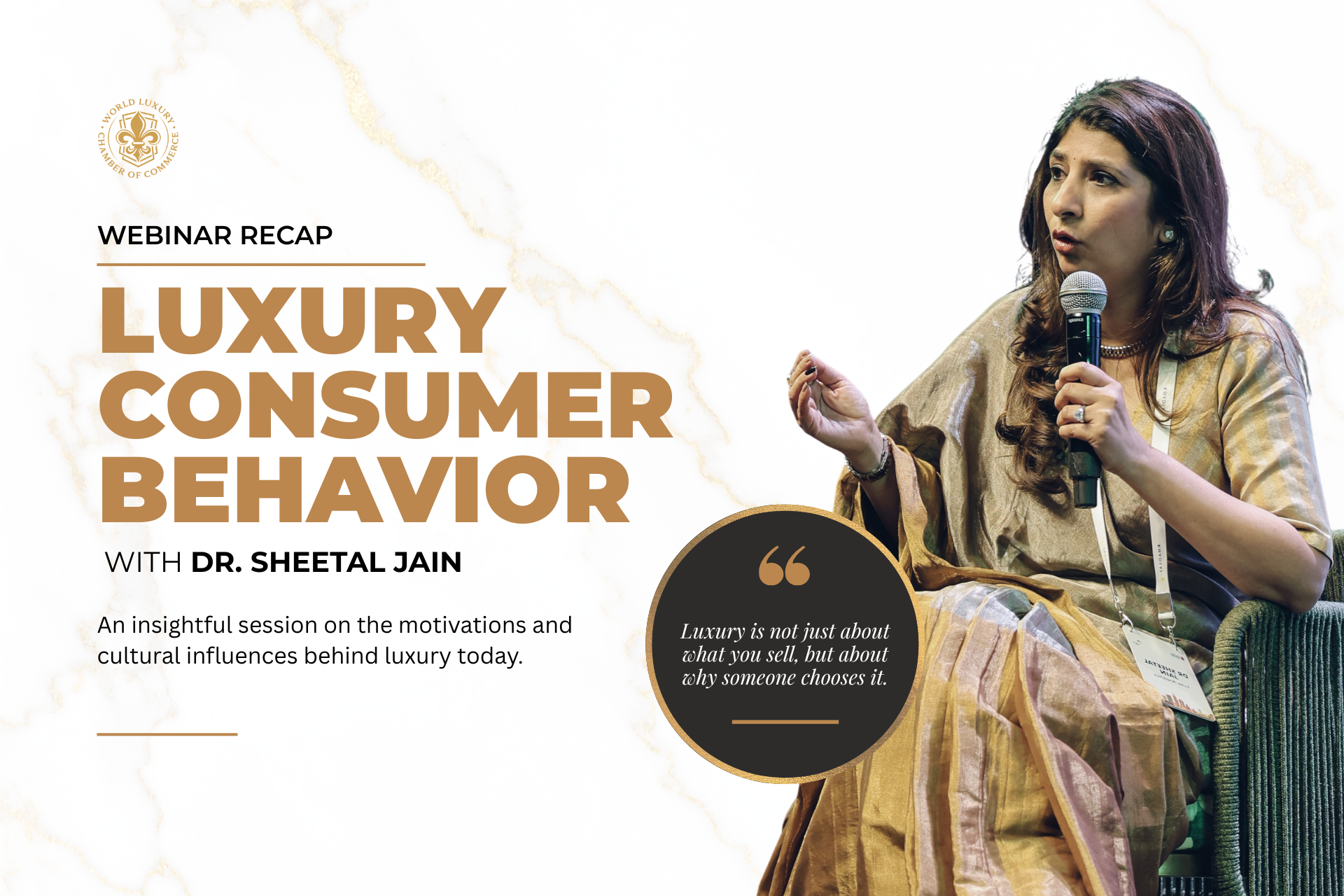
WLCC Webinar Recap: Luxury Consumer Behavior with Dr. Sheetal Jain, Founder of Luxe Analytics

A recent WLCC session explored the evolving landscape of luxury consumer behavior, led by Dr. Sheetal Jain, Founder of Luxe Analytics, who unpacked the psychological and cultural forces influencing how and why clients engage with luxury today.

The discussion challenged the idea of a single “luxury consumer,” highlighting the complexity behind purchasing decisions and the growing importance of understanding both intrinsic and extrinsic motivations. From the shift toward more experience-led consumption to the powerful role of culture in influencing perception, the session offered a fresh lens on what truly drives value in today’s market.

A key theme throughout was the need for brands to move beyond standardised strategies and adopt a more nuanced, culturally aware approach. As global markets continue to evolve, those who succeed will be the ones who can balance consistency with localisation, while creating experiences that resonate on a deeper, more personal level.

While we have only touched on a fraction of the insights shared, the session offered practical frameworks and real-world perspectives that are immediately applicable across sectors within the luxury industry.

Reminder: WLCC members receive full access to the session recording, along with exclusive insights and post-webinar resources.

If you are looking to stay ahead of the evolving luxury landscape and connect with a global network of senior industry leaders, we invite you to join WLCC as a member: https://worldluxurychamber.com/become-a-member/

Exclusive Interview: Turning Clients Into Advocates with Neen James

Neen James, author of Exceptional Experiences and one of the featured titles in the TOP Luxury Books for 2026 by WLCC, argues that growth does not come from better products alone, but from how clients feel in every interaction. In this conversation, she explains why advocacy is the most overlooked driver of market share and how leaders can build it deliberately. She also shares how to deliver personal, memorable experiences without sacrificing scale.

WLCC: In Exceptional Experiences, you introduce the five luxury levers. Which of these do you see most misunderstood or underutilized by leaders outside traditional luxury sectors, and why?

Neen James: Leaders of brands invest significant energy into the first four luxury levers of our Experience Elevation Model™ of entice and invite to attract clients, then excite and delight existing clients, and yet the most underutilized, and the most profitable to drive market share, is ignite to create advocates.

They work hard to attract attention, create a warm welcome, build excitement, and deliver delight in the moment. And then once someone becomes a client, some brands just leave the relationship exactly where it was. Ignite is about turning those exceptional experiences into something the client carries with them and shares with others, and they become an advocate for your brand, referring others to you.

It is about creating what I call Champagne Moments: unexpected, perfectly timed gestures that make someone feel truly seen, heard, and remembered. Turning the ordinary into the extraordinary… that’s creating Champagne Moments.

The research I conducted for my book, Exceptional Experiences, with Audience Audit confirmed my theory: luxury is about experiences, not things.

Across every segment of luxury consumers, regardless of income or industry, two research findings you will enjoy knowing are that luxury is viewed as a reward for hard work and experiences consistently outweigh things.

Leaders outside traditional luxury sectors often assume they need more product features, a better price point, or a flashier launch, and yet, what they need is to share a story with their clients that is worth telling. Ignite creates advocates from the experiences they have with your brand and the stories you share. And when clients carry your story into the world, that is the most powerful marketing available to any brand. This is how you grow market share by igniting your advocates.

WLCC: You emphasize that luxury is about experiences, not products. How can executives in high-growth or volume-driven industries apply this mindset without compromising scale or efficiency?

NJ: The luxury mindset is not reserved for brands with a certain price point or in the luxury industry. It is a philosophy about how you make people feel seen, heard, and valued. It requires you to be intentional with your attention. The Luxury Mindset Research I conducted for Exceptional Experiences revealed four attitudinal segments among luxury consumers: Reluctant and Removed, ProPrioritizer, Confident and Content, and the Luxury Lover. What struck me was that the desire for meaningful experiences was not confined to one group. Even the segment I call Confident and Content, those who are less conspicuous about their relationship with luxury, responded powerfully to being made to feel genuinely valued.

That insight translates directly into high-volume businesses. Scale and personalization are not opposites when you build the right systems. What I call Systemized Thoughtfulness is the practice of operationalizing the small gestures, the precise language your clients want to hear, the anticipatory service details that make every client feel like the only person in the room, and doing it consistently, across an entire team, without depending on individual heroics.

The leaders who do this well train their people to notice what others overlook. They build it into onboarding, into follow-up sequences, into the way a call is opened and closed, and into how to keep detailed records on every client. That is how you scale the luxury mindset without losing what makes it exceptional. If you are always asking, ‘How can I make my clients feel seen, heard, and valued?’ you can bring the luxury mindset into every interaction. It’s moving from transactional interactions to transformational experiences.

WLCC: Your Experience Elevation Model™ focuses on moving from transactional to transformational relationships. What are the first practical shifts a leadership team should make to start embedding this into their client strategy?

NJ: Start with orientation. Many leadership teams are designed around what they deliver, not around how the client will experience their journey with you. In Exceptional Experiences, I outline what I call B.D.A, the before, during, and after framework, because the experience does not begin when the product or service lands. It begins the moment someone decides to engage with you. Start there and map what your client feels, thinks, and notices before they are even in the room with you.

The second shift is in language. Luxury brands have always known that the words you choose shape the feelings you create. A transactional team talks about processes and deliverables. A transformational team talks about the individual person. The third shift is accountability. The organizations I have worked with that make the leap from transactional to transformational do not leave the client experience to chance. They assign ownership, measure it, and celebrate the moments where a team member created something extraordinary, a Champagne Moment. Once leaders make those shifts, orientation, language, and accountability, the culture begins to follow. And that culture is where exceptional experiences live.

WLCC: Having worked with brands like Four Seasons and Virtuoso Travel, what distinguishes organizations that consistently deliver exceptional client experiences from those that struggle to maintain that standard?

NJ: The organizations that sustain exceptional client experiences share one defining trait: their leaders experience the brand through their clients’ eyes, and they commit to this for every touchpoint in their clients’ journey.  The brands I have had the privilege of working alongside, including Four Seasons and Virtuoso Travel, have built an almost obsessive team culture of noticing and paying attention to every small detail and then capturing those details to elevate the experiences in the future. Every touchpoint is considered, every marketing piece, every word spoken in language is intentional, the complete sensory experience, and that is supported by a team that is empowered to personalize and customize client interactions to elevate their experience.

What separates them from organizations that struggle is not budget or the size of the team; it is the deep belief held by leadership and modeled consistently, that the smallest detail matters as much as the grandest gesture. The Luxury Mindset Research I conducted for my book reinforced this. Across every segment of luxury consumers, the experience of feeling genuinely cared for consistently outweighed any specific product or service feature. The organizations that understand this build systems of elevation to make that feeling reproducible. Brands that struggle tend to rely on their best people to carry it, and that can create challenges when these best people get promoted, move on, or simply have an off day. You cannot build a category-defining brand on something that is inconsistent; you need what we call Systems of Elevation (outlined in the Experience Elevation Model™) because systems create freedom.

WLCC: Looking ahead, what changes do you expect in client expectations within the luxury space, and how should leaders prepare now to remain relevant and competitive?

NJ: We can all agree that clients are now more sophisticated and more discerning. My Luxury Mindset Research surfaced something important: across every attitudinal segment, there is a growing conviction that luxury is earned, it is a reward for hard work, and that the experiences tied to it need to justify not just the financial investment but the investment of time. Time is the ultimate luxury currency right now.

What that means for brand leaders is to remain competitive, we need to value our clients’ time as the most precious resource in the relationship. Anticipate needs before they are expressed. Remove friction before it is encountered. Create moments (Champagne Moments) so thoughtful and so specific that the client feels the experience was designed just for them. In Exceptional Experiences, I describe this as building your Experience Elevation model. If you want to stay current and relevant, grow your reputation, and ignite a brand that advocates refer others to, these five luxury levers will help you.

In our digital, AI world, investing time and resources to elevate the human connection differentiates you and your brand.

Thank you, Neen!
Follow Neen James on LinkedIn for practical leadership insights on client experience and attention strategy, or visit her website to explore her work and schedule a conversation.

WLCC regularly features conversations and insights from global luxury leaders. Join our community to receive new interviews and perspectives weekly: https://worldluxurychamber.com/wlcc-community/.
Exclusive Interview: Phil Keb on Global Hospitality Investment and Development

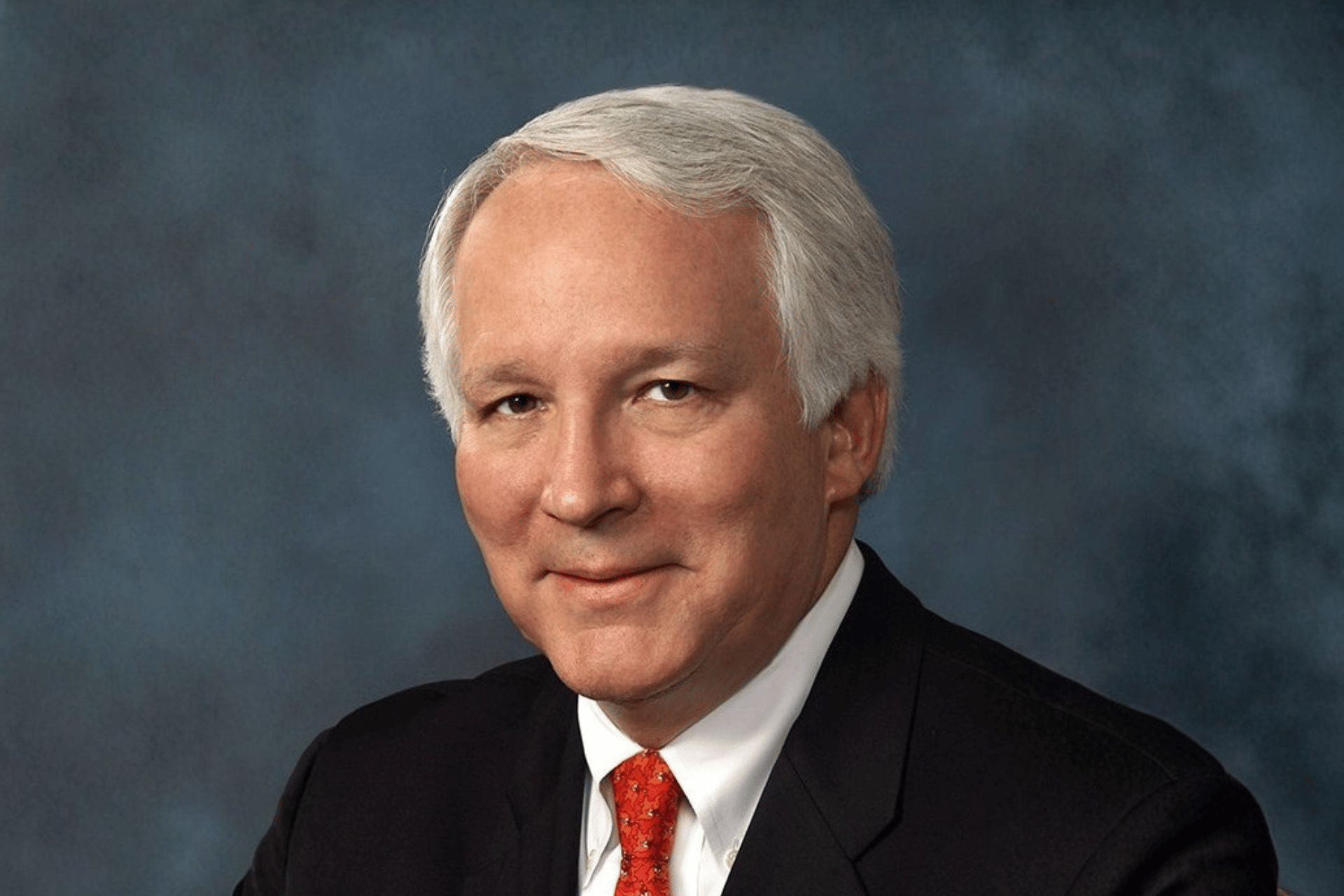
Phil Keb is a leading figure in global luxury hospitality and a Board Member of the World Luxury Chamber of Commerce. Known for his strategic approach to hotel development, investment, and brand growth, he has contributed to more than 60 projects worldwide with a combined value exceeding $8 billion. In this exclusive interview, Keb shares insights on investment strategy, project execution, and the future of luxury hospitality.

World Luxury Chamber of Commerce: How has your early training in engineering influenced the way you structure deals, assess risk, and execute complex global hospitality and investment transactions today?

Phil Keb: Understanding how buildings are constructed and operate on every level allows me to allocate operating costs in mixed-use projects and keep necessary reserves in place to meet both the project and the brand standards. So many times, “value engineering” plays an essential role in establishing the initial development budget and ensuring that it’s also realistic.

WLCC: How does that stage shape or impact long-term profitability?

PK: It’s especially important to make good decisions during that initial stage so as not to compromise critical areas of operation that will impact the guest experience, but then prove too costly or disruptive to fix later. I also learned that an efficient facilities program for both hotel and residential areas – and, in turn, design – is critical for controlling project costs and delivering those sought-after returns.

WLCC: Having worked across diverse financing models, including Sharia-compliant structures, public-private partnerships, and citizenship-by-investment initiatives, what investment approaches do you believe future luxury hotel and resort developments should always consider?

PK: Regardless of the source of capital, there is – and always will be – a need for adequate risk-adjusted returns to the investors. The important thing is to structure the deal correctly to deliver those returns right from the get-go. With luxury developments today, it requires some amount of branded residential product to achieve both the immediate and long-range financing goals.  

WLCC: You have led projects ranging from boutique, technology-driven lifestyle hotels to large-scale luxury resorts. How should someone leading a project adjust their development strategy and capital planning across multiple brands, markets, and guest profiles?

PK: Each project has its unique characteristics but, in all cases, it comes down to providing what a specific market and project customer wants. That’s best done by listening to the consumer or customer and satisfying both their spoken and unspoken needs. As Horst Schulze advised me years ago, “really listen to your customer, and you will always learn something interesting.” One of the keys today is to generate meaningful, current customer-survey data, and AI is greatly improving our ability to gain those insights for enhanced real-world decision-making.  

WLCC: In your current role advising on strategic growth of the upper luxury brands at IHG, how do you balance brand standards, owner priorities, and guest expectations when evaluating new projects and partnerships?

PK: Brand standards are well-defined at this point with targeted markets for strategic growth, so the owner’s project needs to fit within those parameters. Our brand standards are based on and focused on satisfying guest expectations, but there is always a balancing act needed to meet them in the real world, while simultaneously helping the owner develop or deliver the project within budget.

WLCC: As a Board Member of the World Luxury Chamber of Commerce, how do you see your experience in global hotel development and deal structuring contributing to the Chamber’s mission and its members?

PK: Because a core part of WLCC’s mission is to unite leaders and entrepreneurs of elite luxury brands, I look forward to meeting with and collaborating with companies outside of the hospitality industry and sharing those insights and opportunities with our members. It is my hope to add value to our growing community in a genuinely comprehensive way, with an even wider range of strategic, operational, and financing solutions that can support their ongoing success.

WLCC: Thank you, Phil! Connect with Phil Keb on LinkedIn to follow his latest insights on global hospitality investment and luxury brand development: https://www.linkedin.com/in/philkeb/

WLCC regularly features conversations and insights from global luxury leaders. Join our community to receive new interviews and perspectives weekly: https://worldluxurychamber.com/wlcc-community/.
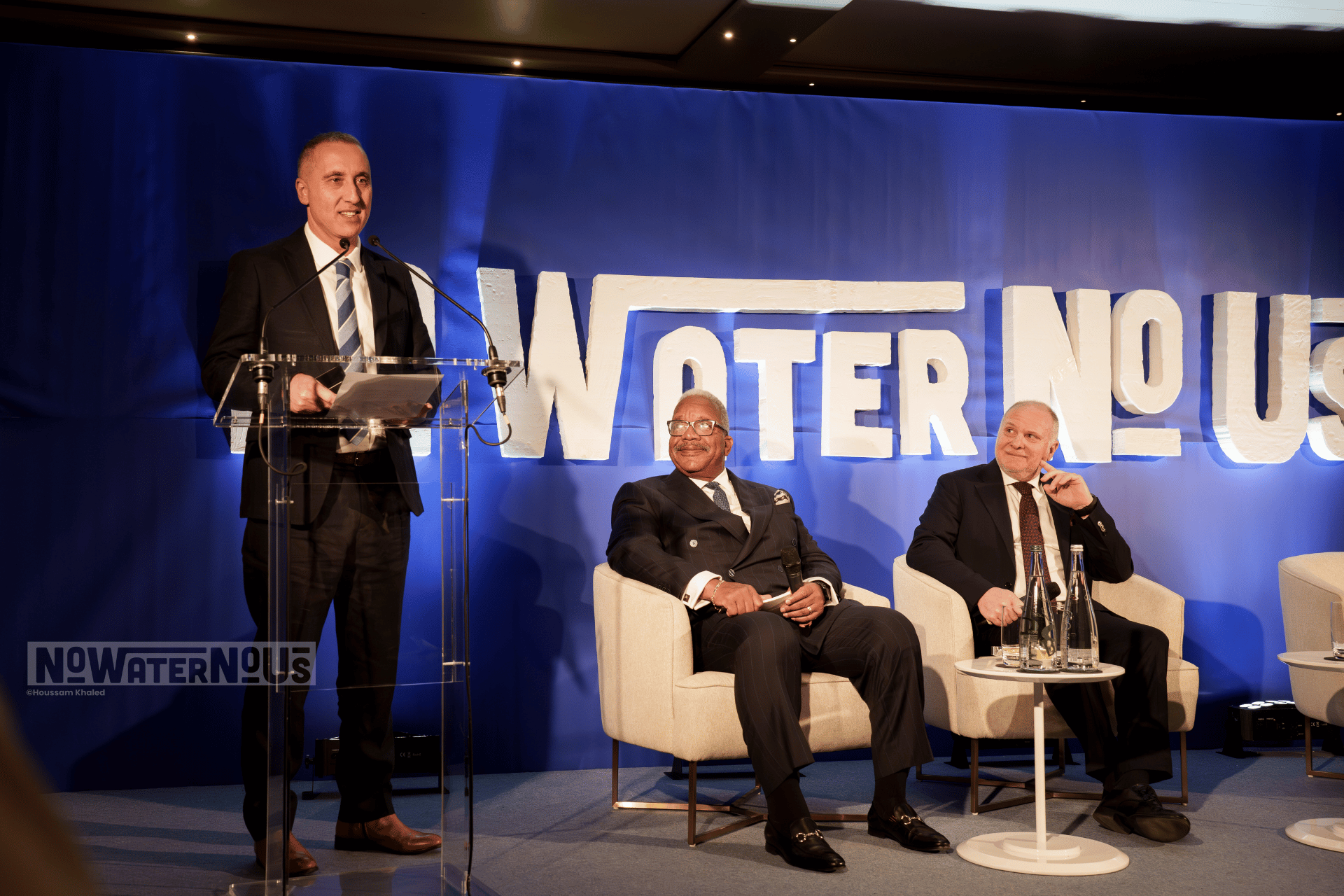
No Water No Us 2026 Summit: Uniting Global Leaders Around Water’s Future

Set between lake and mountains, Geneva welcomed the 2026 Annual Summit of the international NGO No Water No Us, convening global leaders, scientists, policymakers, and cultural figures to address the urgent challenges surrounding water and the cities of tomorrow. Hosted by WLCC Board Member Malek Semar, who is also the Founder and President of No Water No Us, the high-level gathering at La Réserve Genève Resort brought together voices from across sectors and continents to explore sustainable urban models, share best practices, and drive collective action.

Among the distinguished contributors was Dr. Massimiliano Mayrhofer, a renowned scientist from the prestigious Palace Merano, who brought an insightful medical perspective to the Summit. As a worldwide expert leading this celebrated medical spa dedicated to health, longevity, and wellbeing, his contribution highlighted the critical connection between water, human health, and preventive medicine.

With further contributions from notable guests, including West Palm Beach Mayor Keith A. James, and the announcement of the ambitious “Children for Water” global campaign, the Summit underscored water as a critical issue at the intersection of climate, health, and human development.

Read more about the event below:

To learn more about No Water No Us, head to https://nowaternous.com/

Stay connected with the latest news, trends, and curated networking opportunities – join the WLCC community: https://worldluxurychamber.com/wlcc-community/

AI, Web3, and the Metaverse: Tools Luxury Leaders Are Using Now

The convergence of Artificial Intelligence (AI), Web3, and the Metaverse is no longer a distant vision. It is actively influencing how luxury brands operate, engage, and create value. For members of the World Luxury Chamber of Commerce (WLCC), understanding and adopting these technologies is becoming a strategic imperative rather than a speculative exercise. Today’s most forward-thinking luxury leaders are not waiting. They are deploying practical tools that enhance exclusivity, deepen client relationships, and unlock new revenue streams.

AI: Hyper-Personalisation at Scale

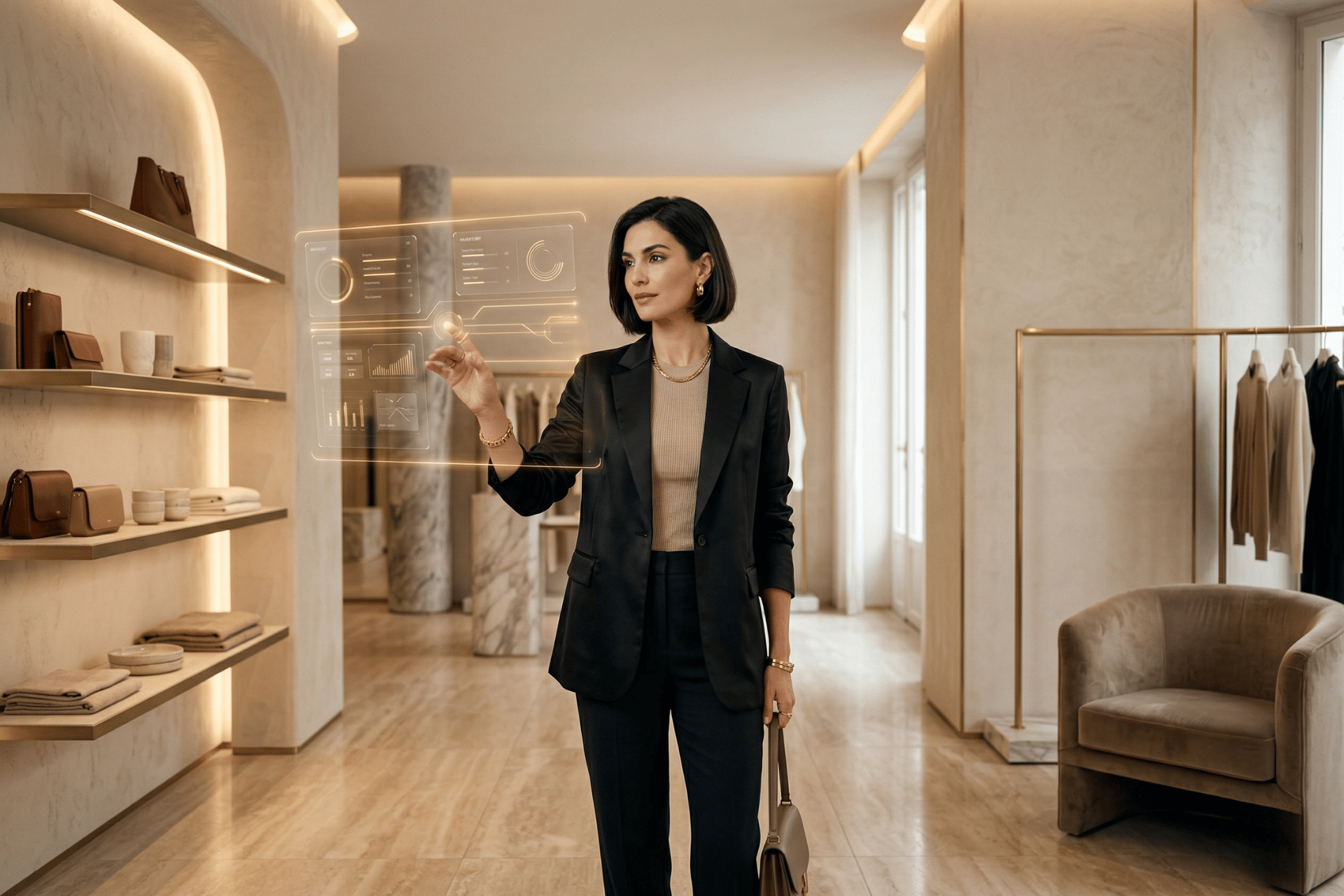
Luxury has always been defined by personalization, but AI is taking it to a more advanced level. Advanced AI tools are now enabling brands to analyze client behavior, preferences, and purchase history in real time. New platforms and bespoke AI systems are helping luxury houses curate tailored experiences, from personalized product recommendations to predictive concierge services.

AI is also influencing clienteling. Sales associates are equipped with intelligent dashboards that suggest when to reach out, what to offer, and how to engage each client uniquely. In high-touch sectors such as haute couture, private aviation, and luxury hospitality, AI-driven insights are supporting, not replacing, the human touch.

Another key application is generative AI. Leading brands are using online tools to support creative processes, from campaign ideation to virtual prototyping. This allows luxury houses to maintain creative standards while reducing time-to-market.

Web3: Ownership, Authenticity, and Digital Assets

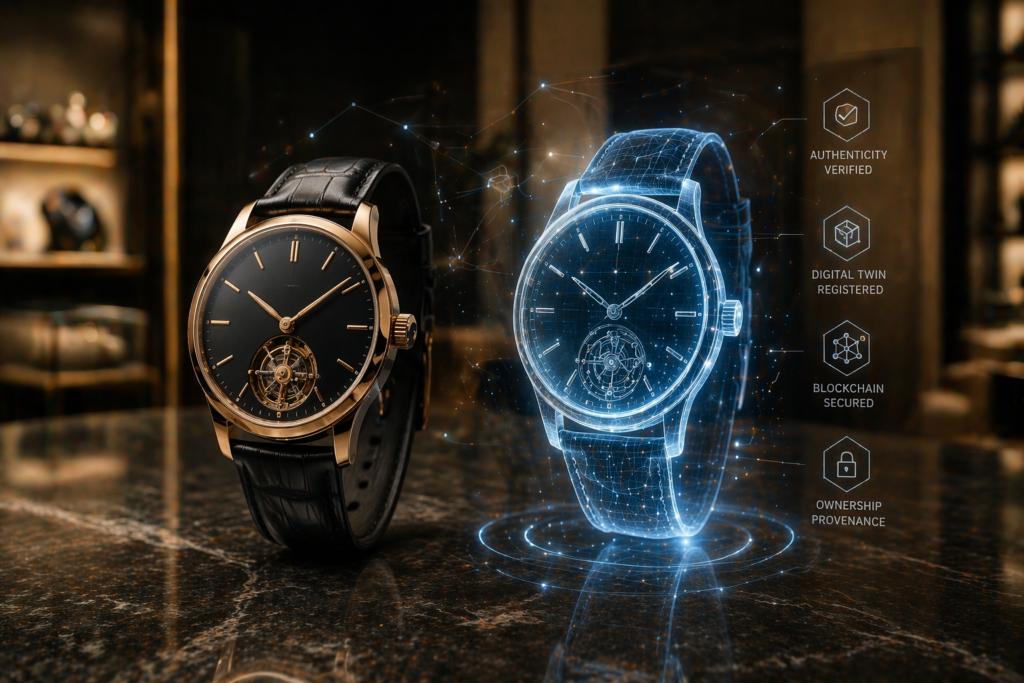
Web3 technologies are placing greater focus on ownership, an essential pillar in the luxury sector. Blockchain-based tools are being used to create digital certificates of authenticity, ensuring provenance and combating counterfeiting.

Non-Fungible Tokens (NFTs) have evolved beyond hype into practical use. Luxury brands are issuing NFTs as exclusive membership passes, granting access to private events, limited editions, and bespoke services. NFT-based loyalty programs allow brands to reward their most valuable clients with verifiable, tradable digital assets.

Smart contracts are another important Web3 tool. They enable automated, transparent transactions, particularly relevant for resale markets, where royalties can be programmed directly into the asset. This ensures that brands maintain a stake in secondary market activity, which has long been a challenge in luxury.

Web3 is also supporting new forms of storytelling. Brands are creating digital narratives tied to their heritage, craftsmanship, and values, building deeper emotional connections with a digitally native clientele.

The Metaverse: Immersive Brand Worlds

The Metaverse is becoming an important space for luxury engagement. While still evolving, virtual platforms are already being used by leading brands to create immersive experiences that extend beyond physical limitations.

Virtual flagship stores are allowing clients to explore collections in 3D environments, interact with brand ambassadors, and attend exclusive digital events. These experiences are not merely replicas of physical spaces. They are environments where creativity and storytelling can expand without the usual constraints.

Digital fashion is another area gaining traction. Luxury brands are designing virtual garments and accessories for avatars, opening up a new category of high-margin, low-production-cost products. This is particularly appealing to younger, digitally native consumers who value identity expression in virtual spaces as much as in the physical world.

The Metaverse is also becoming a strong platform for brand collaborations. Cross-industry partnerships between fashion, automotive, art, and entertainment are creating new types of luxury experiences.

Strategic Integration: The Luxury Imperative

The opportunity lies not in adopting these technologies in isolation, but in integrating them with clear intent. AI strengthens personalization, Web3 supports ownership and trust, and the Metaverse expands how brands present and engage. Together, they form a powerful combination guiding modern luxury.

For WLCC members, the question is no longer if but how to engage. The most successful leaders are those who approach these tools with clarity of brand identity and a commitment to excellence. Technology should amplify the essence of luxury, including craftsmanship, exclusivity, and emotional resonance, not dilute it.

As we move forward, the brands that will lead are those that incorporate tradition with innovation, using AI, Web3, and the Metaverse not as trends, but as core elements of a forward-looking luxury strategy.

Stay connected with the latest news, trends, and curated networking opportunities – join the WLCC community: https://worldluxurychamber.com/wlcc-community/

The WLCC Monthly Edit: Global Luxury in Focus with Europe, the Middle East and Beyond

The WLCC Monthly Edit: your curated digest of the latest in the world of luxury. Each month, WLCC brings you a handpicked selection of industry news, insights, and stories influencing the future of high-end fashion, design, hospitality, travel, real estate, and beyond. Consider this your insider’s guide to the latest in luxury. 

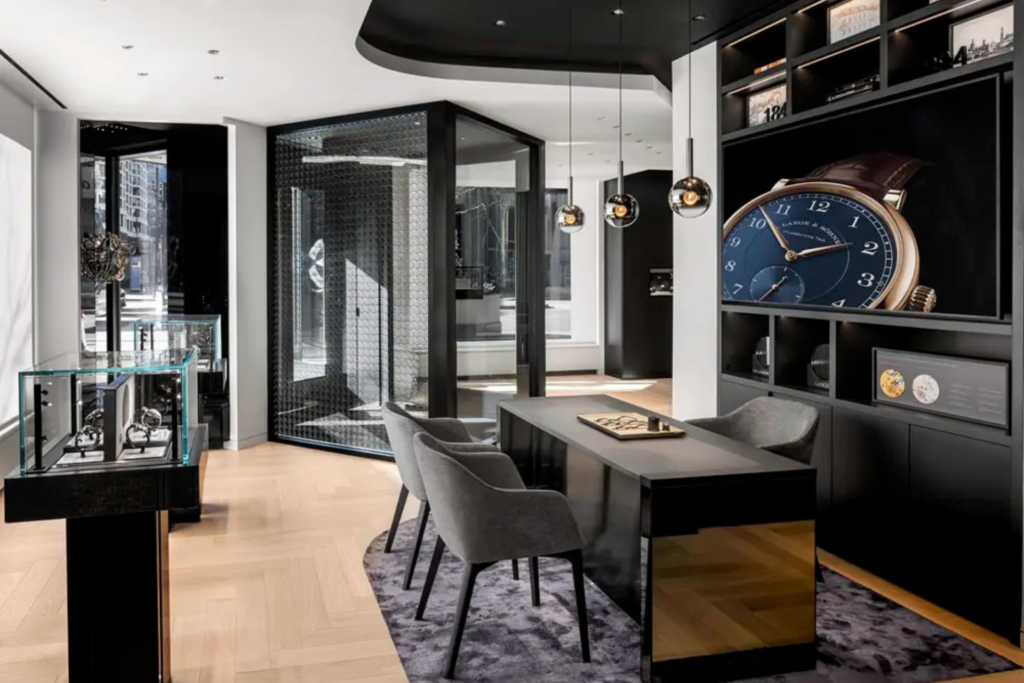
A. Lange & Söhne Opens Chicago Boutique

A. Lange & Söhne has expanded its U.S. presence with a new boutique in Chicago’s Tribune Tower on Michigan Avenue. The space reintroduces the brand to the Midwest and reflects its strategy of carefully growing a global retail network. Designed for privacy and immersion, the boutique offers curated lounges, full collections, and detailed brand experiences highlighting German watchmaking craftsmanship. At 1,409 square feet, it showcases technical innovations and hand-finishing traditions. The historic Tribune Tower location, rich in architectural symbolism, aligns with the brand’s heritage, including its 1990 revival after German reunification, reinforcing connections between history, craftsmanship, and modern luxury today.

Read More | Image via Richemont

Marriott Expands Greece Portfolio with New Signings

Marriott International has announced nine new hotel agreements in Greece, adding nearly 1,000 rooms and introducing Residence Inn and Le Méridien to the market. The expansion strengthens its existing portfolio across islands, coastal destinations, and cities. Key projects include new developments in Athens, Crete, Zakynthos, and Paros, spanning luxury resorts, extended-stay offerings, and lifestyle hotels. Several openings are planned between 2026 and 2028, reflecting continued investor confidence and growing tourism demand. The strategy enhances Marriott’s presence across multiple segments while reinforcing its long-term commitment to Greece as a key leisure and hospitality destination.

Read More | Image via Marriott International

Middle East Conflict Weighs on LVMH Sales

LVMH reported weaker-than-expected first-quarter performance as conflict in the Middle East disrupted tourism and reduced luxury spending. Growth reached just 1%, with its key fashion and leather goods division declining. Regional instability, including strikes affecting Gulf shopping hubs, significantly impacted March sales. While the Middle East represents a small share of global luxury revenue, prolonged uncertainty risks dampening broader consumer confidence. Europe and Japan also saw declines, though Asia outside Japan and the US showed resilience. Despite current pressures, the group expects future recovery driven by new creative leadership and shifting demand across global markets.

Read More | Via Financial Times | Photo by Christian Wiediger on Unsplash

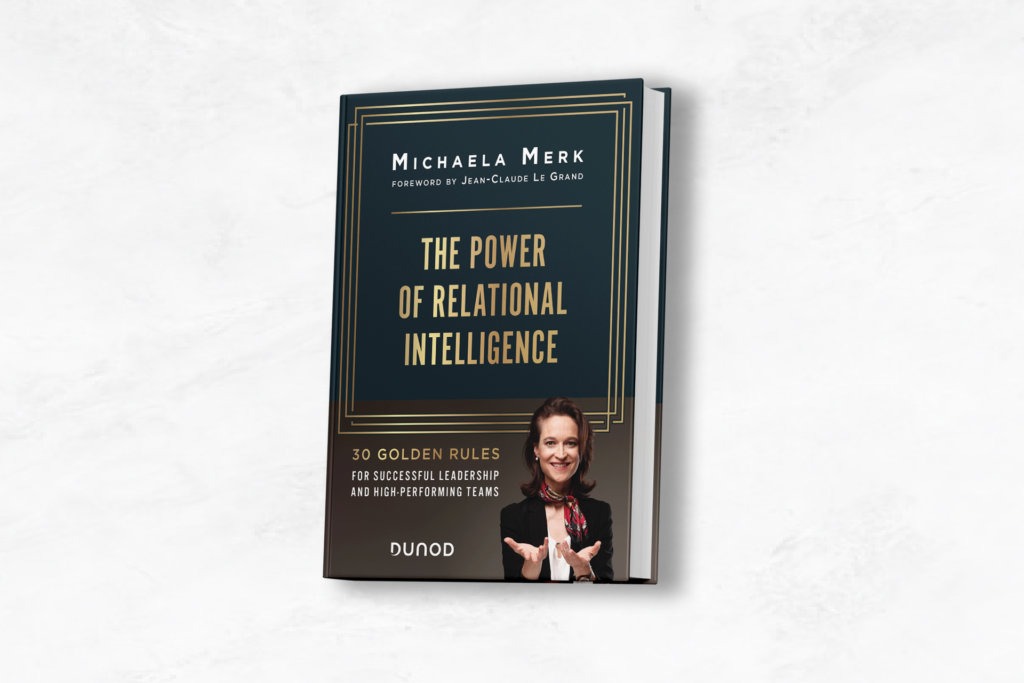
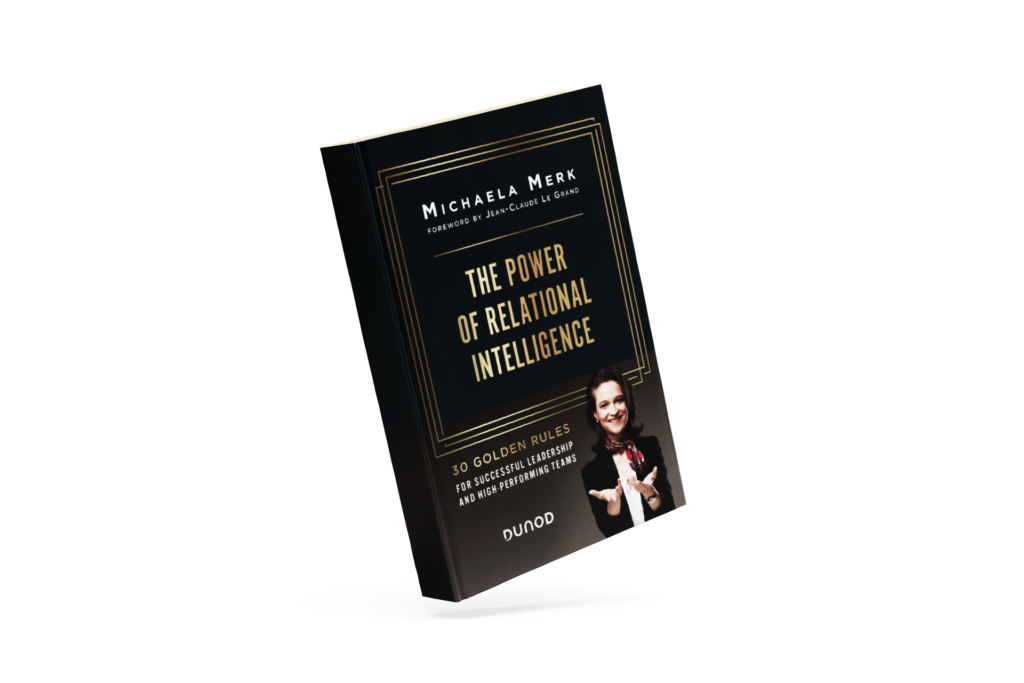
The Power of Relational Intelligence by Michaela Merk

Michaela Merk’s The Power of Relational Intelligence presents a practical framework for improving leadership through stronger human connections. Built around thirty actionable rules, the book focuses on five key areas: empathy, trust, passion, authentic pride, and gratitude. Merk addresses common workplace challenges such as miscommunication, ineffective meetings, and stalled collaboration, offering tools to enhance influence and team performance. She also highlights how artificial intelligence can support, rather than replace, human interaction when used thoughtfully. Overall, the book provides a structured and accessible approach for leaders seeking to build more effective, connected, and high-performing teams.

Read the Review

The Art and Science of Scent: Anu Ruohosto’s Vision

Anu Ruohosto blends science and intuition to redefine modern perfumery. With over 25 years of experience, she draws on cosmetic chemistry and natural medicine to create clean, artisanal fragrances that evolve on the skin. Rejecting trends, she values exclusivity as meaning and craftsmanship rather than rarity. Through layered botanical ingredients, she achieves depth and longevity without synthetics. Ruohosto views perfume as a personal emotional expression, shaped by each wearer. Looking ahead, she predicts a more transparent, intentional industry focused on quality, responsibility, and authentic sensory experiences for discerning consumers worldwide seeking connection and integrity in fragrance choices today and beyond.

Read the Interview

India’s Luxury Breakthrough: From Barriers to Global Gateway

India’s luxury market is undergoing a transformative shift as new trade agreements with the EU and the US dismantle longstanding tariff barriers. What was once a protectionist landscape is evolving into a globally integrated luxury hub. Reduced duties across automotive, watches, wines, and beauty are unlocking access, aligning prices, and curbing grey markets. At the same time, strengthened export conditions in gems and jewelry are fueling domestic reinvestment. This shift empowers brands to expand portfolios, invest in flagship experiences, and treat India as a strategic partner. The result is a dynamic, bi-directional luxury corridor driven by confidence, transparency, and rising consumer sophistication.

Read the Full Op-Ed


Stay connected with the latest news, trends, and curated networking opportunities – join the WLCC community: https://worldluxurychamber.com/wlcc-community/

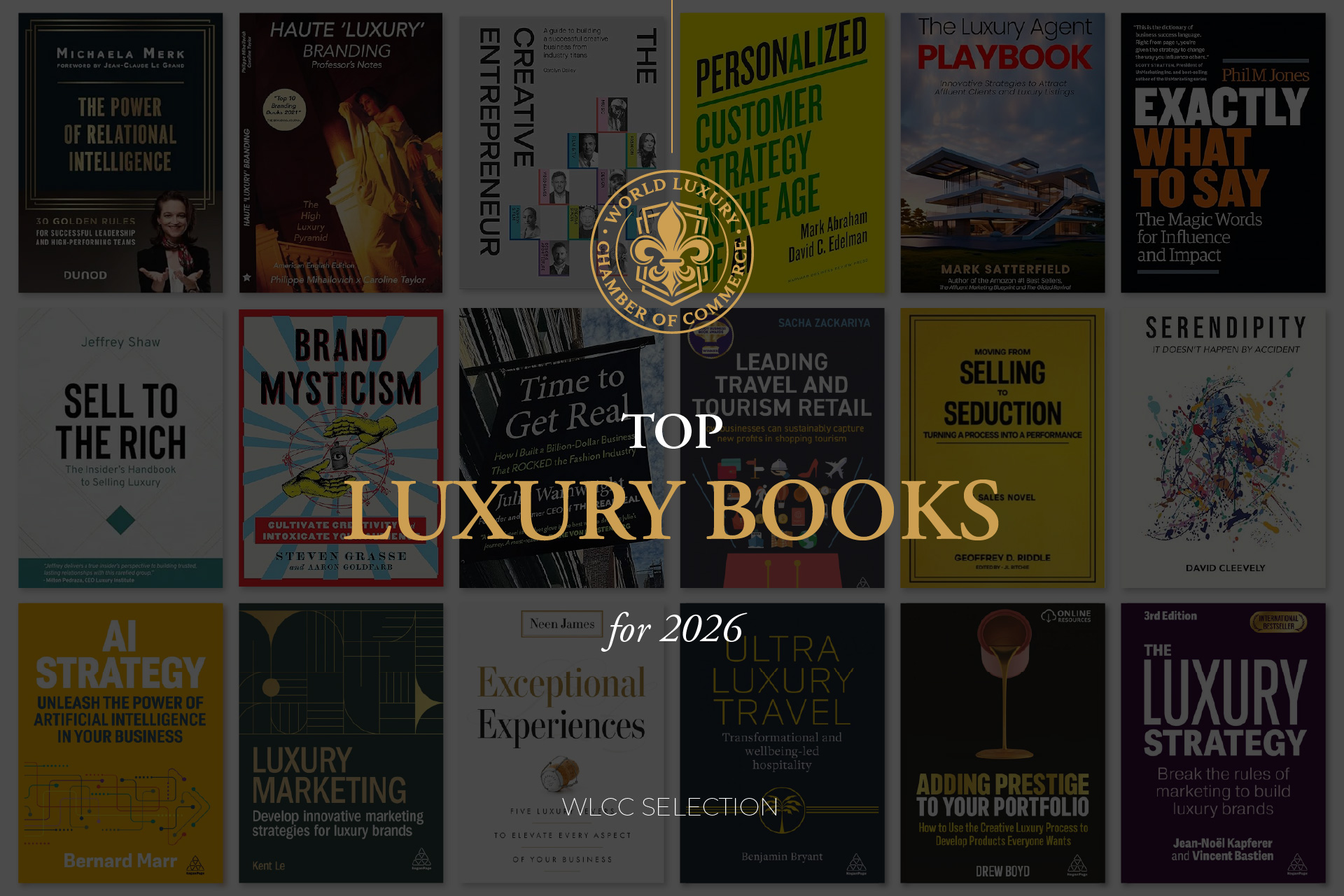
WLCC Selection: The TOP Luxury Books for 2026

The World Luxury Chamber of Commerce (WLCC) announces its TOP Luxury Books 2026, a curated global reading list developed in collaboration with its internal research team and the Office of the President.

The list includes books focused on brand strategy, AI and innovation, marketing, entrepreneurship, and client experience, alongside titles that explore fashion, interiors, aviation, yachting, and the art of living. Together, they offer a well-rounded view of luxury as both a business discipline and a cultural space.

The selection is not based on popularity. Each book is chosen for the strength of its ideas, the credibility of its author, and its relevance to professionals, founders, and leaders operating within or adjacent to the luxury sector.

Explore the list (in alphabetical order by author):

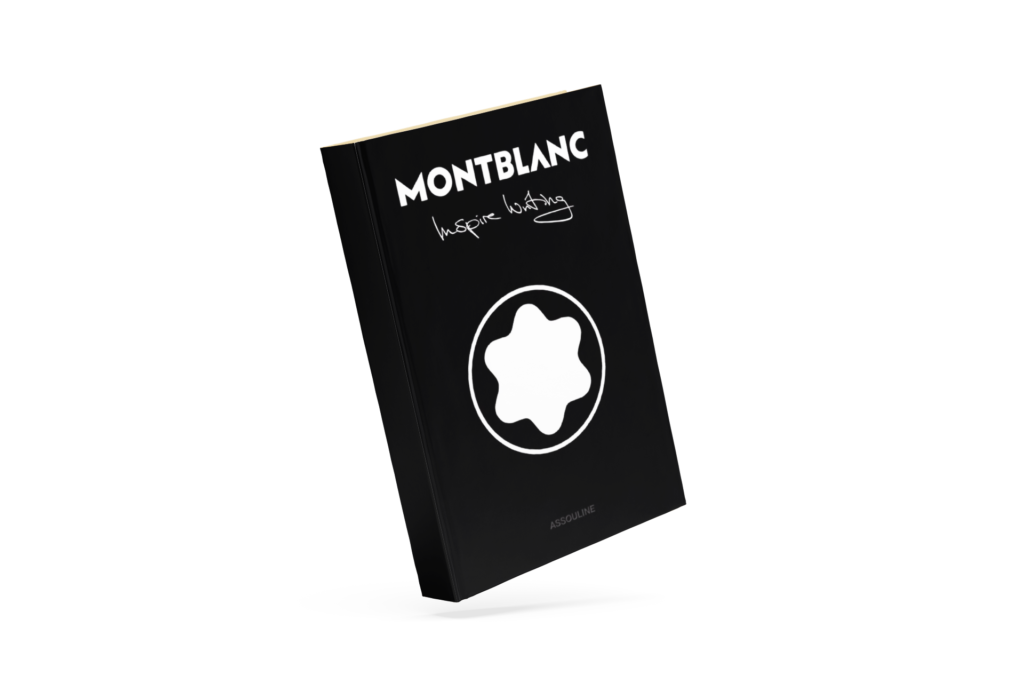
Alexander Fury | Montblanc: Inspire Writing
Montblanc celebrates writing’s enduring power, crafting instruments that inspire expression, creativity, and legacy, honoring human stories while elevating handwriting as timeless art and cultural connection.
Get the Book

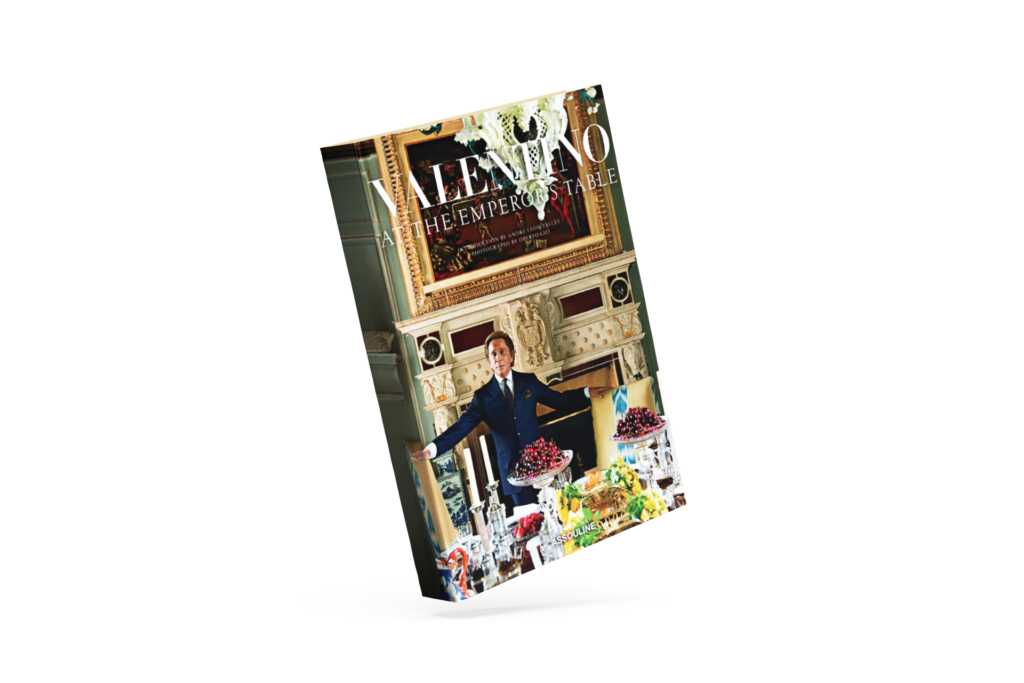
André Leon Talley, Valentino Garavani | Valentino: At the Emperor’s Table
Valentino’s book celebrates beauty, luxury, and hosting, showcasing his residences, exquisite table settings, and passion for creating warm, opulent dining experiences rooted in elegance and joy.
Get the Book

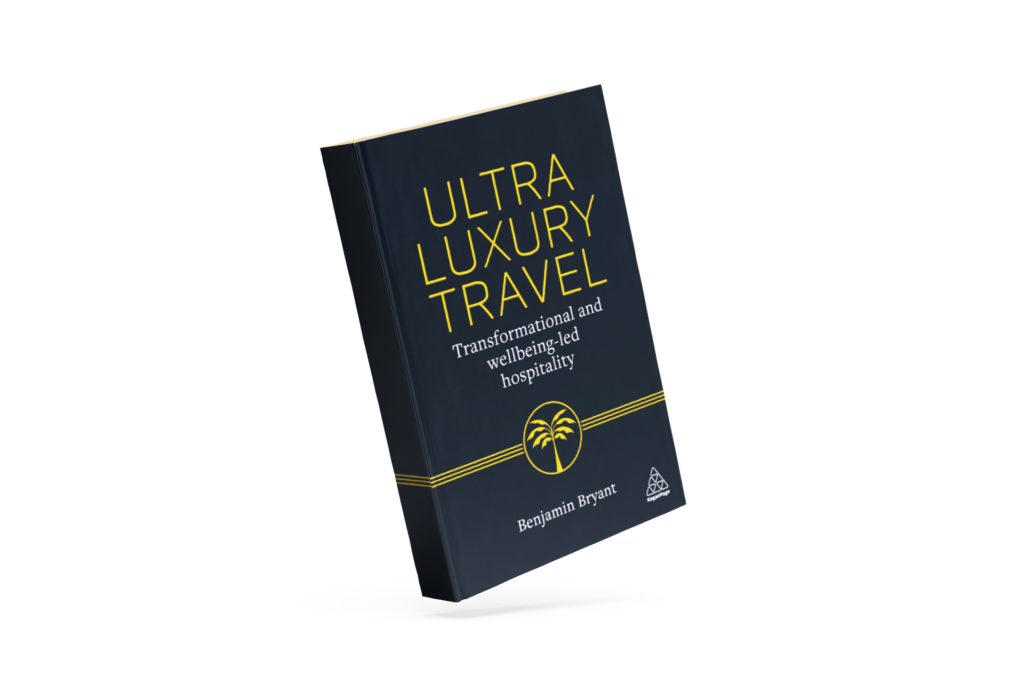
Benjamin Bryant | Ultra-Luxury Travel: Transformational and Wellbeing-Led Hospitality
Ultra-Luxury Travel offers a strategic blueprint for leaders to capitalize on wellness-driven hospitality, delivering sustainable, high-value experiences, premium positioning, and measurable ROI in evolving luxury markets.
Get the Book

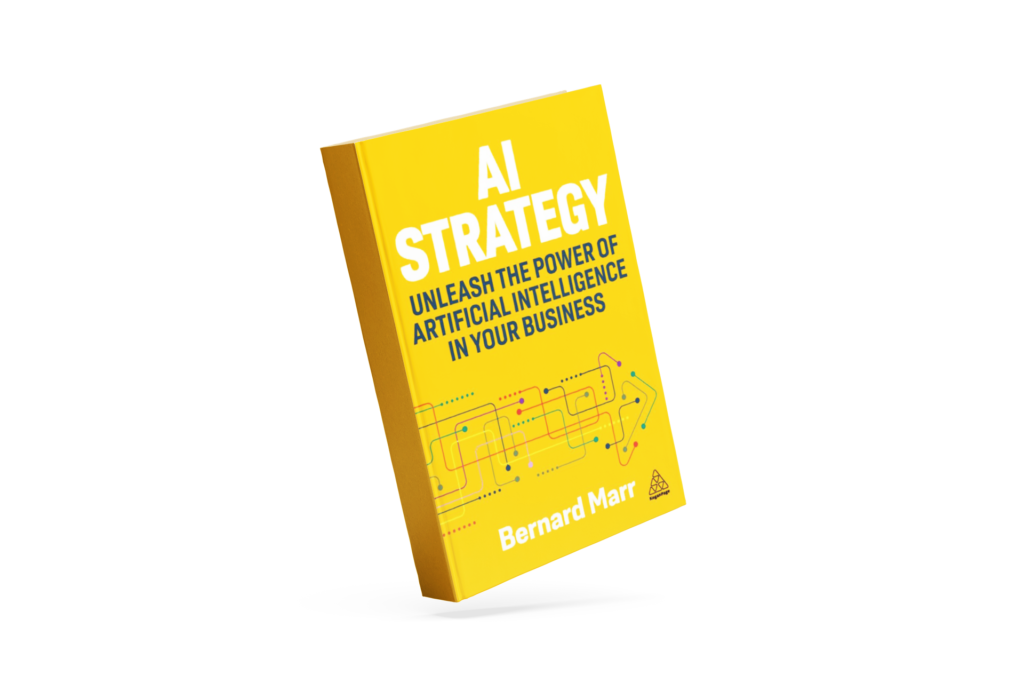
Bernard Marr | AI Strategy: Unleash the Power of Artificial Intelligence in Your Business
AI Strategy is an executive guide to leveraging artificial intelligence for competitive advantage, helping leaders align AI with business goals, manage risk, and deliver scalable, measurable value.
Get the Book

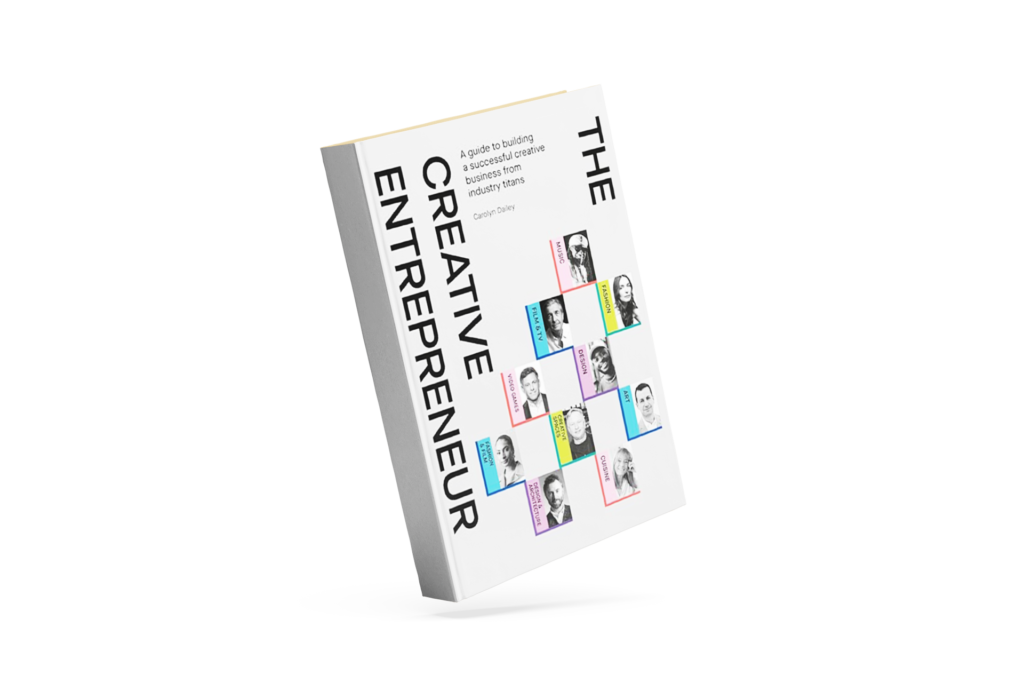
Carolyn Dailey | The Creative Entrepreneur: A Guide to Building a Successful Creative Business from Industry Titans
The Creative Entrepreneur shares insights from leading innovators to help build successful, mission-driven creative businesses, combining real-world stories, practical strategies, and lessons for unlocking creativity and growth.
Get the Book

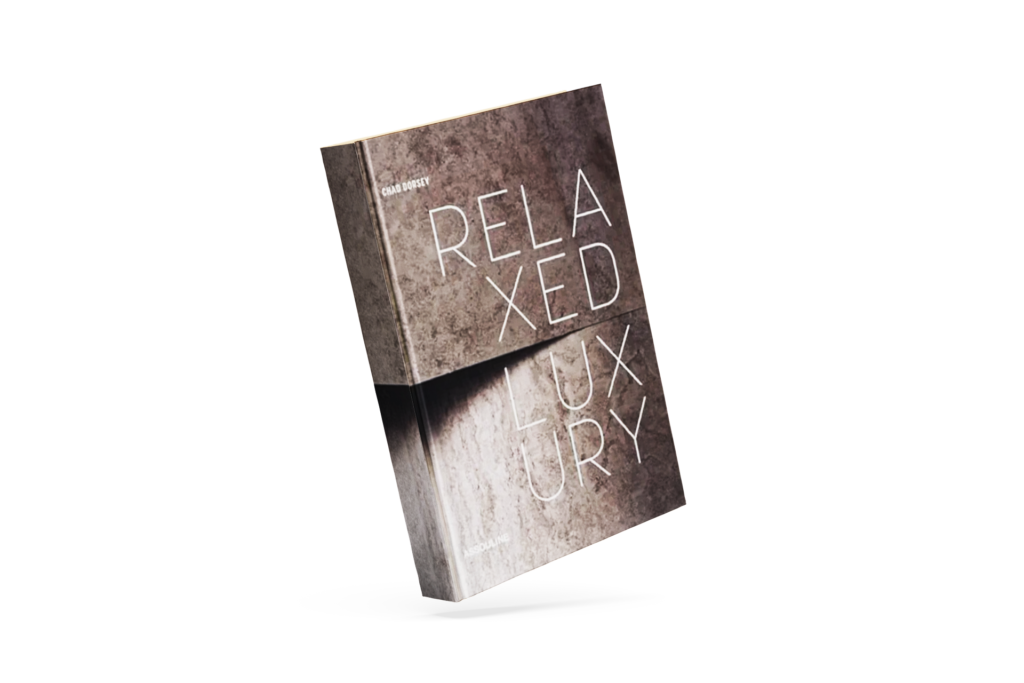
Chad Dorsey | Relaxed Luxury
Relaxed Luxury explores Chad Dorsey’s signature design philosophy, blending comfort and elegance through inspiring interiors, practical advice, and refined, livable spaces that redefine modern luxury living.
Get the Book

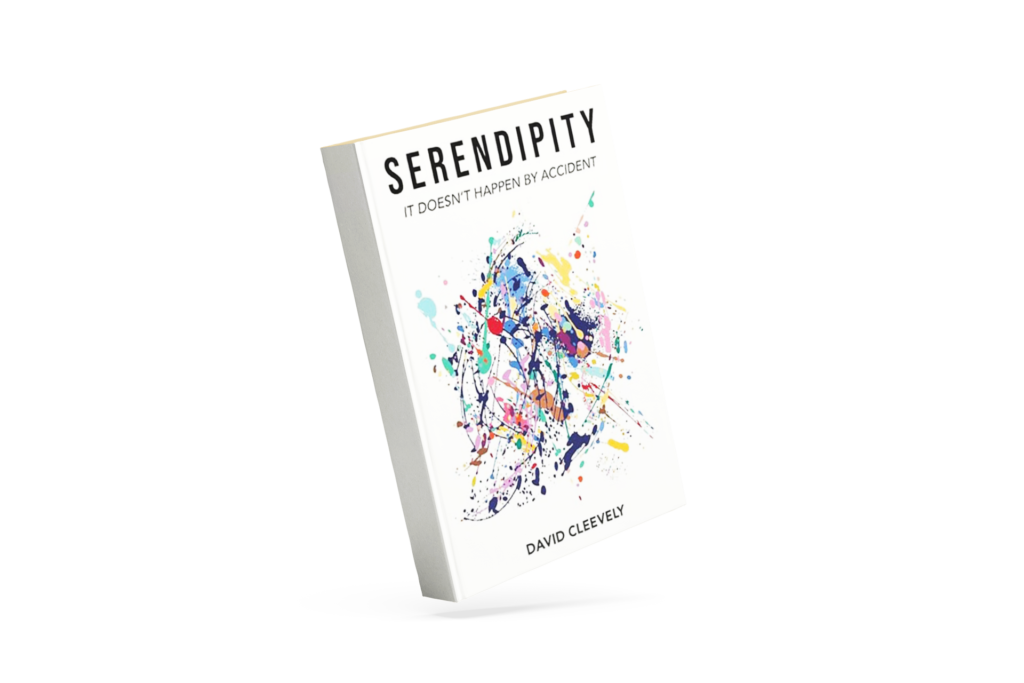
David Cleevely | Serendipity: It Doesn’t Happen by Accident
Serendipity reveals how innovation emerges from networks, systems, and environments, showing leaders how to intentionally design conditions that increase the likelihood of breakthrough ideas and transformative success.
Get the Book

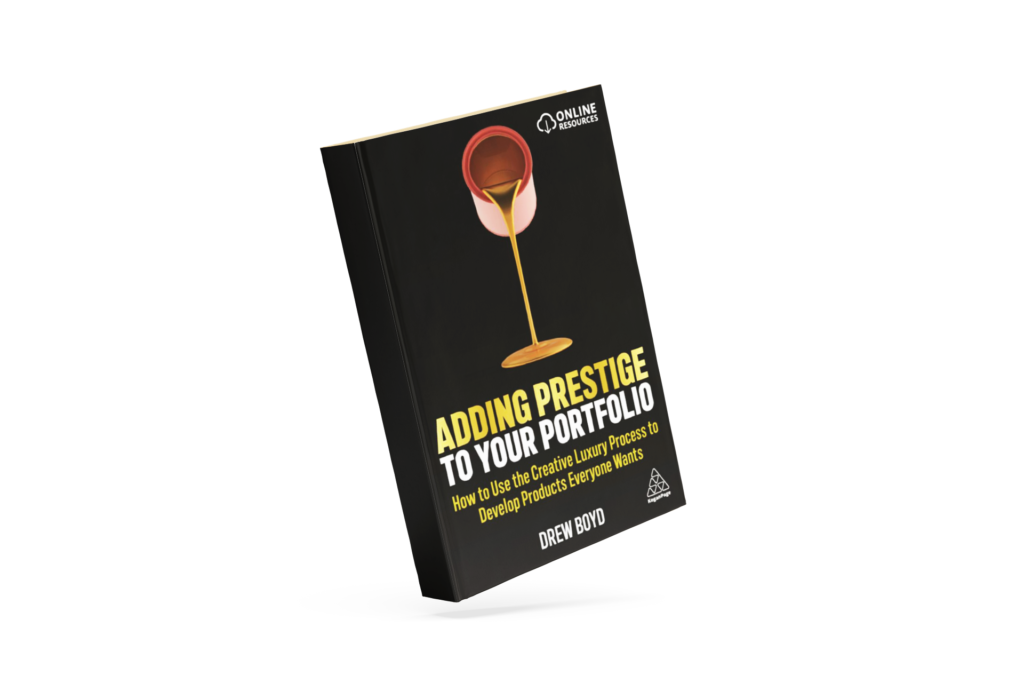
Drew Boyd | Adding Prestige to Your Portfolio: How to Use the Creative Luxury Process to Develop Products Everyone Wants
Adding Prestige to Your Portfolio shows how businesses apply luxury principles to elevate products, enhance customer experience, strengthen loyalty, and drive value across every stage of the buying journey.
Get the Book

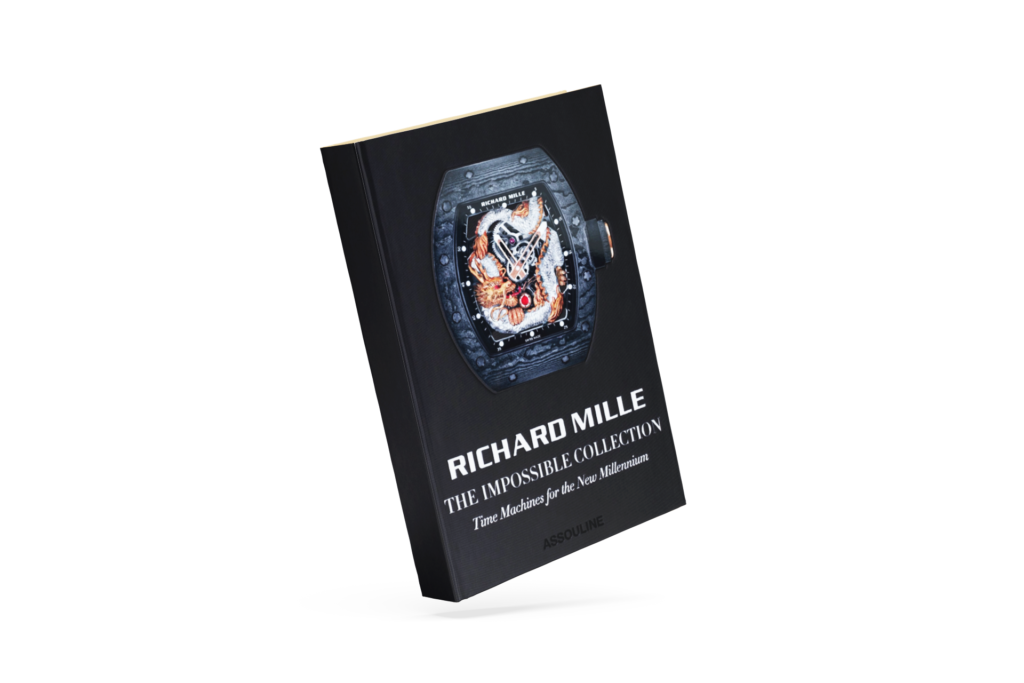
Fabienne Reybaud | Richard Mille: The Impossible Collection
Richard Mille: The Impossible Collection showcases the brand’s revolutionary watchmaking, blending cutting-edge technology, craftsmanship, and design to create iconic timepieces symbolizing innovation, exclusivity, and ultimate success.
Get the Book

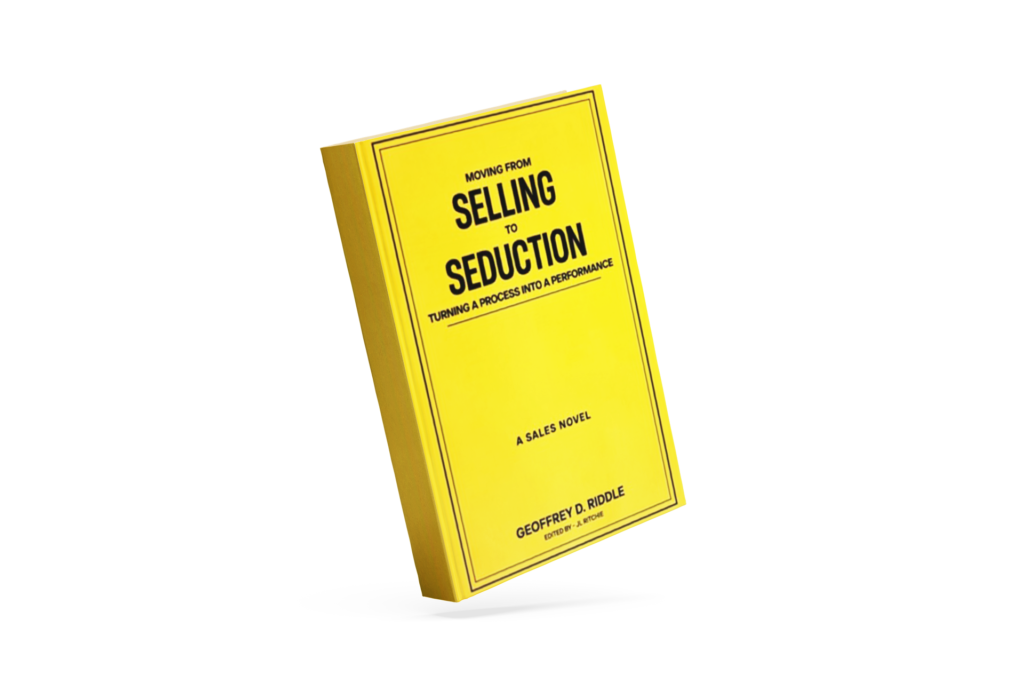
Geoffrey Riddle | Moving from Selling to Seduction: Turning a Process into a Performance
Moving from Selling to Seduction transforms sales into performance, teaching professionals how to emotionally engage clients, differentiate themselves, and drive results through powerful, experience-driven luxury selling techniques.
Get the Book

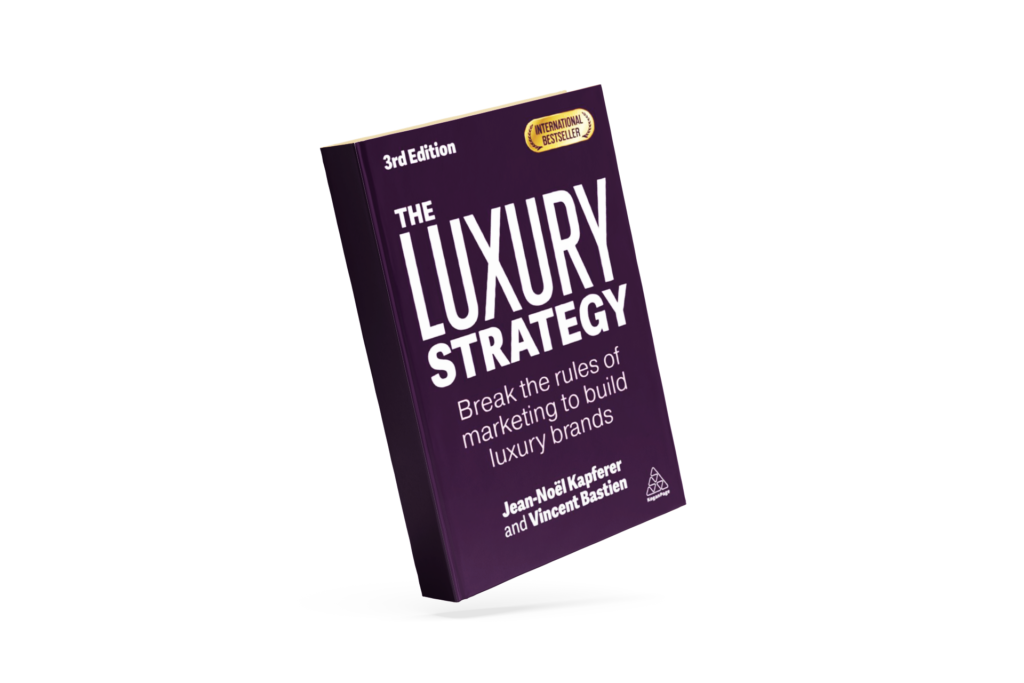
Jean-Noël Kapferer, Vincent Bastien | The Luxury Strategy: Break the Rules of Marketing to Build Luxury Brands (3rd Edition)
The Luxury Strategy is the definitive guide to building enduring luxury brands, revealing how to break traditional marketing rules, maintain exclusivity, and achieve long-term profitability and global brand authority.
Get the Book

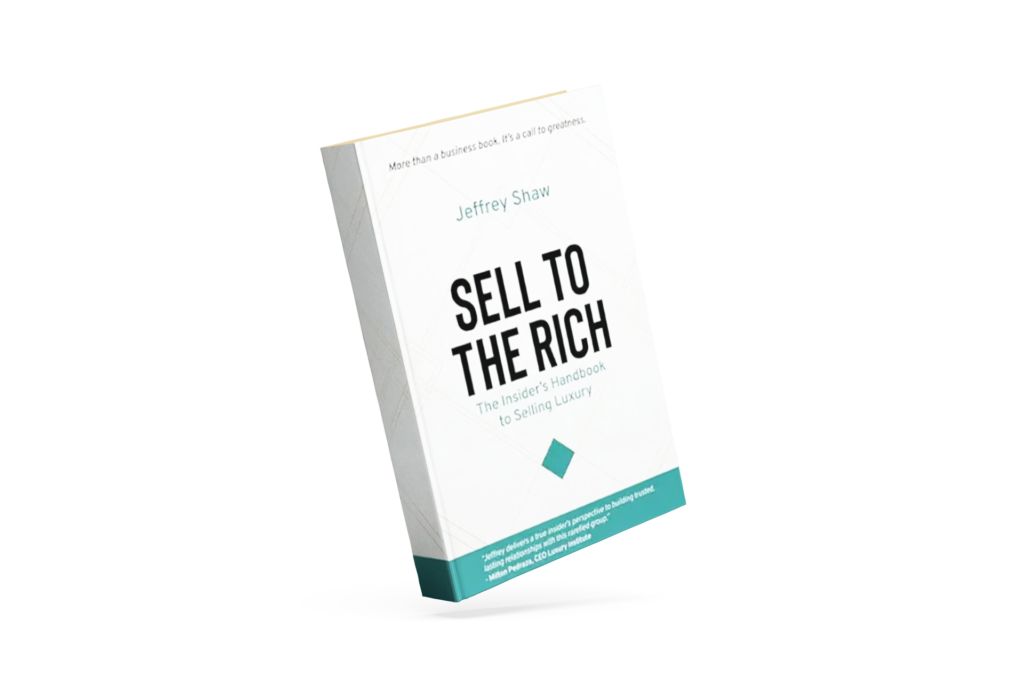
Jeffrey Shaw | Sell to the Rich: The Insider’s Handbook to Selling Luxury
Sell to the Rich reveals how to understand, attract, and build trust with luxury clients, offering proven strategies to create meaningful relationships, deliver exceptional experiences, and win high-value business.
Get the Book

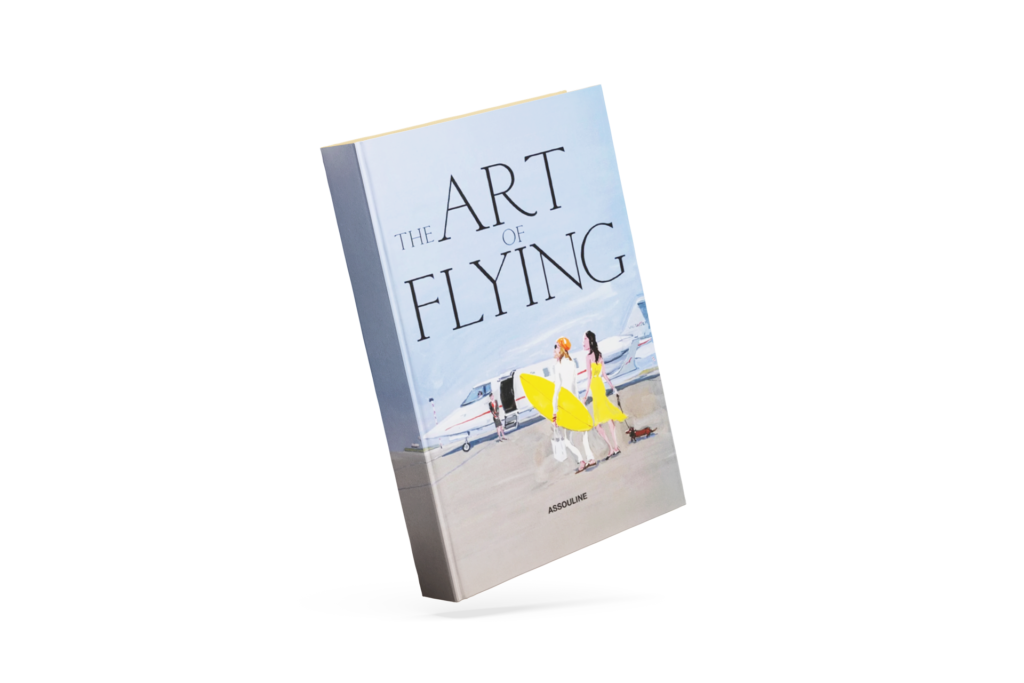
Josh Condon | The Art of Flying
The Art of Flying traces the evolution of air travel, blending technology, design, and culture to celebrate its legacy as a symbol of innovation, luxury, and modern aspiration.
Get the Book

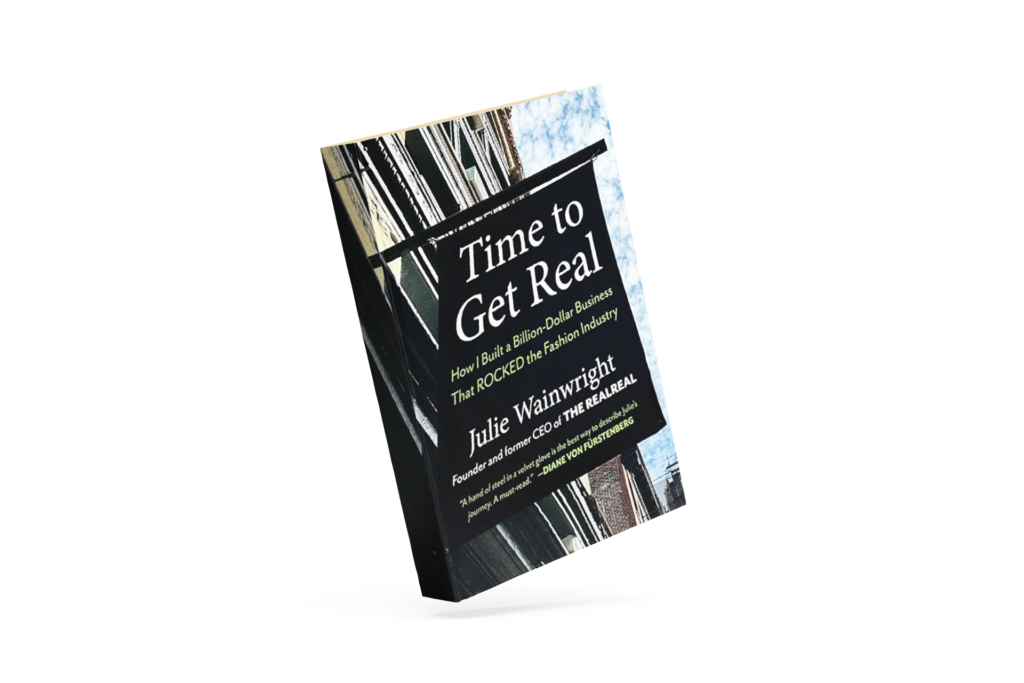
Julie Wainwright | Time to Get Real: How I Built a Billion-Dollar Business That Rocked the Fashion Industry
Time to Get Real shares Julie Wainwright’s journey of resilience and entrepreneurship, offering candid lessons on building a billion-dollar business, overcoming setbacks, and redefining success in fashion and tech.
Get the Book

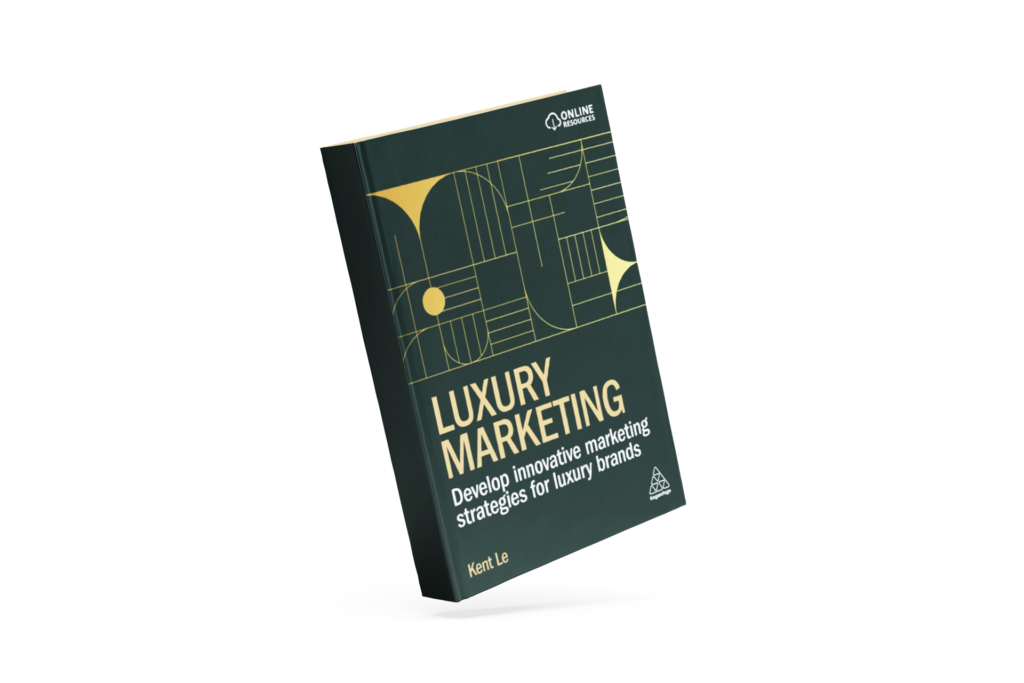
Kent Le | Luxury Marketing: Develop Innovative Marketing Strategies for Luxury Brands
Luxury Marketing provides a comprehensive framework for understanding global luxury brands, blending theory and practice to explore strategy, consumer psychology, and innovation in an evolving, competitive market.
Get the Book

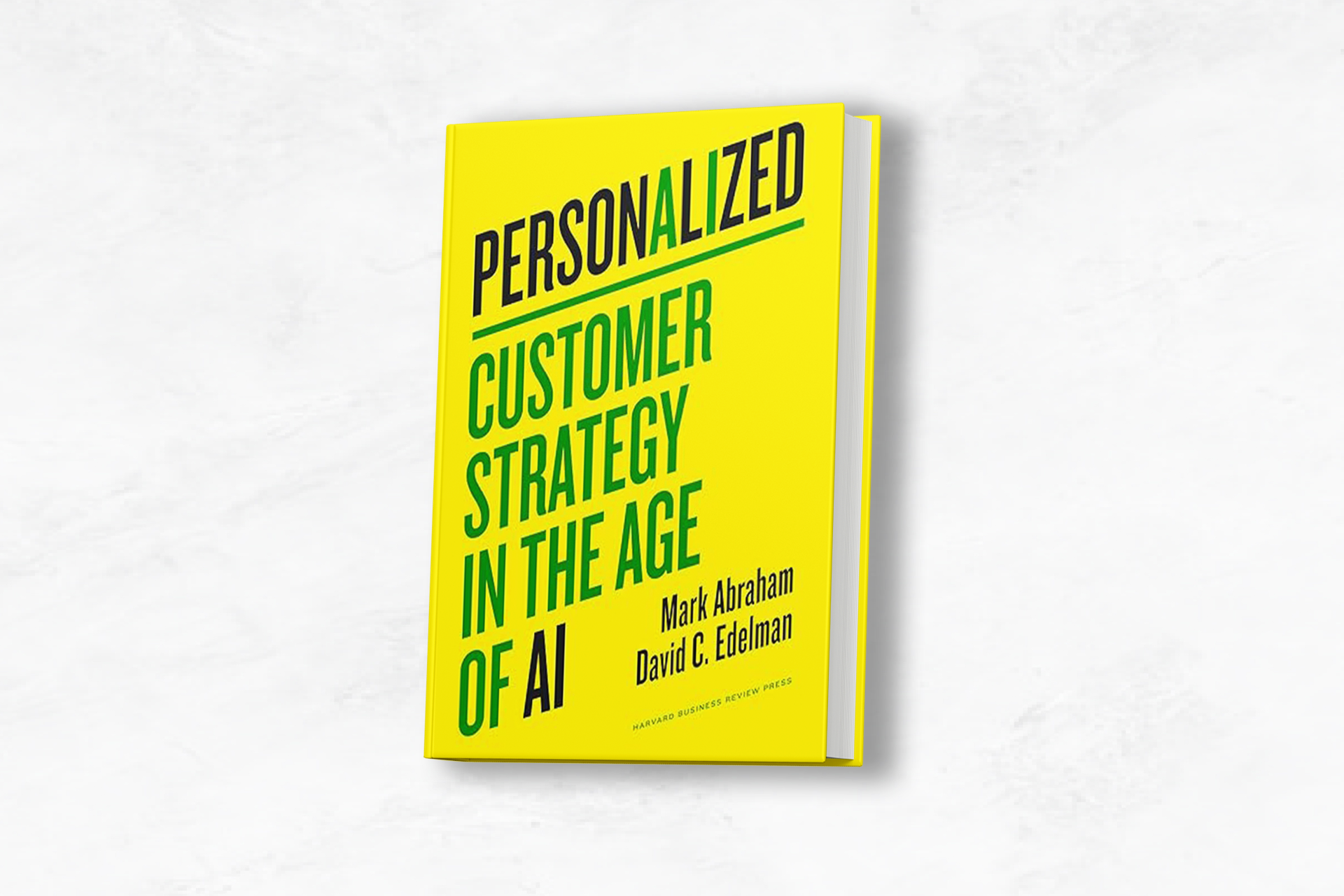
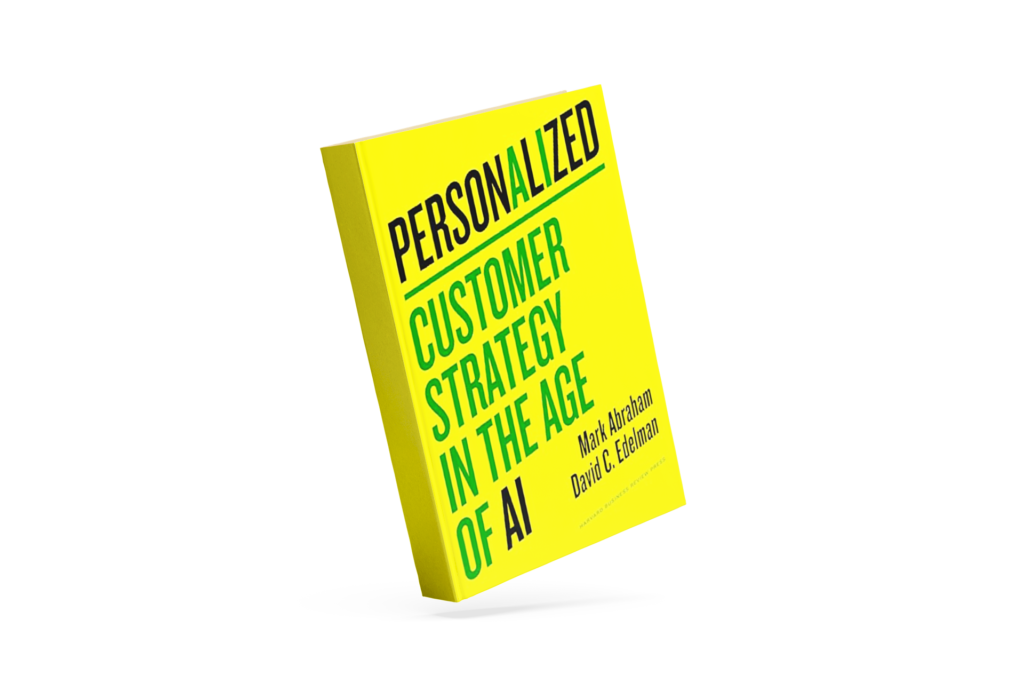
Mark Abraham, David C. Edelman | Personalized: Customer Strategy in the Age of AI
Personalized is a strategic guide to delivering AI-powered personalization at scale, helping businesses build trust, enhance customer experiences, and drive growth through tailored, data-driven engagement.
Get the Book

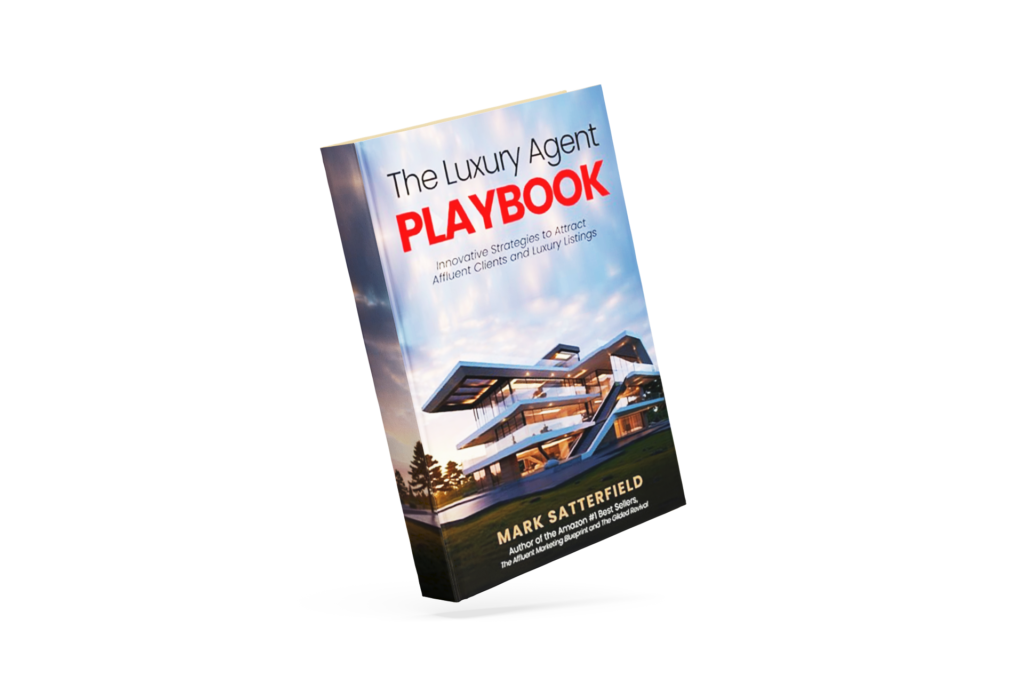
Mark Satterfield | The Luxury Agent Playbook: Innovative Strategies to Attract Affluent Clients and Luxury Listings
The Luxury Agent Playbook reveals how to attract affluent clients, build a premium brand, and close high-value real estate deals through relationship-driven strategies and elevated client experiences.
Get the Book

Michaela Merk | The Power of Relational Intelligence: 30 Golden Rules for Effective Leadership and High-Performing Teams
The Power of Relational Intelligence reveals how to strengthen leadership through empathy, trust, and connection, combining practical tools and AI insights to enhance influence, collaboration, and team performance.
Get the Book

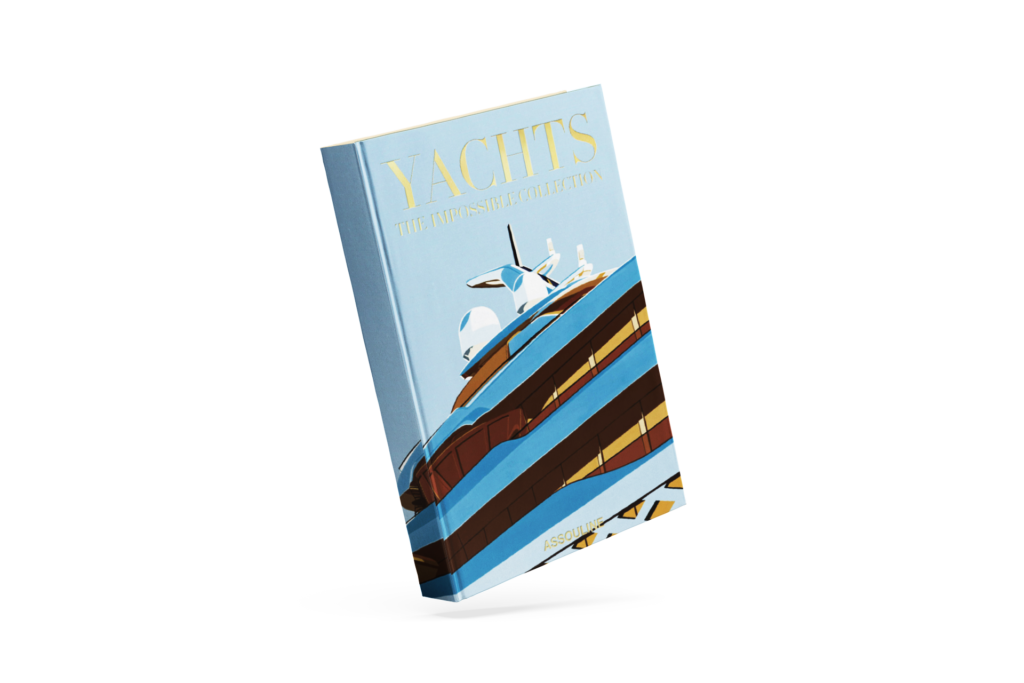
Myriam Cain | Yachts: The Impossible Collection
Yachts: The Impossible Collection showcases the world’s most extraordinary vessels, blending heritage, innovation, and luxury to highlight iconic yachts that redefine design, technology, and elite maritime lifestyle.
Get the Book

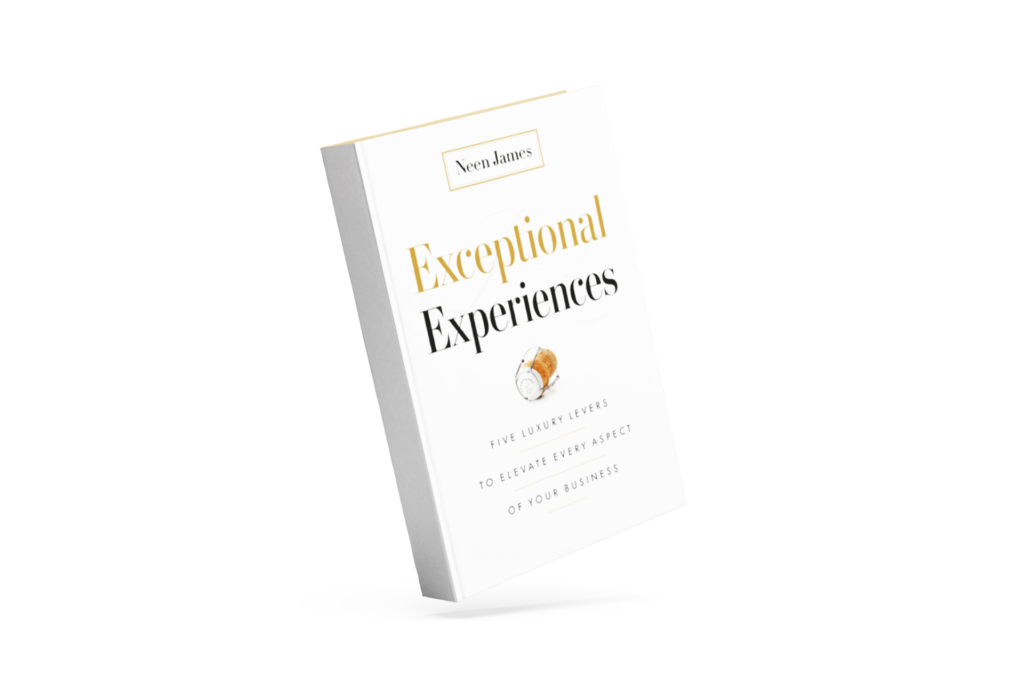
Neen James | Exceptional Experiences: Five Luxury Levers to Elevate Every Aspect of Your Business
Exceptional Experiences reveals how to use luxury principles to elevate client relationships, create memorable experiences, and drive revenue by transforming interactions into lasting, high-value connections.
Get the Book

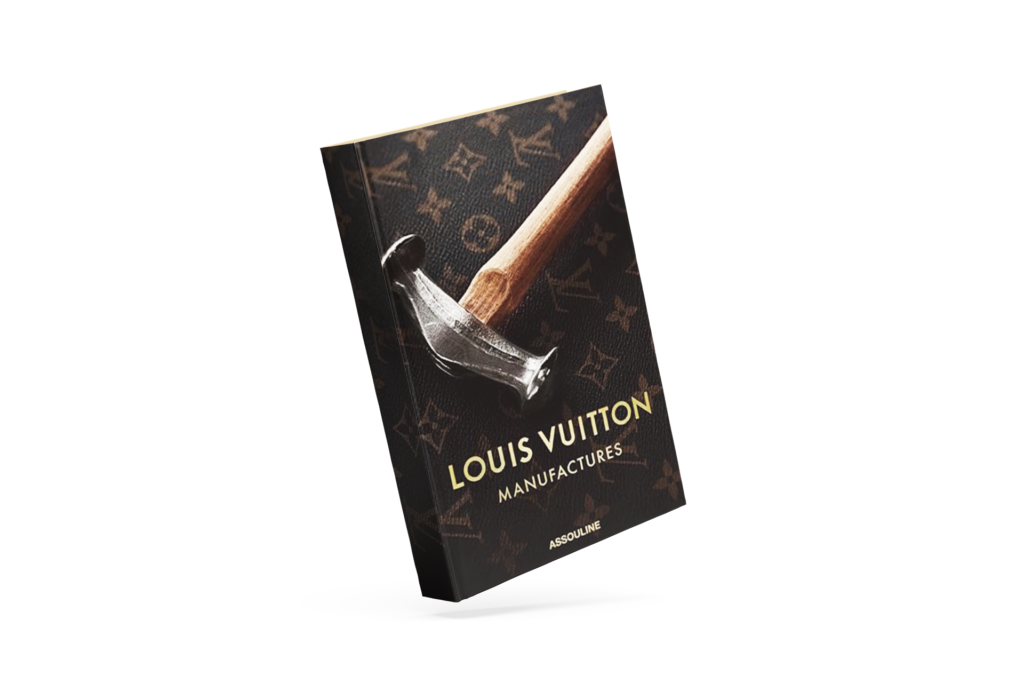
Nicholas Foulkes | Louis Vuitton Manufactures
Louis Vuitton Manufactures celebrates the brand’s ateliers, highlighting craftsmanship, innovation, and global artistry, where skilled artisans preserve heritage while creating iconic luxury products for the modern era.
Get the Book

Phil M. Jones | Exactly What to Say: The Magic Words for Influence and Impact
Exactly What to Say reveals powerful communication techniques to influence decisions, helping professionals choose the right words at the right time to build trust and achieve better outcomes.
Get the Book

Philippe Mihailovich, Caroline Taylor, Alane Brunschweiger | Haute Luxury Branding Professor’s Notes: The High Luxury Pyramid
Haute Luxury Branding defines true high luxury, revealing how elite brands build timeless prestige through strategic positioning, myth creation, and differentiation beyond traditional luxury marketing approaches.
Get the Book

Sacha Alexander Zackariya | Leading Travel and Tourism Retail: How Businesses Can Sustainably Capture New Profits in Shopping Tourism
Leading Travel and Tourism Retail explores how to engage modern global travellers, offering strategies to drive revenue through experience-led retail, sustainability, and data-driven insights across evolving tourism markets.
Get the Book

Steven Grasse, Aaron Goldfarb | Brand Mysticism: Cultivate Creativity and Intoxicate Your Audience
Brand Mysticism reveals how to build authentic, standout brands through creativity, risk-taking, and storytelling, offering unconventional strategies to create lasting emotional connections and cultural impact.
Get the Book


WLCC congratulates all selected authors and their works for their contribution to advancing thinking, creativity, and excellence across the global luxury landscape.

Join the WLCC community to stay informed on future selections, insights, and opportunities across the global luxury ecosystem: https://worldluxurychamber.com/wlcc-community/

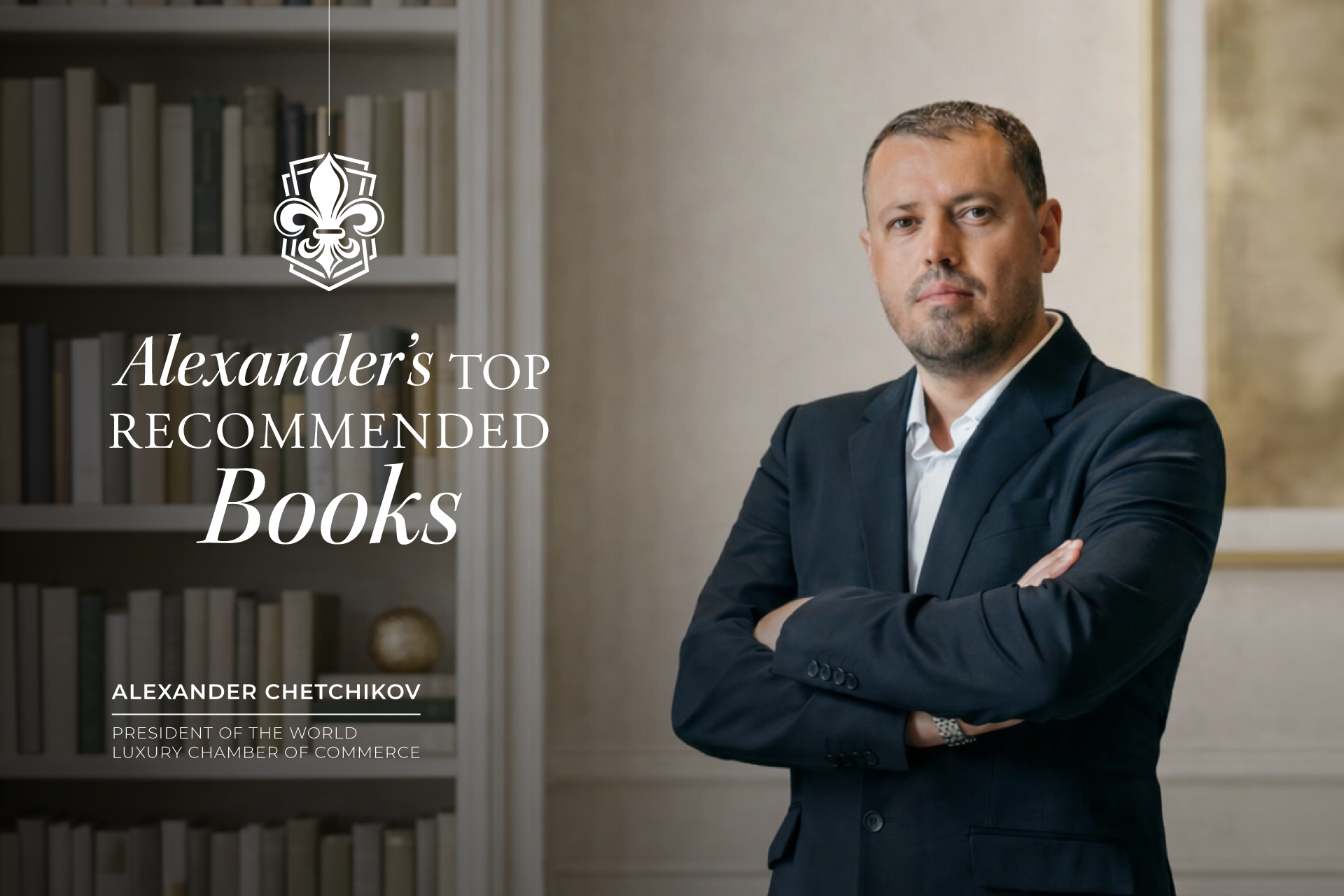
Timeless: 8 Books That Built My Business Mindset

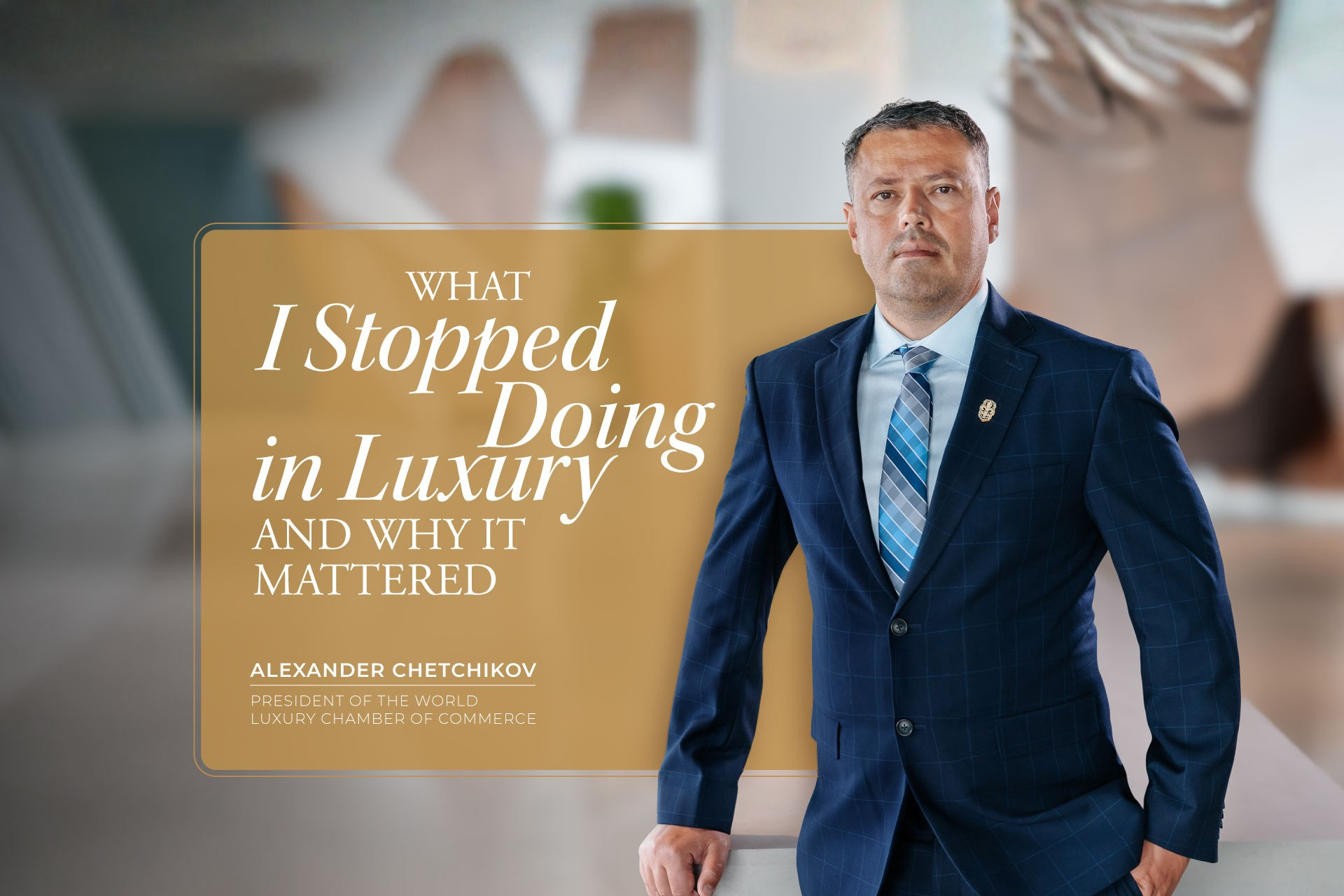
A Note From WLCC President, Alexander Chetchikov

In a world where business methods change almost every month, I find myself relying more and more on the classics. Fundamental business principles remain constant, and for me, these books are not just theory; they are time-tested tools that help me stay resilient and make the right decisions.

My professional approach has been largely shaped by the ideas of these authors:

It all started with Philip Kotler. His “Marketing Management” taught me the basics: business is, first and foremost, about understanding human needs, not just advertising. This knowledge helps me stay grounded and always ask: “Are we actually solving a real customer problem?”

Then came Jack Trout and Al Ries. Their works, “Positioning” and “Differentiate or Die,” proved that if you don’t stand out, you become invisible. Finding a unique differentiator is my first step in any task, especially when the market is oversaturated.

The idea of moving away from exhausting competition came from “Blue Ocean Strategy” (W. Chan Kim and Renée Mauborgne). It taught me not to waste energy fighting in “red oceans,” but rather to seek out or create new niches where we set the rules ourselves.

When complex management challenges arise, I turn to Lee Iacocca. His “Iacocca: An Autobiography” is the ultimate lesson in leadership. His experience saving Chrysler serves as a reminder that honesty with your team and decisiveness can pull a business out of any situation.

This theme is furthered by Jim Collins. His book “Good to Great” provided a clear compass: “First Who, Then What.” The most important thing is to get the right people on the bus first, and only then decide where to drive it.

To keep my drive and confidence high, I reread Richard Branson. “Losing My Virginity” is the best example of how to maintain excitement and build a business without unnecessary bureaucracy. Branson taught me that work must be enjoyable; otherwise, there is no point in doing it.

Finally, Tom Peters’ “The Brand You 50” helped me realize that in today’s world, each of us is a separate project, “Me Inc.” It is vital to develop your own expertise and reputation, regardless of your current job title.

These books are my personal “gold fund.” They provide a foundation and help me see opportunities where others see only obstacles.

At the World Luxury Chamber of Commerce, I carry these principles into every decision, partnership, and strategy, ensuring that while markets evolve, our commitment to clarity, differentiation, and meaningful value remains constant.

Stay inspired by timeless business thinking and modern luxury insights, join our community, and get the latest updates delivered to you: https://worldluxurychamber.com/wlcc-community/

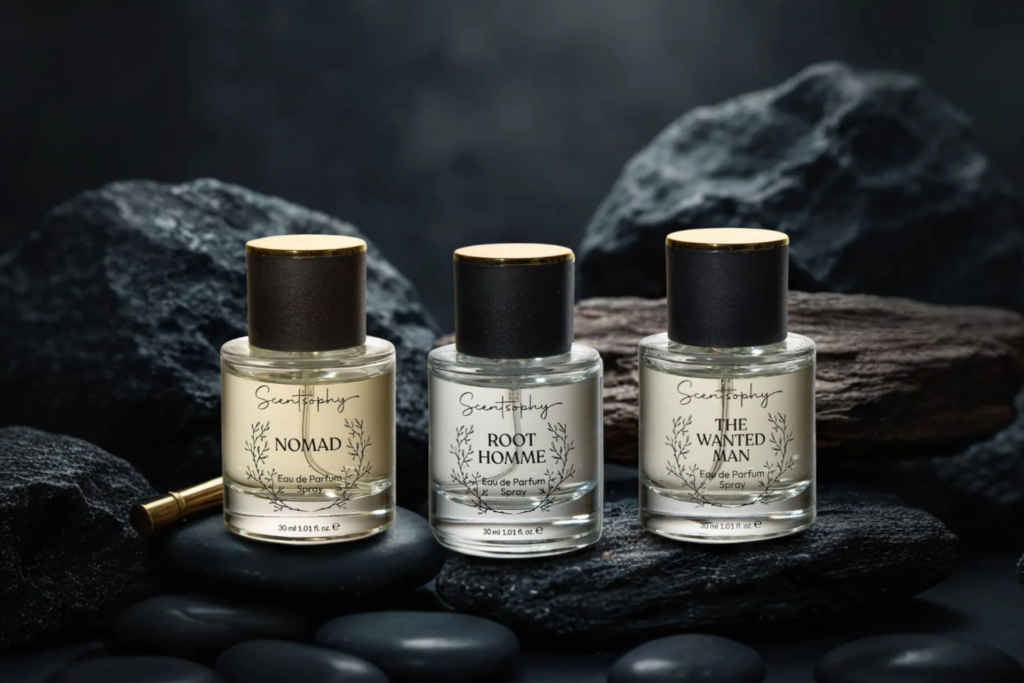
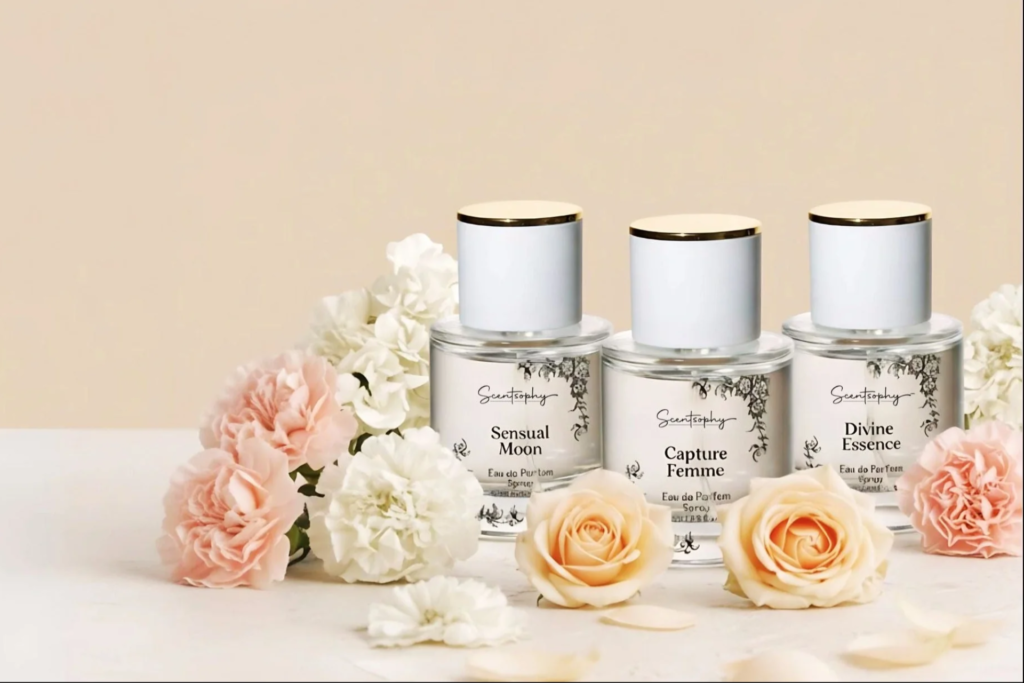
Exclusive Interview: Anu Ruohosto on the Science and Soul of Modern Perfumery

Anu Ruohosto brings over 25 years of experience in the beauty industry, supported by a Doctor of Professional Studies in Natural Medicine. As the founder of Scentsophy, she combines her background in botanical chemistry with a more intuitive approach to fragrance creation. Her work focuses on clean, artisanal scents designed to evoke emotion and adapt to the individual wearing them. Each fragrance reflects a clear commitment to purity, quality, and personal expression. In this exclusive interview, Ruohosto shares the thinking behind her process and her views on where fragrance is heading.

World Luxury Chamber of Commerce: You have a strong scientific background in cosmetic chemistry and natural medicine. How does that knowledge guide your decisions when creating a new fragrance?

Anu Ruohosto: My scientific understanding of cosmetic chemistry and natural medicine is the foundation of everything I do. It allows me to understand how ingredients behave—how they interact with the skin, and how they evolve over time.

When I create a fragrance, I’m not only thinking about its first impression; I’m considering its entire journey—how it unfolds, transforms, and reveals itself with each passing hour. My training enables me to select ingredients that are not only beautiful, but also safe and perfectly balanced.

And yet, science doesn’t limit my imagination—it supports it. I rely on both knowledge and instinct, and it’s this balance that shapes every formula I create.

Scentsophy

WLCC: Scentsophy avoids trends and mass production. What does exclusivity mean to you in today’s luxury fragrance market?

AR: For me, exclusivity isn’t about how much something costs or how hard it is to find; it’s about why it was created. It’s about making something that feels special and means something to the person who uses it, not something designed to appeal to everybody.

I don’t go with the flow of trends as they are fleeting, and a perfume ought to outlast them. When a small quantity is made, with real consideration and attention to detail, it has a different worth. It’s closer to the person wearing it. And that is what I think of as real luxury: something carefully considered, not thrown together quickly or made in huge numbers.

WLCC: Your formulations focus on clean and low-allergen ingredients. How do you maintain richness and longevity without relying on conventional synthetics?

AR: The secret to creating a rich, long-lasting scent—without relying on synthetic ingredients—lies in understanding the hidden depth of natural materials. Many people assume that “natural” fragrances are faint or short-lived, but that isn’t necessarily true.

Woods, resins, and plant extracts can linger beautifully, offering remarkable depth and nuance. My approach is to layer these elements, carefully combining ingredients to build a strong, balanced foundation. It takes more time and precision, but the result is a fragrance that feels complete and evolves naturally on the skin.

Ultimately, it’s about working with the ingredients—rather than forcing them to be something they’re not.

WLCC: You often describe fragrance as something deeply personal. How do you approach creating scents that still feel individual to each person who wears them?

AR: I see perfume as something deeply personal, inseparable from the individual who wears it. So when I create a scent, I don’t design for a specific type of person—I compose for an emotion.

Rather than crafting a fragrance for “someone,” I build a mood, a sensation. When it meets the skin, it transforms—shaped by body chemistry, by memory, by the wearer’s own story.

That’s what makes it special, every single time.

I like to leave space within the composition—room for the fragrance to respond, to evolve. In that way, the scent and the person wearing it become partners in its expression.

WLCC: What changes do you expect to see in the fragrance industry over the next decade, particularly in how brands balance performance, transparency, and customer expectations?

AR: Over the next decade, I believe people will continue to ask more questions—and that’s a good thing. Transparency won’t be optional; it will be essential. People want to understand what’s in their perfume and why those ingredients have been chosen.

At the same time, I think we’ll see a shift toward valuing quality over abundance. Rather than endless choice, there will be a greater appreciation for fragrances that are thoughtfully made and truly perform.

Brands will need to strike a careful balance: creating perfumes that last, that deliver on their promise, while also acting responsibly—respecting both personal well-being and the planet.

I’m confident the future of fragrance will be more honest, more intentional, and more deeply connected to the way each of us experiences scent.

To discover Scentsophy’s collection and explore the art of clean, artisanal fragrance, visit: https://www.scentsophy.com/

WLCC regularly features conversations and insights from global luxury leaders. Join our community to receive new interviews and perspectives weekly: https://worldluxurychamber.com/wlcc-community/.
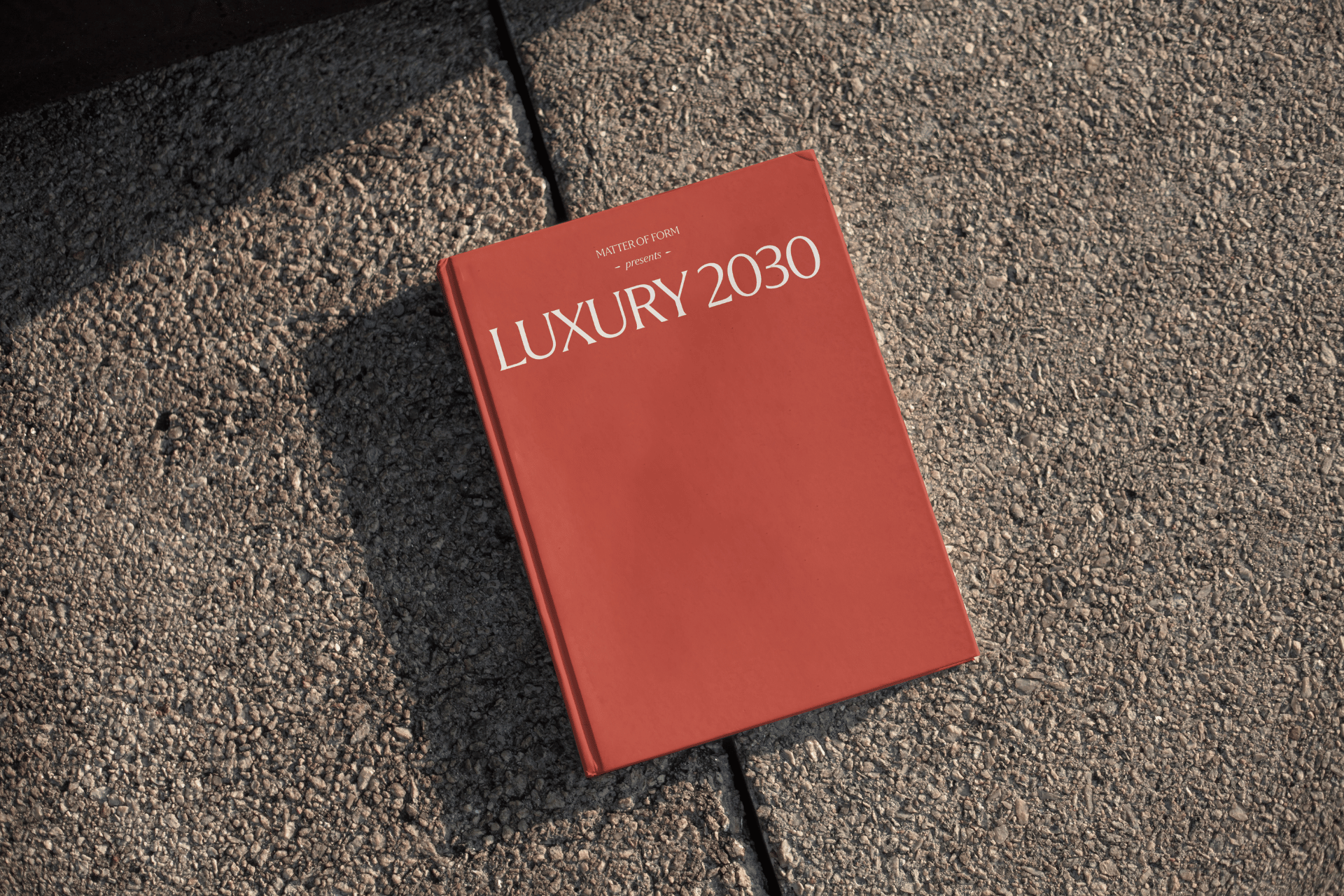
The Power of Relational Intelligence by Michaela Merk

The Power of Relational Intelligence: 30 Golden Rules for Effective Leadership and High-Performing Teams by Michaela Merk presents a focused guide to improving leadership through stronger human connections. The book argues that in a time shaped by artificial intelligence, the ability to understand and manage relationships remains a defining leadership skill.

Merk structures the book around thirty practical rules designed to help readers build what she calls relational intelligence. These rules are grouped into five core areas: empathy, trust, passion, authentic pride, and gratitude. Each area highlights a different aspect of interpersonal effectiveness. Empathy centers on observation, listening, and thoughtful analysis. Trust is framed as the foundation for influence and collaboration. Passion is linked to proactive behavior and the ability to energize others. Authentic pride encourages leaders to recognize their own strengths and contributions. Gratitude focuses on reinforcing loyalty and mutual support within teams.

The book addresses common workplace challenges such as ineffective meetings, stalled negotiations, and ongoing misunderstandings within teams. Merk positions relational intelligence as a practical tool to overcome these issues and to improve both individual impact and group performance. The tone is direct and application oriented, with an emphasis on developing habits that can be used in daily professional interactions.

A notable element of the book is its discussion of artificial intelligence. Rather than presenting AI as a replacement for human skills, Merk suggests it can support stronger connections when used thoughtfully. This perspective reinforces the central message that human qualities remain essential in leadership.

Overall, the book offers a structured and accessible framework for leaders seeking to improve communication, influence, and team dynamics through deliberate relationship building.

Get the book on Amazon

Join the WLCC Community for exclusive insights, curated updates, and meaningful connections with global leaders: https://worldluxurychamber.com/wlcc-community/

2026 Travel Industry Outlook: Key Insights from Deloitte

The travel industry enters 2026 after a sustained period of recovery, but early signs suggest a more measured pace ahead. Drawing on insights from Deloitte’s 2026 Travel Industry Outlook and reflecting observations from the World Luxury Chamber of Commerce (WLCC), demand remains strong overall, with travel continuing to rank as a priority for consumers. However, changing economic conditions and increased financial caution are beginning to influence travel decisions across both leisure and corporate segments.

Many travelers are adjusting their behavior in response to economic uncertainty. This includes taking fewer trips, shortening travel durations, and opting for more cost-conscious choices across flights, accommodation, and activities. Notably, this cautious approach is extending into higher-income groups, which have traditionally supported premium travel growth. On the corporate side, companies are also reviewing travel budgets more closely, leading to fewer trips among frequent business travelers.

These changes are expected to place pressure on parts of the premium travel market. Mid- to upper-tier offerings, which have benefited from recent demand for upgrades and enhanced experiences, may see softer performance as travelers become more selective. In contrast, the ultra-luxury segment appears more stable, supported by a smaller group of travelers whose spending is less affected by short-term economic conditions.

At the same time, the composition of travelers continues to shift. Millennials and Gen Z now represent a significant portion of travel demand and are influencing how trips are researched and booked. These groups rely heavily on digital platforms, particularly social media, when planning travel. They also show greater interest in sustainability, with many taking steps such as choosing environmentally certified accommodation or offsetting carbon emissions. Despite being cost-aware, they continue to travel frequently and remain engaged with travel experiences.

Technology is also playing a growing role in trip planning. The use of generative artificial intelligence tools has increased significantly, with more travelers using them to research destinations, build itineraries, and compare options. While booking systems are still catching up, these tools are beginning to change how travelers gather information and make decisions. This creates new considerations for travel providers in terms of visibility, pricing, and customer engagement.

Regulatory developments are another important factor for 2026. Changes to visa processes, data privacy rules, and consumer protection requirements may affect both international travel flows and operational practices. Climate-related regulations remain under review in several regions, adding further complexity for global travel providers.

Overall, the outlook for 2026 points to a period of adjustment rather than decline. Growth may level off in some areas, particularly those reliant on higher spending segments. At the same time, steady demand, combined with shifts in traveler behavior and technology use, presents opportunities for companies that remain responsive to these changes.

Read the full report

Explore deeper industry insights and connect with global luxury leaders – join the WLCC community: https://worldluxurychamber.com/wlcc-community/


Sources and Credits

Source: Deloitte, 2026 Travel Industry Outlook, Deloitte Consumer Industry Center (February 2026) Authors: Kate Ferrara, Eileen Crowley, Matt Josephson, Matt Soderberg, Stephen Rogers, Maggie Rauch © 2026 Deloitte Development LLC. All rights reserved.

Leading Luxury Forward Through Education and Expertise

At the World Luxury Chamber of Commerce (WLCC), we continuously identify and support initiatives that genuinely advance leadership across the global luxury industry.

The Leading the Luxury Business program at Porto Business School is one of those rare programs we confidently recommend to our community. It reflects the evolving needs of the luxury sector by combining strategic vision, cultural understanding, and real industry insight.

Led by António Paraíso, a valued WLCC partner and one of the most respected voices in luxury education, the program stands out for its strong connection to the realities of the industry. It brings together a distinguished group of international experts who contribute directly to the learning experience.

Among them are Ashok Som, Carlota Rodben, Francis Srun, Milton Pedraza, Pedro Lopez-Belmonte Eraso, and Susanna Nicoletti, all recognized among the WLCC TOP Luxury Speakers of the World 2026. Their combined expertise across luxury strategy, marketing, innovation, retail, and brand development ensures that participants gain practical knowledge grounded in real-world leadership, reinforcing the program’s global relevance and credibility.

This is the direction luxury education should take. Practical, global, and deeply connected to the industry.

For WLCC members and the wider luxury community seeking to elevate their expertise and engage with leading minds, this program represents a strong and credible choice.

Congratulations to António Paraíso and all contributors on building a platform that truly moves the industry forward.

To learn more about the program, visit https://www.pbs.up.pt/programas/programa-avancado/leading-the-luxury-business/

WLCC regularly features conversations and insights from global luxury leaders. Join our community to receive new interviews and perspectives weekly: https://worldluxurychamber.com/wlcc-community/.

Global Luxury Brand Analysis 2025 by Luxurynsight

The luxury sector in 2025 entered a phase of normalization after years of rapid expansion, with overall growth stabilizing and even slightly declining in some segments due to macroeconomic pressures, geopolitical tensions, and softer consumer confidence.

Despite this slowdown, brands significantly increased activity, with brand activations up 21% year-over-year, signaling a shift from pure growth to strategic execution and engagement.

These insights are based on data from the Luxurynsight Brandwatch report, powered by LY Watch, a competitive intelligence platform tracking luxury brand activations.

Download the report.

Key Shifts Shaping the Industry

1. From Global to Local
Luxury brands are moving toward market-specific strategies, with localized activations rising sharply (+40%), reflecting the need for cultural relevance and precision.

2. Emerging Markets Take the Lead
While China remains dominant, MEA, North America, and LATAM are the fastest-growing regions, redefining the global luxury map.

3. Pricing Power Weakens
After years of price hikes, consumer resistance is increasing, particularly in leather goods, pushing brands to rethink pricing and expand mid-range offerings.

4. Experience Over Product
Luxury is shifting toward retail, cultural, and experiential activations—from art fairs and sports partnerships to immersive retail and entertainment collaborations.

New Growth Engines

  • Wellness & Longevity: Beauty is evolving toward science-driven, long-term wellbeing, especially among younger consumers.
  • India as a Strategic Hub: Transitioning from an emerging market to a core innovation and production center for global beauty.
  • Cultural Expansion: Brands are embedding themselves in sports, cinema, and media to build emotional connection and relevance.

Bottom Line

Luxury has entered a new cycle defined by selectivity, cultural influence, and regional diversification. Success is no longer driven by expansion alone, but by how effectively brands execute localized, experience-led, and culturally resonant strategies.

Get the full report here.

Dubai 2026: From Regional Shifts to New Growth Prospects with Timur Kudratov

Timur Kudratov is an entrepreneur, investor, and Founder of Enlightened Minds Investments, a Dubai-based platform focused on building revenue-generating businesses across real estate, technology, and services. With over two decades of experience in the UAE, he works closely with international investors, founders, and partners entering the region, structuring opportunities, and enabling sustainable, long-term growth.

In this exclusive interview, he shares his perspective on Dubai’s evolving economic landscape, shifting investor behavior, and the opportunities emerging across the region.

World Luxury Chamber of Commerce: What is your current view of Dubai’s economic position, and how is the business community responding to recent regional developments?

Timur Kudratov: Dubai doesn’t operate as a single-flow economy, so it doesn’t react the way more dependent markets do.

What we see today is not a slowdown — it’s a rebalancing. Certain segments soften temporarily, others pick up quickly. The city absorbs pressure and redirects activity.

From a business perspective, serious operators are not pulling back. If anything, they are becoming more focused — tightening execution, prioritizing real revenue, and avoiding speculative moves.

At our level, we continue to see a consistent inflow of entrepreneurs and investors who are looking for a stable base to operate from. That hasn’t changed.

WLCC: With changes in regional travel dynamics, how are businesses in Dubai adapting their strategies?

TK: The companies that relied purely on tourist traffic are the ones adjusting the most.

The stronger businesses have already shifted toward a more balanced model — combining international visitors with local and regional demand. Dubai has a large resident base with strong purchasing power, and that is often underestimated.

What matters now is not footfall — it’s retention and quality of customer base.

We advise companies to build for continuity, not seasonality. That’s the difference between a business and an operation.

WLCC: How would you describe the current behavior of high-net-worth consumers in the luxury segment?

TK: Demand hasn’t disappeared. It has become more selective.

People still spend — but they are more intentional. There’s less interest in pure brand exposure and more focus on quality, access, and experience.

You see it clearly: clients are choosing fewer things, but better ones.

This is why businesses that combine lifestyle, service, and investment positioning are performing better than those selling just products.

WLCC: How would you describe the sentiment of international investors toward Dubai today?

TK: Investor interest in Dubai remains strong for one simple reason — execution works here.

In many markets, the challenge is not opportunity, it’s delivery. In the UAE, if something is structured properly, it gets done.

That creates confidence.

What investors are more cautious about today is not the market — it’s who they work with. They look for partners who understand the system, not just the opportunity.

That’s where platforms like Enlightened Minds come in — structuring deals properly and reducing execution risk.

WLCC: From your experience, how does the current environment compare to previous cycles in terms of Dubai’s resilience?

TK: The biggest difference is maturity.

Years ago, Dubai was growing fast, but it was still building its systems. Today, those systems are in place — regulatory, financial, operational.

That changes everything.

It’s no longer just a high-growth market. It’s a structured environment where growth can be repeated, not just achieved once.

WLCC: How are other GCC markets evolving, and where do you see the main opportunities?

TK: The region is becoming more connected.

Each market has a role:

  • The UAE is the entry point and capital hub.
  • Saudi Arabia has scale and internal demand.
  • Other markets are developing more specialized positioning.

The opportunity today is not choosing one market — it’s knowing how to operate across them.

Those who understand that dynamic will move faster than those treating each country separately.

WLCC: How do you view the evolving positioning of Saudi Arabia within the region?

TK: Saudi Arabia is moving at a very aggressive pace. The scale of what they are building is significant.

At the same time, the UAE remains the place where most businesses choose to base themselves.

In reality, it’s not a simple competition. Many companies structure in the UAE and expand into Saudi Arabia.

If you understand both markets, they complement each other well.

WLCC: What role do you see the UAE playing as a regional business hub over the next five years?

TK: The UAE will continue to play three roles:

  • A place where capital comes in,
  • A place where deals are structured,
  • And a place where businesses launch from.

That position is difficult to replicate because it’s built on a combination of regulation, infrastructure, and trust.

Over time, this will only strengthen.

WLCC: How do you see Dubai evolving over the next two years if current conditions continue?

TK: Dubai will remain open, but more selective.

The next phase is not about attracting everyone — it’s about attracting the right businesses and the right capital.

You’ll see more structure, more discipline, and less tolerance for weak models.

For serious operators, that’s a positive shift.

WLCC: What is your message to entrepreneurs and investors operating in the region today?

TK: This market doesn’t reward presence. It rewards positioning.

If you are here, you need to be clear on:

What you are building.

Who you are building it with.

And how you are structuring it.

Those who treat the UAE as a long-term base — not a short-term opportunity — will benefit the most.

The environment is there. The question is whether the business is built properly to use it.

Thank you, Timur! WLCC regularly features conversations and insights from global luxury leaders. Join our community to receive new interviews and perspectives weekly: https://worldluxurychamber.com/wlcc-community/.
The WLCC Monthly Edit: Global Luxury in Focus with Kering, LVMH and Beyond

The WLCC Monthly Edit: your curated digest of the latest in the world of luxury. Each month, WLCC brings you a handpicked selection of industry news, insights, and stories influencing the future of high-end fashion, design, hospitality, travel, real estate, and beyond. Consider this your insider’s guide to the latest in luxury. 
Kering Appoints Pierre Houlès to Lead Digital and AI Transformation

Kering has named Pierre Houlès as its new Chief Digital, AI, and IT Officer, effective immediately, with a seat on the Executive Committee. In this role, he will drive the Group’s digital evolution and modernize its technology infrastructure to align with future ambitions. Houlès will focus on embedding innovation across operations to elevate both performance and brand desirability. With strong experience in large-scale transformation and advanced technologies, particularly artificial intelligence, he is set to enhance integration and agility across the business. He will report directly to Jean-Marc Duplaix, Kering’s Chief Operating Officer, supporting long-term strategic growth.

Via: Kering

LVMH Strengthens Leadership with Key Executive Appointments

LVMH has announced strategic leadership appointments to reinforce its structure and support long-term growth. Véronique Courtois is named Chairman and CEO of Parfums Christian Dior and the Group’s Beauty Division, joining the Executive Committee while maintaining continuity at Dior. Antoine Arnault also joins the Executive Committee, overseeing image, communication, and sustainability initiatives, key to the Group’s global reputation. Meanwhile, Stéphane Rinderknech departs to pursue personal projects after contributing to hospitality and beauty expansion. These changes highlight LVMH’s focus on innovation, leadership excellence, and sustainable development, ensuring continued momentum across its Maisons and reinforcing its strategic vision.

Via: LVMH

HENRYs: The New Generation Transforming Luxury Real Estate

A rising group of Gen Z and younger millennials, known as HENRYs (High Earners, Not Rich Yet), is reshaping the luxury real estate market. Earning over $100,000 annually, they prioritize homeownership as both a financial milestone and a reflection of identity. Unlike previous generations, many purchase homes before 30, supported by disciplined saving and generational wealth transfers. For HENRYs, luxury is less about excess and more about personalization, lifestyle, and long-term value. Their growing influence is transforming what it means to own luxury, positioning real estate as the ultimate symbol of success and self-expression.

Via: Realtor

Heinz Beck to Lead Culinary Vision at Orient Express Venezia

Three-Michelin-starred chef Heinz Beck has been appointed to shape the culinary direction of Orient Express Venezia. Alongside the Beck and Maltese Consulting Team, he will oversee all dining experiences within the historic Venetian palazzo, from fine dining to more casual spaces. Inspired by the Venetian lagoon, his cuisine emphasizes precision, balance, and clarity of flavor. The vision will be executed by Chef in Residence Pasquale Rivetti. This culinary concept is set within a renovated architectural masterpiece by Aline Asmar d’Amman, blending heritage with contemporary elegance and reflecting Venice’s rich cultural legacy.

Via: Orient Express

Report: Indian Luxury Retail Market 2026

Luxe Analytics is proud to announce the release of its latest report, Indian Luxury Retail Market 2026. India is emerging as the luxury industry’s next major growth engine, projected to expand from roughly 2% of the global personal luxury market today to 5–6% by FY29, unlocking a $24–26 billion opportunity. To capitalize on this momentum, brands must deeply understand India’s complex and evolving luxury landscape, from consumer behavior to regional nuances. This report explores market overview, key growth drivers, constraints, competitive landscape, and the future outlook shaping India’s dynamic luxury retail sector.

Via: Luxe Analytics/Dr. Sheetal Jain

luxury networking

Curated Networking: Transforming B2B Relationships

Business networking has long focused on scale, with large events and extensive contact lists. In today’s fast-paced, specialized landscape, volume no longer guarantees value. Executives now prioritize relevance, seeking strategic, aligned connections over random interactions. Traditional networking often leads to inefficiency and low-quality opportunities, prompting a shift toward curated B2B matchmaking. This approach emphasizes intentional introductions, peer-level engagement, and efficient use of time. In industries like luxury, where trust and alignment are critical, curated networks foster meaningful relationships and collaboration. As business evolves, success increasingly depends on the quality, not the quantity, of connections and communities.

Via: WLCC

Curated Read: Ultra-Luxury Travel by Benjamin Bryant

Ultra-Luxury Travel (2024) by Benjamin Bryant is a strategic guide for leaders in luxury hospitality navigating a shift from opulence to intentional, experience-driven value. Drawing on global expertise, Bryant argues that wellness, sustainability, and personalization are now core economic drivers, not add-ons. The book stands out for linking experiential luxury to measurable ROI, offering practical frameworks for implementation and investment decision-making. It also addresses risk management, governance, and brand alignment in a rapidly evolving market. More than a conceptual overview, it serves as a hands-on manual for executives and investors shaping the future of ultra-luxury through data-driven, meaningful experiences.

Via: WLCC

Stay connected with the latest news, trends, and curated networking opportunities – join the WLCC community: https://worldluxurychamber.com/wlcc-community/

WLCC Announces the 2026 Selection of TOP Luxury Speakers of the World

The World Luxury Chamber of Commerce (WLCC) announces the 2026 selection of TOP Luxury Speakers of the World, an annual recognition highlighting individuals whose expertise contributes to the global conversation on luxury, leadership, and the evolution of high-value industries.

This distinction recognizes speakers whose work informs executive decision-making, academic dialogue, and strategic thinking across the international luxury sector. The selected individuals include respected business leaders, academics, strategists, and industry experts whose perspectives contribute to a deeper understanding of luxury markets and their future direction.

Purpose of the TOP Luxury Speakers List

WLCC established the TOP Luxury Speakers of the World list to identify and highlight credible voices who contribute meaningful insight to the luxury sector.

Luxury today operates in a rapidly evolving environment influenced by global economic shifts, new consumer expectations, sustainability priorities, cultural influence, and technological development. Organizations, institutions, and industry leaders increasingly seek speakers who bring both practical experience and intellectual depth to these discussions.

The initiative supports WLCC’s mission to promote high-level dialogue, encourage knowledge exchange, and provide visibility to experts who contribute to serious discussion within the luxury sector.

Selection Process

The 2026 selection follows a structured evaluation conducted by the WLCC Research Team in collaboration with the WLCC President and members of the Board.

The process includes independent research, industry analysis, and strategic recommendations from trusted advisors within the global luxury ecosystem. This approach ensures that each selected speaker reflects recognized expertise, professional credibility, and alignment with WLCC’s international positioning.

Curation Criteria

Individuals included in the 2026 list were evaluated based on the following criteria:

• Industry recognition within the luxury sector or related fields
• Proven executive or academic expertise
• Subject-matter authority demonstrated through speaking engagements, publications, advisory roles, or leadership positions
• Alignment with WLCC values and positioning
• Relevance to current and emerging discussions in the luxury sector
• Strategic recommendations from trusted advisors and industry leaders

The evaluation emphasizes depth of expertise, credibility, and contribution to professional discourse rather than popularity alone.

The full list of TOP Luxury Speakers of the World 2026 can be viewed below in alphabetical order:

Abhay Gupta | LinkedIn
The Indian Luxury Strategist | Brand, Talent & Ecosystem Architect for India’s Luxury Economy

Alex Wolkomir | LinkedIn
McKinsey Partner | QuantumBlack | Product & Business Builder | AI, Data + Human-Centered Design

Alvaro Nuñez Alfaro | LinkedIn
Founder & CEO at Super Luxury Group | Real Estate | Bestselling Author | Keynote Speaker

Anant Sharma | LinkedIn
The Psychology of Luxury | CEO @ Matter Of Form — The Brand Interactions™ Consultancy | Podcast Host & Keynote Speaker

António Paraíso | LinkedIn
Luxury. Marketing. Innovation. Consulting & Talks.

Ashok Som | LinkedIn
Author, Speaker, Educator. Founding Director, ESSEC-Parsons Executive Masters in Luxury Management & Design Innovation (EMiLUX) at ESSEC Business School

Bruce Himelstein | LinkedIn
Speaker/Consultant at The BJH Group, LLC

Carlo Pignataro | LinkedIn
Author of “Sell with Style” and “Serve with Style” | Host of Lux and Friends | Luxury Industry | Research | Training | Consulting

Carlota Rodben | LinkedIn
Founder of Beyond Luxury | 2x Author | Host @BeyondLuxury Podcast | Strategic Advisor | Keynote Speaker | ex-CHANEL

Caroline Huo | LinkedIn
Real Estate Advisor and Educator | Helping Clients & Agents Make Decisions in Complex Markets |$1B+ in Sales | Dir. of Professional Development, Keller Williams Luxury Division

César Val | LinkedIn
Luxury Expert | Founder and Managing Partner | Global Speaker | Advisor to Business Leaders | Consultant | Shopper Marketing | Author of the Bestseller “Secrets of Luxury”

Chris Roebuck | LinkedIn
Transformational Leadership Speaker | ‘Business as usual’ to ‘business of the future’ | Finalist 2025 Speaker Awards | HR Hall of Fame

Christophe Caïs | LinkedIn
CEO & Board Member, CXG | Luxury & Customer Experience Expert | Keynote Speaker

Claudia D’Arpizio | LinkedIn
Senior Partner at Bain & Company

Daniel Langer | LinkedIn
CEO, Équité | The Authority in Luxury Strategy | Executive Professor, Pepperdine & NYU | Global Keynote Speaker

Denis Morisset | LinkedIn
Luxury Career Lab Director – ESSEC Global MBA at ESSEC Business School | Luxury Marketing Professor | Luxury Expert | Former Luxury Industry CEO

Eddy Blanchet | LinkedIn
Luxury Experience-Led Performance | Leadership Excellence Executive Coach | Author & Speaker | MBA Professor | Serving 100+ Iconic Brands

Elizabeth Solaru | LinkedIn
Professional Speaker| Luxury & Premium Brand Strategist | Author, The Luxpreneur | Founder, Diversity in Luxury Awards

Erwan Rambourg | LinkedIn
Global Head of Consumer & Retail Research | Author | Ex LVMH, Ex Richemont

Eva Chen | LinkedIn
Vice President of Fashion at Meta

Federica Levato | LinkedIn
Senior Partner at Bain & Company

Felicitas Morhart | LinkedIn
Professor of Marketing at HEC Lausanne | Founder of the Swiss Center for Luxury Research

Francesca Danzi | LinkedIn
Luxury Leader & Brand Advisor | Executive Coach | Chief Client Officer | Retail & CX | Tory Burch, Burberry, Deloitte Digital | Faculty, Sotheby’s Institute of Art

Francis Srun | LinkedIn
Luxury | Retail | Brands & Business Development | Author | CEO

Geneviève Tour | LinkedIn
30 Years of Expertise and Passion in Luxury and Customer Enchantment | Trainer-Coach | Sales | Client and Boutique Team Loyalty | Emotions and Boldness in Service of Commercial and Managerial Performance

Geoffrey Riddle | LinkedIn
Luxury Market Speaker & Author | TOP Luxury Speaker 2025 & 2026 | Global Luxury Leaders Network

Hayley Hines | LinkedIn
International Speaker | Luxury Wellness Consulting and Experience Design

Imran Amed | LinkedIn
Founder and CEO, The Business of Fashion

Jeffrey Shaw | LinkedIn
#1 Rated International Keynote Speaker on Luxury Sales and Buyer Behavior | Author-Sell to the Rich, The Self-Employed Life, and LINGO | TEDx Speaker

John Sanei | LinkedIn
#4 Global Futurist | Entrepreneur | Keynote Speaker | 6x Bestselling Author | Leading Voice on AI and Human Adaptability | Co-host of The Expansive Podcast

Jonathan Siboni | LinkedIn
Luxurynsight | Data Intelligence for Luxury Leaders

Laure Guilbault | LinkedIn
Luxury Industry Journalist | Vogue Business Paris Correspondent | Podcast Founder and Host | Speaker and Conference Moderator

Laurent Delporte | LinkedIn
TOP Luxury Speaker of the World by WLCC | Top 10 Worldwide Social Media Influencer in Hospitality | Luxury Hotel Expert I Editorialist I Consultant I LIFECOACH HEC ALUMNI

Liz Batsche | LinkedIn
I Train Client-Facing Teams in High-Stakes Environments to Build Trust, Drive Revenue & Elevate Experiences | Founder, Well Hosted | LVMH Alumna | Former Investment Banker

Luca Solca | LinkedIn
Managing Director, Luxury Goods at Sanford C. Bernstein Schweiz

Ludovic Tendron | LinkedIn
Luxury | Hospitality | Lifestyle | Strategic Partnerships & Commercial Development | Negotiation Strategist | Lawyer | Author of The Master Key

Markus Kramer | LinkedIn
Expert @ Powering Brands

Matthias Weiskopf | LinkedIn
Luxury Masterclasses | Retail Excellence | Customer Centricity | Helping Brands Win in Asia’s Luxury Markets | ex-McLaren, Ferrari, Porsche

Michaela Merk | LinkedIn
Multi-Award Winning Motivational Speaker, PhD, CSP, GSF | Executive Coach | Professor | Elevate Customer Experience & Leadership Excellence with Relational Intelligence | Podcast & Youtube ‘Luxury Leadership Talks’

Mickey Alam Khan | LinkedIn
Fractional Luxury CEO I 4x Exits I Supercharging Brands & People I HNWI-Focused Companies, Experiences & Real Estate Firms I $500M+ in New Business Acquisition

Milton Pedraza | LinkedIn
CEO Luxury Institute and Private Investor

Morin Oluwole | LinkedIn
International Luxury Business Leader | Board Director | LinkedIn Top Voice | Ex-Meta Business Director | Luxury Communication & Brand Development Strategist, Driving Growth

Natalia Jaramillo | LinkedIn
Humanistic Luxury | CCXP | Experience Strategy and Operations Consultant and Advisor, Trainer and Speaker-Luxury CX | Helping Brands Transform From Robotic-Predictable to Authentic-Human.

Natasha Sideris | LinkedIn
Managing Executive at Tashas

Neen James | LinkedIn
Client Experience Expert | Leadership Strategist | Keynote Speaker Empowering Executives with Luxury Strategies for Sales & Leadership | Confidante and Executive Coach to CEOs | Author of Exceptional Experiences

Nicolas Budzynski | LinkedIn
Chief Executive Officer at La Petite Maison (LPM)

Oscar Sand | LinkedIn
Academic Director | Speaker | Professor of Management Practice | Ex-Senior Director @Armani and Hugo Boss

Pamela Danziger | LinkedIn
Speaker | Author | Researcher | Forbes.com Senior Contributor on Luxury, Retail, and Affluent Consumers

Pedro Lopez-Belmonte | LinkedIn
CPO | Agentic Commerce | DPP (Digital Product Passports) Pioneer | Advisor | Innovation Leader | Lecturer | 2x Author

Philippe Mihailovich | LinkedIn
Co-Founder, CEO, and Brand Architect at HAUTeLUXE | High Luxury Brand CEO Advisor, Analyst-Strategist, and Practitioner | Problem-Solution Expertise | Lead-Author of HAUTE ‘LUXURY’ BRANDING | Professor of Luxury Brand Management

Robin Swithinbank | LinkedIn
Host of The Luxury Society Podcast | Journalist | Author | Speaker | Consultant

Sarah Willersdorf | LinkedIn
Advisor & Investor | Former Chief Marketing Officer | Luxury, Fashion & Beauty Industry Expert | Former Managing Director & Partner, Boston Consulting Group (BCG) | Global Head of Luxury | MSP Global CMO | Consumer PE

Scott Kerr | LinkedIn
Fortune | Host of The Luxury Item Podcast | Silvertone | Adjunct Professor in Luxury Marketing at NYU

Sheetal Jain | LinkedIn
Indian Luxury Market Expert | Brand Strategist | Author | Speaker

Sonu Shivdasani | LinkedIn
Founder of Six Senses, Soneva, and Sosei

Susanna Nicoletti | LinkedIn
Rocking Fashion and Luxury with Innovation | Luxury C-Suite | Author and Columnist | Fashion and Luxury Higher Education Director

Thomaï Serdari | LinkedIn
Luxury Retail Expert | Professor of Marketing | Founder BRAND(x)LUX | Podcast Host @Populuxepod | Author | Cultural Critic

Tiago Restani | LinkedIn
CEO at Fully | Entrepreneur | Speaker | Foodie

Yves Hanania | LinkedIn
Founder of Lighthouse | Operating Partner at Sia | Bridging Technology and AI to Luxury | Visiting Faculty | Book Author

About the World Luxury Chamber of Commerce

The World Luxury Chamber of Commerce (WLCC) is an international organization dedicated to supporting leadership, collaboration, and knowledge exchange within the global luxury industry.

WLCC regularly features conversations and insights from global luxury leaders. Join our community to receive new interviews and perspectives weekly: https://worldluxurychamber.com/wlcc-community/

Luxury People Magazine Issue 4: Women in Luxury

The World Luxury Chamber of Commerce (WLCC) has released Issue 4 of Luxury People Magazine, a special edition titled Women in Luxury, dedicated to the women leading some of the most influential brands and businesses across the global luxury sector.

This edition highlights executives, founders, and innovators across hospitality, aviation, media, fragrance, design, and real estate. The stories focus on leadership, strategy, and the changing structure of the luxury economy.

The cover interview features Gilda Perez-Alvarado, Chief Strategy Officer of Accor and CEO of Orient Express. In conversation with WLCC President Alexander Chetchikov, she discusses capital discipline, brand stewardship, and the long-term strategy behind one of the most recognized names in travel. Perez-Alvarado explains how heritage brands must evolve while protecting the elements that define their identity.

Other interviews in the issue feature leaders who are shaping the future of luxury across different sectors. Cherry Collins, Strategy Partner at Havas Media Lux, examines why proof of craftsmanship and cultural relevance now matter more than traditional prestige. Dr. Felisha Kay, Founder of House of Infinite Luxe, reflects on luxury as presence, cultural fluency, and personal identity.

The issue also features Blaine Ashley, founder of New York Champagne Week, who has built a global platform that connects champagne culture with female leadership and entrepreneurship. Lisa Holland, President and CEO of Sheltair Aviation, shares her experience leading one of the largest privately owned aviation networks in the United States during a period of major industry disruption.

Additional interviews include luxury PR leaders, hospitality innovators, fragrance founders, and real estate advisors who are contributing to the evolution of the luxury market.

Alongside the interviews, the edition presents research and analysis on emerging trends shaping the industry. Topics include the future of luxury travel, sustainability in hospitality and yachting, and the outlook for global luxury real estate.

Read issue 4 here.

WLCC regularly features conversations and insights from global luxury leaders. Join our community to receive new interviews and perspectives weekly: https://worldluxurychamber.com/wlcc-community/

The Great Indian Luxury Pivot: Beyond the Silk Road to a Strategic Superhighway

By Abhay Gupta, Founder & Chairman, Luxury Connect Pvt Ltd.

For decades, we have spoken of the “Incredible Indian Luxury Bazaar” as a paradox—a land of deep-pocketed maharajas and modern-day tech-titans, yet one guarded by some of the most formidable tariff walls in the world. But as we stand in February 2026, the walls have not just been breached; they have been re-engineered into a gateway.

Recent trade breakthroughs with the European Union and the United States signal India’s most decisive shift yet away from a historically protectionist luxury import regime. For the first time, the Indian luxury consumer is being treated as a global citizen, and the global luxury brand is finally being treated as a domestic partner.

1. The ‘Automotive’ Shift: From Prohibitive to Performative

The headlines are buzzing about the India-EU FTA slashing car duties from a staggering 110% to a phased 10%. But look deeper. This isn’t just about Ferraris becoming “cheaper.” It’s about a fundamental shift in Manufacturer Strategy. Previously, the “CBU” (Completely Built Unit) was a sacrificial lamb to high taxes, forcing brands to limit their Indian portfolios to “safe” models. With the new quota-based liberalization, expect a “halo effect.” We will see the arrival of limited-edition supercars, high-performance EVs, and niche enthusiast models that were previously too expensive to experiment with.

2. Watches and Wonders: The Swiss-India Synchronicity

Building on the EFTA deal with Switzerland, we are seeing a 7-year roadmap to zero duty on Swiss watches. This is a death knell for the “grey market.” For years, the Indian HNI (High Net-Worth Individual) bought their Patek Philippe in Dubai or Geneva. Now, the “India Price” is harmonizing with the “Global Price.” Retailers in India are no longer just “service centers”; they are becoming “experience centers.” The luxury watch is moving from a smuggled trophy to a celebrated, locally-sourced investment.

3. The Gourmet Revolution: Spirits, Wines, and the Modern Palate

One cannot ignore the “Liquid Gold” in these deals. The reduction of wine and spirit tariffs (from 150% down to 75%, and eventually 30%) is a game-changer for the Hospitality and Alcobev sectors. It makes fine Bordeaux and Italian vintages accessible to the rising middle-management class, not just the billionaire. Simultaneously, with the removal of duties on European cosmetics, we are moving from “masstige” to “true luxury” in the beauty and wellness vanity case.

4. The US Deal: The ‘Sparkle’ Returns to the Supply Chain

While the EU deal focuses on access, the US deal focuses on strength. By rolling back punitive tariffs on Indian gems and jewelry from 50% to 18%, we have secured the “back-end” of luxury. As Indian exporters see their margins restored, that “new money” is being reinvested—not just in factories, but in Luxury Real Estate and Branded Residences, fueling a domestic demand for bespoke lifestyle interiors.

5. Decoding Success via the 5C’s

In my book, The Incredible Indian Luxury Bazaar, I discuss a success model built on the 5C’s. These new trade deals hit every pillar of that framework:

  • Confidence: Brands now have the “regulatory certainty” to invest in flagship stores rather than just franchised corners.
  • Culture: The Indian consumer is no longer “burdened” by the cost of being Indian; they can consume luxury with a clear conscience.
  • Connection: Global prices allow for a seamless connection between the Indian consumer and the global brand story.
  • Curation: Lower duties allow brands to bring their entire global collection to India, not just the “safe” bestsellers.
  • Consumer: We are moving from a market of “potential” to a market of “performance.”

The Bottom Line

We are witnessing the birth of a bi-directional luxury corridor. India is no longer just a “sourcing hub” for the West’s textiles or a “dumping ground” for their end-of-season stock. We are a sophisticated, digitally-native, and now fiscally-integrated luxury superpower.

To the global CEOs sitting in Paris, Milan, and New York: The “waiting game” is over. The “Mother of All Deals” has arrived. It’s time to stop looking at India through a telescope and start building on its soil. The Incredible Indian Luxury Bazaar is finally open for business—without the baggage.


The CEO’s Playbook: Navigating the New Indian Corridor

To capitalize on this legislative “Golden Era,” global leadership must move from a distribution mindset to a partnership mindset:

  • Price Harmonization: Use the tariff reductions to align Indian RRPs (Recommended Retail Prices) with global hubs like Dubai or Singapore. This captures the “leisure spend” that previously leaked out of the country.
  • Institutional Investment: Shift from “shop-in-shops” to flagship experiential “Maisons.” The trade deals provide the long-term regulatory certainty required for significant capital expenditure in Indian prime real estate.
  • Portfolio Expansion: The “entry-level” strategy is over. With lower cost barriers, introduce your high-complication timepieces, niche fragrances, and limited-edition automotive trims that were previously cost-prohibitive.

WLCC regularly features conversations and insights from global luxury leaders. Join our community to receive new interviews and perspectives weekly: https://worldluxurychamber.com/wlcc-community/

Editorial note: This op-ed reflects the independent views and analysis of the author and is based on publicly available industry research. It does not necessarily represent the views or positions of the World Luxury Chamber of Commerce.

Letter From The President: The Many Layers of Luxury

Luxury is a multi-layered cake — and every layer has its own taste.

Over the past 15 years, my understanding of luxury has transformed significantly.

At the beginning of my journey, I perceived luxury as something fundamental, monolithic, and unified. There seemed to be clear symbols, universal attributes, and a shared understanding of what could be called luxury.

However, years of working within the industry showed me something completely different: luxury is a deeply individual and fragmented concept. For every person, it means something unique.

Luxury is like a multi-layered cake shaped by geography, culture, history, ethnic context, and personal experience.

Across different eras, cultures, and regions of the world, the meaning of luxury constantly evolves. What is luxury for one person may simply be a lifestyle — or even a basic necessity — for another.

Perfume was once considered a true luxury; today, it is accessible to almost everyone.
In many Asian countries, seafood is everyday food, while in Europe, it is often perceived as a gastronomic luxury.

For parts of the Asian market, Mercedes-Benz represents status and luxury, while in Eastern Europe, it has become a symbol of the middle class and standard consumption. Some people fly business class and see it as a privilege, while others choose only first class — not as luxury, but as an efficient way to preserve their most valuable resources: time and energy.

The cake is one, but the layers are many. And on every layer lives a different understanding of what luxury truly is.

WLCC regularly features conversations and insights from global luxury leaders. Join our community to receive new interviews and perspectives weekly: https://worldluxurychamber.com/wlcc-community/

Exclusive Conversation: Jeremie Bernheim on Strategic Leadership in Luxury

In this exclusive interview, Jeremie Bernheim reflects on leadership, legacy, and the responsibilities that come with guiding a global luxury brand today.

With nearly 20 years of experience across Marketing, Sales, and Strategy, Bernheim has built his career within some of the world’s most recognized companies. He began at Procter & Gamble, continued at Kellogg’s, and later held senior roles at Philip Morris International before joining RAYMOND WEIL as Chief Marketing Officer. There, he has focused on driving international growth while preserving the independence and heritage that define the Swiss watchmaker.

In conversation with the World Luxury Chamber of Commerce, Bernheim discusses the transition from large FMCG organizations to a family-owned luxury house, the discipline required to build lasting brands, and the importance of clarity, accountability, and authenticity in today’s competitive environment.

Alexander Chetchikov: Jeremie, congratulations on joining the WLCC Board! What perspectives or priorities are you hoping to contribute, and how do you see collaboration with the WLCC strengthening both the luxury sector and leaders within it?

Jeremie Bernheim: Thank you, Alexander. I’m truly honored to join the WLCC Board.

I hope to bring a perspective focused on long-term brand building, protecting what makes luxury distinctive while adapting our business models, distribution, and client engagement to today’s realities. Luxury is evolving quickly, and I believe our role as leaders is to safeguard its core values while ensuring it remains relevant and responsible. Collaboration within WLCC is key because our industry, while competitive, shares common challenges and opportunities. By creating space for open dialogue and shared insight, we can strengthen not only our businesses but the quality of leadership across the luxury sector as a whole.

AC: You’ve led marketing across major consumer brands and now helm the global marketing vision at RAYMOND WEIL. What mindset shifts were most important when moving from large-scale FMCG to the precision and heritage of Swiss watchmaking?

JB: One of the biggest shifts was moving from scale and inertia to depth and precision. In large FMCG organizations, there’s a powerful machine behind you with structures, processes, budgets, and teams that naturally create momentum. In a more entrepreneurial, heritage-driven company like RAYMOND WEIL, things move only if you make them move.

That means being far more hands-on and self-starting. You need to bring energy, initiative, and clarity to every project, and most importantly, bring people along with you. With leaner teams and tighter resources, organization and prioritization become critical, and leadership is about alignment and conviction. It’s less about managing a system and more about creating momentum together, while always respecting the depth, craftsmanship, and long-term vision that define Swiss watchmaking.

AC: RAYMOND WEIL has a strong identity rooted in family tradition. How do you balance honoring that legacy while ensuring the brand stays relevant to today’s luxury buyer without relying on trends alone?

JB: For me, honoring a family legacy doesn’t mean looking backward; it means understanding what truly defines the brand and making it relevant today. At RAYMOND WEIL, independence, creativity, and musical inspiration are part of our DNA. Those values are timeless. The balance comes from staying faithful to that identity while expressing it in a contemporary way, through design, communication, and client experience. Relevance doesn’t come from chasing trends, but from understanding today’s customer expectations and translating our heritage into something that resonates now. If the foundation is strong and authentic, evolution becomes natural rather than forced.

AC: You’ve managed teams across continents and industries. What principles guide you when building marketing organizations that stay agile and creative while still delivering consistent results?

JB: For me, it starts with clarity. Teams can only be agile and creative if they clearly understand the vision, priorities, and what success looks like. Alignment creates confidence, and confidence unlocks productive creativity.

The second principle is empowerment with accountability. I believe in giving people ownership and space to take initiative, but always within a clear framework of objectives and measurable impact. That balance keeps energy high while ensuring consistency and delivery.

Finally, I focus a lot on simplicity in organization and processes. The more complex the environment, the more important it is to keep structures lean, communication transparent, and decision-making fast. Agility doesn’t happen by chance; it’s built through trust, clarity, and disciplined business execution.

AC: The luxury watch market is facing new pressures, from digital-first competitors to changing expectations around craftsmanship and authenticity. What forces do you think will matter most in shaping the industry’s next chapter, and how is RAYMOND WEIL preparing for them?

JB: I believe the most important force shaping the next chapter is the search for meaning. Clients today are extremely informed; they compare, they research, they question. Beyond the product itself, they want authenticity, transparency, and brands that stand for something clear.

Digital will continue to accelerate expectations around accessibility and engagement, but craftsmanship and credibility remain the foundation. In watchmaking, legitimacy cannot be improvised. Our price positioning is also a key part of the equation. We operate in a segment where value matters, not in terms of discounting, but in delivering genuine Swiss watchmaking, strong design, and independence at a fair and coherent price point. In times of uncertainty and economic instability across the globe, that balance becomes even more relevant.

At RAYMOND WEIL, our approach is to remain deeply committed to quality and heritage, while sharpening how we express that value: through stronger storytelling, enhanced digital presence, and close relationships with our partners and clients. It’s not about reinventing who we are, but about expressing it with clarity and confidence in a changing environment.

Thank you, Jeremie!

Jeremie Bernheim’s perspective is informed by experience across industries but firmly rooted in the realities of contemporary luxury. His approach combines structure with creativity, long-term thinking with operational discipline, and respect for heritage with clear market positioning.

As the luxury watch sector faces new pressures and changing customer expectations, his message is straightforward: strong foundations, consistent execution, and clear identity remain essential. Through continued dialogue within the World Luxury Chamber of Commerce, leaders like Bernheim contribute to strengthening standards and leadership across the global luxury sector.

WLCC regularly features conversations and insights from global luxury leaders. Join our community to receive new interviews and perspectives weekly: https://worldluxurychamber.com/wlcc-community/

The WLCC Weekly Edit: Luxury Strategy, Cultural Icons & Experiential Excellence

The WLCC Weekly Edit: your curated digest of the latest in the world of luxury. Each week, WLCC brings you a handpicked selection of industry news, insights, and stories influencing the future of high-end fashion, design, travel, real estate, and beyond. Consider this your insider’s guide to the latest in luxury. 

Luxury in 2026: Control, Access, and Experience

Luxury in 2026 is defined less by visibility and abundance and more by control, clarity, and intentional design. Value is increasingly created through disciplined decision-making, curated access, and structured experiences rather than expansion or constant presence. Persuasion comes from restraint, absence builds desirability, and technology operates quietly as infrastructure rather than spectacle. Experiences are refined with clear boundaries, while collaborations prioritise execution over recognition. Across touchpoints, luxury brands guide behaviour instead of promoting endlessly, using limitation, focus, and confidence to sustain relevance. In this environment, luxury functions as a system of choices carefully managed, not signals loudly displayed.

Read more: WLCC

WLCC Leadership Lounge: Evolving Luxury Without Losing Meaning

The January 2026 WLCC Leadership Lounge convened senior luxury leaders for a curated, working dialogue on transformation without dilution of meaning. Anchored by a strategic fireside with Jeremie Bernheim, the discussion explored shifts from possession to purpose, relevance-driven scarcity, and the central role of leadership, trust, and emotional connection. Participants from multiple regions and sectors shared transformation priorities and formed live cross-industry connections. A clear theme emerged: modern luxury operates as an ecosystem, where collaboration, shared values, and client-centricity create long-term value. The session reflected WLCC’s role as a private platform for sustained, high-level peer exchange.

Read more: WLCC

The Luxury Agent Playbook by Mark Satterfield

The Luxury Agent Playbook by Mark Satterfield is a practical guide for real estate professionals seeking to operate credibly in the luxury market. Rather than focusing on properties alone, the book explains how perception, trust, discretion, and experience shape high-end transactions. Satterfield outlines common mistakes agents make when moving upmarket and provides strategies for positioning as a trusted advisor to affluent clients. Emphasising personal brand clarity, long-term relationships, and disciplined service standards, the book reframes luxury success as attracting the right clients through confidence and credibility, not aggressive selling. It offers a structured path toward sustainable, high-value real estate practice.

Read more: WLCC Curated Reads

LVMH Tightens Its Grip on Loro Piana

LVMH has increased its ownership of Italian luxury house Loro Piana from 85% to 94%, investing an additional €1 billion as part of a long-planned option. Acquired in 2013, the brand’s valuation has multiplied several times, reflecting strong performance and global demand for its ultra-premium cashmere and wool. The founding family retains a minority stake and board roles, preserving continuity and sourcing expertise. Despite a softer year for LVMH’s core fashion division, the group sees Loro Piana as a long-term growth pillar, prioritizing controlled expansion to protect quality and craftsmanship.

Read more: Luxury Tribune / Image: Loro Piana unveils the Spring/Summer 2026 Campaign shot by Mario Sorrenti

Arnaud Donckele Opens a New Chapter at Le Manoir

Celebrated French chef Arnaud Donckele brings his culinary vision to the UK for the first time, taking the helm at Le Manoir aux Quat’Saisons. Known for leading two three-Michelin-starred restaurants in France, Donckele is admired for his poetic, terroir-driven cuisine and masterful sauce-making. Working closely with Le Manoir’s gardens, farmers, and producers, he will blend British ingredients with refined French technique. Founder Raymond Blanc has endorsed the transition, praising shared values of sustainability and artistry. Under Belmond’s stewardship, Le Manoir enters a renewed era that honours heritage while embracing innovation and emotional storytelling through food.

Read more: Belmond / Image: Arnaud Donckele, Culinary Director in front of Le Manoir aux Quat’Saisons, A Belmond Hotel, Oxfordshire


Stay ahead in luxury – explore the latest WLCC news, insights, and thought leadership:
https://worldluxurychamber.com/insights-news/

Something went wrong

Please try again later

Ok

    Ask About Member Deals

    Submit your request for media/press opportunities here, and we will provide you with all the details.


    Your form submitted successfully!

    We will be in touch soon with further details.

    Got it