Have a question? Call now! +16468108764

Building Value Before the Build: Jason Margetts on Strategy, Growth & Luxury Real Estate

As the luxury real estate sector continues to evolve through innovation, strategic development, and global investment dynamics, industry leaders who can bridge vision, advisory, and commercial growth are becoming increasingly influential in shaping the future of the market.

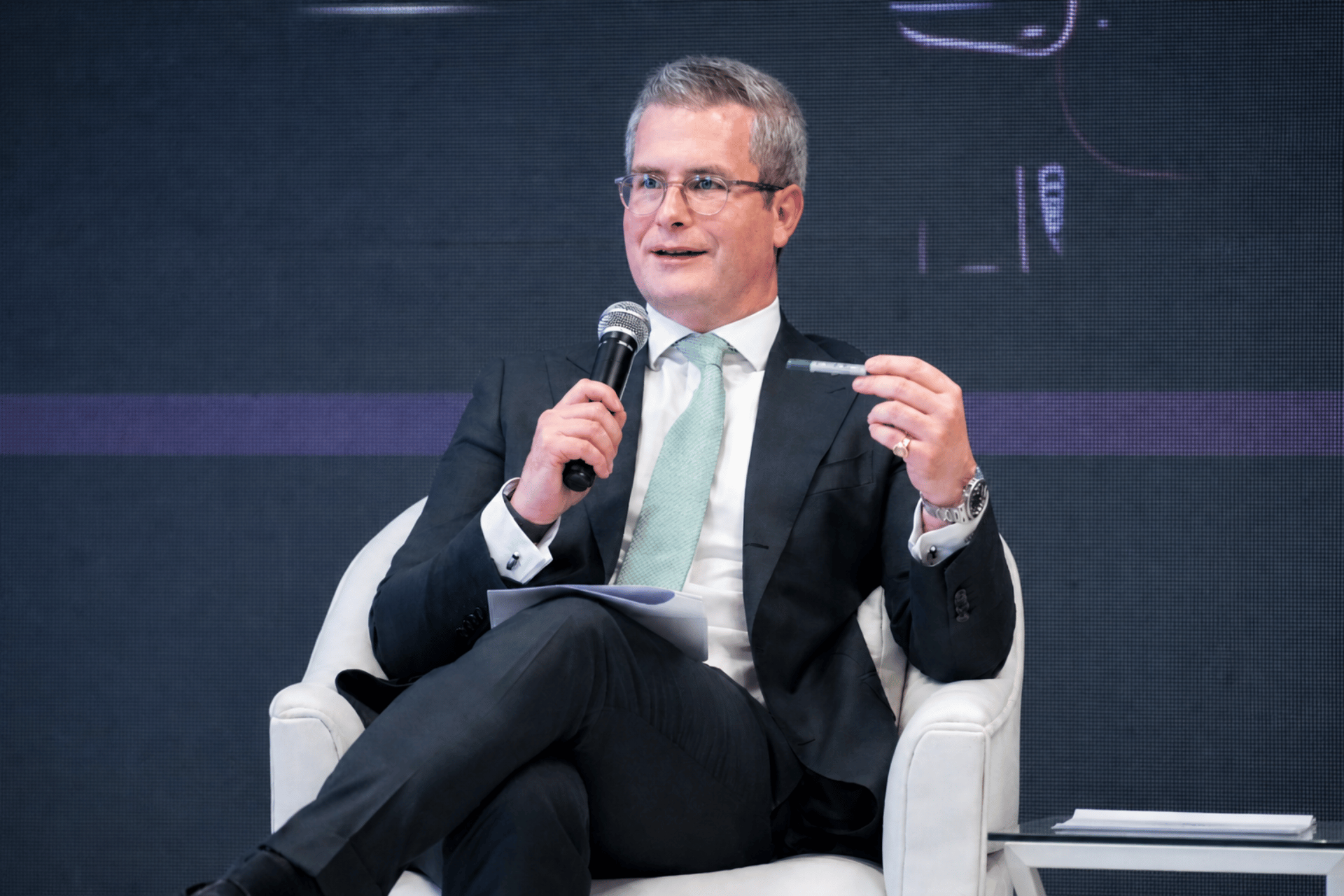
Recently appointed as a Board Member of the World Luxury Chamber of Commerce (WLCC), Jason Margetts brings a multidimensional perspective to the industry – spanning luxury real estate strategy, development advisory, project positioning, mentorship, and business growth. With experience supporting developers, startups, and real estate companies from the earliest stages of opportunity assessment through commercial execution, his approach reflects a deeper understanding of how long-term value is created in today’s luxury landscape.

In this exclusive interview, Jason shares his insights on the future of luxury development, leadership, investment-oriented thinking, and the evolving expectations shaping the next generation of high-value real estate projects.

World Luxury Chamber of Commerce: Luxury real estate today is evolving far beyond property transactions. How do you define the future of luxury development, and what separates truly visionary projects from those that simply follow market trends?

Jason Margetts: The evolution of luxury real estate now encompasses more than traditional concerns such as location or product; it is increasingly focused on cultivating comprehensive environments that foster emotional engagement, lifestyle integration, and enduring relevance.

Innovative developments recognise that luxury buyers are seeking identity, experience, wellness, community, and legacy, rather than merely additional living space. Leading global projects successfully integrate hospitality, culture, retail, wellness, technology, and sustainability into cohesive, holistic solutions.

A significant trend is emerging towards branded residences and hospitality-driven housing concepts. Today’s consumers demonstrate substantial confidence in internationally renowned luxury brands due to their reputation for consistency, high service standards, and prestige. Branded residences offer an attractive proposition by combining real estate with tailored lifestyle experiences, operational expertise, and reliable investment returns.

Projects centered solely on prevailing trends often emphasise aesthetics. In contrast, forward-thinking developments are designed with consideration for human behavior, longevity, and the creation of emotional value. These ventures anticipate future living preferences over the next decade or two, rather than focusing solely on current popularity.

WLCC: You mentioned that much of your work begins long before sales – from land strategy and advisory to project positioning. What are the most critical decisions made in the earliest stages of a luxury real estate project?

JM: Early decisions are crucial because they set the foundations for the entire project.

Before initiating design or sales, developers must fully understand market positioning, the ideal customer base, product-market fit, and a sustainable commercial approach. A common pitfall in luxury real estate is attempting to redefine these factors after the design phase has already commenced.

Luxury developments demand insight into consumer psychology, aspirational lifestyles, and local cultural influences. Developers should address key questions from the outset:

  • What gap does the market present?
  • Which emotional needs are being met?
  • How can we achieve unique differentiation that isn’t easily copied?

Operational sustainability is just as vital. Leading luxury communities worldwide are conceived as enduring ecosystems, not merely short-term sales projects. This involves placemaking, integrating amenities, enhancing mobility, forming hospitality alliances, prioritising wellness, and offering branded residences.

The most successful projects consistently align strategy, design, operations, and commercial priorities right from the beginning.

Several years ago, I had the privilege of spending time with the Kobayashi Group in Hawaii, where I experienced their Park Lane Ala Moana development as well as their ultra-high-end, hospitality-led community on the Big Island, Kukio. Both projects set new benchmarks in Hawaii for low-density, hospitality-driven, ultra-luxury residential living.

To this day, I remain deeply impressed by the extraordinary measures they took to address owners’ needs and the remarkable quality of their finishes. For example, at Kukio, residents enjoy personalised concierge services and custom-designed interiors tailored to their preferences, demonstrating an unwavering commitment to individualised service and design excellence. It was during this time that I truly understood what luxury real estate means. It is no surprise that their projects continue to sell out rapidly. They have built a brand and reputation that is meticulously focused on quality of execution and exceptional aftercare services.

WLCC: In your experience advising developers, startups, and real estate companies, what are the biggest mistakes businesses make when trying to enter or scale within the luxury market?

JM: One of the biggest misconceptions is believing luxury is simply about higher pricing or premium finishes. True luxury is built around trust, consistency, experience, and emotional resonance.

Many businesses underestimate how sophisticated today’s luxury consumer has become. Buyers are globally informed, widely travelled, and highly discerning. They compare projects internationally, not just locally.

Another common mistake is scaling too quickly without building operational depth or brand credibility. Luxury is extremely difficult to sustain without exceptional execution. A single poor customer experience can damage a reputation significantly.

I also see many businesses focusing heavily on acquisition but not enough on retention, community creation, and post-handover experience. In today’s market, long-term brand equity is often built after the sale rather than during it.

Finally, some developers pursue trends without establishing authentic differentiation. The most respected luxury brands globally have a very clear identity and philosophy. Authenticity matters enormously in this sector.

WLCC: Luxury consumers today are more globally informed, experience-driven, and value-conscious than ever before. How is this changing the way developers and brands must think about positioning and long-term value creation?

JM: Luxury consumers today expect far more than a beautiful residence. They expect service, convenience, wellness, exclusivity, privacy, and meaningful experiences integrated into daily life.

This is fundamentally changing how developers think about value creation. Long-term value is no longer defined purely by capital appreciation. It is increasingly tied to lifestyle quality, operational excellence, community management, and experiential offerings.

We are seeing strong demand globally for developments that incorporate wellness concepts, concierge-style services, hospitality partnerships, private members’ environments, and branded residential experiences.

Sustainability is also evolving from a marketing feature into a core expectation. High-net-worth buyers increasingly want developments that demonstrate environmental responsibility, smart infrastructure, and long-term resilience.

Ultimately, luxury today is becoming more personal, more curated, and more experience-led. Developers who genuinely understand human experience will outperform those focused only on physical product.

WLCC: You work across advisory, mentorship, and commercial leadership. What qualities do you believe define successful leadership in today’s real estate and investment landscape?

JM: I believe successful leadership today requires a combination of commercial intelligence, emotional intelligence, adaptability, accountability, and authenticity.

The real estate industry is evolving rapidly, and leaders must be able to balance long-term strategic thinking with agility and execution. Strong leadership is no longer purely hierarchical; it is increasingly collaborative, people-centric, and culture-driven.

The best leaders create environments where high-performing teams can thrive while maintaining clarity of vision and accountability. They are able to inspire confidence during uncertainty and make difficult decisions with integrity.

I also believe mentorship and talent development are critical responsibilities of leadership. Sustainable businesses are built by developing future leaders, not simply managing current performance.

Lastly, it’s important to remember that “great leaders stand in front when there is blame and behind when there is praise”.

WLCC: Many emerging founders and developers struggle to bridge the gap between vision and execution. What advice do you most often give entrepreneurs looking to build sustainable and globally respected luxury real estate businesses?

JM: My advice is always to focus on credibility before scale.

Luxury real estate is ultimately a reputation business. Long-term success comes from consistency, trust, operational excellence, and delivering on promises repeatedly over time.

Entrepreneurs should spend significant time defining their identity, values, and market positioning before aggressively pursuing growth. A clear philosophy is often more valuable than rapid expansion.

I also encourage founders to think globally from the outset. Today’s buyers benchmark projects against London, Dubai, Miami, Singapore, Monaco, Riyadh, Milan, Tokyo, to name just a few, and other leading global markets simultaneously. Understanding international standards is essential.

Most importantly, execution matters more than presentations. The industry rewards businesses that consistently deliver exceptional experiences and build lasting relationships with customers, investors, and partners.

Great companies sell products; great brands inspire belief.

WLCC: From your perspective, where do you see the greatest opportunities in the future of luxury real estate – whether geographically, conceptually, or through new business models and collaborations?

JM: I believe the intersection of luxury real estate, hospitality, wellness, and branded living presents the greatest opportunities globally right now. Branded residences are growing rapidly, combining trusted brands with premium properties and service-led living, which buyers appreciate for quality and lifestyle alignment.

Middle Eastern markets, especially Saudi Arabia and the UAE, stand out due to national transformation programs, infrastructure investment, and rising global investor interest.

Mixed-use communities, wellness developments, personalised living, and hospitality-driven concepts are expected to expand further. Strategic partnerships between developers, luxury brands, operators, designers, technology firms, and cultural institutions are increasingly important, making luxury development more multidisciplinary.

WLCC: As someone deeply involved in strategic growth and high-level advisory, what legacy or impact do you hope to create within the real estate industry and the broader luxury ecosystem?

JM: For me, legacy is ultimately about creating long-term value that positively impacts people, communities, and industries.

I hope to contribute toward a more thoughtful and experience-driven approach to development, one that prioritises quality, integrity, sustainability, and human connection alongside commercial success.

I am particularly passionate about helping businesses and leaders unlock their full potential through strategic thinking, mentorship, and operational transformation. Some of the most rewarding moments in my career have come from seeing people and organisations evolve beyond what they initially believed was possible.

I also hope to help elevate the global perception of emerging markets and demonstrate that world-class luxury developments can be created anywhere when vision, execution, and authenticity align.

The future of luxury real estate should not simply be about building impressive projects; it should be about creating places that genuinely improve the way people live.

Thank you, Jason! To learn more about Jason Margetts’ work in luxury real estate advisory, development strategy, and commercial growth, connect with him on LinkedIn.

WLCC regularly features conversations and insights from global luxury leaders. Join our community to receive new interviews and perspectives weekly: https://worldluxurychamber.com/wlcc-community/.
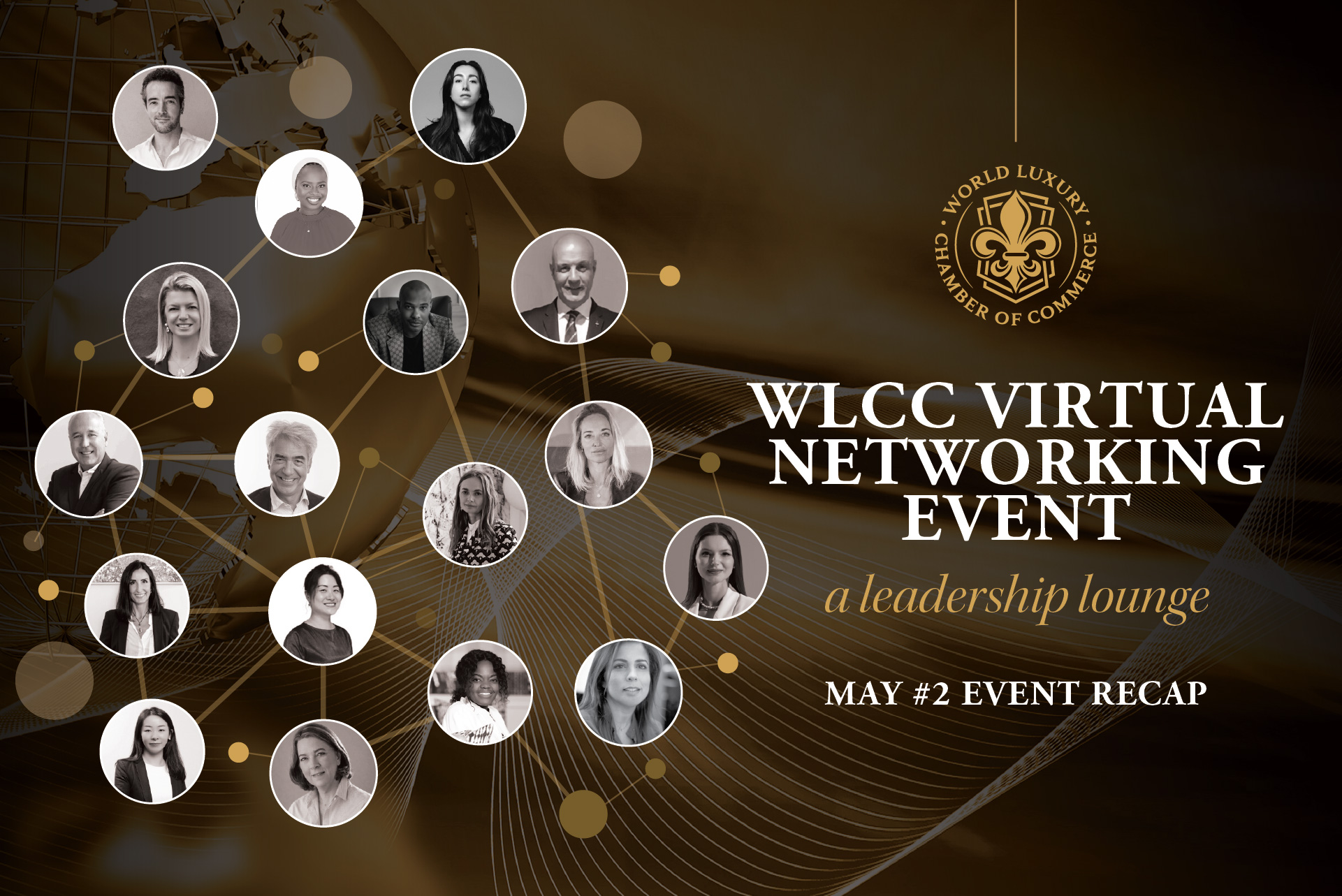
Event Recap: WLCC Leadership Lounge – May #2 2026

Rethinking Luxury: Culture, Emotion & Technology in a New Era

The latest edition of the WLCC Leadership Lounge brought together founders, CEOs, entrepreneurs, investors, and senior decision-makers from across the global luxury ecosystem for an engaging conversation on one of the industry’s most important questions:

How is the meaning of luxury evolving in a world shaped by changing consumer values, cultural transformation, and technological innovation?

Why the WLCC Leadership Lounge Exists

The WLCC Leadership Lounge was created as a private forum where luxury leaders can move beyond traditional networking and engage in meaningful, strategic dialogue with peers.

Each session is designed to foster genuine connections, facilitate business introductions, encourage knowledge sharing, and create opportunities for collaboration across sectors and geographies. Attendance is intentionally limited to ensure every participant can actively contribute to the conversation while building valuable relationships within the global luxury community.

Guest Speaker

This session featured Carlota Rodben, Founder of Beyond Luxury, author, strategist, and former innovation executive at CHANEL.

Recognized for her work exploring the future of luxury through the lens of emotion, culture, technology, and consumer behavior, Carlota shared her perspective on the forces reshaping desirability and long-term brand value in the luxury sector.

Key Themes & Insights

Luxury Is Moving Beyond Products Toward Meaning

While craftsmanship, quality, and heritage remain essential foundations of luxury, Carlota emphasized that the strongest brands today create value through meaning, identity, and emotional connection.

Consumers increasingly seek brands that reflect their values, aspirations, and personal stories. In this environment, luxury becomes less about ownership alone and more about what a brand represents in a person’s life.

Emotion Has Become a Strategic Asset

One of the central themes of the discussion was the growing importance of emotional value.

Today’s consumers remember how a brand makes them feel more than what it sells. The most desirable brands create experiences, memories, and emotional resonance that strengthen loyalty and deepen relationships over time.

The New Desire Economy

A significant shift is underway, particularly among younger generations of luxury consumers.

Status has not disappeared, but it is increasingly expressed through experiences, self-expression, belonging, and participation rather than ownership alone. Consumers are seeking access, community, learning, and cultural engagement alongside exceptional products.

Women Are Reshaping Luxury Consumption

The conversation also highlighted the growing influence of women as independent luxury consumers.

Today, women increasingly purchase luxury products, services, and experiences for themselves, driven by greater financial independence, entrepreneurship, and leadership.

This shift is redefining aspiration and creating new opportunities for brands to engage consumers through personal achievement, self-expression, and self-reward.

The Great Wealth Transfer Will Redefine Luxury

Carlota also addressed the unprecedented transfer of wealth from older generations to Millennials and Gen Z.

As new generations become the primary holders of wealth, luxury brands will need to adapt to evolving expectations around purpose, personalization, cultural relevance, sustainability, and digital experiences while maintaining the authenticity and heritage that define luxury.

Culture Must Be Authentically Embedded

Luxury brands increasingly engage with art, music, creativity, and broader cultural conversations. However, Carlota emphasized that authentic cultural relevance cannot be manufactured.

The brands creating long-term value are those that actively contribute to culture and build genuine relationships with creative communities rather than simply attaching themselves to trends.

AI Will Be Transformative – If Used Thoughtfully

Carlota shared an optimistic view of artificial intelligence and its potential to enhance creativity, personalization, and customer experiences.

At the same time, she cautioned that careless use of AI can flatten brands, dilute differentiation, and produce generic experiences that weaken emotional connection. Luxury brands must ensure technology strengthens their unique identity rather than replacing the creativity and distinctiveness that make them desirable.

Reflections from Participants

The discussion resonated strongly with participants across different sectors of luxury.

Katarzyna Kolys, Luxury Positioning Advisor, shared a perspective from the world of fine jewelry, highlighting how many of the themes discussed resonate strongly within her sector:

“For jewelry brands, this shift is particularly significant. Jewelry has never been just an object; it carries identity, memory, aspiration, and belonging. Today’s collectors are looking for more than adornment; they seek meaning, connection, and experiences that allow them to participate in the designer and the brand story.”

Katarzyna highlighted how desire is increasingly built through storytelling, craftsmanship, provenance, education, and emotional resonance. As consumers seek closer connections to creativity and expertise, they evolve from buyers into conscious collectors and knowledgeable connoisseurs. The most successful jewelry brands, she noted, will be those that create a genuine sense of belonging and shared values, transforming jewelry from an object of desire into a vehicle for meaning, identity, and connection.

Clotilde Germain, Founder of Luxury Table, shared a broader reflection on the future of luxury:

“The future of luxury will not be shaped by visibility alone, but by emotion, cultural relevance, meaningful storytelling and the quality of human connection.”

She praised the depth of the discussion and the opportunity to connect with a highly engaged community of luxury leaders exploring how luxury is evolving beyond product, status, and technology.

Looking Ahead

The conversation reinforced a powerful conclusion: the future of luxury will be shaped by brands that successfully combine emotion, culture, creativity, and innovation.

As consumer expectations continue to evolve, long-term desirability will increasingly depend on a brand’s ability to create meaning, foster genuine human connection, and remain culturally relevant while embracing new technologies with purpose and intention.

The WLCC Leadership Lounge remains committed to providing a trusted environment where luxury leaders can explore these shifts together, exchange perspectives, and build the partnerships that will shape the future of the industry. To explore upcoming Leadership Lounges and private WLCC gatherings, visit the WLCC Events Calendar: https://worldluxurychamber.com/events/

India’s Luxury Residential Market Is Being Redefined in 2026

By Dr. Sheetal Jain, Founder & CEO of Luxe Analytics

India’s luxury housing market is entering a decisive decade of transformation. Valued at USD 44.11 billion in 2025, it is projected to surge to USD 275.40 billion by 2035, growing at an impressive CAGR of 20% between 2026 and 2035. This remarkable expansion is underpinned by multiple structural tailwinds, including IPO-led wealth creation, a sharp rise in ultra-high-net-worth individuals (UHNWIs), rapid urbanisation, and the acceleration of smart city initiatives.

The numbers reflect a deeper shift. According to Knight Frank’s study, ‘The Wealth Report 2024’, India’s ultra-rich population is expected to grow by nearly 50% from 13,263 individuals in 2023 to 19,908 by 2028. At the same time, aspirational momentum is strong: as per Sotheby’s International Realty’s Luxury Outlook 2024, 71% of affluent Indians intend to purchase a luxury home within the next 12 to 24 months, driven by both capital appreciation and lifestyle aspirations.

Yet, beyond the growth story lies a more profound evolution, what defines “luxury” in Indian housing has fundamentally changed.

From Opulence to Intentional Living

A decade ago, luxury homes were often defined by visible opulence, grand chandeliers, imported marble, and expansive layouts. In 2026, that narrative feels outdated. Today’s luxury is quieter, more intentional, and deeply personal.

The modern Indian luxury homeowner is no longer buying just a residence, they are investing in a holistic living experience. Homes are now expected to support physical well-being, mental health, productivity, privacy, and sustainability. This evolution has been accelerated by the post-pandemic world, where hybrid work and global exposure have redefined expectations.

Buyers are benchmarking their homes against the best global experiences: luxury hotels, wellness retreats, co-working environments, and branded residences abroad. The result is a new definition of luxury: one that blends functionality with emotional and experiential value.

Sustainability Moves from Feature to Foundation

Green living is no longer a differentiator, it is becoming a baseline expectation. The real estate sector is witnessing a growing dominance of eco-conscious developments that go beyond token sustainability.

Luxury homes in 2026 increasingly incorporate energy-efficient systems, water conservation technologies, and environmentally responsible materials. But more importantly, sustainability is being approached holistically integrating architecture, landscape, and community planning.

For affluent buyers, sustainability is not just about reducing environmental impact; it is also about long-term value, healthier living environments, and alignment with global standards of responsible luxury.

Smart Homes Become Standard

Technology is now central to the luxury living experience. Nearly 75% of luxury homebuyers expect advanced smart home features as a given.

From AI-powered security systems to app-controlled lighting, climate, and entertainment, homes are becoming intuitive ecosystems. Voice-activated systems and seamless automation are no longer futuristic, they are essential.

However, the real shift lies in how technology is being perceived. It is no longer about showcasing innovation but about enhancing convenience and eliminating friction. The best luxury homes today integrate technology so seamlessly that it becomes almost invisible yet indispensable.

Wellness as a Non-Negotiable

Perhaps the most defining shift in luxury housing is the elevation of wellness from an amenity to a core design principle.

Wellness is no longer limited to a gym or spa mentioned in marketing brochures. It is embedded into the very architecture and planning of homes and communities. Buyers are actively seeking for thoughtful design elements such as natural ventilation, abundant daylight, and acoustic insulation that reduce stress and enhance well-being. This shift reflects a deeper understanding: true luxury is not about indulgence, but about living well: physically, mentally, and emotionally.

Rise of Branded Residences

India’s branded residences segment has rapidly evolved into one of the most dynamic and influential categories within the luxury real estate landscape. With an estimated market valuation of $5 billion in 2025, India now stands as the sixth-largest branded residence market globally a remarkable rise for a category that was virtually nascent a decade ago.

Over the last ten years, the ultra-luxury housing segment has recorded an extraordinary 160% growth, propelled by affluent domestic buyers, global investors, and NRIs seeking more than just a home. What they desire is a distinctive blend of brand prestige, curated services, global aesthetics, and lifestyle elevation.

This momentum is visible across India’s latest marquee launches from Elie Saab–branded residences in Gurugram and Noida, Jacob & Co’s architectural statement in Noida, and Westin Residences in Gurugram, to Four Seasons Private Residences and the Armani/Casa-designed Lodha World Towers in Mumbai.

It is no surprise, then, that branded residences consistently command a 30–40% premium over traditional luxury properties. Beyond the architectural and service excellence, buyers place immense value on trust, legacy, and long-term asset appreciation that established global brands bring.

Design with a Longevity Lens

Buyers today are far more informed and selective. They can easily distinguish between superficial luxury and genuine quality. As a result, there is a growing emphasis on “design that lasts.” This includes the use of high-quality, durable materials, timeless aesthetics, and layouts that remain relevant over time. Luxury is no longer about trends, it is about permanence. Buyers are prioritising homes that age gracefully, both in terms of design and functionality.

The Future of Luxury Living

The Indian luxury home of 2026 is no longer defined by how much it showcases, but by how well it understands its resident. Today’s affluent buyers are looking for homes that adapt to their routines, spaces that seamlessly transition between work and leisure, technology that simplifies daily life, and communities that foster well-being and connection.

Luxury, in its truest sense, is evolving into something far more meaningful: a balance of comfort, consciousness, and customization.

As India’s wealth landscape expands and consumer expectations mature, luxury housing will continue to move beyond aesthetics toward experiences that are deeply personal, purposeful, and enduring.

Dr. Sheetal Jain
Founder & CEO | Luxe Analytics
Dr. Sheetal Jain is a global luxury industry expert, author, and researcher with over two decades of experience in academia and consulting. She has trained 10,000+ professionals, advised leading brands, and is recognized as a top voice in luxury research, particularly on India’s evolving market and sustainability.


Editorial Note: This op-ed reflects the independent views and analysis of the author, based on publicly available industry research. The opinions expressed are those of the author and do not necessarily reflect the views of the World Luxury Chamber of Commerce (WLCC).

For more expert articles, visit https://worldluxurychamber.com/category/expert-articles-interviews/

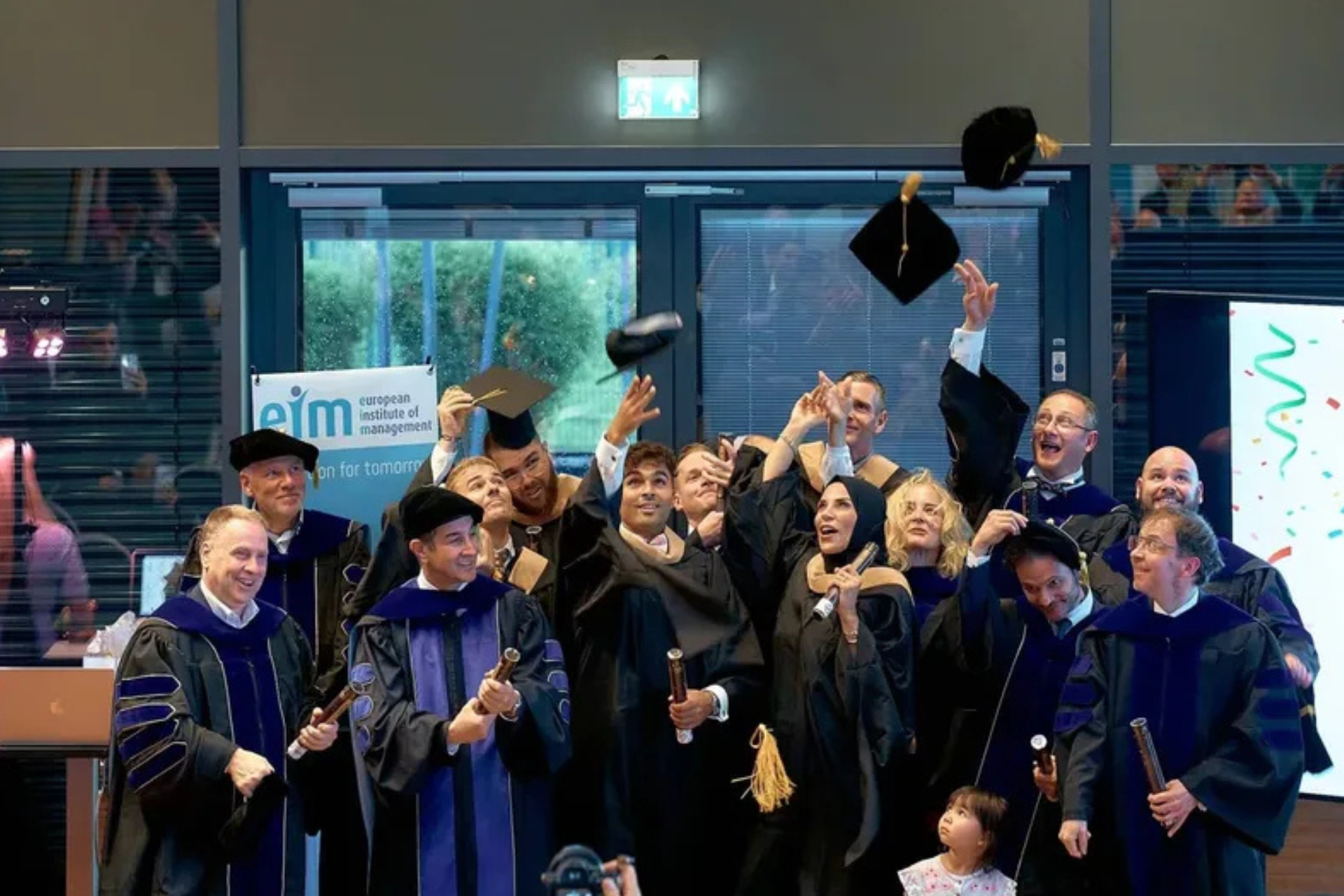
European Institute of Management Joins WLCC

European Institute of Management (EIM) has joined the World Luxury Chamber of Commerce through the WLCC Essentials membership, reinforcing its position as a higher education institution focused on advanced leadership development and research across the global luxury sector. Through its accredited postgraduate and doctoral programmes, EIM provides academically rigorous pathways for professionals operating at senior levels across multiple luxury industries.

Established as a government-accredited higher education institution, EIM delivers fully online postgraduate and doctoral education designed for professionals balancing executive responsibilities with academic advancement. Its programmes are accredited by the Malta Further and Higher Education Authority within the European Qualifications Framework and are recognized across the European Union, the United Kingdom, Commonwealth countries, and the United States. The institution’s academic model combines small-group tutorials, structured doctoral supervision, and a strong emphasis on research publication and knowledge creation.

A defining component of EIM’s academic structure is the EIM Luxury Research Institute, which serves as a dedicated centre for research and knowledge development across the luxury ecosystem. The Institute’s scope spans thirteen luxury industry sectors, including hospitality, real estate, automotive, fashion, watches and jewellery, private aviation and yachting, art and collectibles, and wellness-related luxury domains. Its research agenda addresses topics including luxury consumer psychology, brand heritage, digital transformation, sustainability, ESG, and the evolving relationship between artificial intelligence and luxury experiences.

Membership in WLCC reflects EIM’s alignment with a global network focused on leadership, strategic collaboration, and industry advancement. Through the Chamber’s executive ecosystem, members engage with influential decision-makers across international luxury sectors, creating opportunities for dialogue, partnership development, and long-term industry contribution.

“The integration of academic research and executive leadership is becoming increasingly important across the luxury sector,” said Alexander Chetchikov, President of the World Luxury Chamber of Commerce. “EIM contributes a distinctive perspective through its accredited programmes, research infrastructure, and focus on the future development of luxury industries worldwide.”

EIM’s academic portfolio includes the PhD in Management, a DBA, both with Luxury Specialisation, an MBA with Luxury Specialisation, and the PGCert in Luxury Leadership, Management & Marketing. The institution also collaborates with corporations through sponsored enrolment, co-branded programmes, commissioned research, doctoral sponsorship, and curriculum advisory initiatives designed to support leadership development and innovation within luxury organizations.

Discover more about European Institute of Management (EIM).


If you found this insight valuable, don’t miss future perspectives for luxury leaders. WLCC delivers expert insights to its community on a weekly basis. Join now https://worldluxurychamber.com/wlcc-community/.
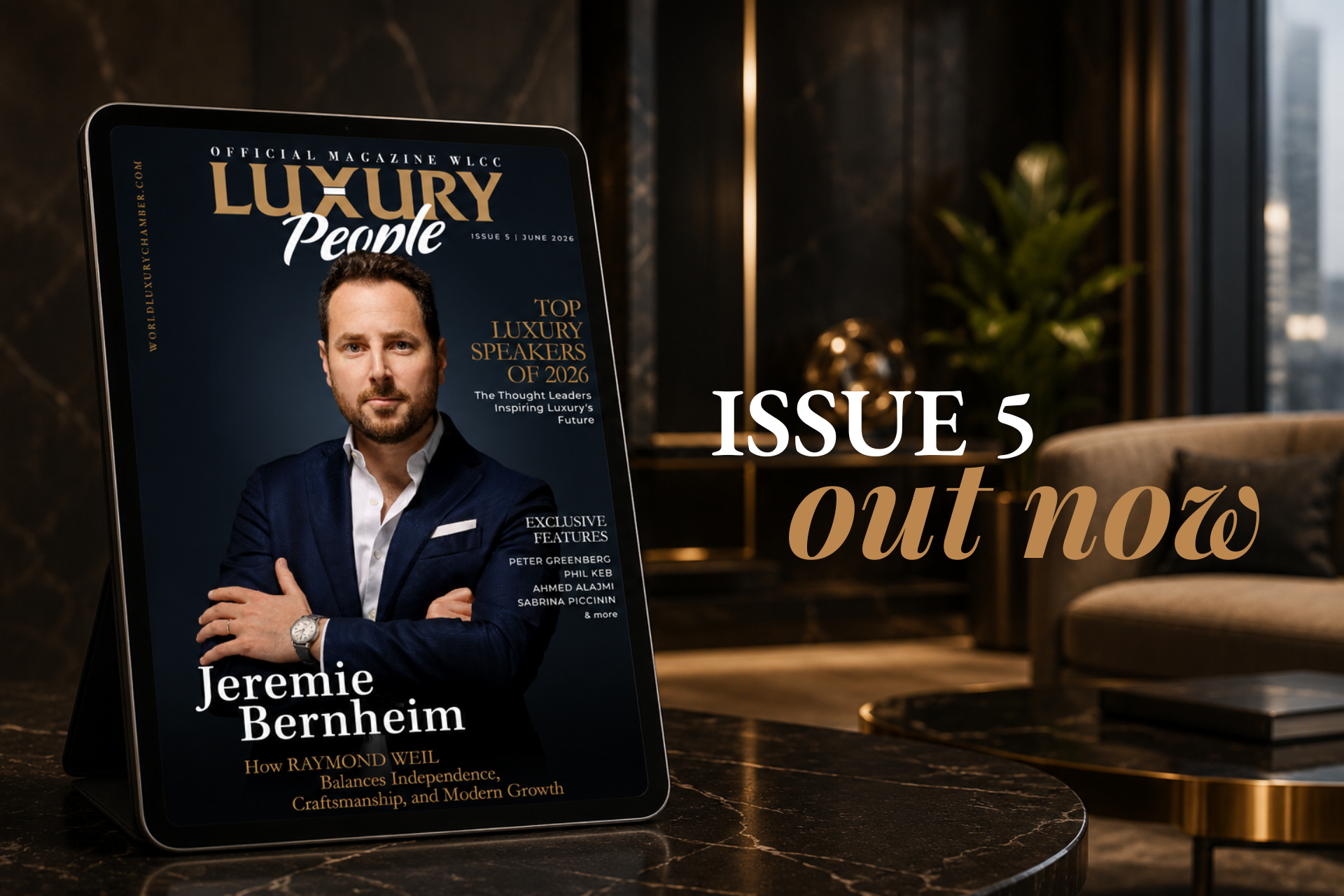
Luxury People Magazine: Issue 5 Is Here

Luxury People Magazine is back with Issue 5, and it’s one worth paying attention to.

The World Luxury Chamber of Commerce has just dropped its latest edition of Luxury People Magazine, and leading the cover is Jeremie Bernheim, Chief Marketing Officer of Swiss watchmaker RAYMOND WEIL. In a candid conversation, Bernheim opens up about what it actually takes to run an independent luxury brand right now, the pressures, the trade-offs, and why staying true to your craft still matters in a market that rarely slows down.

Beyond the cover, Issue 5 brings together a genuinely interesting mix of voices. Peter Greenberg, Phil Keb, Ahmed Alajmi, Sabrina Piccinin, Sanja Vrančić, Anant Sharma, Antonio Paraíso, Caroline Huo, Abhay Gupta, and Alvaro Núñez Alfaro, spanning hospitality, real estate, architecture, wellness, travel, and brand strategy, all weigh in on where the industry is headed and what’s keeping them up at night.

The issue also reveals WLCC’s TOP Luxury Speakers of the World 2026, a recognition of the thinkers and executives who are actually moving the needle on how the luxury world thinks and talks about itself.

On the topics front, the edition doesn’t shy away from the harder questions: AI, Web3, the metaverse, sustainability, shifting consumer expectations, and what luxury leadership looks like going forward.

“Luxury today is no longer simply about products,” says WLCC President Alexander Chetchikov. “It’s about meaning, experience, trust, and long-term value.”

Issue 5 is available now

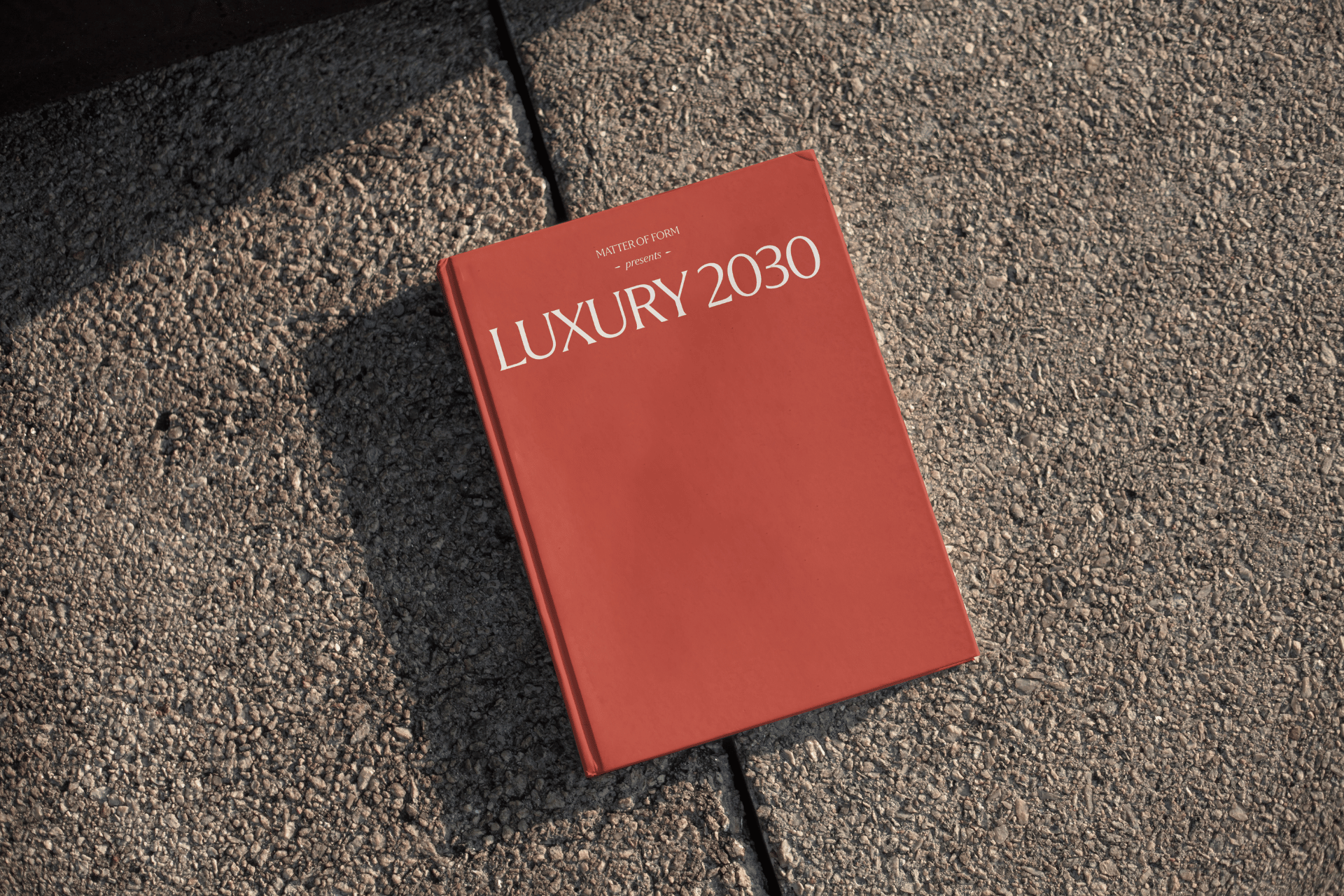
Luxury 2030: Matter Of Form’s Field Notes on the Future of Luxury

Luxury 2030 by Matter of Form is less a trend report and more a thought-provoking examination of the forces challenging luxury as we approach the next decade. Drawing insights from an unusually diverse group of contributors, including hoteliers, designers, psychologists, collectors, wellness pioneers, strategists, and luxury executives, the report explores a fundamental question: what creates value in a world where traditional luxury signals are becoming increasingly blurred?

Rather than focusing on product trends or seasonal forecasts, the report examines the deeper cultural, emotional, and behavioural shifts influencing how affluent consumers think, spend, travel, and live. It argues that many of the assumptions that have underpinned luxury for decades are being challenged. Scarcity, heritage, exclusivity, and status remain important, but they are being redefined through new lenses of meaning, identity, knowledge, wellbeing, and experience.

One of the report’s central themes is that value is moving away from simple ownership and toward personal transformation. Luxury is increasingly judged not by what someone possesses, but by how an experience, object, or service contributes to their wellbeing, personal growth, knowledge, or sense of identity. Across hospitality, travel, wellness, retail, and design, the report highlights how consumers are seeking deeper engagement, more authentic stories, and experiences that leave a lasting impression rather than simply providing momentary indulgence.

The report also explores several fascinating tensions shaping the future of luxury. Consumers are seeking both privacy and visibility, convenience and meaningful effort, optimisation and pleasure, exclusivity and belonging. These contradictions are not seen as problems to solve, but as opportunities for brands willing to think differently.

Particular attention is given to the growing importance of cultural relevance, intellectual depth, human craftsmanship, and wellness. The authors suggest that tomorrow’s most successful luxury brands will be those that create genuine meaning, encourage participation, and maintain the courage to stand for something distinctive rather than appealing to everyone.

Luxury 2030 ultimately presents a compelling argument that the future of luxury will not be defined by excess, but by relevance, resonance, and human connection. For luxury leaders, marketers, hoteliers, retailers, and brand builders, it offers a valuable perspective on where the industry may be heading and why the next chapter of luxury could look very different from the one that came before.

Download the full report to explore the insights, case studies, expert perspectives, and emerging ideas shaping the future of luxury.

Rework Entertainment Joins WLCC’s Global Network

Rework Entertainment has joined World Luxury Chamber of Commerce, entering a global circle of luxury leaders dedicated to strategic collaboration, industry insight, and the advancement of high-value business relationships.

Based in France, Rework Entertainment specializes in video production and video communication consulting. The company focuses on branded film production, creating inspiring and impactful stories shaped by strong visual standards to elevate client image and support meaningful audience engagement.

Membership in WLCC places Rework Entertainment within an executive-level platform designed to connect decision-makers across the global luxury sector. Through shared dialogue, strategic introductions, and access to a high-level international network, WLCC supports members in strengthening relevance, influence, and long-term business growth.

“Rework Entertainment brings a distinctive creative perspective to the WLCC network, where communication, storytelling, and brand image play an increasingly important role in how luxury companies define their position. We welcome the company as a member and look forward to its contribution to meaningful dialogue within our global business ecosystem,” said Alexander Chetchikov, President of World Luxury Chamber of Commerce.

As a WLCC member, Rework Entertainment contributes to a broader conversation about how luxury brands communicate value, identity, and trust in a competitive international market. Its work in branded film production aligns with the industry’s growing focus on content that is considered, visually refined, and strategically purposeful.

Discover more about Rework Entertainment.

o ya Enters a New Luxury Circle

o ya, the visionary Boston omakase destination founded by Chef Tim and Nancy Cushman in 2007, has joined the World Luxury Chamber of Commerce, entering a global executive network of leaders across hospitality, design, and the broader luxury industry.

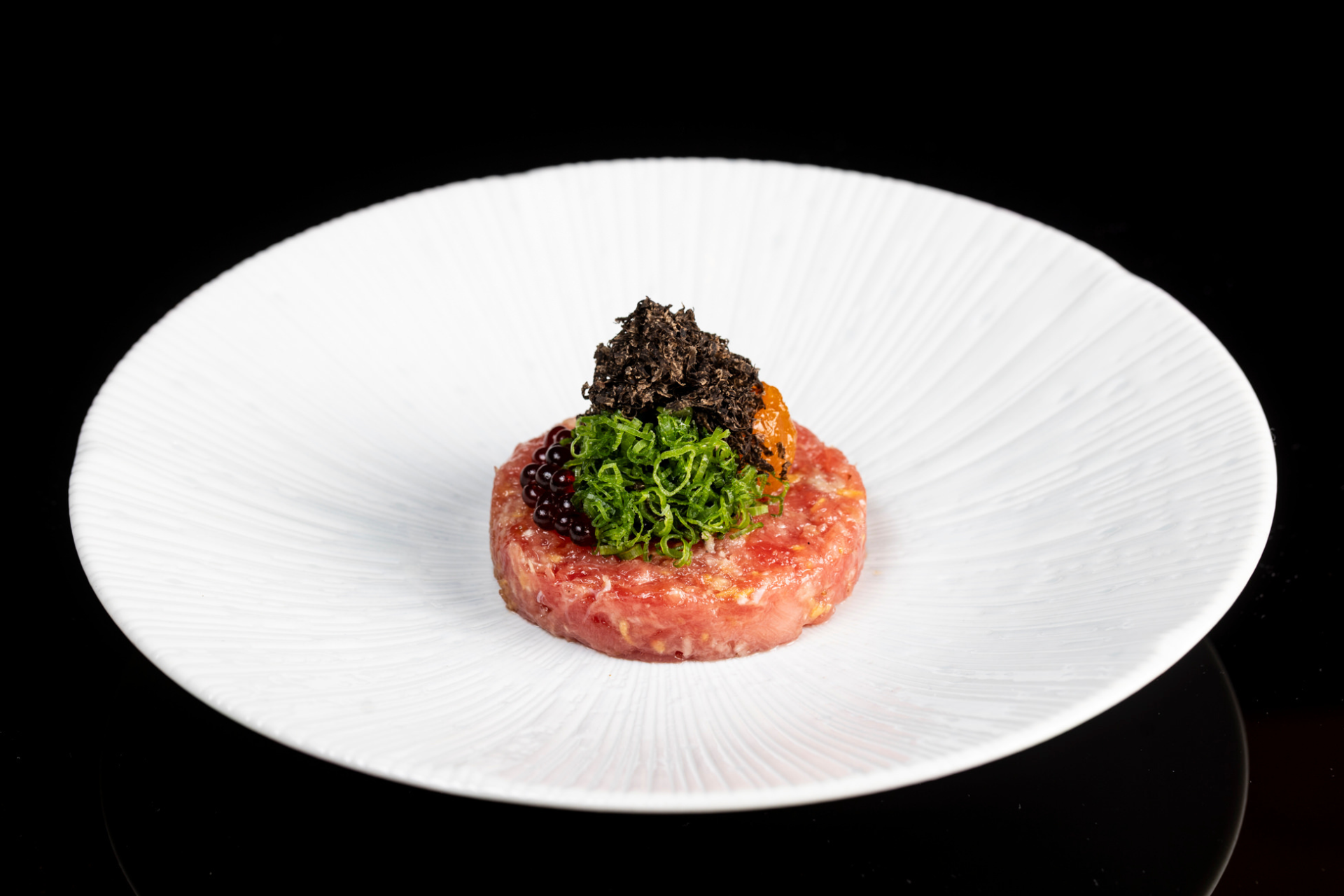
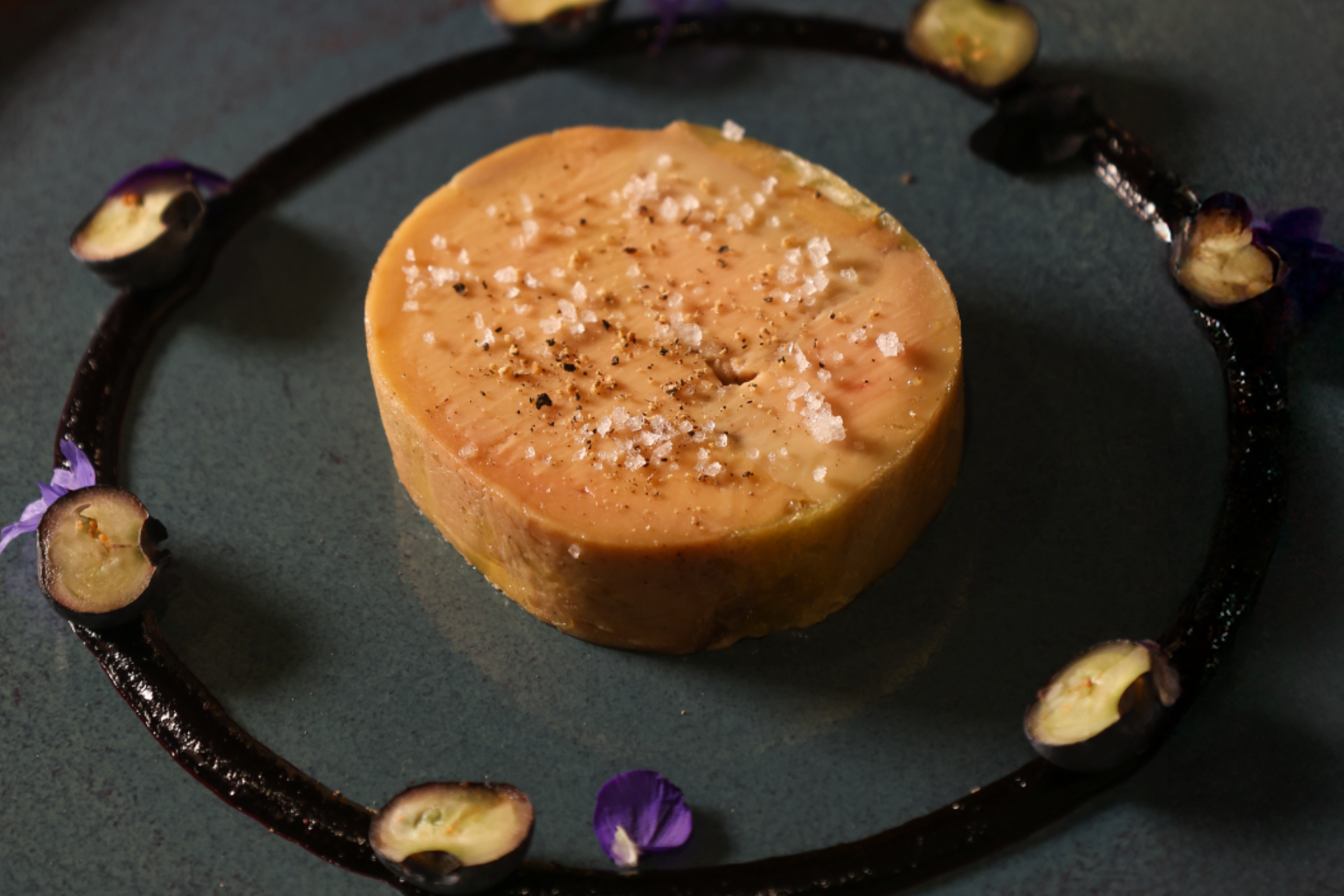
Founded in 2007, o ya is a 20-course omakase progression rooted in Japanese discipline and expressed through boundary-pushing flavor. Each bite is composed to stand alone, complete and intentional, while moving within a larger arc of rhythm and build. The restaurant has earned multiple James Beard Foundation nominations and was named the number one new restaurant in the country by The New York Times shortly after opening, accolades that remain central to its national profile. o ya is the flagship of Umami Riot Experience, the hospitality portfolio that also includes Hojoko, Bianca Woodfire Kitchen and Bar, gogo ya, and Ms. Clucks Deluxe.

Membership in World Luxury Chamber of Commerce positions o ya within an international circle of luxury decision-makers across hospitality, real estate, design, private aviation, yachting, automotive, jewelry, fashion, art, entertainment, and fine dining. For members, WLCC creates a strategic environment for high-level dialogue, partnership development, knowledge exchange, and long-term alliances across markets.

“o ya represents the level of culinary focus and market relevance that defines meaningful participation in World Luxury Chamber of Commerce,” said Alexander Chetchikov, President of WLCC. “Its approach to fine dining reflects a clear point of view, and its membership strengthens the dialogue between gastronomy, hospitality, and the wider luxury industry.”

“Joining the World Luxury Chamber of Commerce places o ya in conversation with leaders across hospitality, design, and craft, fields that have always shaped how we think about the experience we build for our guests,” said Nancy Cushman, Co-Founder of o ya and Umami Riot Experience. “We are honored to contribute to that dialogue.”

Membership comes at a pivotal moment for o ya, which is approaching its 20th anniversary in March 2027 with a year of programming, collaborations, and global storytelling already underway. The WLCC platform offers a natural setting to deepen relationships across the hospitality, design, and cultural sectors that shape how guests experience fine dining today.

Discover more about o ya.

RENOIR and NINI Shape Contemporary Montreal Hospitality

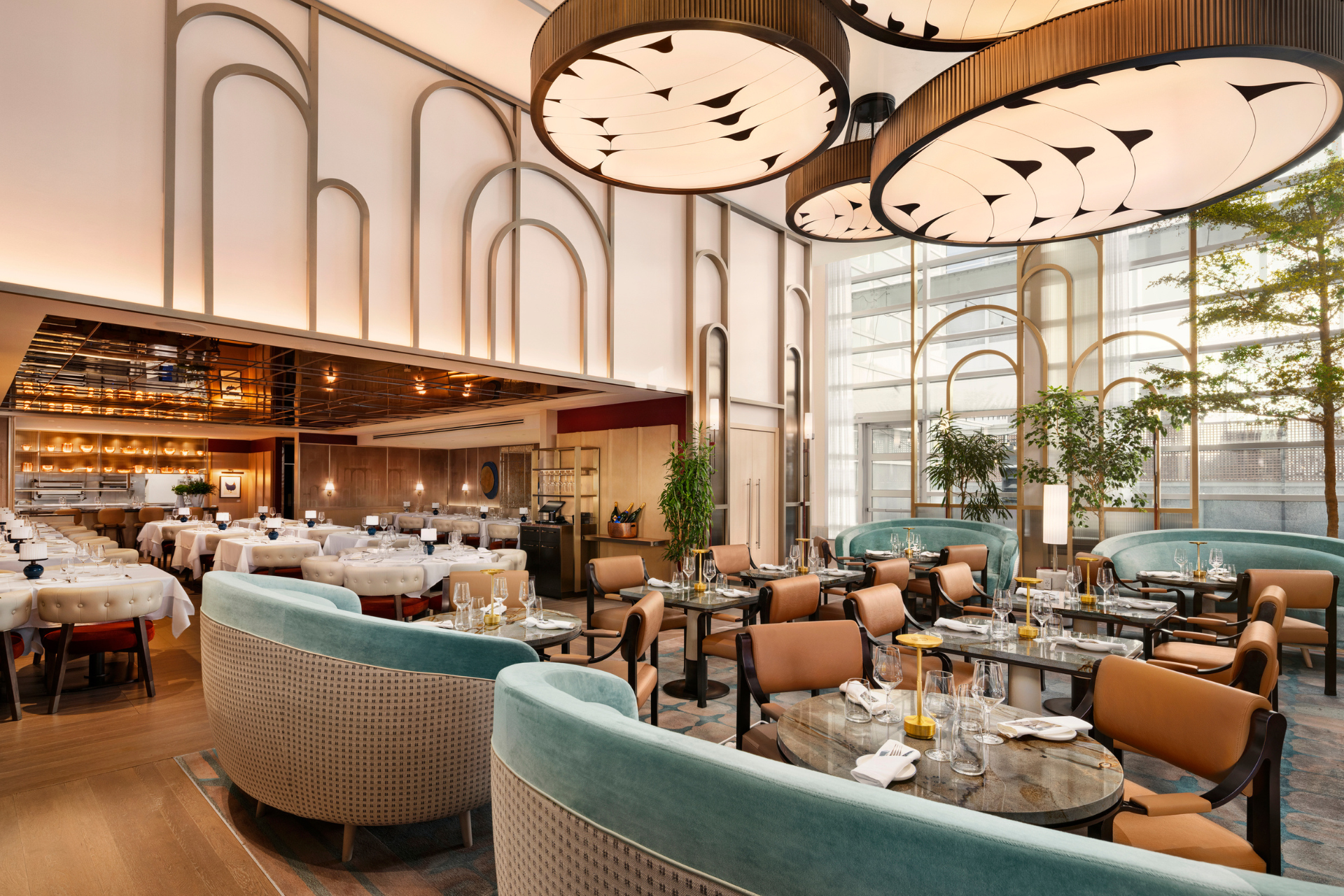
In Montreal’s competitive fine dining landscape, RENOIR Montreal represents a measured approach to contemporary French gastronomy and hospitality – one that prioritizes clarity of identity, spatial coherence, and culinary discipline. Featured on the platform of the World Luxury Chamber of Commerce, the restaurant’s recent reopening, alongside the introduction of NINI, the new cocktail lounge inspired by French artistry and social culture, signals a recalibrated positioning aligned with the expectations of an international luxury audience. Recently recommended in the Michelin Guide, RENOIR further reinforces its relevance within Montreal’s evolving luxury dining sector.

Operating within the Sofitel Montreal Golden Mile, RENOIR has reintroduced itself with a renewed focus on how cuisine, design, and social experience function together as a unified environment. The reopening is not framed as reinvention, but as refinement – an adjustment of key elements intended to maintain long-term relevance within both local and global hospitality contexts.

Design as Strategic Expression

The redesigned interior establishes a controlled visual language where material selection and spatial layout support the overall dining narrative. Developed in collaboration with 2pir Design, the restaurant integrates tones of champagne, bronze, turquoise, and burnt orange, reinforced by marble surfaces and hand-finished details.

Lighting plays a defining role in shaping perception throughout the day, allowing the environment to transition fluidly between daytime and evening service. This approach reflects a deliberate alignment between aesthetic direction and operational functionality, reinforcing a hospitality experience built on atmosphere as much as culinary precision.

The introduction of NINI expands this visual and experiential direction further. Inspired by French artistry and the cultural legacy surrounding painter Pierre-Auguste Renoir’s muse, Nini Lopez, the cocktail bar introduces a distinct social dimension to the property. Its rosé metallic central bar, warm tonal palette, and layered seating arrangements establish an environment designed equally for intimate conversation and lively engagement. 

Culinary Direction with Regional Relevance

Under the direction of Chef Olivier Perret, the restaurant maintains its grounding in French culinary technique while incorporating influences from Quebec’s seasonal landscape. This dual orientation allows RENOIR to operate within an international framework while remaining contextually relevant to its location.

The reopening introduces adjustments to presentation and kitchen visibility, supporting a more transparent and engaging dining experience. These refinements reinforce the restaurant’s positioning without altering its foundational culinary philosophy.

NINI complements this direction through a beverage and lounge concept shaped around French savoir-faire and locally sourced ingredients. Led by Food & Beverage Director Christine Béland, the cocktail bar introduces a menu that combines elevated classics with a contemporary hospitality sensibility. Signature dishes and cocktails are positioned as extensions of the broader dining experience rather than standalone attractions, strengthening continuity between restaurant and lounge environments.

Sofitel Montreal Golden Mile

Expanding the Hospitality Framework

RENOIR’s structure extends beyond evening service, encompassing breakfast, lunch, brunch, and weekend dining formats that broaden engagement with both local and international audiences. This multi-layered approach enables the restaurant to remain active across different moments of consumption while reinforcing its role within the Sofitel’s wider hospitality ecosystem.

The addition of NINI further expands this framework by creating a dedicated destination for pre-dinner gatherings, late-evening social experiences, and cocktail-focused hospitality. Positioned as both complement and extension to the restaurant, the bar contributes to a more comprehensive guest journey that aligns with evolving expectations surrounding luxury hospitality experiences.

Positioning Within Montreal’s Luxury Landscape

Montreal continues to evolve as a destination where European culinary heritage intersects with North American dynamism. Within this environment, RENOIR maintains a distinct position by balancing consistency with adaptation. This approach reflects a broader shift in luxury dining – where relevance is sustained through precision, restraint, and contextual awareness rather than overt reinvention.

The integration of NINI reflects this same strategic direction. Rather than functioning as a separate concept, the cocktail bar strengthens the property’s overall identity by broadening how guests engage with the space throughout the day and evening. Together, RENOIR and NINI present a hospitality model where gastronomy, design, and social atmosphere operate as interconnected elements of a unified luxury experience.

Their presence on the WLCC platform underscores alignment with broader conversations shaping the future of luxury hospitality, particularly in how established concepts evolve through thoughtful expansion and carefully considered positioning.

The reopening of RENOIR Montreal and the introduction of NINI reflect a disciplined approach to progression, where cuisine, design, beverage culture, and guest experience are recalibrated with strategic intent. Together, they represent how hospitality institutions can maintain long-term relevance through measured evolution and a clearly articulated identity.

Discover more about RENOIR Montreal and NINI at: https://restaurant-renoir.com/ and  https://www.ninisalonacocktails.com/.


We publish fresh insight and leadership perspectives for the luxury industry every week inside the WLCC community. Join now https://worldluxurychamber.com/wlcc-community/.
Something went wrong

Please try again later

Ok

    Ask About Member Deals

    Submit your request for media/press opportunities here, and we will provide you with all the details.


    Your form submitted successfully!

    We will be in touch soon with further details.

    Got it