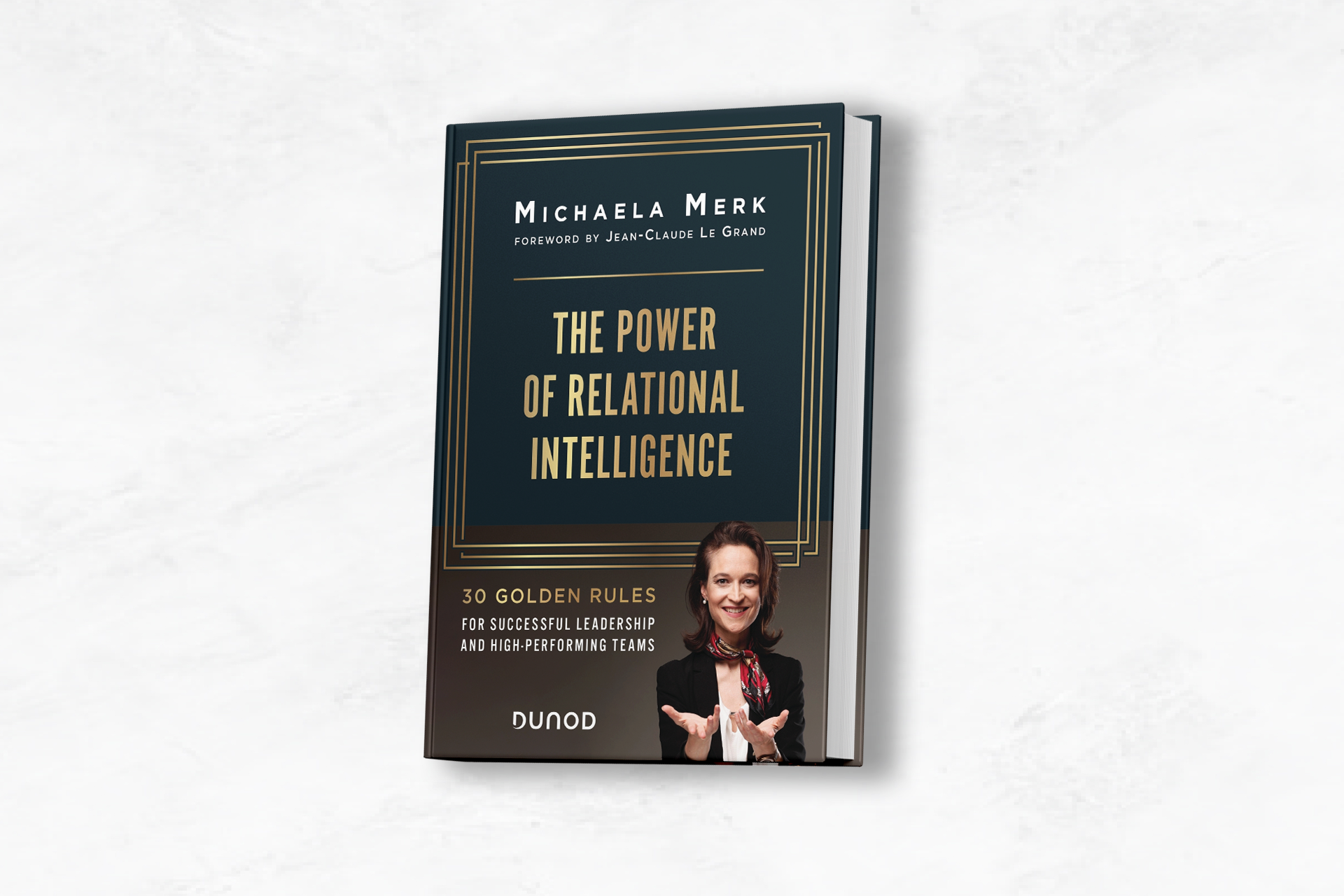
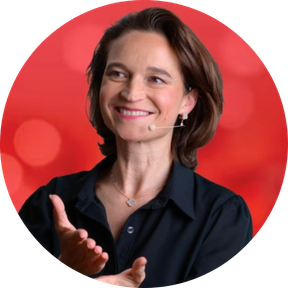
The Power of Relational Intelligence: 30 Golden Rules for Effective Leadership and High-Performing Teams by Michaela Merk presents a focused guide to improving leadership through stronger human connections. The book argues that in a time shaped by artificial intelligence, the ability to understand and manage relationships remains a defining leadership skill.
Merk structures the book around thirty practical rules designed to help readers build what she calls relational intelligence. These rules are grouped into five core areas: empathy, trust, passion, authentic pride, and gratitude. Each area highlights a different aspect of interpersonal effectiveness. Empathy centers on observation, listening, and thoughtful analysis. Trust is framed as the foundation for influence and collaboration. Passion is linked to proactive behavior and the ability to energize others. Authentic pride encourages leaders to recognize their own strengths and contributions. Gratitude focuses on reinforcing loyalty and mutual support within teams.
The book addresses common workplace challenges such as ineffective meetings, stalled negotiations, and ongoing misunderstandings within teams. Merk positions relational intelligence as a practical tool to overcome these issues and to improve both individual impact and group performance. The tone is direct and application oriented, with an emphasis on developing habits that can be used in daily professional interactions.
A notable element of the book is its discussion of artificial intelligence. Rather than presenting AI as a replacement for human skills, Merk suggests it can support stronger connections when used thoughtfully. This perspective reinforces the central message that human qualities remain essential in leadership.
Overall, the book offers a structured and accessible framework for leaders seeking to improve communication, influence, and team dynamics through deliberate relationship building.
The travel industry enters 2026 after a sustained period of recovery, but early signs suggest a more measured pace ahead. Drawing on insights from Deloitte’s 2026 Travel Industry Outlook and reflecting observations from the World Luxury Chamber of Commerce (WLCC), demand remains strong overall, with travel continuing to rank as a priority for consumers. However, changing economic conditions and increased financial caution are beginning to influence travel decisions across both leisure and corporate segments.
Many travelers are adjusting their behavior in response to economic uncertainty. This includes taking fewer trips, shortening travel durations, and opting for more cost-conscious choices across flights, accommodation, and activities. Notably, this cautious approach is extending into higher-income groups, which have traditionally supported premium travel growth. On the corporate side, companies are also reviewing travel budgets more closely, leading to fewer trips among frequent business travelers.
These changes are expected to place pressure on parts of the premium travel market. Mid- to upper-tier offerings, which have benefited from recent demand for upgrades and enhanced experiences, may see softer performance as travelers become more selective. In contrast, the ultra-luxury segment appears more stable, supported by a smaller group of travelers whose spending is less affected by short-term economic conditions.
At the same time, the composition of travelers continues to shift. Millennials and Gen Z now represent a significant portion of travel demand and are influencing how trips are researched and booked. These groups rely heavily on digital platforms, particularly social media, when planning travel. They also show greater interest in sustainability, with many taking steps such as choosing environmentally certified accommodation or offsetting carbon emissions. Despite being cost-aware, they continue to travel frequently and remain engaged with travel experiences.
Technology is also playing a growing role in trip planning. The use of generative artificial intelligence tools has increased significantly, with more travelers using them to research destinations, build itineraries, and compare options. While booking systems are still catching up, these tools are beginning to change how travelers gather information and make decisions. This creates new considerations for travel providers in terms of visibility, pricing, and customer engagement.
Regulatory developments are another important factor for 2026. Changes to visa processes, data privacy rules, and consumer protection requirements may affect both international travel flows and operational practices. Climate-related regulations remain under review in several regions, adding further complexity for global travel providers.
Overall, the outlook for 2026 points to a period of adjustment rather than decline. Growth may level off in some areas, particularly those reliant on higher spending segments. At the same time, steady demand, combined with shifts in traveler behavior and technology use, presents opportunities for companies that remain responsive to these changes.
At the World Luxury Chamber of Commerce (WLCC), we continuously identify and support initiatives that genuinely advance leadership across the global luxury industry.
The Leading the Luxury Business program at Porto Business School is one of those rare programs we confidently recommend to our community. It reflects the evolving needs of the luxury sector by combining strategic vision, cultural understanding, and real industry insight.
Led by António Paraíso, a valued WLCC partner and one of the most respected voices in luxury education, the program stands out for its strong connection to the realities of the industry. It brings together a distinguished group of international experts who contribute directly to the learning experience.
Among them are Ashok Som, Carlota Rodben, Francis Srun, Milton Pedraza, Pedro Lopez-Belmonte Eraso, and Susanna Nicoletti, all recognized among the WLCC TOP Luxury Speakers of the World 2026. Their combined expertise across luxury strategy, marketing, innovation, retail, and brand development ensures that participants gain practical knowledge grounded in real-world leadership, reinforcing the program’s global relevance and credibility.
This is the direction luxury education should take. Practical, global, and deeply connected to the industry.
For WLCC members and the wider luxury community seeking to elevate their expertise and engage with leading minds, this program represents a strong and credible choice.
Congratulations to António Paraíso and all contributors on building a platform that truly moves the industry forward.
WLCC regularly features conversations and insights from global luxury leaders. Join our community to receive new interviews and perspectives weekly: https://worldluxurychamber.com/wlcc-community/.
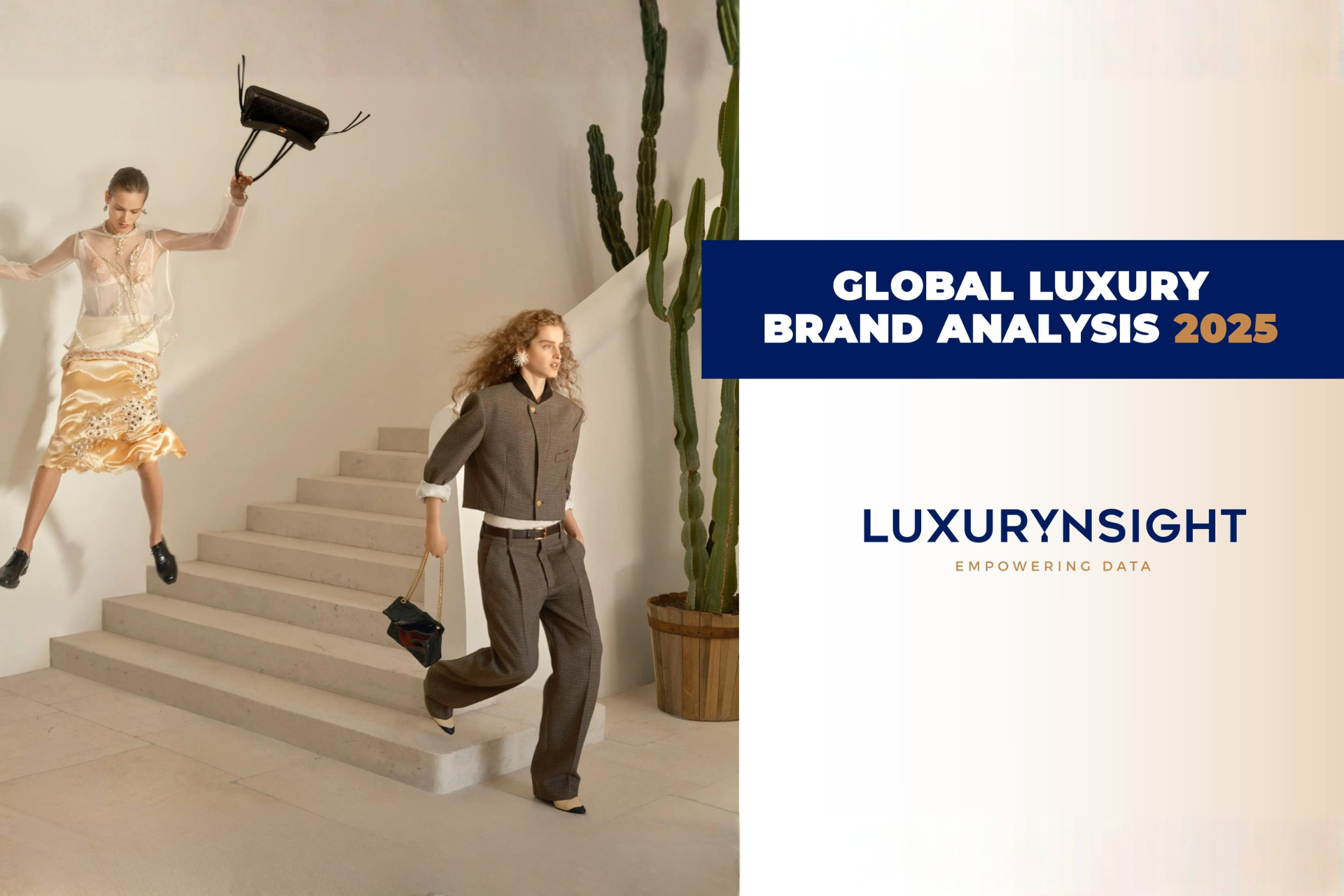
The luxury sector in 2025 entered a phase of normalization after years of rapid expansion, with overall growth stabilizing and even slightly declining in some segments due to macroeconomic pressures, geopolitical tensions, and softer consumer confidence.
Despite this slowdown, brands significantly increased activity, with brand activations up 21% year-over-year, signaling a shift from pure growth to strategic execution and engagement.
These insights are based on data from the Luxurynsight Brandwatch report, powered by LY Watch, a competitive intelligence platform tracking luxury brand activations.
1. From Global to Local Luxury brands are moving toward market-specific strategies, with localized activations rising sharply (+40%), reflecting the need for cultural relevance and precision.
2. Emerging Markets Take the Lead While China remains dominant, MEA, North America, and LATAM are the fastest-growing regions, redefining the global luxury map.
3. Pricing Power Weakens After years of price hikes, consumer resistance is increasing, particularly in leather goods, pushing brands to rethink pricing and expand mid-range offerings.
4. Experience Over Product Luxury is shifting toward retail, cultural, and experiential activations—from art fairs and sports partnerships to immersive retail and entertainment collaborations.
New Growth Engines
Wellness & Longevity: Beauty is evolving toward science-driven, long-term wellbeing, especially among younger consumers.
India as a Strategic Hub: Transitioning from an emerging market to a core innovation and production center for global beauty.
Cultural Expansion: Brands are embedding themselves in sports, cinema, and media to build emotional connection and relevance.
Bottom Line
Luxury has entered a new cycle defined by selectivity, cultural influence, and regional diversification. Success is no longer driven by expansion alone, but by how effectively brands execute localized, experience-led, and culturally resonant strategies.
Timur Kudratov is an entrepreneur, investor, and Founder of Enlightened Minds Investments, a Dubai-based platform focused on building revenue-generating businesses across real estate, technology, and services. With over two decades of experience in the UAE, he works closely with international investors, founders, and partners entering the region, structuring opportunities, and enabling sustainable, long-term growth.
In this exclusive interview, he shares his perspective on Dubai’s evolving economic landscape, shifting investor behavior, and the opportunities emerging across the region.
World Luxury Chamber of Commerce: What is your current view of Dubai’s economic position, and how is the business community responding to recent regional developments?
Timur Kudratov: Dubai doesn’t operate as a single-flow economy, so it doesn’t react the way more dependent markets do.
What we see today is not a slowdown — it’s a rebalancing. Certain segments soften temporarily, others pick up quickly. The city absorbs pressure and redirects activity.
From a business perspective, serious operators are not pulling back. If anything, they are becoming more focused — tightening execution, prioritizing real revenue, and avoiding speculative moves.
At our level, we continue to see a consistent inflow of entrepreneurs and investors who are looking for a stable base to operate from. That hasn’t changed.
WLCC: With changes in regional travel dynamics, how are businesses in Dubai adapting their strategies?
TK: The companies that relied purely on tourist traffic are the ones adjusting the most.
The stronger businesses have already shifted toward a more balanced model — combining international visitors with local and regional demand. Dubai has a large resident base with strong purchasing power, and that is often underestimated.
What matters now is not footfall — it’s retention and quality of customer base.
We advise companies to build for continuity, not seasonality. That’s the difference between a business and an operation.
WLCC: How would you describe the current behavior of high-net-worth consumers in the luxury segment?
TK: Demand hasn’t disappeared. It has become more selective.
People still spend — but they are more intentional. There’s less interest in pure brand exposure and more focus on quality, access, and experience.
You see it clearly: clients are choosing fewer things, but better ones.
This is why businesses that combine lifestyle, service, and investment positioning are performing better than those selling just products.
WLCC: How would you describe the sentiment of international investors toward Dubai today?
TK: Investor interest in Dubai remains strong for one simple reason — execution works here.
In many markets, the challenge is not opportunity, it’s delivery. In the UAE, if something is structured properly, it gets done.
That creates confidence.
What investors are more cautious about today is not the market — it’s who they work with. They look for partners who understand the system, not just the opportunity.
That’s where platforms like Enlightened Minds come in — structuring deals properly and reducing execution risk.
WLCC: From your experience, how does the current environment compare to previous cycles in terms of Dubai’s resilience?
TK: The biggest difference is maturity.
Years ago, Dubai was growing fast, but it was still building its systems. Today, those systems are in place — regulatory, financial, operational.
That changes everything.
It’s no longer just a high-growth market. It’s a structured environment where growth can be repeated, not just achieved once.
WLCC: How are other GCC markets evolving, and where do you see the main opportunities?
TK: The region is becoming more connected.
Each market has a role:
The UAE is the entry point and capital hub.
Saudi Arabia has scale and internal demand.
Other markets are developing more specialized positioning.
The opportunity today is not choosing one market — it’s knowing how to operate across them.
Those who understand that dynamic will move faster than those treating each country separately.
WLCC: How do you view the evolving positioning of Saudi Arabia within the region?
TK: Saudi Arabia is moving at a very aggressive pace. The scale of what they are building is significant.
At the same time, the UAE remains the place where most businesses choose to base themselves.
In reality, it’s not a simple competition. Many companies structure in the UAE and expand into Saudi Arabia.
If you understand both markets, they complement each other well.
WLCC: What role do you see the UAE playing as a regional business hub over the next five years?
TK: The UAE will continue to play three roles:
A place where capital comes in,
A place where deals are structured,
And a place where businesses launch from.
That position is difficult to replicate because it’s built on a combination of regulation, infrastructure, and trust.
Over time, this will only strengthen.
WLCC: How do you see Dubai evolving over the next two years if current conditions continue?
TK: Dubai will remain open, but more selective.
The next phase is not about attracting everyone — it’s about attracting the right businesses and the right capital.
You’ll see more structure, more discipline, and less tolerance for weak models.
For serious operators, that’s a positive shift.
WLCC: What is your message to entrepreneurs and investors operating in the region today?
TK: This market doesn’t reward presence. It rewards positioning.
If you are here, you need to be clear on:
What you are building.
Who you are building it with.
And how you are structuring it.
Those who treat the UAE as a long-term base — not a short-term opportunity — will benefit the most.
The environment is there. The question is whether the business is built properly to use it.
Thank you, Timur! WLCC regularly features conversations and insights from global luxury leaders. Join our community to receive new interviews and perspectives weekly: https://worldluxurychamber.com/wlcc-community/.
The WLCC Monthly Edit: your curated digest of the latest in the world of luxury. Each month, WLCCbrings you a handpicked selection of industry news, insights, and stories influencing the future of high-end fashion, design, hospitality, travel, real estate, and beyond. Consider this your insider’s guide to the latest in luxury.
Kering Appoints Pierre Houlès to Lead Digital and AI Transformation
Kering has named Pierre Houlès as its new Chief Digital, AI, and IT Officer, effective immediately, with a seat on the Executive Committee. In this role, he will drive the Group’s digital evolution and modernize its technology infrastructure to align with future ambitions. Houlès will focus on embedding innovation across operations to elevate both performance and brand desirability. With strong experience in large-scale transformation and advanced technologies, particularly artificial intelligence, he is set to enhance integration and agility across the business. He will report directly to Jean-Marc Duplaix, Kering’s Chief Operating Officer, supporting long-term strategic growth.
LVMH Strengthens Leadership with Key Executive Appointments
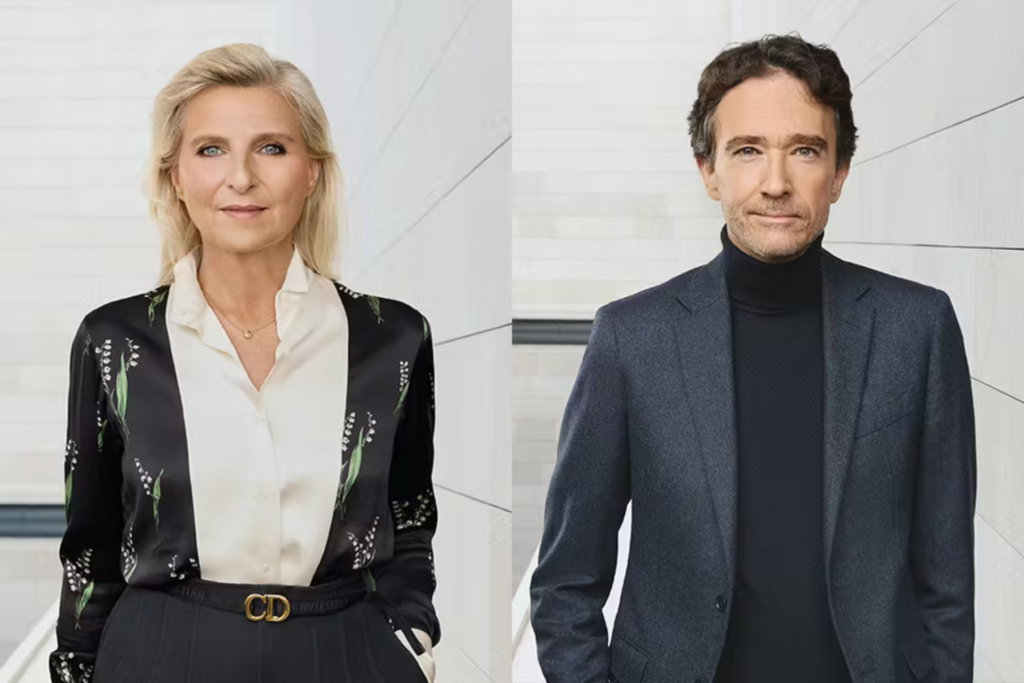
LVMH has announced strategic leadership appointments to reinforce its structure and support long-term growth. Véronique Courtois is named Chairman and CEO of Parfums Christian Dior and the Group’s Beauty Division, joining the Executive Committee while maintaining continuity at Dior. Antoine Arnault also joins the Executive Committee, overseeing image, communication, and sustainability initiatives, key to the Group’s global reputation. Meanwhile, Stéphane Rinderknech departs to pursue personal projects after contributing to hospitality and beauty expansion. These changes highlight LVMH’s focus on innovation, leadership excellence, and sustainable development, ensuring continued momentum across its Maisons and reinforcing its strategic vision.
HENRYs: The New Generation Transforming Luxury Real Estate
A rising group of Gen Z and younger millennials, known as HENRYs (High Earners, Not Rich Yet), is reshaping the luxury real estate market. Earning over $100,000 annually, they prioritize homeownership as both a financial milestone and a reflection of identity. Unlike previous generations, many purchase homes before 30, supported by disciplined saving and generational wealth transfers. For HENRYs, luxury is less about excess and more about personalization, lifestyle, and long-term value. Their growing influence is transforming what it means to own luxury, positioning real estate as the ultimate symbol of success and self-expression.
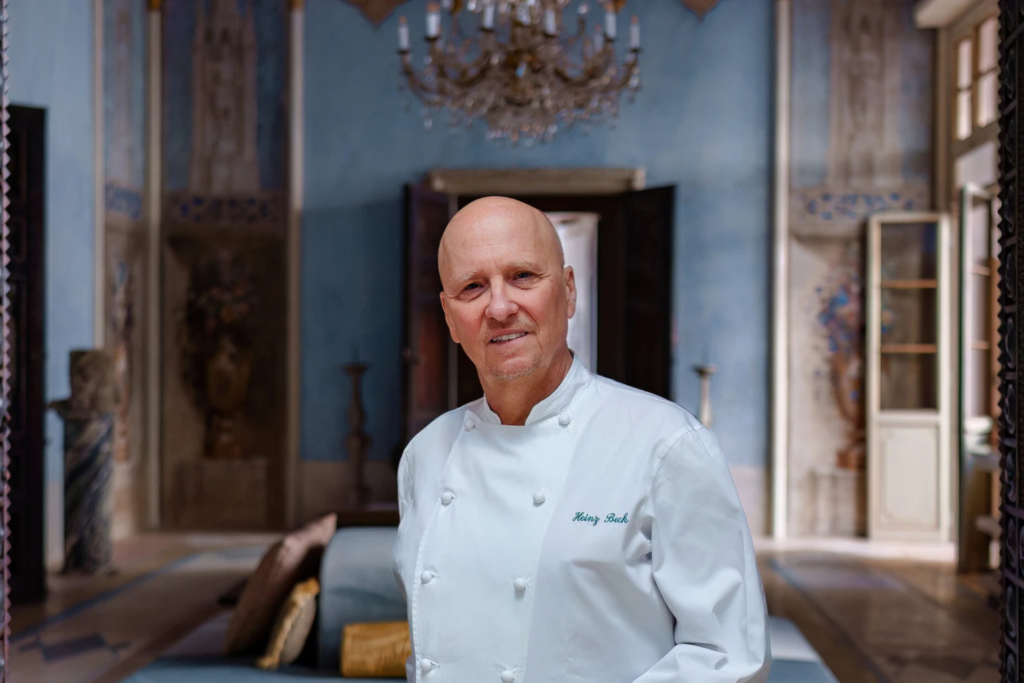
Heinz Beck to Lead Culinary Vision at Orient Express Venezia
Three-Michelin-starred chef Heinz Beck has been appointed to shape the culinary direction of Orient Express Venezia. Alongside the Beck and Maltese Consulting Team, he will oversee all dining experiences within the historic Venetian palazzo, from fine dining to more casual spaces. Inspired by the Venetian lagoon, his cuisine emphasizes precision, balance, and clarity of flavor. The vision will be executed by Chef in Residence Pasquale Rivetti. This culinary concept is set within a renovated architectural masterpiece by Aline Asmar d’Amman, blending heritage with contemporary elegance and reflecting Venice’s rich cultural legacy.
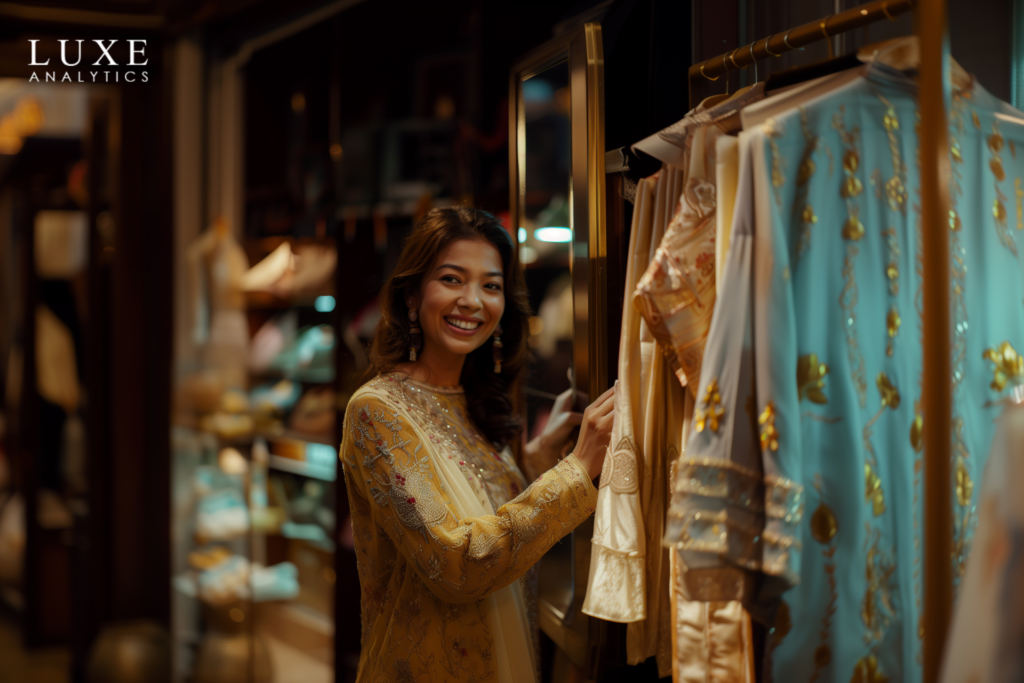
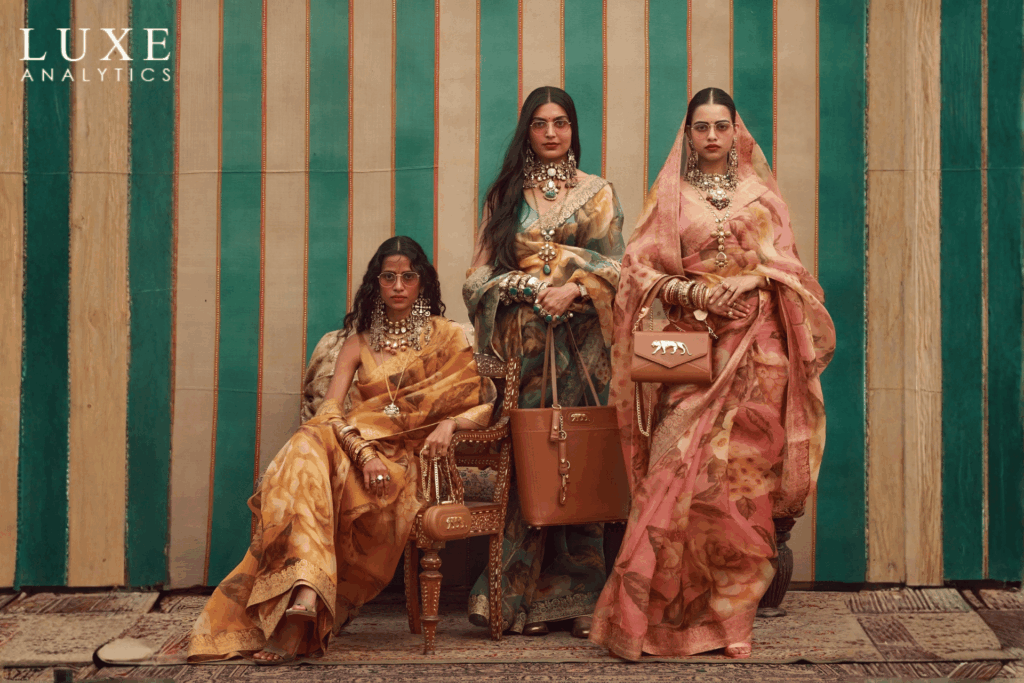
Luxe Analytics is proud to announce the release of its latest report, Indian Luxury Retail Market 2026. India is emerging as the luxury industry’s next major growth engine, projected to expand from roughly 2% of the global personal luxury market today to 5–6% by FY29, unlocking a $24–26 billion opportunity. To capitalize on this momentum, brands must deeply understand India’s complex and evolving luxury landscape, from consumer behavior to regional nuances. This report explores market overview, key growth drivers, constraints, competitive landscape, and the future outlook shaping India’s dynamic luxury retail sector.
Business networking has long focused on scale, with large events and extensive contact lists. In today’s fast-paced, specialized landscape, volume no longer guarantees value. Executives now prioritize relevance, seeking strategic, aligned connections over random interactions. Traditional networking often leads to inefficiency and low-quality opportunities, prompting a shift toward curated B2B matchmaking. This approach emphasizes intentional introductions, peer-level engagement, and efficient use of time. In industries like luxury, where trust and alignment are critical, curated networks foster meaningful relationships and collaboration. As business evolves, success increasingly depends on the quality, not the quantity, of connections and communities.
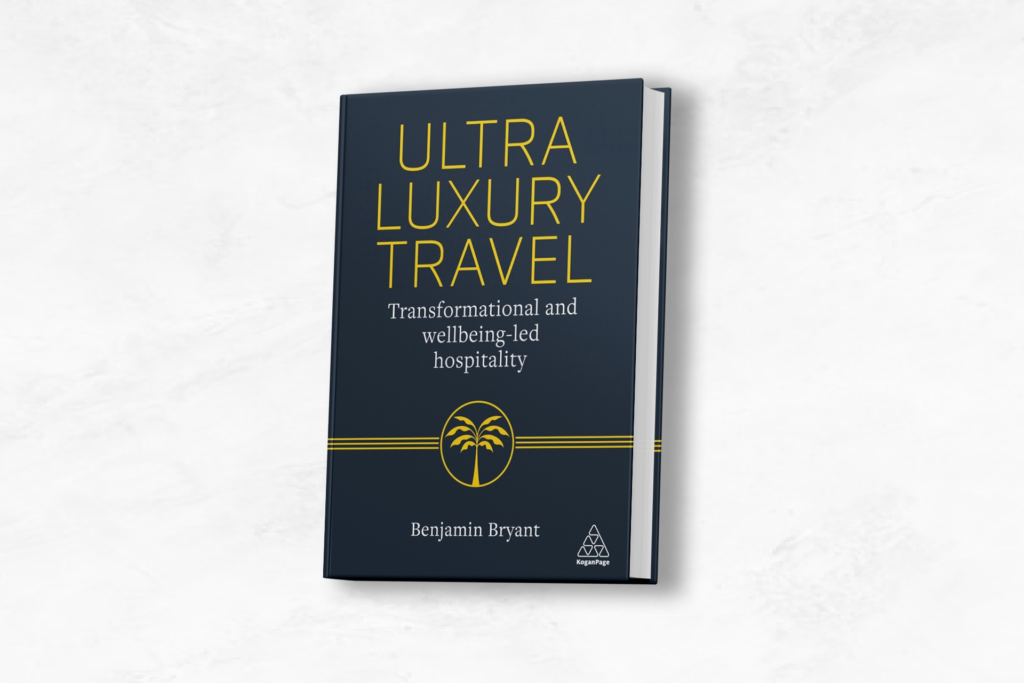
Curated Read: Ultra-Luxury Travel by Benjamin Bryant
Ultra-Luxury Travel (2024) by Benjamin Bryant is a strategic guide for leaders in luxury hospitality navigating a shift from opulence to intentional, experience-driven value. Drawing on global expertise, Bryant argues that wellness, sustainability, and personalization are now core economic drivers, not add-ons. The book stands out for linking experiential luxury to measurable ROI, offering practical frameworks for implementation and investment decision-making. It also addresses risk management, governance, and brand alignment in a rapidly evolving market. More than a conceptual overview, it serves as a hands-on manual for executives and investors shaping the future of ultra-luxury through data-driven, meaningful experiences.
The World Luxury Chamber of Commerce (WLCC) announces the 2026 selection of TOP Luxury Speakers of the World, an annual recognition highlighting individuals whose expertise contributes to the global conversation on luxury, leadership, and the evolution of high-value industries.
This distinction recognizes speakers whose work informs executive decision-making, academic dialogue, and strategic thinking across the international luxury sector. The selected individuals include respected business leaders, academics, strategists, and industry experts whose perspectives contribute to a deeper understanding of luxury markets and their future direction.
Purpose of the TOP Luxury Speakers List
WLCC established the TOP Luxury Speakers of the World list to identify and highlight credible voices who contribute meaningful insight to the luxury sector.
Luxury today operates in a rapidly evolving environment influenced by global economic shifts, new consumer expectations, sustainability priorities, cultural influence, and technological development. Organizations, institutions, and industry leaders increasingly seek speakers who bring both practical experience and intellectual depth to these discussions.
The initiative supports WLCC’s mission to promote high-level dialogue, encourage knowledge exchange, and provide visibility to experts who contribute to serious discussion within the luxury sector.
Selection Process
The 2026 selection follows a structured evaluation conducted by the WLCC Research Team in collaboration with the WLCC President and members of the Board.
The process includes independent research, industry analysis, and strategic recommendations from trusted advisors within the global luxury ecosystem. This approach ensures that each selected speaker reflects recognized expertise, professional credibility, and alignment with WLCC’s international positioning.
Curation Criteria
Individuals included in the 2026 list were evaluated based on the following criteria:
• Industry recognition within the luxury sector or related fields • Proven executive or academic expertise • Subject-matter authority demonstrated through speaking engagements, publications, advisory roles, or leadership positions • Alignment with WLCC values and positioning • Relevance to current and emerging discussions in the luxury sector • Strategic recommendations from trusted advisors and industry leaders
The evaluation emphasizes depth of expertise, credibility, and contribution to professional discourse rather than popularity alone.
The full list of TOP Luxury Speakers of the World 2026 can be viewed below in alphabetical order:
Abhay Gupta | LinkedIn The Indian Luxury Strategist | Brand, Talent & Ecosystem Architect for India’s Luxury Economy
Alex Wolkomir | LinkedIn McKinsey Partner | QuantumBlack | Product & Business Builder | AI, Data + Human-Centered Design
Alvaro Nuñez Alfaro | LinkedIn Founder & CEO at Super Luxury Group | Real Estate | Bestselling Author | Keynote Speaker
Anant Sharma | LinkedIn The Psychology of Luxury | CEO @ Matter Of Form — The Brand Interactions™ Consultancy | Podcast Host & Keynote Speaker
Ashok Som | LinkedIn Author, Speaker, Educator. Founding Director, ESSEC-Parsons Executive Masters in Luxury Management & Design Innovation (EMiLUX) at ESSEC Business School
Bruce Himelstein | LinkedIn Speaker/Consultant at The BJH Group, LLC
Carlo Pignataro | LinkedIn Author of “Sell with Style” and “Serve with Style” | Host of Lux and Friends | Luxury Industry | Research | Training | Consulting
Caroline Huo | LinkedIn Real Estate Advisor and Educator | Helping Clients & Agents Make Decisions in Complex Markets |$1B+ in Sales | Dir. of Professional Development, Keller Williams Luxury Division
César Val | LinkedIn Luxury Expert | Founder and Managing Partner | Global Speaker | Advisor to Business Leaders | Consultant | Shopper Marketing | Author of the Bestseller “Secrets of Luxury”
Chris Roebuck | LinkedIn Transformational Leadership Speaker | ‘Business as usual’ to ‘business of the future’ | Finalist 2025 Speaker Awards | HR Hall of Fame
Claudia D’Arpizio | LinkedIn Senior Partner at Bain & Company
Daniel Langer | LinkedIn CEO, Équité | The Authority in Luxury Strategy | Executive Professor, Pepperdine & NYU | Global Keynote Speaker
Denis Morisset | LinkedIn Luxury Career Lab Director – ESSEC Global MBA at ESSEC Business School | Luxury Marketing Professor | Luxury Expert | Former Luxury Industry CEO
Elizabeth Solaru | LinkedIn Professional Speaker| Luxury & Premium Brand Strategist | Author, The Luxpreneur | Founder, Diversity in Luxury Awards
Erwan Rambourg | LinkedIn Global Head of Consumer & Retail Research | Author | Ex LVMH, Ex Richemont
Eva Chen | LinkedIn Vice President of Fashion at Meta
Federica Levato | LinkedIn Senior Partner at Bain & Company
Felicitas Morhart | LinkedIn Professor of Marketing at HEC Lausanne | Founder of the Swiss Center for Luxury Research
Francesca Danzi | LinkedIn Luxury Leader & Brand Advisor | Executive Coach | Chief Client Officer | Retail & CX | Tory Burch, Burberry, Deloitte Digital | Faculty, Sotheby’s Institute of Art
Francis Srun | LinkedIn Luxury | Retail | Brands & Business Development | Author | CEO
Geneviève Tour | LinkedIn 30 Years of Expertise and Passion in Luxury and Customer Enchantment | Trainer-Coach | Sales | Client and Boutique Team Loyalty | Emotions and Boldness in Service of Commercial and Managerial Performance
Hayley Hines | LinkedIn International Speaker | Luxury Wellness Consulting and Experience Design
Imran Amed | LinkedIn Founder and CEO, The Business of Fashion
Jeffrey Shaw | LinkedIn #1 Rated International Keynote Speaker on Luxury Sales and Buyer Behavior | Author-Sell to the Rich, The Self-Employed Life, and LINGO | TEDx Speaker
John Sanei | LinkedIn #4 Global Futurist | Entrepreneur | Keynote Speaker | 6x Bestselling Author | Leading Voice on AI and Human Adaptability | Co-host of The Expansive Podcast
Jonathan Siboni | LinkedIn Luxurynsight | Data Intelligence for Luxury Leaders
Laure Guilbault | LinkedIn Luxury Industry Journalist | Vogue Business Paris Correspondent | Podcast Founder and Host | Speaker and Conference Moderator
Laurent Delporte | LinkedIn TOP Luxury Speaker of the World by WLCC | Top 10 Worldwide Social Media Influencer in Hospitality | Luxury Hotel Expert I Editorialist I Consultant I LIFECOACH HEC ALUMNI
Liz Batsche | LinkedIn I Train Client-Facing Teams in High-Stakes Environments to Build Trust, Drive Revenue & Elevate Experiences | Founder, Well Hosted | LVMH Alumna | Former Investment Banker
Luca Solca | LinkedIn Managing Director, Luxury Goods at Sanford C. Bernstein Schweiz
Ludovic Tendron | LinkedIn Luxury | Hospitality | Lifestyle | Strategic Partnerships & Commercial Development | Negotiation Strategist | Lawyer | Author of The Master Key
Mickey Alam Khan | LinkedIn Fractional Luxury CEO I 4x Exits I Supercharging Brands & People I HNWI-Focused Companies, Experiences & Real Estate Firms I $500M+ in New Business Acquisition
Milton Pedraza | LinkedIn CEO Luxury Institute and Private Investor
Morin Oluwole | LinkedIn International Luxury Business Leader | Board Director | LinkedIn Top Voice | Ex-Meta Business Director | Luxury Communication & Brand Development Strategist, Driving Growth
Natalia Jaramillo | LinkedIn Humanistic Luxury | CCXP | Experience Strategy and Operations Consultant and Advisor, Trainer and Speaker-Luxury CX | Helping Brands Transform From Robotic-Predictable to Authentic-Human.
Natasha Sideris | LinkedIn Managing Executive at Tashas
Neen James | LinkedIn Client Experience Expert | Leadership Strategist | Keynote Speaker Empowering Executives with Luxury Strategies for Sales & Leadership | Confidante and Executive Coach to CEOs | Author of Exceptional Experiences
Nicolas Budzynski | LinkedIn Chief Executive Officer at La Petite Maison (LPM)
Oscar Sand | LinkedIn Academic Director | Speaker | Professor of Management Practice | Ex-Senior Director @Armani and Hugo Boss
Pamela Danziger | LinkedIn Speaker | Author | Researcher | Forbes.com Senior Contributor on Luxury, Retail, and Affluent Consumers
Philippe Mihailovich | LinkedIn Co-Founder, CEO, and Brand Architect at HAUTeLUXE | High Luxury Brand CEO Advisor, Analyst-Strategist, and Practitioner | Problem-Solution Expertise | Lead-Author of HAUTE ‘LUXURY’ BRANDING | Professor of Luxury Brand Management
Robin Swithinbank | LinkedIn Host of The Luxury Society Podcast | Journalist | Author | Speaker | Consultant
Sarah Willersdorf | LinkedIn Advisor & Investor | Former Chief Marketing Officer | Luxury, Fashion & Beauty Industry Expert | Former Managing Director & Partner, Boston Consulting Group (BCG) | Global Head of Luxury | MSP Global CMO | Consumer PE
Scott Kerr | LinkedIn Fortune | Host of The Luxury Item Podcast | Silvertone | Adjunct Professor in Luxury Marketing at NYU
Sonu Shivdasani | LinkedIn Founder of Six Senses, Soneva, and Sosei
Susanna Nicoletti | LinkedIn Rocking Fashion and Luxury with Innovation | Luxury C-Suite | Author and Columnist | Fashion and Luxury Higher Education Director
Thomaï Serdari | LinkedIn Luxury Retail Expert | Professor of Marketing | Founder BRAND(x)LUX | Podcast Host @Populuxepod | Author | Cultural Critic
Tiago Restani | LinkedIn CEO at Fully | Entrepreneur | Speaker | Foodie
Yves Hanania | LinkedIn Founder of Lighthouse | Operating Partner at Sia | Bridging Technology and AI to Luxury | Visiting Faculty | Book Author
About the World Luxury Chamber of Commerce
The World Luxury Chamber of Commerce (WLCC) is an international organization dedicated to supporting leadership, collaboration, and knowledge exchange within the global luxury industry.
WLCC regularly features conversations and insights from global luxury leaders. Join our community to receive new interviews and perspectives weekly: https://worldluxurychamber.com/wlcc-community/
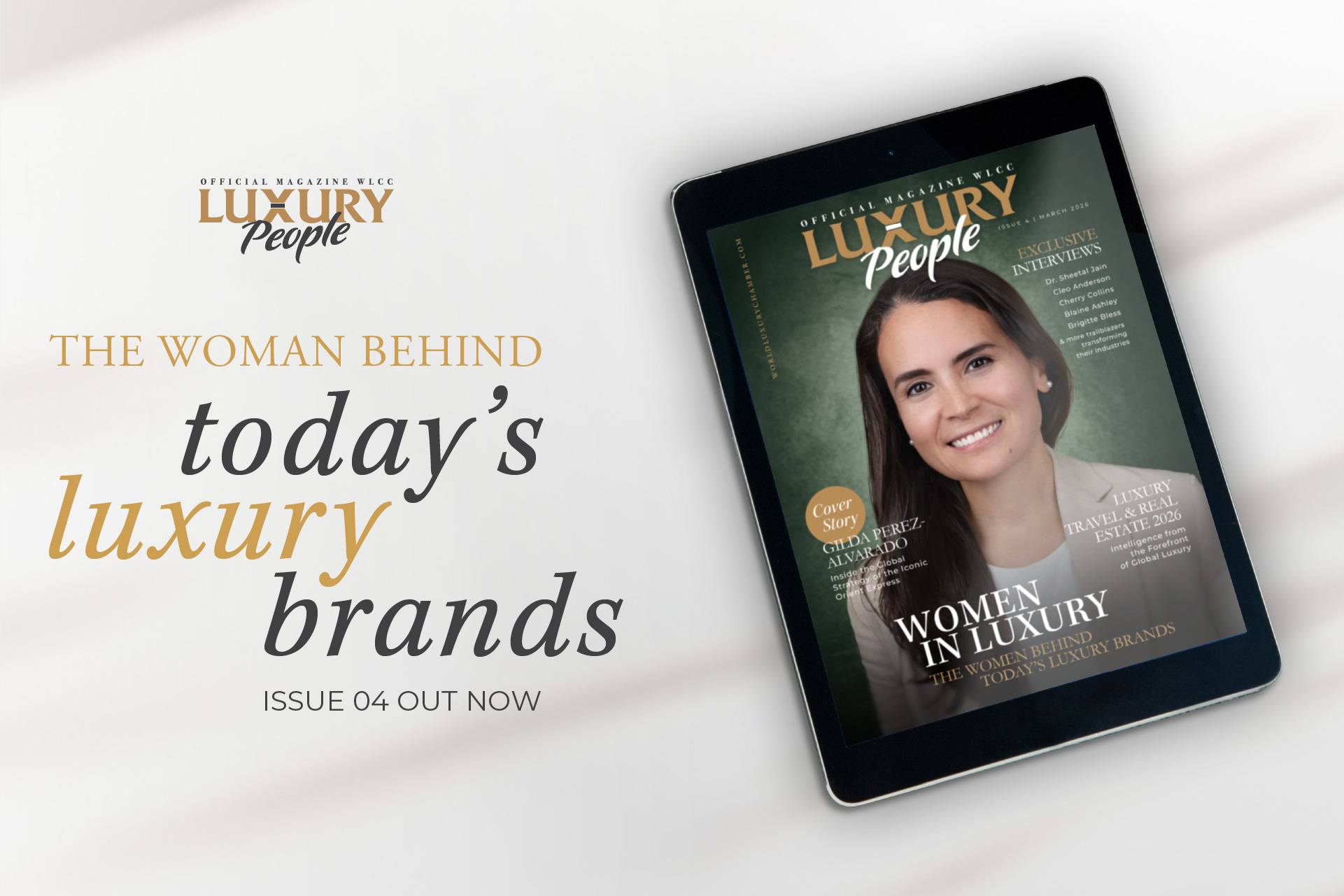
The World Luxury Chamber of Commerce (WLCC) has released Issue 4 of Luxury People Magazine, a special edition titled Women in Luxury, dedicated to the women leading some of the most influential brands and businesses across the global luxury sector.
This edition highlights executives, founders, and innovators across hospitality, aviation, media, fragrance, design, and real estate. The stories focus on leadership, strategy, and the changing structure of the luxury economy.
The cover interview features Gilda Perez-Alvarado, Chief Strategy Officer of Accor and CEO of Orient Express. In conversation with WLCC President Alexander Chetchikov, she discusses capital discipline, brand stewardship, and the long-term strategy behind one of the most recognized names in travel. Perez-Alvarado explains how heritage brands must evolve while protecting the elements that define their identity.
Other interviews in the issue feature leaders who are shaping the future of luxury across different sectors. Cherry Collins, Strategy Partner at Havas Media Lux, examines why proof of craftsmanship and cultural relevance now matter more than traditional prestige. Dr. Felisha Kay, Founder of House of Infinite Luxe, reflects on luxury as presence, cultural fluency, and personal identity.
The issue also features Blaine Ashley, founder of New York Champagne Week, who has built a global platform that connects champagne culture with female leadership and entrepreneurship. Lisa Holland, President and CEO of Sheltair Aviation, shares her experience leading one of the largest privately owned aviation networks in the United States during a period of major industry disruption.
Additional interviews include luxury PR leaders, hospitality innovators, fragrance founders, and real estate advisors who are contributing to the evolution of the luxury market.
Alongside the interviews, the edition presents research and analysis on emerging trends shaping the industry. Topics include the future of luxury travel, sustainability in hospitality and yachting, and the outlook for global luxury real estate.
WLCC regularly features conversations and insights from global luxury leaders. Join our community to receive new interviews and perspectives weekly: https://worldluxurychamber.com/wlcc-community/
For decades, we have spoken of the “Incredible Indian Luxury Bazaar” as a paradox—a land of deep-pocketed maharajas and modern-day tech-titans, yet one guarded by some of the most formidable tariff walls in the world. But as we stand in February 2026, the walls have not just been breached; they have been re-engineered into a gateway.
Recent trade breakthroughs with the European Union and the United States signal India’s most decisive shift yet away from a historically protectionist luxury import regime. For the first time, the Indian luxury consumer is being treated as a global citizen, and the global luxury brand is finally being treated as a domestic partner.
1. The ‘Automotive’ Shift: From Prohibitive to Performative
The headlines are buzzing about the India-EU FTA slashing car duties from a staggering 110% to a phased 10%. But look deeper. This isn’t just about Ferraris becoming “cheaper.” It’s about a fundamental shift in Manufacturer Strategy. Previously, the “CBU” (Completely Built Unit) was a sacrificial lamb to high taxes, forcing brands to limit their Indian portfolios to “safe” models. With the new quota-based liberalization, expect a “halo effect.” We will see the arrival of limited-edition supercars, high-performance EVs, and niche enthusiast models that were previously too expensive to experiment with.
2. Watches and Wonders: The Swiss-India Synchronicity
Building on the EFTA deal with Switzerland, we are seeing a 7-year roadmap to zero duty on Swiss watches. This is a death knell for the “grey market.” For years, the Indian HNI (High Net-Worth Individual) bought their Patek Philippe in Dubai or Geneva. Now, the “India Price” is harmonizing with the “Global Price.” Retailers in India are no longer just “service centers”; they are becoming “experience centers.” The luxury watch is moving from a smuggled trophy to a celebrated, locally-sourced investment.
3. The Gourmet Revolution: Spirits, Wines, and the Modern Palate
One cannot ignore the “Liquid Gold” in these deals. The reduction of wine and spirit tariffs (from 150% down to 75%, and eventually 30%) is a game-changer for the Hospitality and Alcobev sectors. It makes fine Bordeaux and Italian vintages accessible to the rising middle-management class, not just the billionaire. Simultaneously, with the removal of duties on European cosmetics, we are moving from “masstige” to “true luxury” in the beauty and wellness vanity case.
4. The US Deal: The ‘Sparkle’ Returns to the Supply Chain
While the EU deal focuses on access, the US deal focuses on strength. By rolling back punitive tariffs on Indian gems and jewelry from 50% to 18%, we have secured the “back-end” of luxury. As Indian exporters see their margins restored, that “new money” is being reinvested—not just in factories, but in Luxury Real Estate and Branded Residences, fueling a domestic demand for bespoke lifestyle interiors.
5. Decoding Success via the 5C’s
In my book, The Incredible Indian Luxury Bazaar, I discuss a success model built on the 5C’s. These new trade deals hit every pillar of that framework:
Confidence: Brands now have the “regulatory certainty” to invest in flagship stores rather than just franchised corners.
Culture: The Indian consumer is no longer “burdened” by the cost of being Indian; they can consume luxury with a clear conscience.
Connection: Global prices allow for a seamless connection between the Indian consumer and the global brand story.
Curation: Lower duties allow brands to bring their entire global collection to India, not just the “safe” bestsellers.
Consumer: We are moving from a market of “potential” to a market of “performance.”
The Bottom Line
We are witnessing the birth of a bi-directional luxury corridor. India is no longer just a “sourcing hub” for the West’s textiles or a “dumping ground” for their end-of-season stock. We are a sophisticated, digitally-native, and now fiscally-integrated luxury superpower.
To the global CEOs sitting in Paris, Milan, and New York: The “waiting game” is over. The “Mother of All Deals” has arrived. It’s time to stop looking at India through a telescope and start building on its soil. The Incredible Indian Luxury Bazaar is finally open for business—without the baggage.
The CEO’s Playbook: Navigating the New Indian Corridor
To capitalize on this legislative “Golden Era,” global leadership must move from a distribution mindset to a partnership mindset:
Price Harmonization: Use the tariff reductions to align Indian RRPs (Recommended Retail Prices) with global hubs like Dubai or Singapore. This captures the “leisure spend” that previously leaked out of the country.
Institutional Investment: Shift from “shop-in-shops” to flagship experiential “Maisons.” The trade deals provide the long-term regulatory certainty required for significant capital expenditure in Indian prime real estate.
Portfolio Expansion: The “entry-level” strategy is over. With lower cost barriers, introduce your high-complication timepieces, niche fragrances, and limited-edition automotive trims that were previously cost-prohibitive.
WLCC regularly features conversations and insights from global luxury leaders. Join our community to receive new interviews and perspectives weekly: https://worldluxurychamber.com/wlcc-community/
Editorial note: This op-ed reflects the independent views and analysis of the author and is based on publicly available industry research. It does not necessarily represent the views or positions of the World Luxury Chamber of Commerce.
Luxury is a multi-layered cake — and every layer has its own taste.
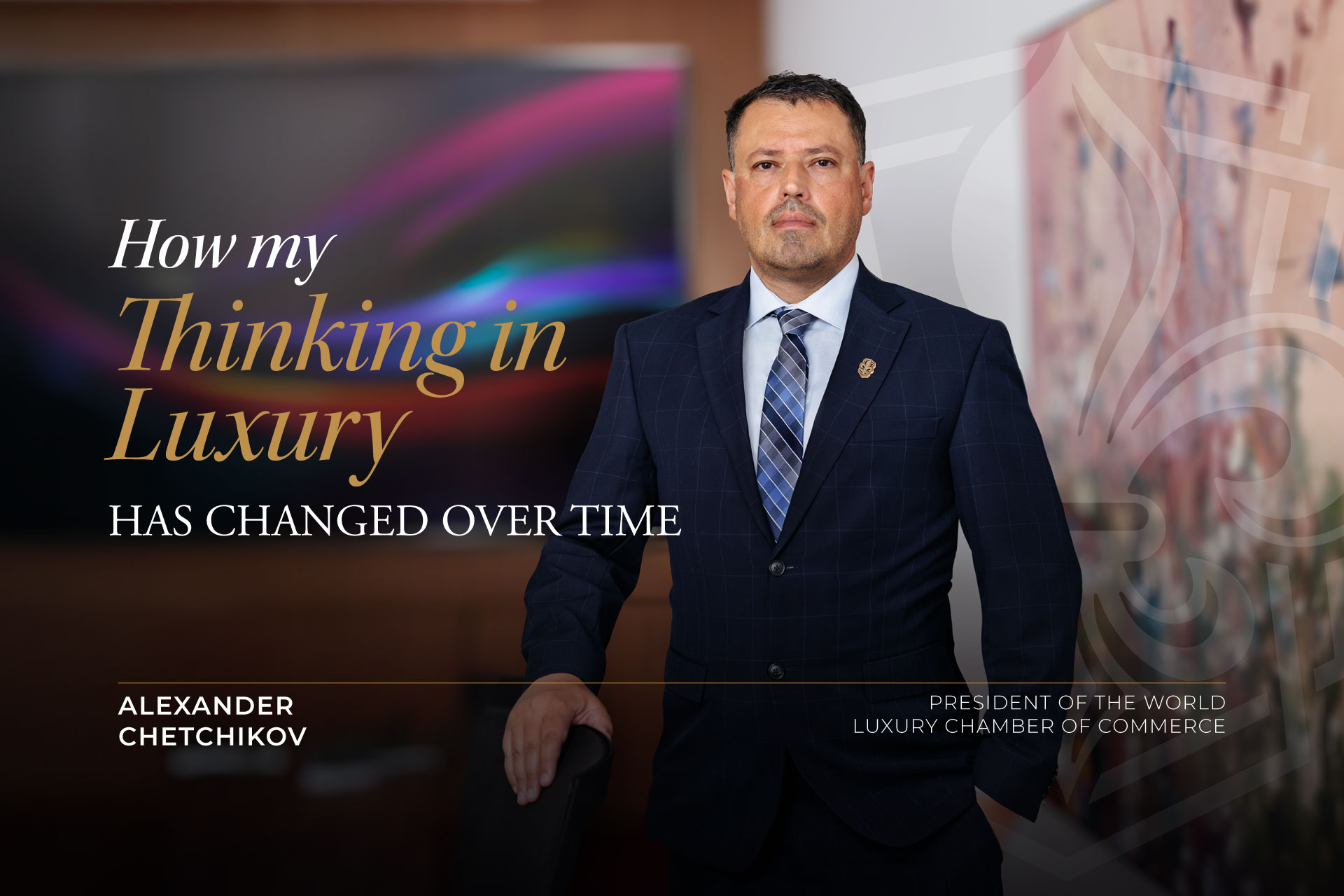
Over the past 15 years, my understanding of luxury has transformed significantly.
At the beginning of my journey, I perceived luxury as something fundamental, monolithic, and unified. There seemed to be clear symbols, universal attributes, and a shared understanding of what could be called luxury.
However, years of working within the industry showed me something completely different: luxury is a deeply individual and fragmented concept. For every person, it means something unique.
Luxury is like a multi-layered cake shaped by geography, culture, history, ethnic context, and personal experience.
Across different eras, cultures, and regions of the world, the meaning of luxury constantly evolves. What is luxury for one person may simply be a lifestyle — or even a basic necessity — for another.
Perfume was once considered a true luxury; today, it is accessible to almost everyone. In many Asian countries, seafood is everyday food, while in Europe, it is often perceived as a gastronomic luxury.
For parts of the Asian market, Mercedes-Benz represents status and luxury, while in Eastern Europe, it has become a symbol of the middle class and standard consumption. Some people fly business class and see it as a privilege, while others choose only first class — not as luxury, but as an efficient way to preserve their most valuable resources: time and energy.
The cake is one, but the layers are many. And on every layer lives a different understanding of what luxury truly is.
WLCC regularly features conversations and insights from global luxury leaders. Join our community to receive new interviews and perspectives weekly: https://worldluxurychamber.com/wlcc-community/
In this exclusive interview, Jeremie Bernheim reflects on leadership, legacy, and the responsibilities that come with guiding a global luxury brand today.
With nearly 20 years of experience across Marketing, Sales, and Strategy, Bernheim has built his career within some of the world’s most recognized companies. He began at Procter & Gamble, continued at Kellogg’s, and later held senior roles at Philip Morris International before joining RAYMOND WEIL as Chief Marketing Officer. There, he has focused on driving international growth while preserving the independence and heritage that define the Swiss watchmaker.
In conversation with the World Luxury Chamber of Commerce, Bernheim discusses the transition from large FMCG organizations to a family-owned luxury house, the discipline required to build lasting brands, and the importance of clarity, accountability, and authenticity in today’s competitive environment.
Alexander Chetchikov: Jeremie, congratulations on joining the WLCC Board! What perspectives or priorities are you hoping to contribute, and how do you see collaboration with the WLCC strengthening both the luxury sector and leaders within it?
Jeremie Bernheim: Thank you, Alexander. I’m truly honored to join the WLCC Board.
I hope to bring a perspective focused on long-term brand building, protecting what makes luxury distinctive while adapting our business models, distribution, and client engagement to today’s realities. Luxury is evolving quickly, and I believe our role as leaders is to safeguard its core values while ensuring it remains relevant and responsible. Collaboration within WLCC is key because our industry, while competitive, shares common challenges and opportunities. By creating space for open dialogue and shared insight, we can strengthen not only our businesses but the quality of leadership across the luxury sector as a whole.
AC: You’ve led marketing across major consumer brands and now helm the global marketing vision at RAYMOND WEIL. What mindset shifts were most important when moving from large-scale FMCG to the precision and heritage of Swiss watchmaking?
JB: One of the biggest shifts was moving from scale and inertia to depth and precision. In large FMCG organizations, there’s a powerful machine behind you with structures, processes, budgets, and teams that naturally create momentum. In a more entrepreneurial, heritage-driven company like RAYMOND WEIL, things move only if you make them move.
That means being far more hands-on and self-starting. You need to bring energy, initiative, and clarity to every project, and most importantly, bring people along with you. With leaner teams and tighter resources, organization and prioritization become critical, and leadership is about alignment and conviction. It’s less about managing a system and more about creating momentum together, while always respecting the depth, craftsmanship, and long-term vision that define Swiss watchmaking.
AC: RAYMOND WEIL has a strong identity rooted in family tradition. How do you balance honoring that legacy while ensuring the brand stays relevant to today’s luxury buyer without relying on trends alone?
JB: For me, honoring a family legacy doesn’t mean looking backward; it means understanding what truly defines the brand and making it relevant today. At RAYMOND WEIL, independence, creativity, and musical inspiration are part of our DNA. Those values are timeless. The balance comes from staying faithful to that identity while expressing it in a contemporary way, through design, communication, and client experience. Relevance doesn’t come from chasing trends, but from understanding today’s customer expectations and translating our heritage into something that resonates now. If the foundation is strong and authentic, evolution becomes natural rather than forced.
AC: You’ve managed teams across continents and industries. What principles guide you when building marketing organizations that stay agile and creative while still delivering consistent results?
JB: For me, it starts with clarity. Teams can only be agile and creative if they clearly understand the vision, priorities, and what success looks like. Alignment creates confidence, and confidence unlocks productive creativity.
The second principle is empowerment with accountability. I believe in giving people ownership and space to take initiative, but always within a clear framework of objectives and measurable impact. That balance keeps energy high while ensuring consistency and delivery.
Finally, I focus a lot on simplicity in organization and processes. The more complex the environment, the more important it is to keep structures lean, communication transparent, and decision-making fast. Agility doesn’t happen by chance; it’s built through trust, clarity, and disciplined business execution.
AC: The luxury watch market is facing new pressures, from digital-first competitors to changing expectations around craftsmanship and authenticity. What forces do you think will matter most in shaping the industry’s next chapter, and how is RAYMOND WEIL preparing for them?
JB: I believe the most important force shaping the next chapter is the search for meaning. Clients today are extremely informed; they compare, they research, they question. Beyond the product itself, they want authenticity, transparency, and brands that stand for something clear.
Digital will continue to accelerate expectations around accessibility and engagement, but craftsmanship and credibility remain the foundation. In watchmaking, legitimacy cannot be improvised. Our price positioning is also a key part of the equation. We operate in a segment where value matters, not in terms of discounting, but in delivering genuine Swiss watchmaking, strong design, and independence at a fair and coherent price point. In times of uncertainty and economic instability across the globe, that balance becomes even more relevant.
At RAYMOND WEIL, our approach is to remain deeply committed to quality and heritage, while sharpening how we express that value: through stronger storytelling, enhanced digital presence, and close relationships with our partners and clients. It’s not about reinventing who we are, but about expressing it with clarity and confidence in a changing environment.
Thank you, Jeremie!
Jeremie Bernheim’s perspective is informed by experience across industries but firmly rooted in the realities of contemporary luxury. His approach combines structure with creativity, long-term thinking with operational discipline, and respect for heritage with clear market positioning.
As the luxury watch sector faces new pressures and changing customer expectations, his message is straightforward: strong foundations, consistent execution, and clear identity remain essential. Through continued dialogue within the World Luxury Chamber of Commerce, leaders like Bernheim contribute to strengthening standards and leadership across the global luxury sector.
WLCC regularly features conversations and insights from global luxury leaders. Join our community to receive new interviews and perspectives weekly: https://worldluxurychamber.com/wlcc-community/
The WLCC Weekly Edit: your curated digest of the latest in the world of luxury. Each week, WLCC brings you a handpicked selection of industry news, insights, and stories influencing the future of high-end fashion, design, travel, real estate, and beyond. Consider this your insider’s guide to the latest in luxury.
Luxury in 2026: Control, Access, and Experience
Luxury in 2026 is defined less by visibility and abundance and more by control, clarity, and intentional design. Value is increasingly created through disciplined decision-making, curated access, and structured experiences rather than expansion or constant presence. Persuasion comes from restraint, absence builds desirability, and technology operates quietly as infrastructure rather than spectacle. Experiences are refined with clear boundaries, while collaborations prioritise execution over recognition. Across touchpoints, luxury brands guide behaviour instead of promoting endlessly, using limitation, focus, and confidence to sustain relevance. In this environment, luxury functions as a system of choices carefully managed, not signals loudly displayed.
WLCC Leadership Lounge: Evolving Luxury Without Losing Meaning
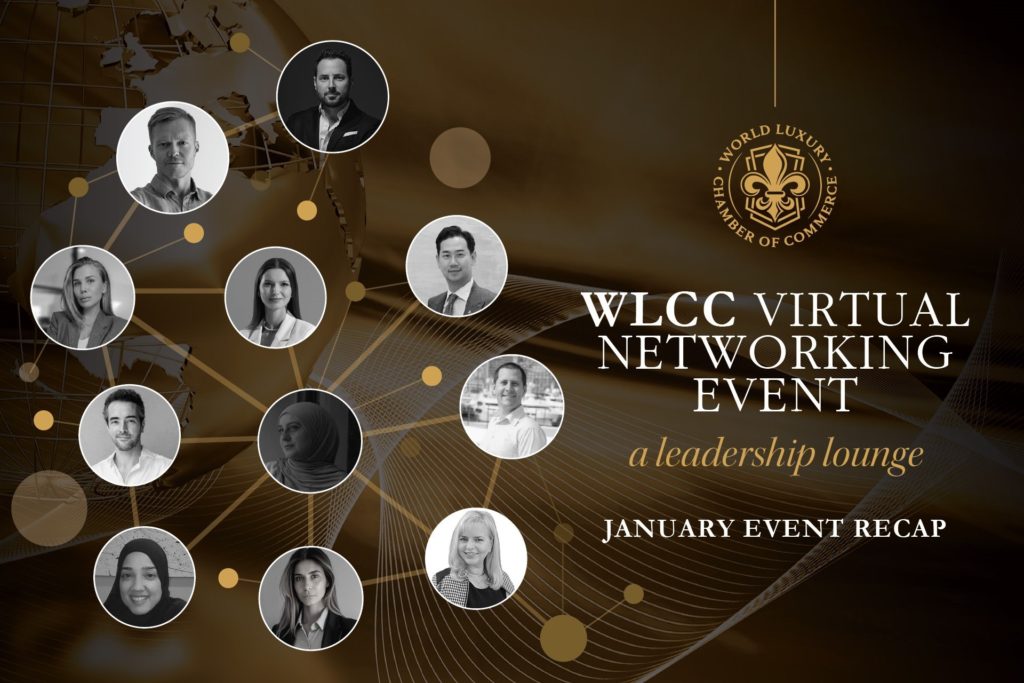
The January 2026 WLCC Leadership Lounge convened senior luxury leaders for a curated, working dialogue on transformation without dilution of meaning. Anchored by a strategic fireside with Jeremie Bernheim, the discussion explored shifts from possession to purpose, relevance-driven scarcity, and the central role of leadership, trust, and emotional connection. Participants from multiple regions and sectors shared transformation priorities and formed live cross-industry connections. A clear theme emerged: modern luxury operates as an ecosystem, where collaboration, shared values, and client-centricity create long-term value. The session reflected WLCC’s role as a private platform for sustained, high-level peer exchange.
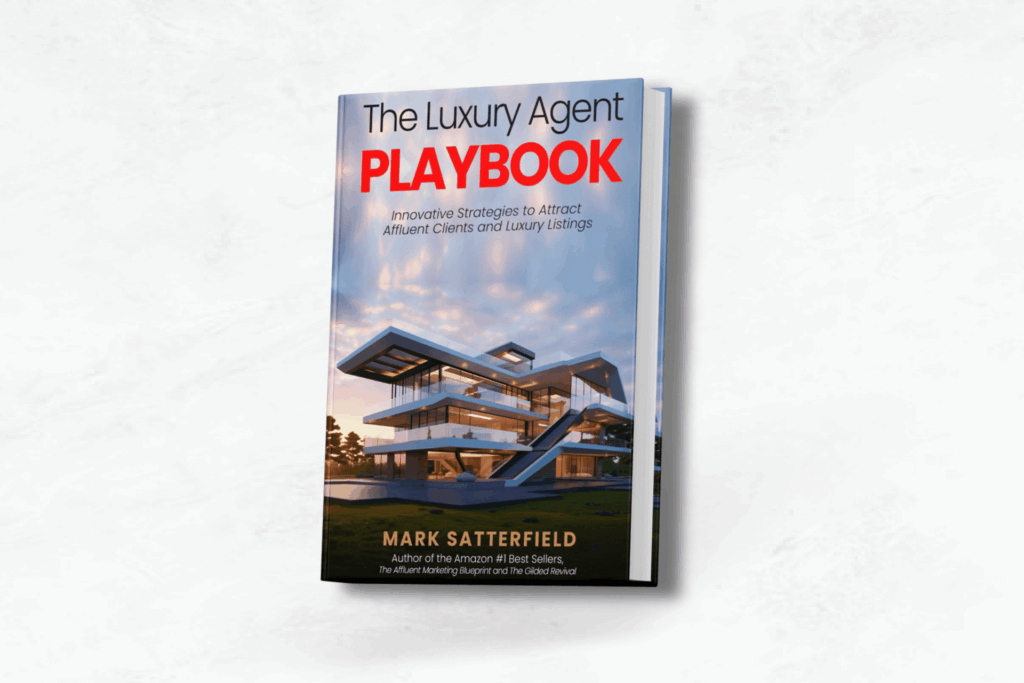
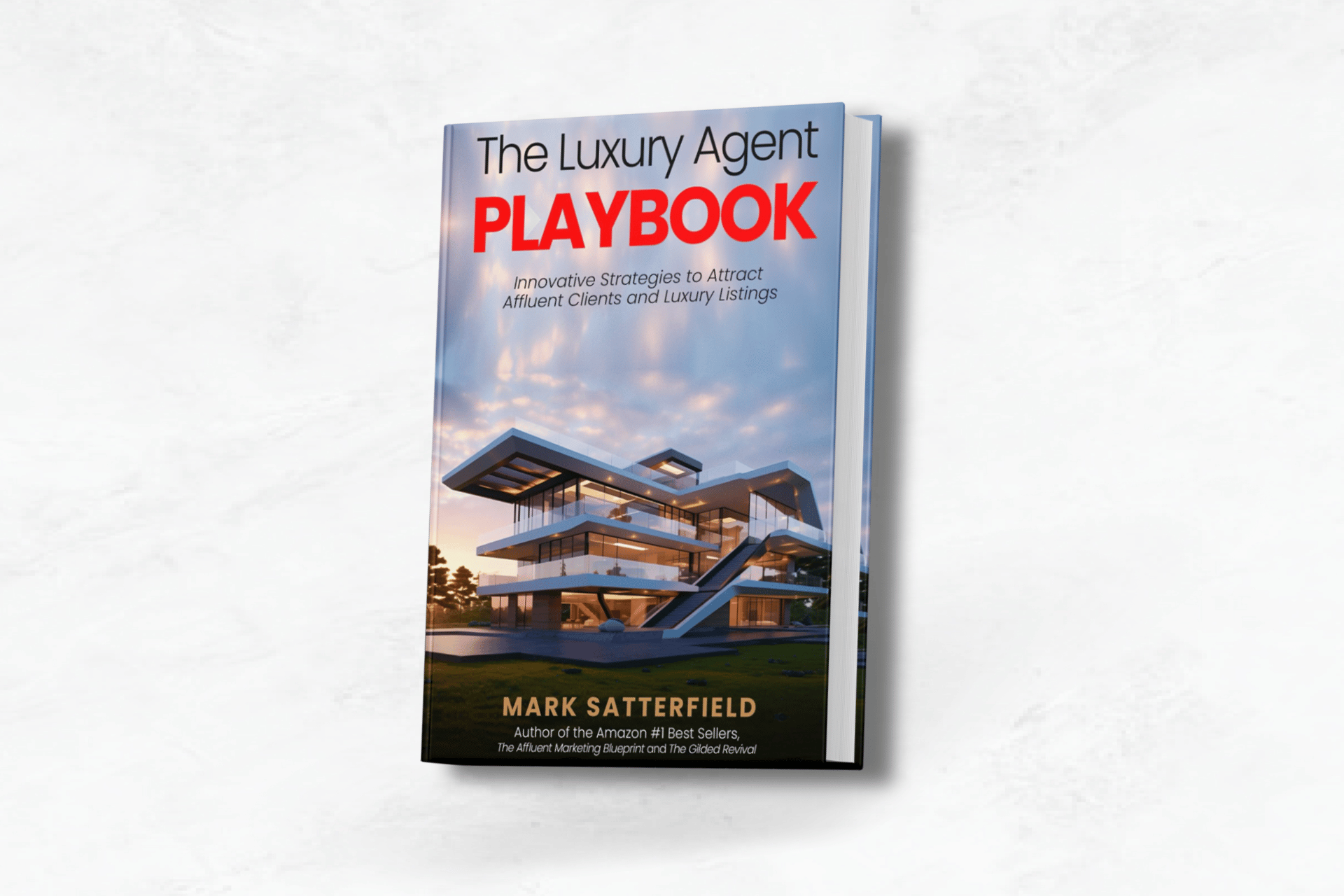
The Luxury Agent Playbook by Mark Satterfield is a practical guide for real estate professionals seeking to operate credibly in the luxury market. Rather than focusing on properties alone, the book explains how perception, trust, discretion, and experience shape high-end transactions. Satterfield outlines common mistakes agents make when moving upmarket and provides strategies for positioning as a trusted advisor to affluent clients. Emphasising personal brand clarity, long-term relationships, and disciplined service standards, the book reframes luxury success as attracting the right clients through confidence and credibility, not aggressive selling. It offers a structured path toward sustainable, high-value real estate practice.
LVMH has increased its ownership of Italian luxury house Loro Piana from 85% to 94%, investing an additional €1 billion as part of a long-planned option. Acquired in 2013, the brand’s valuation has multiplied several times, reflecting strong performance and global demand for its ultra-premium cashmere and wool. The founding family retains a minority stake and board roles, preserving continuity and sourcing expertise. Despite a softer year for LVMH’s core fashion division, the group sees Loro Piana as a long-term growth pillar, prioritizing controlled expansion to protect quality and craftsmanship.
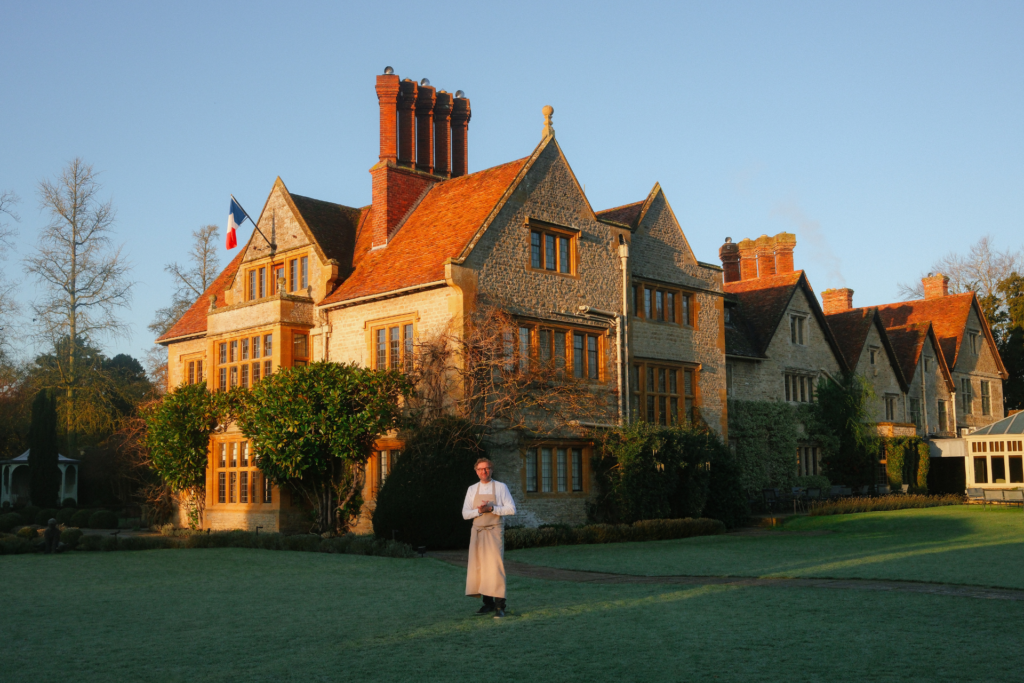
Celebrated French chef Arnaud Donckele brings his culinary vision to the UK for the first time, taking the helm at Le Manoir aux Quat’Saisons. Known for leading two three-Michelin-starred restaurants in France, Donckele is admired for his poetic, terroir-driven cuisine and masterful sauce-making. Working closely with Le Manoir’s gardens, farmers, and producers, he will blend British ingredients with refined French technique. Founder Raymond Blanc has endorsed the transition, praising shared values of sustainability and artistry. Under Belmond’s stewardship, Le Manoir enters a renewed era that honours heritage while embracing innovation and emotional storytelling through food.
We have entered an era in which uncertainty has become the permanent environment of business. The year 2026 does not begin a new cycle; it confirms a new reality: the world has fully shifted into a state of continuous instability. Economic systems, geopolitics, technology, and social dynamics are changing faster than ever before, and there is no return to the former “normal.”
In these conditions, a company’s most valuable asset is no longer capital, scale, or reputation, but its ability to adapt faster than the environment around it. Long-term strategies are losing their effectiveness: planning horizons are shrinking, and only those who operate in short cycles succeed, because everything is changing too quickly. Even large corporations no longer enjoy the advantages they once had; their size makes them less resilient and slower to transform, while flexible organizations gain the decisive edge.
Strategy is becoming a navigation system through uncertainty, where decisions are made without a complete picture and business models are continuously rebuilt. The role of leadership is also changing. Today’s leader is an architect of resilience, designing organizations that can survive and evolve in the midst of chaos. At the center of this system stands the team: its mindset, culture, and maturity determine whether instability becomes a threat or a source of growth.
Global markets have entered a phase of large-scale redistribution of capital, influence, and opportunity. This is not a time for comfort; it is a time for strategic readiness. Those who know how to act in uncertainty grow stronger. The rest fall behind.
That is why today it is more important than ever to be part of a community that helps make sense of what is happening in the world, adapt in time, find support, and navigate this period of instability together with those facing the same challenges. Join the World Luxury Chamber of Commerce and move forward on this path alongside the world’s strongest leaders and companies.
By Abhay Gupta – Luxury Strategist | Founder & Chairman, Luxury Connect LLP – Based on insights from the Altiant HNWZ Report, 2025
A Generational Shift Luxury Can No Longer Defer
Luxury has always prided itself on foresight. Yet, when it comes to generational change, the industry has often been reactive rather than anticipatory.
For decades, luxury strategy has been anchored in a predictable assumption: wealth — and therefore influence — follows age. The implication was simple. Engage younger audiences later, once purchasing power matures.
That assumption is now structurally obsolete.
According to the Altiant HNWZ Report (2025), a new cohort — High Net Worth Generation Z (HNWZ), the children of affluent and ultra-affluent families — is already shaping luxury’s cultural and strategic trajectory, long before it formally controls capital.
The heirs are not waiting. And luxury can no longer afford to either.
Who Are HNW Gen Z — And Why They Matter Today
The Altiant study surveyed 1,775 respondents across the US, UK, France, and China, including a distinct cohort of HNW Gen Z individuals. While their personal spending remains modest compared to established HNWIs, their influence footprint is disproportionately large.
HNW Gen Z operates at the intersection of three forces:
They influence household-level brand perception
They act as cultural validators within affluent ecosystems
They represent the future custodians of intergenerational wealth
Luxury has historically focused on the moment of wealth transfer. What the data now makes clear is that brand relationships are formed far earlier than balance sheets suggest.
A New Definition of Luxury Is Emerging
One of the most telling findings of the Altiant report lies in how HNW Gen Z defines luxury itself.
For traditional high-net-worth consumers, luxury has been rooted in:
Heritage
Exclusivity
Status signalling
HNW Gen Z, by contrast, most often describes luxury as:
Expensive and high quality
Desirable and culturally relevant
Socially visible and digitally validated
Exclusivity alone is no longer sufficient. Desirability has become the primary gateway to aspiration.
This does not signal the erosion of luxury codes — but it does demand their reinterpretation for a generation that consumes culture before it consumes products.
Lower Spend, Higher Strategic Value
The report confirms that HNW Gen Z currently spends less on luxury than older HNWIs. However, focusing solely on transaction value misses the larger strategic signal.
HNW Gen Z demonstrates:
High brand awareness at an early age
Strong emotional alignment with select brands
A clear preference for culturally fluent and digitally native labels
In practical terms, this means luxury brand-building must precede luxury monetisation. The brands that establish relevance today will inherit loyalty tomorrow.
Digital Is Not a Channel — It Is the Centre of Gravity
If there is one area where the generational divide is unambiguous, it is media behaviour.
The Altiant report highlights that HNW Gen Z’s influence ecosystem is anchored in:
Instagram
YouTube
TikTok
Community-led and peer-validated content
They place greater trust in:
Cultural relevance over corporate messaging
Social proof over institutional authority
Community narratives over brand declarations
For luxury maisons, this represents not a marketing adjustment but a strategic reorientation. Digital is no longer an amplification layer. It is where meaning is negotiated and legitimacy is earned.
Sustainability as a License to Operate
Another decisive differentiator between HNW Gen Z and previous affluent cohorts is the role of sustainability.
The report indicates that:
A majority of HNW Gen Z respondents actively factor sustainability into luxury decisions
They are significantly more open to second-hand, resale, and circular luxury models
For this generation, sustainability is not an emotional add-on. It is a prerequisite for trust. Brands that treat it as a communication exercise rather than an operating principle risk early disqualification.
Rethinking the Wealth Transfer Narrative
Much industry commentary frames Gen Z through the lens of the “great wealth transfer.” Altiant’s data introduces a critical correction.
While most HNW Gen Z respondents expect inheritance, it is often 10 to 20 years away. The implication is clear: waiting for capital transfer to initiate engagement is strategically unsound.
Luxury loyalty is formed early — and once formed, it is remarkably resilient.
Strategic Implications for Luxury Leadership
The emergence of HNW Gen Z calls for a recalibration of long-held assumptions. Five imperatives stand out:
Engage before ownership
Prioritise desirability alongside exclusivity
Design tiered luxury pathways, not linear ladders
Embed sustainability structurally
Treat digital culture as core infrastructure
This is not a call to dilute luxury, but to future-proof it.
Closing Perspective
Luxury’s advantage has always been its ability to think in decades, not quarters. HNW Gen Z represents a generational inflection point — one that rewards brands willing to invest in relevance long before revenue.
The future of luxury will not be claimed at the moment of inheritance. It will belong to the brands that earned trust, meaning, and cultural permission years earlier.
Source: Altiant, “HNWZ Report”, 2025.
Editorial note: This op-ed reflects the independent views and analysis of the author and is based on publicly available industry research. It does not necessarily represent the views or positions of the World Luxury Chamber of Commerce.
Author: Mark Satterfield Publication Date: 2025 Amazon Rating:4.8
The Luxury Agent Playbook: Innovative Strategies to Attract Affluent Clients and Luxury Listings is a focused guide for real estate professionals who want to work confidently in the luxury segment of the market. The book addresses a core reality of high-end real estate: affluent buyers and sellers operate with different expectations, priorities, and decision-making processes than the average client. Treating luxury transactions like standard deals often leads to missed opportunities, weak positioning, and difficulty earning trust at the top of the market.
Rather than centering on property features alone, the book explains how luxury real estate is shaped by perception, experience, and credibility. It explores the common mistakes agents make when attempting to move upmarket and outlines how to avoid approaches that attract unqualified prospects or fail to resonate with high-net-worth individuals. Readers are guided through strategies for positioning themselves as trusted advisors, building a clear and consistent personal brand, and creating a level of service aligned with luxury expectations.
A central theme of the book is that success in luxury real estate depends on more than sales tactics. It requires understanding the role of discretion, relationships, and long-term reputation. The book emphasizes how top-performing luxury agents build connections, earn repeat business, and secure premium listings by focusing on value, confidence, and client experience rather than aggressive selling. The strategies presented are designed to help agents shift from chasing transactions to attracting the right clients through intentional positioning and professional presence.
The Luxury Agent Playbook is written for agents who want to move beyond lower-price transactions and develop a sustainable path into high-value deals. It provides a framework for approaching the luxury market with clarity, discipline, and a stronger understanding of what affluent clients actually look for in representation.
The author, Mark Satterfield, brings a background in marketing strategy and experience working with professionals across multiple industries. He is a bestselling author known for translating complex marketing concepts into practical steps that can be applied without unnecessary complexity. His previous books include The Affluent Marketing Blueprint, The One Week Marketing Plan, The Gilded Revival, and The Velvet Rope Playbook, all of which focus on positioning, trust-building, and attracting high-end clients.
Before founding his consulting firm, Satterfield held senior roles at PepsiCo and Kraft Foods. Today, he works with service providers and professionals in more than two dozen industries, helping them develop strategies to attract and serve affluent audiences. That background informs the book’s emphasis on clarity, positioning, and consistency, making The Luxury Agent Playbook a practical resource for agents serious about building credibility and longevity in the luxury real estate market.
The WLCC Weekly Edit: your curated digest of the latest in the world of luxury. Each week, WLCC brings you a handpicked selection of industry news, insights, and stories influencing the future of high-end fashion, design, travel, real estate, and beyond. Consider this your insider’s guide to the latest in luxury.
Lux-Scaping: The Rise of Strategic Luxury Travel
In 2026, travelers are rethinking how they spend on luxury. Instead of booking an entire high-end holiday, many now add a short luxury stay to the beginning or end of a standard trip. This approach delivers stronger memories, a better sense of value, and less financial strain. Behavioral insights show travelers remember peak and final moments most, making these short upgrades especially impactful. The trend is especially popular in the UAE and Saudi Arabia, where travelers seek iconic hotels and standout experiences. It also supports more intentional travel by focusing spending on fewer, higher-quality stays.
Damiani Group to Acquire Baume & Mercier from Richemont
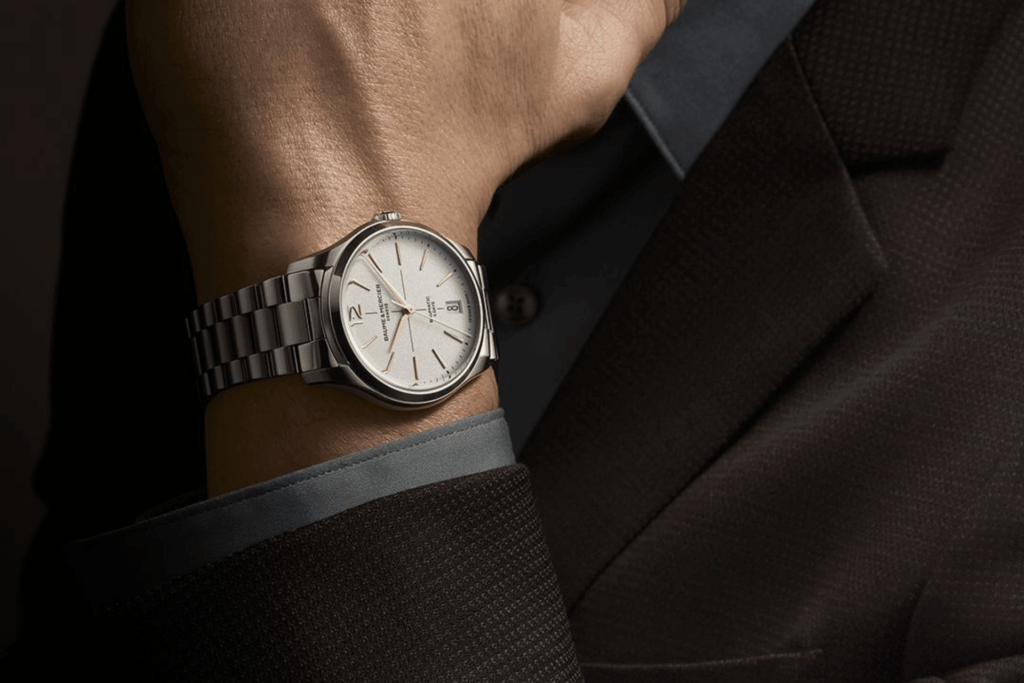
Richemont and the Damiani Group have reached an agreement for the Damiani Group to acquire full ownership of Swiss watchmaker Baume & Mercier in a private transaction. The acquisition strengthens Damiani’s hard luxury portfolio and adds a watchmaking Maison with nearly two centuries of heritage. Both groups agree Baume & Mercier is well-suited to Damiani’s strong presence in Italy and its multi-brand distribution model, as well as the brand’s accessible position within luxury watchmaking. Damiani plans to grow the Maison through wider distribution and select boutiques, while Richemont will support operations during a transitional period. Completion is expected in summer 2026.
Via: Richemont | Image via Baume & Mercier LinkedIn
L’Oréal Invests €326 Million in India Beauty-Tech Hub
L’Oréal will invest approximately €326 million to build its first global beauty-tech hub in India, located in Hyderabad. The facility will serve as a central base for technology-led work across data, analytics, and supply chain operations, supporting L’Oréal’s global business while creating around 2,000 jobs locally. Announced following meetings at the World Economic Forum in Davos, the move reflects L’Oréal’s long-term commitment to India, where it has operated since 1994 and manufactures most products locally. The investment builds on strong sales growth and complements existing research, development, and manufacturing sites across the country.
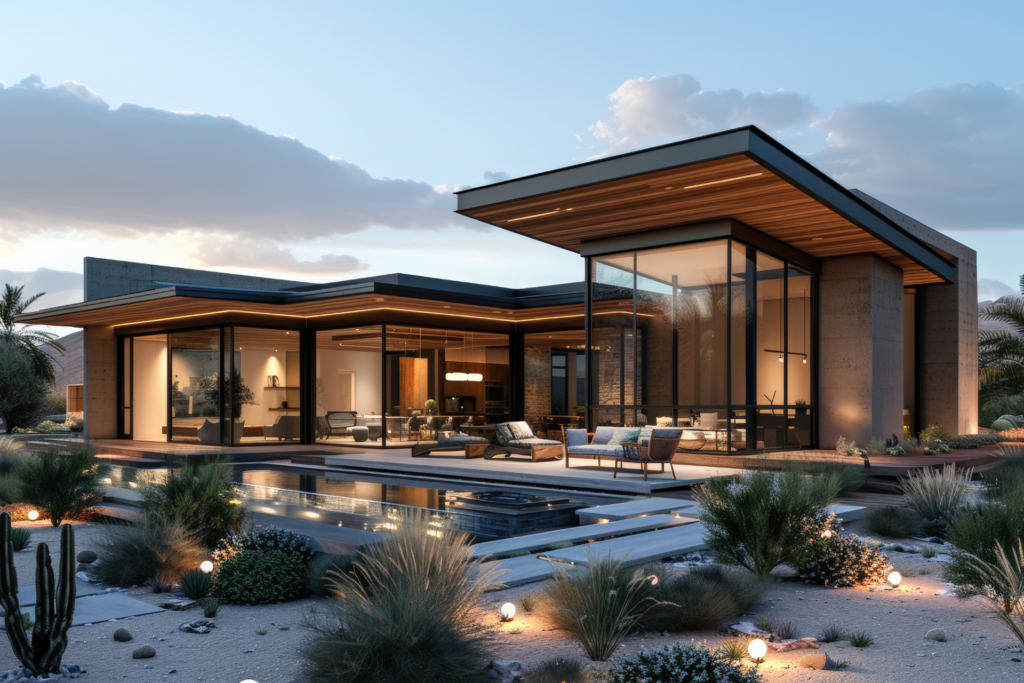
Global Luxury Real Estate Outlook 2026 by Sotheby’s International Realty
Sotheby’s International Realty’s 2026 Luxury Outlook shows that high-end property continues to operate independently from the wider housing market. While affordability pressures weigh on mainstream real estate, luxury transactions remain supported by equity-rich buyers, international demand, and cash-driven purchases. Shifting demographics, especially the transfer of wealth to younger generations, are reshaping buyer profiles and priorities. Lifestyle, security, and long-term family considerations now outweigh short-term returns. Global buyers are increasingly selective, favoring stable markets with strong legal frameworks and enduring appeal. For luxury stakeholders, success depends on timing, pricing discipline, and a clear understanding of cross-border capital flows and evolving lifestyle expectations.
Luxury People Podcast | Episode 4 with Iyad Rasbey
In Episode 4 of the Luxury People Podcast, António Paraíso speaks with Iyad Rasbey, Vice President of the Ras Al Khaimah Tourism Development Authority, on what gives a luxury destination lasting relevance. Rasbey explains why authenticity, rather than scale or spectacle, has become the key differentiator in global luxury travel. The conversation explores Ras Al Khaimah’s rapid evolution, its focus on nature-led experiences, and the importance of safeguarding local culture while expanding internationally. Insights also cover leadership during crisis, collaboration across sectors, and how meaningful travel experiences are replacing status-driven consumption in today’s luxury landscape.
Luxury in 2026 appears to be increasingly assessed through behaviour rather than display. As platforms multiply and access becomes easier to achieve, traditional markers such as visibility, scale, and volume seem to carry less influence than they once did. What tends to matter more is how deliberately attention is managed, how access is controlled, and how experiences are structured. Choice often feels less persuasive than confidence, and abundance less compelling than clarity. In this context, luxury often operates more through discipline than expansion.
The following themes reflect ideas that continue to surface as brands reconsider how value is created and sustained.
Persuasion Over Promotion
Persuasion in luxury increasingly relies on structure rather than repetition. Instead of attempting to convince through messaging, brands often guide decisions through edited options, clearer sequencing, and intentional framing. When structure replaces volume, decision-making tends to feel easier and more confident. This becomes relevant as attention grows more fragmented and comparison more exhausting. Brands that reduce friction often inspire greater trust than those that explain endlessly. In 2026, persuasion may frequently seem to come from restraint rather than visibility.
Desirability Built Through Absence
Constant availability can weaken perception over time. By contrast, selective absence often signals intention and control. Brands that appear less frequently, limit access, or delay availability tend to create anticipation rather than fatigue. Waiting increasingly becomes part of the experience rather than an obstacle. Absence works when it sets conditions instead of reacting to demand. The ability to step back without losing relevance continues to distinguish brands that operate with confidence from those that respond reactively.
AI and Virtual Environments as Infrastructure
Technology in luxury often delivers the most value when it remains unobtrusive. AI increasingly supports pricing, timing, forecasting, and consistency behind the scenes, contributing to coherence rather than spectacle. Its value tends to lie in precision, not visibility.
Virtual environments and private platforms serve a similar role. They are generally used less to expand reach and more to manage access and relevance. Virtual environments, private platforms, and gated digital spaces are rarely intended to reach more people. They are more often designed to reach fewer, more relevant ones. Digital interaction increasingly prioritises control over scale.
Experiential Luxury with Defined Parameters
Experience continues to play a central role in luxury, though its form appears to be narrowing. Rather than open-ended immersion, brands often favour defined formats. Shorter durations, limited participation, and clearer boundaries tend to protect attention and reduce fatigue. Experiences are more likely to feel complete rather than overwhelming. In 2026, experiential value often emerges from focus rather than magnitude. Boundaries tend to sharpen perception and deepen meaning.
Cross-Industry Collaboration Without Display
Collaboration remains present in luxury, though its visibility often diminishes. Brands increasingly align across disciplines to strengthen execution, access expertise, or enhance quality without drawing attention to the partnership itself. Logos recede, and attribution becomes secondary. When collaboration is less visible, authority often remains intact. Quiet integration frequently signals confidence more effectively than public alignment.
What This Signals for Luxury Brands in 2026
Taken together, these themes suggest a consistent operating posture. Luxury brands increasingly guide decision-making rather than expand choice, limit exposure rather than pursue constant presence, integrate technology quietly, design experiences with boundaries, and collaborate to improve delivery rather than narrative. These tendencies influence how resources are allocated, how attention is managed, and how long-term value is supported.
The 2026 Luxury Outlook by Sotheby’s International Realty confirms a clear structural shift in the global property landscape. Luxury real estate is no longer moving in parallel with the broader housing market and continues to show resilience, liquidity, and sustained international demand despite economic uncertainty. For members of the World Luxury Chamber of Commerce, the findings reinforce luxury property’s role as both a stable store of wealth and a long-term lifestyle asset.
A Two-Speed Economy: Luxury vs. the General Market
Luxury real estate outperformed the general housing market in 2025 and is expected to maintain that trajectory in 2026. Philip A. White Jr., President and CEO of Sotheby’s International Realty, notes that elevated interest rates and affordability pressures constrained the broader market, while luxury transactions benefited from strong home equity positions, a high share of all-cash purchases, and increased cross-border activity. This performance mirrors trends seen in other premium sectors, underscoring the structural strength of the luxury economy.
First-Mover Advantage and Pricing Discipline
The report emphasizes the strategic importance of decisive action. A. Bradley Nelson, Chief Marketing Officer of Sotheby’s International Realty, highlights that buyers and sellers who act early when market conditions shift often shape demand rather than follow it. Developments and listings that adjust pricing first tend to attract momentum, while sellers who delay risk higher carrying costs. For buyers, speed can secure rare opportunities in supply-constrained markets.
Wealth Creation, Inheritance, and Demographic Change
An accelerating intergenerational wealth transfer is reshaping luxury demand worldwide. Trillions of dollars are moving from Baby Boomers and the Silent Generation to younger cohorts, creating a new class of high-net-worth individuals earlier in life. This shift is expanding the presence of Millennials in luxury real estate and laying the groundwork for future Gen Z participation. Demand is increasingly driven by security, quality of life, and long-term family planning rather than short-term appreciation alone.
Cryptocurrency and New Sources of Capital
Digital assets are beginning to influence luxury real estate transactions, particularly in global hubs such as Dubai and major U.S. cities. Mark Zandi, Chief Economist at Moody’s Analytics, cautions that cryptocurrency-linked purchases may introduce volatility due to price fluctuations. Lawrence Yun, Chief Economist at the National Association of REALTORS®, counters that broader institutional adoption and regulatory clarity could expand the buyer pool and support demand at the upper end of the market.
Global Capital Becomes More Selective
Geopolitical uncertainty, tariffs, and currency shifts have not diminished global luxury demand, but they have increased selectivity. Philip A. White Jr. observes that affluent buyers are gravitating toward established luxury markets with strong economic fundamentals, legal transparency, and lifestyle appeal, rather than speculative destinations. Exchange rate movements are also creating relative value across borders, reinforcing the importance of global market awareness.
Lifestyle as a Primary Purchase Driver
Lifestyle considerations now outweigh pure investment motives for most luxury buyers. According to the Sotheby’s International Realty agent survey, 60 percent of agents globally report that lifestyle plays a larger role in purchase decisions than in previous years. Ski destinations, wellness-oriented communities, branded residences, and culturally rich urban centers continue to outperform, particularly when they combine multiple lifestyle elements within a single location.
Cross-Border Demand and Global Mobility
International luxury property transactions are rising again after years of disruption. The United States remains a leading destination due to its perceived stability, transparency, and depth of market. Proposed residency and citizenship incentives, favorable tax environments, and geopolitical safety concerns are accelerating global mobility among ultra-high-net-worth individuals. Buyers increasingly view property ownership as a global portfolio strategy rather than a single-country commitment.
Inventory Returns, but Scarcity Still Matters
Luxury housing supply has improved in several markets for the first time since the pandemic, creating more choice for buyers without eroding pricing power in prime locations. Tammy Fahmi, Senior Vice President of Global Servicing and Strategy at Sotheby’s International Realty, notes that luxury markets often move independently of broader housing trends. Well-located, well-priced, and high-quality properties continue to transact quickly, while overpriced assets linger.
Major Sporting Events and Long-Term Value
Global sporting events such as the 2026 Global Soccer Tournament and upcoming Olympic Games can influence luxury real estate markets, particularly when paired with disciplined urban planning. Historical data shows that while short-term price increases are common, lasting value depends on infrastructure investment, livability, and long-term demand. Paris is highlighted as a recent example where careful planning supported both immediate interest and sustained market stability.
Multigenerational Living and Legacy Planning
Multigenerational living is emerging as a defining trend in the luxury segment. High-net-worth families are increasingly acquiring properties that support shared living while preserving privacy, often as part of broader estate and legacy planning. Rodd Macklin of Pennington Partners & Co. emphasizes that luxury homes function not only as appreciating assets but also as anchors for family continuity, values, and governance across generations.
Security, Privacy, and Resilience
Security and privacy have become core requirements in luxury residential design and purchasing decisions. Advanced surveillance systems, gated access, backup power infrastructure, and discreet architectural planning are increasingly standard. Agent insights suggest these features can shorten time on market and support premium pricing, positioning resilience and protection as fundamental components of modern luxury.
Strategic Implications for WLCC Members
The 2026 outlook makes clear that luxury real estate continues to operate on distinct fundamentals. Market leadership now depends on global intelligence, pricing discipline, and a nuanced understanding of lifestyle, legacy, and risk. For World Luxury Chamber of Commerce members, luxury property remains a central pillar of wealth strategy and brand alignment, rewarding those who act decisively, think internationally, and invest with a long-term perspective.
Sotheby’s International Realty 2026 Luxury Outlook and internal market data, including the 2026 Sotheby’s International Realty Global Agent Survey
National Association of REALTORS® (NAR) International Transactions in U.S. Residential Real Estate, July 2025; generational housing and market outlook research, 2025–2026
Realtor.com® Luxury housing price thresholds and inventory trends, September 2025
The Economist Reporting and analysis on global wealth transfer and inheritance trends, February and June 2025
Cerulli Associates Intergenerational Wealth Transfer Report, Q1 2025
Moody’s Analytics Economic commentary by Mark Zandi on luxury housing and cryptocurrency-linked assets
U.S. Federal Reserve & Freddie Mac Interest rate and mortgage market data, 2025
Forbes Coverage of cryptocurrency-related luxury real estate transactions and global market trends, 2021–2025
Goldman Sachs Analysis of the economic and real estate impact of major global sporting events
National Bureau of Economic Research & Urban Studies Research on long-term property market effects of international sporting events
Paris Ouest Sotheby’s International Realty Market commentary on Paris luxury real estate performance surrounding the 2024 Summer Games
Explore More WLCC Executive Briefings Discover additional executive summaries, market intelligence, and strategic insights curated for World Luxury Chamber of Commerce members: https://worldluxurychamber.com/category/industry-reports/
Born in Bergamo, Italy, and currently living between Bologna and Milan, Zambetti brings more than 14 years of specialized expertise in luxury brand marketing, audience engagement, and global community building. A graduate in Marketing and Communication, he has built a distinguished career dedicated to understanding evolving audience dynamics and developing strategies that speak to the modern luxury consumer.
Zambetti is widely recognized for his ability to craft and grow global luxury communities through holistic omnichannel approaches enhanced by cutting-edge influence marketing and public relations. In his current leadership role at Maserati, he continues to elevate the brand worldwide, spearheading initiatives that merge tradition with innovation while driving digital transformation across brand touchpoints.
“We are honored to welcome Pietro to the WLCC Board,” said Alexander Chetchikov, President of the World Luxury Chamber of Commerce. “His visionary approach to luxury branding, combined with his deep understanding of global audience behavior, makes him an invaluable addition to our leadership panel. Pietro’s strategic insight will help guide the Chamber as we cultivate meaningful opportunities for collaboration, innovation, and growth within the luxury ecosystem.”
The World Luxury Chamber of Commerce is a global community uniting luxury brands, service providers, and thought leaders. The Chamber’s mission is to advance industry development through actionable market intelligence, strategic initiatives, global media exposure, and exclusive high-level networking programs that empower members to thrive in an ever-evolving luxury landscape.
“I am thrilled to join the WLCC Board,” Zambetti said. “Luxury today is about connection, cultural relevance, and community. I look forward to contributing to the Chamber’s vision and supporting its work in shaping the future of our industry.”
The WLCC Weekly Edit: your curated digest of the latest in the world of luxury. Each week, WLCC brings you a handpicked selection of industry news, insights, and stories influencing the future of high-end fashion, design, travel, real estate, and beyond. Consider this your insider’s guide to the latest in luxury.
Valentino Garavani, Legendary Roman Couturier, Dies at 93
Valentino Garavani, the Rome-born couturier who founded his fashion house in 1960 and rose to global prominence by dressing European royalty, American first ladies, and the era’s most celebrated stars, has died at his home in Rome at the age of 93.
Mercedes-Benz and Binghatti Unveil Second Dubai Project
Mercedes-Benz and Binghatti have revealed Mercedes-Benz Places | Binghatti City, their second joint real estate development in Dubai, located in the Meydan area. Designed as a “city within a city,” the project spans nearly 836,000 square meters and includes more than 13,000 residences across twelve towers. Inspired by Mercedes-Benz’s “Sensual Purity” design philosophy, the architecture translates the brand’s DNA into an integrated urban lifestyle concept. The development combines luxury living with curated wellness, sports, retail, and community spaces, supported by sustainable mobility solutions and extensive landscaped environments.
Via: Mercedes-Benz / Image: Mercedes-Benz Places and Binghatti unveil second real estate project in Dubai
Mandarin Oriental Exceptional Homes Expands Portfolio
Mandarin Oriental Exceptional Homes has announced a major expansion of its global portfolio, adding ten new private residences and increasing the collection to 35 homes across 14 destinations. The latest additions introduce Florence, Sardinia, and Marbella as new Mediterranean locations, alongside further growth in Puglia. Highlights include Villa Petrucci in Florence, a restored Renaissance-era retreat; Villa Marzia, a rare beachfront home in Sardinia; traditional trulli residences in Puglia; and six design-led villas in Marbella’s prestigious Golf Valley. Each property combines distinctive design, prime locations, and Mandarin Oriental’s signature personalised service.
India’s luxury market is complex and fast evolving, where success depends on precise segmentation rather than broad assumptions. The Indian Luxury Consumer 2026 report reveals who India’s luxury buyers are, what they value, how they shop, and provides actionable strategies for global and local luxury brands.
Let It Be: Music, Culture, and the 1960s Revolution
“If you want to know about the 1960s, listen to the music of the Beatles.” The words of American composer Aaron Copland encapsulate the cultural spectrum of a decade of Western economic boom and the key to understanding it: the quartet from Liverpool. John, Paul, George and Ringo.
Their success was aided by the historical context marked by social upheavals, such as the emergence of adolescent culture, women’s liberation and the collapse of racial segregation, which characterised the freedom of expression of the era. The winds of change were blowing: Swinging London emerged from the darkness of the post-war period, Mary Quant invented the miniskirt and Twiggy wore it. These were years of breaking with preconceived ideas and opening up to the new, but also of contradictions and civil tensions.
“We were all in the same boat: a boat sailing towards the New World. The Beatles were on lookout duty,” Lennon said in an interview. The Fab Four were the perfect interpreters of this “Revolution,” so much so that they became a musical, commercial and cultural phenomenon, as had already happened with the legend of Elvis. Even “A Hard Day’s Night,” the first of their films aimed at launching their albums, was a tribute to Beatlemania.
People liked them because they were spontaneous, genuine friends, disciplined and cheeky in responding to those who told them what to do, but without aggression or rudeness. Far from being tormented artists, they were gifted with a rare solidity under the pressure of fame, aided by the camaraderie with which they protected each other and made decisions only unanimously. They used humour to respond to the provocations of the press, and this was even more appealing. In October 1965, they walked through the gates of Buckingham Palace to receive the MBE (Member of the Order of the British Empire) decoration from Queen Elizabeth II, which was considered a scandalous gesture at the time.
“We weren’t trying to fuel a popular movement; we were part of it, as we always had been. I believe that the Beatles weren’t leaders of a generation, but its spokespeople,” explains McCartney, who, together with Lennon, author of the wordplay of beetles and beat, formed the most successful composer duo ever. The story began at a parish fair where the Quarrymen were performing, led by John Lennon, who invited Paul McCartney to join them. George Harrison joined on acoustic guitar and later also as a composer, while Pete Best was on drums.
It was 1960 when they changed their name to The Beatles. After two years playing in clubs in Hamburg, Brian Epstein saw them performing at the Cavern Club: they were feisty, confident, charismatic and their appeal to the audience was evident. He became their new manager and suggested Ringo Starr as their drummer. The chemistry with Ringo was immediate, and despite their different personalities, they became one, reinforced by their visual identity, created by their manager, who had them combed and dressed in the same way, a future rule for all boy bands to come. Epstein created their formal style as good boys in suits and ties, reassuring but capable of unleashing hysterical crowds of adoring girls, complete with a bow in unison at the end of each performance. White shirts, skinny trousers, slip-on boots still known today as Beatles boots, and bowl haircut were a trademark that balanced tradition and revolution and survived the break-up of the group in 1970.
Initially, the lyrics were elementary, almost like love nursery rhymes. They sang “Love Me Do” on their first single and “I Want to Hold Your Hand” on the one that launched the so-called British invasion of the American market two years later. “She Loves You,” or “Can’t Buy Me Love,” and “All My Loving.” The sound was unique and the language was direct, which their female fans loved, and they knew it. They adored what they were experiencing, and the message was clear: “Twist and Shout,” music and fun. Everyone was welcome aboard their “Yellow Submarine.”
“For some reason, people liked everything we did and loved us wherever we went. It was a surprise even to us,” says Ringo Starr. In addition to their live performances, for which they pioneered the use of stadiums to accommodate the crowds, their popularity was largely due to their television appearances. In New York, they starred on The Ed Sullivan Show, which was watched by 73 million viewers. “Even criminals took a ten-minute break for the Beatles show,” quipped George Harrison, referring to newspaper reports that crime in the city had almost disappeared.
Gradually, thanks in part to producer George Martin, they refined their compositional techniques, incorporating a wide variety of genres into their beat, such as jazz, blues, classical and Indian music, until in 1965 they cried out “Help!”, almost as if to foreshadow what was to come. The Beatles experimented like no other band, especially after they stopped performing live in 1966, having experienced the sinister side of popularity in the form of persistent death threats.
Their unity slowly began to crumble and arguments, especially between Paul and John, not least due to the intrusive presence of the latter’s new partner, became increasingly heated. They also turned towards psychedelic rock, particularly with the albums “Revolver” and “Sgt. Pepper’s Lonely Hearts Club Band,” breaking away from their image as good boys, changing their look and using psychotropic substances. Fiercely attacked by the press and the public, they remained faithful to the thing that really united them: making music. And in their musical testament “Let It Be,” they returned in part to the simplicity of their early rock and roll roots.
Article edited by Claudia Chiari
Quotes from published interviews. This contribution is part of WLCC’s partner series, offering a partner perspective on icons whose influence continues to shape culture, society, and industry across generations.
The World Luxury Chamber of Commerce (WLCC) is proud to announce the appointment of Phil Keb, Senior Advisor, Global Corporate Investments and Transactions at IHG Hotels & Resorts, to the WLCC Board.
A seasoned global executive with more than three decades of leadership in luxury hospitality, real estate development, and strategic deal structuring, Phil Keb brings exceptional expertise in guiding complex, high-value projects from concept to completion. His distinguished career includes the successful financing and development of over 50 luxury hotels, branded residences and resorts worldwide, representing an investment value exceeding $6 billion.
Before joining IHG Hotels & Resorts, Phil served as Executive Vice President of Development at Gencom, where he led high-profile hospitality and branded residence projects across the Americas, the Caribbean, and Europe. His work with both brand companies and hospitality owners/developers has supported some of the world’s most iconic brands, including Regent Hotels & Resorts, Six Senses, Capella, Rosewood, Ritz-Carlton, Park Hyatt, and Four Seasons.
“Phil represents the kind of leadership that defines the next chapter of global luxury,” said Alexander Chetchikov, President of the World Luxury Chamber of Commerce. “His proven ability to structure and deliver complex, multi-billion-dollar hotel and resort developments – bridging relationships with investors, operators, and governments – will add tremendous depth to WLCC’s strategic vision. Phil’s insight into how partnerships, financing, and innovation can shape the future of luxury hospitality aligns perfectly with our mission to connect global leaders driving growth and transformation across the luxury industry.”
As a WLCC Board Member, Phil Keb will contribute his extensive expertise in global hotel development, deal structuring, and public–private partnerships to help shape WLCC’s initiatives in the luxury hospitality and branded real estate sectors. His deep understanding of how to structure, finance, and deliver complex luxury projects will offer WLCC Members practical insights into investment models, development strategies, and the evolving dynamics of branded residences and resort ownership. Phil’s perspective will enrich WLCC’s mission to connect industry leaders through knowledge exchange, strategic collaboration, and forward-thinking dialogue on the future of luxury destinations worldwide.
“I’m honored to join the WLCC Board and look forward to supporting its mission of building meaningful global connections across the luxury ecosystem,” said Phil Keb. “The Chamber’s focus on excellence, sustainability, and innovation resonates strongly with my own approach to development.”
The World Luxury Chamber of Commerce unites leaders and changemakers across the global luxury industry – from hospitality and design to investment, real estate, and technology – providing a platform for collaboration, visibility, and influence.
For more information about the World Luxury Chamber of Commerce and its initiatives, please visit www.worldluxurychamber.com
The WLCC Weekly Edit: your curated digest of the latest in the world of luxury. Each week, WLCC brings you a handpicked selection of industry news, insights, and stories influencing the future of high-end fashion, design, travel, real estate, and beyond. Consider this your insider’s guide to the latest in luxury.
Global Luxury in Transition: Key Findings from the Bain Market Study
The global luxury market stabilized in 2025 following the post-pandemic surge, with total spending holding near €1.44 trillion. Growth increasingly shifted toward experiences such as hospitality and fine dining, while personal luxury goods remained broadly stable at approximately €358 billion. Jewelry and select small indulgences outperformed, while leather goods and footwear declined amid price sensitivity. Regional performance diverged, with relative resilience in the Americas and continued pressure in China and Japan. The industry faced ongoing customer attrition, particularly among aspirational buyers, alongside declining profitability driven by higher costs and increased promotional activity. Looking ahead, moderate growth is expected, with performance increasingly dependent on product discipline, operational efficiency, and customer retention.
Amandine Ohayon Named CEO of Givenchy in LVMH Leadership Reshuffle
LVMH has appointed Amandine Ohayon as CEO of Givenchy, effective January 9, 2026, succeeding Alessandro Valenti. Ohayon will report to Pietro Beccari, chair and CEO of the LVMH Fashion Group. Formerly CEO of Stella McCartney, Ohayon is praised for her collaborative leadership and retail expertise, with expectations to drive Givenchy’s next growth phase alongside creative director Sarah Burton. Valenti will transition to deputy managing director for commercial activities at Christian Dior Couture from January 12. The move is part of wider executive and creative reshuffles across LVMH’s Fashion Group amid an industry-wide reset.
Inherited Wealth and Global Buyers Set to Power Luxury Real Estate Growth in 2026
Sotheby’s International Realty’s 2026 outlook predicts continued strength in the luxury housing market, outperforming traditional real estate despite broader economic uncertainty. Growth is driven by wealthy buyers who are less sensitive to interest rates, rising international demand, and a major global transfer of inherited wealth. Many purchasers are adding second or third homes rather than buying primary residences, prioritizing lifestyle, privacy, and long-term value. Foreign buyer activity has surged, particularly in U.S. gateway and lifestyle markets. Multigenerational living is also reshaping luxury home design, reinforcing high-end real estate as both an investment and a legacy asset.
Event Recap: WLCC Leadership Lounge – December 2025
On December 15, WLCC convened global luxury leaders for a standout edition of the Leadership Lounge, uniting decision-makers across real estate, hospitality, development, investment, and strategy. The session featured an exclusive fireside chat with Kassie Smith, Founder & CEO of KS Global and WLCC Board Member, who shared rare insights into designing and financing world-class luxury ecosystems. Discussions explored branded collaborations, AI and human-centric service, capital shifts toward emerging markets, wellness-driven development, and experiential luxury. Beyond insights, members actively explored partnerships and cross-border opportunities, reinforcing WLCC’s role as a trusted private circle where meaningful alliances shape the future of global luxury.
Prepare to uncover Ras Al Khaimah’s rise to elite luxury status. The next episode of the Luxury People Podcast, hosted by Antonio Paraiso, features Iyad Rasbey, Vice President of Ras Al Khaimah Tourism Development Authority and WLCC Honorary Board Member. We explore his origin story, the bold moves shaping Ras Al Khaimah’s unique luxury DNA, leadership through crises such as the pandemic, and much more. You won’t want to miss this. Mark your calendar for 21 January and get ready to be inspired.