Luxury has become increasingly global, yet the meaning of prestige remains deeply local. While affluent consumers around the world may share expectations around quality and service, the emotional drivers behind luxury purchasing decisions differ significantly from one region to another.
In mature markets, luxury may be associated with heritage and discretion. In developing economies, it may represent innovation, status, or access. Elsewhere, it is characterized by privacy, personalization, cultural connection, or transformative experiences.
For modern luxury brands, international relevance no longer depends on applying a universal formula. It depends on understanding how cultural values influence perceptions of refinement, exclusivity, and trust.
The brands that succeed globally are rarely the loudest. They are the ones capable of expressing excellence in ways that feel authentic within each market they enter.
Europe: The Enduring Impact of Heritage
European luxury continues to affect many of the world’s expectations around craftsmanship, elegance, and permanence. Across markets such as France, Italy, Switzerland, and the United Kingdom, prestige is often closely tied to legacy and savoir-faire.
Consumers in these regions tend to value brands that demonstrate continuity, technical mastery, and a clear sense of identity developed over decades, sometimes centuries.
Visibility alone rarely creates influence in European luxury culture. Respect is more often earned through:
- Proven craftsmanship
- Attention to detail
- Artistic and cultural credibility
- Long-term consistency
Luxury within this context is often understated. Sophistication is communicated through precision, restraint, and confidence rather than excess.
What Luxury Brands Can Learn
In heritage-driven markets, credibility matters as much as innovation. Consumers increasingly want to understand the thinking, expertise, and philosophy behind a brand, not simply the product itself.
The strongest luxury identities are often built through:
- Clear authorship and storytelling
- Preservation of standards over time
- Emotional trust developed gradually
- Consistency across every touchpoint
Long-term prestige is rarely created quickly. It is formulated through discipline and continuity.
The Middle East: Luxury as Experience and Expression
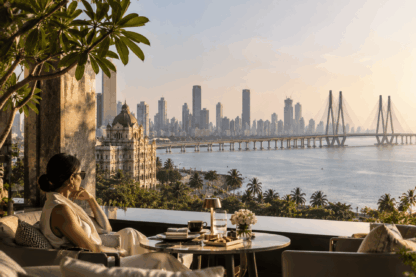
In the Middle East, luxury is often associated with scale, hospitality, and memorable experiences. Premium environments are expected to feel immersive, elevated, and highly personalized.
Across markets such as the UAE, Saudi Arabia, and Qatar, luxury brands frequently distinguish themselves through ambitious architecture, tailored service, and exceptional hosting standards.
Consumers in the region often place strong value on:
- Exclusivity and privacy
- Personalized attention
- Experiential sophistication
- Strong visual and emotional impact
Luxury here is not simply about ownership; it is about presence and experience.
What Luxury Brands Can Learn
Brands operating in the Middle East benefit from understanding the emotional dimension of service. The experience surrounding a product or destination can carry as much value as the offering itself.
The brands that resonate most successfully are often those that deliver:
- Anticipatory service
- Elevated presentation
- Strong emotional engagement
- Seamless personalization
In these markets, excellence is expected to feel effortless, confident, and memorable.
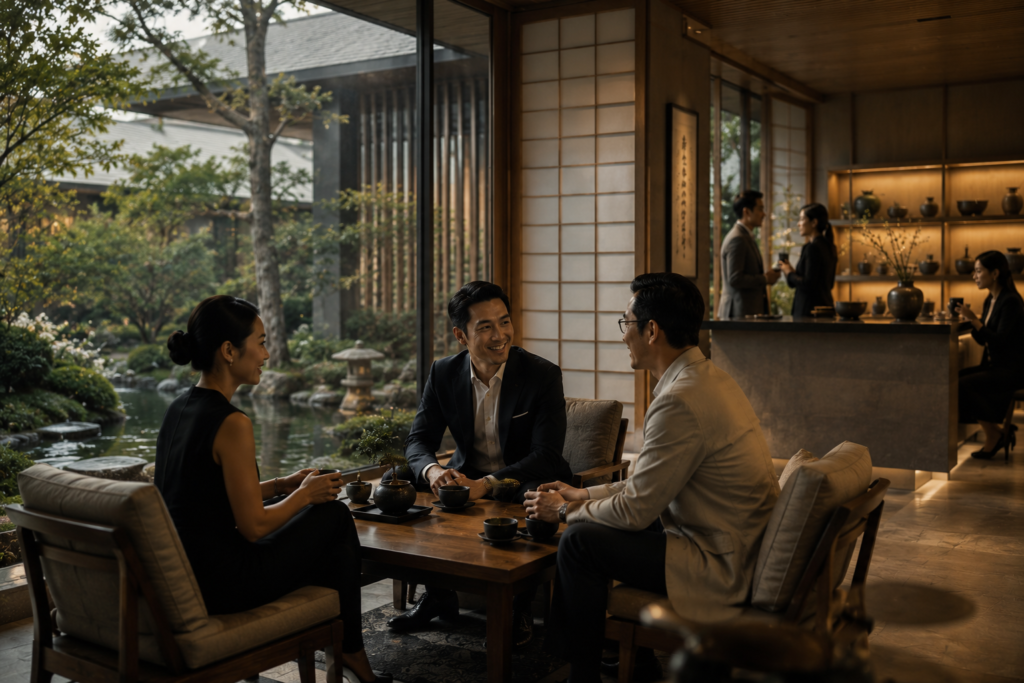
Asia: Refinement Through Precision
Asia’s luxury is diverse, sophisticated, and growing. While each market has distinct cultural dynamics, many consumers across the region share a strong appreciation for precision, discipline, and thoughtful execution.
In Japan, luxury is frequently connected to craftsmanship, subtlety, and meticulous detail. In China, prestige is often linked to rarity, service excellence, and symbolic value. South Korea continues to influence contemporary luxury through design innovation, aesthetics, and cultural relevance.
Across many Asian luxury markets, consumers consistently value:
- Precision and consistency
- Efficiency and seamlessness
- Discretion
- Elevated service standards
Small details often carry significant meaning.
What Luxury Brands Can Learn
In many Asian markets, refinement is demonstrated through execution rather than spectacle. Consumers notice nuance, and expectations around service and presentation are exceptionally high.
Brands that build lasting loyalty tend to prioritize:
- Operational excellence
- Thoughtful customer journeys
- Cultural awareness
- Consistent quality at every level
Luxury is often measured not by how much is presented, but by how carefully every element has been considered.
Africa: The Rise of Authentic Luxury
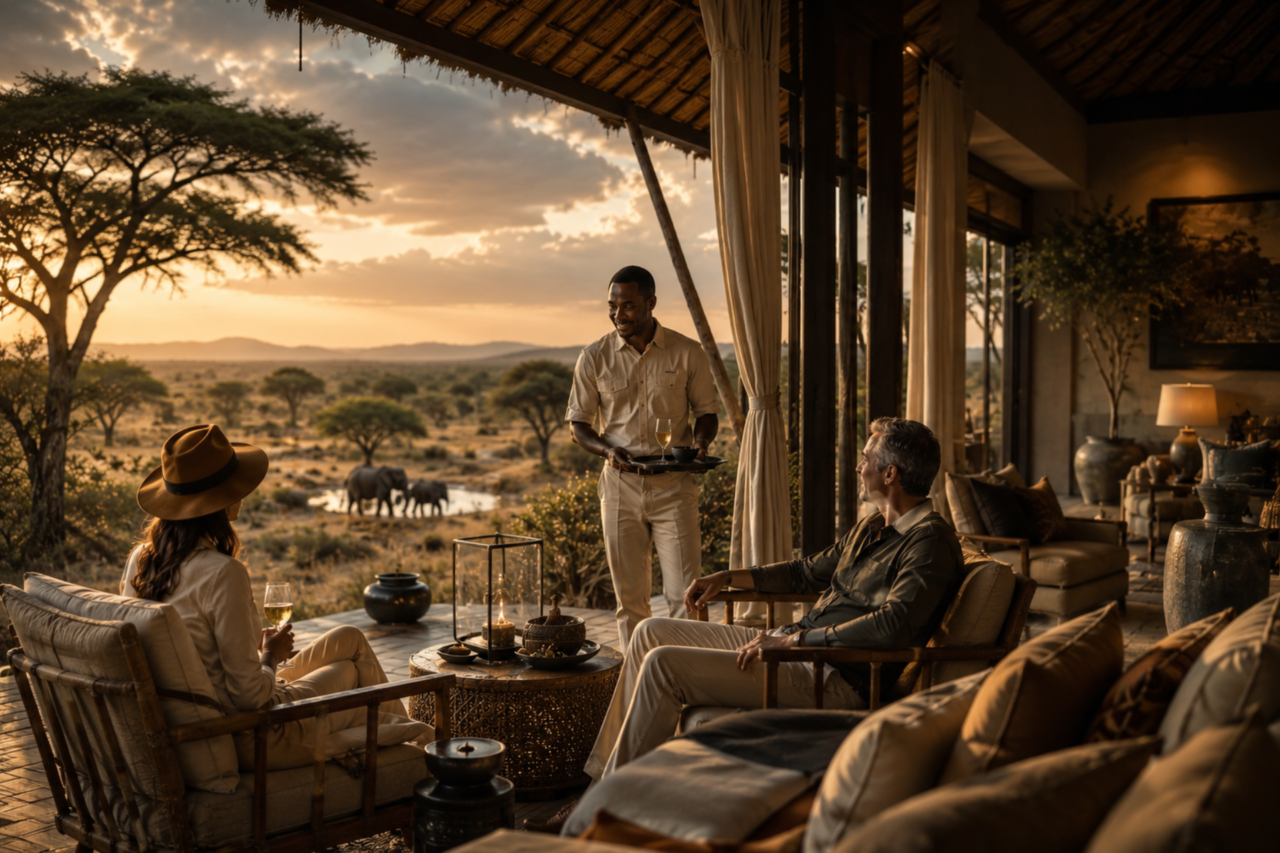
Africa’s luxury sector is increasingly recognized for experiences rooted in authenticity, individuality, and emotional connection. Across hospitality, wellness, design, and travel, many of the continent’s most compelling luxury offerings are distinguished by their relationship to place and culture.
From private safari lodges to contemporary architectural retreats, luxury in Africa is often influenced by intimacy, exclusivity, and storytelling.
Many premium experiences across the continent emphasize:
- Genuine cultural connection
- Access to unique environments
- Personalization and intimacy
- A sense of discovery
Rather than replicating international formulas, many African luxury brands create value through originality and emotional depth.
What Luxury Brands Can Learn
Global luxury audiences are increasingly drawn toward experiences that feel meaningful and difficult to replicate.
Brands that stand apart often succeed because they offer:
- Authenticity over standardization
- Emotional resonance over spectacle
- Cultural depth over generic luxury aesthetics
In a highly saturated global market, originality has become one of the most powerful forms of distinction.
North America: Luxury and Lifestyle Integration
In North America, luxury is connected to convenience, flexibility, and personal freedom. Consumers often prioritize experiences and services that incorporate seamlessly into modern lifestyles.
Wellness-focused hospitality, private memberships, concierge ecosystems, branded residences, and curated travel experiences continue to represent luxury culture across the United States and Canada.
Affluent consumers increasingly value:
- Time efficiency
- Privacy and autonomy
- Personalization
- Lifestyle flexibility
Ownership alone is no longer the primary marker of prestige. Increasingly, luxury is associated with access, ease, and quality of life.
What Luxury Brands Can Learn
Luxury brands in North America often perform strongest when they understand the broader lifestyle surrounding the consumer, not just the product category itself.
The most respected brands increasingly focus on creating experiences that feel:
- Seamless and intuitive
- Personalized and adaptable
- Convenient without sacrificing quality
- Aligned with contemporary lifestyles
Luxury today is as much about reducing friction as it is about creating aspiration.
A Global Luxury Consumer With Local Expectations
Although luxury is expressed differently around the world, certain qualities continue to define enduring prestige across markets.
The brands that maintain long-term relevance internationally are often recognized for:
- Authenticity
- Consistency
- Emotional intelligence
- Exceptional service
- Cultural awareness
Today’s affluent consumers are informed, connected, and highly selective. They expect luxury brands to understand not only quality standards, but also the social and cultural context surrounding the experience itself.
What Luxury Brands Can Learn
International expansion requires more than visibility. It requires cultural fluency.
Brands that succeed globally are often those capable of balancing:
- Strong identity with local relevance
- Consistency with adaptability
- Global standards with regional understanding
The future of luxury will belong to brands that understand a simple reality: while standards of excellence may be universal, the meaning of luxury will always remain profoundly human, impacted by culture, emotion, and context.
Stay connected with the latest news, trends, and curated networking opportunities – join the WLCC community: https://worldluxurychamber.com/wlcc-community/