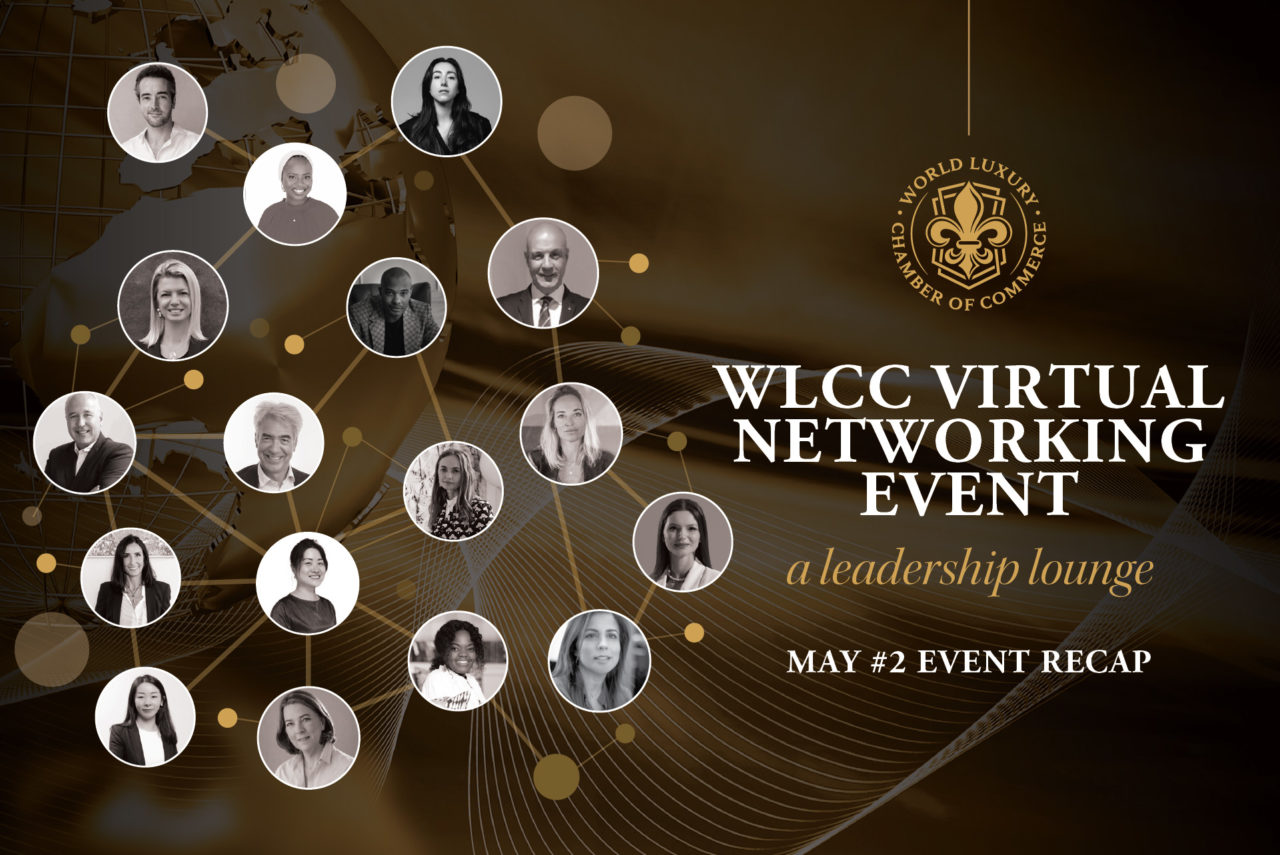
The latest edition of the WLCC Leadership Lounge brought together founders, CEOs, entrepreneurs, investors, and senior decision-makers from across the global luxury ecosystem for an engaging conversation on one of the industry’s most important questions:
How is the meaning of luxury evolving in a world shaped by changing consumer values, cultural transformation, and technological innovation?
Why the WLCC Leadership Lounge Exists
The WLCC Leadership Lounge was created as a private forum where luxury leaders can move beyond traditional networking and engage in meaningful, strategic dialogue with peers.
Each session is designed to foster genuine connections, facilitate business introductions, encourage knowledge sharing, and create opportunities for collaboration across sectors and geographies. Attendance is intentionally limited to ensure every participant can actively contribute to the conversation while building valuable relationships within the global luxury community.
Guest Speaker
This session featured Carlota Rodben, Founder of Beyond Luxury, author, strategist, and former innovation executive at CHANEL.
Recognized for her work exploring the future of luxury through the lens of emotion, culture, technology, and consumer behavior, Carlota shared her perspective on the forces reshaping desirability and long-term brand value in the luxury sector.
Key Themes & Insights
Luxury Is Moving Beyond Products Toward Meaning
While craftsmanship, quality, and heritage remain essential foundations of luxury, Carlota emphasized that the strongest brands today create value through meaning, identity, and emotional connection.
Consumers increasingly seek brands that reflect their values, aspirations, and personal stories. In this environment, luxury becomes less about ownership alone and more about what a brand represents in a person’s life.
Emotion Has Become a Strategic Asset
One of the central themes of the discussion was the growing importance of emotional value.
Today’s consumers remember how a brand makes them feel more than what it sells. The most desirable brands create experiences, memories, and emotional resonance that strengthen loyalty and deepen relationships over time.
The New Desire Economy
A significant shift is underway, particularly among younger generations of luxury consumers.
Status has not disappeared, but it is increasingly expressed through experiences, self-expression, belonging, and participation rather than ownership alone. Consumers are seeking access, community, learning, and cultural engagement alongside exceptional products.
Women Are Reshaping Luxury Consumption
The conversation also highlighted the growing influence of women as independent luxury consumers.
Today, women increasingly purchase luxury products, services, and experiences for themselves, driven by greater financial independence, entrepreneurship, and leadership.
This shift is redefining aspiration and creating new opportunities for brands to engage consumers through personal achievement, self-expression, and self-reward.
The Great Wealth Transfer Will Redefine Luxury
Carlota also addressed the unprecedented transfer of wealth from older generations to Millennials and Gen Z.
As new generations become the primary holders of wealth, luxury brands will need to adapt to evolving expectations around purpose, personalization, cultural relevance, sustainability, and digital experiences while maintaining the authenticity and heritage that define luxury.
Culture Must Be Authentically Embedded
Luxury brands increasingly engage with art, music, creativity, and broader cultural conversations. However, Carlota emphasized that authentic cultural relevance cannot be manufactured.
The brands creating long-term value are those that actively contribute to culture and build genuine relationships with creative communities rather than simply attaching themselves to trends.
AI Will Be Transformative – If Used Thoughtfully
Carlota shared an optimistic view of artificial intelligence and its potential to enhance creativity, personalization, and customer experiences.
At the same time, she cautioned that careless use of AI can flatten brands, dilute differentiation, and produce generic experiences that weaken emotional connection. Luxury brands must ensure technology strengthens their unique identity rather than replacing the creativity and distinctiveness that make them desirable.
Reflections from Participants
The discussion resonated strongly with participants across different sectors of luxury.
Katarzyna Kolys, Luxury Positioning Advisor, shared a perspective from the world of fine jewelry, highlighting how many of the themes discussed resonate strongly within her sector:
“For jewelry brands, this shift is particularly significant. Jewelry has never been just an object; it carries identity, memory, aspiration, and belonging. Today’s collectors are looking for more than adornment; they seek meaning, connection, and experiences that allow them to participate in the designer and the brand story.”
Katarzyna highlighted how desire is increasingly built through storytelling, craftsmanship, provenance, education, and emotional resonance. As consumers seek closer connections to creativity and expertise, they evolve from buyers into conscious collectors and knowledgeable connoisseurs. The most successful jewelry brands, she noted, will be those that create a genuine sense of belonging and shared values, transforming jewelry from an object of desire into a vehicle for meaning, identity, and connection.
Clotilde Germain, Founder of Luxury Table, shared a broader reflection on the future of luxury:
“The future of luxury will not be shaped by visibility alone, but by emotion, cultural relevance, meaningful storytelling and the quality of human connection.”
She praised the depth of the discussion and the opportunity to connect with a highly engaged community of luxury leaders exploring how luxury is evolving beyond product, status, and technology.
Looking Ahead
The conversation reinforced a powerful conclusion: the future of luxury will be shaped by brands that successfully combine emotion, culture, creativity, and innovation.
As consumer expectations continue to evolve, long-term desirability will increasingly depend on a brand’s ability to create meaning, foster genuine human connection, and remain culturally relevant while embracing new technologies with purpose and intention.
The WLCC Leadership Lounge remains committed to providing a trusted environment where luxury leaders can explore these shifts together, exchange perspectives, and build the partnerships that will shape the future of the industry. To explore upcoming Leadership Lounges and private WLCC gatherings, visit the WLCC Events Calendar: https://worldluxurychamber.com/events/