As the luxury real estate sector continues to evolve through innovation, strategic development, and global investment dynamics, industry leaders who can bridge vision, advisory, and commercial growth are becoming increasingly influential in shaping the future of the market.
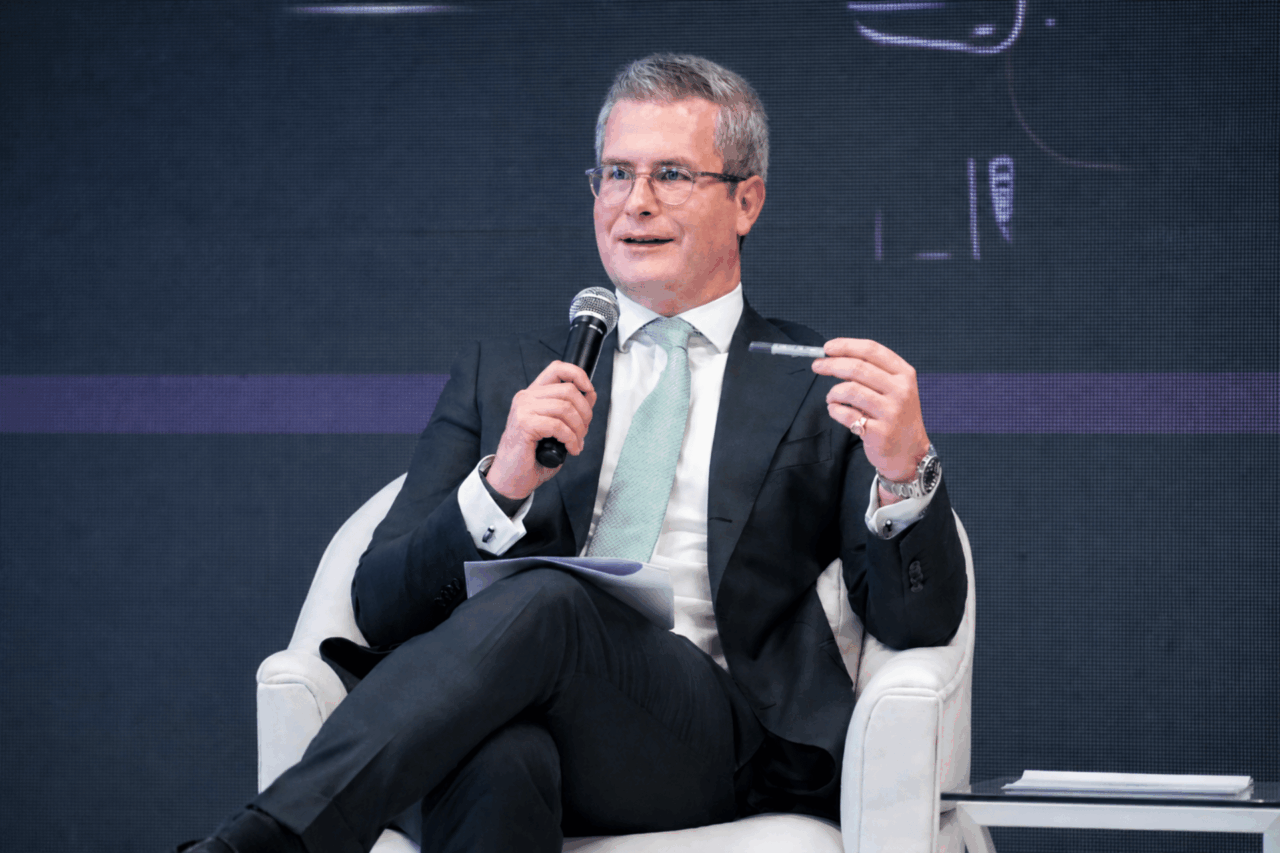
Recently appointed as a Board Member of the World Luxury Chamber of Commerce (WLCC), Jason Margetts brings a multidimensional perspective to the industry – spanning luxury real estate strategy, development advisory, project positioning, mentorship, and business growth. With experience supporting developers, startups, and real estate companies from the earliest stages of opportunity assessment through commercial execution, his approach reflects a deeper understanding of how long-term value is created in today’s luxury landscape.
In this exclusive interview, Jason shares his insights on the future of luxury development, leadership, investment-oriented thinking, and the evolving expectations shaping the next generation of high-value real estate projects.
World Luxury Chamber of Commerce: Luxury real estate today is evolving far beyond property transactions. How do you define the future of luxury development, and what separates truly visionary projects from those that simply follow market trends?
Jason Margetts: The evolution of luxury real estate now encompasses more than traditional concerns such as location or product; it is increasingly focused on cultivating comprehensive environments that foster emotional engagement, lifestyle integration, and enduring relevance.
Innovative developments recognise that luxury buyers are seeking identity, experience, wellness, community, and legacy, rather than merely additional living space. Leading global projects successfully integrate hospitality, culture, retail, wellness, technology, and sustainability into cohesive, holistic solutions.
A significant trend is emerging towards branded residences and hospitality-driven housing concepts. Today’s consumers demonstrate substantial confidence in internationally renowned luxury brands due to their reputation for consistency, high service standards, and prestige. Branded residences offer an attractive proposition by combining real estate with tailored lifestyle experiences, operational expertise, and reliable investment returns.
Projects centered solely on prevailing trends often emphasise aesthetics. In contrast, forward-thinking developments are designed with consideration for human behavior, longevity, and the creation of emotional value. These ventures anticipate future living preferences over the next decade or two, rather than focusing solely on current popularity.
WLCC: You mentioned that much of your work begins long before sales – from land strategy and advisory to project positioning. What are the most critical decisions made in the earliest stages of a luxury real estate project?
JM: Early decisions are crucial because they set the foundations for the entire project.
Before initiating design or sales, developers must fully understand market positioning, the ideal customer base, product-market fit, and a sustainable commercial approach. A common pitfall in luxury real estate is attempting to redefine these factors after the design phase has already commenced.
Luxury developments demand insight into consumer psychology, aspirational lifestyles, and local cultural influences. Developers should address key questions from the outset:
- What gap does the market present?
- Which emotional needs are being met?
- How can we achieve unique differentiation that isn’t easily copied?
Operational sustainability is just as vital. Leading luxury communities worldwide are conceived as enduring ecosystems, not merely short-term sales projects. This involves placemaking, integrating amenities, enhancing mobility, forming hospitality alliances, prioritising wellness, and offering branded residences.
The most successful projects consistently align strategy, design, operations, and commercial priorities right from the beginning.
Several years ago, I had the privilege of spending time with the Kobayashi Group in Hawaii, where I experienced their Park Lane Ala Moana development as well as their ultra-high-end, hospitality-led community on the Big Island, Kukio. Both projects set new benchmarks in Hawaii for low-density, hospitality-driven, ultra-luxury residential living.
To this day, I remain deeply impressed by the extraordinary measures they took to address owners’ needs and the remarkable quality of their finishes. For example, at Kukio, residents enjoy personalised concierge services and custom-designed interiors tailored to their preferences, demonstrating an unwavering commitment to individualised service and design excellence. It was during this time that I truly understood what luxury real estate means. It is no surprise that their projects continue to sell out rapidly. They have built a brand and reputation that is meticulously focused on quality of execution and exceptional aftercare services.
WLCC: In your experience advising developers, startups, and real estate companies, what are the biggest mistakes businesses make when trying to enter or scale within the luxury market?
JM: One of the biggest misconceptions is believing luxury is simply about higher pricing or premium finishes. True luxury is built around trust, consistency, experience, and emotional resonance.
Many businesses underestimate how sophisticated today’s luxury consumer has become. Buyers are globally informed, widely travelled, and highly discerning. They compare projects internationally, not just locally.
Another common mistake is scaling too quickly without building operational depth or brand credibility. Luxury is extremely difficult to sustain without exceptional execution. A single poor customer experience can damage a reputation significantly.
I also see many businesses focusing heavily on acquisition but not enough on retention, community creation, and post-handover experience. In today’s market, long-term brand equity is often built after the sale rather than during it.
Finally, some developers pursue trends without establishing authentic differentiation. The most respected luxury brands globally have a very clear identity and philosophy. Authenticity matters enormously in this sector.
WLCC: Luxury consumers today are more globally informed, experience-driven, and value-conscious than ever before. How is this changing the way developers and brands must think about positioning and long-term value creation?
JM: Luxury consumers today expect far more than a beautiful residence. They expect service, convenience, wellness, exclusivity, privacy, and meaningful experiences integrated into daily life.
This is fundamentally changing how developers think about value creation. Long-term value is no longer defined purely by capital appreciation. It is increasingly tied to lifestyle quality, operational excellence, community management, and experiential offerings.
We are seeing strong demand globally for developments that incorporate wellness concepts, concierge-style services, hospitality partnerships, private members’ environments, and branded residential experiences.
Sustainability is also evolving from a marketing feature into a core expectation. High-net-worth buyers increasingly want developments that demonstrate environmental responsibility, smart infrastructure, and long-term resilience.
Ultimately, luxury today is becoming more personal, more curated, and more experience-led. Developers who genuinely understand human experience will outperform those focused only on physical product.
WLCC: You work across advisory, mentorship, and commercial leadership. What qualities do you believe define successful leadership in today’s real estate and investment landscape?
JM: I believe successful leadership today requires a combination of commercial intelligence, emotional intelligence, adaptability, accountability, and authenticity.
The real estate industry is evolving rapidly, and leaders must be able to balance long-term strategic thinking with agility and execution. Strong leadership is no longer purely hierarchical; it is increasingly collaborative, people-centric, and culture-driven.
The best leaders create environments where high-performing teams can thrive while maintaining clarity of vision and accountability. They are able to inspire confidence during uncertainty and make difficult decisions with integrity.
I also believe mentorship and talent development are critical responsibilities of leadership. Sustainable businesses are built by developing future leaders, not simply managing current performance.
Lastly, it’s important to remember that “great leaders stand in front when there is blame and behind when there is praise”.
WLCC: Many emerging founders and developers struggle to bridge the gap between vision and execution. What advice do you most often give entrepreneurs looking to build sustainable and globally respected luxury real estate businesses?
JM: My advice is always to focus on credibility before scale.
Luxury real estate is ultimately a reputation business. Long-term success comes from consistency, trust, operational excellence, and delivering on promises repeatedly over time.
Entrepreneurs should spend significant time defining their identity, values, and market positioning before aggressively pursuing growth. A clear philosophy is often more valuable than rapid expansion.
I also encourage founders to think globally from the outset. Today’s buyers benchmark projects against London, Dubai, Miami, Singapore, Monaco, Riyadh, Milan, Tokyo, to name just a few, and other leading global markets simultaneously. Understanding international standards is essential.
Most importantly, execution matters more than presentations. The industry rewards businesses that consistently deliver exceptional experiences and build lasting relationships with customers, investors, and partners.
Great companies sell products; great brands inspire belief.
WLCC: From your perspective, where do you see the greatest opportunities in the future of luxury real estate – whether geographically, conceptually, or through new business models and collaborations?
JM: I believe the intersection of luxury real estate, hospitality, wellness, and branded living presents the greatest opportunities globally right now. Branded residences are growing rapidly, combining trusted brands with premium properties and service-led living, which buyers appreciate for quality and lifestyle alignment.
Middle Eastern markets, especially Saudi Arabia and the UAE, stand out due to national transformation programs, infrastructure investment, and rising global investor interest.
Mixed-use communities, wellness developments, personalised living, and hospitality-driven concepts are expected to expand further. Strategic partnerships between developers, luxury brands, operators, designers, technology firms, and cultural institutions are increasingly important, making luxury development more multidisciplinary.
WLCC: As someone deeply involved in strategic growth and high-level advisory, what legacy or impact do you hope to create within the real estate industry and the broader luxury ecosystem?
JM: For me, legacy is ultimately about creating long-term value that positively impacts people, communities, and industries.
I hope to contribute toward a more thoughtful and experience-driven approach to development, one that prioritises quality, integrity, sustainability, and human connection alongside commercial success.
I am particularly passionate about helping businesses and leaders unlock their full potential through strategic thinking, mentorship, and operational transformation. Some of the most rewarding moments in my career have come from seeing people and organisations evolve beyond what they initially believed was possible.
I also hope to help elevate the global perception of emerging markets and demonstrate that world-class luxury developments can be created anywhere when vision, execution, and authenticity align.
The future of luxury real estate should not simply be about building impressive projects; it should be about creating places that genuinely improve the way people live.
Thank you, Jason! To learn more about Jason Margetts’ work in luxury real estate advisory, development strategy, and commercial growth, connect with him on LinkedIn.
WLCC regularly features conversations and insights from global luxury leaders. Join our community to receive new interviews and perspectives weekly: https://worldluxurychamber.com/wlcc-community/.