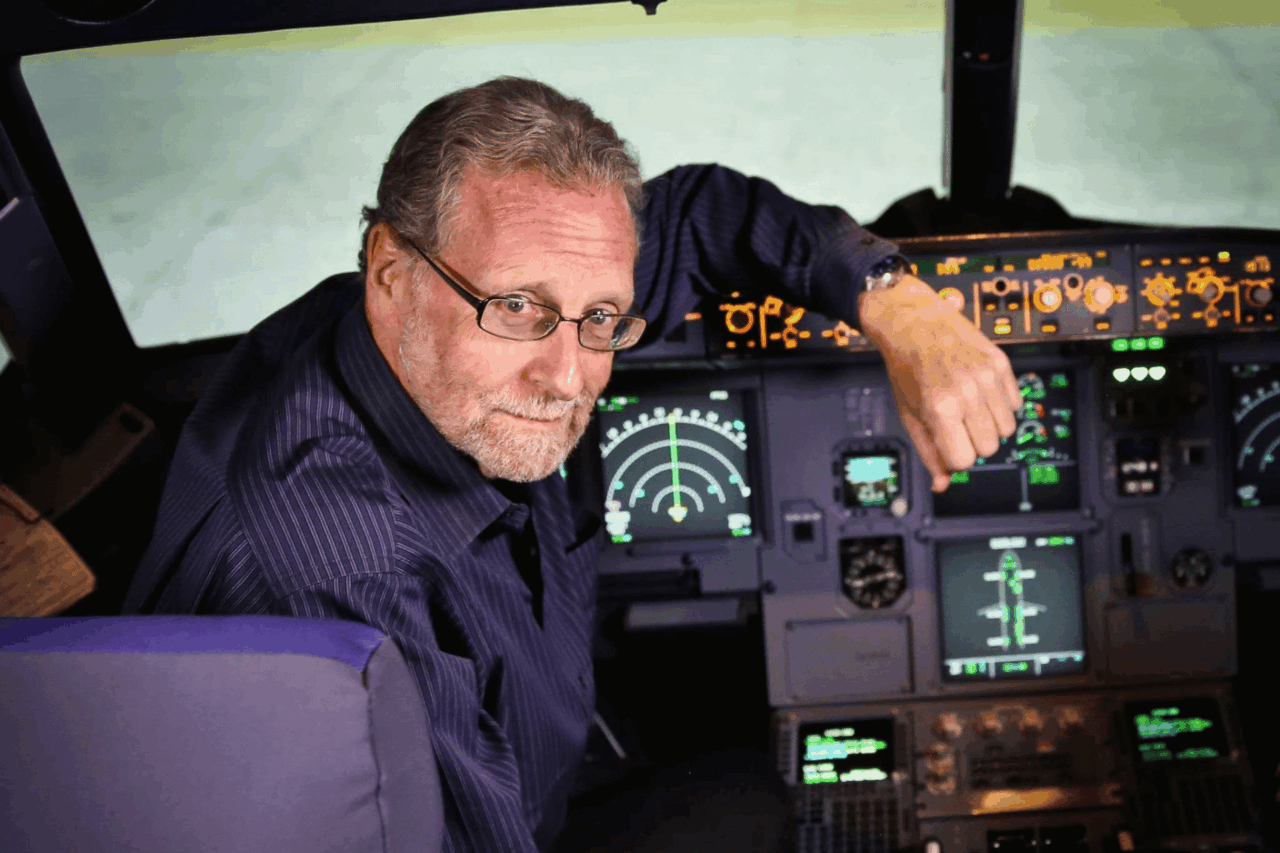
For decades, Peter Greenberg has reported from the front lines of global travel, documenting not only destinations, but the systems, politics, and people behind them. In this conversation with WLCC, the Emmy Award-winning journalist discusses editorial independence, cultural understanding, and why the travel industry risks losing its human value.
World Luxury Chamber of Commerce: You’ve reported from some of the world’s most influential destinations. What does travel reveal about power and leadership that other perspectives often miss?
Peter Greenberg: Travel is actually the great equalizer, no matter what your position of power and leadership. The travel experience represents common ground and ultimately transcends power, ego, or political persuasion. And the result of that travel experience often reveals true leadership and the understanding and ability to recognize the true power and effect of travel.
WLCC: As an investigative journalist reporting on the travel industry as news, how do you determine what warrants scrutiny, and where do you draw the line between promotion and accountability?
PG: Promotion, by definition, requires accountability. In the process of promoting travel, the industry is making a promise that is often not delivered, either in the process of travel itself or in the overall delivery of the experience. It is part of my mandate as a journalist to make sure the promise is kept.
WLCC: Through The Royal Tour, you’ve explored nations alongside their Heads of State. What have these experiences taught you about the difference between access and true cultural understanding?
PG: A Royal Tour allows me, and the audience, to see a country through the eyes of its leader. There are no political speeches or campaign rallies. Just two people on a road trip, one of whom just happens to run a country. And in that travel process of cultural immersion, what inevitably happens is that the country is not only humanized, but so is the leader.
WLCC: You’ve witnessed decades of change in global travel. What shift in how we move, or why we move, do you believe will define the next era?
PG: My concern is that economic interests are driving a diminishing of service, of cultural experience, and understanding. The leadership of innovative, smart, culturally sensitive CEOs running the travel industry has given way to a CFO mentality more concerned and obsessed with cost instead of value, more motivated by delivering shareholder value than genuine, memorable service and experience. And as a result, we are on the dangerous threshold of crossing over from travelers and authentic human and value-driven experience to just passengers and commodities.
WLCC: Luxury today is often linked to authenticity and cultural depth. From your perspective, what separates meaningful destinations from merely fashionable ones?
PG: What distinguishes destinations (and a definition of luxury) is not material goods but time, space, and conversation. True luxury is when you have meaningful options, and the time to choose and use them as a shared experience with others.
WLCC: After years of reporting across continents, what continues to surprise you about people, regardless of geography or status?
PG: It is their curiosity and insatiable appetite for learning and understanding that transcends traditional borders. It’s not about any language barriers, but the quest for embracing the human condition as a starting point for bridging what were once impossible gaps.
WLCC: In an industry increasingly driven by sponsored content and social media influence, how do you protect editorial independence and maintain investigative standards?
PG: This is the biggest challenge for me, and for my audience. I have a rule in all of my productions and news reports; no entity can sponsor a show in which they appear. We also don’t allow for any product placement. And in the writing, we work hard to make sure we avoid absolute terms, and no words can end in the letters “st.” (best, most, finest, et al). And, in a growing world embracing the promise (but not properly addressing the danger) of AI, how can you seek, and then verify facts? How can you make informed, intelligent decisions when you can’t trust the information you’ve been given? Or the visuals you see? How can you trust the current media platforms? In the end, it gets down to our taking individual responsibility for developing our own trusted sources, and not letting technology or expediency take precedence over basic common sense and getting the truth. And that gets down to my own sense of responsibility in making sure I do the strong work that allows me to be one of those trusted sources.
Thank you, Peter! Follow Peter on LinkedIn for travel insight, investigative reporting, and global perspectives from one of the industry’s most respected journalists. Explore more at his official website:
www.petergreenberg.com