Have a question? Call now! +16468108764

Exclusive Interview: Alberto Menegatti on Human Insight as Luxury’s Last Advantage

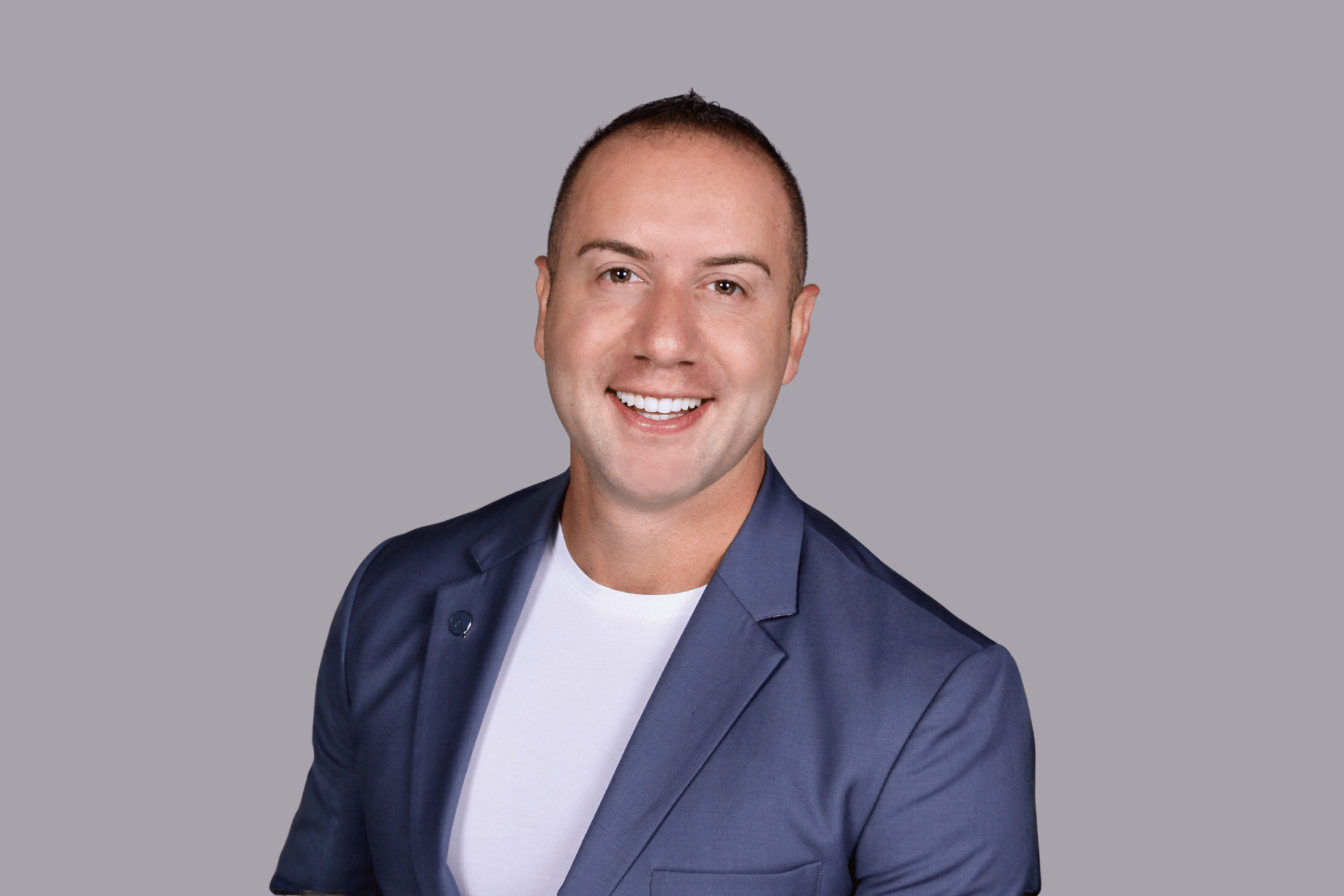
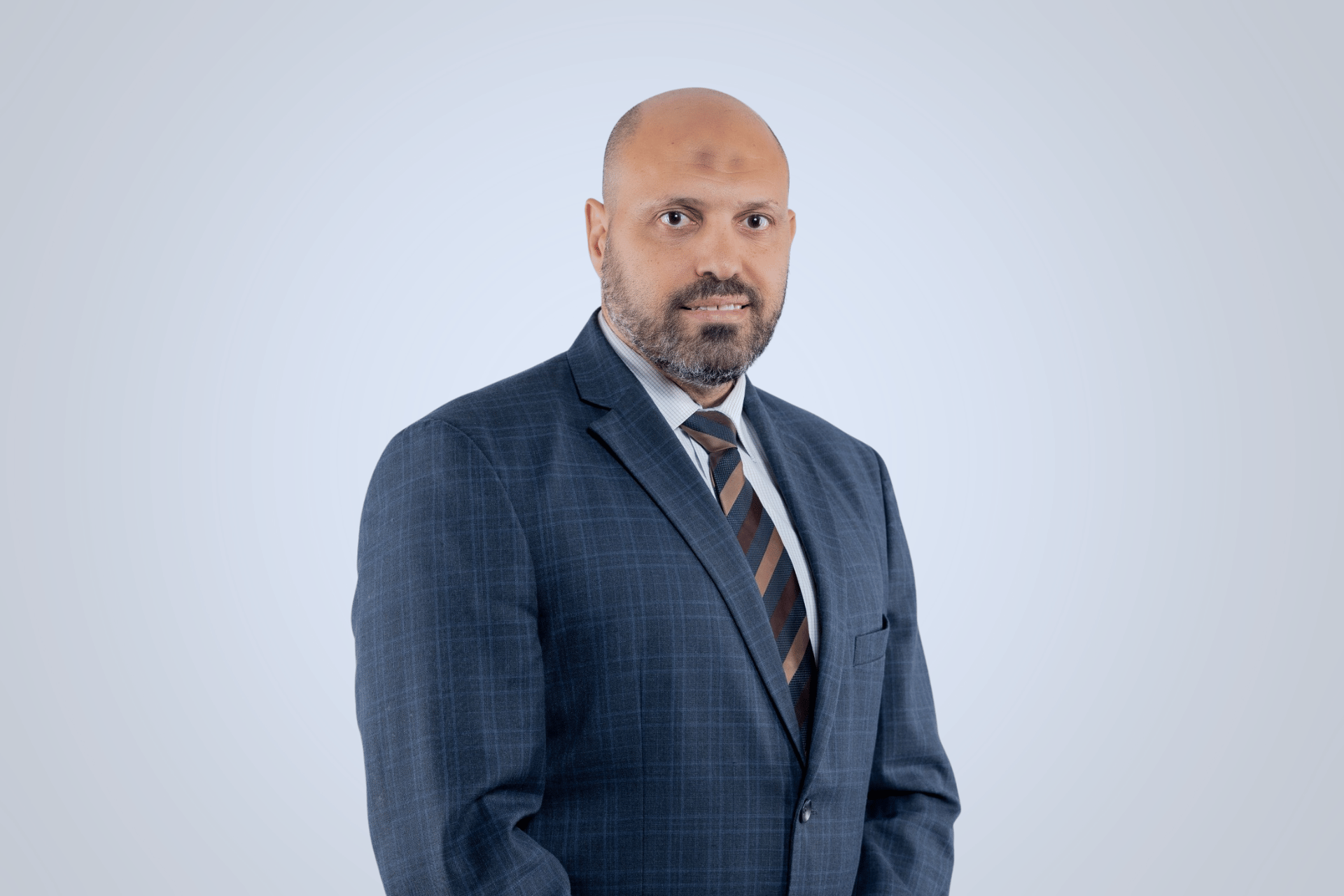
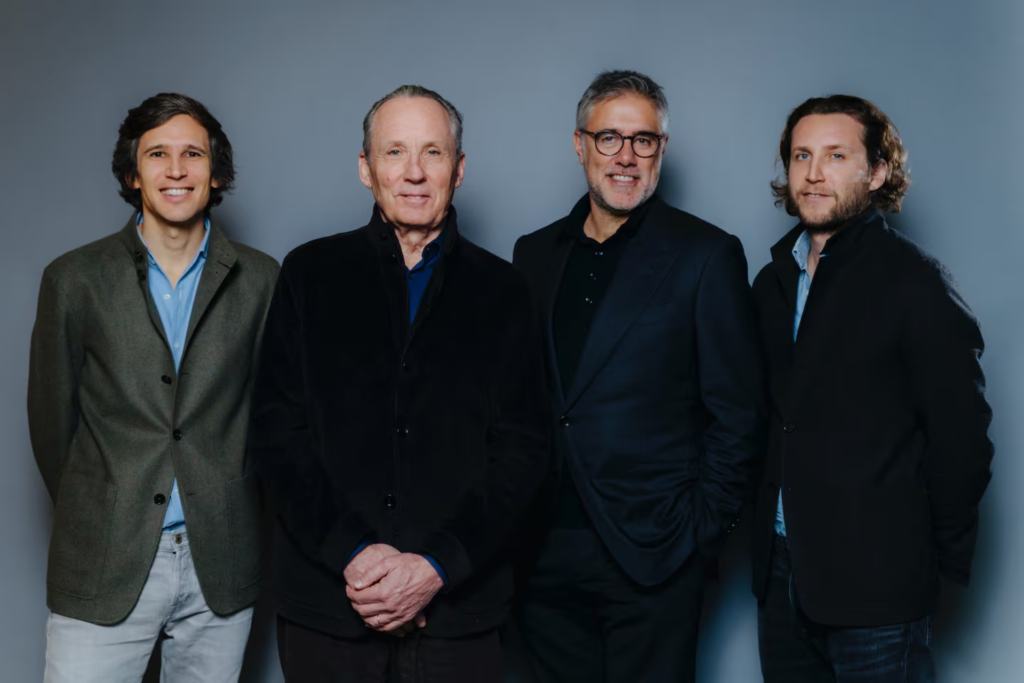
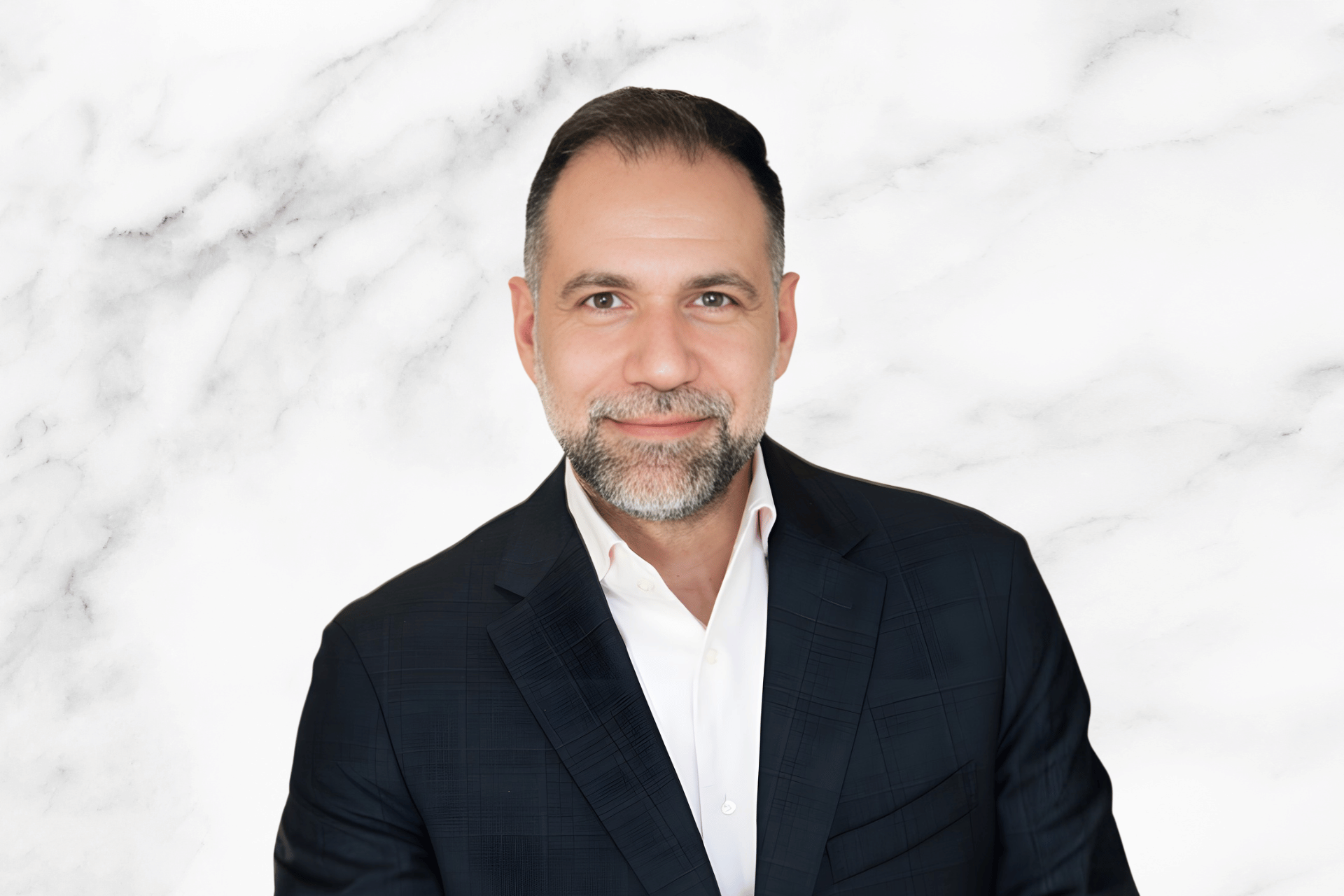
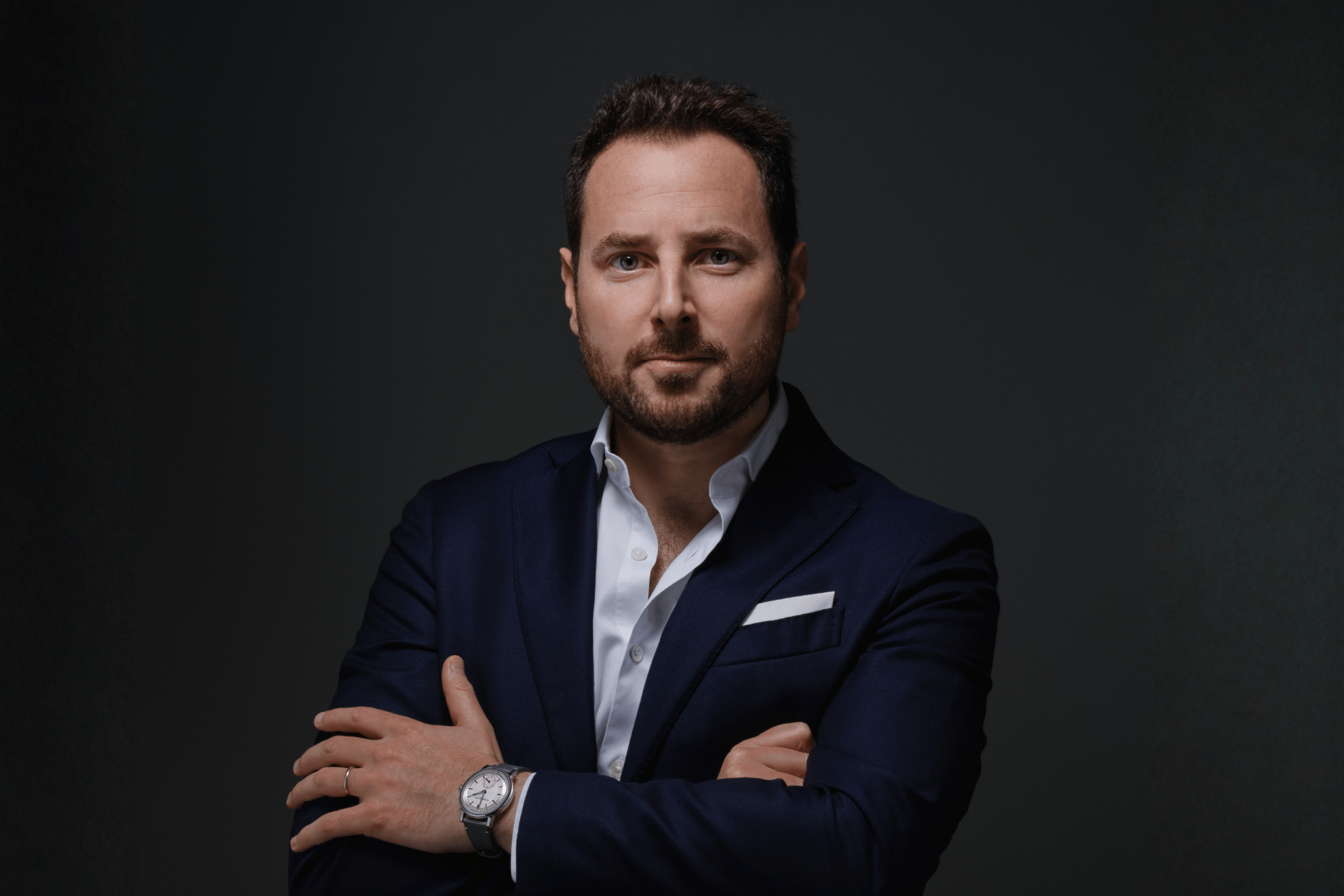
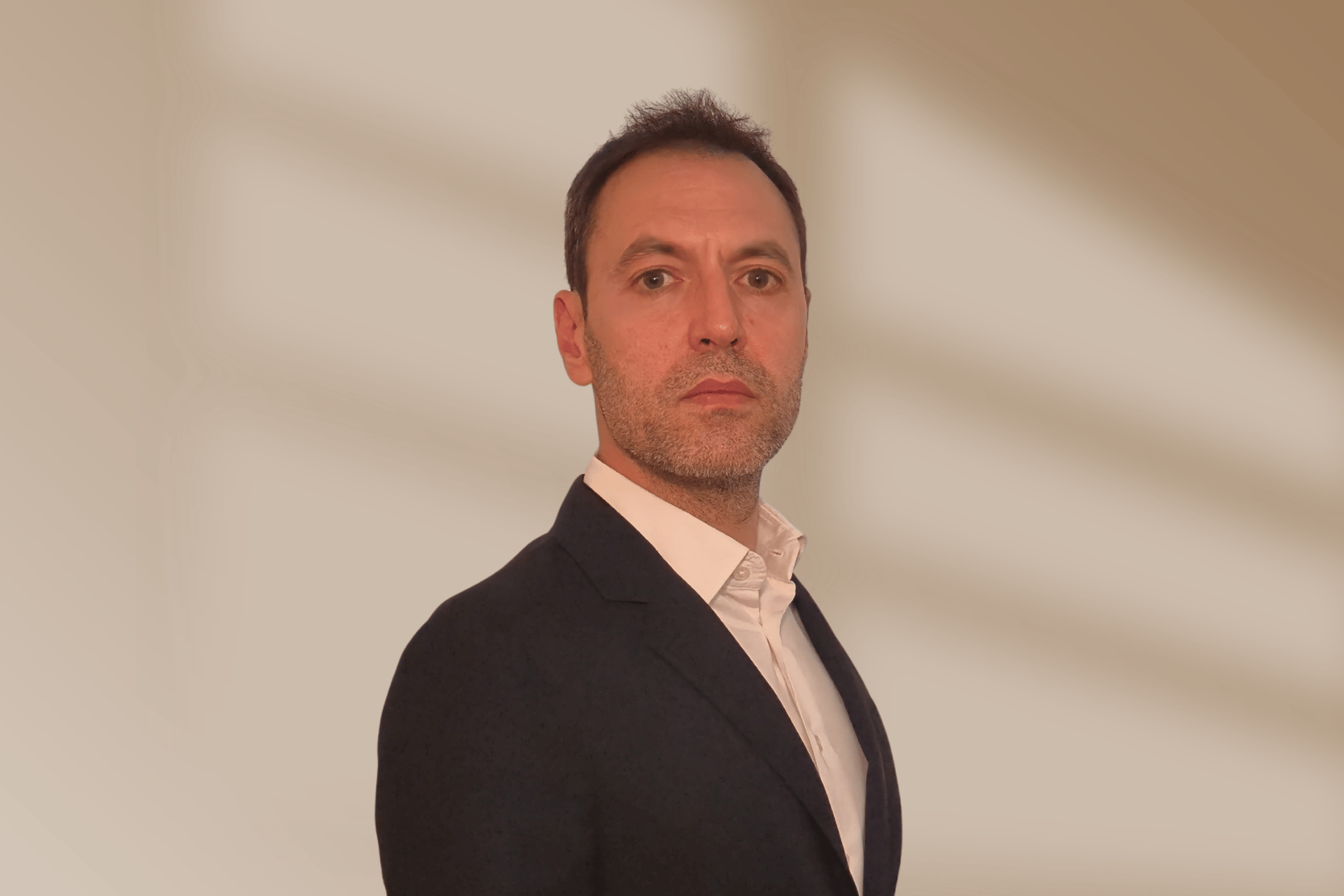
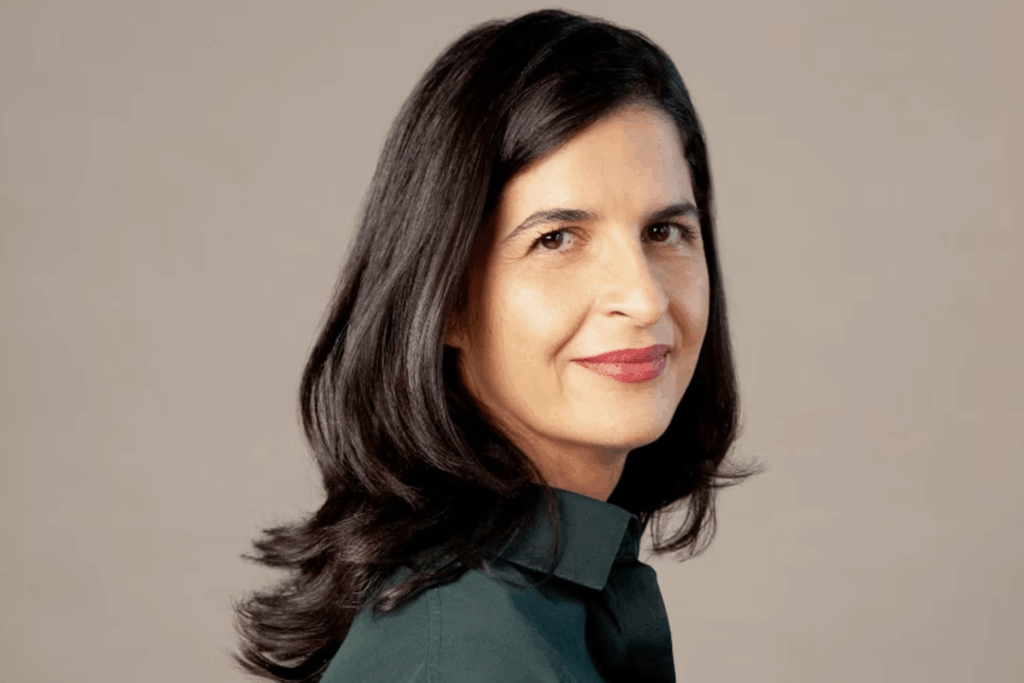
In this exclusive interview, the World Luxury Chamber of Commerce presents a compelling conversation with Alberto Menegatti, newly appointed to the WLCC Board. The discussion, held by Alexander Chetchikov, President of the World Luxury Chamber of Commerce, explores Alberto’s perspectives on leadership, innovation, and the evolving dynamics of the global luxury sector. As a seasoned executive known for bridging heritage-rich creativity with cutting-edge digital transformation, Alberto offers deep insight into the challenges and opportunities facing luxury brands today. His addition to the WLCC Board marks a significant moment for the organization as it continues to elevate cross-industry dialogue and foster the next generation of luxury leaders.

Alexander Chetchikov: Alberto, welcome to the WLCC Board! What excites you most about joining this community, and how do you envision contributing to its mission of connecting and supporting leaders across the luxury industry?

Alberto Menegatti: What excites me most is the opportunity to be part of a global community that brings together leaders from such a wide spectrum of the luxury world. The conversations that happen within WLCC — across fashion, hospitality, real estate, yachts, wellness, and art — are incredibly rich. Many of the challenges we face today are shared across sectors, and I believe there is immense value in creating spaces where ideas can cross-pollinate.

I hope to contribute by fostering even more knowledge exchange within the community, particularly by supporting initiatives that strengthen cross-industry dialogue and create meaningful exchanges between emerging brands and experienced leaders. My goal is to add perspective, share what I’ve learned from my experience in brand building and strategic marketing, and help expand WLCC’s role as a catalyst for collaboration and forward thinking in the luxury ecosystem and as a platform that nurtures talent and elevates the next generation of luxury entrepreneurs.

AC: You’ve led major initiatives at a globally renowned luxury fashion house that connect digital innovation with brand heritage. How do you balance maintaining a luxury brand’s tradition while delivering modern, data-driven experiences?

AM: Balancing heritage and innovation starts with recognizing that they are not opposing forces. A brand’s history gives depth and purpose to innovation — and thoughtful innovation, in turn, ensures that heritage continues to resonate.

For me, the balance comes from having a clear understanding of what the brand stands for: its codes, its values, and the emotions it wants to evoke. Heritage anchors the narrative, while data helps us fine-tune how that narrative comes to life for different audiences and moments.

Digital initiatives, because of their scale and visibility, offer a unique opportunity to show a broad audience what the brand truly represents. When technology is used as an enabler, it helps extend the brand universe in a way that feels modern, intuitive, and fully coherent with its identity. This is where innovation becomes meaningful: when it reinforces, rather than competes with, the brand’s essence.

AC: From your perspective, what distinguishes effective leadership within a creative organization at a leading global luxury fashion house, where artistry and business objectives must work hand in hand?

AM: Effective leadership in a creative environment is rooted in trust, clarity, and the ability to create the conditions for creativity to thrive while staying anchored in a strategic vision.

Great leaders are translators: they bridge creative intuition and business ambition, ensuring that teams feel both inspired and aligned. In practice, this means giving enough space for ideas to take shape, while providing a clear framework — whether it’s the brand’s long-term direction, client expectations, or commercial opportunities.

It also requires empathy. Creative and business teams both share the same goal: building cultural relevance and long-term value. Leaders who can connect these worlds, protect the creative process, and maintain strategic discipline are the ones who create the most meaningful outcomes.

AC: Omnichannel marketing is often discussed as the gold standard for luxury retail. In your view, what are the most critical elements brands overlook when creating a seamless customer journey?

AM: The first is consistency of service and emotion. Many brands focus on harmonizing systems and touchpoints, but the emotional dimension — how the brand makes you feel at every step — is often inconsistent across channels.

The second is the role of the client advisor. Technology is essential, but in luxury the human moment is irreplaceable. Brands sometimes underestimate how much data, digital tools, and content should be designed to empower people, not replace them.

Third, brands sometimes overlook the transitions: how a client moves from inspiration to research, from social media to store, from store to post-purchase. Seamlessness is not created within channels but between them.

Lastly, omnichannel requires a long-term cultural shift inside the organization. It’s not a project — it’s a mindset that touches product, operations, communication, and service. When brands treat omnichannel as a technology challenge rather than a holistic transformation, the experience inevitably feels fragmented.

AC: Mentorship seems to be a personal passion of yours. What do you believe young professionals entering the luxury sector need most from mentors today?

AM: They need clarity, perspective, and confidence.

More than ever, young professionals need mentors who can help them see the bigger picture. The luxury industry is complex, fast-evolving, and increasingly influenced by technology, shifting customer expectations, and global cultural dynamics. It’s easy for someone early in their career to get absorbed in day-to-day tasks without understanding how their work connects to the broader ecosystem of the brand.

A strong mentor can give them that perspective — helping them understand how creativity, strategy, operations, and customer experience all intersect.

I also believe they need exposure: to different functions, geographies, and ways of thinking. The most valuable mentorships show young talents how interconnected this industry is, and how careers grow through curiosity and cross-functional learning.

Finally, they need mentors who encourage them to nurture their own curiosity. The best growth happens when someone feels safe to ask questions, challenge assumptions, and explore new ways of thinking. In a sector like luxury — where heritage and innovation coexist — that curiosity is often what makes young talent truly stand out.

AC: Looking ahead, what do you foresee as the next major shift in how luxury brands will connect with their customers globally?

AM: The next major shift will come from the convergence of personalization, cultural relevance, and experience.

Clients increasingly expect brands not only to know them — but to understand them. This means connecting data, creativity, and human insight to build experiences that are tailored yet meaningful, global yet locally resonant.

We will also see a stronger emphasis on value-driven engagement: brands will need to articulate not only what they offer, but what they stand for. Clients are looking for authenticity, responsibility, and emotional depth, not just product excellence.

Finally, the relationship between brands and clients will become more circular. Instead of linear journeys, brands will build ecosystems that keep clients engaged beyond the moment of purchase.

In essence, the future of luxury will be built on relationships that are more personal, more human, and more continuous.

Thank you, Alberto! Alberto’s reflections reveal a leader driven by curiosity, empathy, and a genuine desire to elevate others. His approach to innovation and mentorship resonates strongly with the WLCC’s purpose, making his appointment to the Board especially meaningful. The WLCC community is delighted to welcome him and eager to see the impact of his vision and generosity of spirit in the months ahead.

Want to read more exclusives? Check out our news and insights: https://worldluxurychamber.com/insights-news/ & sign up for our newsletter here: https://worldluxurychamber.com/wlcc-community/

WLCC Appoints Jeremie Bernheim of RAYMOND WEIL to Board of Directors

The World Luxury Chamber of Commerce (WLCC) is pleased to welcome Jeremie Bernheim, Chief Marketing Officer of RAYMOND WEIL S.A., as the newest member of its Board of Directors. Bernheim brings nearly 20 years of international experience in marketing, sales, and strategy, shaping some of the world’s most recognized brands across both consumer goods and luxury sectors.

Bernheim began his career at Procter & Gamble, progressing through roles of increasing responsibility before joining Kellogg’s and later taking on leadership positions at Philip Morris International. His work has consistently demonstrated a unique ability to bridge creativity and strategic foresight while delivering strong results across global markets.

In his current role as Chief Marketing Officer of RAYMOND WEIL, he has introduced a refreshed vision to the historic Swiss luxury watchmaker, driving global expansion while staying true to the brand’s heritage. Known for his passion for building meaningful connections between brands and consumers, Bernheim is recognized for inspiring teams and championing innovative approaches in evolving industries.

As a member of the WLCC Board, Bernheim will help further the Chamber’s mission to drive sustainable growth, elevate industry standards, and guide the next generation of luxury leaders through mentorship and collaboration.

Alexander Chetchikov, President of the World Luxury Chamber of Commerce, shared his enthusiasm regarding the appointment: “Jeremie’s strategic mindset, creativity, and global leadership experience make him an outstanding addition to our Board. His background in both major consumer brands and luxury houses brings valuable perspective to our community. We are delighted to welcome him and look forward to the insight he will bring as we continue to strengthen and elevate the global luxury ecosystem.”

For more information about the World Luxury Chamber of Commerce and its initiatives, please visit www.worldluxurychamber.com.

Monaco Yacht Show Market Report 2025 By SuperYacht Times

The luxury arena continues to evolve as global economic forces, policy shifts, and changing client expectations influence the direction of the superyacht sector. The Monaco Yacht Show Market Report 2025, produced by SuperYacht Times, offers a precise examination of these dynamics at a moment when the industry adapts to softer demand in certain categories while maintaining considerable strength in larger yacht segments. With the Monaco Yacht Show once again serving as the primary stage for new launches, brokerage activity, and strategic dialogue, the report outlines the forces shaping the year and the structural trends defining the fleet.

Market Conditions in 2025

New-build activity has slowed compared with the peak of recent years. From January to July 2025, sales declined by around 10% year-on-year, driven mainly by reduced movement in yachts below 45 metres. GRP-led production, traditionally dominant in this size range, faces longer sales cycles and increased stock. At the same time, shipyards continue to deliver vessels at high levels due to capacity expansions initiated after 2021. Larger yachts—especially above 50 metres- maintain steadier demand, though with lengthier negotiations and a more selective buyer base.

Fleet Structure and Construction Landscape

The global fleet now comprises more than 6,100 yachts over 30 metres, with the 30–40 metre category remaining the largest share. However, the in-built profile indicates gradual movement toward greater volumes and larger dimensions, supported by 588 yachts currently under construction. Italy leads in output, Turkey in the number of active yards, and the Netherlands in high-value tonnage. This distribution reflects a diversified but increasingly specialized global production environment.

Used Market Stability and Shifts in Buyer Focus

The used sector remains steady, with 200 yachts sold in the first seven months of 2025, similar to last year, yet with higher average tonnage. Availability has stabilised at 17% of the operational fleet, offering slightly more choice than in the highly constrained years following 2021. Key brokerage hubs include Florida, Italy, and France. Interest is strongest above 50 metres, where new-build timelines are longest.

Refit Activity and Global Expansion

Refit demand remains strong with close to 2,200 visits recorded in 2024. The United States leads in overall activity, Spain in work on the largest yachts, and Italy in total facility count. New investment continues across the Middle East and Turkey, where expanding capacity reflects rising regional participation in the sector.

Charter and Ownership Developments

The charter fleet has expanded, intensifying competition in the 30–50 metre segment, while larger yachts continue to secure most early bookings. Ownership trends show continued growth among US, Greek, and Turkish owners, with regional data confirming North America’s leading role.

The 2025 market reflects adjustment rather than contraction. Larger segments remain stable, the used market shows healthy movement, and refit facilities continue expanding. As the year progresses, the balance between elevated production levels and moderated demand in mid-size categories will define the industry’s trajectory.

WLCC Perspective: HNW clients are prioritising pedigree, immediacy, and customisation, which explains the resilience of the used and refit sectors. In this environment, trust and owner referrals have become the most powerful drivers of new business.

Access the Complete 2025 Superyacht Market Report:

https://www.monacoyachtshow.com/media-file/318930/mys-market-report-2025-21-9.pdf

Stay up to date on the latest luxury industry news: https://worldluxurychamber.com/insights-news/     

The Weekly Edit: AI Challenges, IHG & Four Seasons Moves, Lalique Reopening & More

Welcome to The Weekly Edit, your curated digest of the latest in the world of luxury. Each week, WLCC brings you a handpicked selection of industry news, insights, and stories influencing the future of high-end fashion, design, travel, real estate, and beyond. Consider this your insider’s guide to the latest in luxury. 

The Hidden Value Gap Blocking AI Adoption in Luxury 

Daniel Langer argues that luxury brands struggle to scale AI because most initiatives focus on efficiency rather than emotional impact. While companies test tools like virtual stylists, tagging systems, and clienteling apps, these pilots rarely grow because they fail to align with Added Luxury Value (ALV), the psychological premium that fuels desire and loyalty. Many projects improve speed or accuracy but don’t strengthen brand meaning or deepen emotional connection. Younger clients also expect AI to function quietly in the background. Langer says real progress requires designing AI around a brand’s cultural code, emotional relevance, and signature service moments. 

Via: JINGDAILY

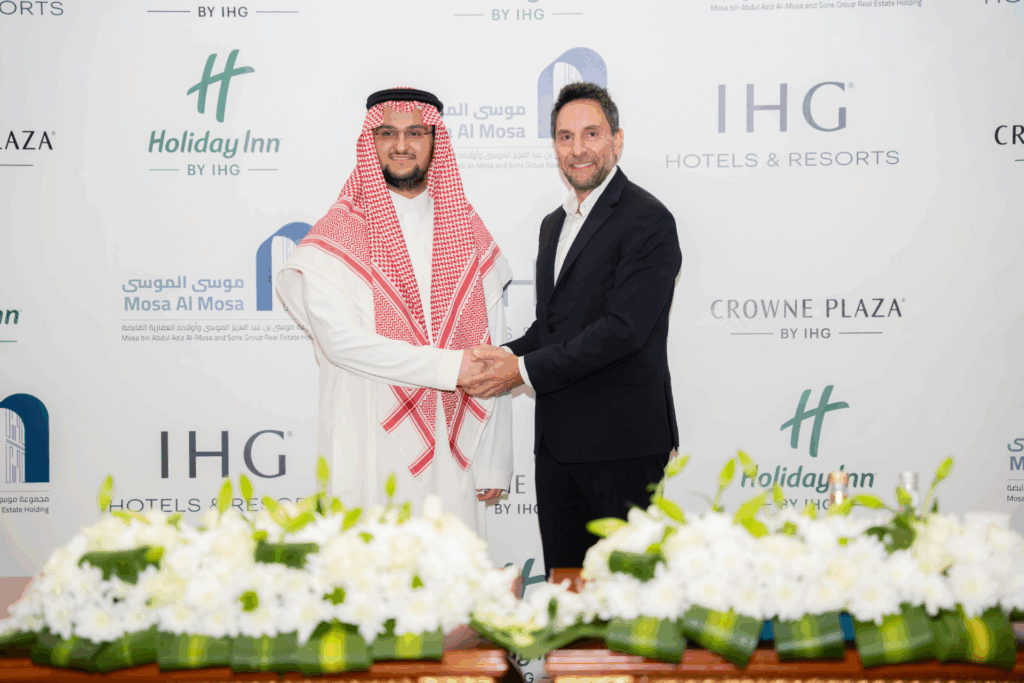
IHG Signs Dual Agreement to Grow Portfolio in Key Saudi Markets 

IHG Hotels & Resorts has signed a dual management agreement with Mosa bin Abdul Aziz Al-Mosa and Sons Real Estate Holding Co. to open two new properties in Saudi Arabia: Crowne Plaza Al Khobar Al Bandariyah and Holiday Inn Riyadh Rose Yard. Together, they will add more than 330 rooms to IHG’s national portfolio and support the country’s Vision 2030 tourism goals. The Al Khobar hotel, opening in early 2027, will be located near the Corniche, with strong regional connectivity. The Riyadh property, opening in late 2026, will feature the brand’s updated Open Lobby concept. Both hotels will join IHG’s existing 46 properties across Saudi Arabia. 

Via: IHG

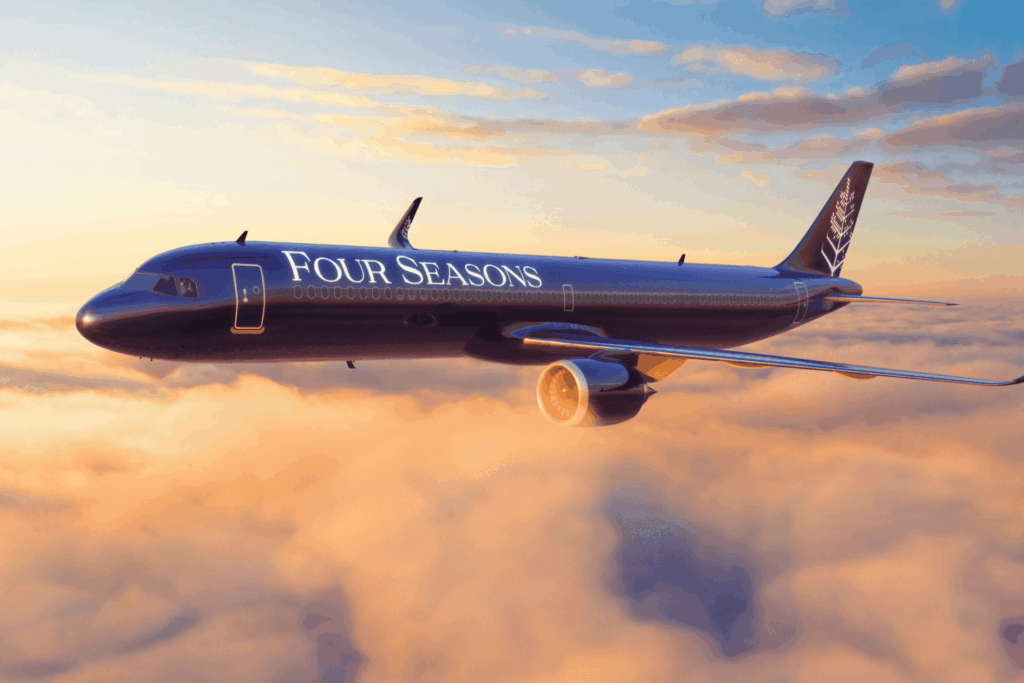
New Multi-Property Four Seasons Journeys Bring Travelers Closer to Local Culture 

Travelers craving deeper cultural meaning now have a new way to explore the world: Four Seasons has introduced Insider Itineraries, a series of multi-property journeys in Bali, Spain, and Mexico shaped directly by local Four Seasons teams. The programs combine stays across multiple hotels with exclusive access, regional expertise, and experiences that connect guests to traditions, landscapes, cuisine, and community. Each itinerary includes activities such as private museum access, wellness rituals, chef-led cooking classes, nature immersion, and behind-the-scenes artistic encounters. With a dedicated point of contact managing every detail, the collection offers an elevated approach to multi-destination travel. 

Via:  Four Seasons

Above: Image from LALIQUE  

Paris Welcomes Lalique’s New Flagship Space 

Paris sparkles anew as Lalique reimagines its historic flagship at 11 rue Royale, reopening on 18 November 2025 to mark 90 years since its first establishment at the iconic address. Designed as the apartment of a cosmopolitan artist couple, the 115 m² space blends heritage and modernity, light and material, emotion and artistry. Visitors are greeted by sixty crystal swallows in motion, luminous arches, and floral-inspired floors, exploring seven pillars of the Maison: decorative objects, interior design, tableware, jewellery, art, fragrances, and hospitality. The boutique celebrates René Lalique’s legacy while projecting a contemporary vision of the art of living. 

Via: LALIQUE  

Beyond the Surface: Dynamics of Extreme Wealth in 2025 By Altrata 

The ultra-wealthy are reshaping global luxury. Altrata’s World Ultra Wealth Report 2025 shows that individuals with ultra-high net worth now hold unprecedented levels of wealth. Concentrated in major cities and fueled by finance, industry, and technology, this elite group drives demand for high-value goods, private jets, yachts, fine art, and experiential luxury. Younger wealth creators favor technology and innovative assets, while legacy holders focus on preservation. Beyond spending power, UHNW individuals form networks of dozens of peers, amplifying influence and opportunity. For luxury brands, understanding these trends, generational shifts, and concentrated hubs is essential to capture both consumption and connections. 

Via: WLCC 

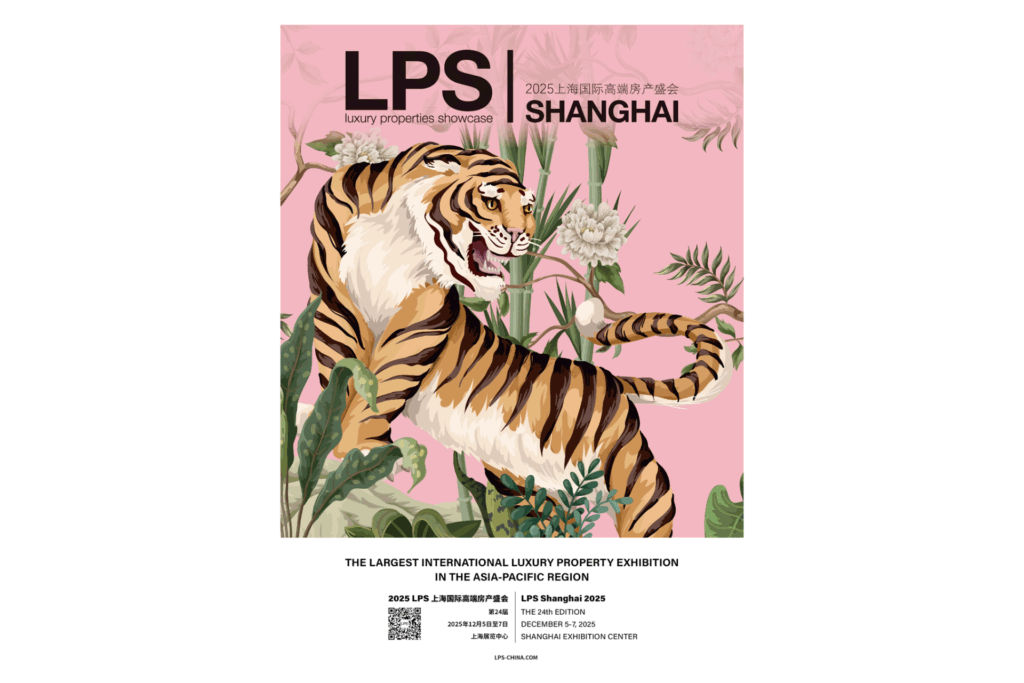
LPS Shanghai

LPS Shanghai, Asia-Pacific’s leading luxury real estate exhibition, features over 180 luxury real estate developers and companies from more than 50 countries that will showcase unique properties to Chinese luxury homebuyers at the historical downtown monument – Shanghai Exhibition Center. With support from FERRETTI GROUP, HANG SHENG BANK, and over 220 Official Partners, this global event offers the perfect platform for buyers to establish connections with leading property experts, facilitating seamless interactions and business opportunities.

Information: 5-7 December | Real Estate | Shanghai, China

Via: WLCC


Stay ahead of the curve; explore more stories, register for upcoming events, and join the conversation with WLCChttps://worldluxurychamber.com/insights-news/    

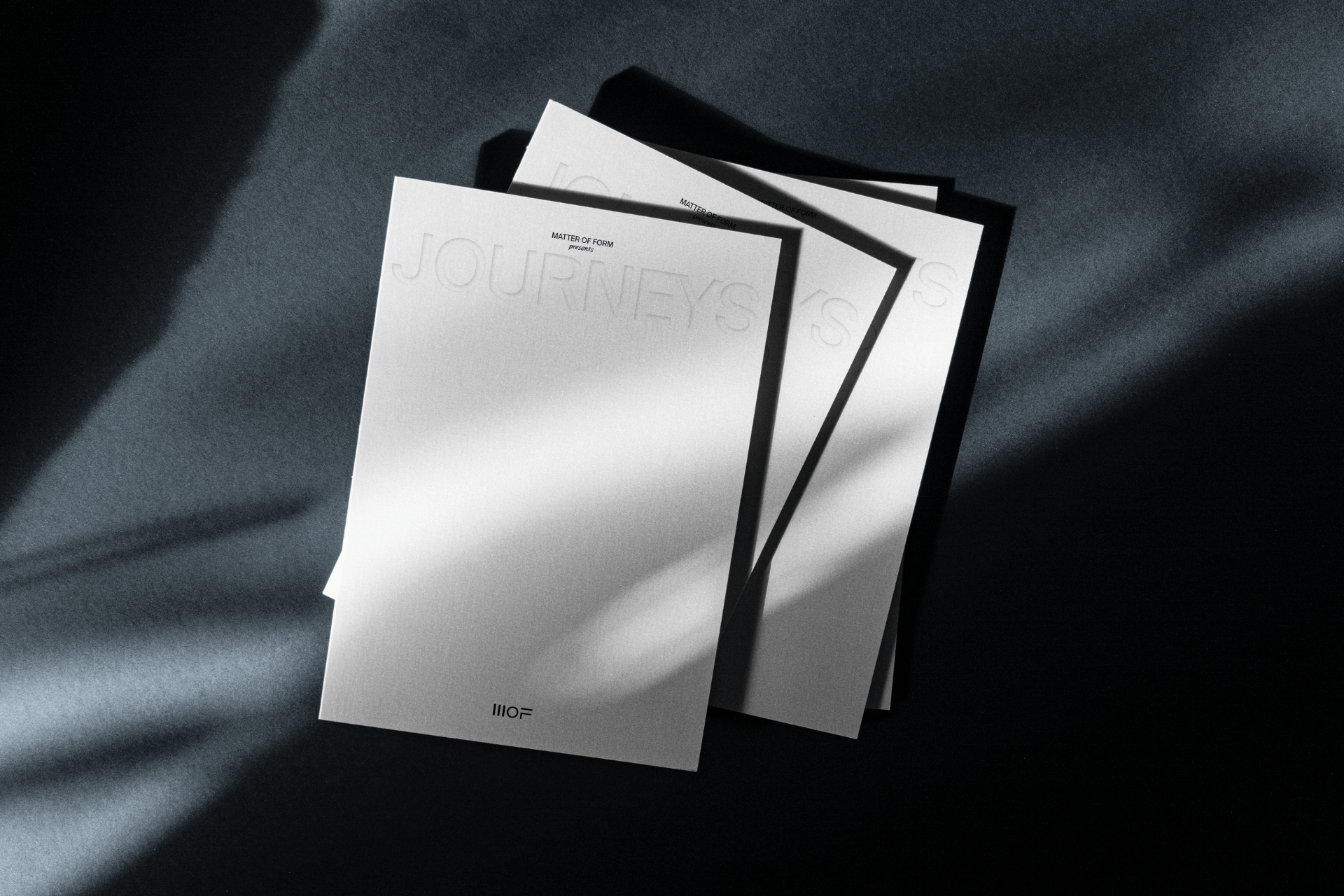
JOURNEYS: Rethinking How Luxury Brands Create Value Through Experience

Luxury has never been defined by price alone. It’s shaped in the mind – by story, memory, and the subtle choreography of interactions that determine how a brand makes someone feel. JOURNEYS, the latest paper from luxury consultancy Matter Of Form, explores this truth through insights drawn from conversations with over 30 leaders across hospitality, travel, and tourism, including Accor, Mandarin Oriental, Jumeirah, Soneva, Design Hotels, and Regent Seven Seas.

What emerges is a clear message: modern luxury isn’t a funnel, it’s a sequence. A tapestry of moments that build belief over time. When brands optimise every touchpoint purely for speed or conversion, they flatten and fracture their own value. When they design with intention, connecting spirit and experience, emotion and function, they create the conditions for loyalty that lasts.

From early signals in the journey to the role of ritual, sensory design, innovation loops, and the evolving expectations of the contemporary traveller, JOURNEYS offers a grounded, practical framework for brands ready to move beyond familiar tropes and towards richer, more resonant connection.

The luxury audience has changed. Their expectations have changed. Their definition of value has changed. JOURNEYS was written to encourage brands to rise and meet that shift.

Download your copy now: https://journeys.matterofform.com/

Beyond the Surface: Dynamics of Extreme Wealth in 2025 By Altrata

The high-stakes financial sphere governing global luxury begins and ends with the fortunes of the Ultra High Net Worth (UHNW) population. In the pursuit of market validation, the most crucial metric for the year has arrived: the “World Ultra Wealth Report 2025” by Altrata. This authoritative analysis provides essential data regarding the individuals classified as UHNW, defined as those holding a net worth exceeding $30 million. Following a period of global economic adjustments, the report confirms a substantial resurgence, showcasing robust growth that directly impacts the purchasing power and strategic priorities relevant to the high-value goods and services market. This segment of the population not only commands immense financial resources but also acts as a primary catalyst for innovation and consumption across high-end industries globally.

Key Insights into the Ultra Wealth Population

The central finding of the 2025 report is the significant expansion of the UHNW group’s total holdings. The total net worth of the UHNW class rose by 6.7% to $59.8 trillion at the end of June 2025 (and by 11.6% in 2024). This growth underscores the segment’s capacity for wealth generation and capital preservation even amidst fluctuating macro-economic conditions, demonstrating a potent source of stability for partners within the luxury ecosystem.

The findings highlight several significant trends shaping the distribution and character of this wealth cohort:

  • Geographic Concentration: While wealth growth was broad, specific regional and urban centers acted as primary hubs for the accumulation of UHNW capital. A substantial proportion of new wealth generators are situated in established financial capitals, although secondary, high-growth markets continue their ascent.
  • Generational Dynamics: The generational transfer of wealth is accelerating, introducing distinct consumer behaviors. Younger wealth creators (under 50) show a greater propensity for investment in technology, contemporary assets, and experimental, high-value experiences, contrasting with the preservation strategies typical of older wealth holders.
  • Source of Wealth: The majority of individuals in this tier generated their fortunes through finance, industry, and technology ventures. This suggests that the highest value consumption patterns will continue to follow trends established in these high-velocity sectors.
  • Investment Holdings: Private holdings and alternative investments, particularly in sectors related to digital transformation and bio-science, constitute a growing proportion of UHNW portfolios, signaling a move toward asset classes with higher growth potential.

Top Categories: Goods, Cars, and High-Value Assets

The concentration of UHNW individuals in certain global cities continues to intensify the localized demand for specialized luxury offerings, including exclusive property, private aviation, and collectible asset markets. The ultra wealthy comprise 1% of the global millionaire population, yet hold 32% of this group’s total wealth.

The ultra wealthy dominate spending on private jets, yachts, and fine wines, while luxury cars remain their largest purchase category due to occasional high-value buys. They are also increasingly focusing on experiences, allocating $45 billion annually to luxury hospitality and fine art, the latter appealing as both an experience and a long-term investment.

Connections That Drive Influence and Opportunity

The ultra wealthy are not only high-value clients or donors themselves but also serve as influential connectors to other wealthy individuals. Each UHNW (ultra-high-net-worth) person typically knows at least 70 other UHNW individuals, creating a powerful network built through business, board memberships, philanthropy, and social interactions. Organizations that leverage these networks through personal introductions can significantly expand their reach, relationships, and impact, whether for commercial, organizational, or philanthropic goals.

Essential Takeaways

The findings presented in the World Ultra Wealth Report 2025 provide essential context for understanding the current landscape of global capital. The expansion of total wealth and the evolving demographics within the UHNW category signal a strong footing for the high-end market. For industry insiders, these figures confirm that strategic positioning in major wealth centers and a focus on personalized engagement are paramount to capture the expenditure of this influential group. The patterns of wealth generation and subsequent consumption described in this report serve as the authoritative blueprint for commercial strategy over the coming year, emphasizing the need for adaptable services that meet the distinct expectations of a financially dominant yet varied clientele.

WLCC Perspective: The greatest untapped asset is the UHNW network itself. The value of an ultra-wealthy client as an introducer is often overlooked. With the average UHNW individual having a direct connection to over 70 other UHNW individuals, a single positive relationship can unlock exponential, high-quality client growth through personal referral, the most effective form of client acquisition

Discover the hidden power of the world’s richest. Download the World Ultra Wealth Report 2025 today: https://altrata.com/reports/world-ultra-wealth-report-2025

Stay up to date on the latest luxury industry news: https://worldluxurychamber.com/insights-news/  

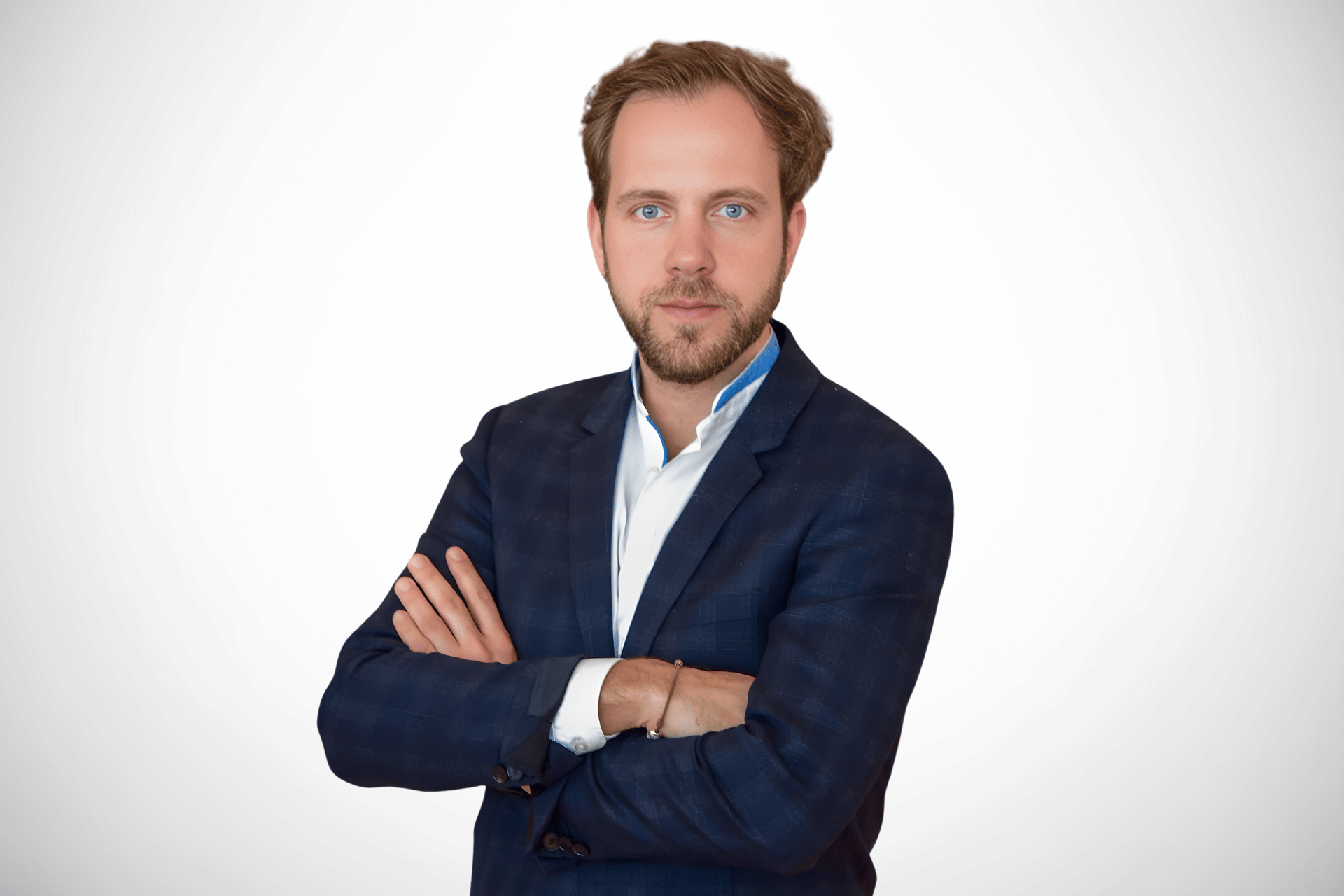
World Luxury Chamber of Commerce Welcomes Alberto Menegatti as New Board Member

Senior Brand, Marketing, and Omnichannel Leader at Gucci joins WLCC to strengthen leadership in luxury innovation, customer experience, and mentorship.

The World Luxury Chamber of Commerce (WLCC), the leading global network connecting the luxury industry’s most influential brands and leaders, is delighted to announce the appointment of Alberto Menegatti to its Board of Directors.

With over 15 years of experience in luxury retail marketing, omnichannel customer experience, digital transformation, and corporate strategy, Alberto brings invaluable expertise to the WLCC. As Senior Brand, Marketing, and Omnichannel Leader at Gucci – one of the world’s most iconic and prestigious luxury fashion houses – he has led transformative initiatives that blend operational excellence with elevated brand experiences on a global scale.

Starting his career in management consultancy and progressing through leadership roles at Gucci and the Kering group, Alberto is recognized for his holistic leadership style. He excels at fostering collaboration across diverse teams, empowering talent, and driving growth strategies that consistently enhance customer engagement across all sales channels. Holding an MBA from SDA Bocconi and a degree in economics, he combines strategic vision with strong financial insight to deliver meaningful business results.

Beyond his executive achievements, Alberto is passionate about mentorship. He currently mentors emerging leaders in the luxury sector and is eager to help develop WLCC’s mentorship programs designed to support and guide new luxury brands. His dedication to nurturing talent and encouraging innovation aligns perfectly with WLCC’s mission to promote growth and collaboration across the luxury industry.

“We are excited to welcome Alberto Menegatti to the WLCC Board,” said Alexander Chetchikov, President of WLCC. “His deep expertise in digital innovation, omnichannel strategy, and mentorship will be invaluable as we continue to support both established and emerging luxury brands worldwide.”

As a Board member, Alberto will play a key role in advancing WLCC’s mission to foster sustainable growth, set industry standards, and cultivate the next generation of luxury leaders through mentorship and collaborative leadership.

For more information about the World Luxury Chamber of Commerce and its initiatives, please visit www.worldluxurychamber.com.

The Weekly Edit: Record Art Sales, Luxury Retail Battles, New Hermès Beauty Leadership, & More

Welcome to The Weekly Edit, your curated digest of the latest in the world of luxury. Each week, WLCC brings you a handpicked selection of industry news, insights, and stories influencing the future of high-end fashion, design, travel, real estate, and beyond. Consider this your insider’s guide to the latest in luxury. 

Above: Image from ARTnews 

Klimt’s ‘Portrait of Elisabeth Lederer’ Fetches $236.4M at Auction 

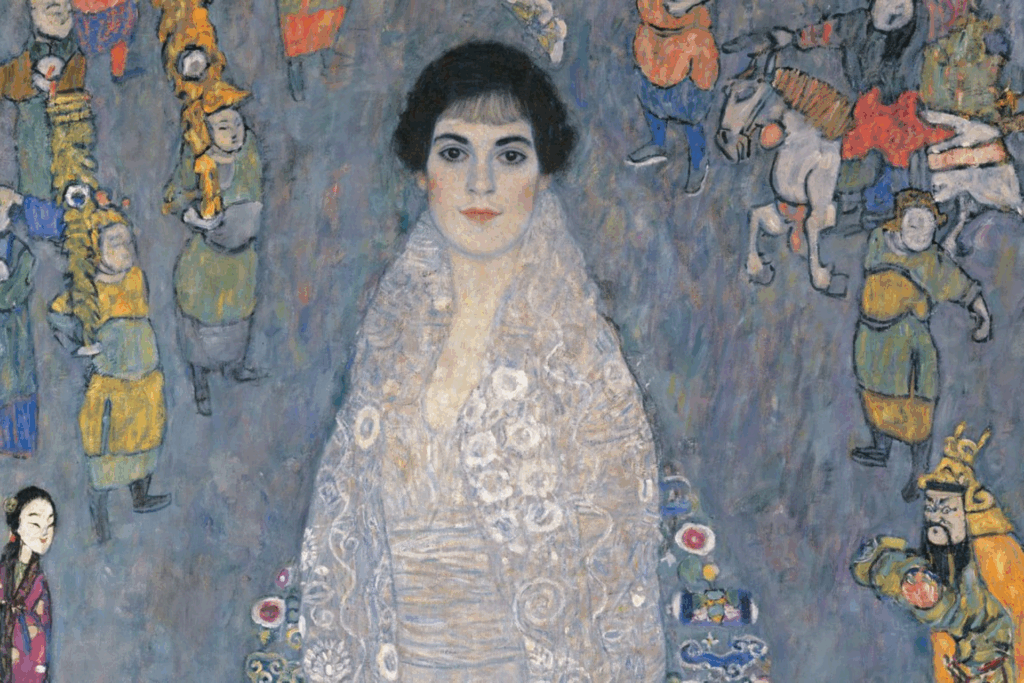
Gustav Klimt’s Portrait of Elisabeth Lederer sold at Sotheby’s for $236.4 million after a prolonged bidding contest, setting new highs for both the artist and any modern artwork at auction. Opening at $130 million, the work drew two competing phone bidders before selling for a $205 million hammer price. The portrait led the sale of the Leonard A. Lauder Collection, acquired by Lauder in the 1980s. Created between 1914 and 1916 and completed after years of revisions, the painting survived wartime seizure and was returned to the family in 1948. Its sale now ranks second only to Salvator Mundi in auction history. 

Via: ARTnews 

Holiday Season Spurs Fierce Competition Among American Multi-Brand Retailers 

This holiday season, American luxury retailers are aggressively competing for shoppers as Saks struggles and Ssense faces bankruptcy. Competitors, including Bloomingdale’s, Mytheresa, FWRD, and Nordstrom, are targeting top customers, vendors, and employees from weakened rivals. Saks has faced declining sales, late payments, and leadership changes, while healthier players are hosting events, enhancing personal shopping, and investing in technology to boost loyalty. Retailers aim to differentiate through service, inventory, and exclusive experiences. Despite broader economic challenges, some brands report growth, showing that demand for luxury remains, especially among top clients who drive a large share of revenue. 

Via: BOF 

Luxury Group Richemont Sees Sales Climb to €10.62 Billion 

Swiss luxury group Richemont reported strong performance in the first half of its financial year, driven by its jewellery and watch brands, including Cartier, Van Cleef & Arpels, and Buccellati. Group sales rose 5 percent to €10.62 billion, with notable growth in the US (+15%) and Europe (+23%). The company highlighted the importance of its established market presence and brand desirability, which helped maintain resilience despite economic pressures such as US tariffs. Exceptional pieces in jewellery, watches, and accessories continued to attract consistent demand across regions, contributing to overall revenue growth and market optimism. 

Via: Jeweller Magazine 

Above: Image via Rachael Griffiths from BOF 

Hermès Names Anne-Sarah Panhard Head of Perfume and Beauty Division 

Hermès has appointed Anne-Sarah Panhard as managing director of perfume and beauty, effective November 1, succeeding Agnès de Villers. Panhard previously led Hermès Maison and presided over its silverware label, Puiforcat, and joined the company in 2011 as general manager of its Faubourg Saint-Honoré flagship. De Villers will remain chairwoman of Hermès perfume and beauty and take on a new role as executive vice-president of Hermès Maroquinerie-Sellerie métiers. The appointment follows a five percent decline in perfume and beauty sales in the third quarter, attributed mainly to a lack of new product launches, signaling a need for renewed momentum in the division. 

Via: BOF 

Diamond Transparency Takes Center Stage in De Beers’ Latest Report 

De Beers Group has issued its 2025 guidance to address the growing presence of synthetic diamonds in the market and reinforce industry transparency. The updated framework requires Sightholders to separate natural and lab-grown stones, conduct thorough supply-chain risk assessments, and use accredited gemmological testing tools. Smaller diamonds (0.08 carats and below) are now covered by the Melee Assurance Protocol, which ensures traceability, secure packaging, and third-party verification. By clearly defining natural, synthetic, and simulant diamonds, the guidance strengthens accountability throughout the supply chain, supports honest disclosure, and protects consumer confidence in the authenticity of diamonds globally. 

Via: WLCC 


Stay ahead of the curve; explore more stories, register for upcoming events, and join the conversation with WLCChttps://worldluxurychamber.com/insights-news/    

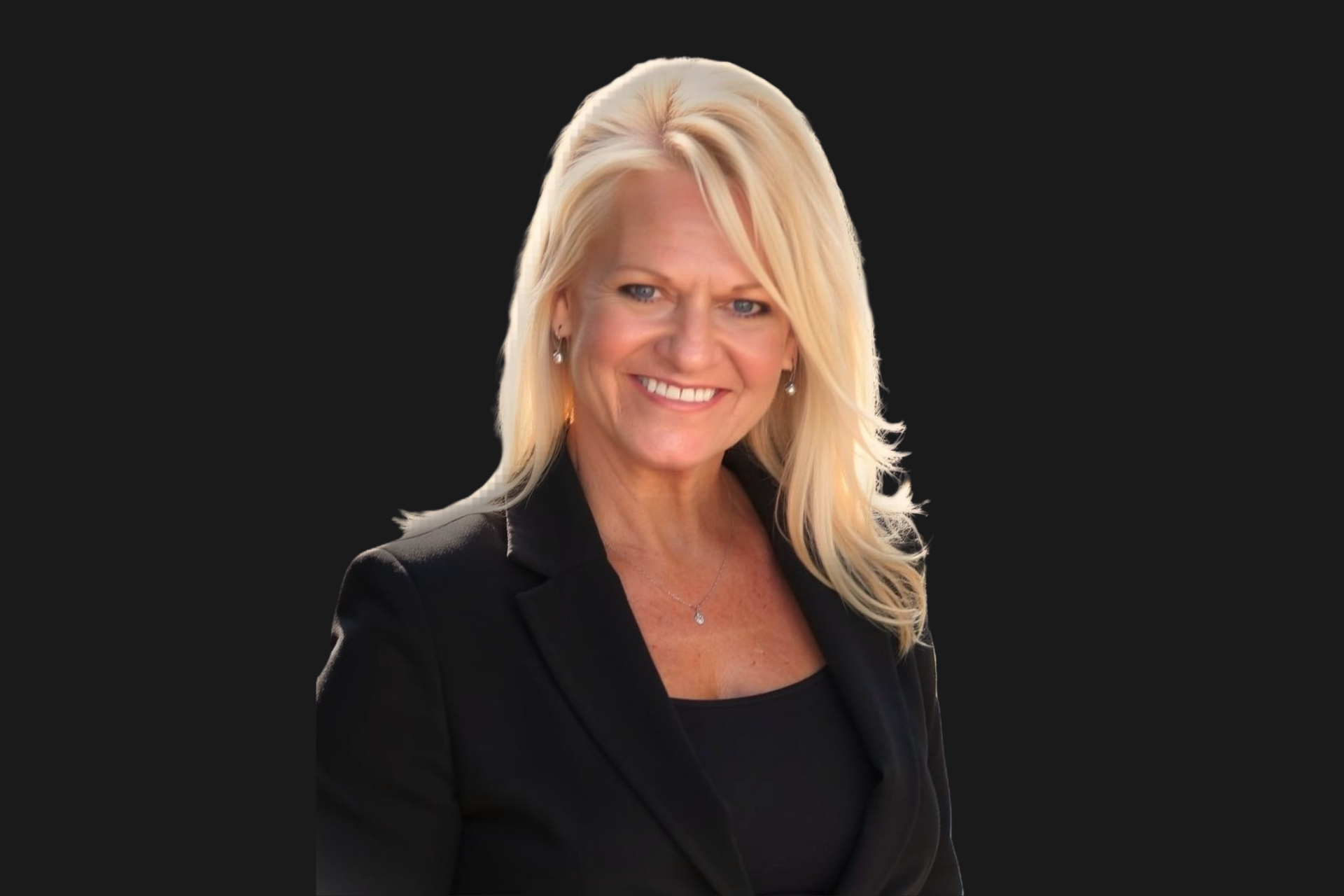
WLCC Appoints Visionary Real Estate Leader Kassie Smith to Its Board of Directors

The World Luxury Chamber of Commerce (WLCC) is proud to announce the appointment of Kassie Smith to its Board of Directors, marking a significant expansion of the Chamber’s leadership as it accelerates global growth and elevates its influence across luxury markets.

With an award-winning 27-year career spanning real estate development, luxury hospitality, mixed-use master planned communities, international investment strategy, and luxury destination creation, Kassie brings a rare combination of vision, technical mastery, and global development expertise. Her appointment strengthens WLCC’s strategic capabilities in luxury real estate, destination hospitality, and investment partnerships – key verticals driving the next era of value for WLCC members.

As Founding Partner and President of the first project development companies in Las Vegas, Kassie has shaped some of the most iconic luxury environments in the world. Her leadership portfolio includes development consultant to prominent brands; Lake Las Vegas Resort, Trump International, Mandarin Oriental, City Center Las Vegas, and MGM International, alongside more than 250 globally developed resort villas for premier luxury brands including Ritz-Carlton, Hilton, Marriott, and PGA West.

Kassie is recognized for her ability to combine bold vision with highly disciplined development execution – from acquisition and planning to design, construction, and complex financial modeling. Today, she advises and leads investment-driven development initiatives for sophisticated global investors, family offices, and private funds.

A Strategic Addition to WLCC’s Global Mission

Kassie’s expertise will directly support several WLCC priorities:

  • Expanding WLCC’s footprint in luxury real estate, hospitality, and destination-driven investment ecosystems.
  • Strengthening the Chamber’s global leadership circles by attracting top-tier developers, investors, and hospitality innovators.
  • Guiding high-impact partnership models for the WLCC membership community.
  • Shaping advisory programs for members seeking access to international development, capital strategies, and joint ventures.
  • Elevating WLCC’s brand influence across premium lifestyle, luxury travel, and real-asset-driven sectors.

Statement from WLCC Leadership

“Kassie embodies the pioneering spirit of global luxury development,” said Alexander Chetchikov, President of WLCC. “Her portfolio, her vision, and her leadership mindset align perfectly with WLCC’s mission to unite the world’s most influential luxury innovators. Her presence on our Board strengthens our ability to create world-class opportunities for our international membership community.”

Statement from Kassie Smith

“WLCC is uniquely positioned to shape the future architecture of the global luxury sector. Its role as a convener of influential leaders, brands, and innovators has never been more important. I am honored to join the Board at this pivotal moment and contribute to strengthening WLCC’s strategic direction, expanding its global presence, and accelerating the development of high-impact initiatives that elevate the Chamber’s influence worldwide. My focus will be on advancing visionary projects, deepening our partnerships across luxury real estate, hospitality, and investment ecosystems, and supporting the evolution of WLCC as a global force in luxury leadership and thought innovation.”

For more information about the World Luxury Chamber of Commerce and its initiatives, please visit www.worldluxurychamber.com.

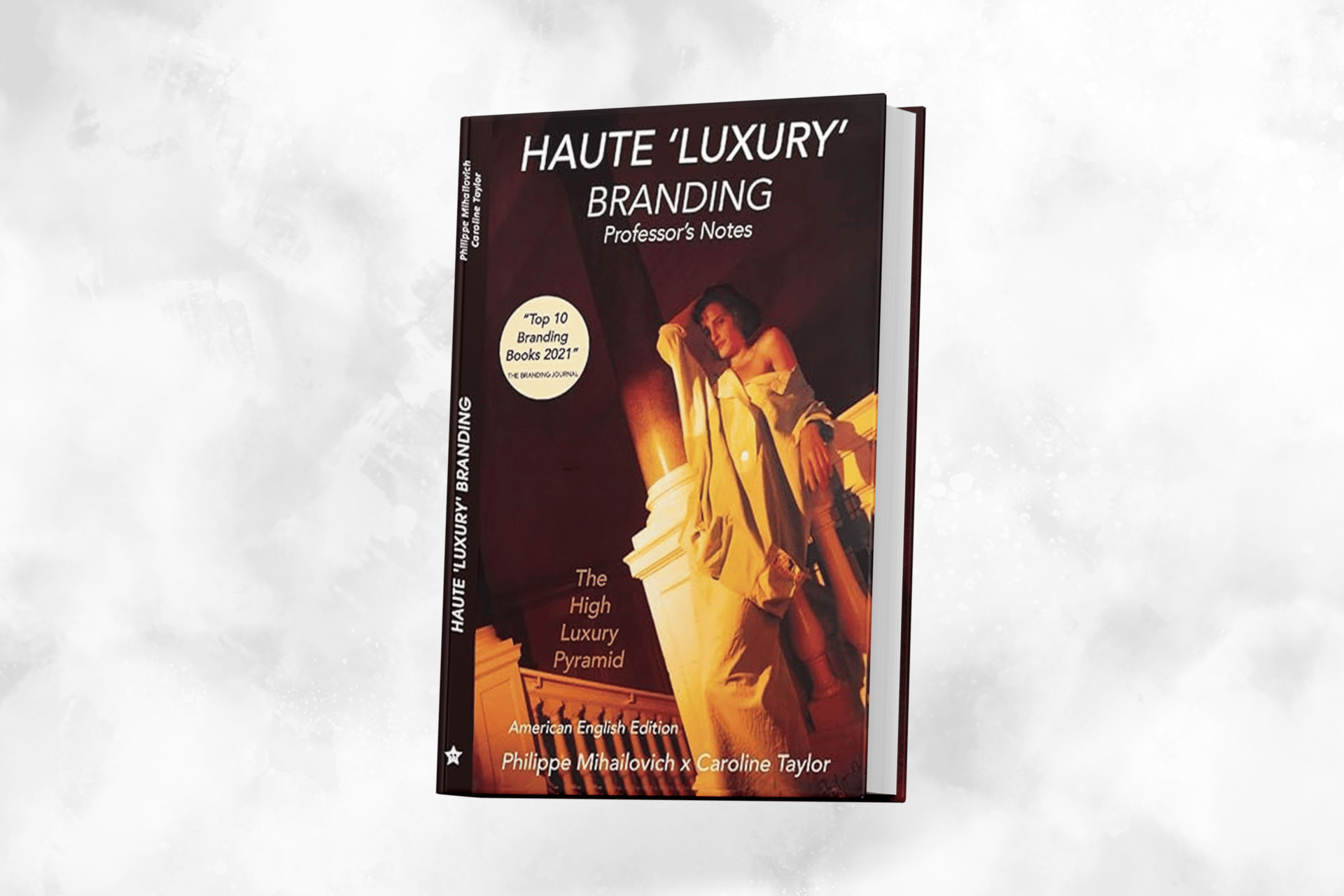
Luxury Library: HAUTE LUXURY BRANDING by Philippe Mihailovich & Caroline Taylor 

Author: Philippe Mihailovich & Caroline Taylor
Publication Date: 2025
Amazon Rating:
 4

The WLCC Luxury Library is a vital hub for luxury professionals and enthusiasts, offering a curated collection of insights, trends, and knowledge in the luxury sector. Tailored for members of the World Luxury Chamber of Commerce, it offers up-to-date resources on branding, marketing, and high-end consumer behavior. Through a focus on learning and collaboration, the Luxury Library seeks to inspire innovation and raise the bar within the luxury sector. 

What truly separates a luxury brand from a haute luxury maison? Haute Luxury Branding by Philippe Mihailovich, Caroline Taylor, and Alane Brunschweiger addresses this question with clarity and depth, providing readers with a structured framework for understanding the pinnacle of brand positioning. Written by Philippe Mihailovich and Caroline Taylor, and adapted to American English by Alane Brunschweiger, the book introduces the HAUTeLUXE Pyramid, a model used in French business schools and now applied worldwide by academics and industry leaders. 

Core Lessons 

  • Luxury vs. Haute Luxury: Explains the differences between elite maisons such as Hermès, Chanel, and JAR compared with broader luxury labels like Louis Vuitton and Gucci. 
  • Maison vs. Brand: Shows how heritage, artistry, and mythology distinguish a maison from commercial brand tactics. 
  • HAUTeLUXE Pyramid: Provides a framework covering pillars such as myth creation, symbolic masterpieces, and strategies that reinforce exclusivity. 
  • Case Studies: Presents real-world examples of how leading companies maintain global desirability. 
  • Cultural Perspectives: Contrasts the French and European traditions with the Anglo-American approach to brand building. 
  • Contemporary Issues: Addresses sustainability, digital transformation, and shifting consumer behavior as they impact the luxury sector. 

The book is especially valuable for strategists and brand leaders seeking long-term positioning strategies grounded in culture, storytelling, and selective exclusivity. Whether you’re building a brand, reviving a heritage house, or studying luxury marketing, this guide gives you both theory and practical insight into how the world’s most exclusive maisons endure.

Get the book on Amazon today.   

To learn more about The Luxury Library, view the 21 must-read books. 

Diamond Truths: Safeguarding Authenticity in 2025 By De Beers Group

Authenticity remains the foundation of value, and few materials embody this principle more than the natural diamond. As synthetic alternatives grow increasingly sophisticated, De Beers Group’s “Standard Guidance: Undisclosed Synthetic Diamonds 2025” reaffirms the industry’s collective responsibility to protect transparency, integrity, and trust. The report outlines updated Best Practice Principles (BPPs) that reinforce accountability throughout the diamond supply chain, addressing the rising risk of undisclosed synthetic stones entering global markets.

Understanding Today’s Diamond Landscape

To better understand the context, the diamond industry has evolved at a faster pace than ever before in recent years. Alongside natural diamonds, formed deep within the Earth over billions of years, technology has enabled the creation of diamonds in laboratories that resemble those mined from nature almost identically. These lab-grown stones are not inherently negative; they simply represent a different category of product. The challenge arises when synthetic diamonds are sold or mixed into the natural supply without disclosure.

The guidance emerges in response to mounting reports of synthetic diamonds being misrepresented as natural. Such acts, whether deliberate or accidental, pose not only reputational risks but also potential legal consequences, including fraud investigations and the loss of Sightholder status. De Beers’ position is clear: synthetic diamonds have a legitimate market presence, but disclosure is non-negotiable.

Key Definitions and Framework

The report refines critical terminology that anchors industry standards. A diamond is defined strictly as a mineral created entirely by nature. By contrast, synthetic diamonds result from human intervention, typically through High Pressure High Temperature (HPHT) or Chemical Vapor Deposition (CVD) processes, while simulants merely imitate the appearance without sharing diamond’s natural properties. These precise definitions ensure clarity in trade, marketing, and certification.

Guidance for Sightholders

To safeguard the authenticity of stones 0.08 carats and above, Sightholders are required to conduct detailed risk assessments of their supply pipelines.
Key actions include:

  • Implementing policies that segregate natural from synthetic operations
  • Testing high-risk parcels using accredited gemmological instruments such as DiamondSure™, DiamondView™, and the Automated Melee Screening (AMS) system
  • Maintaining auditable systems that document testing, training, and incident reporting
  • Providing written and verbal disclosure of diamond origin at every stage of sale

Sightholders must establish a Chain of Accountability, a transparent assurance process confirming that every diamond is natural and untreated. This principle extends to factory controls, contractor oversight, and “Know Your Supplier” (KYS) protocols.

The Melee Assurance Protocol

Recognizing the unique challenges of smaller stones (0.08ct and below), De Beers introduces the “BPP Melee Assurance Protocol”. This mechanism verifies that these diamonds originate from natural sources and remain segregated through tamper-evident packaging, third-party auditing, and contractor verification. The system underscores traceability as a hallmark of confidence for manufacturers and consumers alike.

Safeguarding the Diamond’s Truth

The report positions transparency as both an ethical imperative and a commercial safeguard. In an age when authenticity defines luxury, De Beers’ updated framework strengthens the bond of trust between miner, maker, and consumer. It reminds the industry that the enduring allure of the diamond depends not merely on brilliance, but on the truth that lies within each stone.

WLCC Perspective: For newcomers to the industry, understanding how companies ensure transparency and authenticity is essential, as this trust forms the foundation upon which the entire luxury diamond trade is built.

Read more about De Beers’ Diamond Integrity Standards at: https://www.debeersgroup.com/sustainability/best-practice-principles

Stay up to date on the latest luxury industry news: https://worldluxurychamber.com/insights-news/  

Luxury Meets Impact: TALK No Water No Us Geneva

On Thursday, March 26, 2026, Geneva will host an exclusive gathering where luxury meets impact: TALK No Water No Us, an initiative led by WLCC Board Member Malek Semar, founder and CEO of No Water No Us. More than an event, this is a platform for high-level dialogue on water scarcity, sustainable urban living, and responsible innovation, bringing together global leaders in business, government, art, sport, and more.

Malek Semar embodies the mission he champions. Raised in a remote Algerian village in Kabylia without access to water or electricity, he developed a lifelong dedication to addressing water challenges. Since founding No Water No Us in 2018, Malek has become an international water advocate, speaker, and educator in sustainable luxury. He was named the “Great Witness of Water” at France’s Economic, Social, and Environmental Council (CESE) in 2024 and continues to drive initiatives that connect business, art, and community impact.

Malek Semar at a workshop in St. James’s Palace. Image credit: Ian Jones

No Water No US has the great honor of participating in the workshops at St. James’s Palace, hosted by His Majesty King Charles III. The organization joins a selected group of scientists, experts, NGOs, CEOs, ambassadors, business leaders, and Indigenous leaders to develop concrete solutions aimed at accelerating the transition to a Nature-First economy. Its recommendations are prepared for HM King Charles III, with the intention of supporting implementation efforts to help reshape the world as it should be. The Circular Bioeconomy Alliance (CBA) was established by HM King Charles III in 2020.

Event Details:

  • Event: TALK No Water No Us
  • Date: Thursday, March 26, 2026
  • Venue: La Réserve Hotel & Spa, Geneva
  • Host / Key Figure: Malek Semar, Founder & CEO of No Water No Us
  • Guest of Honor / Panelist: Keith James, Mayor of West Palm Beach
  • Focus: Water scarcity, sustainable urban living, and responsible innovation

This edition of the Talk will spotlight West Palm Beach as a model city for sustainable urban development. Keith James, “Strong Mayor” of West Palm Beach, will join as a guest of honor and panelist, sharing insights into the city’s successful integration of technology, ecological transition, and public-private partnerships. Together with Malek, they will guide discussions on replicable solutions and inspire actionable strategies for cities worldwide.

Malek Semar, Keith James, and Sabah Kaddouri. Image credit: NWNU

“As a Strong Mayor and CEO of my city, my greatest responsibility is to create a community where every resident has the chance to thrive. I work on a daily basis to shape the entire ecosystem for an ideal city. I am thrilled to be invited by No Water No Us to share my vision and best practices. I am sensitive to the themes promoted by the NGO and think that systemic water management should be a priority.” – Keith James.

Additional Speakers:

Left Image: Junior ZOKA, Bafétimbi Gomis, Malek Semar / Right Image: DR MAX, Malek Semar

Bafétimbi Gomis | Professional Football Player – Investor

“Water is an essential human right. As No Water No Us Ambassador, I am delighted to share my vision and commitment during this Talk, particularly through the global influence of football to better unite around just causes. Everyone should make water a top priority.”

Dr. Massimiliano Mayrhofer | Scientific Director – Palace Merano

“My region is aware of the miracle of water for health. The alpine-Mediterranean climate is what makes Palace Merano unique. I am thrilled to share my philosophy and best practices at Talk No Water No Us.”

The evening at La Réserve Hotel & Spa Geneva will feature a media studio, live interviews, entertainment, and a private networking dinner with CEOs, public officials, and cultural leaders. Sponsors will be woven into the narrative, from on-stage mentions and video features to post-event PR, ensuring a lasting association with meaningful luxury and sustainable innovation.

While the event itself is independently organized by No Water No Us, it is currently inviting sponsors who wish to contribute to its mission and gain visibility among an influential audience of business leaders, public institutions, and international media.

Sponsorship offers brands the chance to demonstrate a genuine commitment to ESG values and to be part of a high-profile platform shaping the future of sustainable innovation.

For WLCC members, this initiative represents a meaningful opportunity to stand alongside a cause that aligns with the Chamber’s vision of “Luxury with Purpose.” As a supporting partner, WLCC amplifies this dialogue within its global network, highlighting how luxury can drive social and environmental impact.

For brands seeking visibility, thought leadership, and a credible platform for ESG engagement, TALK No Water No Us offers an unparalleled opportunity to align with global sustainability leaders and the next generation of responsible luxury innovation.

Contact for sponsorship and participation: TALKGeneva@NWNU.org | https://worldluxurychamber.com/Talk_No_Water_No_Us_-_GENEVA_EN_2026.pdf

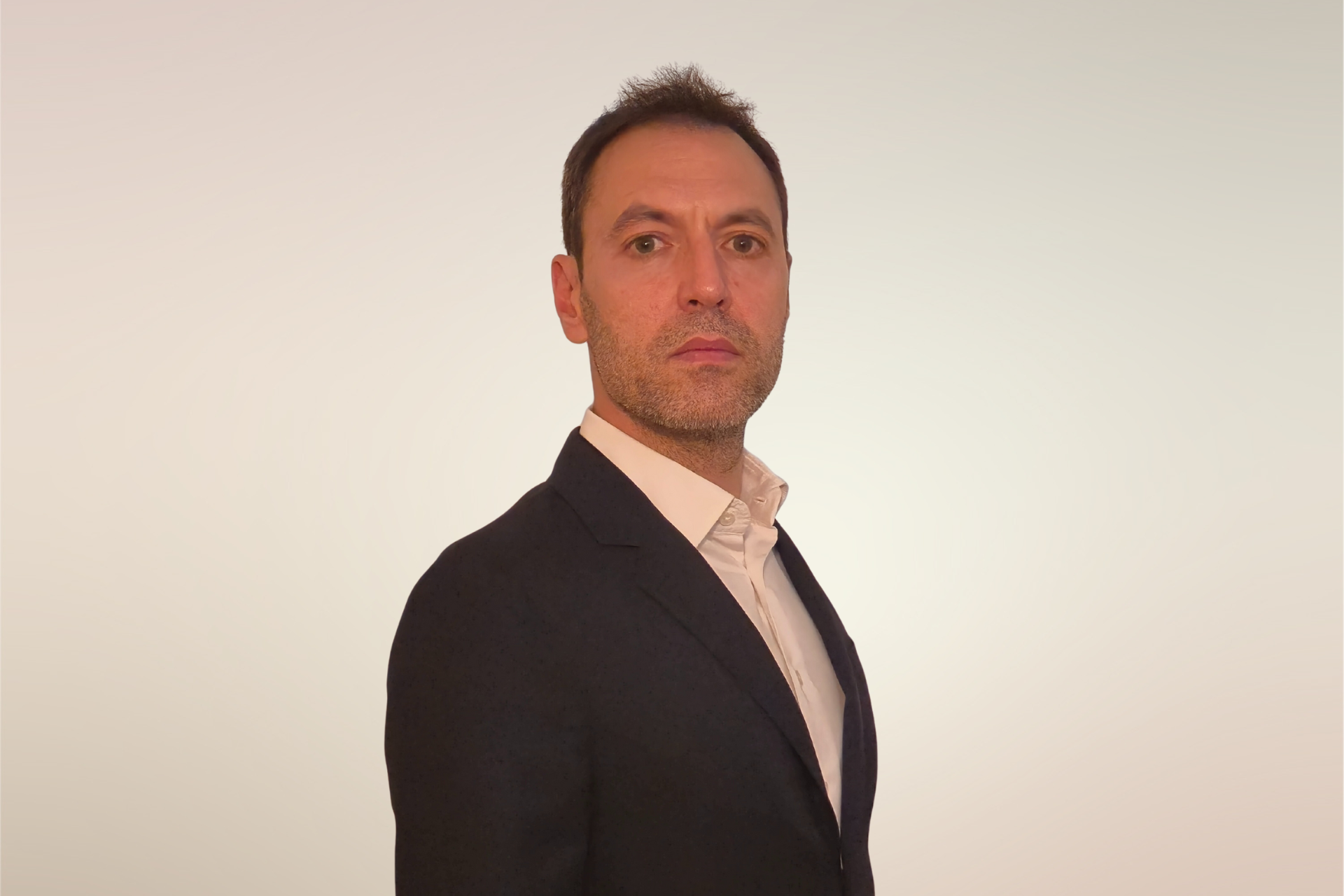
World Luxury Chamber of Commerce Welcomes Tourism Expert Iyad Rasbey to Its Board

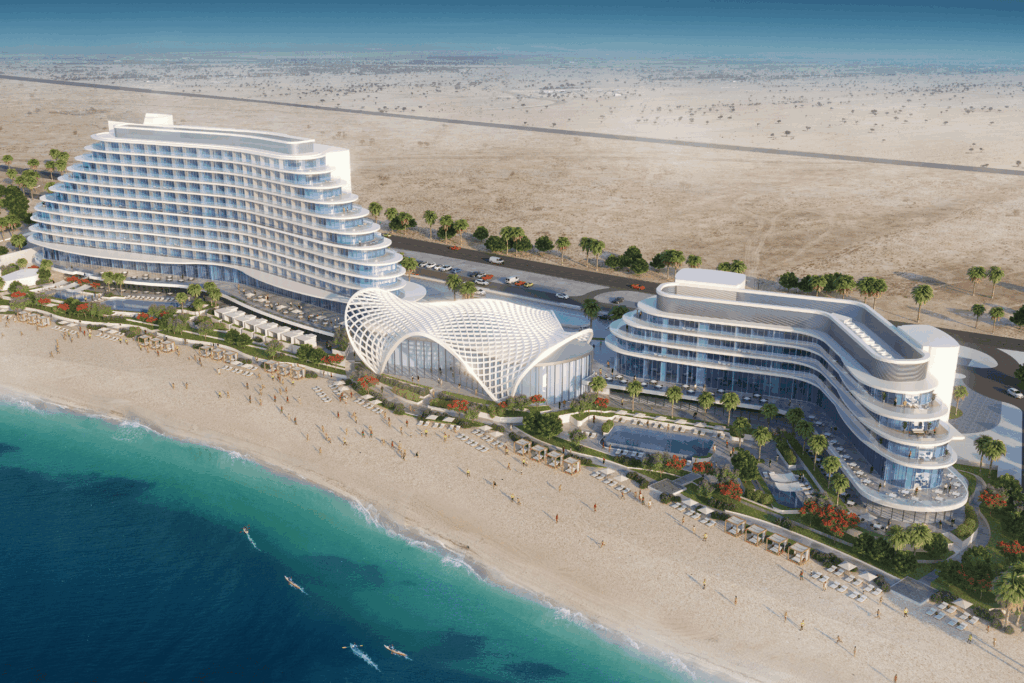
The World Luxury Chamber of Commerce (WLCC) is pleased to announce the appointment of Iyad Rasbey, Vice President of Destination Tourism Development at the Ras Al Khaimah Tourism Development Authority (RAKTDA), to its distinguished Board of Directors.

With more than two decades of experience in the global tourism sector, Rasbey brings deep expertise in global destination development and luxury positioning – further strengthening WLCC’s mission to unite visionary leaders and promote excellence across the world of luxury.

In his current capacity at RAKTDA, Rasbey directs the ongoing development of tourism in Ras Al Khaimah. He plays a vital role in driving the Emirate’s Destination 2030 strategy, aiming to attract over 3.5 million visitors and leading initiatives in collaboration with prominent international organisations to enhance the destination’s global standing. Ras Al Khaimah is evolving into a premier luxury destination, transitioning its reputation from an emerging market to one recognised for authentic luxury experiences that prioritise nature, sustainability, and cultural richness.

Since joining RAKTDA in 2018, he has initiated and managed numerous strategic partnerships with esteemed global entities to further increase both visibility and visitor numbers for Ras Al Khaimah. He successfully steered the Authority through the challenging pandemic period, achieving record-breaking visitor numbers year-to-date and positioning Ras Al Khaimah as a global hub for high-profile events such as the World Travel & Tourism Council (WTTC) Leadership Summit, the Arabian Aviation Summit, the 2024 WMF Minifootball World Cup, and the Global Citizen Forum.

Alexander Chetchikov, President of the World Luxury Chamber of Commerce, commented:
“We are delighted to welcome Iyad Rasbey to our Board. His achievements in transforming Ras Al Khaimah into a model of sustainable luxury tourism perfectly align with WLCC’s commitment to fostering innovation and excellence within the global luxury community. Iyad’s perspective on destination marketing and long-term brand development will bring exceptional value to our initiatives.”

As part of his collaboration with WLCC, Rasbey will also share a case study on Ras Al Khaimah’s repositioning as a luxury destination, which will be featured in The Luxury People Podcast and upcoming WLCC publications.

Rasbey’s appointment underscores WLCC’s vision to bring together leaders from diverse sectors who redefine the meaning of luxury through innovation, sustainability, and cultural relevance.

For more information about the World Luxury Chamber of Commerce and its initiatives, please visit www.worldluxurychamber.com.

From Maison to Metaverse: The New Realm of Luxury Experience

From Maison to Metaverse: The New Realm of Luxury Experience 

A diamond necklace no longer needs to glimmer under glass to feel precious. Today, it might shimmer inside a virtual world, worn by an avatar, certified on the blockchain, and admired by millions who will never touch it. Luxury is changing, and fast. What was once defined by craftsmanship, rarity, and heritage is now being rewritten through code, pixels, and immersive experiences. The metaverse has become the new atelier of imagination, reshaping what it means to own, desire, and belong. 

The New Meaning of Exclusivity 

A limited-edition timepiece, a couture gown, or a private client experience. In the digital world, rarity is expressed through non-fungible tokens (NFTs) and limited-edition digital goods. These assets replicate the codes of luxury: authenticity, provenance, and limitation, but within a decentralized ecosystem. Collectors now invest in virtual handbags, jewelry, and even architectural spaces, all of which are authenticated through blockchain technology. Digital exclusivity has become the modern heir to the waiting list. 

Immersion as Experience 

Luxury has always been experiential, but the metaverse transforms that experience into something participatory. Virtual stores allow visitors to explore collections as avatars, attend digital fashion shows, or interact directly with brand ambassadors in 3D environments. The difference lies in presence: instead of watching luxury, consumers can now enter it. 

Brands are discovering that these activations do more than entertain; they extend the brand story into a new dimension, engaging a younger audience that values both creativity and digital ownership. 

Digital Artistry and Craft 

The rise of digital artisans, designers who shape garments and accessories in 3D, is challenging conventional ideas of craftsmanship. Virtual fashion is just as intricate as its physical counterpart; it demands technical skill, design intuition, and aesthetic precision. The “atelier” of the future may exist on a screen, yet the emotion it evokes remains rooted in artistry and imagination. This evolution reflects how luxury can preserve its essence even as its materials change. 

Sustainability and Access 

Virtual fashion offers an intriguing advantage: it decouples creativity from physical production. Digital collections reduce waste, minimize environmental impact, and allow for experimentation without the costs of materials or logistics. At the same time, it opens doors for new audiences who can participate in the luxury experience through avatars and virtual worlds, democratizing access without diminishing exclusivity. 

Example: Bulgari’s Step into the Metaverse 

As SDA Bocconi notes, LVMH’s Bulgari recently launched an exclusive virtual world on the South Korean social platform “Zepeto” after announcing its entry into the metaverse at VivaTech 2022. The initiative exemplifies how luxury houses are exploring virtual assets, from NFTs and collectibles to immersive augmented and virtual reality (AR/VR) experiences. These spaces, which can exist on platforms like Roblox, Decentraland, or Meta’s Horizon Worlds, allow brands to create meaningful digital encounters while maintaining their aura of rarity and sophistication. 

The Road Ahead 

The luxury industry is moving toward a hybrid era, one that merges tangible heritage with digital innovation. The maisons that endure will be those that understand how to translate emotion, exclusivity, and storytelling into every layer of their digital presence. The metaverse is not replacing craftsmanship; it is extending it into new dimensions, where authenticity and aspiration still define the experience, just through a different kind of canvas. 

SOURCES: SDA BOCCONI 

To learn more about the World Luxury Chamber of Commerce, visit: https://worldluxurychamber.com/ 

The WLCC Weekly Edit: Shanghai x Kering, Real Estate Market, Selling Meaning, & Industry Report

Welcome to The Weekly Edit, your curated digest of the latest in the world of luxury. Each week, WLCC brings you a handpicked selection of industry news, insights, and stories influencing the future of high-end fashion, design, travel, real estate, and beyond. Consider this your insider’s guide to the latest in luxury.   

Luxury Real Estate Market Poised to Exceed $338 Billion by 2030

The U.S. luxury real estate market is thriving, projected to exceed $338 billion by 2030, driven largely by cash-rich buyers and intergenerational wealth transfer. While the broader housing market faces affordability pressures, high-net-worth individuals are snapping up properties without financing, closing faster, and strengthening offers in competitive bidding. The fastest growth is expected in Sunbelt states like Florida, Georgia, and the Carolinas, where low taxes, warm weather, and lifestyle amenities attract affluent buyers. Cash transactions dominate high-end sales, particularly for homes above $2 million, insulating the luxury sector from mortgage volatility and ensuring sustained demand and pricing resilience at the top tier. 

Via: Realtor 

Kering Launches CRAFT Program with Shanghai Fashion Week 

Kering has partnered with Shanghai Fashion Week to launch Kering CRAFT, a new cross-continental residency designed to support rising Chinese designers through training in Milan, Paris, and Shanghai. Announced at the CIIE, the program focuses on artisanship, fashion, and technology, aiming to strengthen links between China and Europe while helping young talent develop stronger creative and business skills. An international jury will select participants, who will gain direct exposure to industry leaders and new ways of working. The initiative also enhances Shanghai Fashion Week’s global presence by fostering broader creative exchange and promoting the development of future Chinese fashion leaders. 

Via: Kering 

Saks and Neiman Marcus Present Miami Bejeweled Ball 

Saks Fifth Avenue and Neiman Marcus hosted their third Bejeweled Ball on November 5 at the Faena Hotel in Miami Beach, concluding a week of private shopping events featuring major jewelry and watch brands. It was the first Ball since Saks Global acquired Neiman Marcus in late 2024. Brands such as Boucheron, Chopard, Pomellato, Siegelson, Etho Maria, and Yeprem showcased pieces, nearly half created solely for the event. Inspired by tropical, vintage botanical themes, the evening offered client presentations, live music, and thematic installations, reflecting a strong interest in high-end jewelry and the retailers’ ongoing collaboration with leading luxury brands. 

Via: Forbes 

Luxury in Transformation: Selling Meaning Instead 

The meaning of luxury is changing, shifting from ownership to personal transformation, as Daniel Langer explains. Today’s clients expect more than products; they seek identity, emotional impact, and a sense of belonging. Luxury brands must rethink every interaction, from sales associates to boutiques and digital platforms, focusing on storytelling, authenticity, and emotional resonance. Training should go beyond features to inspire and engage clients, turning purchases into experiences. Each product and campaign should act as a catalyst for confidence, inspiration, and empowerment. Brands that embrace this shift will shape the future of luxury, while those clinging to transactional approaches risk being admired but ultimately forgotten. 

Via: Luxury Daily 

Industry Report: The Present & Future Luxury Equation By KPMG 

After years of rapid growth, the luxury sector is entering a moment of transformation. KPMG’s “Luxury in the Midst of Change 2025” shows that global sales contracted in 2024, revealing polarization: ultra-luxury thrives while broader segments face slower demand. Brands are responding with AI-driven personalization, operational efficiency, and expansion into lifestyle sectors like hospitality, wellness, and beauty. Heritage, sustainability, and the booming second-hand market are reshaping strategies, while mergers drive access to new clients and technology. The future of luxury hinges on balancing exclusivity with inclusivity, tradition with innovation, and profit with purpose, rewarding brands that master change with lasting relevance. 

Via: WLCC 

Luxury People Podcast | EPISODE 3 with Philippe Mihailovich

In this episode of the 𝘓𝘶𝘹𝘶𝘳𝘺 𝘗𝘦𝘰𝘱𝘭𝘦 𝘗𝘰𝘥𝘤𝘢𝘴𝘵, presented by the World Luxury Chamber of Commerce, host António Paraíso is joined by haute luxury expert Philippe Mihailovich, founder of HAUTeLUXE and an Honorary WLCC Board Member. According to Philippe, in France, the craftsmen are the Kings and the artists the gods – so join us for an exclusive deep dive into the world of haute luxury. Whether you’re a luxury enthusiast, marketer, or industry insider, Philippe’s profound insights on brand strategy, ethical sourcing, and the future of luxury offer invaluable knowledge and inspiration.

Watch the full episode here.


Stay ahead of the curve; explore more stories, register for upcoming events, and join the conversation with WLCChttps://worldluxurychamber.com/insights-news/    

Exclusive Interview: Gheya Boulware Is Building the Next Generation of Luxury Fashion and Beauty Brands

Gheya Boulware, founder of Lord & Partners, brings experience across design, production, sales, and marketing. In this interview with Alexander Chetchikov, president of World Luxury Chamber of Commerce, she explains how luxury brands can assess their current position, address gaps in their operations, and make strategic decisions that support both creative vision and business growth.

Alexander Chetchikov: Gheya, with your experience across design, production, sales, and marketing, how do you approach assessing a luxury brand’s current equity and identifying the areas that need the most attention?

Gheya Boulware: My multi-faceted background is honestly my greatest superpower. Working across design, production, sales, and marketing gave me a full 360-degree view of how a luxury brand grows from concept to consumer. Early in my career, especially working with independent designers, I realized I wanted to understand the entire machine, not just one part of it. That balance between art and commerce is what allows me today to help luxury fashion and beauty brands understand their true equity and where they stand in the market.

When I assess a brand, I never look at marketing in isolation. Once I moved into marketing, I started to see how many business models were fragmented. The creative side would be running one way, the product team another, and the commercial side would be trying to catch up. Many founders assume brand equity comes only from storytelling or communications. It plays a role, but equity is built when product, brand, and business move in sync.

So my approach is holistic. I audit the product pipeline, pricing logic, innovation gaps, brand health, customer experience, and the commercial engine. I look for where the disconnects are, because when one area is weak, it drags the others down. There is rarely a single area that needs attention. The priority is creating an interconnected system where product strategy, brand positioning, and revenue strategy reinforce each other.

That’s when a brand gains real equity. That is the foundation luxury businesses need if they want longevity, not just a moment of hype.

AC: What inspired you to launch Lord & Partners, and how do you differentiate your consultancy from others in the luxury fashion and beauty space?

GB: I launched Lord & Partners because the next generation of luxury fashion and prestige beauty brands is facing a new kind of complexity. The industry is more commercial, more competitive, and more saturated than ever. Brands are expected to grow fast, innovate constantly, and still maintain a clear point of view. Most designers or founders don’t need another agency delivering fragmented PR or marketing work. They need a long-term partner who thinks about the entire brand and business.

Lord & Partners was built to fill that gap. We focus on holistic brand management, not isolated services. That means we support everything tied to growth: product strategy, innovation opportunities, whitespace evaluation, commercial planning, brand health, revenue optimization, and long-term brand equity. We streamline these pieces so the brand operates like a true luxury business, not a collection of disconnected activities.

Our difference is simple. We do not function as a traditional PR agency. We operate as a strategic partner with our clients and guide every decision that impacts brand valuation, market relevance, and long-term success.

AC: In your work with both global beauty groups and independent innovators, what common challenges do luxury brands face when maintaining their identity while pursuing growth?

GB: There are a lot of challenges at play in luxury, from broad economic pressures like inflation to shifts in consumer behavior. Those matter, but what I’ve consistently seen have the greatest impact are the internal conflicts happening long before external forces even hit. Many luxury fashion and beauty founders or executives assume the external market has the most power to disrupt a brand, yet those disruptions only become damaging when the brand isn’t structurally prepared to engage them.

The foundational pieces inside the business—talent, operations, creative clarity, commercial logic—set the tone for whether a brand can grow without losing itself. For independent designers, I noticed the issues usually stem from not having a fully scaled team. You see talent gaps, burnout, and creative direction that is strong artistically but not always translated into commercial strategy. With large beauty groups and independently owned beauty brands, the problems look different but come from the same root. You often see fragmented teams, creative and production divisions working in silos, and decision-making bottlenecks that slow the business down.

For new and emerging brands, the biggest struggle is that brand activities aren’t streamlined and teams often work in silos (if there even is a team). Limited budgets create talent gaps, which only magnify the pressure. Once growth hits, every weakness becomes visible. Scaling gets harder, decision-making slows, and creative and commercial priorities stop reinforcing each other. These brands need tighter operations and internal structures that can actually support momentum. This is where strategic brand equity partners like us step in. Lord & Partners becomes the brand equity and management partner that helps emerging luxury fashion and beauty brands close these gaps and move forward with cohesion.

AC: How do you guide emerging luxury fashion designers and beauty founders to make strategic decisions that build long-term brand value while still protecting their creativity and point of view?

GB: Most emerging founders start independently, even those who have been operating for years. They are talented and ambitious, but they are competing in a category where legacy houses already have capital, teams, and institutional knowledge that protect their dominance. New luxury brands need a lot of support in those early stages. They are still building brand equity in a space where the benchmarks are incredibly high.

Creatively, these founders have real stories and real authenticity, which matters deeply to today’s customers. The challenge is that luxury operates by a different playbook. Craftsmanship, consistency, and commercial structure have to be just as strong as the creative vision. Many designers know exactly what they want the product and collection narrative to be, but they also need a strategy that makes the business viable long term.

Our role is to stand beside these founders and reinforce both sides. We protect the story and the creative intent, while making sure there is a commercial path that supports growth. More specifically, we advise emerging luxury fashion and beauty brands across the full 360 degrees: brand management, brand equity, marketing and communications, go-to-market, CRM and loyalty, product and assortment strategy, operations, and revenue planning. We help them make decisions that align creativity with business logic so they can scale without losing the depth and meaning that make them luxury in the first place.

AC: Looking ahead, what trends or shifts do you see having the biggest impact on the luxury fashion and beauty industry over the next five to ten years?

GB: Fashion and beauty are different industries, but they move in parallel. Both are creative, highly commercial, and built on emotional impact. The shifts ahead will come from how consumers value creativity, experiences, and long-term brand trust.

For luxury fashion, we will see a continued slowdown in seasonal cycles. Creative director burnout and constant turnover at legacy houses are already signaling the need for more sustainable approaches. Emerging fashion brands will benefit from this shift because they can grow at their own pace without chasing trend cycles. As consumers pull back from overconsumption, we will see stronger interest in low-waste models, craftsmanship, and sustainability built into the product from day one. Once the global luxury slowdown stabilizes, aspirational customers will return with a different mindset: fewer pieces, better quality, deeper meaning.

For beauty, especially luxury and prestige, science will continue to be the backbone, but emotional appeal will be the differentiator. The next decade will bring bigger cross-industry collaborations, especially in travel and hospitality. Expect to see beauty brands creating spa-like environments, wellness concepts, and boutique-hotel experiences that let consumers feel the brand, not just buy it. The line between beauty, wellness, and luxury lifestyle will only get thinner.

Across both sectors, the reality is unchanged: this is still a business. Agency models will evolve. Brands cannot afford partners who only touch one piece of the puzzle. They will need strategic partners with a 360-degree understanding of product, brand, and business. Short-term buzz will matter less, and long-term brand equity will matter more.

Behind all of this, technology will reshape workflows. AI will advance creative production, product development, marketing, and operations. Luxury brands will adapt to a new consumer who values experiences over accumulation. Data will become central, and new metrics will emerge to measure true brand performance.

The next decade will reward brands that slow down, build smarter, and create deeper value at every single touchpoint.

Thank you, Gheya! Boulware’s approach shows that a luxury brand’s strength comes from integrating creative, operational, and commercial decisions. For emerging designers and established brands alike, thoughtful planning and cohesive execution are key to maintaining value and relevance in a competitive market.

Visit Lord and Partners to learn more.

Want to read more exclusives? Check out our news and insights: https://worldluxurychamber.com/insights-news/ & sign up for our newsletter here: https://worldluxurychamber.com/wlcc-community/

The Present & Future Luxury Equation By KPMG

After years of exceptional growth, the luxury sector finds itself at a defining moment. KPMG’s “Luxury in the Midst of Change 2025” investigates how the industry’s leading players are steering through turbulence to secure long-term relevance. Supported by interviews and data from 180 professionals across major markets, the report uncovers the strategies shaping luxury’s next chapter, one where creativity, technology, and responsibility must coexist to sustain desire and value in a changing world.

Market Slowdown and Polarization

For the first time since the pandemic, global luxury sales contracted in 2024, revealing the fragility of a sector that had appeared insulated from macroeconomic turbulence. While ultra-luxury products, particularly watches and fine jewelry, continue to perform well, most categories are now confronting slower growth due to reduced consumer confidence in key Asian markets and shifts in global spending patterns.

  • Prices of leading luxury brands have risen 54% since 2019, a move that drove short-term profitability but eroded purchasing enthusiasm among a broader clientele.
  • Very Important Customers (VICs), who represent fewer than 2% of consumers, now account for almost 40% of total sales, illustrating the growing polarization between the ultra-luxury and accessible segments.
  • 53% of professionals surveyed consider personalized client experiences their top strategic focus, signaling a shift toward deeper engagement rather than mere product expansion.

Short-Term Adjustments

As brands adapt to tighter conditions, the report highlights a decisive movement toward operational efficiency and smarter use of technology. Cost optimization is no longer synonymous with austerity but with strategic precision: refining processes, supply chains, and communications without diluting the perceived value of products.

Artificial intelligence has emerged as a major catalyst. Nearly three-quarters of professionals surveyed view AI’s impact on customer engagement positively. Its applications extend from advanced data analytics to predictive logistics, allowing Maisons to anticipate demand, tailor marketing content, and personalize interactions. Chanel’s AI-driven campaigns, for instance, achieved double-digit gains in online engagement, demonstrating how innovation can enhance desirability while maintaining exclusivity.

Digital transformation also extends to creative and production processes. In sectors such as watchmaking and couture, AI now assists in generating prototypes, optimizing design cycles, and improving material efficiency, all without undermining human artistry

Long Term Shifts

Beyond immediate pressures, KPMG’s study identifies a structural transition within the luxury landscape. The world’s leading groups (LVMH, Kering, Richemont, and L’Oréal) are changing the perimeter of luxury by expanding into hospitality, wellness, and beauty. These categories, once considered peripheral, now serve as gateways to a more immersive brand experience and represent powerful channels for long-term client engagement.

Mergers and acquisitions remain a critical lever for growth and strategic renewal. Fifty-nine percent of executives cite access to new clients as the primary motivation behind acquisitions, followed by technology integration and product diversification. Notable moves include L’Oréal’s partnerships in high-end skincare and LVMH’s growing footprint in hotel and wellness ventures. Such strategies demonstrate how luxury Maisons are evolving from product-driven enterprises into holistic lifestyle ecosystems.

Equally important is the renewed focus on heritage. After a decade of rapid digital experimentation, many Maisons are returning to their origins, reinvesting in signature products and artisanal know-how. This return to authenticity, coupled with selective innovation, strengthens identity and ensures longevity. The challenge lies in balancing modern relevance with historical depth, a principle increasingly vital to the sector’s credibility.

Sustainability & the Second Hand Market

Sustainability is emerging not merely as a moral imperative but as a defining business driver. Consumers, especially younger generations, are now making purchasing decisions informed by ethical and environmental awareness. KPMG’s findings reveal that the integration of sustainability principles can enhance brand value and operational resilience simultaneously.

The circular economy is gaining traction as an extension of this shift. The global market for pre-owned luxury goods reached approximately €48 billion in 2023, expanding by seven percent year-on-year. While only a minority of brands have fully integrated second-hand channels into their operations, over half are exploring strategies to participate, either through certified resale platforms or take-back programs that reinforce authenticity and traceability.

Sustainability also extends to supply chains, materials, and logistics. Innovations such as low-carbon maritime transport and the use of recycled or traceable materials underscore the dual benefits of environmental responsibility and long-term profitability. Increasingly, these initiatives are viewed not as constraints but as opportunities to future-proof the industry against both regulatory and reputational risks.

Strategic Conclusions

The analysis underscores that luxury stands at a crossroads between continuity and reinvention. The sector’s next chapter will depend on balancing exclusivity with inclusivity, technology with tradition, and profitability with purpose. For luxury Maisons, resilience will not lie in resisting change but in mastering it, preserving heritage while adapting to a world where meaning, experience, and authenticity drive lasting value.

WLCC Perspective: As sustainability evolves from statement to standard, luxury brands must align purpose with performance, proving that responsibility can elevate, rather than constrain, creative excellence. Also, brands must learn how to balance innovation with heritage: Leverage AI and tech in design and operations while preserving artisanal and cultural authenticity.

Learn more about KPMG’s 2025 report: https://kpmg.com/sg/en/campaigns/luxury-in-the-midst-of-change.html

Stay up to date on the latest luxury industry news: https://worldluxurychamber.com/insights-news/  

The WLCC Weekly Edit: From Paris to Amalfi, LVMH x UNESCO, Canada’s Luxury Tax Repeal & More 

Welcome to The Weekly Edit, your curated digest of the latest in the world of luxury. Each week, WLCC brings you a handpicked selection of industry news, insights, and stories influencing the future of high-end fashion, design, travel, real estate, and beyond. Consider this your insider’s guide to the latest in luxury.   

Belmond Announces First-Ever Paris to Amalfi Coast Journey aboard the Venice Simplon-Orient-Express 

Belmond announces the first-ever Venice Simplon-Orient-Express journey from Paris to the Amalfi Coast, launching in May 2026. Titled Villeggiatura by Train, the three-night voyage connects Europe’s most romantic cities, featuring a Champagne welcome, fine dining, and luxurious Art Deco cabins. The itinerary includes an exclusive stop in Pompeii and concludes with a stay at Caruso, A Belmond Hotel, overlooking the Mediterranean. Guests will enjoy immersive cultural and culinary experiences, from coastal boat tours to open-air cooking sessions. The new route embodies Belmond’s signature celebration of heritage, artistry, and the timeless pleasure of slow, elegant travel. 
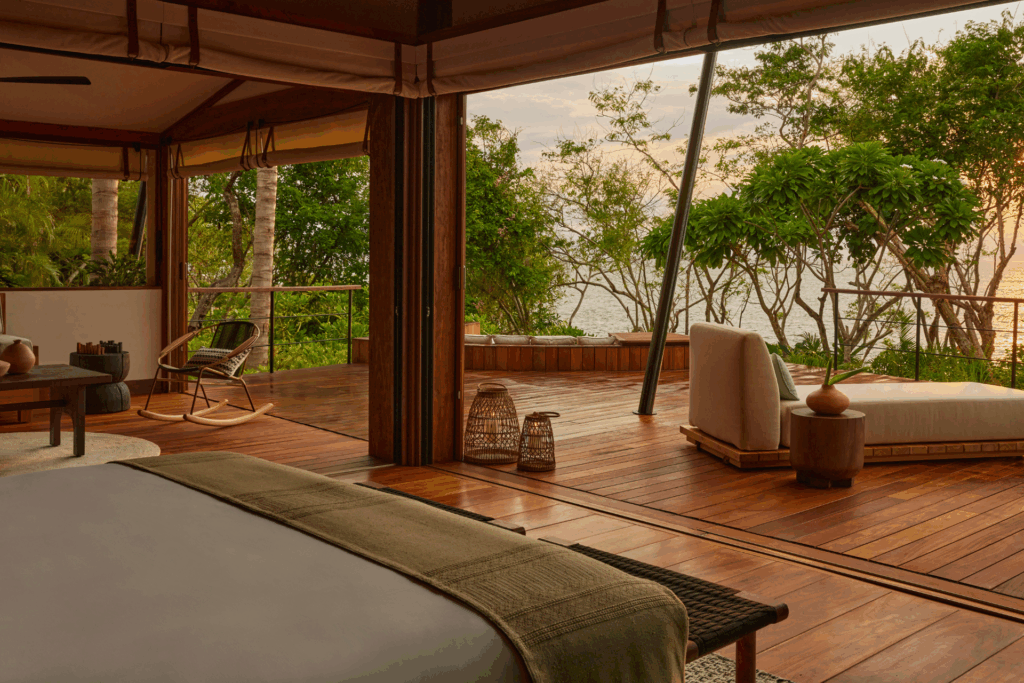
Via: LVMH Press Room 

LVMH Strengthens Ties with UNESCO to Champion Biodiversity and Marine Conservation 

Focused on biodiversity, sustainable economies, and ocean protection, LVMH and UNESCO have renewed their partnership for five years under the initiative ‘For the Beauty of the Living.’ Running from 2025 to 2029, the collaboration will support educational, scientific, and cultural programmes, including agroforestry and regenerative agriculture. A new marine conservation project, conducted by the Tiffany & Co. Foundation, will promote the sustainable management of ocean ecosystems across at least 10 countries. Building on their 2019 alliance, which benefited thousands in the Amazon biosphere reserves, this renewed partnership strengthens LVMH’s LIFE 360 strategy and reinforces its commitment to nature-positive business transformation. 

Via: UNESCO, Business Chief 

Canada Repeals Luxury Tax to Revive Industry

Canada has officially scrapped its luxury tax on aircraft and yachts, marking a major policy shift to support its high-end industries. Introduced in 2022, the tax drove buyers abroad and hurt key manufacturers like Bombardier and Canadian yacht builders, leading to steep sales declines. Its removal, costing only $135 million over five years, is expected to revive local production, create jobs, and attract international brands back to Canada. The move repositions luxury as a source of innovation and national pride, rather than excess, signaling Canada’s intent to champion craftsmanship, competitiveness, and global prestige in the aviation and marine sectors.

Via: Luxury Tribune

Luxury Skincare’s Glow Is Fading; Can Science Save It? 

Luxury skincare, once seen as immune to downturns, is losing its shine amid slowing Asian demand, rising competition, and the surge of medical aesthetics. Brands like La Prairie and La Mer are reinventing themselves, modernizing imagery, emphasizing science, and diversifying beyond Asia to markets such as Europe, North America, and India. The sector challenge lies in balancing proof and prestige: today’s consumers want clinical results, not just storytelling. With medical-grade treatments offering instant effects, luxury skincare must prove efficacy through transparent research and credible innovation. The winners will be those marrying romance and results without diluting exclusivity. 

Via: BOF 

End of an Era: Olivier Rousteing Exits Balmain 

After 14 transformative years, Olivier Rousteing is stepping down as creative director of Balmain, marking the end of one of fashion’s most visible and disruptive eras. Appointed in 2011 at age 25, Rousteing redefined the Parisian house through diversity, celebrity power, and digital-era inclusivity, turning Balmain into a €300 million global brand. From launching the “Balmain Army” to reviving couture and expanding into beauty, his tenure fused heritage with pop-culture influence. Under new leadership, Balmain now seeks a fresh creative direction as Rousteing, who shaped a generation’s idea of luxury fashion, looks ahead to his next chapter. 

Via: Vogue 


Stay ahead of the curve; explore more stories, register for upcoming events, and join the conversation with WLCChttps://worldluxurychamber.com/insights-news/   

Tomorrow’s Luxury: Gen Z Expectations Across Asia by FT Live 

What happens when luxury is no longer about what you own, but how it makes you feel, share, and connect? That is the central question at the heart of The New Customer Paradigm for Luxury Goods, a report by FT Live that explores how Asian markets (particularly among Millennials and Gen Z) are reshaping the industry. 

The findings are clear: younger consumers in Asia are setting the pace for global luxury, demanding experiences that speak to their identity, loyalty programs that offer real value, and brand strategies that go far beyond traditional product launches. For insiders, this signals a decisive moment: adapting to these shifts is no longer optional but essential. 

Storytelling as Strategy, Not Decoration 

The report highlights that in China, customers respond more to innovation, digital presence, and cultural relevance than to discounts or promotions. Effective storytelling now means creating emotional touchpoints. 

This is supported by PwC’s research, which shows that Chinese shoppers are more influenced by social media, personalized digital content, and brand innovation than their global counterparts. The message for brands is simple: don’t just describe a product, explain how it fits into the consumer’s life and values. 

Loyalty Needs to Feel Like a Game, not a Chore 

Standard loyalty cards and points are losing impact. The report shows that 43% of Asian consumers believe traditional loyalty systems offer little value. Instead, programs that reward with exclusivity and interaction are gaining ground. 

Examples include Chanel’s digital “playing cards” for beauty purchases or Rolls-Royce’s “Whisper” loyalty program, which doubles as a private network for owners and grants access to rare cultural opportunities. These approaches highlight that loyalty must feel exciting, accessible, and rewarding. 

Experiences Are Outperforming Products 

According to the Bain-Altagamma study cited, the personal luxury goods market shrank by 2% in 2024, while experiential luxury grew. Pop-ups, immersive events, and lifestyle activities are capturing attention. 

Louis Vuitton’s beach boutique in Xiamen and Hermès’ interactive “Mystery at the Grooms” pop-up in Shanghai show how experiences create cultural impact while reinforcing product desirability. For Gen Z, sharing these moments on social platforms is as valuable as the purchase itself. 

Wellness Becomes a Luxury Lifestyle Marker 

The wellness industry in China is booming, forecasted to triple from $25.6 billion in 2022, and this figure is forecasted to grow much further by 2030. Younger consumers are investing in nutrition, gyms, social sports, and mental health, and luxury brands are entering this space. 

Gucci’s collaboration with Oura on a health-tracking ring demonstrates how well-being is merging with fashion. Meanwhile, metaphysical practices such as tarot or crystals are gaining traction among Gen Z with accessories. Wellness is no longer niche; it’s mainstream, and it’s an area that luxury cannot ignore. 

Identity and Sustainability Are Non-Negotiable 

The report underscores that luxury is now closely linked to values. Sustainability resonates strongly: 85% of mainland Chinese luxury customers say it matters, and nearly half are willing to pay more for environmentally responsible products. Eco-tourism and low-carbon travel are also on the rise, with 84% of respondents in PwC’s survey believing brands should take responsibility for reducing their environmental footprint. 

Secondhand luxury, once stigmatized in China, is now thriving: 59% of mainland Chinese luxury consumers bought pre-owned items in 2024, mainly to express individuality. Auction houses and resale collaborations are helping brands enter this space without eroding exclusivity. 

Main Conclusions

The report signals a decisive transformation in Asia’s luxury sector. Products alone no longer guarantee loyalty. Consumers, especially Gen Z, expect brands to deliver stories that resonate, experiences worth sharing, and values that align with their own. 

The momentum is shifting toward engagement, wellbeing, sustainability, and identity. For brands, this means rethinking strategy: exclusivity should be earned through interaction, experiences must be designed for both impact and shareability, and sustainability cannot remain an afterthought. What truly matters is how consumers connect with a brand, live with it, and see their own values reflected in it. 

To view the full report, visit:  https://luxuryasia.live.ft.com/home  

Stay up to date on the latest luxury industry news: https://worldluxurychamber.com/insights-news/

Self-Hospitality Is the New Luxury: An Exclusive Interview with Liz Batsche, Founder of Well Hosted

In an exclusive interview led by Alexander Chetchikov, President of the World Luxury Chamber of Commerce, Liz Batsche, founder of Well Hosted, shares her transformative vision of modern luxury. A former investment banker and luxury brand marketer, Batsche has spent years merging the worlds of self-development and hospitality, guiding individuals and brands toward cultivating presence, connection, and care. Through her proprietary Well Hosted Mindset, she reveals how the most profound luxury begins not in lavish surroundings, but from within.

Alexander Chetchikov: You often say that “great hosting starts within.” What does that mean, and how does it redefine leadership in today’s luxury landscape?

Liz Batsche: Luxury used to mean more. Now it means meaning. Great hosting starts within because presence, generosity, and grace can’t be faked: they have to be felt. When leaders learn to host themselves first – to regulate, to notice, to replenish — they naturally lead with more empathy, creativity, and composure. That’s the new luxury: emotional fluency in a world addicted to performance.

AC: You’ve led Hospitality & Etiquette workshops for leading luxury maisons. What have these experiences revealed about how modern luxury service and the people behind it are evolving?

LB: Modern luxury is moving from service to sincerity. Associates aren’t just trained to serve; they’re empowered to connect. The next generation of luxury professionals want to bring their humanity to the job; this includes their intuition, personality, and warmth. As artificial intelligence and automation become more prevalent, the ability to make someone feel truly recognized is the new differentiator. Etiquette and hospitality become tools not for perfection, but for presence: a way to make every client feel seen, not sized up.

AC: Your Well Hosted Journey and H.O.S.T. framework (Human-Centered Observation with Signature Style & Taste) feel both timeless and modern. How can brands and teams bring these principles to life in their daily guest experiences?

LB: To H.O.S.T. is to shift from transaction to transformation with ourselves and others.

  • Human-Centered: The art of presence, for yourself and others.
  • Observation: The luxury of noticing: that’s where true personalization lives.
  • Signature Style: Your defining details: these are your differentiators.
  • Taste: Refinement in action: it’s how we express respect.

When teams practice those behaviors consistently, both associate and guest experiences (what I like to call The Well Hosted Journey) are elevated from mundane to magnificent.

AC: Etiquette is often perceived as rigid or outdated. How do you reframe it as a contemporary expression of empathy and excellence rather than rules and restrictions?

LB: Etiquette isn’t about hierarchy; it’s about harmony. It’s not “follow the rulebook,” it’s “read the room.” True etiquette is emotional intelligence in motion; I like to call it the “other EQ”. It’s how we create ease for others so we can enjoy shared moments.. When practiced with warmth and awareness, etiquette becomes one of the most modern expressions of respect there is, not only for others, but for ourselves!

AC: You love the term “self-hospitality,” the idea of caring for yourself the way you’d care for a valued guest. How does that mindset transform the way leaders and teams show up for others?

LB: You can’t pour from an empty well, though luxury service often expects it. Self-hospitality is the quiet revolution: the art of filling your own well first. When you tend to yourself with the same care you offer others, you lead from overflow, not depletion. As the airline safety announcement reminds us, “Put on your oxygen mask first.” That simple act of self-priority turns service into soul work, and hospitality into something sacred for all parties involved.

AC: Finally, what do you believe defines luxury hospitality in 2025, and how can we all live a little more Well Hosted in our own lives?

LB: Luxury Hospitality in 2025 is defined not by perfection, but by presence. The most magnetic brands and people feel authentic, aware, and deeply human. We need a touch of friction!  Without it, life becomes flat. To live Well Hosted is to extend care inward. As 2026 begins, hospitality remains a foundational luxury: our proof that human connection will always outshine computer code.

Thank you, Liz! Batsche leaves a clear message: luxury is not defined by extravagance but by emotional presence, authenticity, and connection. By embracing self-hospitality, leaders and brands alike can elevate not just their service, but the humanity at its heart. In the words of Batsche, “To live Well Hosted is to extend care inward, creating a ripple that enriches every interaction.”

Follow her journey: https://www.linkedin.com/in/liz-batsche/

Want to read more exclusives? Check out our news and insights: https://worldluxurychamber.com/insights-news/ & sign up for our newsletter here: https://worldluxurychamber.com/wlcc-community/

The WLCC Weekly Edit: Cape Town’s Culinary Scene, Don Julio Pop Up, Gulf Luxury Market & More

Welcome to The Weekly Edit, your curated digest of the latest in the world of luxury. Each week, WLCC brings you a handpicked selection of industry news, insights, and stories influencing the future of high-end fashion, design, travel, real estate, and beyond. Consider this your insider’s guide to the latest in luxury.     

Above: Image from Belmond Mount Nelson 

Mount Nelson Celebrates Cape Town’s Fashion and Culinary Scene in 2025 

Cape Town’s Mount Nelson, A Belmond Hotel, is boosting culture, design, and gastronomy in 2025 with a series of landmark projects. South African designer Thebe Magugu introduces the THEBE MAGUGU SUITE and MAGUGU HOUSE, a concept space celebrating local creativity and storytelling. Culinary innovation comes to the fore with AMURA by three-Michelin-star Chef Ángel León, an immersive dining experience inspired by the Cape coastline and Andalusian heritage. The hotel also hosts the fourth edition of CONFECTIONS x COLLECTIONS from 6–8 November, highlighting Pan-African fashion and embedding Magugu’s Spring/Summer 2026 collection into a permanent space within the property. 

Via: Belmond Media Hub, Belmond Mount Nelson 

Above: Image from Diageo 

Don Julio x Panadería Rosetta: Bringing “Día de Muertos” Traditions to Life 

“Día de Muertos” comes alive around the world with Don Julio’s Panadería Don Julio pop-up experience, created in collaboration with Mexico’s Panadería Rosetta and Chef Elena Reygadas. Launching in over twelve cities, including Bogotá, London, Los Angeles, Delhi, and Johannesburg, the pop-ups celebrate the traditional pan de muerto while incorporating tequila bar elements. Guests can enjoy Handshake Speakeasy cocktails, candlelit Ofrendas, marigolds, and festive rituals, connecting communities through remembrance and celebration. By combining culinary artistry and cultural storytelling, Panadería Don Julio offers an immersive experience that honors Mexican heritage while sharing Don Julio tequila, crafted from 100% Blue Weber Agave, with audiences worldwide. 

Via: Diageo 

High-Net-Worth Buyers Seek Exclusivity as Gulf Luxury Market Expands 

The Gulf is emerging as a key hub shifting toward experiences, identity, and exclusivity. Cities like Dubai and Riyadh are attracting thousands of high-net-worth individuals, thanks to their strong infrastructure, lifestyle, and governance. DarGlobal has invested heavily in co-branded real estate developments, including Trump Tower Jeddah and Neptune villas in Riyadh, targeting affluent buyers from around the world. These projects integrate residential, retail, cultural, and entertainment elements, positioning luxury communities as economic and cultural anchors within their cities. With the region’s luxury market growing rapidly, the Gulf is becoming a central destination for high-end goods and experiences. 

Via: Fortune & Fortune LinkedIn 

The Chinese Luxury Market: Signs Of Revival & Brands Engagement 

As China’s luxury market shows early signs of recovery, brands are focusing on high-income consumers with tailored experiences. LVMH, Hermès, and others are hosting intimate dinners, exclusive events, and VIP store areas to strengthen engagement rather than expand rapidly. Nanjing Deji Plaza, featuring Louis Vuitton, Chanel, Dior, and Hermès, has become a key location for these initiatives, becoming China’s top-performing mall in 2024 with sales of 24.5 billion yuan ($3.4 billion). Analysts report China’s share of global luxury purchases has dropped to 22% from a pandemic-era peak of 33%, highlighting cautious optimism for the sector. 

Via: Reuters 

Prada Group Posts 9% Revenue Growth, Miu Miu Drives Momentum 

Prada Group reported strong growth for the first nine months of 2025, fueled by the continued momentum of Miu Miu, which outpaced its namesake brand. While Prada saw a slight decline, Miu Miu’s performance helped lift the group overall. Retail sales improved across all regions, led by Asia Pacific, Europe, and the Americas. These results come ahead of Prada’s €1.25 billion acquisition of Versace, which is expected to broaden the group’s portfolio and attract new customers. Despite positive trends, the luxury sector remains sensitive to China’s market recovery, global economic uncertainty, and evolving trade dynamics. 

Via: BOF 

Soon To Launch: Luxury People Podcast | EPISODE 3

The next episode of the Luxury People Podcast, hosted by Antonio Paraiso, features Philippe Mihailovich, founder of HAUTeLUXE, lead author of Haute Luxury Branding, and WLCC Honorary Board Member. Discover his expert insights on what elevates brands into the rarefied world of haute luxury, ethical sourcing with exclusivity, and the evolving challenges luxury leaders face.

You do not want to miss this-mark your calendar for 11 November to stay curious and inspired!

Via: WLCC 

Stay ahead of the curve; explore more stories, register for upcoming events, and join the conversation with WLCC: https://worldluxurychamber.com/insights-news/      

Exclusive Interview with Sabah Kaddouri: How Wellness Became a Global Luxury Trend

Sabah Kaddouri, renowned journalist and editor-at-large, has spent several years covering business innovators, entrepreneurship, women in leadership, and luxury lifestyle. In this exclusive interview with
Alexander Chetchikov, president of World Luxury Chamber of Commerce, Sabah shares insights on the booming wellness and longevity sector, its luxury intersections, and the evolving demands of discerning consumers. 

Alexander Chetchikov: A-list celebrities recognized the importance of investing in their health and well-being early on. When did this once-exclusive trend evolve into a major economic force, and why?  

Sabah Kaddouri: The global pandemic has reminded us of an implacable truth: our health is our primary asset. People questioned their lifestyles and scrutinized social media, inspired by those who shared their healthy habits. They discovered an economy that already addressed these needs and was just waiting to be stimulated. Thus, starting in late 2020, everyone understood the need to develop their research, their offerings, and their strategies in this area. From hospitality to the world of tech and industry, there is a convergence.  

AC: Who have been the key historical pioneers and influencers in the longevity and wellness industry?  

SK: The wellness and longevity industries have mutually fueled the quest for the perfect body of highly exposed personalities (artists, models, star entrepreneurs, etc.), but also the demands of high-level athletes. Their careers are conditioned by their physical fitness. This circle of initiates met (and still meet) in medical spas. The Palace Merano in Italy, La Clinique La Prairie in Switzerland, and the Buchinger Wilhelmi Clinic in Germany are pioneers in this field.  

AC: With consumers more educated and discerning than ever, what are the expectations and demands shaping the wellness market today?  

SK: Today, we want to be able to maintain our good daily habits by visiting medical hubs located in cities. Like a gym where we exercise regularly, these hubs have become the urban extension of medical spas. Recognized addresses have understood this well by setting up in major capitals, offering a holistic approach by supporting the main pillars of our lives: fitness, nutrition, sleep, anti-aging, etc. Increasingly educated consumers expect highly personalized protocols.  

AC: How is the luxury sector responding to the growing demand for wellness and longevity solutions?  

SK: Med-spas certainly offer the most advanced protocols, but their number is limited, so we’re seeing the rise of luxury hotels that took up the subject four or five years ago. A hotel spa is no longer just a space where you can get a massage or take a dip in the pool, but a true temple of well-being offering a wide range of treatments. Both visiting and local guests have access to experts (facialists, naturopaths, yoga masters, Ayurvedic doctors, etc.), not to mention the catalog of therapies offered (light therapy, vitamin infusions, EMS machines using electrostimulation, etc.). Whether you’re staying at the Park Hyatt London River Thames, the Plaza Athénée in Paris, or the Peninsula Istanbul, we know you’ll find this component. 

AC: With icons like Demi Moore, J.Lo, and Julianne Moore redefining aging, is sixty truly becoming the new forty?  

SK: Yes. We are witnessing a revolution in the image of women in their fifties and sixties. Led by icons like Demi Moore, J.Lo & co, women aged 50+ have changed the narrative and the way we look at them. Strong and confident, they benefit from the combination of several factors – which their elders did not experience – such as the postponement of the retirement age, the implementation of more egalitarian laws, technological leaps, particularly in medical and aesthetic matters, greater representation of women in positions of power, the evolution of their roles in cinema… All of this has contributed to this new reality. These women like to take care of themselves and are very well supported. Anonymous or famous, they have many role models to identify with.  

AC: As a busy editor-at-large for major publications, what are your personal strategies for maintaining balance and prioritizing a healthy lifestyle?  

SK: In my hectic daily life, I press pause twice a year by going on a wellness retreat. I often fast in a specialized place or I choose a detox week to cleanse my body of all the toxins accumulated in my diet, because of the pollution. For 7 to 12 days, I perform a real reset of the body and mind to better start again. In my everyday life, I practice yoga and Pilates, which have a thousand benefits. The best way to maintain a good balance in your lifestyle is to read books, articles, listen to podcasts on the subject, or follow dedicated accounts on social networks. This allows, I find, to always keep in mind that health is the key to longevity. 

Thank you, Sabah, for sharing your insights! Follow her journey here: https://www.linkedin.com/in/sabah-kaddouri-45987b65/ 

Want to read more exclusives? Check out our news and insights: https://worldluxurychamber.com/insights-news/ & sign up for our newsletter here: https://worldluxurychamber.com/wlcc-community/

The WLCC Weekly Edit: Nordic Luxury, Armani Leadership, Kering x L’Oréal, Gourmet Dining & More

Welcome to The Weekly Edit, your curated digest of the latest in the world of luxury. Each week, WLCC brings you a handpicked selection of industry news, insights, and stories influencing the future of high-end fashion, design, travel, real estate, and beyond. Consider this your insider’s guide to the latest in luxury.   

Above: Image from Hilton  

Luxury Arrives in Finland: Waldorf Astoria Helsinki Makes Its Grand Debut 

Waldorf Astoria has opened its first Nordic property with the debut of Waldorf Astoria Helsinki, located in the city’s historic Kruununhaka district. Owned by M&L Group and operated by Hilton, the hotel spans four restored buildings and features 116 rooms, including 32 suites with private spas and terraces. Highlights include the Peacock Bar, inspired by Waldorf Astoria New York, and a Nordic Wellness Spa with Finnish sauna rituals. Guests enjoy the brand’s hallmark Personal Concierge service. The opening marks Hilton’s first luxury hotel in Finland, strengthening its presence across Europe’s key cultural destinations. 

Via: Hilton  

Leadership Change at Armani: Giuseppe Marsocci Steps In 

In a defining move for the future of the Giorgio Armani Group, Giuseppe Marsocci has been appointed CEO following the passing of founder Giorgio Armani. A trusted figure within the company for 23 years, Marsocci will steer the brand through a critical phase as it prepares to sell a 15% stake within the next year-and-a-half, in line with the late designer’s will. Potential buyers include LVMH, L’Oréal, and EssilorLuxottica, with an IPO as a possible fallback. Despite softer sales amid a luxury slowdown, Armani’s valuation stands between €4–7 billion, with Marsocci expected to ensure strategic continuity. 

Via: BOF  

A New Era for Luxury Beauty: Kering Teams Up with L’Oréal 

Kering and L’Oréal have entered a long-term strategic partnership valued at €4 billion, marking a major shift in the luxury beauty sector. The deal includes L’Oréal’s acquisition of the House of Creed and 50-year exclusive beauty and fragrance licenses for Gucci, Bottega Veneta, and Balenciaga once the existing Coty agreement expires. Beyond beauty, the two groups plan a 50/50 joint venture exploring innovation in wellness and longevity. The alliance combines Kering’s luxury brand portfolio with L’Oréal’s global expertise in cosmetics, aiming to accelerate growth across high-potential segments. The transaction is expected to close in the first half of 2026. 
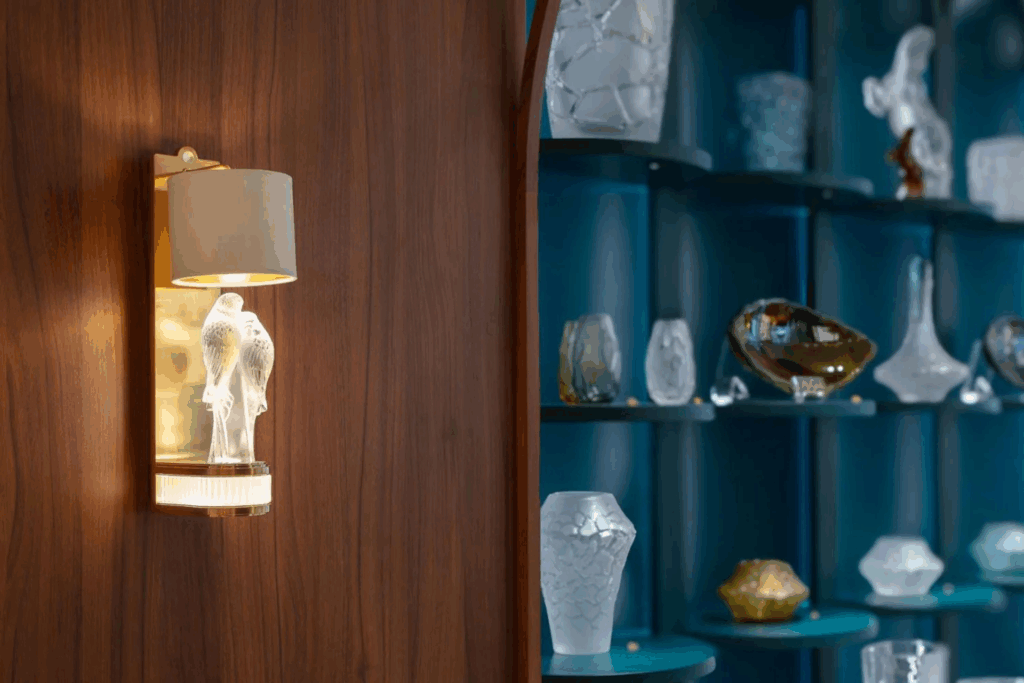
Via: Kering  

Gourmet Dining Becomes the Latest Luxury Retail Strategy 

Luxury retailers are increasingly integrating gourmet dining into their spaces, turning shopping into immersive experiences, writes Rania V. Sedhom. In NYC, Bergdorf Goodman, Saks Fifth Avenue, and Armani have long featured food, while Dior, Tiffany, and Louis Vuitton are now following suit. Exclusive concepts like Kith’s Moroccan eatery club combine dining with brand engagement. According to Sedhom, restaurants not only generate a new revenue stream but also deepen connections with loyal and potential customers by showcasing service, ambiance, and products. She predicts that luxury brands will expand into hotels, wellness centers, spas, and private clubs, marrying experiences with product sales. 
Via: Luxury Daily  

Luxury Book of the Month: Exceptional Experiences By @‌NeenJames 

In Exceptional Experiences, Neen James offers a practical guide to elevating client interactions and building lasting loyalty in any industry. Drawing on decades of consulting for luxury brands and insights from global leaders, James demonstrates how principles once reserved for high-end markets can transform everyday business practices. Her “five luxury levers”(entice, invite, excite, delight, and ignite) show how to turn ordinary touchpoints into memorable moments that make clients feel valued. The book equips leaders and teams to embody the essence of personalization, anticipation, emotional resonance.  

Via: WLCC 


Stay ahead of the curve; explore more stories, register for upcoming events, and join the conversation with WLCChttps://worldluxurychamber.com/insights-news/   

Something went wrong

Please try again later

Ok

    Ask About Member Deals

    Submit your request for media/press opportunities here, and we will provide you with all the details.


    Your form submitted successfully!

    We will be in touch soon with further details.

    Got it