Have a question? Call now! +16468108764

Handbag Revival: The 2010s Comeback

Designer handbags from the early 2000s are resurfacing on runways and in fashion circles, driven by nostalgia, second-hand demand, and renewed consumer interest. From Balenciaga’s City bag to the Celine Phantom, brands are revisiting iconic silhouettes, reconnecting with past admirers while capturing a new generation of buyers.

The resurgence of early-aughts handbags reflects both cultural nostalgia and smart merchandising strategies. Key factors include:

  • Nostalgia and Generational Influence: A 10-20 year gap often allows a handbag to feel fresh again. Consumers who admired these bags in their youth now have the means to purchase them.
  • Strategic Brand Moves: Re-editions allow brands to reinforce their identity, capitalize on second-hand market interest, and respond to evolving consumer tastes. For example, Balenciaga’s Le City bag.
  • Celebrity Endorsement and Social Media: Influencers and celebrities continue to amplify the demand. Campaigns featuring Kate Moss, Nicole Kidman, Rihanna, and Gwyneth Paltrow highlight the allure of these reissued bags, while social platforms like Instagram drive viral interest.
  • Market Data: Searches for classic bags have surged dramatically: Chloé Paddington (up 339%), Balenciaga City (up 110%), Fendi Spy (up 61%), and Celine Phantom (up 360%). The RealReal and Vestiaire Collective report a significant spike in engagement with these re-editions.
  • Upcoming Resurgences: Observers predict other early-2010s styles will soon return to prominence, confirming the cyclical nature of handbag trends.

The luxury handbag market demonstrates a clear pattern: what was once a “hot bag” is likely to regain prominence over time. Nostalgia, celebrity influence, and strong second-hand demand combine to create a lucrative environment for re-editions, ensuring that many iconic early-2000s handbags will remain coveted in the years ahead.

Stay up to date on the latest luxury industry news: https://worldluxurychamber.com/insights-news         

SOURCES: INSTYLE

The Shifting Landscape of Wealth: 2025 Insights by Knight Frank

Global wealth keeps evolving in response to political shifts, economic challenges, and emerging investor priorities. Luxury investment patterns are changing in step with new demographic and generational forces.

The 2025 edition of The Wealth Report by Knight Frank, now in its 19th year, offers a comprehensive analysis of these dynamics, with a particular focus on prime property markets and private capital trends. The report explores how high-net-worth individuals (HNWIs) are adapting their strategies and how real estate is playing an increasingly central role in wealth preservation and growth. The World Luxury Chamber of Commerce highlights the main takeaways.

One of the central themes of the 2025 edition is the enduring appeal of real estate as a core asset class among wealthy individuals and family offices. Based on Knight Frank’s survey of 150 family offices, nearly half intend to increase their allocation to property over the next 18 months. Commercial real estate is a primary focus, though residential assets remain highly sought after. However, market barriers persist: limited inventory in key cities, regulatory constraints, and elevated borrowing costs are complicating acquisition strategies.

Despite these challenges, investor demand remains firm. In London, for example, occupiers seeking large office spaces are facing multi-year waits, reflecting a mismatch between availability and demand. In the residential sector, all G20 nations have fallen short of their housing supply targets, placing upward pressure on both prices and rents. This shortfall has made the living sector increasingly attractive for private capital.

The United States continues to dominate in terms of wealth generation. Nearly 40% of individuals with a net worth above US$10 million reside in the U.S. However, emerging regions are also gaining ground. Africa, although smaller in absolute wealth, is showing signs of robust growth thanks to its youthful population, natural resources, and infrastructure development. Asia remains a major force, with strong gains in China and India contributing to a global rise in high-net-worth populations.

The report also draws attention to generational change. A new wave of younger, affluent individuals is reshaping investment preferences. Health, wellness, and meaningful experiences are taking precedence over material accumulation. Stocks, real estate, and cash remain the dominant investment vehicles, but there is growing curiosity around digital assets, collectibles, and impact-driven ventures.

Macro-level risks are still influencing investment behavior. Inflation, although moderating, continues to affect policy and lending environments. Trade tensions (particularly those involving the U.S.) have introduced new uncertainty. In parallel, national debt levels across developed economies are triggering debate about fiscal sustainability. Despite these headwinds, markets have remained resilient, supported by expectations of eventual rate cuts and continued technological optimism.

Luxury investments also saw mixed performance, with art and whisky markets underperforming. However, real estate and select alternative assets continue to attract investor interest as tangible stores of value. Knight Frank’s research points to price gains in key prime residential markets in 2025, driven by constrained supply and growing demand.

Urban mobility and flexible work arrangements are also having a noticeable impact. Cities are facing the dual challenge of welcoming globally mobile workers while managing the pressure they place on housing markets. Locations like Lisbon illustrate how shifting demographics and remote work culture are reshaping urban economies and prompting policy responses to preserve livability and affordability.

Summary of the Main Takeaways:

  • 44% of global family offices plan to increase their exposure to real estate.
  • Housing supply shortages across major economies are driving both rental and price growth.
  • The U.S. remains the dominant force in global wealth.
  • Africa and Asia are emerging as growth centers, thanks to population dynamics and economic diversification.
  • Younger investors prioritize health, purpose, and flexibility, shifting focus away from traditional luxury consumption.
  • Inflation and trade tensions remain key economic risks, though asset markets continue to perform.
  • Luxury collectibles dipped in 2024, but real estate is expected to deliver positive returns in 2025.
  • Remote work and global mobility are influencing property values and prompting new urban planning challenges.

The Wealth Report 2025 captures a moment of transformation. It presents a world where private capital remains highly influential, but where younger investors, shifting economic conditions, and global uncertainties are reshaping priorities. Real estate continues to attract capital, both as a store of value and a generator of income, and wealth creation shows no sign of slowing, albeit with regional and structural shifts. For those navigating this evolving landscape, a deep understanding of economic, social, and political trends will be essential.

To read the full report by Knight Frank, visit:  https://www.knightfrank.com/wealthreport 

Stay up to date on the latest luxury industry news:  https://worldluxurychamber.com/insights-news/ 

Indus Discoveries Enters WLCC’s International Community of Luxury Innovators

The World Luxury Chamber of Commerce (WLCC) is pleased to announce the entry of Indus Discoveries Pvt.Ltd , a respected provider of high-end, tailor-made travel experiences across India, Nepal & Bhutan, into its international collective of luxury leaders. This membership reflects Indus Discoveries’ growing influence in the world of experiential travel and aligns with WLCC’s efforts to connect cultural depth with elevated service across sectors.

Headquartered in India, Indus Discoveries Pvt.Ltd is a family-owned company that designs private itineraries that offer international travelers meaningful access to the diverse heritage, landscapes, and traditions of India, Nepal & Bhutan. With strong local ties and a commitment to thoughtful engagement, the company serves individuals, luxury travel companies, and organizations seeking trips that go far beyond the surface.

As a member of WLCC, Indus Discoveries gains access to a global platform that spans industries including fashion, fine art, design, hospitality, and technology. The Chamber encourages collaboration and shared visibility among its members, helping shape a more interconnected and thoughtful approach to global luxury.

“We’re pleased to welcome Indus Discoveries into the World Luxury Chamber of Commerce,” said Alexander Chetchikov, President of World Luxury Chamber of Commerce. “Their approach to India-focused travel, deeply rooted in cultural awareness and delivered with polish, adds a valuable perspective to our global community. They help broaden what luxury means today, especially within the context of meaningful experiences.”

Indus Discoveries’ participation reinforces WLCC’s focus on supporting ideas and services that bring fresh perspectives, deepen cross-cultural understanding, and elevate global standards in personalized luxury. Every journey is designed with care, informed by on-the-ground insight and a deep respect for place. Indus Discoveries ensures that each itinerary becomes more than a trip, it becomes a meaningful encounter with the essence of India, Nepal & Bhutan.

To learn more about Indus Discoveries, visit www.indusdiscoveries.com.

From Skincare to Streetwear: The New Faces of Gulf Luxury

Luxury in the Gulf is undergoing a vibrant transformation, driven by a new generation of affluent, optimistic consumers. From skincare-obsessed Gen Z to wellness-focused Gen X, this diverse audience is fueling significant growth in personal luxury sales across the UAE and Saudi Arabia. As global markets falter, the Gulf’s luxury landscape is thriving, attracting international brands and reshaping consumption patterns.

Editor’s note from source: This story is excerpted from Jing Daily’s exclusive report Driving Revenue in the Middle East: Saudi Arabia and UAE.

Market Overview

Luxury brands are increasingly targeting the Gulf, with Zegna hosting its first show outside Italy in Dubai and The Frankie Shop entering Abu Dhabi. GCC personal luxury sales grew 6% in 2024, driven by the UAE and Saudi Arabia. Retail sales are projected to rise from $12.8 billion in 2024 to $15 billion by 2027, supported by an influx of wealthy expats and strong local spending. 

The UAE is expected to gain 9,800 new millionaires in 2025, while Saudi Arabia adds 2,400. Consumer optimism is high, with 97% of GCC buyers planning to maintain or increase luxury spending in early 2025, focusing on watches, jewelry, leather goods, and cars. The different consumer profiles can be divided into different categories:

Gen Z Beauty Enthusiasts

  • Women ages 13–28 drive the region’s beauty boom.
  • Monthly spend: $52 on skincare, $63 on makeup.
  • Influenced by social media (TikTok, YouTube, Snapchat).
  • Preferences: hydration, anti-aging, natural “skin-first” glow, moisture-locking ingredients.

Saudi Streetwear Community

  • Young consumers use streetwear for self-expression, often linked to events like Soundstorm festival.
  • Favor modest silhouettes, understated designs, and culturally inspired items.
  • Seasonal trends: Western streetwear in spring/summer; traditional wear in winter.

Emirati HNWI Fashion Enthusiasts

  • Globally trend-conscious, spending high budgets locally and abroad.
  • Average annual luxury spend: $58,000 in Dubai, $24,000 in Riyadh.
  • Preferences: heritage brands, exclusive collections, VIP services, and personalized experiences.

Gen X Wellness Devotees

  • Age 45+, focusing on longevity, health, and beauty maintenance.
  • Popular activities: wellness retreats, holistic skincare rituals (herbal infusions, body-smoke, scalp treatments).
  • Rising demand for menopause-focused solutions.

The Gulf luxury market is no longer defined solely by wealth but by optimism, experience-driven consumption, and a diverse set of lifestyles. Brands that understand the nuanced preferences of Gen Z, Emirati HNWIs, and wellness-oriented Gen X consumers are best positioned to succeed in this booming, multi-generational ecosystem.

Stay up to date on the latest luxury industry news: https://worldluxurychamber.com/insights-news         

SOURCES: JINGDAILY, JINGDAILY REPORT

Alramz Real Estate Company Enters Exclusive Network of the World Luxury Chamber of Commerce

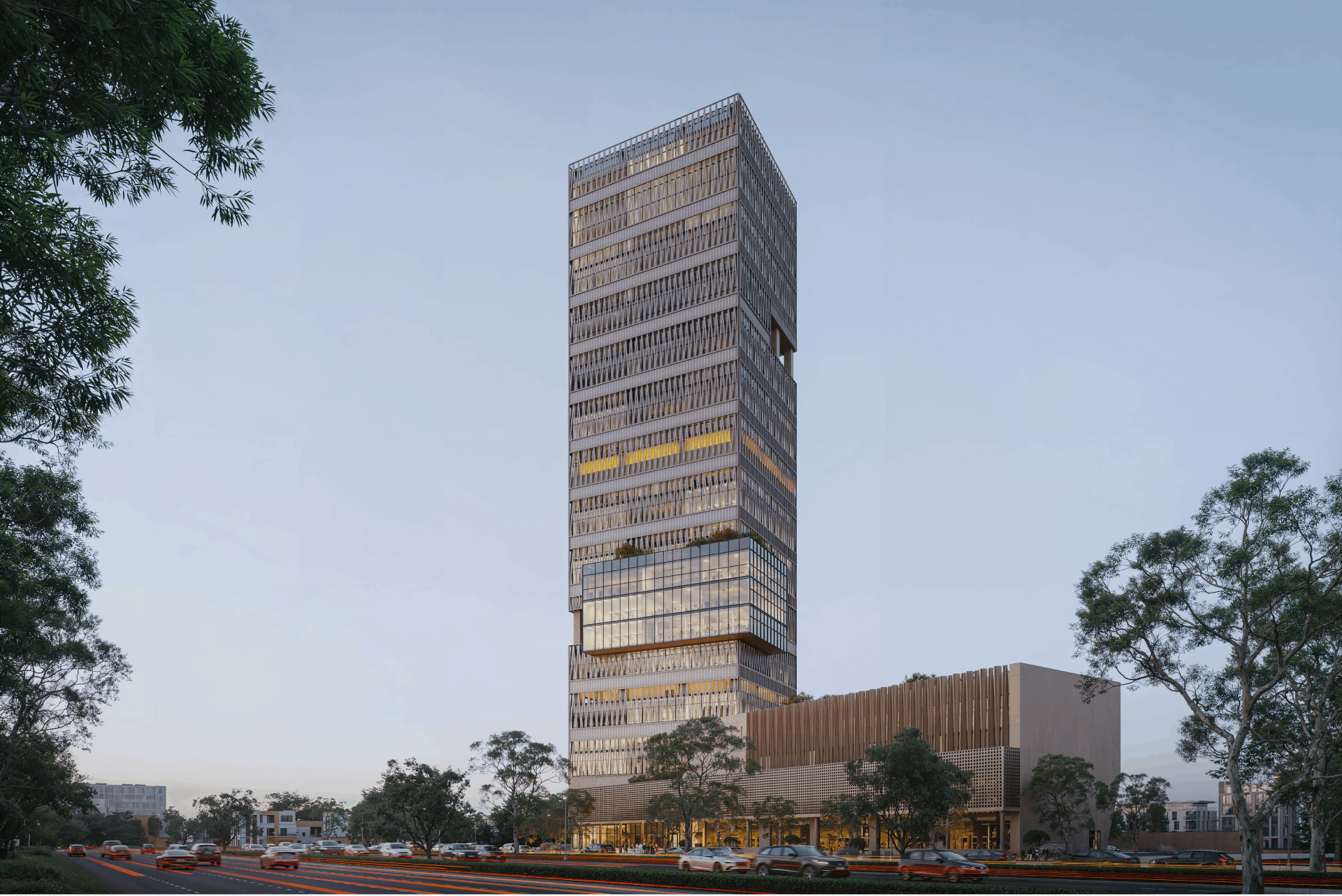
The World Luxury Chamber of Commerce (WLCC) is pleased to welcome its newest member, Alramz Real Estate Company, a prominent Saudi-based developer known for delivering high-end residential and commercial properties across the Kingdom of Saudi Arabia. Alramz joins an exclusive global community of leading luxury brands recognized for their influence, innovation, and excellence in their respective sectors.

Headquartered in Saudi Arabia, Alramz Real Estate Company has established a reputation for building and creating communities and developments that prioritize quality, modern design, and long-term sustainability. With projects tailored to meet the evolving expectations of affluent buyers and investors, Alramz plays an active role in shaping the future of real estate across the Middle East.

WLCC membership is extended to companies that consistently deliver high standards and contribute meaningfully to the luxury sector. Through this affiliation, Alramz gains access to global networking opportunities, strategic partnerships, and international market visibility, all of which support its ambition to expand both its reach and impact.

“We are very excited to welcome Alramz Real Estate Company to the World Luxury Chamber of Commerce,” said Alexander Chetchikov, President of WLCC. “Their thoughtful approach to real estate development, focus on quality living environments, and strong presence in the Saudi market reflect the type of leadership and perspective we value within our community. Alramz brings new energy to our global dialogue on luxury living, and we look forward to their contributions.”

Alramz’s inclusion in WLCC underscores the growing global interest in Saudi Arabia’s luxury real estate market. The company brings a regional perspective to the chamber while supporting industry collaboration.

To learn more about Alramz Real Estate Company and its growing portfolio of premium developments, visit: https://alramzre.com/en.

Cityscape Global Highlights Opportunities Under Saudi Arabia’s New Foreign Homeownership Law

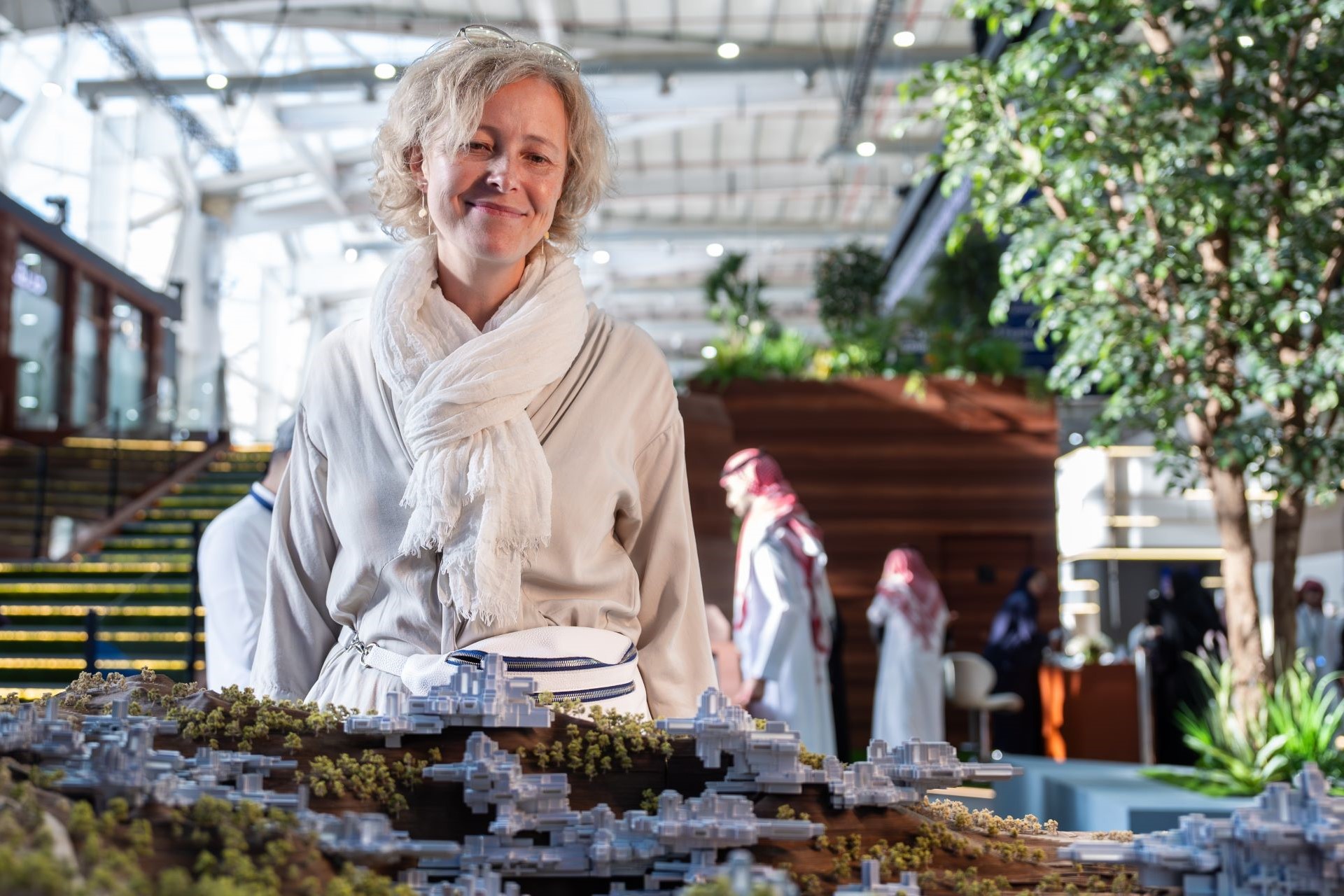
Cityscape Global 2025, the world’s most attended real estate event, will serve as the premier platform to explore the transformative impact of Saudi Arabia’s newly approved foreign homeownership law. The announcement, which opens designated zones across the Kingdom to foreign property ownership starting in 2026, marks a pivotal moment in Saudi Arabia’s real estate development and global investment strategy.

Saudi Arabia’s Cabinet, chaired by His Royal Highness, Crown Prince and Prime Minister, Mohammed bin Salman, approved the new law governing property ownership by non-Saudis. The Saudi government’s decision to allow foreign ownership in designated zones is expected to catalyse a surge in international interest and investment. Cityscape Global is uniquely positioned to showcase these breakthrough opportunities. With last year’s event seeing a 37% increase in international participation, the 2025 edition is primed to deliver even greater impact.

Rachel Sturgess, Senior Vice President at Tahaluf, the organisers of the event, commented: “This is an historic moment for Saudi Arabia with exciting new changes that will pave the way for significant international investments into the Kingdom. We are excited to highlight the significance of these opportunities at this year’s Cityscape Global. The major event will bring together more than 172,000 participants across the whole real estate value chain – from developers and architects to institutional investors, technology providers, and policymakers. More than 70 international developers and over 20,000 international attendees were represented at last year’s show. Cityscape Global 2025 is set to attract institutional investors with access to over $5 trillion in capital.”

Cityscape Global, will return to the Exhibition and Convention Centre in Malham, Riyadh, from 17 – 20 November 2025. Held under the theme “The Future of Urban Living”, the event is sponsored by the Ministry of Municipalities and Housing (MOMAH) in partnership with the Real Estate General Authority (REGA), Vision 2030, the Housing Program. This year Cityscape Global will feature 450+ world-class exhibitors, 500 speakers, four conferences, and two VIP programmes for institutional investors and international developers.

2025 will also see the co-location of ESTAAD, Saudi Arabia’s first platform dedicated to the entire international ecosystem behind stadiums, sports, and mega-event infrastructure.

USA, China, India, UK, Italy, UAE, Qatar and Jordan make up just some of the international countries with real estate representation at this year’s Cityscape Global. Brands such as Qatari Diar Real Estate Investment Company, Binghatti Properties, Johnson Controls, NAVER Cloud, Royal Institute of British Architects (RIBA), Hovnanian Real Estate, Jordan Gate for Real Estate, Commercial & Tourism Investment Co., Dongying Yiheng New Building Materials, JLL and Property Automate have also confirmed their attendance.

In addition, renowned developers such as Qiddiya are exhibiting for the first time as Foundation Sponsor. Ajdan, Ajlan & Bros, Ajlan Riviera, Abyatona, AlDyar AlArabiya, Al Basateen, Al Majdiah, Al Othaim, Abdulrahman Saad AlRashed and Sons Co., Dar wa Emaar, Mohammed Al Habib, Mountain View, Osool, OSUS, Rafal, Retal, Rikaz, and Zood are committed Diamond Partners to Cityscape Global. They will showcase various innovative projects, which are shaping the future of real estate innovation.

About Cityscape Global and Tahaluf

Cityscape Global is organised by Tahaluf, a joint venture partnership between Informa PLC, the world’s largest trade show organiser, the Saudi Federation for Cybersecurity, Programming and Drones (SAFCSP), and Events Investment Fund (EIF). Sela, the Saudi-owned event production company renowned for its creation of spectacular event experiences, intends to join the joint venture in the near future.

Amid vast ongoing urban development across the Kingdom, Cityscape Global in Saudi Arabia provides architects, urban planning specialists, consultants, and representatives of investment agencies, economic agencies, and cities with abundant opportunities to discuss the most recent advancements in the MENA and global real estate industry.

Cityscape Global also provides local, regional, and international businesses with a high-profile platform to showcase their projects and services to visitors from all over the world, while also forging new multinational collaborations.

Register for your event tickets today here.

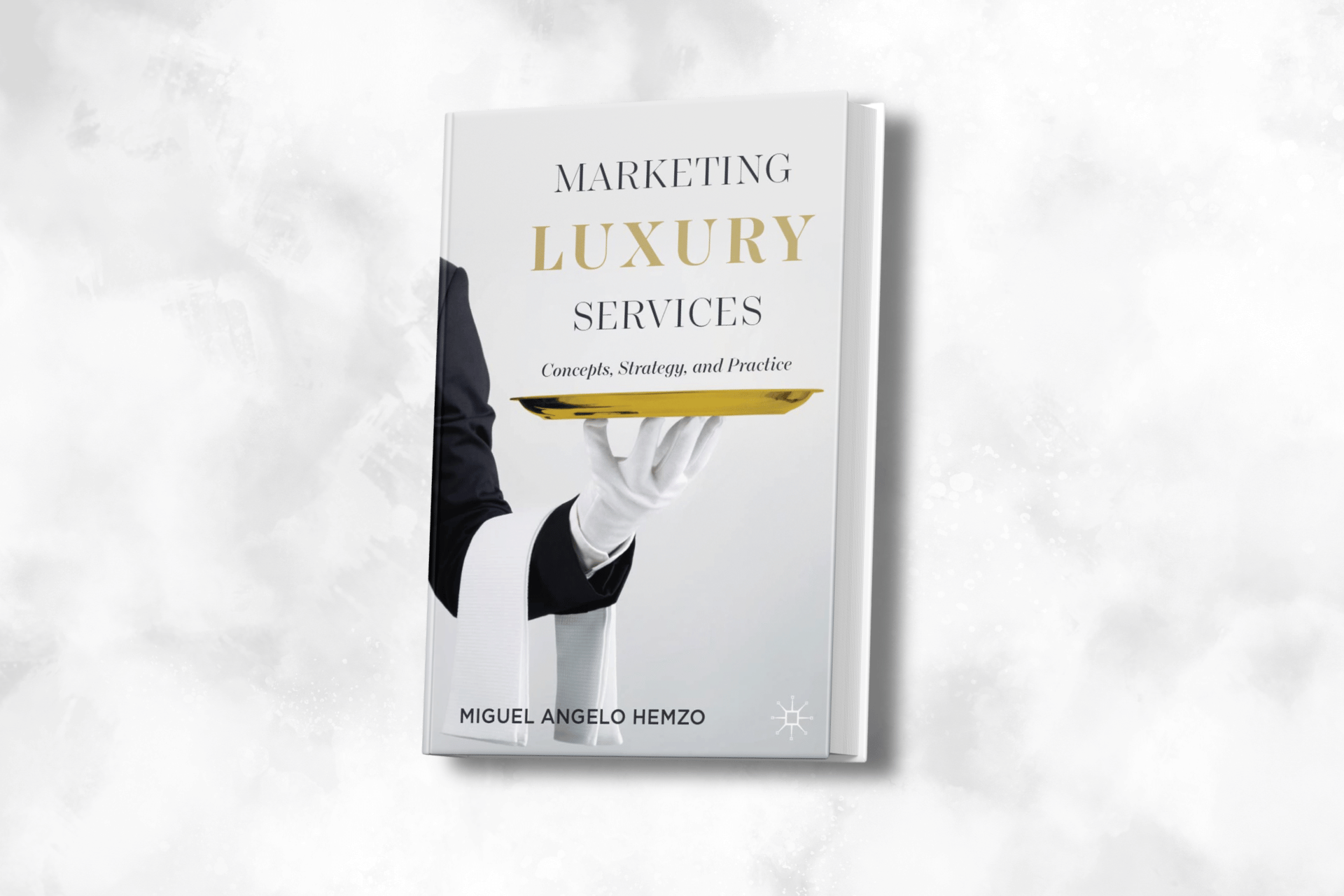
Luxury Library: Marketing Luxury Services – Concepts, Strategy, and Practice

Author: Miguel Angelo Hemzo 
Publication Date: 2023
Amazon Rating: 4.2

The WLCC Luxury Library is a vital hub for luxury professionals and enthusiasts, offering a curated collection of insights, trends, and knowledge in the luxury sector. Tailored for members of the World Luxury Chamber of Commerce, it offers up-to-date resources on branding, marketing, and high-end consumer behavior. Through a focus on learning and collaboration, the Luxury Library seeks to inspire innovation and raise the bar within the luxury sector. 

Marketing Luxury Services: Concepts, Strategy, and Practice is a comprehensive and academically grounded guide for students, professionals, and aspiring leaders in the luxury industry. Offering a rare blend of theory and real-world insight, this textbook unpacks the complexities of marketing luxury services, a category often more nuanced and emotionally driven than products alone.

The Book Reveals Several Core Lessons, Including:

  • A historical and cultural overview of luxury and its evolving definitions, setting the foundation for modern luxury marketing practices.
  • Strategic insights into positioning, pricing, and promotion tailored specifically to luxury services.
  • A framework for understanding the “8 Ps” of luxury marketing, combining the classic marketing mix (Product, Place, Promotion, Price) with the service-dominant logic (People, Process, Panorama, and Productivity).
  • Deep dives into brand communication, value perception, and global expansion strategies tailored to high-net-worth consumers.
  • Real-world case studies and contributions from luxury marketing practitioners bring the theory to life with practical application.
  • Guidance on aligning luxury service delivery with experience, emotion, and personalization, the key expectations of today’s affluent clientele.
  • Emphasis on the critical balance between exclusivity and accessibility in a service environment.

Whether you’re a student exploring luxury marketing for the first time or a professional refining your strategic toolkit, Marketing Luxury Services equips readers with a holistic view of how luxury brands must adapt their approach when the product is intangible, emotional, and experience-based.

This textbook is an essential read for those looking to navigate and lead in the evolving world of luxury service management.

Get the book on Amazon today. 

To learn more about The Luxury Library, view the 21 must-read books

WLCC Welcomes Philippe Mihailovich to Its Distinguished Board of Directors

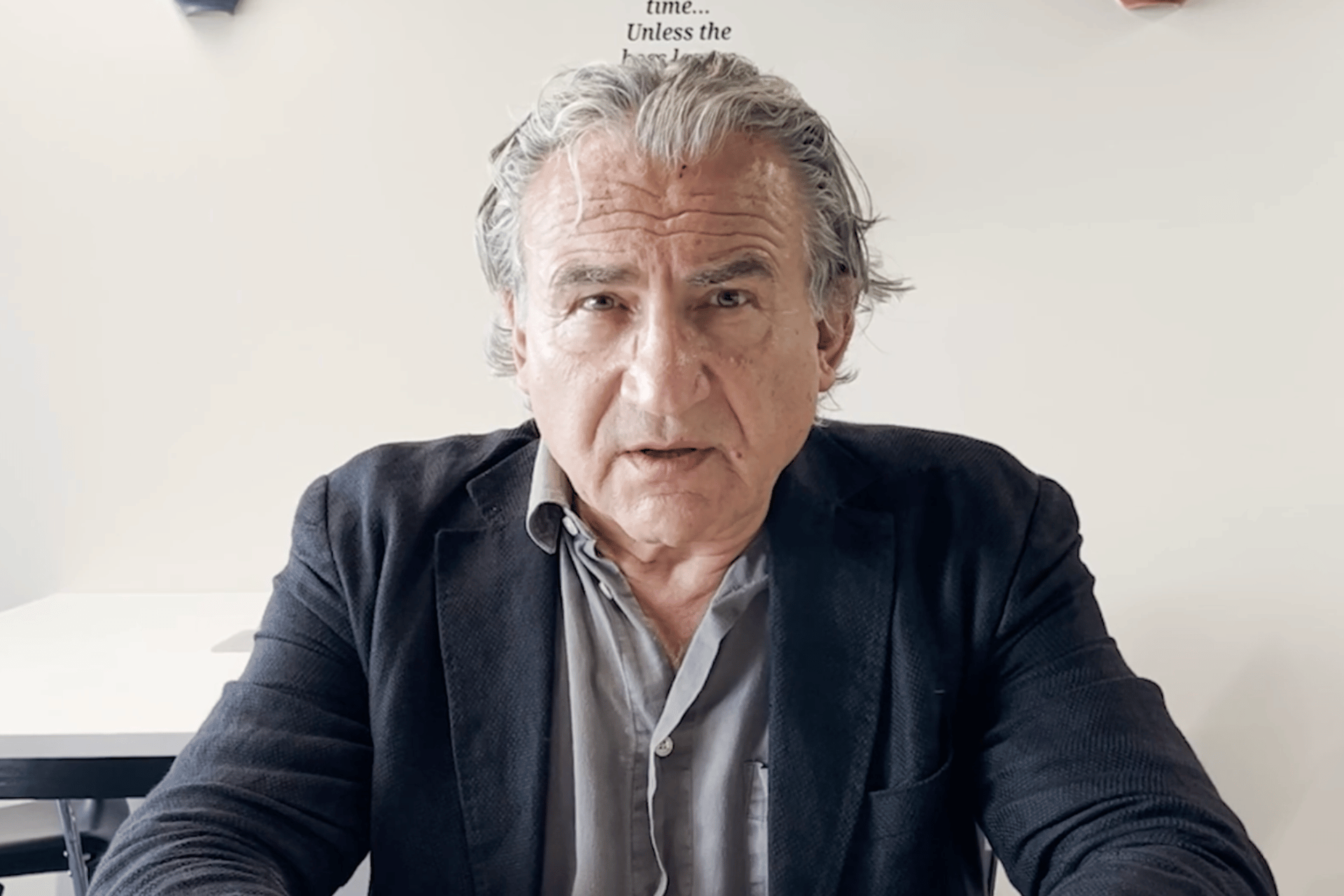
The World Luxury Chamber of Commerce (WLCC), a global community uniting the finest luxury brands and visionaries, proudly announces the appointment of Philippe Mihailovich to its Board of Directors. With a distinguished career spanning decades across luxury, fashion, beauty, and global brand management, Mihailovich brings unparalleled expertise, thought leadership, and passion for shaping the future of luxury.

As Co-Founder, CEO, and Brand Architect of HAUTeLUXE, Philippe Mihailovich is internationally recognized as a leading advisor to high luxury brands, analyst-strategist, practitioner, and educator. He is the lead author of HAUTE “Luxury” Branding — a book that has been recognized among the Top 10 Branding Books by The Branding Journal (NYC) and is currently preparing its second edition. His pioneering work in Brand Architecture has influenced industry giants and academics alike, with models that have been adapted and expanded by leading brand theorists such as Aaker and others.

Mihailovich’s career journey includes leadership roles as Marketing Chief for global powerhouses such as Nivea UK, Wella, Clairol, and British Telecom, as well as President and Managing Director of Couture Brands in both Europe and the U.S. He has since advised CEOs of luxury houses, niche challengers, and high-luxury businesses worldwide — from high jewelry and leather goods to fragrance, beauty, hospitality, and rare ethical colored diamonds – with the most complicated ‘problems’ but also enjoys facilitating collaborations and partnerships with luxury brands and property developers, potential franchisees and artists.

As a professor of Luxury Brand Management, Mihailovich teaches at prestigious institutions including NEOMA, INSEEC, Rennes School of Business, Toulouse Business School, Burgundy School of Business, EFAP, ICART, EIDM, Istituto Marangoni Paris, as well as international exchanges with SP Jain School of Global Management (India) and China University of Geosciences (Wuhan). He is also known for guiding executive students on private field trips to exclusive Parisian luxury houses—an insider’s view of the world’s most secretive and iconic maisons.

Reflecting on his appointment, Mihailovich shared “I feel truly honored to have been invited into this select group of visionary leaders. Throughout my career, I have sought to build, repair or enhance luxury brands with sustainable and meaningful futures. Joining the WLCC Board is a unique opportunity to contribute my experience, foster collaborations, and strengthen our collective mission of shaping the future of luxury.”

Philippe Mihailovich’s international background—born in South Africa with French, Swiss, Serbian, and German heritage, and having lived and worked across Paris, London, and New York — further underscores his global perspective and deep cultural insight into the luxury sector.

“We are delighted to welcome Philippe Mihailovich to the World Luxury Chamber of Commerce Board of Directors. His thought leadership, groundbreaking contributions to brand strategy, and lifelong dedication to the luxury industry make him an invaluable asset to our community. With Philippe’s guidance, we will continue to drive innovation, excellence, and growth for luxury brands worldwide,” commented Alexander Chetchikov, WLCC President.

With this appointment, the WLCC strengthens its mission of uniting the world’s leading luxury minds, recognizing their contributions, and empowering businesses to thrive in a rapidly evolving market.

To learn more about Philippe Mihailovich’s career and expertise, visit his LinkedIn profile. To explore WLCC’s mission and vision, visit:  https://worldluxurychamber.com/about/

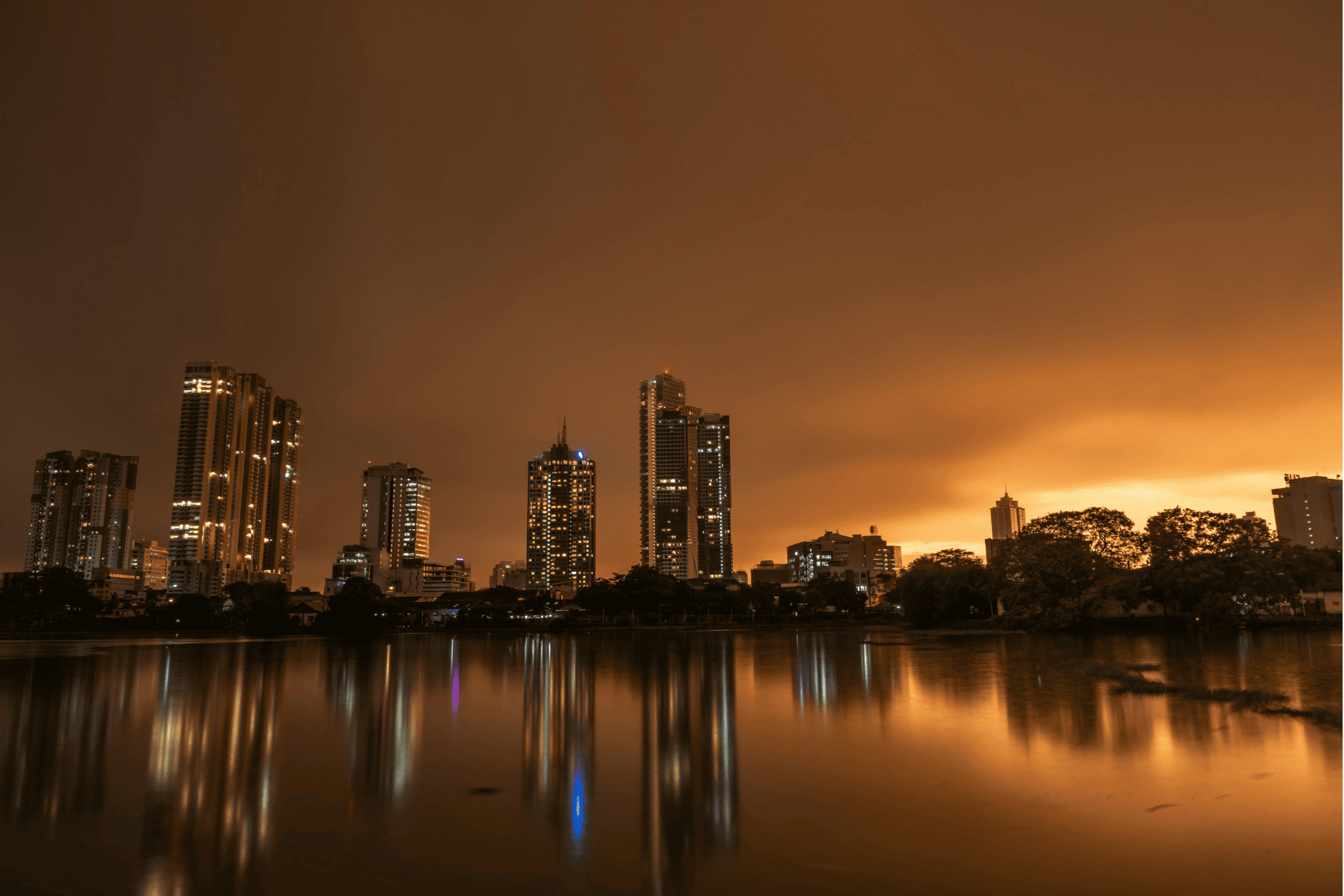
South Asia’s $1.2B City of Dreams Resort Aims to Elevate Colombo’s Hospitality Scene

Sri Lanka is set to elevate its tourism and hospitality landscape with the launch of City of Dreams, South Asia’s first integrated resort of its scale. With a US$1.2 billion investment, this Colombo-based development is designed to attract international visitors, strengthen the nation’s economy, and enhance the city’s status as a high-end destination. 

Transforming Tourism & Hospitality

  • Largest integrated resort in South Asia, combining hotel, residential, retail, and entertainment facilities.
  • Features premium hotel accommodations, a casino, convention spaces, retail outlets, and restaurants.
  • Targets high-end visitors from India, China, Russia, and the upper-middle-class segment.

Economic and Employment Impact

  • Expected to generate thousands of direct and indirect jobs across construction, hospitality, and related sectors.
  • Supports skill development through local workforce training and knowledge transfer.
  • Enhances investor confidence in Sri Lanka’s tourism sector.

Elevating Colombo’s Global Profile

  • Positions Colombo as a key destination for leisure and entertainment tourism.
  • Offers international-standard gaming facilities through Melco Resorts & Entertainment’s management.
  • Strengthens Sri Lanka’s appeal to regional and global travelers seeking comprehensive resort experiences.

City of Dreams is ready to change the nation’s tourism and hospitality sector. By attracting global visitors, creating jobs, enhancing infrastructure, and raising Colombo’s international profile, the resort marks a milestone in Sri Lanka’s economic and tourism growth, setting a benchmark for future large-scale developments.

Stay up to date on the latest luxury industry news: https://worldluxurychamber.com/insights-news        

SOURCES: TRAVEL AND TOUR WORLD

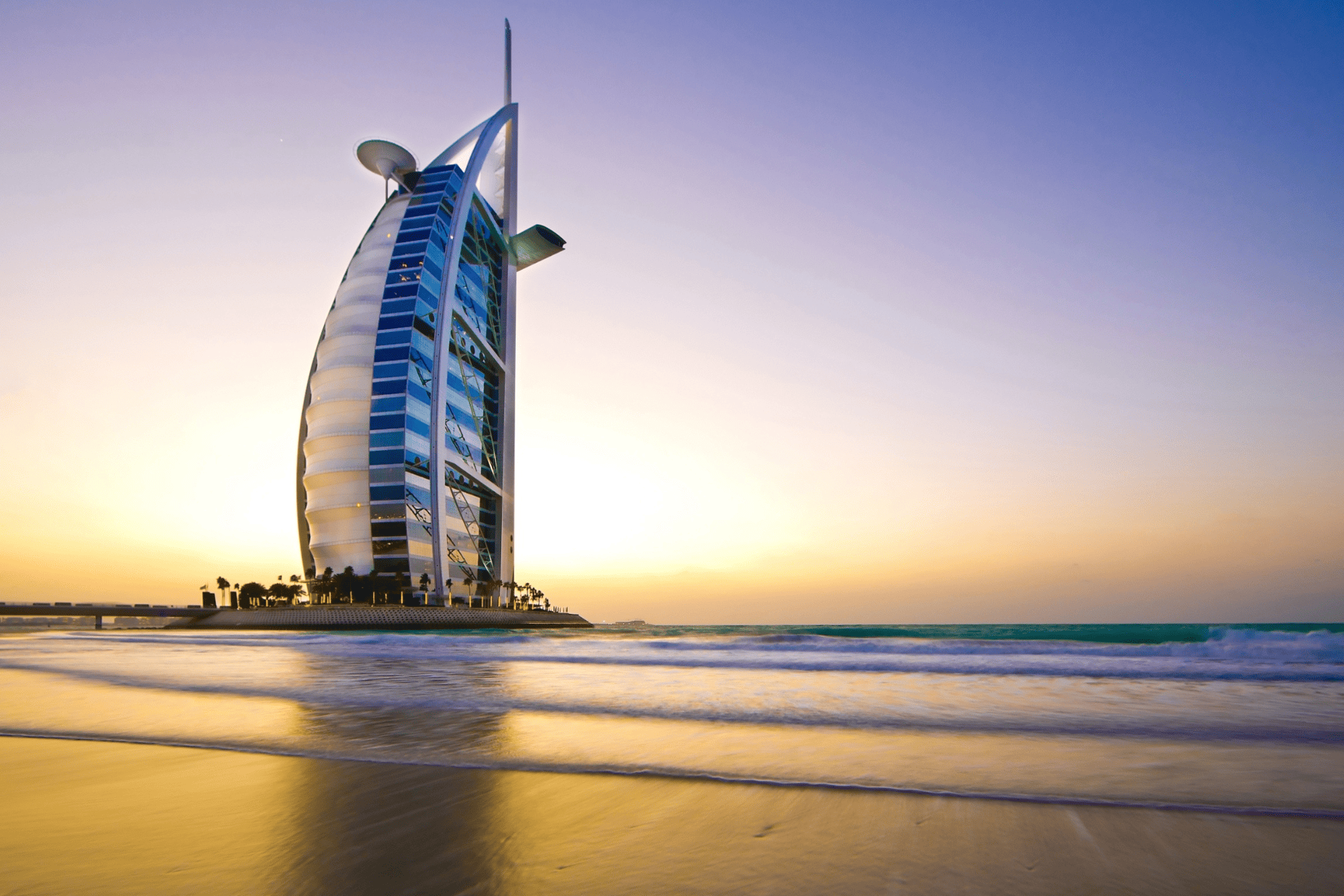
Tax Reforms Spark Investor Confidence as Dubai’s Property Market Accelerates 

Dubai’s real estate market recorded an impressive surge in July 2025, with total sales reaching Dh63.6 billion. This strong performance reflects growing investor confidence, boosted by new tax reforms and a significant increase in off-plan property transactions. As Dubai continues to attract global interest, these developments signal positive momentum for the market’s trajectory.

Interesting Insights:

  • Sales Volume Growth: Sales activity for July represents a marked increase compared to previous months.
  • Off-Plan Market Expansion: Off-plan properties contributed significantly to the sales volume, showing increased demand from both local and international buyers.
  • Tax Reform Impact: The UAE’s Ministry of Finance recently introduced corporate tax measures that allow deductions on investment properties at fair value.
  • Diverse Buyer Base: The market saw strong interest from a mix of end-users and investors, signaling both short-term demand and long-term confidence in Dubai’s property sector.
  • Market Outlook: Experts suggest that continued government support and regulatory clarity will sustain this positive trend, encouraging further growth in real estate investments.

Dubai’s property market is demonstrating resilience and vitality, driven by strategic policy adjustments and sustained buyer interest. The combination of off-plan project appeal and favorable tax reforms is setting the stage for continued expansion. For investors seeking exposure to a dynamic luxury real estate landscape, Dubai remains a compelling destination.

Stay up to date on the latest luxury industry news: https://worldluxurychamber.com/insights-news        

SOURCES: ARABIAN BUSINESS

Projecting the Skies of Tomorrow by Jetcraft

The private aviation arena continues to evolve, and the latest edition of Ever Forward: The Pre-Owned Business Aviation Report 2025 by Jetcraft offers an in-depth, data-driven view of where the market is heading. Now in its 11th year, the report examines the intersection of economic, political, and demographic factors shaping the sector, with forecasts extending to 2029. Leveraging over six decades of expertise and a robust global network, Jetcraft’s analysis combines comprehensive transaction data with on-the-ground intelligence to present a clear perspective for industry leaders, investors, and high-net-worth buyers.

The pre-owned business jet market, a significant pillar of luxury mobility, is poised for steady and sustainable growth over the next five years.

Market Size and Projections

  • Forecast of 11,202 transactions between 2025 and 2029, representing $73.9 billion in value.
  • 2024 saw $13.4 billion in pre-owned transactions, with 64% occurring in the U.S.
  • The large jet segment is driving expansion, buoyed by the arrival of new models such as the Falcon 6X, Gulfstream G700/800, and Bombardier Global 8000.

Demographic Shifts

  • Buyers under 45 now account for 29% of transactions, nearly doubling their share over the past decade.
  • This rise is linked to wealth generated in technology, AI, and finance, along with a growing share of female buyers (29%).
  • Entertainment industry clients make up 42% of this under-45 group.

Regional Dynamics

  • U.S. demand is bolstered by political and economic confidence.
  • Asia-Pacific is increasingly favoring large-cabin, newer jets.
  • Younger high-net-worth buyers are driving growth in the Middle East and Africa.
  • EMEA has regained its role as a key transaction hub, with cross-border sales between the Americas and EMEA representing a notable share of activity.

Market Conditions

  • The average days-on-market rose to 166 in 2024 from a low of 122 in 2022, reflecting healthier inventory levels.
  • Light aircraft have shown the strongest value retention since the 2022 peak, attracting first-time buyers and those upgrading from charter or fractional ownership.
  • Midsize jets are gaining traction for their balance of range, performance, and in-flight features.

Sector Themes and Implications

The market’s shift from post-pandemic volatility to measured stability signals an environment conducive to long-term planning. The entrance of younger buyers is diversifying the client base, influencing both product demand and service expectations. At the same time, the strong performance of light and midsize aircraft points to an expanding gateway segment for new entrants into private aviation ownership.

For established players in the luxury aviation sector, these patterns suggest the need for targeted engagement strategies across emerging demographics, as well as positioning inventory to capture the high demand for modern, large-cabin aircraft in Asia and the Middle East.

Jetcraft’s report paints a portrait of a market moving with steadier altitude, confident, strategically expanding, and increasingly global. While political landscapes, economic cycles, and generational shifts will continue to shape demand, the fundamentals remain robust. Industry insiders should note the interplay between demographic evolution, technological preference, and geographic rebalancing as they plan their growth strategies in the years ahead.

To view the full report, visit: Jetcraft.com/market-report-2025 

Stay up to date on the latest luxury industry news: https://worldluxurychamber.com/insights-news/

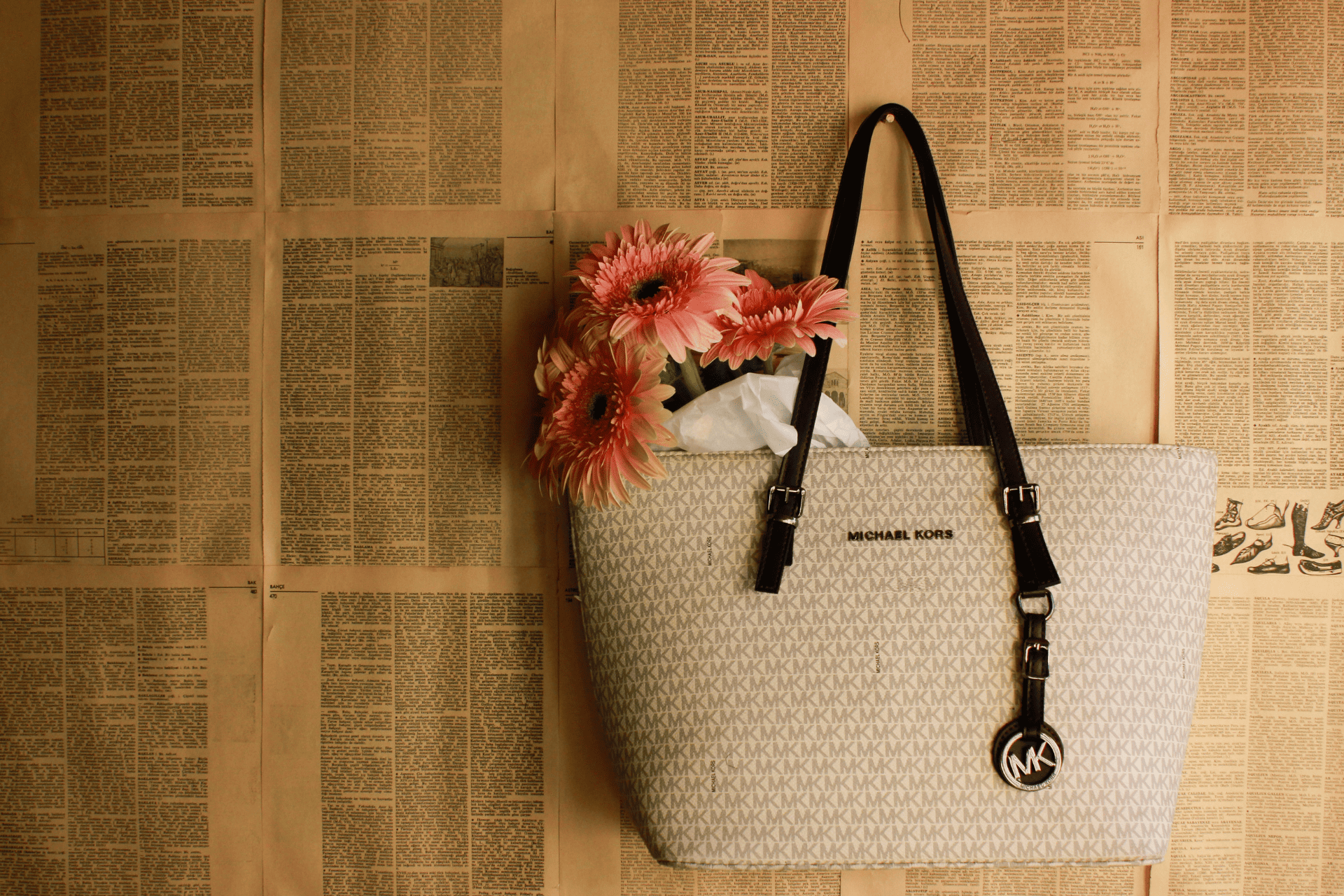
Michael Kors Owner Capri Holdings Gains Traction with Surprising Q1 Results

Capri Holdings, the group behind Michael Kors, Jimmy Choo, and Versace, has posted results that signal a rebound in the global luxury market. After a period marked by muted spending and cautious consumer sentiment, the company’s latest earnings surpassed analyst forecasts, driven by improving demand and early wins from its ongoing business transformation. 

The results arrive at a pivotal moment, as Capri continues to reshape its portfolio, refine its retail footprint, and navigate potential tariff challenges, all while positioning its brands for renewed growth.

Capri’s recent quarterly performance shows a notable improvement:

  • Unexpected Revenue Performance: Net revenue slipped 6% to $797 million, yet surpassed analyst forecasts of $793.1 million
  • Profit Beats Forecast: Earnings soared to $0.50 per share, substantially above the $0.13 per share expected
  • Optimistic Forward Guidance: Projected revenue for Q2 is $815M to $835M, outperforming the consensus estimate of $819.1M
  • Tariff Pressures & Mitigation: Anticipated U.S. tariffs could hike costs by around $60.

Capri Holdings’ latest results offer a glimpse of renewal. While global economic headwinds persist, the improved demand for its brands and a clear roadmap of efficiency and brand management suggest an upward trajectory.

Stay up to date on the latest luxury industry news: https://worldluxurychamber.com/insights-news        

SOURCES: BRAND EQUITY

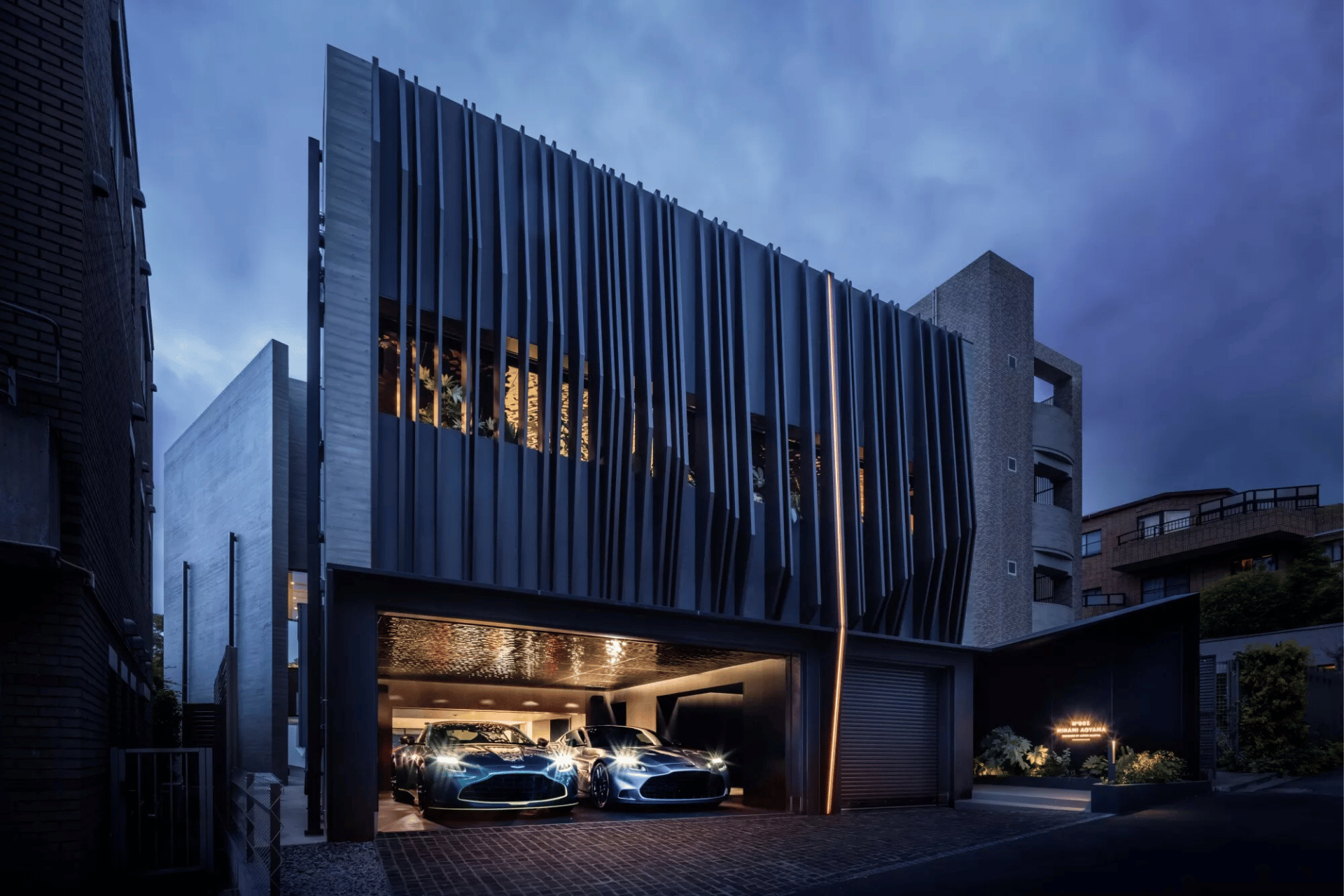
Aston Martin Expands into Asia with Striking Omotesandō Residence

Above: Image from Aston Martin

Aston Martin’s architectural ambitions have taken a new shape with the completion of N°001 Minami Aoyama, its inaugural private residence in Asia. Situated in Tokyo’s Omotesandō district, this four-storey home extends the brand’s precision-led design language (usually reserved for its cars) into built form.

In partnership with VIBROA Inc., the residence unfolds across 724 square meters. Its steel-encased exterior features vertical fins that interact with sunlight throughout the day, offering shifting views and considerate seclusion without shutting out the surroundings

Key Features:

  • Automotive-Inspired Car Gallery: A street-level display space for two Aston Martins, designed with adaptive lighting, a rippled metal ceiling, and clear interior sightlines.
  • Interior Materials: Grey oak, black lava stone, brushed steel, and hinoki wood create a tactile, layered atmosphere.
  • Living Spaces: Three ensuite bedrooms, a private spa, a golf simulator, and a rooftop terrace with Tokyo Tower views.
  • Spatial Flow: A folded-steel staircase with an adjacent indoor garden connects the basement to the rooftop.
  • Custom Furnishings & Technology: Bespoke pieces by Molteni&C and an integrated Bowers & Wilkins sound system.

Inside, the residence transitions from darker tones in the lower levels to lighter spaces above, creating a sense of movement and lightness.

The move into residential design reflects a wider trend among high-end automotive brands such as Bentley, Porsche, and Mercedes-Benz, which are each developing properties in major global cities. While some rely heavily on branding, N°001 Minami Aoyama demonstrates a clear architectural intent that goes beyond surface-level association, maintaining the integrity and values found in Aston Martin’s automotive work.

Stay up to date on the latest luxury industry news: https://worldluxurychamber.com/insights-news        

SOURCES: NOBLE & STYLE

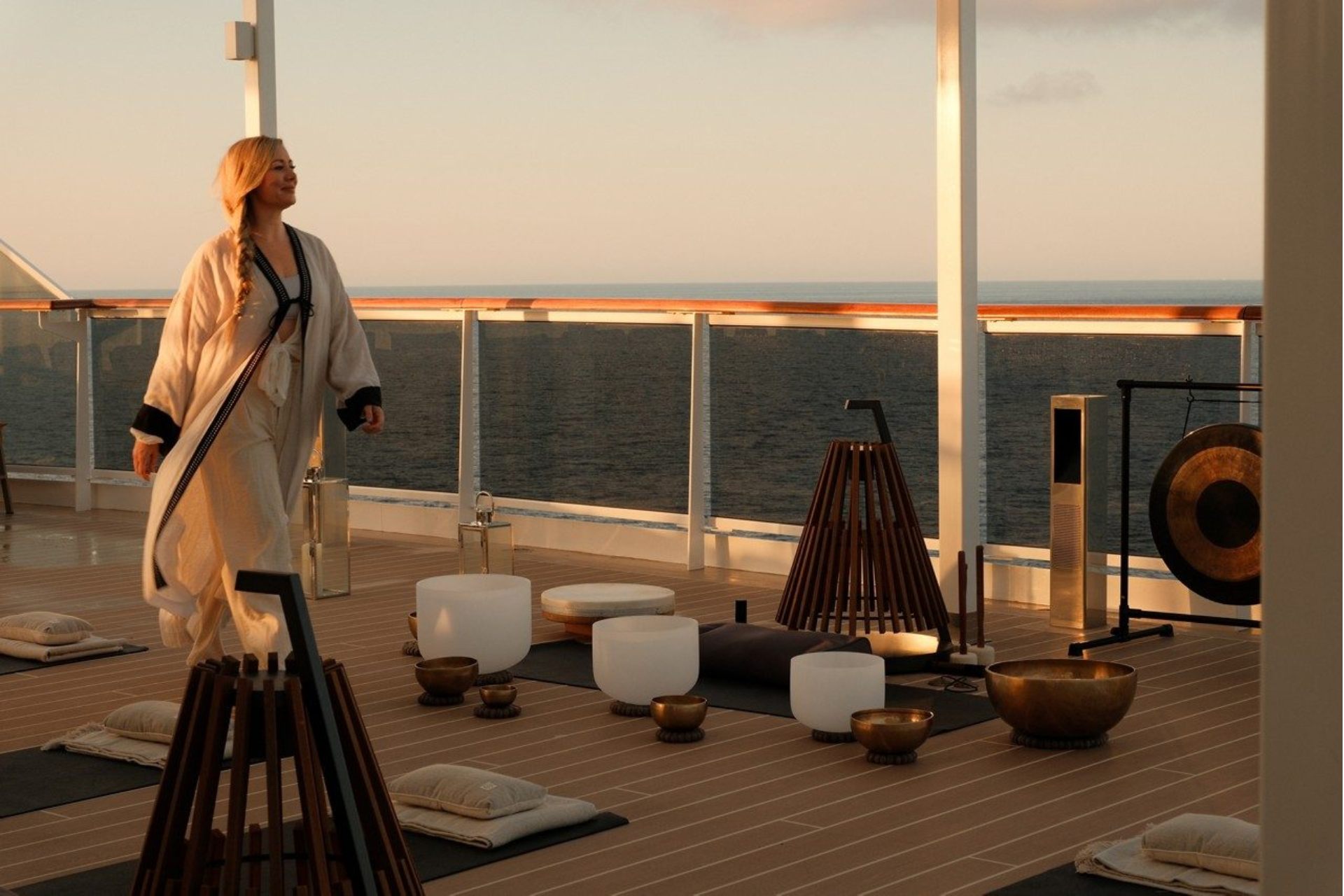
Sailing into Serenity: New Wellness Retreats Aboard EXPLORA I & II

Above: Image from Explora Journeys

Explora Journeys, part of the MSC Group, is expanding its wellness offering at sea with the introduction of Ocean Wellness Retreats aboard its ships EXPLORA I and EXPLORA II. Designed as one-day immersive programmes available during extended Grand Voyages, these retreats draw from both Eastern and Western wellbeing traditions, offering guests a rejuvenating escape set against some of the most inspiring ocean routes in the world.

The Ocean Wellness Retreats invite travellers to slow their pace and embrace practices that nurture body, mind, and spirit. Incorporating yoga, breathwork, and sound therapies, each retreat is intended to provide moments of restoration while enhancing the overall voyage experience. Guests are welcome to participate in multiple retreats across their sailing for deeper personal benefit.

Program Highlights:

  • Surya Shakti Yoga is inspired by the sun, enhancing vitality and focus.
  • Pranayama breathing techniques are designed to restore balance and mental clarity.
  • Sound Healing & Gong Baths
  • Guided Reflection sessions encourage introspection and renewal.

The upcoming Ocean Wellness Retreats will take place on two extended sailings. Aboard EXPLORA I, guests can join A Grand Voyage of European Gems and Tropical Idylls, departing from Fusina (Venice) and travelling to Miami with stops at cultural ports across the Mediterranean before continuing to the Caribbean. On EXPLORA II, A Grand Voyage between Sweet Mint Tea & Lava Caves will sail from Barcelona to Bridgetown, Barbados, Tangier, Gran Canaria, and the Caribbean.

The extended itineraries, which traverse cultural hubs and serene island landscapes, offer the ideal backdrop for guests seeking deeper self-awareness and balance while travelling.

Stay up to date on the latest luxury industry news: https://worldluxurychamber.com/insights-news        

SOURCES: EXPLORA JOURNEYS

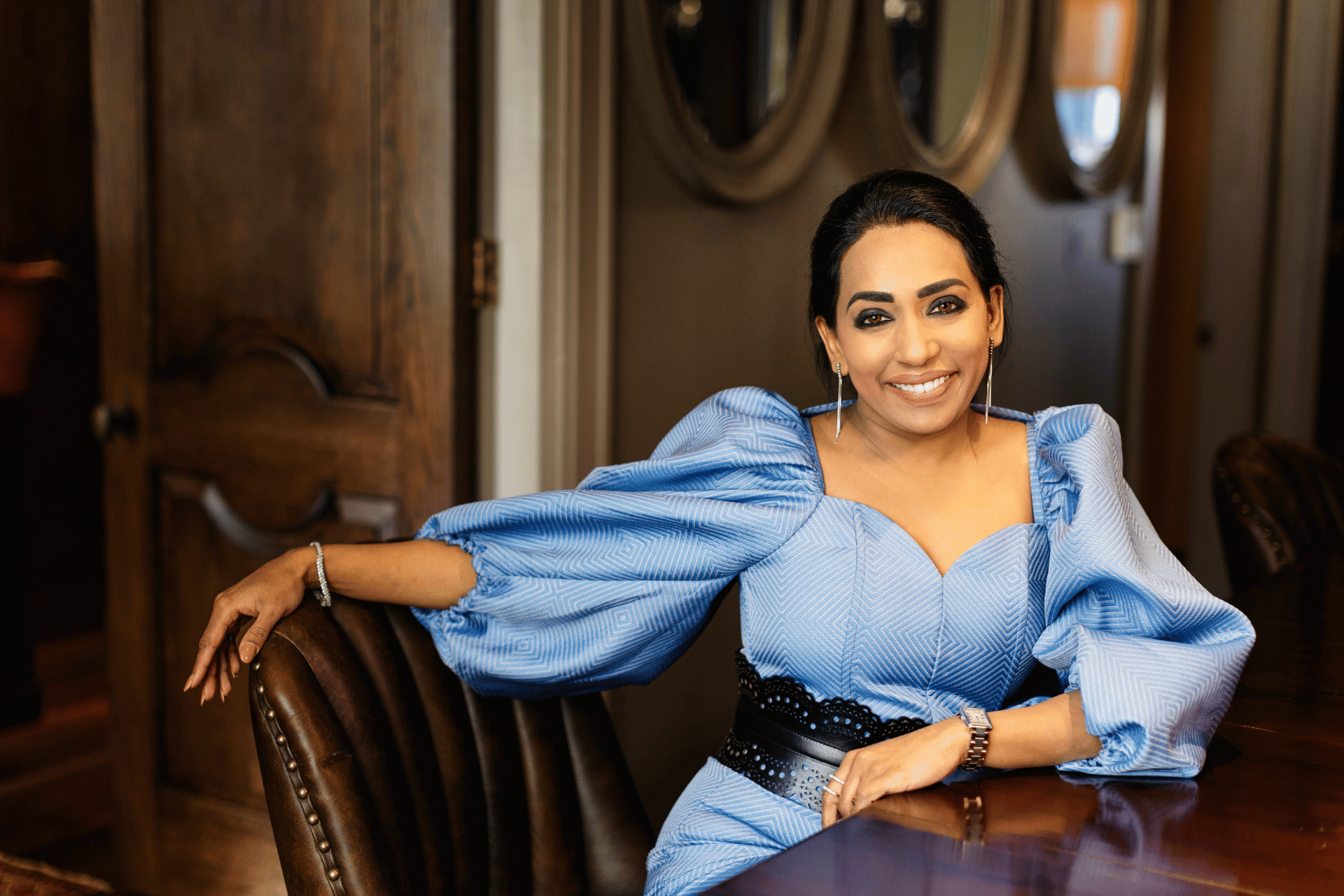
Exclusive Conversation: The Legacy of Regenerative Luxury with Dr. Aradhana Khowala

In this exclusive interview led by Alexander Chetchikov, President of the World Luxury Chamber of Commerce, Dr. Aradhana Khowala, one of the world’s foremost experts on travel, tourism, and hospitality, shares her visionary perspective on the future of luxury travel. With over 24 years of global experience spanning five continents and collaborations with more than 85 countries, Dr. Khowala has been at the forefront of pioneering regenerative tourism models that intersect luxury hospitality, wellness, and sustainable growth.

As CEO of Aptamind Partners, the strategic consultancy renowned for guiding governments and emerging destinations toward regenerative tourism development, she brings unmatched insights shaped by her leadership roles on multi-billion-dollar projects like Saudi Arabia’s NEOM and the Red Sea Global initiative. Recognized repeatedly as one of the most influential leaders in global hospitality, her work engages presidents, prime ministers, and international organizations to harness tourism as a powerful catalyst for economic vitality, climate action, and human progress.

In this in-depth conversation, Khowala argues that the definition of luxury is undergoing a profound transformation, from excess and indulgence toward meaningful experiences that leave a lasting positive legacy for communities and the planet. Together with Chetchikov, she explores how the next decade will redefine what it means to be truly “luxury” in an industry confronting unprecedented environmental and social challenges.

Alexander Chetchikov: Aradhana, with your leadership role at Aptamind Partners and your involvement in regenerative tourism, how do you see the luxury travel industry evolving in the next decade, particularly in terms of sustainability and environmental impact?

Aradhana Khowala: Everyone talks about sustainability. For me, “sustainability is the floor, not the ceiling”. Sustainability keeps you from doing harm; regeneration actively leaves a place better than you found it. A regenerative hotel doesn’t just offset its carbon footprint – it rewilds land, revives coral reefs, and empowers local communities. In my world of tourism, luxury without regeneration isn’t luxury – it’s liquidation. In other words, sustainability is survival. Regeneration is legacy. And in luxury, legacy sells.

“The next decade will kill off luxury as we know it. Not because consumers can’t afford it, but because they won’t tolerate it. Regeneration isn’t the future of luxury, it’s the only version of it that will survive.” – Dr. Aradhana Khowala

Alexander Chetchikov: Luxury has always thrived on scarcity, excess, and the idea of “more is more.” Can regenerative luxury, which demands restraint and responsibility, ever truly seduce the ultra-wealthy?

AK: If your definition of luxury still starts with excess, you’re already obsolete. The new status symbol isn’t what you take – it’s what you give back. Regeneration isn’t the future of luxury, it’s the only version of it that will survive. And for that, we have to stop framing “less” as a compromise. The highest form of indulgence today is meaning – an experience so rare it cannot be replicated or bought twice. Take the Maldives’ Soneva resorts: solar-powered, waste-free, yet charging among the highest rates globally because guests are buying into an ethos, not just a villa. The elite no longer want to be the first to have something – they want to be the only ones to have experienced it. Regeneration delivers that. In the future, the only luxury worth having will be the one the planet can afford to keep.

Alexander Chetchikov: Conventional wisdom says luxury and mass-market trends exist on opposite ends. Why do you argue the next big shift in luxury will actually come from the grassroots?

AK: Look at how farm-to-table went from rural co-ops to Michelin-starred menus. Or how streetwear from subcultures reshaped billion-dollar fashion houses. In luxury tourism, the next revolution will come from hyper-local, culturally rooted practices — think Maasai-led conservation safaris or local-owned regenerative lodges. Luxury brands that only innovate from the boardroom with international chains to attract visitors will miss where desire is really being shaped: on the ground.

Alexander Chetchikov: You’ve said “green glamour” is the most dangerous phrase in luxury today. Why?

AK: Because it’s seduction without substance. Green glamour, when done right, is regenerative edge meeting impeccable aesthetics – like The Brando in French Polynesia, where solar power, seawater air-conditioning, and biodiversity restoration underpin barefoot luxury. But when it’s just bamboo straws in a champagne bar, it’s greenwashing with a better dress code. The difference? Whether your sustainability claims survive a forensic audit, not just an Instagram scroll and bought advertising.

Alexander Chetchikov: Luxury brands are obsessed with lifetime customer value. What’s the regenerative equivalent?

AK: Lifetime “place” value. The idea that your brand’s worth is tied to the long-term health, culture, and prosperity of the destinations you touch. A guest might stay once, but the community will “host” you for decades. Brands that destroy the host for a short-term win won’t survive the next era of regulation and reputation risk. The most profitable loyalty program in the next decade will be the loyalty of the planet and the people, not just the guests. 

Alexander Chetchikov: You’ve been recognized as one of the most powerful figures in global hospitality. How do you use your platform and influence to drive policy change in tourism, and what are some of the most pressing issues you believe need immediate attention from global leaders?

AK: I use my platform to break the polite silence that keeps this industry complicit. We romanticise “wanderlust” while bulldozing rainforests for resorts, turning sacred land into selfie backdrops, and flying millions into climate collapse. Tourism is a planetary force; this industry powers 1 in 10 jobs and 10% of global GDP, yet it has no binding climate targets, no global safeguards for cultural heritage, no serious accountability for community displacement, or mandatory social equity frameworks that protect people as fiercely as we protect profit.

I am on a mission to push tourism into the same room as climate negotiators, health ministers, and finance chiefs – because it’s not “just hospitality,” it’s a driver of global stability.

The most pressing issue? Leaders are treating tourism as an economic side hustle instead of a strategic lever for climate, equity, and cultural survival. If we don’t rewrite the rules now, there will be nothing left to market.

Alexander Chetchikov: As someone passionate about supporting startups, how do you identify innovative ventures in the hospitality and tourism space, and what advice would you give to aspiring entrepreneurs looking to disrupt the luxury industry?

AK: In hospitality and tourism, true innovation is about reimagining the value chain so that luxury is inseparable from impact.  My advice to entrepreneurs? Forget the pitch decks obsessed with “scaling fast” and “owning market share.” In luxury, speed kills. The ventures I back are the ones brave enough to go slow – to obsess over provenance, craft, and community until they create something so authentic it can’t be replicated at scale without losing its soul. In luxury, the fastest way to disappear is to try to please everyone.  

Thank you, Aradhana!

Dr. Aradhana Khowala’s compelling vision calls for a paradigm shift where luxury and responsibility are no longer at odds but deeply intertwined. As she passionately puts it, the future of luxury travel is not just about avoiding harm but actively creating a better world—one regenerative experience at a time.

Follow her journey on LinkedIn: https://www.linkedin.com/in/aradhana-khowala/

Want to read more exclusives? Check out our news and insights: https://worldluxurychamber.com/insights-news/ & sign up for our newsletter here: https://worldluxurychamber.com/wlcc-community/

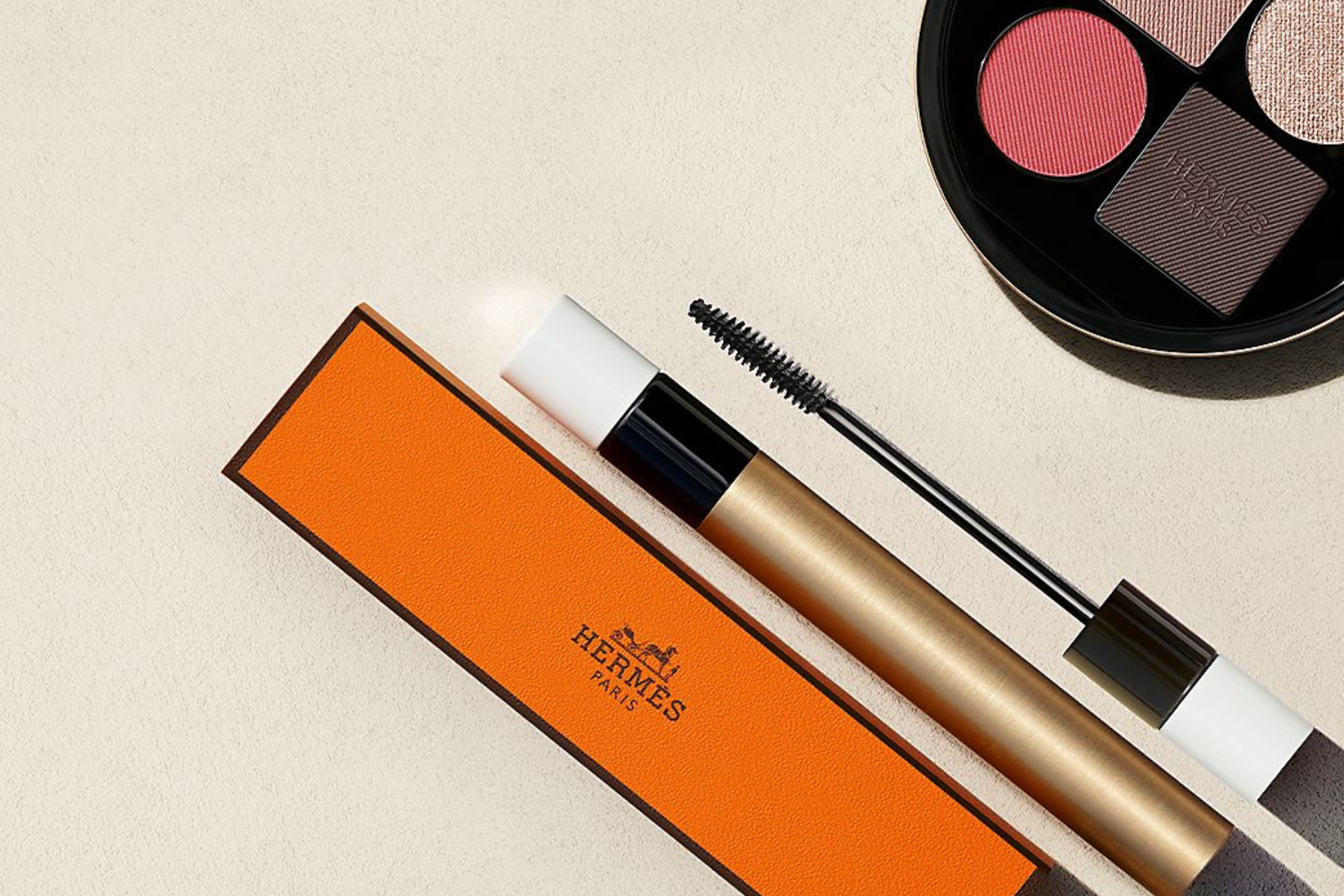
Hermès Beauty Sees First Sales Decline Since Launch

Above: Image from Hermès

Long celebrated for the steady success of its fragrance and beauty division since its launch in 2020, Hermès has now recorded its first-ever decline in beauty sales. This unexpected downturn highlights growing challenges for the house in an increasingly competitive market, marking a key moment in the brand’s beauty trajectory.

What Happened

  • Fragrance and beauty arm posts a sales decline for the first time since its beauty division was introduced in 2020.
  • This contrasts sharply with robust growth at rival conglomerates. LVMH and Kering continue to expand their beauty portfolios vigorously

The Jing Take

  • The dip suggests Hermès may be at a crossroads, needing to reassess its beauty strategy amid evolving customer habits and narrative demands.
  • While Hermès has traditionally leaned into understated, refined aesthetics, this moment may call for more bold or emotionally resonant storytelling in beauty offerings

Broader Market Context

  • Competing luxury groups are leaning into dynamic marketing and rapid innovation to capture market share.
  • Hermès, by contrast, might risk losing traction if its beauty development and messaging remain too predictable or cautious.

Hermès’s first beauty sales decline signals that even established luxury players must stay agile in a fast-evolving beauty market. The brand’s hallmark elegance may now require a thoughtful inflection toward storytelling that resonates more vividly with modern beauty consumers. As rivals accelerate forward, Hermès’s next steps in beauty, from product innovation to narrative strategy, will be pivotal in reaffirming its presence in the category.

Stay up to date on the latest luxury industry news: https://worldluxurychamber.com/insights-news        

SOURCES: JINGDAILY, HERMÈS

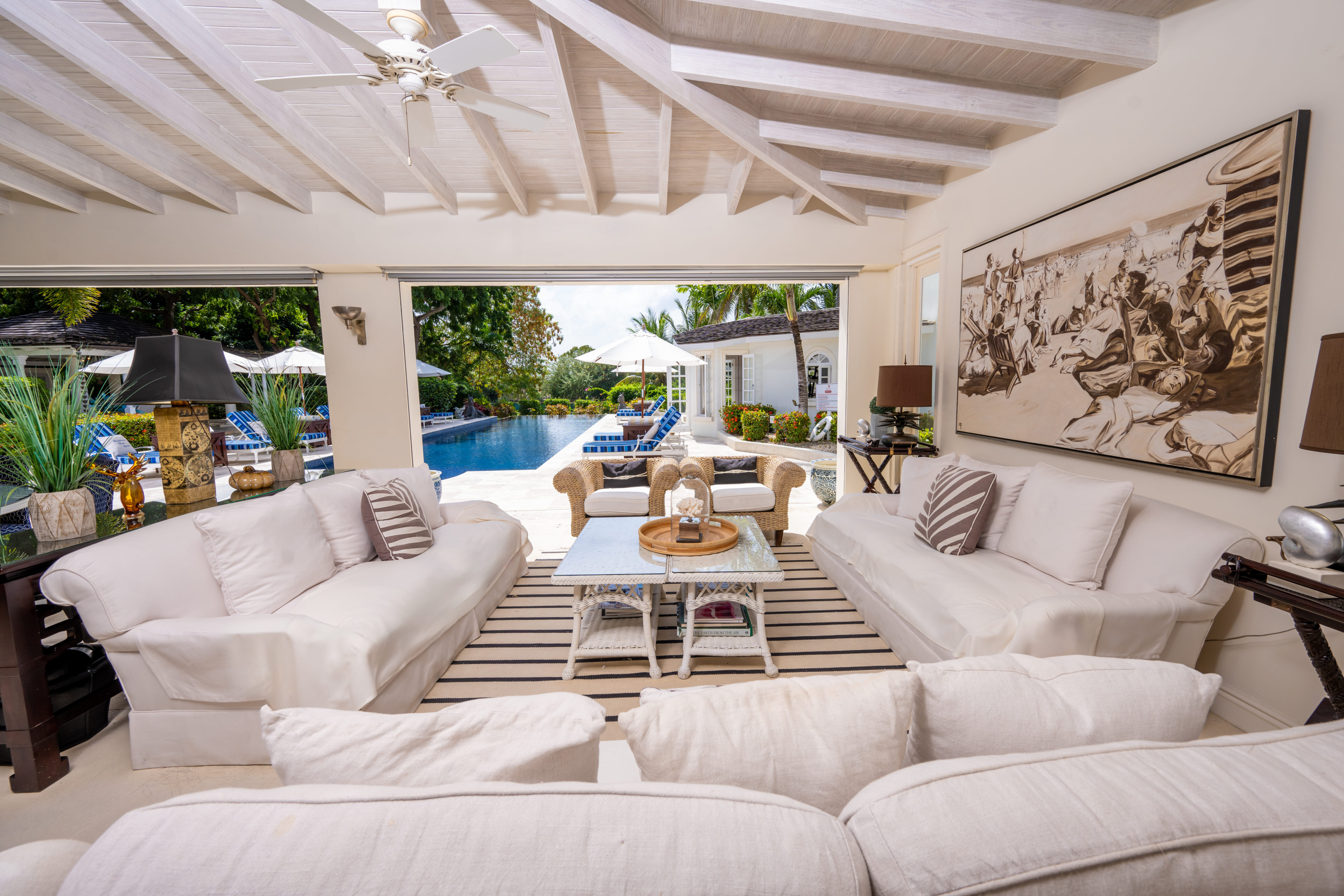
World Luxury Chamber Welcomes Casablanca at Sandy Lane as a Leader in Villa Hospitality

The World Luxury Chamber of Commerce (WLCC) is pleased to welcome Casablanca at Sandy Lane as its newest Essential Member, reinforcing the strength of its global luxury villa network.

Joining the WLCC is a prestigious milestone for Casablanca at Sandy Lane, reinforcing its status among the world’s most distinguished luxury properties. This membership elevates Casablanca’s global profile and builds up its dedication to delivering exceptional experiences.

Set within the exclusive Sandy Lane Estate on Barbados’s West Coast, Casablanca is a majestic two-acre property featuring a 7,000-ft² main villa with five en-suite bedrooms, and a 2,500-ft² guest cottage housing two additional suites. The estate offers a 20-meter infinity pool overlooking the famed Old Nine golf course, a private gym, tennis/padel court, media room, bar, gazebo, and direct access to the sandy shores of Sandy Lane Estate Beach Club. Professional staff, including a chef, butler, housekeeper, gardener, and villa manager, ensure guests enjoy a relaxed yet enriching stay.

By joining WLCC, Casablanca gains privileged access to a curated network of global luxury brands. Membership offers benefits such as participation in exclusive WLCC events, collaborative marketing campaigns, and opportunities for cross-industry partnerships. These platforms will enable Casablanca to extend its reach to high-net-worth individuals and travel connoisseurs seeking sophisticated villa retreats.

“On behalf of the World Luxury Chamber of Commerce, I’m delighted to welcome Casablanca at Sandy Lane,” stated Alexander Chetchikov, President of WLCC. “Their dedication to delivering high-end private estate hospitality aligns perfectly with our vision for luxury experiences.”

Casablanca ensures every stay is unique and enriching, making it a distinguished addition to the WLCC’s network. It is a magical place rich in unique experiences, made truly special by the people who bring it to life through their dedication, attitude, and warm personality. From the attentive staff to the carefully crafted amenities, every detail is designed to create memorable moments for guests. Together with WLCC, Casablanca will inspire new standards in refined, experiential luxury travel, setting a benchmark for personalized service and authentic island hospitality.

To discover more, visit the company’s official website at https://casablancabarbados.com/.

Next-Gen Luxury Leadership: What Emerging Consumers Expect from Brands Today

Once, luxury brands set the tempo, and the audience followed without question. Today, Gen Z and Millennials have stepped into the spotlight, bringing their soundtrack, lighting, and request list. They expect more than heritage and polish; they want transparency about how the products are made, assurance that the planet isn’t paying the price, and proof that innovation is more than a marketing slogan. For long-established houses, the stage has been rebuilt entirely.

Prioritizing Inclusivity as a Growth Strategy

Younger consumers are looking for brands that reflect diverse realities, not just in advertising campaigns but in decision-making rooms. For them, authenticity comes from who holds power behind the scenes, how products are designed, and whether the brand actively addresses social equity.

Actionable Insights:

  • Audit leadership and creative teams for diversity metrics, and set measurable targets for improvement.
  • Partner with cultural consultants to ensure brand communications resonate across demographics.
  • Launch initiatives that go beyond visual inclusion, focus on equitable hiring practices, and internal culture shifts.

Embedding Sustainability into the Luxury Value Proposition

Gen Z and Millennials do not see sustainability as a luxury add-on; they see it as a baseline requirement. Luxury brands are being evaluated on everything from material sourcing to energy use in production facilities. Stella McCartney’s pioneering work in bio-based materials is proof that responsibility can align with high-end desirability.

Actionable Insights:

  • Implement transparent supply chain mapping and make it publicly accessible.
  • Explore partnerships with innovators in circular materials and regenerative farming.
  • Shift sustainability communication from “aspirational” to “accountable” by publishing progress reports with concrete data.

Innovating Beyond Aesthetics

For these consumers, innovation isn’t just about avant-garde design; it’s about function, interactivity, and future-readiness. The luxury watch industry’s move into hybrid mechanical-digital models and Balenciaga’s experiments with virtual fashion show that digital-physical integration is becoming a marker of modernity. Innovation is also a tool for personalization, with AI-driven styling recommendations and exclusive virtual previews becoming part of the high-end shopping ritual.

Actionable Insights:

  • Allocate R&D budgets toward digital interaction tools that enhance exclusivity without losing intimacy.
  • Experiment with immersive retail formats, from augmented reality fitting rooms to interactive flagship installations.
  • Use consumer data with discretion, as privacy sensitivity is a key trust factor for younger buyers.

Recalibrating Pricing and Access Models

Millennials and Gen Z value experiences and access over static ownership. Luxury subscription models, fractional ownership of high-value goods, and members-only experiential events are attracting buyers who want flexibility without sacrificing prestige. Brands like Mytheresa are tapping into this through exclusive travel partnerships and early product access for loyal customers.

Actionable Insights:

  • Pilot alternative access programs, limited-time rentals, VIP previews, or member-only digital drops.
  • Frame these offerings as “expanded brand experiences” rather than discount-driven models.
  • Track customer engagement across these formats to refine future offerings.

Future-Proofing Luxury Leadership

The shift in consumer priorities is not a temporary trend; it’s a generational restructuring of values. Leaders who thrive will treat inclusivity, sustainability, and innovation not as campaign slogans, but as integrated business imperatives. This means institutional change: embedding new KPIs, evolving leadership structures, and rethinking long-term brand storytelling.

Actionable Insights:

  • Establish a cross-functional “future steering group” to align leadership on cultural, environmental, and technological priorities.
  • Link executive compensation to performance on sustainability and diversity goals.
  • Create brand narratives that look forward, positioning your house as a participant in cultural progress rather than a guardian of the past.

Key Takeaways: Strategies for Next-Gen Luxury Leadership

The leaders best positioned for the future will treat inclusivity as a structural imperative rather than a surface-level statement, ensuring that representation is embedded in decision-making and brand culture. Sustainability must move from being framed as a special initiative to becoming a baseline expectation, with transparency and measurable progress serving as the currency of trust. Innovation should be pursued with intention, using technology to enhance the emotional and sensory dimensions that define luxury. Ownership models also need rethinking, as younger consumers increasingly value access and experience over possession.

Ultimately, adaptability will be the defining quality; brands that evolve with shifting cultural and environmental priorities will not only endure but remain relevant in an era where values hold as much weight as heritage.

To learn more about the World Luxury Chamber of Commerce, visit: https://worldluxurychamber.com/ 

SOURCES: STELLA MCCARTNEY

Prada’s Calculated Beauty Move by Lord & Partners

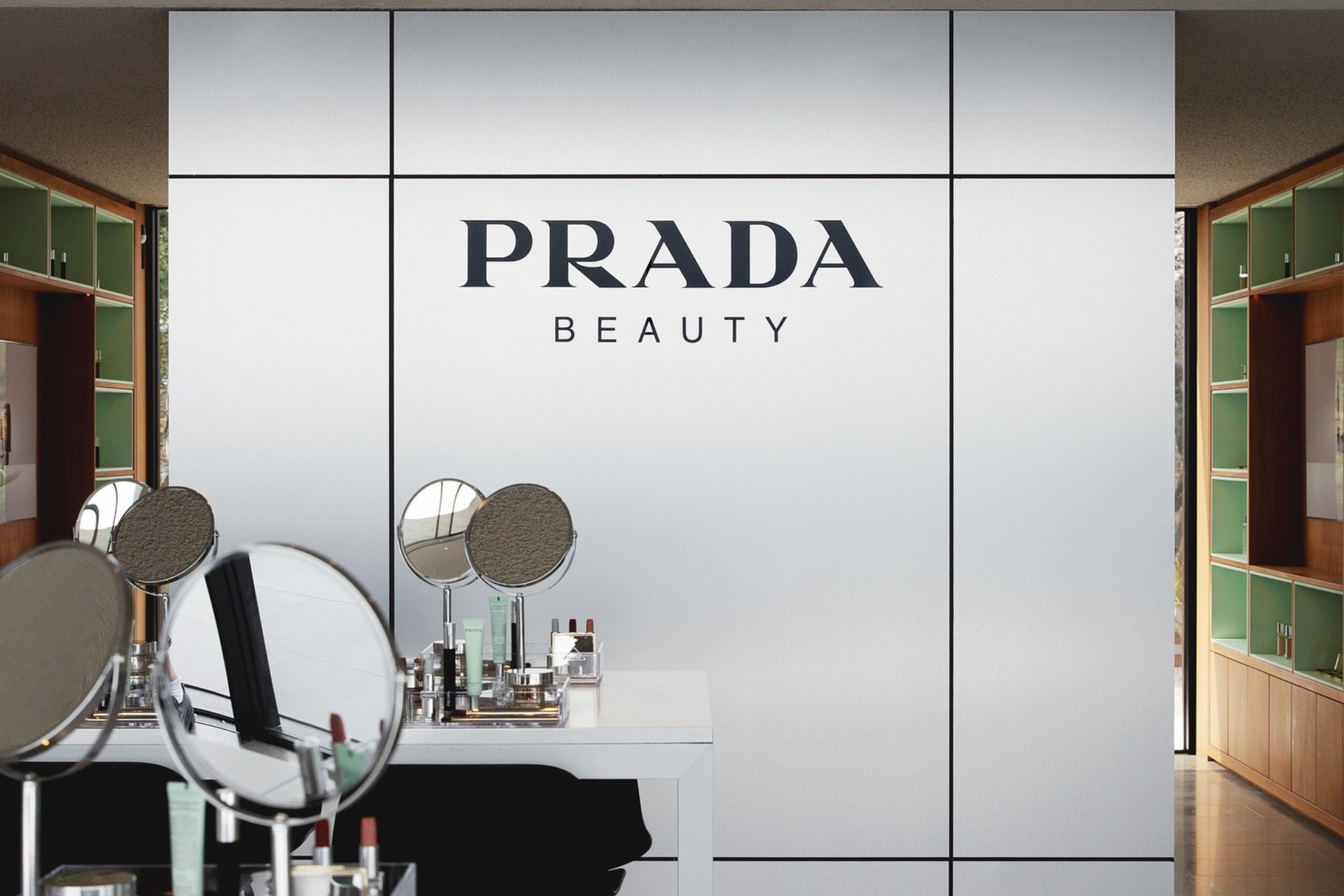
Above: Image from Prada

Can a fashion house translate its legacy into liquid, pigment, and scent, without losing the soul of its brand? In today’s high-end sector, where longevity depends on intelligent evolution, Prada offers a compelling answer.

In Brand Dive: How Prada Beauty Keeps Its Brand Activated by Lord & Partners explores how the Italian fashion powerhouse has extended its influence into beauty, not as an afterthought, but as a deliberate expression of its identity. While many maisons have expanded into cosmetics and skincare with varying levels of impact, Prada’s recent entrance has captured attention for its discipline, precision, and clarity of direction.

At the intersection of fashion authority and future-focused design, Prada Beauty positions itself as an integral vertical that reflects the house’s core principles, explored by the World Luxury Chamber of Commerce in this report summary.

Design-Led Expansion

Following a low-impact launch in the early 2000s, Prada returned to beauty in August 2023, powered by L’Oréal after it acquired the brand’s fragrance license from Puig. This time, the entry was structured, considered, and tightly aligned with Prada’s fashion language. Drawing strength from the cultural momentum of its sister label, Miu Miu, the brand positioned its beauty line not as a side project, but as a fully integrated vertical.

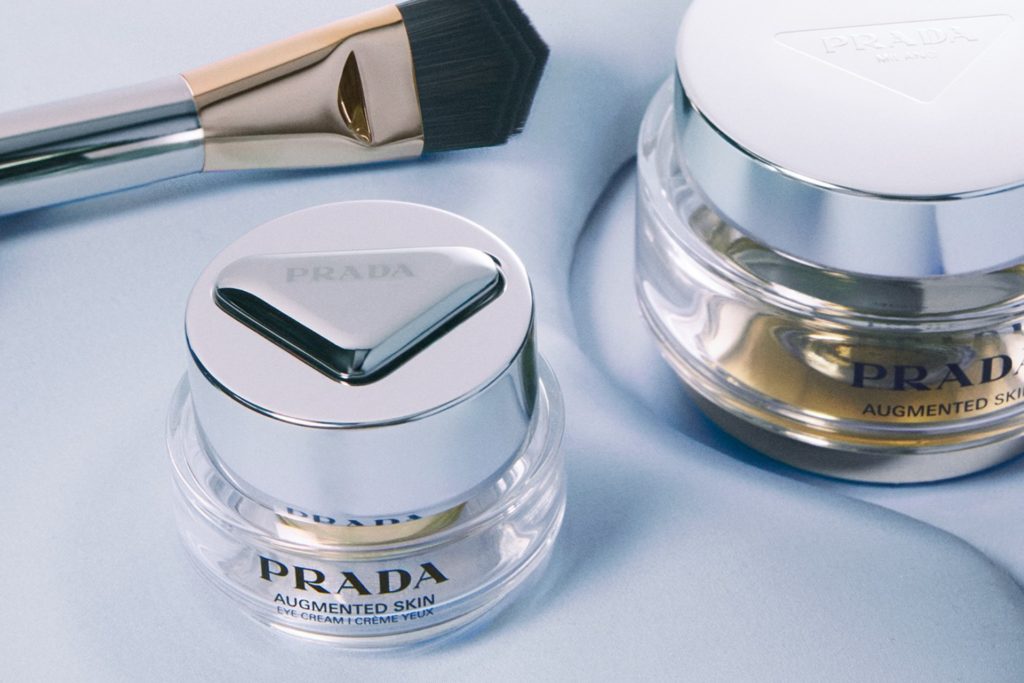
This approach is evident across the collection: from chrome packaging and architectural lipstick bullets to the structured use of Prada’s triangle symbol, the products carry the visual and conceptual codes of the house.

Visual Discipline and Identity

Prada Beauty avoids the ornamental in favor of precise, intelligent design. The brand’s mint green signature shade replaces more traditional colorways and lends a distinct visual rhythm to both digital and physical environments. Rather than leaning into nostalgic or romantic imagery, the line focuses on structure, clarity, and form.

Campaigns emphasize geometry and restraint, with product visuals that echo modernist design principles. Across touchpoints—from packaging to AR integrations, Prada maintains a consistent voice: one of quiet control and intentional detail.

Product Intent and Innovation

At the center of the fragrance portfolio is Paradoxe, a composition that avoids conventional softness in favor of layered, structured notes. In color cosmetics, Prada emphasizes materials and format: engraved lipsticks, multi-use balms with skincare benefits, and refillable formats that encourage longer-term engagement.

The skincare line, built around Triple A (AAA) Technology using amino acids and Ashwagandha, extends the brand’s preference for low-friction, high-performance solutions. Rather than overwhelming the user with complex rituals, the collection offers clean formulations in elevated packaging.

Above: Image from Prada

Experience as Strategy

Prada’s activation strategy is rooted in both digital tools and real-world interactions. Virtual try-ons, CGI-driven visuals, and immersive pop-ups invite consumers to engage with the line not just as a product range, but as an environment.

This approach is also evident on the runway, where makeup becomes part of Prada’s larger fashion narrative. Educational sessions, content-rich digital campaigns, and interactive storytelling further build relevance, particularly among younger audiences seeking more than just luxury for luxury’s sake.

Market Position and Potential

Prada Beauty enters a competitive space long dominated by established names. Yet it does so with clarity, leaning into its fashion credibility rather than celebrity-driven marketing or overused tropes. The result is a line that feels both distinct and grounded in the parent brand’s cultural authority.

Looking ahead, the report suggests opportunities in high-tech skincare tools, partnerships with hospitality and travel sectors, and continued investment in immersive digital storytelling, all ways to deepen emotional engagement without straying from the house’s identity.

Conclusion

As outlined in the report by Lord & Partners, Prada’s success in beauty stems not from scale or spectacle, but from precision and consistency. The brand’s expansion reflects a larger principle: luxury today demands more than presence; it requires clarity of vision and a sense of purpose.

For those navigating the future of fashion and beauty, Prada’s example offers a valuable model, quiet, deliberate, and exacting in all the right ways.

To read the full report, visit: https://www.linkedin.com/feed/update/urn:li:activity:7344348873139646466/

 Stay updated on luxury industry news: https://worldluxurychamber.com/insights-news/

Christie’s SoCal Introduces $1B Crypto Real Estate Division with Record Mansion

Above: Image via Christie’s Real Estate

Christie’s International Real Estate Southern California is reshaping the future of luxury property sales with the launch of its groundbreaking cryptocurrency division, managing an exclusive portfolio valued at over $1 billion. As the first major brokerage to unite ultra-luxury real estate and digital currency under one dedicated platform, this bold initiative signals a new era where affluent buyers can navigate high-end property transactions using cryptocurrency, transforming the way luxury assets are bought and sold. 

The division debuts with three signature properties showcasing the potential of crypto in high-end real estate:

  • LA FIN: A $118 million architectural masterpiece by developer Joe Englehoff, marking the highest-priced home to accept cryptocurrency.
  • The Invisible House: A minimalist Joshua Tree icon listed at $17.95 million.
  • Nightingale: A $63 million Beverly Hills estate designed by AD100 architects Woods + Dangaran.

Aaron Kirman, who brings unmatched expertise from facilitating landmark Bitcoin real estate deals, including a $65 million Beverly Hills sale, emphasized the division’s groundbreaking role. With over $22 billion in career sales and the record-breaking $141 million sale of “The One,” Kirman remains a dominant force in the ultra-luxury market.

The timing of this launch is critical. Bitcoin surged 159% in 2024, and new legislation, such as the GENIUS ACT, encourages crypto-backed mortgages through agencies like Fannie Mae and Freddie Mac. Deloitte forecasts the tokenized real estate market will reach $4 trillion by 2035, underscoring the division’s visionary approach.

Kirman observed that traditional real estate has been slow to adopt the crypto revolution, and emphasized that they are transforming the market by creating a platform that links digital wealth with physical assets.

Christie’s International Real Estate Southern California is setting a new benchmark by integrating cryptocurrency into luxury property transactions. This initiative signals a fundamental shift in how ultra-high-net-worth individuals invest in real estate, as digital currencies become a vital part of the luxury market.

Stay up to date on the latest luxury industry news: https://worldluxurychamber.com/insights-news

SOURCES: CURATED LUXURY, CHRISTIES REAL ESTATE 

A Historic Sanctuary Turned Culinary Highlight in Prague

Augustine, a Luxury Collection hotel, presents a rare experience by transforming a centuries-old monastery into a sophisticated retreat for travelers who appreciate heritage, design, and gourmet dining. Located in Prague, this property offers guests an immersive stay where history meets modern refinement.

The hotel preserves the monastery’s original architectural elements, vaulted ceilings, Romanesque arches, and cloisters, while introducing contemporary interiors that enhance comfort without overshadowing the site’s historical significance. Its location near Prague’s Old Town invites guests to explore the city’s rich cultural fabric on foot.

The culinary offering is a key highlight, with the hotel’s restaurant awarded a Michelin star. The kitchen showcases Central European flavors interpreted through innovative techniques and premium local ingredients. Each dish reflects a thoughtful approach to taste and presentation, appealing to both food connoisseurs and travelers seeking a memorable dining experience.

Beyond the food, Augustine emphasizes personalized service and an intimate atmosphere. The hotel’s team provides tailored recommendations, from cultural tours to bespoke experiences that deepen the connection with Prague’s heritage and gastronomy.

Key Insights:

  • The transformation respects the monastery’s legacy while introducing contemporary luxury.
  • Michelin-starred cuisine focuses on regional flavors elevated by modern techniques.
  • Strategic location allows seamless access to Prague’s historic landmarks.
  • Personalized service enhances guest experience beyond accommodation.

Augustine, A Luxury Collection, stands out as a sophisticated retreat where historical ambiance and refined gastronomy combine to offer a unique and memorable stay. It appeals to travelers who value cultural richness paired with exceptional culinary experiences, making it a destination worth discovering in Prague’s luxury hospitality scene.

Stay up to date on the latest luxury industry news: https://worldluxurychamber.com/insights-news         

SOURCES:  ELITE TRAVELER

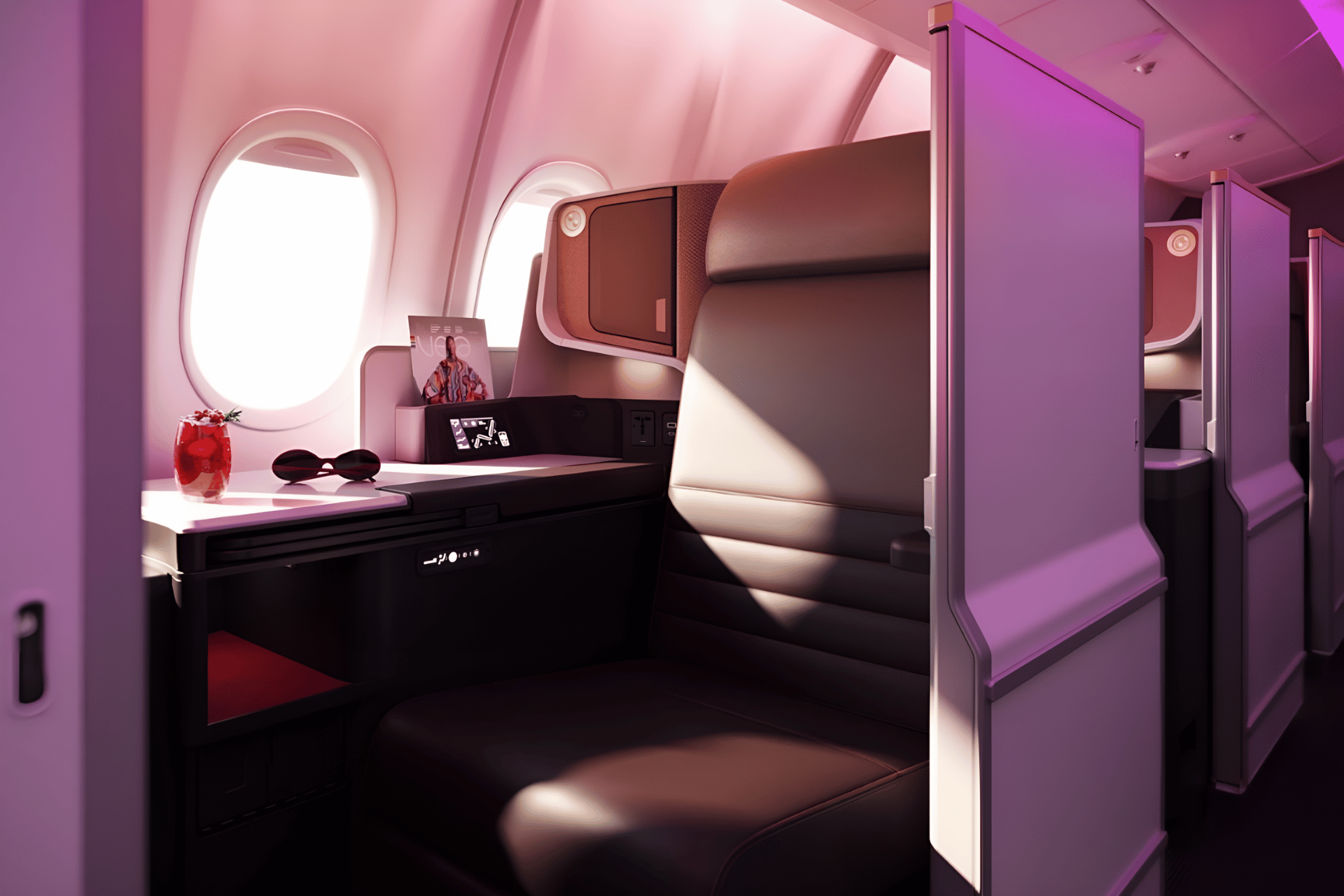
Era Ends for Virgin’s In‑Flight Bar as Premium Seats Expand

Above: Image from Virgin Atlantic 

Virgin Atlantic is turning a page in its onboard experience: after four decades, the iconic in‑flight bar is being retired. The airline is reallocating cabin space to add more premium seating, reflecting shifting passenger preferences and renewed financial strength.

Virgin Atlantic’s onboard bar has long been a signature of the airline’s distinct personality, tracing back to its inaugural flight in 1984. While onboard social spaces once signaled modernity and glamour, especially during the golden age of jet travel in the 1960s and 70s, Virgin maintained and reimagined the concept well into the 21st century. Its early Boeing 747‑200 featured a dedicated bar, giving passengers in Upper Class a space to socialize above the clouds.

Over the years, the format evolved. The physical bar gradually gave way to “The Loft,” a more contemporary social space introduced on newer aircraft. Still, the concept endured as a defining feature, one that contributed to Virgin’s reputation for doing things differently. But in 2025, that chapter is closing.

Strategic Shift to Premium

  • Virgin Atlantic is reallocating cabin real estate to introduce more Retreat Suites (its high-end Upper Class offering), signaling a focus on privacy and profitability over open-plan social areas.
  • Economy seating is being scaled back to accommodate this. For example, retrofitted Boeing 787 9 aircraft will see a reduction in economy seats from 192 to 127, with 13 additional Upper Class and 21 more Premium Economy seats.
  • The new A330neo aircraft will feature 30 percent fewer economy seats while expanding premium cabin offerings.
  • These updates are part of a $17 billion investment in fleet and cabin upgrades scheduled through 2028.

Virgin Atlantic reports that its Premium Economy and Upper Class cabins are performing exceptionally well, with 90 percent of those seats already booked. CEO Shai Weiss acknowledged the emotional appeal of the onboard bar but noted that customer behavior is shifting toward privacy, exclusivity, and comfort over communal spaces. With profitability rising and premium demand growing, the bar’s retirement becomes a strategic decision rooted in modern passenger expectations.

Stay up to date on the latest luxury industry news: https://worldluxurychamber.com/insights-news         

SOURCES: BUSINESS TRAVELER USA, VIRGIN ATLANTIC

Shifting Desires in China’s Luxury Landscape by CXG

As 2025 unfolds, China’s sophisticated ecosystem reveals shifting dynamics. It does so with volatility and complexity on the road ahead. Once rebounding sharply after the pandemic, the market has now cooled again. Amid global headwinds, from macroeconomic strain to currency fluctuations and tariff pressures, Chinese luxury spending patterns are becoming more cautious, strategic, and fragmented.

In this shifting landscape, the “Chinese Luxury Customers Sentiment 2025” report by CXG offers a timely and incisive look into the evolving priorities of the world’s most influential luxury buyers. Based on fresh field research, it decodes a market in flux, where delayed gratification, price sensitivity, cultural pride, and lifestyle-led consumption are reshaping how and why luxury is pursued. For brands aiming to remain essential in Greater China, this report offers data and direction.

Confidence is Wavering, but Aspiration Remains

  • Real estate instability, youth unemployment, and inflation have shaken consumer confidence.
  • Consumers are delaying luxury purchases and instead prioritizing savings for health, education, and retirement.
  • Delayed gratification is the prevailing mindset—spending will return, but timing is key.

Value and Price Sensitivity Reshape the Purchase Decision

  • Price fatigue is evident: 50% say price increases deter them from buying luxury goods.
  • Dupes are mainstream, especially in apparel and accessories.
  • Luxury tourism is rising: Japan has become the preferred shopping destination due to pricing advantages.

Domestic Brands Rise

  • 72% appreciate how Chinese brands reflect local culture and heritage.
  • 52% believe local brands offer better value than Western labels.
  • Motivations vary by generation: Gen Z: Driven by affordability and access. Millennials: Value cultural relevance most. Gen X: Prioritize cultural connection above all.

 Gen Z Leads the Shift to Experience-Driven Luxury

  • Chinese consumers, especially Gen Z, are shifting from material acquisition to experiential luxury.
  • Top areas for increased spending: Well-being and health (53%), Luxury travel (49%), Entertainment (34%)
  • Destinations like Hong Kong, Japan, and Hainan remain top of mind, not just for shopping but for immersive brand engagement.

Retail Experience with High Expectations

  • Despite the digital transformation, luxury buyers prefer in-store experiences.
  • Consumers are seeking personalized, high-touch, culturally fluent service, and not all retailers are delivering.

Overall, luxury in China is becoming more intentional, introspective, and identity-driven. As consumers recalibrate spending habits, the most resilient brands will be those that balance value and exclusivity, invest in meaningful human connections, and authentically engage with Chinese culture.

Now more than ever, luxury brands must align with shifting emotional currencies—offering not just goods, but grounding, gratification, and growth.

To view the full report, visit: https://www.cxg.com/insight/understanding-chinese-luxury-customers-sentiment-in-2025-and-preparing-for-the-future/’

Stay up to date on the latest luxury industry news: https://worldluxurychamber.com/insights-news/

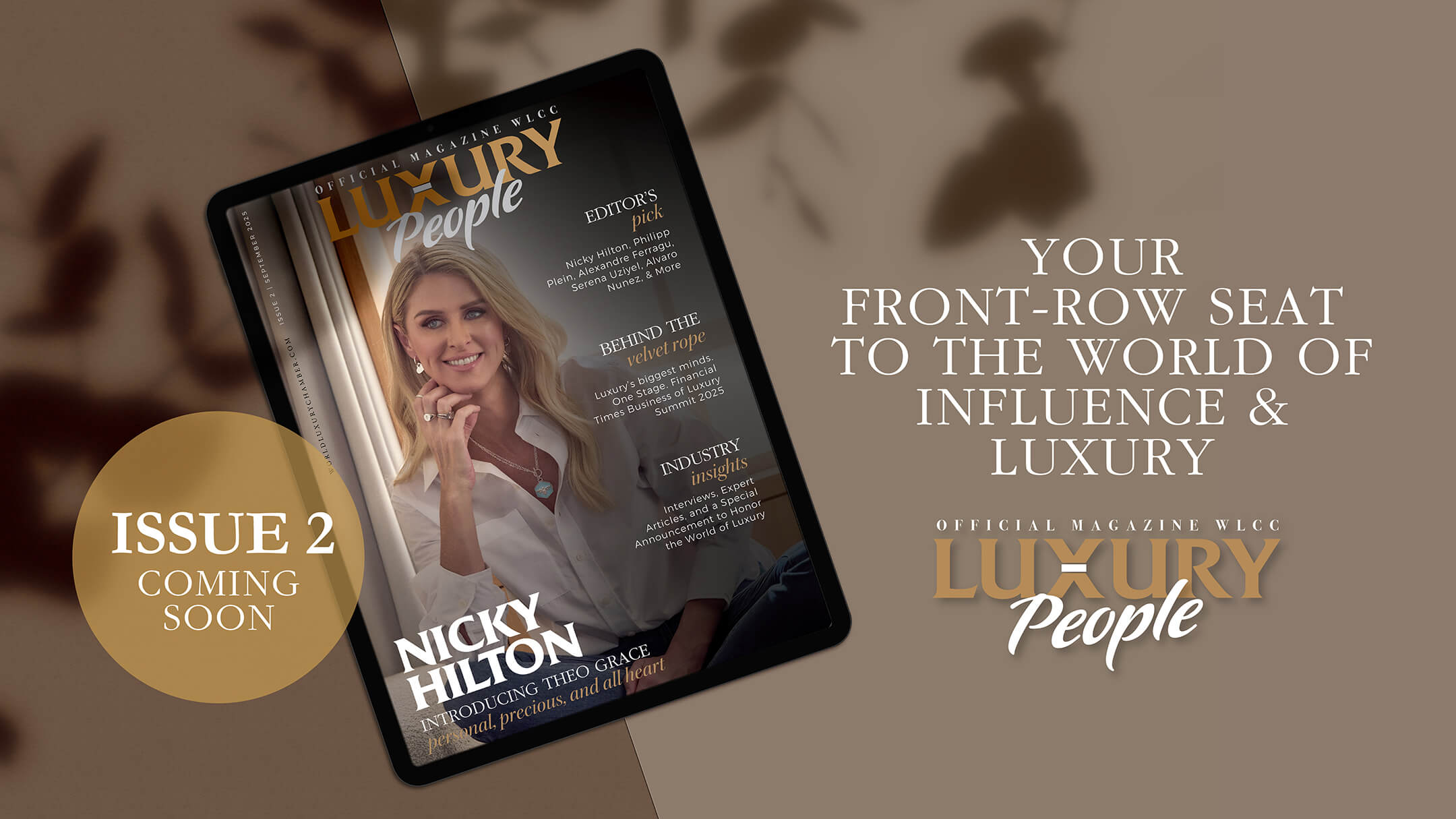
What to Expect from the Next Issue of Luxury People Magazine

The upcoming issue of Luxury People Magazine is a bold step further into the progressive world of high-end living, culture, and leadership. With exclusive interviews, sharp industry insights, and powerful global voices, this edition curates a compelling cross-section of the people and ideas embodying modern luxury.

Readers can expect:

  • An exclusive from Nicky Hilton, who has recently launched Theo Grace personalized jewelry.
  • Deep dives into the future of ethical fashion with Sanyukta Shrestha, and experiential real estate branding with Alvaro Nuñez Alfaro of Super Luxury Group.
  • Sharp commentary from strategist Alexandre Ferragu on the luxury industry’s current identity crisis, brand overextension, and the rise of Hermès as a category-defining outlier.
  • Behind-the-scenes coverage of WLCC’s role at the Financial Times Business of Luxury Summit, where global trends, AI, talent gaps, and sustainability took center stage.
  • Features ranging from Philipp Plein’s hotel debut to Neen James‘ book launch.
  • And much, much more.

This issue also celebrates the launch of World Luxury Day, an occasion created to unite luxury leaders, enthusiasts, and the people, places, and brands that embody the spirit of luxury.

For those who set the standard rather than follow it, the next issue of Luxury People Magazine offers insight, inspiration, and access to the minds driving the future of luxury.

About the Magazine:

Luxury People Magazine is a curated digital publication by the World Luxury Chamber of Commerce (WLCC), spotlighting the thinkers, creators, and disruptors across the global luxury landscape. From hospitality and fashion to real estate, media, and leadership, each issue explores how luxury is being redefined, not by price, but by purpose, experience, and the people who embody it. Far more than a magazine, it is a platform for connection, insight, and innovation at the highest levels of excellence.

Something went wrong

Please try again later

Ok

    Ask About Member Deals

    Submit your request for media/press opportunities here, and we will provide you with all the details.


    Your form submitted successfully!

    We will be in touch soon with further details.

    Got it