Have a question? Call now! +16468108764

From Roots to Runway: Amazonian Designers Forge a Path of Authentic Luxury 

Sustainability, transparency, and ethical practices are taking center stage in the fashion world, and a powerful new story is unfolding far from the traditional fashion capitals. Deep in the Brazilian Amazon, Indigenous designers are stepping into the spotlight as creators, entrepreneurs, and cultural leaders. 

With the city of Belém in Brazil set to host the upcoming COP30 climate summit, the world’s attention is turning toward the Amazon as a region rich in creative talent, knowledge, and innovation. For luxury industry insiders, this is a wake-up call and an invitation. It challenges brands to rethink how they work with Indigenous communities—not through appropriation or surface-level storytelling, but through real collaboration and deeper respect for the people and traditions shaping the future of fashion. 

The history is well known—artisans’ works copied or purchased cheaply, only to be resold at high-end prices by national and international brands. The result is a deep-rooted mistrust, as well as a demand from Indigenous leaders to shift the narrative. Despite ongoing threats from deforestation and leather production, local designers are modeling a vision of fashion that respects biodiversity and strengthens community resilience. 

Designers like Maurício Duarte and Sioduhi Waíkhᵾn are pioneering this model by blending traditional materials, weaving methods, and storytelling with modern branding and business training. Duarte’s presence at São Paulo Fashion Week and his work with dozens of Indigenous families have brought national attention to ancestral knowledge reinterpreted through contemporary fashion. Waíkhᵾn’s concept of “Indigenous Futurism” empowers artisans to maintain their cultural roots while gaining the business tools needed to succeed on their own terms. 

This shift is also being driven by education and structured support. MI Moda Indígena, co-founded by Rebeca Ferreira, offers one of the most promising platforms for training a new generation of Indigenous creatives. Through its five-month curriculum, supported by Brazil’s Sebrae agency, students learn design, tailoring, marketing & more —all while grounding their work in their cultural identities. The program’s success, seen in international showcases and growing demand, is also a reflection of its community-first philosophy.  

Global brands are increasingly partnering with local artisans to foster ethical and beneficial relationships. A notable example is the Brazilian brand Osklen, which in 2016 collaborated with the Asháninka community. Osklen drew inspiration from their traditional patterns, paying royalties that enabled the Asháninka people to build a school in their village. This positive trend is further supported by initiatives like the guide launched last year by Conservation International, in partnership with Kering and Textile Exchange, aimed at improving fashion’s engagement with Indigenous communities. For the luxury industry, this is more than an ethical opportunity—it is a chance to redefine value through reciprocity and respect. 

Some conclusions: 

  • Amazonian designers are reclaiming authorship over their cultural heritage, combining ancestral craftsmanship with contemporary designs.  
  • The industry must shift from appropriation to partnership, ensuring Indigenous collaborators are acknowledged and empowered. 
  • Sustainable fashion in the Amazon means small-scale, high-value production rooted in natural materials and local knowledge. 
  • True luxury, in this context, is not just about aesthetics—it is about fairness, sustainability, and cultural integrity. 

Global luxury brands must listen, learn, and most importantly, collaborate with fairness. As the industry faces pressure to align with climate and social responsibility, Amazon’s artisans are authors of the future, making them invaluable partners in shaping a more sustainable and equitable path forward. 

Stay up to date on the latest luxury industry news: https://worldluxurychamber.com/insights-news/    

SOURCES: VOGUE BUSINESS

The Silent Distance Between Electric Vehicles and Luxury 

What truly makes an object worthy of being called “luxury“—is it innovation, price, performance, or something far less tangible? As electric vehicles (EVs) become increasingly central to the automotive industry’s future, a quiet tension emerges. While they promise progress and environmental responsibility, EVs have yet to be embraced as enduring symbols of prestige. They remain technologically advanced, but emotionally unanchored. 

Despite bold design, remarkable performance, and sophisticated interfaces, electric cars often lack the soul and storytelling that define luxury icons. Instead of becoming prestige assets, they risk being seen as short-lived gadgets, shaped more by software cycles than craftsmanship. In an age where meaningful differentiation and lasting value are the cornerstones of true luxury, many EVs feel interchangeable, clinical, and ultimately disposable. The question, then, is not whether electric cars can be luxurious, but whether they can evoke the same reverence once reserved for their petrol-powered predecessors. 

The Design Identity Crisis 

Once distinguished by their design, craftsmanship, and bold statements of identity, luxury vehicles are increasingly indistinct.  

  • Brands like Porsche, Mercedes, and BMW, once steeped in uniqueness, now produce electric models that echo each other in aesthetics and user experience. 
  • Material quality and interior innovation have declined, with details like repositioned gear shifters and mass-produced components (such as Audi-marked parts in Lamborghinis) undermining exclusivity. 

Lack of Trust 

Trust, Langer emphasizes, is luxury’s most valuable currency—and it’s faltering in the EV space. 

  • EVs are perceived as “fast-aging tech products” rather than timeless possessions. 
  • Battery degradation, software obsolescence, and ever-evolving tech features create uncertainty about long-term value. 
  • Poor resale prospects and concerns over longevity make high-net-worth clients hesitant to purchase. 

Experience Shortcomings 

While technical specifications dominate EV marketing, customer experience—an essential element of luxury—remains neglected. There is an absence of intuitive, relationship-driven service that diminishes perceived luxury and loyalty. 

  • Dealerships lack the hospitality, intimacy, and emotional intelligence expected in luxury environments. 
  • The shift toward digital interfaces and impersonal service depersonalizes the experience. 
  • Charging infrastructure gaps and range anxiety diminish spontaneity and convenience, qualities that high-end consumers value deeply. 

Misunderstood Identity in the Electric Age 

Many luxury brands have clung to the mistaken belief that prestige from the combustion era will automatically carry over into the electric future. 

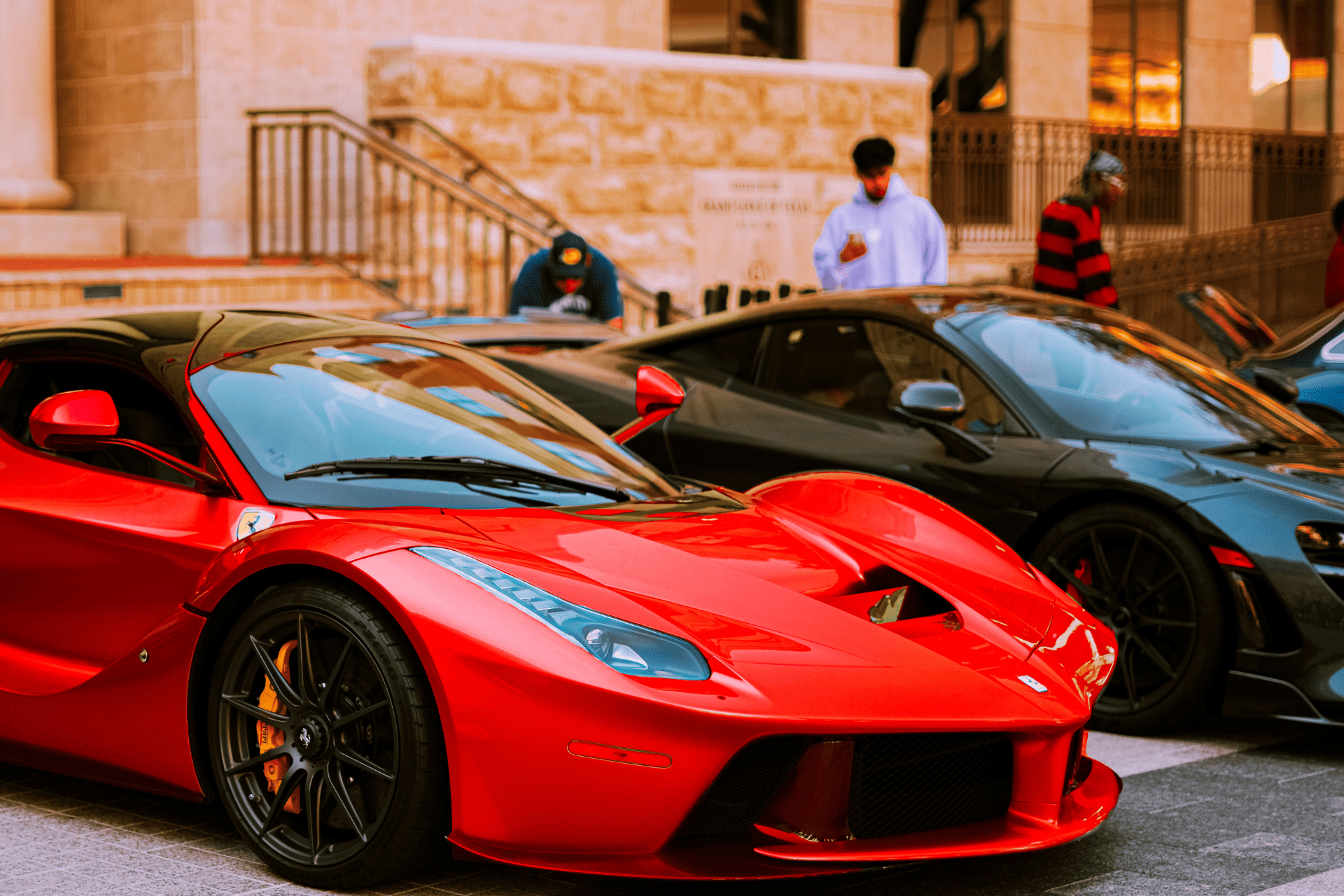
  • Even Ferrari is reportedly delaying its EV roadmap due to weak demand—a sign that consumers are not emotionally aligned with the current EV proposition. 
  • Brands must pivot from engine-driven legacies to experience- and meaning-driven identities rooted in storytelling, craftsmanship, and emotional connectivity. 

To stay at the top, luxury car brands must stop thinking of electric vehicles as short-lived tech gadgets and start making them feel special, lasting, and trustworthy. The key is to design EVs that create strong emotional connections—cars that are carefully made, pleasing to the senses, and offer a personal, long-term experience. True luxury isn’t just about features or speed; it’s about meaning, identity, and how the customer feels. If brands don’t make this change, they risk becoming just another option in a crowded market, losing the unique value that once set them apart. 

Stay up to date on the latest luxury industry news: https://worldluxurychamber.com/insights-news/  

SOURCES: JING DAILY 

At a Crossroads: Coty’s Luxury Brands Could Depart 

The luxury beauty landscape may be on the cusp of a significant shift as one of the industry’s most established players prepares to redraw its boundaries. Coty, home to prestige fragrance licenses such as Gucci, Burberry and Hugo Boss is reportedly preparing to separate its luxury and mass-market divisions in a strategic effort to realign its future. This restructuring would mark a pivotal moment for the company—and for the wider luxury sector—as Coty looks to unlock greater value from its premium assets while navigating ongoing challenges in the consumer space. 

Coty’s decision to explore a dual-track sale comes amid a complex mix of market pressures, internal challenges, and strategic recalibrations. The move has already sparked interest from industry players such as Kering—two names that signal a potentially high-stakes reshuffling of brand ownership in the global beauty market. 

Luxury Division in the Spotlight 

  • The first phase of Coty’s planned divestiture is expected to focus on its luxury portfolio, which includes licenses for Gucci, Burberry, Hugo Boss, and Jil Sander. 
  • Interparfums is reportedly pursuing the Burberry license, a notable asset it once managed until 2013. 
  • Coty’s license with Gucci, signed for 50 years, is set to expire in 2028. Analysts expect Kering—Gucci’s parent company—to eventually bring Gucci Beauty in-house via Kering Beauté. 
  • The potential luxury divestiture could take the form of a strategic alliance or merger, rather than a traditional sale, signaling a nuanced approach to preserving brand equity and market positioning. 

Consumer Division Faces Market Instability 

  • In contrast, Coty’s mass-market segment( home to brands like Covergirl, Rimmel London, and Max Factor) faces significant obstacles. 
  • Net sales for the consumer unit dropped by 9% in Q3 FY2025, and efforts to reposition these assets, especially in Asia, have so far failed to yield results. 
  • The FMCG division is reportedly attracting attention primarily from private equity firms, underlining limited strategic interest from major industry players. 

Leadership in Question, Strategy Under Pressure 

Coty’s potential restructuring unfolds amid mounting internal pressures and weakening market confidence. CEO Sue Nabi, appointed in 2020 and credited with steering Coty toward a more strategic and premium-focused direction, now faces scrutiny over a series of underperforming initiatives. Among the most notable missteps was the $200 million investment in Skkn by Kim, which was later divested at a $71 million loss. Similarly, Coty’s acquisition of a stake in Kylie Cosmetics has yielded disappointing results, with only the fragrance segment showing signs of commercial promise. These challenges have cast doubt on the group’s strategic direction, with Nabi’s possible departure looming this summer. 

The company’s financials reflect this instability. Coty’s stock has plunged by 30.7% in 2025 alone, contrasting sharply with L’Oréal’s 9.9% gain and Estée Lauder’s modest 2.4% decline. This uncertain landscape could affect Coty’s future and reshape the competitive dynamics within the global beauty and luxury fragrance markets. As the company weighs its next move, all eyes are on the luxury segment—a space where brand heritage, strategic alignment, and long-term vision are more critical than ever. 

Discover what’s new in the global luxury landscape: https://worldluxurychamber.com/insights-news/  

SOURCES: MODAES 

Urban Jürgensen’s Bold Return to Fine Watchmaking

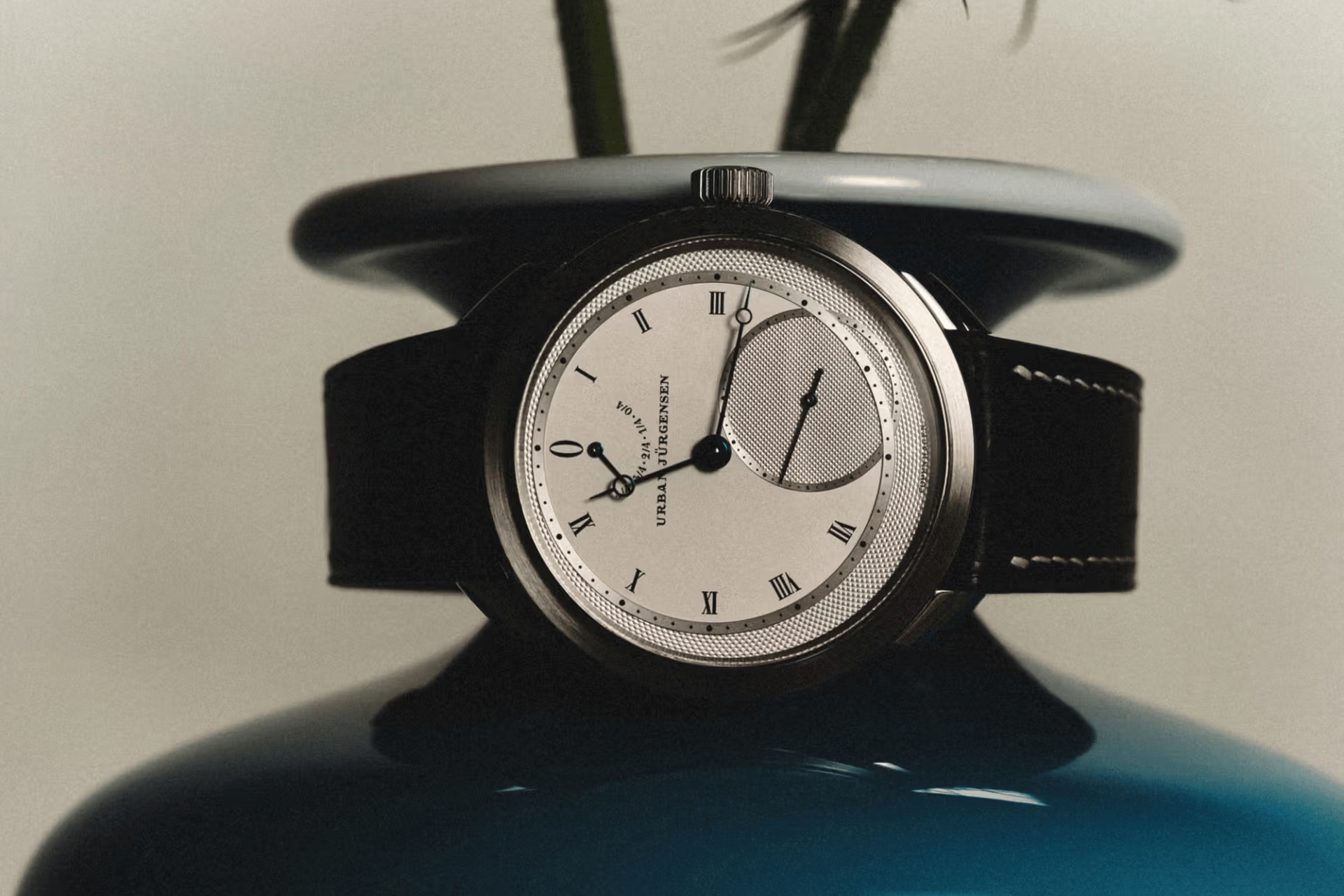
Image via Urban Jürgensen

Once a name whispered in connoisseur circles, Urban Jürgensen is reawakening with grandeur, precision, and purpose. Under the stewardship of the Rosenfield family and Finnish master watchmaker Kari Voutilainen, the historic Danish brand has embarked on a meticulously orchestrated revival. The project, infused with passion and an uncompromising commitment to craftsmanship seeks to restore a legendary marque and to redefine excellence in contemporary horology. 

Founded in 1773 in Copenhagen, Urban Jürgensen became renowned for its refined mechanical timepieces, even creating watches for the Danish royal court. Yet later on the brand fell into relative obscurity in recent decades—celebrated in niche collector circles but largely unknown to the wider luxury market. In 2021, the brand’s fate shifted when the Rosenfields, a family of American investors with deep ties to both finance and fine watchmaking, acquired the company and committed $25 million to its revival. 

The project is led by Alex Rosenfield, a former brand strategist in media and fashion, now serving as co-chief executive of Urban Jürgensen. Rosenfield explained that his family had not initially planned to enter the watch industry. However, upon learning of Urban Jürgensen’s decline, they chose to acquire the company with the intention of restoring it. His father, Andy Rosenfield, president of Guggenheim Partners and a longtime collector of high-end watches, has taken on an advisory role. The duo’s approach to the brand’s rebirth is deeply humanist: inclusive rather than elitist, expansive yet committed to absolute excellence. 

Kari Voutilainen, widely regarded as one of the foremost horological artisans of his generation, is the other co-executive officer. Voutilainen brings with him a reputation for extraordinary detail and craftsmanship, alongside a minority stake in the company and oversight of a new generation of in-house mechanical movements. 

This strategic resurrection of Urban Jürgensen is built on watchmaking mastery and on carefully considered branding and creative direction. The relaunch campaign, “Time Well Spent” photographed by the legendary Ellen von Unwerth, brings a modern glamour to the historic marque, appealing to both seasoned collectors and new luxury consumers alike.  

The product strategy mirrors that of the most successful contemporary independent maisons—exclusive, small-batch production designed for longevity and high cultural value. Importantly, the brand has chosen a direct-to-consumer model, eschewing traditional wholesale networks. In time, Urban Jürgensen plans to introduce experiential spaces—part showroom, part social salon—that serve more as cultural venues than conventional retail outlets. This approach mirrors the success of A. Piguet’s AP House concept and caters to a new class of luxury clients who value personal connections over transactional commerce. 

Key Takeaways for Leaders and Investors 

  • Strategic Resurrections Can Yield High-Prestige Returns: Authentic brand heritage, if properly executed, commands attention in a market craving meaning. 
  • Craft + Storytelling = Modern Luxury Appeal: The blend of artisanal quality and compelling narrative draws elite consumers. 
  • Controlled Growth Protects Prestige: Capping production while maximizing artistry ensures desirability and longevity. 
  • Experiential Retail Reinforces Exclusivity: Selling luxury in intimate, immersive environments adds emotional value to functional design. 

Urban Jürgensen’s revival transcends mere industry headlines—it stands as a refined demonstration of how authentic heritage, when guided by vision and integrity, can be reshaped into lasting cultural capital. For today’s luxury leaders, it affirms that timeless prestige and contemporary innovation are not in conflict, but rather, in concert. This renaissance signals a new standard in the world of fine watchmaking—where tradition and transformation move forward, elegantly in sync. 

Stay up to date on the latest luxury industry news: https://worldluxurychamber.com/insights-news/  

SOURCES: BOF 

From Automobiles to Haute Couture: Luca de Meo to Lead Kering’s Reinvention 

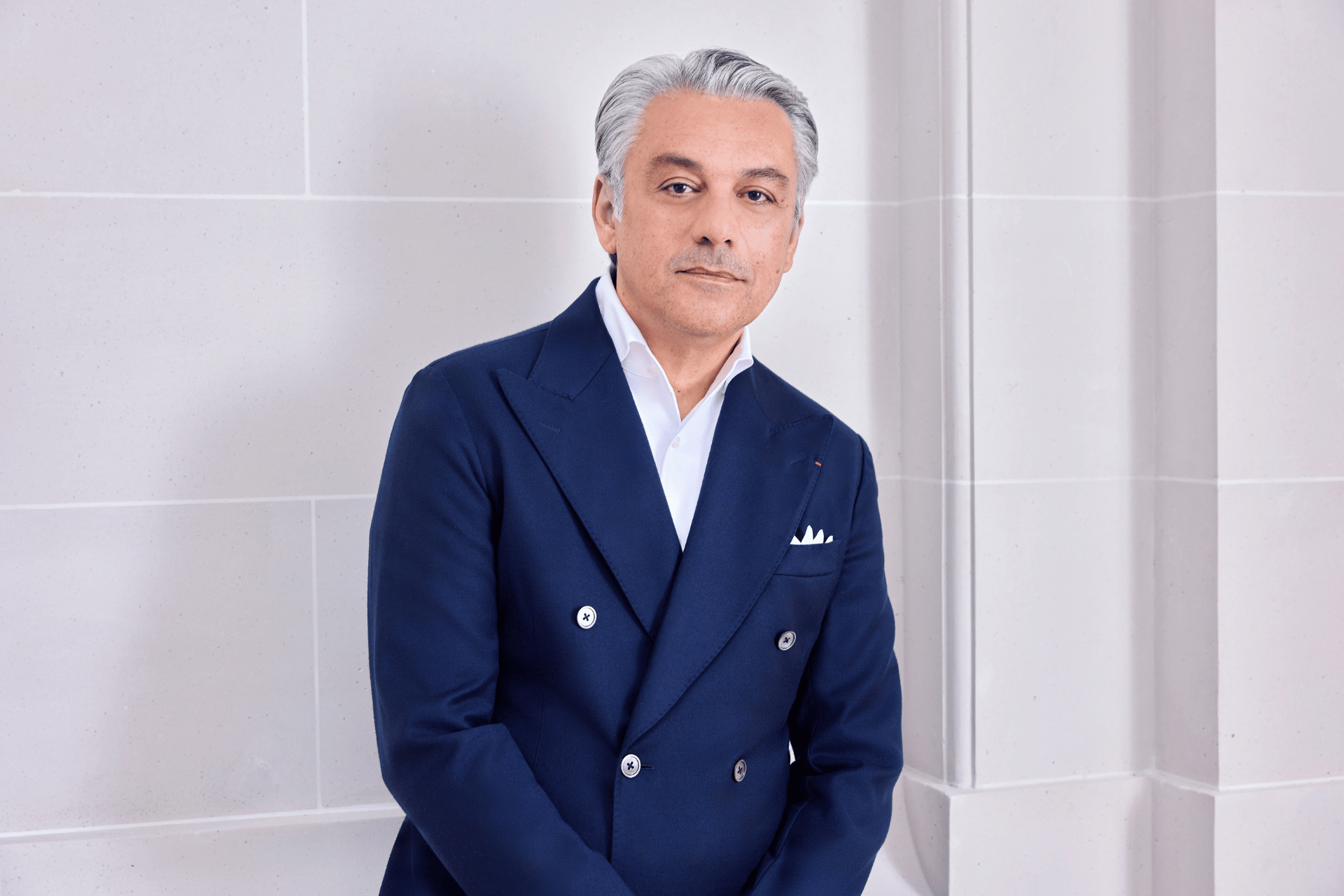
When a house built on heritage looks beyond fashion for its future, it signals a defining shift in the essence of luxury. Kering has officially appointed Luca de Meo, former CEO of Renault, as its new chief executive officer—a decisive move that signals a major strategic shift for the French luxury group at a time of mounting financial and brand challenges. The leadership transition will mean a new chapter for the company behind iconic brands like Gucci, Balenciaga, and Saint Laurent. 

Kering is under mounting pressure, as Gucci—responsible for over 60% of the group’s profits—reported a steep 25% drop in first-quarter sales following a turbulent 2024, according to The Business of Fashion. De Meo’s appointment, while unconventional given his background in the automotive sector, underscores the group’s willingness to break with tradition in pursuit of reinvention. Known for his transformation expertise and strategic clarity, De Meo is expected to spearhead efforts to restore market confidence, streamline operations, and recalibrate Kering’s creative and commercial direction for long-term growth. His arrival comes amid a rapidly evolving luxury landscape, where consumer expectations, brand relevance, and operational resilience are being tested like never before. 

Insights & Implications for Kering and the Sector 

  • Leadership Overhaul: Kering has announced plans to separate the CEO and Chairman roles in 2025, with François-Henri Pinault remaining Chairman and Luca de Meo set to assume the CEO position following shareholder approval. 
  • Market Underperformance and Gucci’s Decline: The group’s share price has declined by over 60% in two years, triggered by weak performance from Gucci and other flagship brands. 
  • Debt Exposure: Kering is burdened with more than €10 billion in debt, increasing vulnerability to credit downgrades and limiting strategic flexibility. 
  • Luca de Meo’s Profile: Known for his tenure at Renault and deep experience in turnaround strategies, de Meo brings a fresh, cross-sectoral perspective to the luxury conglomerate. 
  • Strategic Repositioning Opportunity: De Meo’s appointment may catalyze a redefinition of Kering’s identity. 

As Kering stands at a critical crossroads, the appointment of Luca de Meo as CEO represents both a gamble and a declaration of intent. It is a bold pivot towards managerial innovation and operational renewal—hallmarks of de Meo’s leadership. For the luxury sector at large, this transition at one of its most storied groups signals a new era in which cross-industry acumen, strategic boldness, and structural agility are the currency of competitiveness.  

The luxury world will watch closely as Kering embarks on this leadership transformation. For CEOs and industry leaders, the message is clear: legacy alone is not enough. In an age of market volatility and shifting consumer tastes, guidance and vision are the ultimate luxury. 

Stay up to date on the latest luxury industry news: https://worldluxurychamber.com/insights-news/ 

SOURCES: BOF, BOFKering 

As Global Demand Cools, LVMH Leverages AI to Stay Ahead of the Curve 

As perceptions of luxury continue to change, major maisons face mounting headwinds: consumers are tightening their belts, growth in core markets such as the U.S. and China is cooling, and the post‑pandemic boom is giving way to a new normal. Against this backdrop, LVMH is placing a strategic bet on artificial intelligence as the linchpin to maintain its leadership and refine its operational excellence. 

At the heart of LVMH’s strategy lies the conviction that artificial intelligence is not merely a support function—it is a transformational force. Far from replacing creativity or diluting heritage, AI is being woven discreetly into the fabric of each maison’s operations, from supply chain orchestration to client personalization. The initiative is not peripheral; it is foundational to the group’s vision of what modern luxury must become. 

To that end, LVMH has implemented AI in several core areas of its business, each reflecting both operational foresight and brand sensitivity. These applications reveal how the conglomerate is using technology to preserve exclusivity while enhancing agility: 

  • Centralized data backbone: In partnership with Google Cloud, LVMH has created a unified digital infrastructure over the past four years. This platform spans all 75 of its maisons and is designed to harmonize internal data. 
  • Precision in supply chain and pricing: AI models forecast logistical disruptions, anticipate currency impacts, and help optimize pricing strategies in real time. 
  • Client personalization at scale: Some houses now enable advisors to craft highly tailored client communications, using full access to each customer’s interaction history, preferences, and purchasing behavior. This ensures a consistently bespoke experience that respects the brand’s tradition of intimate luxury. 
  • Enhanced digital commerce experiences: With Google’s “Search for Commerce” integrated into online platforms, LVMH has reported higher conversion rates thanks to improved semantic product discovery, ensuring clients find exactly what resonates with them faster and more intuitively. 
  • Creative and marketing augmentation: Generative AI supports designers in early concept development, while marketing teams can dynamically tailor campaign messaging, imagery, and product descriptions across markets and languages. 
  • MaIA: LVMH’s internal AI assistant:  Built using Google Gemini, Imagen, and OpenAI’s GPT models, MaIA is now handling over 2 million internal queries monthly across 40,000 employees. It facilitates a range of tasks reinforcing internal efficiency without sacrificing brand identity. 

This AI-first strategy emerges at a critical juncture for the luxury sector—one in which legacy and creative prowess alone no longer guarantee resilience. In recent years, luxury brands implemented widespread price increases, with some products rising by 20 to 30 percent during the pandemic recovery period. Today, however, that upward trajectory is beginning to meet consumer resistance, particularly in the United States and China—two historically vital engines of high-end consumption. 

Simultaneously, some of the industry’s core categories, including fashion and leather goods, are beginning to show signs of fatigue. Once the dependable pillars of revenue growth, these segments are now navigating a more measured pace of demand. 

As the exuberance that characterized the post-COVID rebound begins to level out, the market is entering a new phase of normalization. In this evolving environment, operational precision, data-driven insight, and technological adaptability are fast becoming the new markers of competitive advantage. For LVMH, AI is not merely a response to these pressures—it is a means of redefining excellence in an era that prizes both beauty and efficiency. 

By integrating intelligence into both artistic and administrative processes, LVMH is signaling that the next chapter of luxury will be as much about system elegance as it is about aesthetic excellence. By harnessing predictive AI across supply‑chain, design, pricing, marketing, and customer‑service functions, it aims to maintain operational agility while preserving the authentic luxury experience. 

In an environment where price increases no longer guarantee volume growth and consumer affinity may ebb, LVMH’s MaIA and digital transformation signal a decisive pivot: luxury powered by technology, ensuring efficiency without sacrificing elegance. For industry insiders, this marks a profound testament to how heritage brands are modernizing their DNA—preserving exclusivity through precision, personalization, and predictive insight. 

Stay up to date on the latest luxury industry news: https://worldluxurychamber.com/insights-news/  

SOURCES: WSJ 

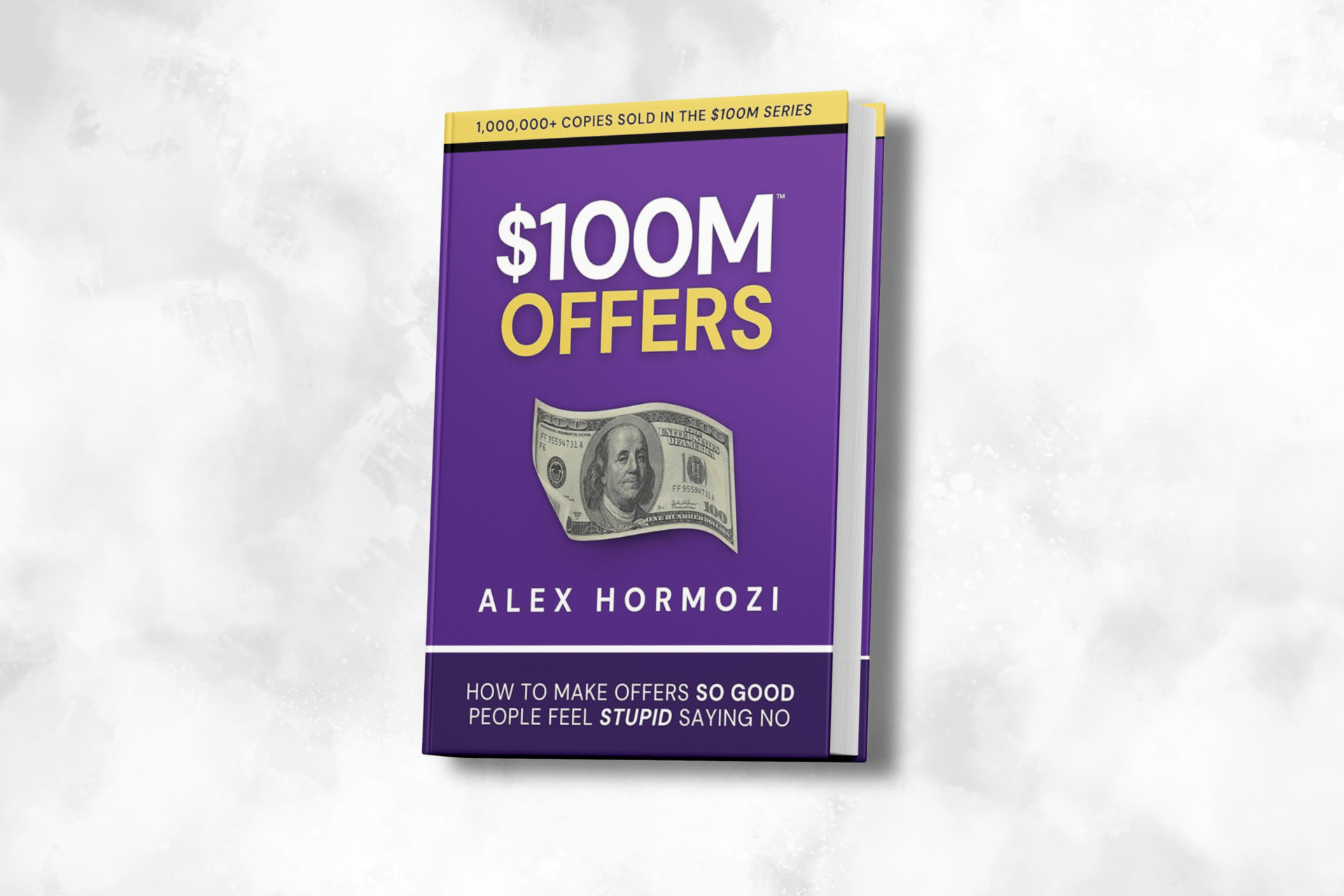
Luxury Library: $100M Offers: How to Make Offers So Good People Feel Stupid Saying No 

Author: Alex Hormozi
Publication Date: 2021
Amazon Rating: 4.9

The WLCC Luxury Library is a vital hub for luxury professionals and enthusiasts, offering a curated collection of insights, trends, and knowledge in the luxury sector. Tailored for members of the World Luxury Chamber of Commerce, it offers up-to-date resources on branding, marketing, and high-end consumer behavior. Through a focus on learning and collaboration, the Luxury Library seeks to inspire innovation and raise the bar within the luxury sector. 

$100M Offers: How To Make Offers So Good People Feel Stupid Saying No by Alex Hormozi ‘s work transcends the typical business manual—it is a blueprint for constructing offers so compelling that potential clients feel irrational for walking away. With over one million copies sold and three years as an Amazon #1 bestseller, the book has become a cult favorite among entrepreneurs aiming for rapid growth without relying on traditional marketing tactics. 

Hormozi’s journey—from near-bankruptcy to generating over $120 million across industries like software, e-commerce, and brick-and-mortar—is not just motivational; it’s instructional. What sets his method apart is its simplicity and impact: no complex funnels, massive ad spends, or even email marketing (not until after crossing $50M in sales). Instead, he focuses on making the offer itself so irresistible that buyers are eager—almost desperate—to say yes. 

At the heart of his approach is a three-part framework designed to elevate value, remove price resistance, and position your product or service as the only logical choice.  

The three pillars that can be applied immediately are: 

Positioning Your Price for Maximum Profit 
To command premium pricing, you must reframe how your audience perceives value. Hormozi breaks it down with: 

  • Tiny Market, Big Money Process – Target underserved, affluent niches with high urgency. 
  • Unfair Pricing Formula – Raise your rates by aligning price with perceived transformation, not cost. 
  • The Value Flip – Shift focus from cost to outcome, removing price-based objections. 
  • Virtuous Price Cycle – Use revenue to enhance your offer, talent, and reach—creating sustainable growth. 

Structuring Value So Strong, It Sells Itself 
This section teaches you how to design your offer so that its value is obvious and irresistible: 

  • Unbeatable Value Equation – Combine delivery, outcome, and experience into one overwhelming offer. 
  • The Delivery Cube – Streamline operations to deliver more at a lower cost. 
  • Trim & Stack Hack – Eliminate excess and double down on what truly matters to clients. 

Enhancing Offers to Trigger Immediate Action 
Creating urgency and minimizing risk are key to closing deals without pressure. Hormozi explains how to do this ethically and effectively: 

  • Scarcity Stack – Use limited availability to increase desire. 
  • Everyday Urgency Blueprint – Tie your offer to real-world timing to prompt swift decisions. 
  • Unbeatable Bonuses – Add thoughtful extras that tilt the value equation in your favor. 
  • God-Mode Guarantees – Remove risk with strong, layered promises. 
  • Magic Naming Formula – Craft names that signal value and exclusivity instantly. 

In short, $100M Offers is more than a business book—it’s a mindset shift. For luxury professionals and high-ticket service providers, Hormozi offers a tested, powerful system to craft offers that command attention and close with confidence. In a market where exceptional is the standard, this book shows how to make your offer the only choice that makes sense. 

Get the book on Amazon today. To learn more about The Luxury Library, view the 21 must-read books. 

Exclusive Interview: Ivana Laković on Global Trends, Adriatic’s Luxury Ascent & the Future of Brand Strategy 

For this exclusive conversation, Alexander Chetchikov, President of the World Luxury Chamber of Commerce, interviews Ivana Laković, President of the Adriatic Luxury Business Association (ALBA) and a leading expert in luxury communication and strategy with over 20 years of experience across multiple sectors. 

As the head of ALBA, Ivana champions the Adriatic region as a rising force in the global luxury landscape, fostering collaboration among visionary leaders and premium brands. 

She is also an academic, teaching Luxury Strategy at ESSEC Executive Education, and a seasoned crisis communications expert known for her discretion and precision. Her work is driven by a deep appreciation for culture, creativity, and strategic excellence, making her a unique voice in today’s evolving luxury industry. 

This interview explores Ivana’s insights into global luxury transformation, the Adriatic region’s potential, and the trends shaping the future of high-end markets. 

Alexander Chetchikov: Ivana, from your vantage point in the Adriatic region, how have you seen the definition of luxury evolve over the past decade—and what can global markets learn from this shift? 

Ivana Laković: Over the past decade, luxury has transformed from an emblem of possession to an expression of perspective. In the Adriatic, we’ve watched this evolution unfold with striking elegance: heritage replaced hype, intimacy replaced extravagance, and authenticity became the ultimate status symbol. Today, luxury is not about what you own, but how you live, feel, and connect. Global markets can learn from this deeply human shift—a return to craftsmanship, storytelling, emotional belonging, and cultural rootedness. In a world obsessed with speed, the Adriatic whispers the rare luxury of time. 

AC: The Adriatic has a distinct cultural and natural heritage. How do local luxury brands harness this identity to compete globally, and what can international brands learn from this approach? 

IL: The Adriatic’s brands don’t merely use identity as an ornament; they live it as philosophy. From the scent of wild immortelle in our perfumes to the echo of Byzantine threads in contemporary couture, our luxury is never abstract. It’s tactile. It breathes. It remembers. International brands often underestimate the strategic value of rootedness; they chase trends, while we cherish lineage. The lesson? In an age of sameness, origin is your strongest asset. Be proud of your dialect—both linguistic and aesthetic. 

AC: What are some of the biggest untapped opportunities in the Adriatic luxury market, and how might global investors or brands play a meaningful role? 

IL: We are the next chapter of European luxury, but one that hasn’t been oversaturated. The real opportunity lies in what I call untamed sophistication—restored palaces turned into private art salons, experiential vineyards rooted in royal legacies, and wellness sanctuaries blending ancient wisdom with silent architecture. Global investors must come not as colonizers of capital but as curators of meaning. Invest with respect, innovate with empathy, and understand that in the Adriatic, luxury is a soul, not a scheme. 

AC: You work closely with luxury businesses through ALBA. What are some innovative collaborations or business models you’ve seen emerge, and what trends do they reflect globally? 

IL: Through ALBA, we’ve seen remarkable collaborations that fuse unlikely worlds—like haute couture designers teaming with ecological boatbuilders or ancestral winemakers partnering with blockchain certifiers. This reflects a larger trend: the end of silos. Today’s luxury consumer wants cross-pollination. Beauty must be intelligent, and tech must be poetic. Our region is pioneering these hybrids, where luxury is not a vertical, but a symphony of touchpoints—from craftsmanship to climate consciousness. 

AC: Experiential luxury is now a dominant trend. How do you see Adriatic destinations and brands capitalizing on this movement to attract high-net-worth travelers and investors? 

IL: We don’t just offer experiences—we script revelations. A moonlit dinner inside a Roman cistern. A private concert in a 13th-century monastery. A vineyard tour narrated by a descendant of nobility. Adriatic luxury isn’t loud, it’s layered. It rewards those who seek, who feel, who remember. And for High-Net-Worth travelers, this is the new currency: To be transformed, not just entertained. Investors should know: Our greatest export isn’t real estate or resorts—it’s memory architecture. 

AC: How do you see the profile and expectations of luxury consumers changing, both in your region and globally? What does this mean for legacy brands? 

IL: The new luxury consumer is paradoxical: radically digital, yet spiritually analog. They want AI-powered personalization—but also ancestral stories. They follow trends—but crave timeless values. For legacy brands, this is both a challenge and an invitation. To remain relevant, they must unlearn elitism and relearn intimacy. It’s not about diluting the brand—it’s about decoding relevance without betraying essence. And in the Adriatic, we’ve mastered this duality: Tradition without nostalgia, innovation without arrogance. 

AC: With your dual role in academia and industry, what are some key strategies or mindset shifts you believe luxury leaders worldwide must embrace now? 

IL: First, replace control with curiosity. The luxury world has long operated on exclusivity through gatekeeping. But today, cultural capital is co-created with communities, creatives, and clients. Second: embrace narrative over noise. Luxury is not louder marketing; it has a deeper meaning. And finally, shift from Return on Investment (ROI) to Return on Emotion (ROE). Because luxury, at its purest, is a feeling you can’t Google. My students and partners alike must understand that the future belongs to brands that feel like a whisper, not a shout. 

AC: If you could give one piece of advice to luxury brands entering or expanding in emerging regions like the Adriatic, what would it be? 

IL: Come to co-create. We love international brands; we have always loved them. But the Adriatic doesn’t need the sole imported glamour—we already have elegance written into our stone, sea, and silence. We envision a world in harmony with our authenticity. Listen before you launch. Translate, don’t transplant. And above all, remember in this part of the world, we recognize luxury not by the price tag, but by the poetry. We are the bridge between East and West, we understand both, and we curate the arts and culture we love from both. We are a truly melting pot of beauty and authenticity.  

And one last thing: Timing is everything. If you arrive early in an emerging market, you won’t just gain market share, you’ll define the market. You set the tone, the language, the standard. You become the reference. But if you arrive late, you’re not a leader, you’re just another player adjusting to someone else’s rhythm. In luxury, as in life, true leadership is a matter of intuition, timing, and courage. 

AC: Thank you for this enriching conversation, Ivana.  It has been a true privilege to explore your remarkable journey and hear your thoughtful perspective on the evolving landscape of luxury. 

Your reflections on the Adriatic region’s unique fusion of heritage, craftsmanship, and innovation reveal a market full of soulful potential and untapped opportunities. We deeply appreciate the depth of your vision—particularly your call for brands to embrace rootedness, co-creation, and emotional resonance in today’s fast-moving world. 

Want to read more exclusives? Check out our news and insights:  https://worldluxurychamber.com/insights-news/  & sign up for our newsletter here:  https://worldluxurychamber.com/wlcc-community/ 

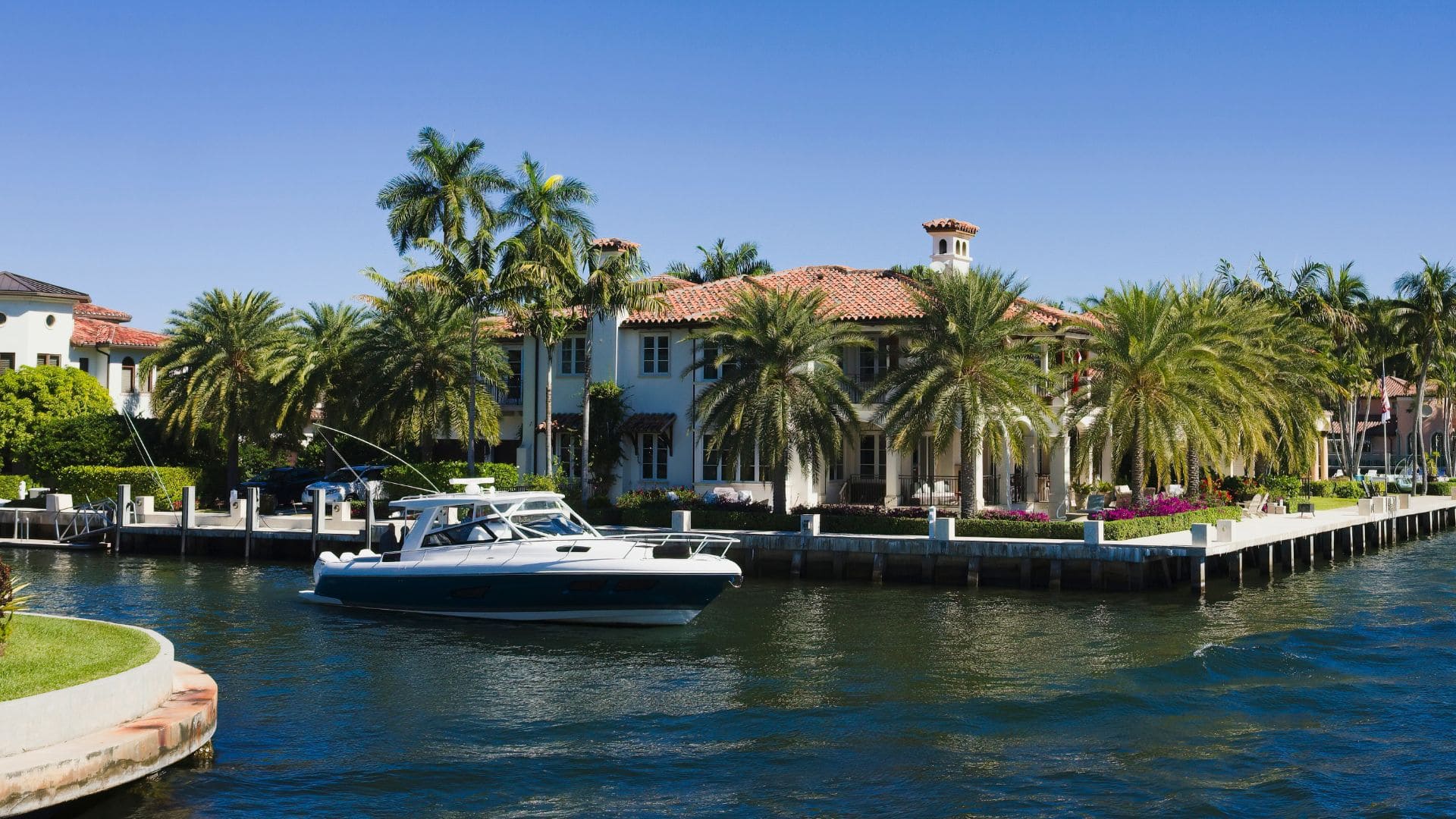
Fort Lauderdale Emerges as a Global Hub for Luxury Real Estate 

Once synonymous with spring-break revelry, Fort Lauderdale has quietly—yet boldly—stepped into a new identity: that of a world-class luxury and financial hub. In a recent deep-dive, an eye-opening spotlight was cast on a transformation that’s redefining the U.S. luxury landscape. 

Long overshadowed by the glitz of neighboring Miami, Fort Lauderdale is now proving it no longer needs to play second fiddle. As both a vibrant city and regional anchor, it boasts a rare confluence of geographic and cultural assets: immaculate beaches, a thriving international yachting scene, state-of-the-art infrastructure, and a globally connected transport network. With more inland waterways than Venice and Port Everglades—one of the busiest cruise ports on Earth—this coastal gem has always had the raw ingredients for global relevance. 

Today, the city is experiencing an unprecedented surge in luxury real estate development and a parallel rise in financial services tailored to the ultra-wealthy. The result is one of the most unexpected and dynamic urban evolutions in the U.S.—and one that the luxury world is watching closely. 

Fort Lauderdale’s transformation has been years in the making, but recently, it has accelerated in a remarkable way. Once known for its casual beach motels and lively bars, the city’s waterfront is now home to sleek luxury condos, grand estates, and exclusive communities, with prices climbing into the tens of millions. 

At the same time, Fort Lauderdale has captured the attention of the financial elite. Wealth management firms, boutique investment houses, and private equity offices are establishing a strong presence—not only to serve the influx of affluent residents, but to take part in the city’s evolving economic narrative. Florida’s tax-friendly policies and streamlined regulations make it an appealing destination for both corporate operations and personal wealth. This powerful convergence of finance and real estate is fueling the city’s transformation. Each new luxury development and each high-end firm that relocates reinforces Fort Lauderdale’s emerging identity as a premier hub where global capital meets elevated lifestyle—an exclusive environment that few American cities can currently rival. 

This evolution is driven by several key factors shaping Fort Lauderdale’s rise as a premier destination for both investment and lifestyle: 

  • Real estate renaissance: The city now boasts ultra-luxury condominiums and custom-built estates, redefining the standard of coastal elegance. 
  • Wealth migration: A growing influx of high-net-worth individuals is reshaping Fort Lauderdale’s financial identity 
  • Strategic location: With world-class ports, international airports, and an extensive inland waterway network, the city offers unparalleled global connectivity. 
  • Tax and business incentives: Florida’s business-friendly tax structure is fueling a wave of residential and institutional relocation. 
  • Cultural maturity: A sophisticated, cosmopolitan atmosphere is drawing in a more refined, global audience. 

Fort Lauderdale’s story is no longer one of reinvention—it’s one of elevation. With its unmatched natural beauty, refined infrastructure, and rapidly growing wealth ecosystem, the city is proving to be more than just a vacation destination. It is emerging as a new capital of luxury living and financial power in America. 

In the eyes of luxury stakeholders and discerning investors alike, Fort Lauderdale is not just catching up, it’s arriving. And the world is taking note. 

Discover what’s new in the global luxury landscape   https://worldluxurychamber.com/insights-news/   

SOURCES: FORBES 

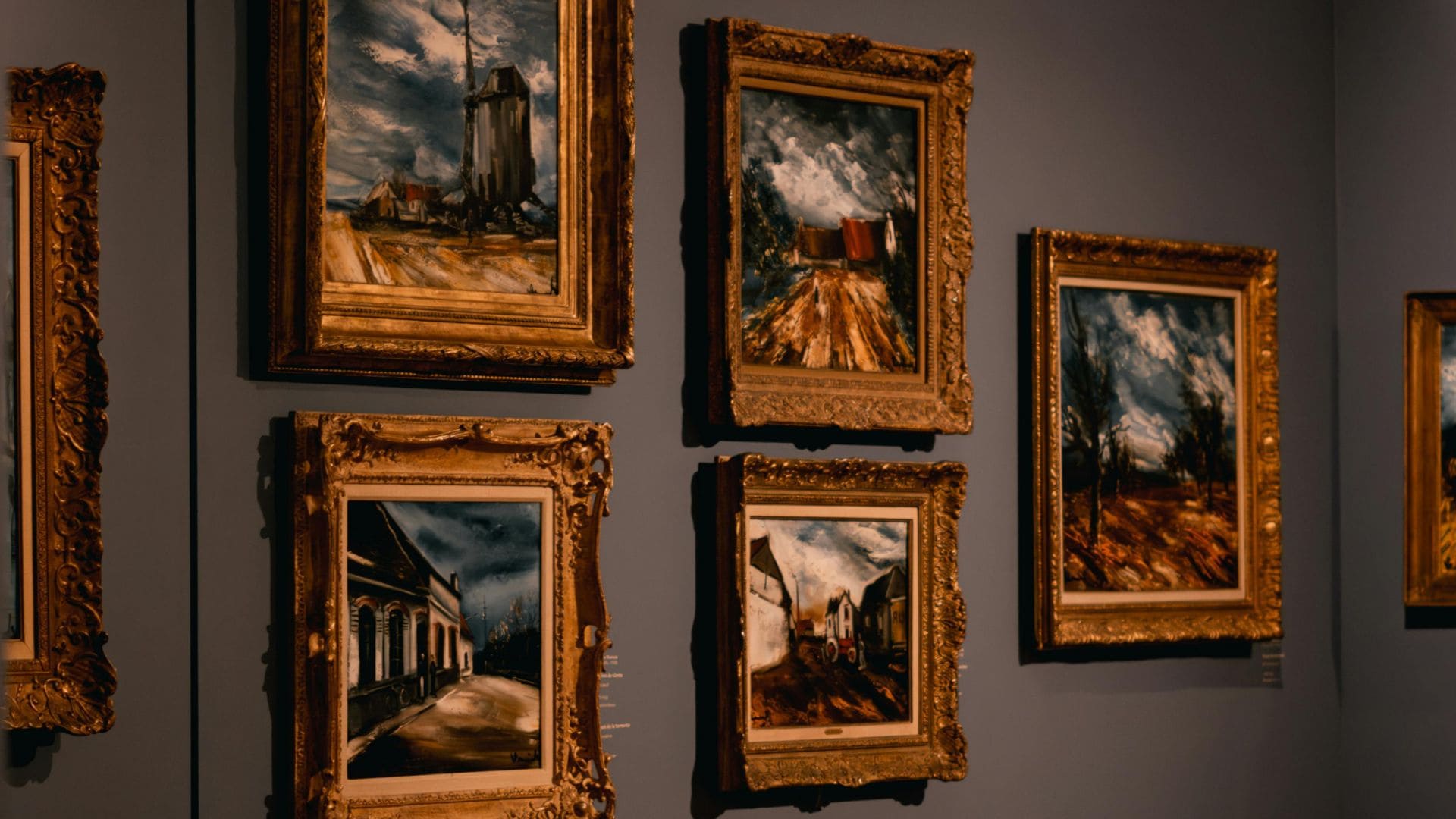
Collectors, Confidence, and Change: A Luxury Lens on the 2025 Art Market by Arts Economics 

The art market occupies a singular position in the world of luxury where culture, capital, and exclusivity intertwine. It is not merely a sector of commerce, but a mirror of global wealth, taste, and transition. As the luxury landscape evolves in response to economic shifts, generational change, and digital acceleration, the art world too is being redefined. 

This summary is based on insights and data from The Art Basel and UBS Art Market Report 2025 by Arts Economics, the leading annual publication that tracks, analyzes, and interprets the global art market. Authored by cultural economist Dr. Clare McAndrew and jointly published by Art Basel and UBS, the report serves as the definitive reference for market trends, collector behavior, regional performance, and structural shifts in the art trade. 

Drawing from extensive research across galleries, auction houses, private sales, and global wealth data, the 2025 edition presents a complex yet revealing portrait of a market in transition. While total sales contracted, activity at the lower and mid-market levels expanded. Traditional powerhouses like the U.S. and U.K. reassessed their roles, digital platforms solidified their influence, and a new generation of collectors reshaped the motivations behind acquisition. 

Global Sales and Shifting Values 

Despite economic and political instability, the global art market continues to reflect a complex interplay of contraction and resilience. 

  • Global art sales declined by 12% in 2024, reaching $57.5 billion—the second year of retraction after pandemic recovery highs. 
  • Transactions rose by 3% to 40.5 million, fueled by an active mid-to-lower-price segment. 
  • Dealer sales declined 6%, auction sales fell 25%, but private sales surged 14%, particularly at high-end auction houses. 

While value at the top wanes, the market is thriving at its base. Smaller dealers (under $250,000 turnover) posted 17% growth, benefitting from more agile pricing and the appetite for entry-level collectors. 

Regional Highlights 

A closer examination of the global art market distribution in 2024 reveals clear regional contrasts shaped by macroeconomic pressures, political uncertainty, and evolving collector behaviors. While the United States maintained its leadership, shifts in China, Europe, and parts of Asia signaled changing momentum and emerging patterns of resilience or vulnerability across key art hubs. 

  • United States: The U.S. remained the undisputed leader, accounting for 43% of global art sales, despite a 9% year-over-year decline, bringing total sales to $24.8 billion. The downturn reflects a cooling of high-end activity amid political uncertainty and anticipated tax reforms. 
  • United Kingdom: The UK regained its position as the second-largest market, with 18% of global sales totaling $10.4 billion. Despite a 5% decrease in value, its relatively better performance compared to China ensured its rise in the rankings. 
  • China (Mainland & Hong Kong): The Chinese market experienced the sharpest contraction among the top regions, with sales falling by 31% to $8.4 billion—its lowest level since 2009. Contributing factors included sluggish economic growth and a continued slump in the property sector. 
  • Continental Europe: In France sales declined by 10%, but the country maintained its position as the fourth-largest market globally.  In Germany there was a registered a more modest decline of 4%, still reflecting broader European softness. 
  • Asia: Japan was notably resilient, the Japanese market grew by 2%, standing out as one of the few to post gains in 2024.  South Korea, however, suffered a 15% decline, echoing regional economic headwinds and softer collector sentiment. 

This regional breakdown highlights a shifting landscape, with Western markets displaying cautious resilience, China facing significant headwinds, and Japan quietly gaining momentum amidst broader Asian volatility. 

Online Market & E-Commerce 

The digitization wave that surged in 2020 has normalized but remains structurally important. Online art sales fell 11% to $10.5 billion, yet remain 76% above pre-pandemic levels. On the other hand, 18% of total sales occurred online—well below the 2020 peak (25%), but double 2019 levels. Luxury buyers are now digitally literate and cross-channel fluent. Surveys of high-net-worth individuals (HNWIs) show that 52% now prefer online dealer purchases, compared to only 30% in 2023. 

The Cultural Psychology of Collecting 

A generational and philosophical shift is redefining what it means to be a collector in the luxury sphere: 

  • The Great Wealth Transfer is underway, with $84 trillion projected to pass across generations over the coming decades. 
  • Younger collectors prioritize social impact, sustainability, and digital fluency, often favoring artists and works aligned with personal values. 
  • Mainland Chinese collectors currently allocate 27% of their wealth to art—the highest globally—reflecting a deepening cultural and financial commitment. 

This new wave of collectors is motivated less by status and more by substance. They value narrative over name, and invest in artworks that speak to heritage, identity, innovation, or activism. 

Auction and Dealer Realignment 

As market conditions shift, institutions are recalibrating their strategies and structures: 

  • Christie’s and Phillips expanded their staff, signaling growth ambitions, while Sotheby’s underwent strategic downsizing. 
  • Private sales are rising in prominence, offering discretion and flexibility in an increasingly private-leaning market. 
  • 31% of dealer sales occurred through art fairs, underscoring the enduring importance of in-person events. 
  • Art fairs have returned as essential global stages for discovery, networking, and visibility, with overseas participation rising. 

The art fair remains the cultural equivalent of the runway show—a physical manifestation of taste, influence, and presence. 

Economic Outlook and Risk Factors 

The art world does not exist in isolation; it is deeply intertwined with broader macroeconomic currents. Global inflation is expected to decline to 4.2% in 2025, offering some relief to discretionary sectors such as the art market. However, ongoing trade tensions, the resurgence of tariffs, and increasing cultural protectionism—particularly in the United States and the European Union—pose significant long-term risks to the fluidity of international art transactions. Despite these challenges, UBS projects a “soft landing” for developed economies, providing a cautiously optimistic outlook for continued investment and engagement in the luxury and art sectors. 

The Art Basel & UBS Art Market Report 2025 confirms what collectors and advisors already sense: we are at a turning point. Value is no longer solely monetary. The luxury collector of tomorrow seeks context, narrative, and conscience. They are digitally adept, globally mobile, and often privately inclined. For the luxury world, art is no longer a mere acquisition—it is alignment. And in that alignment lies a deeper truth: that the rarest objects of all are those that endure not just in provenance, but in meaning. 

To read the full report by Arts Economics, visit https://theartmarket.artbasel.com/  

Stay up to date on the latest luxury industry news: https://worldluxurychamber.com/insights-news/  

Amazon Teams Up with Rebag to Offer Authenticated Pre-Owned Luxury Accessories 

What happens when heritage craftsmanship meets the speed and scale of digital innovation? In today’s rapidly evolving luxury landscape, that question lies at the heart of a new era—one defined by sustainability, shifting consumer values, and tech-powered accessibility. As the industry adapts to these changes, strategic collaborations are reshaping how luxury is experienced, acquired, and reimagined.

A compelling illustration of this transformation is the newly announced partnership between Rebag, a leading platform for authenticated pre-owned luxury accessories, and Luxury Stores at Amazon, the e-commerce titan’s high-fashion retail concept. This alliance marks a significant milestone in the convergence of prestige resale and global online retail, positioning both companies at the vanguard of a more intelligent and inclusive luxury economy. 

Founded in 2014, Rebag has emerged as a market leader in luxury resale, providing customers with access to authenticated designer handbags, fine jewelry, and high-end watches. Now, with the integration into Amazon’s Luxury Stores, Rebag is introducing a selection of over 30,000 pre-owned luxury items to a wider audience through a platform that offers convenience, speed, and trust.

This collaboration brings together two distinct but complementary strengths: Rebag’s authentication expertise and Amazon’s robust fulfillment capabilities. Together, Rebag and Luxury Stores at Amazon are offering a curated and trusted way to shop pre-owned luxury. 

What Customers Can Expect: 

  • An Exceptional Product Assortment: Over 30,000 authenticated luxury items, including Handbags, watches, and fine jewelry. 
  • Strict Authentication Standards: Every item is verified through Rebag’s inspection process, ensuring quality and condition meet luxury resale standards. 
  • Streamlined Shopping via Amazon: Free two-day shipping for Prime customers, hassle-free returns, subject to Rebag’s verification process and Consistent pricing across both Rebag’s site and Amazon Luxury Stores 
  • Clear Division of Roles: Rebag remains the seller and verifier, Amazon handles fulfillment, customer service, and digital storefront management.  

In this broader context, Rebag’s presence within Amazon Luxury Stores is not simply a product integration—it is a strategic move to elevate resale to a new echelon of visibility and trust. This alliance reaffirms the luxury industry’s growing commitment to circular fashion and intelligent consumption. 

For the luxury consumer, the implications are clear: 

  • Easier access to authenticated, high-value pre-owned goods. 
  • The confidence of shopping with two highly trusted platforms. 
  • The ability to engage with sustainable fashion without compromising on style, condition, or status. 

The partnership between Rebag and Amazon Luxury Stores marks a defining moment in the evolution of luxury resale. It reflects a forward-looking vision of high fashion—where prestige is not only measured by exclusivity, but also by transparency, technology, and purpose-driven values. 

By bridging the trust-centric ethos of luxury with the seamless power of global e-commerce, this collaboration delivers an experience that is both refined and accessible. Rebag’s strategic alignment with Amazon sets a new standard for how heritage and innovation can coexist—reshaping the luxury landscape in the process. 

As the lines between primary and secondary markets continue to blur, consumers are increasingly empowered to make luxury purchases that are elegant, sustainable, and informed. In this new era, curated resale is no longer a niche—it’s an essential part of the high-fashion ecosystem. 

Stay informed with the latest developments shaping the world of luxury: https://worldluxurychamber.com/insights-news 

SOURCES: FASHION DIVE

Inside Japan’s $30 Billion Beauty Boom: What’s Driving Luxury Cosmetics Growth? 

As Japan’s luxury beauty market gains global attention, key insights and emerging strategies are beginning to shape the future of this influential industry. Long celebrated for its precision, craftsmanship, and cultural depth, Japan’s approach to beauty is now evolving alongside a new generation of conscious consumers and refined aesthetics. 

Valued at 4.4 trillion yen (approximately $30.4 billion) and expected to grow 3.4% next year, the Japanese beauty and personal care sector stands as a benchmark of quality and innovation. But this success is rooted in more than just product performance—it stems from a deep understanding of what beauty means in a society that values subtlety, tradition, and “suginai” (not too much) elegance. 

Japan continues to shape global beauty standards, making it a vital market for any luxury brand aiming to succeed in Asia. Understanding the country’s emphasis on clean, minimal skincare is essential. Terms like mochi-mochi (soft and bouncy like a rice cake) define local expectations for skin health and appearance. These expressions are more than descriptors, they reflect a deeply rooted cultural appreciation for skincare as both art and ritual. 

Some key market highlights shaping the future of beauty in Japan are: 

  • Japanese buyers are research-driven and demand authenticity. Building brand loyalty requires strong storytelling, transparency, and visible craftsmanship. 
  • With 39% of global “free-from” product launches, Japan leads in sensitive skin solutions. Products that protect against heat, UV exposure, and allergens are increasingly sought after. 
  • Beauty routines are diversifying. Categories such as fragrance, suncare, deodorants, and color cosmetics are seeing steady growth—especially those designed for seasonal conditions. 
  • The prevailing aesthetic is “suginai”—not too much. minimalist, natural looks resonate strongly, popularized by local influencers. 

Japan’s beauty market presents a fascinating interplay between honored legacy and modern innovation. Established brands such as Shiseido, Hada Labo, and Fancl continue to command deep consumer trust, nurtured through decades of consistency and cultural resonance. Yet, a new wave of luxury brands like FAS, (launched in 2023) are beginning to make an impression. With its use of fermented black rice extract and minimalist, wabi-sabi-inspired design, FAS exemplifies how innovation can succeed when it aligns with Japan’s refined aesthetic values. For emerging brands, the challenge lies in introducing novelty while honoring tradition, an essential balance in a market defined by discretion and discernment. 

Equally vital to market entry is the experiential dimension of retail. In Japan, shopping is as much a cultural ritual as it is a commercial activity. Pop-up events and curated spaces offer a gateway to connection, not just commerce. Brands such as Euer, founded by Taka Miyake, have leveraged this strategy effectively by creating awareness through temporary boutiques in lifestyle destinations. These activations go beyond product, they deliver storytelling, community, and emotional resonance. 

The Japanese beauty and personal care market is not one to be rushed. It is a world where intentionality, cultural nuance, and long-term trust dictate success. With strong growth projections and a consumer base that prizes quality over hype, Japan remains one of the most refined—and rewarding—luxury beauty markets in the world. As international brands look east, they must do so with respect, authenticity, and patience. There is a global encouragement for deeper collaboration between global players and this iconic market. For brands willing to understand Japan on its own terms, the reward is more than market share, it is cultural resonance. 

Stay up to date on the latest luxury industry news: https://worldluxurychamber.com/insights-news/  

SOURCES: JINGDAILY , FAS  

Exclusive Interview: Inside the Mind of Luxury Visionary Daniel André Langer

In this exclusive interview, Alexander Chetchikov, President of the World Luxury Chamber of Commerce, sits down with one of the most influential voices in the global luxury industry—Professor Dr. Daniel André Langer. Recognized by The Economist as a true authority on luxury and celebrated by Robb Report as a visionary in brand strategy, Langer has been instrumental in shaping the future of luxury branding, customer experience, and emotional value creation. As CEO of Équité and a professor at both Pepperdine University and NYU, his insights have guided the transformation of some of the world’s most iconic brands. In this conversation, he reveals the secrets behind luxury’s emotional resonance, why brands fail or thrive, and what the next era of luxury will demand.

Alexander Chetchikov: You are widely recognized as one of the world’s top five luxury experts, referred to by The Economist as a “luxury authority” and by Robb Report as someone who “stands at the forefront of luxury innovation and is celebrated globally as a visionary in brand strategy, customer experience, and value creation.” How did this global recognition come about, and how does it influence your work today?

Daniel Langer: This recognition is the result of a journey that began with my doctoral thesis, where I had the privilege of decoding the hidden value drivers of luxury. The findings challenged conventional thinking and became the foundation for building and repositioning several billion-dollar brands. Over the years, I combined this academic foundation with leadership and advisory roles across Asia, Europe, the Middle East, and North America. This blend of research and real-world brand building gave me a perspective that is both strategic and deeply emotional. It taught me that luxury value is created through perception, trust, and the smallest of details. That understanding continues to shape everything I do, from advising CEOs and training sales teams to courtroom valuation and keynote presentations.

AC: As CEO of Équité, how do you approach transforming legacy luxury brands versus building brand equity for startups in today’s dynamic market?

DL: With legacy brands, the priority is to rediscover relevance while protecting the emotional core. Many of these brands have accumulated internal complexity and a disconnect with today’s clients. We begin with a rigorous audit to understand how the brand is actually perceived. Often, the external view is very different from internal beliefs. For startups, it is about building emotional equity from day one, defining a clear brand universe, establishing price integrity, and creating desirability from the first client interaction. In both cases, I ask the same question: what emotion does the brand own? If the answer is unclear, then the brand lacks direction.

AC: In your role as a professor at Pepperdine and NYU, what key shifts in luxury consumer behavior do you emphasize to your students that brands must understand to remain relevant?

DL: Luxury today is no longer about objects. It is about identity, meaning, and transformation. Younger generations, in particular, are seeking brands that reflect their values and beliefs. They want experiences that are personalized, inclusive, and aligned with their lifestyle. I teach my students that exclusivity is not just about price or access. It is about emotion, resonance, and the ability to make someone feel truly seen. Clients today want brands that listen, inspire, and elevate their lives in meaningful ways. Brands that fail to connect emotionally will quickly lose relevance, no matter how rich their history or how refined their craftsmanship.

AC: You’ve authored several best-selling books on luxury strategy. What core misconception about luxury branding do you find most common, even among seasoned executives?

DL: The most common misconception is that luxury is defined by high price and product quality alone. While both are important, they are only the starting point. True luxury is about desire, and desire is driven by emotional storytelling, symbolic value, and consistent experiences. Many executives still see luxury as a category rather than a mindset. They focus too much on product features and not enough on the emotional impression the brand leaves. A brand is not luxury because it says so. It is luxury because the client believes it is. That belief must be earned with every interaction.

AC: In your keynote speeches and masterclasses, you often cover the 4E of Luxury, The Art of Selling Luxury, pricing power, and brand disruption. Where do you see the future of luxury heading?

DL: The future of luxury is anchored in understanding the emotional key of the client. This is especially important when working with ultra-high-net-worth individuals, who are often approached as transactions rather than people. What clients truly want is to be understood, respected, and valued. Yet in nearly every training I lead, even senior professionals struggle to create that emotional connection. That is why my work focuses on transformation.

I share insights rooted in two decades of academic research into the psychology of luxury. I show how to unlock emotional resonance at scale and how to build trust through exceptional experiences. The 4E framework—Experience, Emotion, Exclusivity, and Engagement—offers a strategic foundation to drive desirability and pricing power.

Artificial intelligence can support this by uncovering patterns, predicting client preferences, and enabling more personalized service. It can empower teams to deliver more emotionally intelligent interactions. But technology must always serve the emotional core of the brand, never replace it. The luxury brands that succeed in the future will be the ones that remain deeply human while embracing digital tools with purpose.

AC: Having advised top-tier brands, CEOs, and CMOs and served as an advisor to VCs in high-stakes acquisitions and as a luxury court expert, how do you navigate the intersection of business strategy as well as business accountability in brand valuation, M&As, and legal cases?

DL: In the world of luxury, brand value is deeply emotional and often intangible. My role in these cases is to make the emotional tangible and the invisible measurable. Whether it is a brand valuation, a complex business challenge, a legal case, or a reputational issue, I apply the same level of rigor and strategic thinking I use in brand building.

I bring in client perception studies, competitive benchmarking, and forensic brand assessments to understand how value is created, protected, or diminished. It is about connecting brand strategy with accountability and making a strong, evidence-based argument, critical for any M&A project or court case where sometimes billions are at stake. These projects require both passion and precision, and I see them as an extension of my work in helping brands understand their true worth.

AC: You often emphasize the importance of brand audits. Why do you consider this one of the most critical tasks for luxury brands, and where do most audits fall short?

DL: Brand audits are essential to luxury success, but they are often either neglected or done at a surface level. Too many audits rely on internal opinions, lack client insights, and fail to deliver actionable outcomes. Luxury brands are particularly vulnerable to internal bias, where teams see the brand through their own lens instead of through the eyes of the client.

A meaningful audit must be brutally honest. It should uncover how the brand is actually experienced, how it compares emotionally with competitors, and where its storytelling succeeds or fails. We incorporate mystery shopping, emotional mapping, cultural analysis, and data-backed assessments to create a clear, actionable view. Only with this depth can a brand make the changes needed to stay relevant and compelling.

AC: You conduct luxury sales training around the world. What makes these trainings so essential, and what differentiates effective programs from those that fail?

DL: Luxury is sold through emotion, not logic. The most beautiful product means nothing if the client experience is flat or uninspired. That is why training is not optional. It is fundamental.

However, most traditional luxury training programs are either too generic or disconnected from real client expectations. The difference with my approach is that I combine brand storytelling with what I call storyselling. I teach teams to connect emotionally with clients, to listen deeply, and to create magic in the moment. We use real-world scenarios and practical frameworks. And we always link back to the brand’s emotional essence. 

I have seen globally admired luxury brands fail in mystery shopping because the experience lacked warmth, attention, or meaning. A truly great training creates a shift in mindset and transforms every client interaction into an opportunity to build loyalty and desire. We apply the same approach to my online learning community, Équité Intelligence, that several luxury brands and many top-performing luxury professionals already use. 

It is also critical to be able to emotionally connect with those I train, independent of where they are based and which cultural background they have. It helps me that I worked in lived in Europe, USA, Asia, and Africa, speak seven languages including Japanese, and I travel every year to more than 25 countries on every continent. One of the pieces of feedback I get regularly is my ability to create a space where people feel valued and have a safe space to challenge everything they knew about luxury. To me, being maximally thought-provoking and transformational is critical. 

AC: Despite its prestige, the luxury market is facing increasing pressure. What are the main reasons for the current negative trend, and what should brands do to navigate these challenges?

DL: The luxury market is experiencing a reset. Economic uncertainty, rising interest rates, and a growing disconnect between client expectations and brand execution are creating headwinds. Many brands raised prices without increasing perceived value. At the same time, younger clients are looking for authenticity, purpose, and relevance. They are not impressed by status alone.

To move forward, brands must refocus. This is a time for clarity, not complacency. Brands need to revisit their emotional positioning, audit their client experience, and ensure that every touchpoint reinforces their story. Luxury must feel personal, considered, and human. The brands that double down on emotional connection and consistently deliver excellence will emerge stronger than ever.

Thank you, Professor Dr. Daniel André Langer, for sharing your expertise and visionary perspective on the evolving world of luxury.

Follow his journey:
LinkedIn – https://www.linkedin.com/in/drlanger/
Instagram – @drdaniellanger
Personal Website – daniellanger.digital 
Company – equitebrands.com

Want to read more exclusives? Check out our news and insights: https://worldluxurychamber.com/insights-news/ & sign up for our newsletter here: https://worldluxurychamber.com/wlcc-community/

Navigating Growth: Insights From The 2025 Cruise Industry Report By Cruise Lines International Association

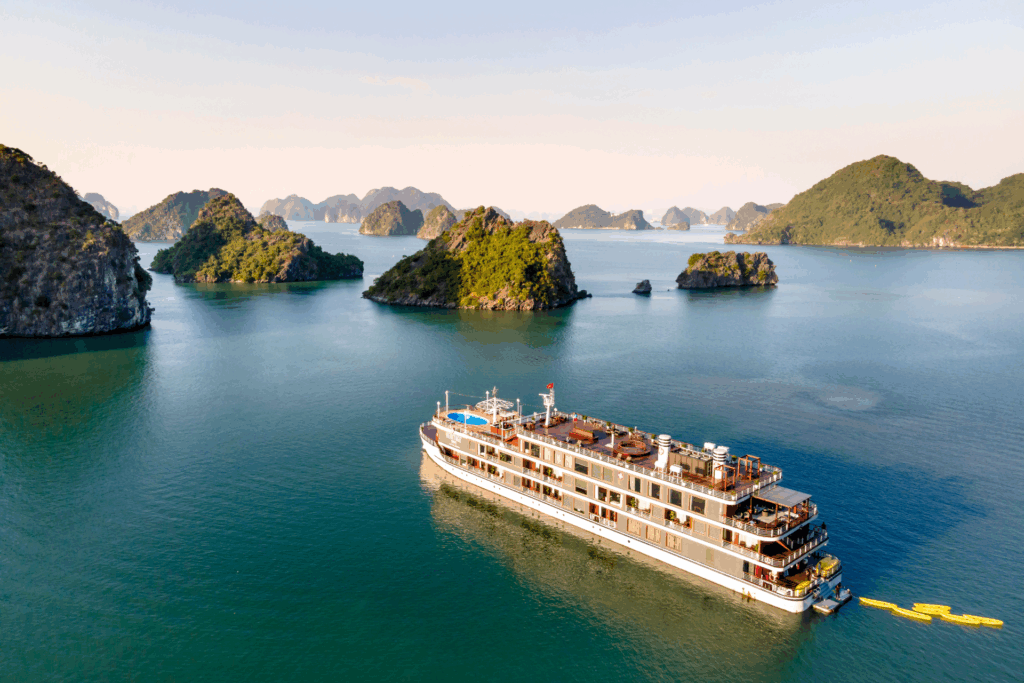
The Luxury industry continues to redefine what it means to travel in style, merging innovation, exclusivity, and sustainability to meet the evolving desires of discerning consumers. Within this dynamic sector, cruising has transcended traditional travel, evolving into a sophisticated and transformative experience for the discerning traveler. With luxury cutting-edge innovations and a heightened focus on sustainability, the cruise industry is embracing an exciting new era of growth. As the sector adapts to modern expectations, it continues to provide a compelling way to explore the world in a more responsible and enriching manner. 

The 2025 State of the Cruise Industry Report by Cruise Lines International Association (CLIA)  presents a compelling look at one of the world’s most dynamic travel sectors. With 34.6 million passengers setting sail in 2024, the cruise industry is not only back on course but cruising toward a new era of growth. 

Driven by rising demand among younger travelers, enhanced onboard experiences, and cutting-edge sustainability efforts, the sector is evolving to meet the expectations of modern explorers. The report highlights strong traveler satisfaction, economic impact, and a forecast of 42 million cruisers by 2028. As the industry embraces innovation and responsibility, cruising is increasingly seen as one of the most desirable and future-ready ways to travel the world. 

In this report summary, the World Luxury Chamber of Commerce highlights key insights into the Cruise Industry from 2025.  

Industry Overview and Current Landscape 

The global cruise industry has demonstrated exceptional resilience and consistent growth over recent decades. In 2024, a total of 34.6 million people chose ocean cruising as their preferred form of travel. This marks a 9.3% increase from 2023 and a clear signal of the industry’s recovery and upward momentum. North America remained the largest source market, followed by Europe and Asia/Oceania. 

Despite these impressive figures, cruising still represents just 2.7% of the overall international travel and tourism sector. This highlights a significant opportunity for further growth and market expansion. The Caribbean, Bahamas, and Bermuda remained the top destination choices, attracting nearly half of all cruise passengers. The Mediterranean followed as a strong secondary destination. Seasonally, the third quarter—typically encompassing the summer months—continues to be the busiest period for cruise travel. 

Looking at the industry’s long-term performance, passenger volume has increased from 1.9 million in 1985 to more than 34 million in 2024, reflecting its ability to grow even in the face of economic uncertainty. 

Cruise Travelers: Who They Are and What They Want 

Cruise travel in 2024 was marked by increasing diversity in both demographics and travel preferences. Trends show a rising interest from younger travelers, more frequent and longer voyages, and a growing emphasis on personalized and family-oriented experiences. 

  • Younger demographics rising: Average passenger age is 46. 
  • Over one-third are under 40, signaling growing interest from Gen X, Millennials, and Gen Z. 
  • Cruise intent is higher among younger generations than before the pandemic. 
  • There is an increased travel frequency: Nearly 50% plan longer cruises than they did previously, and more passengers are booking trips over a year in advance. 
  • Solo travel growth: 12% of cruisers traveled alone in 2024—double the rate from 2023. 
  • Multi-generational travel remains strong: 28% cruised with family spanning 3 to 5 generations. 
  • Baby Boomers are a key segment prioritizing shared travel experiences with spouses, grandchildren, and extended family. 

Industry Growth and Outlook 

The global cruise industry has a strong upward trajectory, with continued growth anticipated in the coming years. Much of this momentum is being driven by the introduction of new, high-capacity ships designed to deliver richer experiences in shorter durations. As of 2025, the global fleet has expanded to include over 310 ocean-going vessels, offering more than 650,000 lower berths worldwide. Interestingly, the majority of these ships fall within the small to mid-size category—a trend that is expected to persist well into the next decade, reflecting evolving passenger preferences for more intimate and destination-focused cruising. 

Luxury and expedition cruising represent particularly dynamic areas of growth. Since 2010, the number of luxury cruise ships has more than tripled. By 2028, it is projected that approximately 1.5 million travelers will opt for a luxury cruise experience. This surge is fueled not only by increasing consumer demand but also by the support of travel advisors, who are reporting significant rises in bookings for premium and luxury segments. 

Cruise travel continues to outperform other vacation types in customer satisfaction, frequently receiving higher ratings than land-based tours or hotel packages. Travel professionals play a pivotal role in this success. Nearly 80% of cruise passengers say their decision to book a cruise was influenced by a travel advisor, whose guidance helps match them with the most suitable ships, itineraries, and onboard experiences. 

Sustainability and Innovation 

As the cruise industry looks to the future, sustainability has become a core focus. Cruise lines are investing in innovative technologies, alternative fuels, and cleaner infrastructure to reduce their environmental footprint and move toward net-zero carbon operations: 

  • Major investments in green technology are being made, including advanced propulsion systems, energy-efficient engine designs, and digital tools that optimize routes and reduce fuel consumption. 
  • Onshore Power Supply (OPS) is a key innovation, allowing ships to plug into local electric grids while docked, reducing port emissions by up to 98%, depending on the local energy source. 
  • More than 30 ports worldwide are currently equipped with OPS, with many additional ports in the planning or development stages. 
  • Alternative fuel exploration is underway, including the use of green methanol, bioLNG, hydrogen, solar energy, wind power, and battery storage. Future ship designs are being built to support fuel efficiency. 
  • Collaboration with governments is seen as essential to scale access to alternative fuels and meet long-term decarbonization goals. 
  • The cruise industry has collectively committed to achieving net-zero carbon cruising by 2050, with current actions focused on innovation, infrastructure development, and close coordination with ports and local communities. 

Economic Contribution and Community Impact 

Cruise travel delivers substantial economic value worldwide, driving job creation, regional growth, and local business support through the following impacts: 

  • The global cruise industry generated a record-breaking $168.6 billion in total economic impact in 2023. 
  • It supported approximately 1.6 million jobs worldwide and contributed nearly $57 billion in wages to the global economy. 
  • In the United States, the cruise industry produced an economic impact of $65.4 billion, while Europe recorded €55.3 billion. 
  • Other regions, including Canada, Australia, New Zealand, and Brazil, also experienced substantial economic gains from cruise activity. 
  • Together, North America and Europe accounted for over 75% of the cruise industry’s total global economic output. 
  • Cruise passengers significantly contribute to local economies beyond their time on board, with 60% choosing to stay in the port city prior to embarkation. 
  • Additionally, 54% of travelers extend their stay after disembarking, further supporting local businesses. 
  • Most of these pre- and post-cruise visitors book hotel accommodation, helping to sustain jobs in the hospitality, food service, and transportation sectors. 

The growing cruise industry doesn’t just bring passengers—it brings meaningful contributions to the cities and communities it touches on. Through responsible tourism partnerships, environmental leadership, and economic opportunity, cruising continues to show its value not just as a vacation option, but as a dynamic and evolving part of global travel. 

To read the full report by CLIA, visit: https://cruising.org/resources/state-cruise-industry-report-2025  

Stay up to date on the latest luxury industry news: https://worldluxurychamber.com/insights-news/      

When Elegance Meets Ethics: Rethinking Conscience as a Luxury Imperative

By Abhay Gupta — Founder & CEO, Luxury Connect LLP | Top 100 Global Voices in Luxury

Some years ago, during a private visit to a legacy European maison, I asked a brand steward what they considered the most important quality of luxury. Their answer surprised me: “Restraint. True luxury knows when not to speak.”

At the time, I admired the subtlety. But today, as I observe the complex crises shaping our world, I wonder if that restraint — that elegant silence — is still enough.

The Unspoken Dilemma

Luxury has long prided itself on timelessness. While the world spins in turmoil, luxury endures — seemingly untouched by politics, conflict, or disruption. Its focus remains on beauty, craftsmanship, and aspiration.

But we live in a world where silence, too, is interpreted. And increasingly, luxury’s selective voice is becoming more visible than its design.

The Global Conscience Gap

When Russia invaded Ukraine, luxury brands responded swiftly. Major houses suspended operations, closed stores, and issued statements in solidarity. It was seen as a rare moment of values-aligned leadership.

Yet in other conflicts — in Gaza, Sudan, Myanmar, or even the tragic loss of innocent lives to terror in regions like Kashmir — the response has often been absent, muted, or inconsistent.

This is what I call the “conscience gap” — the widening space between a brand’s ethical positioning and its public posture across different global crises.

In an increasingly interconnected marketplace, selective morality can feel louder than moral clarity.

Why This Matters Now

Today’s luxury consumer — whether in Mumbai or Milan, Dubai or New York — is more culturally attuned, emotionally aware, and digitally connected than ever before. They don’t just buy the product. They buy the values.

And when those values appear situational — loud in one region, quiet in another — it erodes trust, especially in emerging and fast-growing markets where cultural parity is becoming a critical expectation.

India, for example, is projected to become a $200 billion luxury market by 2030. Its consumers are aspirational, discerning, and deeply aware of global dynamics. But more than anything, they want to be seen — not just as customers, but as voices worth listening to.

Luxury Is Not Apolitical — It’s Cultural

Let’s be clear: no one expects luxury brands to act as geopolitical actors. But brands that sell identity, emotion, and heritage cannot claim to be culturally neutral.

To remain relevant in a world shaped by Gen Z ideals, cross-border empathy, and post-pandemic consciousness, luxury must embrace ethical fluency — knowing when, how, and why to speak.

Conscience, when practiced consistently and thoughtfully, becomes a brand advantage — not a risk.

Strategic Conscience: What It Can Look Like

So, what does a values-aware luxury strategy look like?

– Acknowledgment without partisanship: A simple statement of support for peace, safety, or shared humanity 
– Localized compassion: Supporting relief efforts or NGOs in affected markets 
– Cultural sensitivity in design and casting: Ensuring brand ambassadors reflect diversity in dignity, not tokenism 
– Internal alignment: Empowering regional teams to respond when appropriate — rather than deferring to HQ silence

In today’s climate, elegance must include emotional intelligence.

A Moment for Global Leadership

This is also a moment for luxury voices from the Global South — including India, the Middle East, and Africa — to step forward.

We don’t just bring craftsmanship. We bring context. We understand the nuance of silence, the politics of inclusion, and the importance of being seen.

For Indian luxury, in particular, this is an invitation to lead: to demonstrate that conscience and commerce need not be mutually exclusive.

Final Thought

Luxury is still about aspiration. But the nature of aspiration has changed.

Today, aspiration includes belonging, justice, and being heard.

If luxury wants to remain a symbol of not just what we wear — but who we are — it must step into a more courageous kind of elegance: one that knows when to speak, when to listen, and when silence is no longer neutral.

Because in the end, what we stand for may matter more than what we sell.


Abhay Gupta is Founder & CEO of Luxury Connect LLP and LCBS. Named among the World’s Top 100 Voices in Luxury, he writes at the intersection of culture, commerce, and conscience.

Disclaimer: The views expressed in this article are those of the author and do not necessarily reflect the official stance of the World Luxury Chamber of Commerce, its affliates, or any brands/entities mentioned. This piece is intended to foster constructive dialogue on the evolving relationship between luxury, ethics, and global responsibility.

Louis Vuitton Lands At Schiphol Airport  

The global luxury sector continues to expand its footprint in key international hubs, reinforcing its influence across travel and retail landscapes. In line with this momentum, Louis Vuitton has officially arrived at Amsterdam Airport Schiphol, marking a defining moment in the airport’s evolution into a world-class destination for luxury retail. The French maison opened its elegantly appointed boutique in Lounge 2 on 27 May, bringing signature style, craftsmanship, and innovation to the heart of international travel.  

Spanning over 200 square metres, the new store embodies Louis Vuitton’s modern aesthetic, offering travellers a curated selection of the house’s most iconic creations—from leather goods and travel accessories to fragrance and footwear. Artworks by Florencia Vual and Dutch artist Hadassa Emmerich lend the space a cultural dimension, transforming the boutique into an immersive experience.  

Schiphol’s Chief Commercial Officer, Arthur Reijnhart, described the opening as a “major milestone,” adding: “The opening of the stunningly designed Louis Vuitton store is the first in a series of new store openings in Lounge 2 that our travellers will see in the coming period. We are extremely pleased that the intensive collaboration with Louis Vuitton has led to this unique result.”  

To celebrate the launch, the boutique introduces an exclusive personalization service, offering bespoke stamp designs on leather items such as passport holders—a refined nod to the modern globetrotter’s journey.  

With this debut, Louis Vuitton and Schiphol Airport reaffirm their shared commitment to luxury and innovation, elevating the retail experience far beyond the ordinary.  

Stay up to date on the latest luxury industry news: https://worldluxurychamber.com/

SOURCES: The Moodie Davitt Report, News Schiphol, LinkedIn

How Chambers of Commerce Are Guiding the Future of Luxury

The definition and experience of luxury are undergoing profound transformation. Where luxury was once synonymous with exclusivity, heritage, and material excellence, it is now expanding to include innovation, sustainability, and purpose. As advocates and stewards of business communities, Chambers of Commerce are in a unique position to lead this shift—and at the World Luxury Chamber of Commerce (WLCC), we are proud to be at the forefront of this journey.

A Nexus for Innovation and Heritage

Chambers of Commerce have historically served as pillars of support, diplomacy, and collaboration across industries. In the luxury sector, which thrives on tradition as much as reinvention, this role is particularly critical. At WLCC, we work with luxury brands, designers, consultants, artisans, and entrepreneurs to preserve the cultural significance and craftsmanship that define luxury while embracing cutting-edge technology, sustainability goals, and shifting consumer values.

Through curated forums, networking events, and international partnerships, we facilitate meaningful conversations that bridge the past and the future. These initiatives ensure that luxury retains its soul while continuously pushing creative and cultural boundaries.

Driving Global Collaboration

Luxury is global, and so are the challenges it faces—from climate change and supply chain transparency to digital transformation and shifting geopolitical landscapes. Chambers of Commerce like WLCC operate across borders, creating dialogue between luxury leaders from Paris to Dubai, London to New York, Tokyo to São Paulo. This global engagement is not only about business development—it’s about shared responsibility.

By hosting cross-border conferences and industry panels, we help luxury businesses of all sizes access new markets, collaborate on best practices, and develop sustainable growth models. In doing so, we foster a truly international luxury ecosystem rooted in inclusivity, integrity, and innovation.

Supporting Emerging Talent and Brands

As luxury evolves, so must its guardians. One of the most powerful roles a Chamber of Commerce can play is that of a mentor and amplifier. At WLCC, we are deeply committed to supporting emerging brands that bring fresh perspectives to the luxury landscape. Whether through educational initiatives or media spotlights, we ensure that new voices are heard—and that they receive the tools needed to succeed.

Luxury’s future depends on diversity, creativity, and vision. By nurturing the next generation of luxury leaders, we ensure that the industry remains vibrant, relevant, and responsive to the cultural currents shaping our world.

Sustainability as Strategy

Sustainability is no longer optional—it is a strategic imperative for luxury brands. Today’s consumers demand ethical sourcing, environmental responsibility, and social transparency. At WLCC, we help our members not only meet these expectations but exceed them. Our initiatives include educational webinars on sustainable business models, partnerships with environmental organizations, and recognition programs that celebrate luxury companies leading in ESG practices.

Chambers of Commerce have the scale and neutrality to bring stakeholders together for collaborative impact. From heritage watchmakers to sustainable fashion brands, we champion those who place people and the planet at the heart of their luxury ethos.

The Future Is Now

Luxury is more than a product—it is a philosophy, an experience, and an aspiration. As the industry embraces a new era defined by digitalization, sustainability, inclusivity, and purpose, Chambers of Commerce must lead with vision and action.

At the World Luxury Chamber of Commerce, we are proud to be shaping this future. By convening the world’s most dynamic luxury leaders, fostering global collaboration, and driving forward-thinking advocacy, we are not just witnessing the transformation of luxury—we are helping to create it.

The future of luxury is collaborative, conscious, and creative. And Chambers of Commerce will be the architects of that future.

Discover more at www.worldluxurychamber.com – apply directly to become a member and start shaping the future of luxury, together.

Subscribe to the WLCC newsletter to stay in the loop of luxury: https://worldluxurychamber.com/subscribe/

WLCC at the Financial Times Business of Luxury Summit 2025

Amid economic headwinds and shifting consumer dynamics, the World Luxury Chamber of Commerce joined global leaders and industry icons in Barcelona for the Financial Times Business of Luxury Summit, three days of candid dialogue, strategic foresight, and high-level networking.

Organized by the Financial Times and co-chaired by its senior journalists and correspondents, the summit brought together more than 400 C-suite executives, creative directors, strategists, and financiers for a three-day program of discussions, fireside chats, and high-level networking.

Among the central questions: What is the real impact of global inflation on luxury consumption? Can tariffs and regulatory shifts derail growth? And how should high-end brands recalibrate for a generation that increasingly values sustainability, experience, and transparency over exclusivity alone?

Leading Voices. Real Conversations.

The agenda covered every pressing topic on the minds of luxury leaders today — from shifting consumer habits and the rise of pre-owned goods, to the role of AI in fashion, and the need to build truly ethical supply chains. Key sessions included:

The global economy: What’s needed to boost the luxury sector?

This discussion emphasized how geopolitical instability and trade policies are affecting the luxury landscape. Panelists noted that tariffs—especially those driven by U.S. policy—are increasingly unpredictable and burdensome, with costs being passed on to consumers worldwide, not just in the U.S. There was a strong consensus that we’re entering a period of instability not seen since the 1930s, and many luxury players are adopting a cautious, day-by-day approach. China remains critical, accounting for 30% of global manufacturing, while emerging markets, particularly in the Middle East, are showing resilience and even benefiting. As one panelist remarked, “When the economy does well, luxury does well”—but with global players at odds, cooperation remains elusive.

The battle for the VVIPs

A deep dive into the most elite luxury consumers revealed that the post-pandemic “frugal wealthy” are reshaping expectations. While this audience has always existed, the focus now is on experiential value—whether through private jet journeys or analog pleasures like vinyl. Brands must be transparent and empathetic, and while CRM tools are helpful, “they should not define relationships,” as Kristina Blahnik noted. Cross-brand partnerships are becoming an important acquisition strategy—“Don’t battle, collaborate.”

Keynote interview – TOTEME

Elin Kling and Karl Lindman of TOTEME discussed the essence of curated luxury, with a focus on guiding and inspiring sophisticated consumers. They emphasized the importance of clarity—knowing what you’re good at, and what you’re not.

Insights: How to Navigate the New Luxury Landscape

Core clients bring long-term stability, while aspirational buyers fuel short-term growth. Brands must read early signals—like a $1,200 shoe purchase—to identify high-value prospects. AI and human touch can work hand-in-hand to personalize engagement without resorting to promotions, keeping the luxury promise intact.

The unstoppable rise of second-hand

Pre-owned luxury is thriving thanks to affordability and a sense of sustainable value. It offers consumers access to pieces once deemed out of reach, while also satisfying a growing need for ethical purchasing.

Insights: The dealmakers’ view

Although deal flow has slowed, there is still movement, particularly where brand equity is strong. Two key acquisition profiles emerged: heritage family-run houses and disruptive new brands with innovative models. For conglomerates like LVMH or Kering, scale matters, but brand coherence is essential—“A business bigger than its brand will fail.”

The real work of sustainability

Ethical supply chains are no longer optional. Brands must show, in clear and relatable language, how they are giving back at every production stage. As Amy Powney put it, “Do the work.”

The experience economy

With a 5% growth in the sector, experience is eclipsing product in terms of consumer priority. Adventure travel, wellness, and personalization are now core. High-tech tools can enhance—not replace—human hospitality.

Where AI belongs in high-end fashion

Generative AI is creating new avenues for brand engagement and efficiency, but panelists cautioned against overreliance. “AI is a tool, not a monster,” said Anne-Laure Colcy, while others warned about the risk of creativity stagnating when machines dictate customer experiences.

Shifting consumer trends: The role of bricks and mortar

Retail is evolving, not dying. Experiential spaces, local relevance, and differentiated multi-brand curation are key to survival. Social listening emerged as a powerful tool: “Customers are telling you what they want—listen.”

Luxury’s talent crunch

Leadership volatility is linked to strategic confusion and brand identity flux. As freelance contracts become more common, long-term planning is harder. Panelists stressed the need for stronger female representation, better personal branding, and leaders who understand that creativity is a core business asset.

This year’s speaker lineup was nothing short of exceptional. Among them were Marc Puig (Puig), Kristina Blahnik (Manolo Blahnik), Damien Bertrand (Loro Piana), Tina Edmundson (Marriott International), and Michael Kliger (LuxExperience), alongside entrepreneurs and tastemakers shaping the future of luxury from fashion and beauty to travel, hospitality, and art.

Our favorite quote from the event? “Your client decides what becomes iconic.” – Damien Bertrand, CEO, Loro Piana.

WLCC’s Role

For WLCC, the summit was an opportunity to do what we do best — connect, listen, learn, and lead.

We met with long-standing partners and forged new relationships that will help guide the next chapter of WLCC’s initiatives. We came away with fresh insight into the forces reshaping luxury and identified areas where WLCC can add real value — from promoting sustainable innovation to supporting independent brands and helping our members prepare for the future.

Our participation reaffirmed the importance of bringing the right people into the room — and that’s exactly what this summit did.

“For any luxury brand serious about staying relevant and resilient, the Financial Times Business of Luxury Summit is a must-attend event,” said Olha Kipiani, Communications Director of the WLCC. “It’s where visionaries align, trends are decoded, and collaborations are born.”

Beyond the Ballroom

While panel sessions delivered substantive analysis, much of the summit’s value lay in the informal moments — private meetings, networking receptions, and an elegant gala dinner that highlighted the sector’s enduring affinity for ceremony and connection.

“There is no substitute for face-to-face conversation,” added Mrs. Kipiani. “Especially when you’re talking about the future of an industry built on human emotion.”

What’s Next

The overarching takeaway from Barcelona: luxury is neither retreating nor standing still. It is adapting — in some cases slowly, in others, with remarkable agility — to a world where legacy alone is not enough.

We’re proud to have been part of this extraordinary gathering of minds and grateful to the Financial Times for creating a space where the luxury industry could come together, not just to talk about challenges, but to imagine what comes next.

To our members, partners, and peers: stay connected. The future of luxury is being written — and WLCC is here to help shape the narrative.

Want to become a WLCC member? Apply here: https://worldluxurychamber.com/become-a-member/

All images supplied by Financial Times Business of Luxury Summit.

Empowering Tomorrow’s Executives: SDA Bocconi’s Global Leaders Program 2025

The World Luxury Chamber of Commerce (WLCC) proudly partners with SDA Bocconi School of Management, one of Europe’s most prestigious business schools, to support the development of visionary leadership in luxury and beyond. Through this collaboration, WLCC members gain privileged access to some of the most forward-thinking executive education programs in the world—beginning with the exceptional Global Leaders Program 2025.

SDA Bocconi, based in Milan, is internationally recognized for shaping leaders capable of navigating complex global challenges. With top rankings across Europe and the globe, its programs deliver not only academic excellence but also real-world impact—making this partnership a natural fit for the WLCC community.

About the Global Leaders Program

The Global Leaders Program (GLP) is a one-week, high-intensity executive experience, taking place from June 29 to July 4, 2025, in the heart of Milan. Designed for senior executives, entrepreneurs, and top decision-makers, the course equips participants with the insight, mindset, and tools to lead in today’s uncertain, fast-evolving world.

This is not a traditional business course—it’s a transformative journey combining academic rigor, cross-sector dialogue, and immersive cultural experiences that reflect Italy’s excellence in art, design, gastronomy, and innovation.

Key Program Highlights

  • Immersive Curriculum covering macroeconomic shifts, digital transformation, AI integration, sustainability, and leadership in uncertain times
  • Experiential Learning through exclusive visits to Ferrari HQ, Fondazione Prada, La Scala Theatre, Duomo Cathedral Roof, and Cracco restaurant
  • Strategic Reflection time away from day-to-day operations to challenge assumptions and rethink leadership
  • Global Networking with a select cohort of international executives from a wide range of industries

Leading Experts

The program is led by Professor Emanuela Prandelli, LVMH Associate Professor and Program Director, and features insights from some of the world’s most respected leaders and scholars, including:

  • Mario Monti, former Prime Minister of Italy
  • Stefano Caselli, Dean of SDA Bocconi School of Management
  • Francesco Billari, Rector of Bocconi University
  • Andrea Sironi, President of Bocconi University
  • Gianmario Verona, Fondazione Romeo ed Enrica Invernizzi Professor of Innovation Management at Bocconi University; former Rector of Bocconi University
  • Vittorio Colao, Vice Chairman EMEA at General Atlantic; former Minister for Technological Innovation and Digital Transition
  • Sylvie Goulard, Professor of Practice in Global affairs and Geopolitics at SDA Bocconi School of Management; former Minister of Defense in the first Edouard Philippe Government.
  • Walter Susini, Marketing Executive Advisor (Pfizer, Luxottica, Coca-Cola)

These and other world-class voices ensure a rich exchange of ideas, grounded in both academic theory and real-world practice.

Who Should Apply?

The GLP is designed for:

  • C-suite Executives, General Managers, and Board Members
  • Entrepreneurs and Founders of growing companies
  • Leaders in Transformation Roles across luxury, finance, tech, policy, and more
  • Those eager to expand their global perspective, explore innovation, and lead with purpose

Admission is selective, ensuring a dynamic and diverse class of high-caliber peers.

Special Discounts for WLCC Members

Through its strategic partnership with SDA Bocconi, the World Luxury Chamber of Commerce offers members an exclusive discount of 15% to 20% on the Global Leaders Program and other qualifying executive courses.

This initiative supports WLCC’s mission to foster knowledge exchange, leadership excellence, and sustainable innovation in the luxury ecosystem.

Program Details

  • Dates: June 29 – July 4, 2025
  • Location: SDA Bocconi School of Management, Milan
  • Duration: 5 days of intensive learning, cultural immersion, and networking
  • Application: Early registration is encouraged due to limited class size and strong demand
  • Extras: All meals, visits, and experiential activities are included

Why Choose SDA Bocconi?

With more than 50 years of excellence, SDA Bocconi is consistently ranked among the top business schools worldwide. It combines Italian style and international expertise to deliver programs that are globally relevant, academically rigorous, and personally transformative.

Located in a cutting-edge urban campus in Milan, the school champions sustainability, innovation, and diversity—offering the perfect environment to recharge, reflect, and reimagine your leadership.

For more information or to apply through the WLCC membership channel, visit https://worldluxurychamber.com/events/global-leaders-program/

World Luxury Chamber of Commerce Launches Inaugural Issue of Luxury People Magazine

The World Luxury Chamber of Commerce (WLCC) proudly announces the release of the premiere issue of Luxury People Magazine, a landmark publication dedicated to celebrating the visionaries, trailblazers, and brands shaping the future of global luxury.

This elegant and thought-provoking magazine offers readers a curated journey through the modern luxury landscape, spotlighting the individuals and innovations redefining excellence across industries—from real estate and hospitality to yachting, travel, and thought leadership.

Featured on the cover of this debut issue is global hospitality icon Bob Kharazmi, who has a distinguished career spanning decades in the luxury hospitality industry and has been at the forefront of transformative strategies, market expansions, and service excellence across the United States, Europe, the Middle East, and Asia.

Other highlights include:

  • Maria Kuzina’s insider view of Miami’s elite real estate scene
  • Sharif Al Ferm’s handcrafted approach to luxury travel experiences
  • In-depth interviews with influential figures like Tiago Resanti, Ahmed Al Ajmi, and Susannah Chambers
  • Special features on WLCC initiatives, including the Luxury Education Hub, the Media Hub, and the curated Luxury Library

Luxury People Magazine is more than a publication; it’s a platform for inspiration, connection, and growth within the world of high-end living,” said Alexander Chetchikov, President of WLCC. “We created this magazine to elevate the dialogue around luxury and to empower our global network of members, brands, and thought leaders.”

For access to the digital magazine and to learn more about the WLCC, visit https://worldluxurychamber.com/initiatives/luxury-people/

Empower Your Expertise: Save 40% on Kogan Page Books with WLCC

In a special collaboration with the World Luxury Chamber of Commerce (WLCC), leading business publisher Kogan Page is thrilled to announce an exclusive 40% discount on its entire range of luxury, business, and leadership titles for readers of the WLCC Luxury Library.

From now until May 31, 2025, WLCC readers can unlock this limited-time offer by using the code WLC40 at checkout on koganpage.com. Whether you’re a seasoned executive, luxury brand strategist, or aspiring entrepreneur, this is your chance to gain insights from some of the most influential authors and thought leaders in the business and luxury industries — at a fraction of the price.

This exciting offer includes bestsellers across key categories:

  • Luxury Brand Management
  • Sustainability in Fashion
  • Global Consumer Trends
  • Leadership & Innovation
  • Retail Strategy & E-Commerce

“Knowledge is luxury — and our mission at the WLCC Luxury Library is to bring powerful ideas to the forefront of the industry,” said Alexander Chetchikov, President of the World Luxury Chamber of Commerce. “This partnership with Kogan Page ensures that our readers have premium access to essential content that shapes the future of luxury.”

Don’t miss out on this rare opportunity to build your business bookshelf with authoritative, forward-thinking titles — trusted by professionals, academics, and innovators worldwide.

How to Redeem:

  1. Visit www.koganpage.com
  2. Add your chosen titles to the cart
  3. Use promo code WLC40 at checkout
  4. Enjoy your 40% discount — valid until May 31st, 2025

For more information about the WLCC Luxury Library and its curated reading list, visit https://worldluxurychamber.com/initiatives/luxury-library/
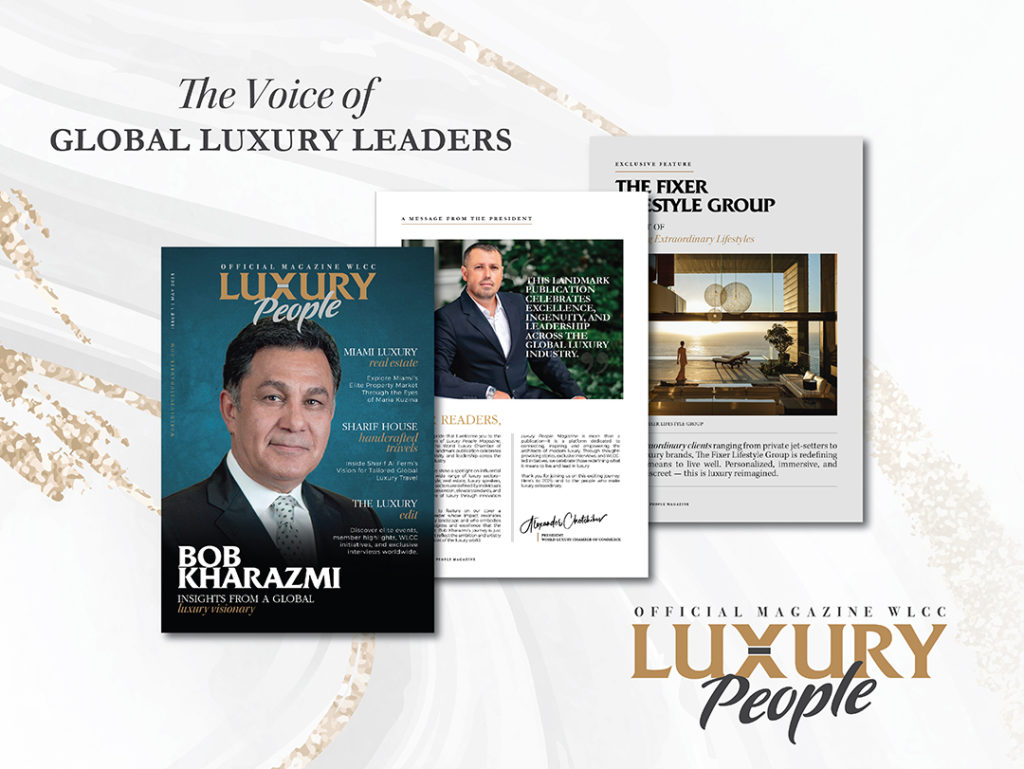
Luxury Library: The Luxury Strategy – 3rd Edition

AuthorsJean-Noël KapfererVincent Bastien 
Publication Date: 2025
International Bestseller

The WLCC Luxury Library is a curated resource for luxury professionals, offering insights on branding, marketing, and consumer behavior. Designed to empower members of the World Luxury Chamber of Commerce, it fosters learning, collaboration, and innovation in the luxury industry.

The Luxury Strategy is the definitive guide to understanding and building luxury brands. Authored by Jean-Noël Kapferer and Vincent Bastien—two of the most respected voices in the luxury business—the book boldly challenges conventional marketing wisdom and proposes a unique approach that has helped shape the global success of iconic names such as Louis Vuitton, Chanel, Cartier, Hermès, and Ferrari.

Now in its 3rd edition, this international bestseller has become a cornerstone text for executives, entrepreneurs, and students alike, offering a rigorous and strategic roadmap to creating, growing, and sustaining luxury brands in a rapidly changing world.

What Makes It Unique:

Unlike traditional marketing books, The Luxury Strategy argues that luxury brands must break the very rules that guide conventional consumer branding. It defines the critical difference between premium and true luxury, explores how dream and exclusivity must be nurtured at all touchpoints, and shows how maintaining high margins and desirability is more critical than mass growth.

Key Themes and Insights:

  • Defining Luxury: The book differentiates luxury from fashion and premium, laying out clear criteria for what constitutes a luxury brand.
  • Brand Building Principles: Insights into building coherence, identity, and storytelling across all brand touchpoints.
  • The Art of Brand Stretching: A deep dive into brand extensions and how to do them without diluting brand equity—featuring real-world examples like Montblanc, Armani, and Chanel.
  • Qualifying Products as Luxury: Why luxury products need to go beyond functionality, offering dreams, meaning, and ritual.
  • Strategic Perspectives on Luxury Business Models: How profitability in luxury is achieved through core trade, exclusivity, and unique high-overhead models.
  • Entering and Exiting Luxury: What it takes to join the luxury universe—and what happens when a brand loses its luxury status.
  • Learning from Luxury: How companies outside the sector (like Apple) apply luxury principles to gain a competitive advantage.

And, much, much more…

New in the 3rd Edition:

  • Updated Case Studies to reflect the evolution of top luxury houses in the digital and global age.
  • New Preface reflecting shifts in consumer behavior, digitalization, and post-COVID luxury transformations.
  • A new chapter addressing the luxification of society, the rising role of AI and new technologies, and why luxury brands must lead by ethical and sustainable best practices.

The Luxury Strategy is not just a manual; it’s a manifesto for a distinctive and disciplined approach to building timeless, meaningful, and profitable luxury brands. Whether you’re a brand builder, investor, or strategist, this book reveals why in luxury, success is not about selling more—but about being desired more.

Pre-order the book now: https://www.koganpage.com/ + get 40% off with WLC40.
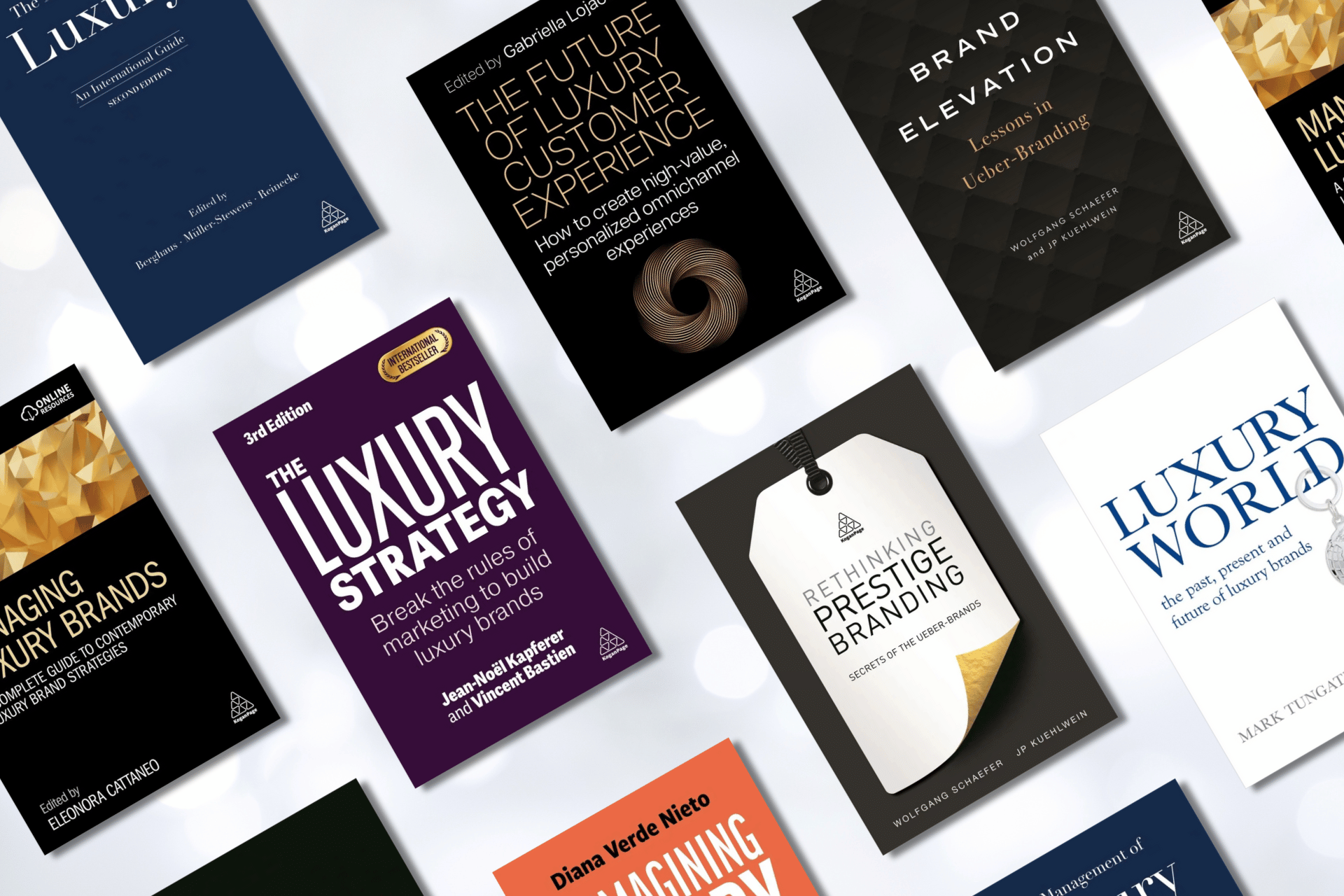
To read more from the Luxury Library, visit https://worldluxurychamber.com/category/book-reviews/

Exclusive: How Alvaro Nuñez Alfaro Is Revolutionizing Luxury Real Estate Through Storytelling

In this exclusive interview, Alexander Chetchikov, President of the World Luxury Chamber of Commerce, sits down with Alvaro Nuñez Alfaro—founder of Super Luxury Group, bestselling author, and high-performance adventurer. Known for merging luxury real estate with the power of influencer marketing, Alvaro has carved out a new paradigm where properties become immersive lifestyle brands. Through his bold approach, global vision, and relentless energy, Alvaro is reshaping how the world experiences high-end living.

Alexander Chetchikov: Alvaro, As the founder of Super Luxury Group, you’ve redefined how luxury real estate is marketed. What inspired you to merge real estate with influencer marketing and media, and how has that changed the game for your clients?

Alvaro Nuñez Alfaro: It started with a simple question—how do we create experiences around properties that people remember? Luxury today goes beyond marble floors and ocean views; it’s about storytelling. By merging real estate with media and influencer marketing, we turn homes into brands. That shift helps our clients reach global, targeted audiences in ways that traditional marketing never could.

AC: With an MBA background and global network, how do you approach building high-level partnerships between luxury brands, real estate professionals, and celebrities within the SLG ecosystem?

ANA: It’s all about alignment. The right partnerships are born from shared values and audience synergy. We curate connections that make sense—where everyone wins, and the experience feels organic. Whether it’s a private event at a $30M mansion or a brand collab with a celebrity, it has to elevate all parties involved.

AC: You’re also a bestselling author and keynote speaker—how do your personal philosophies on pushing limits and living intentionally show up in your writing and on stage?

ANA: Everything I speak or write about comes from lived experience. Whether it’s running 7 marathons across 7 continents in one week or building a business from the ground up, it’s all fueled by purpose. I believe in turning pain into power, and in using challenges as fuel to level up—not just personally, but to inspire others to do the same.

AC: From skydiving to ultra-endurance races, your lifestyle is far from traditional—how do these extreme experiences influence your leadership style and business decisions?

ANA: Those experiences force you to stay present, adapt fast, and lead under pressure. They teach humility, resilience, and trust in your team. Whether I’m 30 hours into a race or closing a deal, the mindset is the same: stay intentional, stay calm, and keep moving forward.

AC: Looking ahead, how do you envision the future of luxury real estate evolving, and what role will Super Luxury Group play in shaping that next chapter?

ANA: Luxury real estate is becoming experiential. It’s not just about square footage—it’s about community, content, and connection. Super Luxury Group will continue leading that shift by building bridges between high-end properties and culture. Our mission is simple: elevate real estate into a lifestyle brand.

Thank you, Alvaro!

As Alvaro Nuñez Alfaro continues to blur the lines between real estate, lifestyle, and media, one thing becomes clear—his mission is not just to sell homes, but to craft unforgettable experiences. With a fearless spirit and a purposeful mindset, he’s not only elevating the game for clients but also challenging the entire industry to think bigger. Super Luxury Group isn’t just part of the future of luxury real estate—it’s leading it.

Stay Ahead in the Luxury Industry – Join the World Luxury Chamber of Commerce and Subscribe to Our Exclusive Newsletter for Insights, Networking Opportunities, and Access to Industry Leaders.

Why International Collaboration Matters in Luxury Trade

In an increasingly interconnected world, international collaboration is no longer a strategic option but a necessity—especially in the luxury industry. With global markets expanding and consumer expectations evolving rapidly, the ability to work across borders, cultures, and sectors has become a crucial ingredient for success. From joint ventures and co-branded collections to sustainable innovation and cultural exchange, international collaboration drives growth, resilience, and relevance in luxury trade.

A Global Audience Demands a Global Approach

Luxury consumers today are more global than ever. Whether it’s a fashionista in Seoul coveting a Paris runway look or a tech-savvy entrepreneur in Dubai investing in Swiss watches, the luxury customer is digitally connected and culturally diverse. To meet the expectations of this discerning demographic, luxury brands must think globally while acting locally. International collaboration enables brands to stay attuned to regional tastes, cultural nuances, and consumer behavior patterns. By aligning with local partners or influencers, global brands can better tailor their offerings, making them more relevant and desirable.

For example, LVMH’s expansion into Asia wasn’t just about opening boutiques—it involved partnerships with local artisans, curated experiences aligned with regional festivals, and marketing strategies tailored to each market. These collaborations not only increased brand affinity but also ensured cultural sensitivity and authenticity, which are critical in luxury.

Innovation Through Cross-Border Creativity

Creativity is the heartbeat of luxury, and international collaboration is a powerful way to fuel it. When creative minds from different backgrounds come together, they spark ideas that transcend traditional design boundaries. This fusion of perspectives often results in products that are not only beautiful but also meaningful and culturally resonant.

Consider the collaboration between Dior and African contemporary artists or the capsule collections that blend Eastern aesthetics with Western craftsmanship. These cross-cultural projects breathe fresh life into legacy brands while celebrating diversity. They also provide emerging designers and creatives from less-represented regions with a platform, enriching the global luxury narrative.

Shared Resources, Shared Success

Beyond creative synergy, collaboration allows luxury brands to share resources, reduce costs, and enter new markets more efficiently. Strategic alliances can involve everything from co-investing in technology and supply chains to creating regional distribution networks or establishing joint sustainability platforms.

A prime example is the growing number of collaborations around sustainability. Luxury groups are now working with international NGOs, local communities, and even competitors to improve ethical sourcing, circular design, and carbon reduction efforts. The Kering Group’s collaboration with startups across Europe and Asia on alternative materials, or the cross-industry pact for sustainable fashion led by the Fashion Pact, shows how shared commitment can accelerate progress.

By working together, brands can access innovations they may not have had the resources to develop alone, and they can implement them on a larger scale.

Enhancing Prestige Through Global Alliances

In luxury, perception is everything. International partnerships often enhance brand prestige and elevate storytelling. When a renowned European fashion house teams up with a Japanese ceramics master, the result isn’t just a product—it’s a dialogue between heritages, a celebration of craftsmanship, and a compelling story for consumers who value depth and meaning.

These alliances also send a signal: that the brand is open, inclusive, and forward-thinking. In a world where luxury consumers increasingly seek values alongside value, being globally collaborative becomes a mark of sophistication, not just strategy.

Building Resilience in a Volatile World

Recent global disruptions—from pandemics to geopolitical tensions—have highlighted the importance of flexibility and adaptability in luxury trade. International collaboration strengthens supply chains, diversifies markets, and mitigates risk. A diversified global presence allows brands to shift focus when one region faces challenges, maintaining stability and revenue flow.

Additionally, collaborations can act as a support system. When travel restrictions or trade barriers affect one market, shared networks and cross-border operations enable brands to pivot quickly. During COVID-19, many luxury houses partnered with international logistics providers and local distributors to ensure continuity and maintain customer service standards.

The Future is Borderless

As the luxury industry looks to the future, international collaboration will only grow in importance. From metaverse partnerships with global tech firms to immersive brand experiences in emerging luxury hubs, cross-border synergy will shape the next era of luxury.

Luxury has always been about more than products—it’s about stories, emotions, and connections. International collaboration expands this emotional terrain, bringing in new voices, visions, and values. For a sector rooted in exclusivity yet striving for global relevance, collaboration isn’t just about access—it’s about evolution.

Ultimately, international collaboration isn’t a trend—it’s a transformation. It amplifies creativity, deepens cultural relevance, drives sustainability, and enhances resilience. In luxury trade, where heritage meets innovation and global meets local, collaboration across borders is not just important—it’s indispensable.

Something went wrong

Please try again later

Ok

    Ask About Member Deals

    Submit your request for media/press opportunities here, and we will provide you with all the details.


    Your form submitted successfully!

    We will be in touch soon with further details.

    Got it