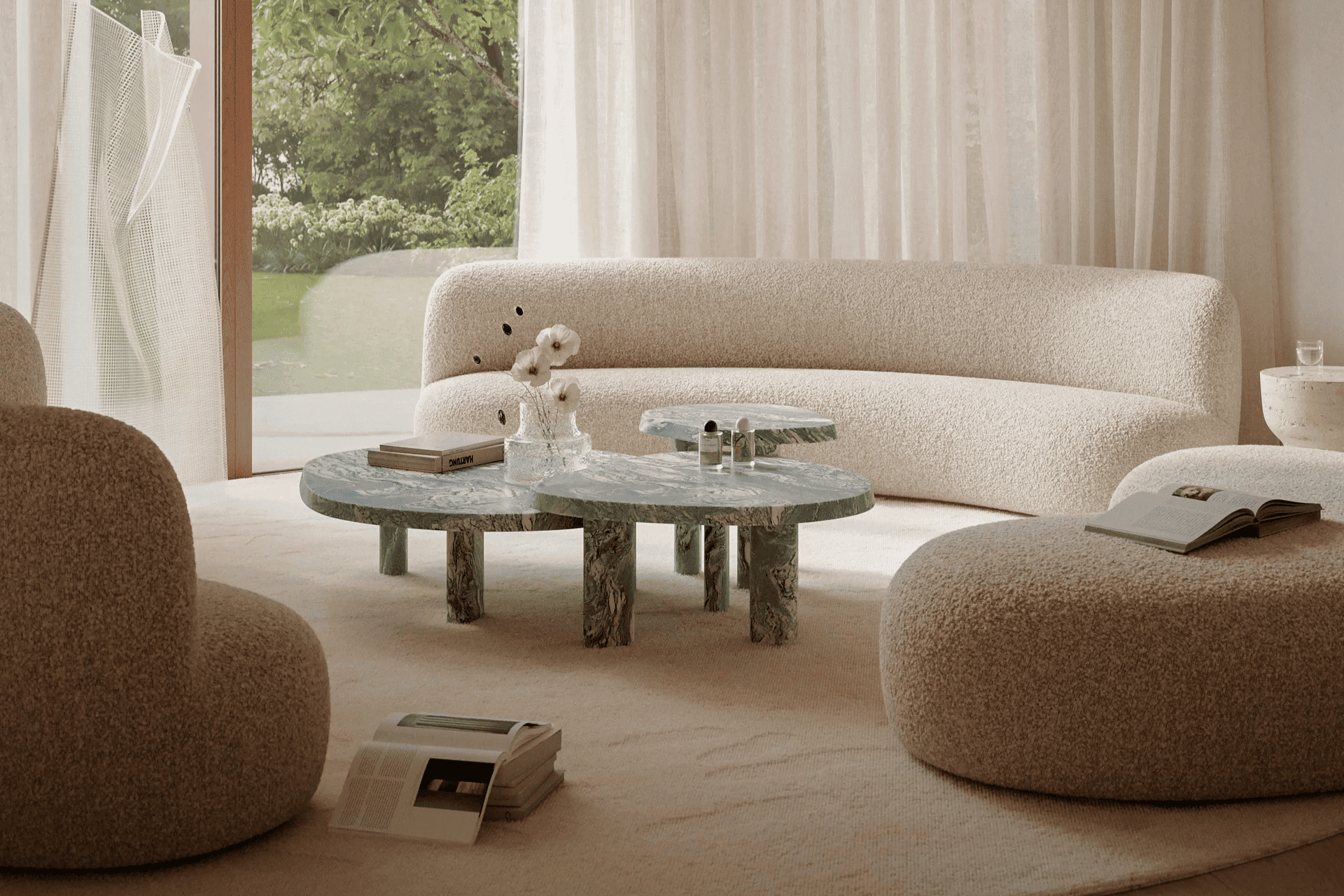
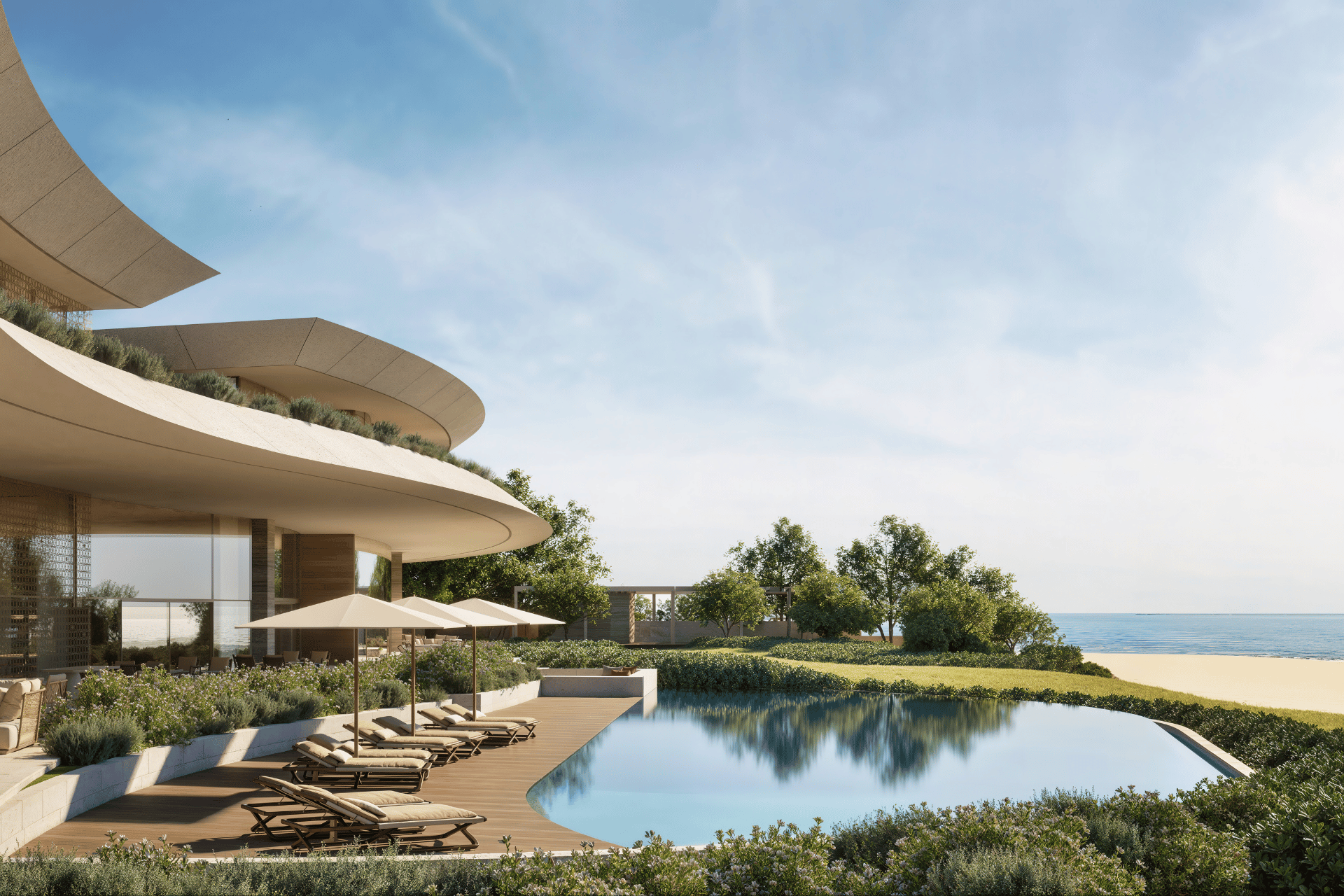
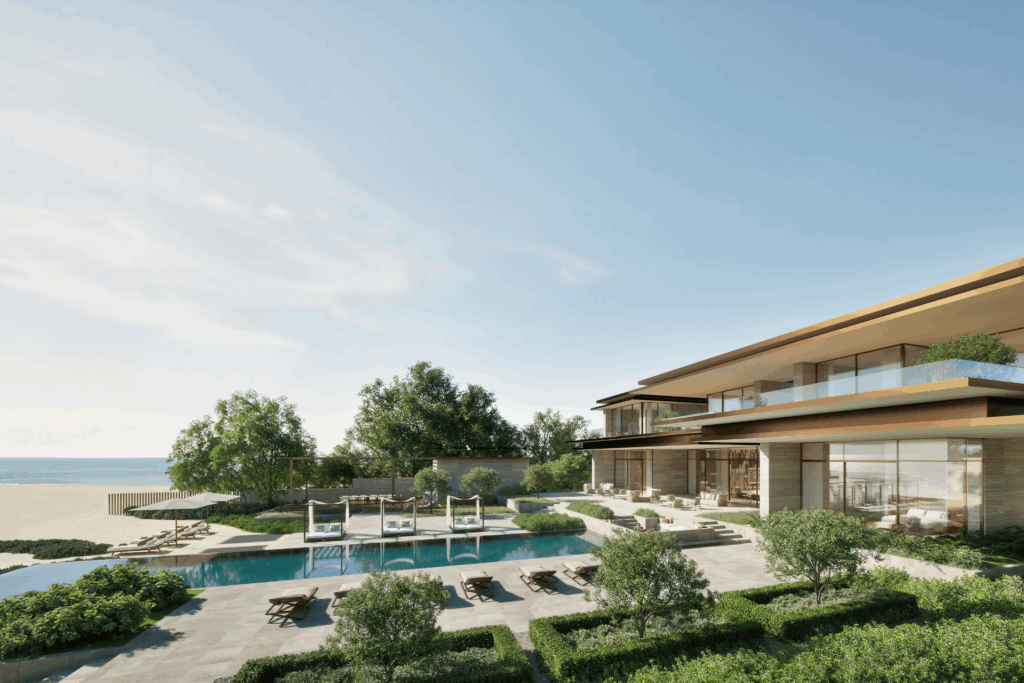
Luxury design is an experience of intention, detail, and emotional resonance. At its core, it reflects a commitment to craftsmanship, where every curve, texture, and proportion is considered with precision. As the global appetite for curated, artisanal design continues to grow, one Australian brand is capturing international attention with quiet confidence and sculptural elegance. Paloma Editions, a rising star in the world of luxury homeware, is redefining contemporary design with a focus on timeless craftsmanship, natural materials, and minimalist refinement.
Founded in Australia, Paloma has built its reputation on producing limited-edition collections that blur the line between function and fine art. Each piece is a study in restraint and precision, objects that speak softly yet leave a lasting impression. Now, the brand is poised to bring its distinctive design philosophy to a broader audience, with a highly anticipated entry into the U.S. market.
Brand Origins & Design Ethos
Born in Australia, Paloma Editions draws inspiration from architecture, natural forms, and traditional craftsmanship. Each collection is conceived as a limited series, featuring materials like stone, bronze, and ceramic, meticulously shaped into understated, sculptural forms. The brand champions slow design, focusing on quality, intentionality, and enduring elegance.
Global Expansion Strategy
The brand has already established a strong local footprint through collaborations with Australian design studios and features in leading lifestyle publications. Its decision to enter the U.S. market is both bold and strategic, targeting a consumer base that values artistry over mass production. It plans to introduce a carefully curated selection of products through luxury showrooms, online platforms, and key design fairs across the country.
U.S. Market Positioning
Rather than saturating the market, Paloma aims to build lasting relationships with a select network of tastemakers, interior designers, and boutique retailers. Exclusive partnerships and limited-edition offerings will anchor its American presence, ensuring the brand retains its air of rarity and quiet sophistication.
Paloma Editions’ expansion into the U.S. underscores a broader trend: the rise of boutique luxury brands that prioritize soul, sustainability, and sculptural beauty. As the brand steps onto the global stage, it brings with it a vision of luxury that is tactile, curated, and quietly powerful. For those seeking to infuse their spaces with meaning and material poetry, Paloma offers an invitation to live with artful intention.
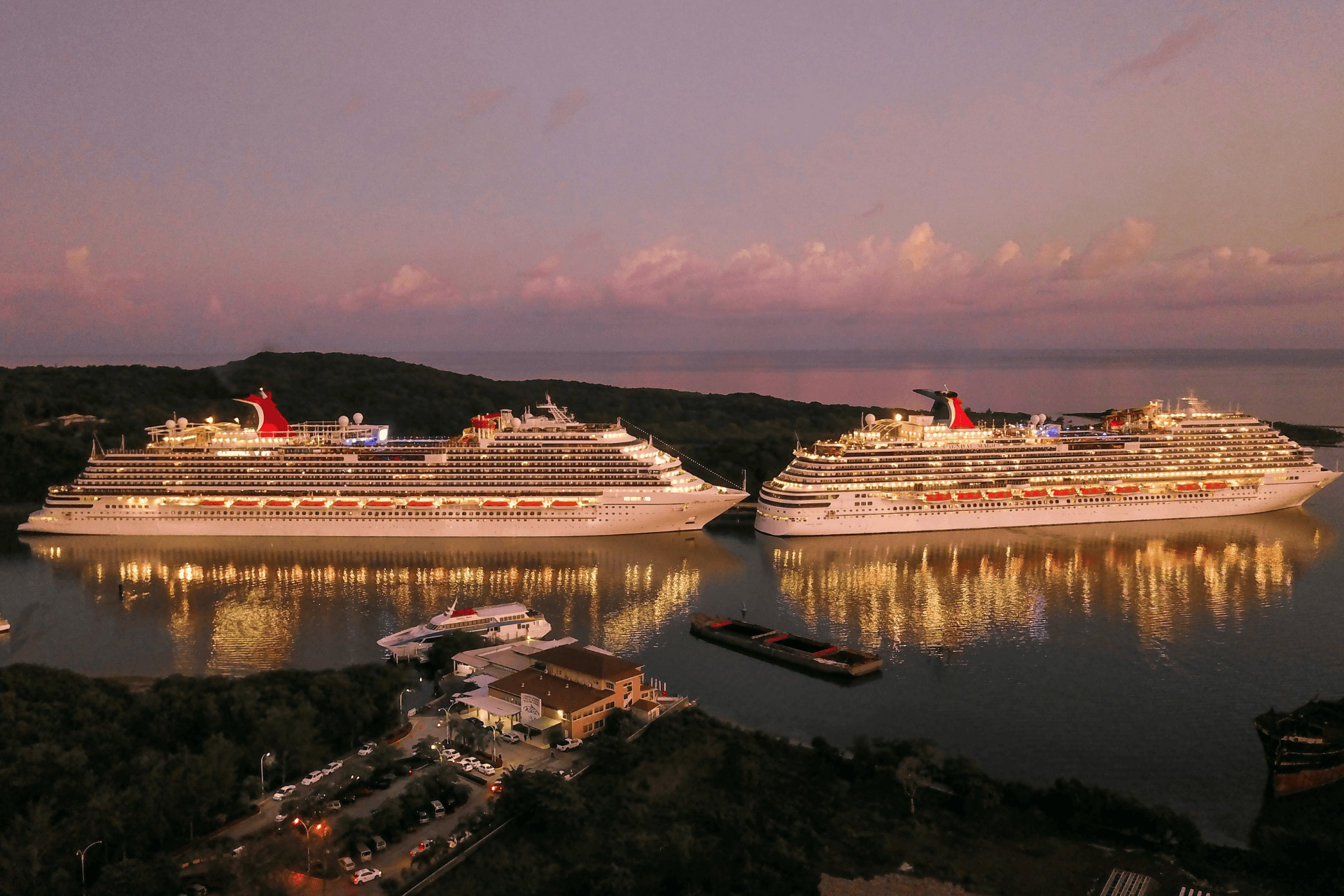
Oceania Allura, a 1,200-guest luxury vessel built at the renowned Fincantieri shipyard in Genoa, marks the second addition to Oceania’s Allura Class, following the acclaimed launch of her sister ship, Oceania Vista, in May 2023. At 246 m long and more than 67,800 gross tons, Allura sets a new benchmark in boutique cruising, boasting the most spacious standard staterooms at sea, all exceeding 290 ft², and a proximity to service unmatched in the industry: two crew members for every three guests, and a chef dedicated to just eight guests.
Central to the Oceania ethos, “Finest Cuisine at Sea”, Allura introduces several firsts and fresh culinary concepts. The ship debuts a dedicated Crêperie, offering handcrafted French crêpes, Belgian waffles, and Italian-style ice cream sundaes, a brand-first on the seas. The signature French restaurant, Jacques, named after legendary chef Jacques Pépin, returns in a refined iteration, offering updated classics such as duck à l’orange and theatrical table-side preparations of hand-cut beef tartare.
Allura’s culinary voyage continues at Red Ginger, where a new Nikkei menu fuses Japanese and Peruvian artistry. Highlights include vibrant tuna ceviche marinated in leche de tigre, slow-braised short ribs paired with lomo saltado, miso-infused sweet potato mousseline, and crispy soft-shell crab bao buns. Meanwhile, its Grand Dining Room showcases over 270 brand-new recipes, from breakfast innovations like smoked salmon eggs Benedict to signature brunch options, crafted under the watchful eye of Master Chefs of France Alexis Quaretti and Eric Barale.
Beyond gastronomy, Allura elevates the onboard epicurean experience with a newly launched Gerard Bertrand Wine Pairing Luncheon. This sommelier-led tasting menu perfectly matches celebrated French vintages with thoughtfully chosen dishes that bring out each wine’s character
Looking ahead, Oceania Cruises announced plans for two Sonata-class ships, Oceania Sonata ™ arriving in summer 2027 and Oceania Arietta™ in 2029, expanding further with confirmed orders for sister vessels in 2032 and 2035. This ambitious fleet expansion underscores the brand’s enduring alliance with Fincantieri and its bold vision for the future of small-ship luxury cruising.
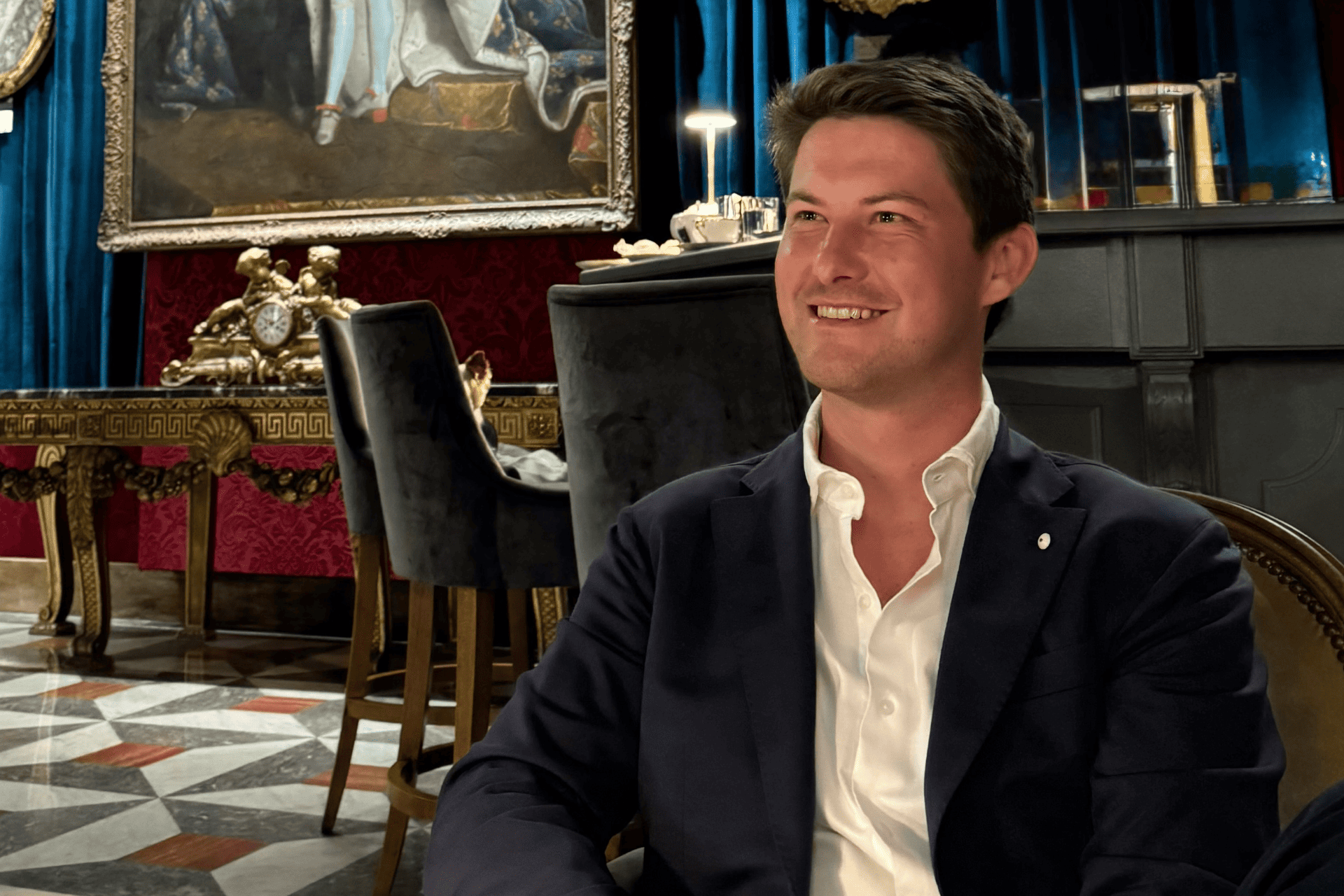
In an era where technology often feels at odds with exclusivity and craftsmanship, Triforkis pioneering a fresh approach, melding deep tech expertise with a design-driven mindset to elevate luxury beyond convention. Alexander Chetchikov, President of WLCC, sat down with Erik M. Nilsen, CEO of Trifork Spain, to explore how AI, spatial computing, and voice technology are not just streamlining operations but reshaping how luxury brands connect with their most discerning clients.
From hyper-personalized experiences to privacy-conscious innovation, this conversation offers a compelling glimpse into the future where technology enhances, rather than replaces, the human touch in luxury.
Alexander Chetchikov: To begin, could you share how Trifork helps companies leverage emerging technologies and how that approach might translate into opportunities for the luxury industry, especially with AI?
Erik M. Nilsen: At Trifork, we are all about building smart digital solutions by combining deep tech expertise with a creative, design-driven mindset. We help companies make the most of emerging technologies (like AI, IoT, and spatial computing) not just to run things more efficiently, but to rethink how they connect with people. In the luxury world, that might mean using AI to create more personalized experiences, anticipate what clients need, and make interactions feel seamless across both digital and physical spaces.
We’ve seen this work across industries. For example, with Porsche, we explored how immersive tech like Apple Vision Pro could create entirely new customer experiences. And with Swiss International Air Lines, we built an in-flight app that gives crew members real-time insights into passenger preferences, making the service feel more personal and intuitive. These kinds of projects show how tech can elevate the customer journey without losing the human touch.
AC: Turning to the luxury sector specifically, how do you see voice AI transforming customer service, and what impact could it have on the overall client experience?
EMN: Voice AI has a lot of potential to elevate luxury service. Sure, it might not capture every nuance of a human conversation, but it’s consistent, remembers every interaction, and doesn’t have off days. At this point, it can feel more like talking to a trusted advisor than a chatbot. Imagine asking for something in your own words and getting a response that is helpful and tailored to you. That’s powerful, especially in luxury, where time and discretion are everything.
That said, it’s important to get it right. We’ve all had frustrating experiences with voice systems that don’t solve our problems. That’s why it’s crucial to do the groundwork before rolling it out. For instance, in our work with Topdanmark, we helped implement a voicebot that significantly improved customer satisfaction by actually resolving issues, not just routing calls. That kind of success comes from deep domain knowledge and careful design.
AC: In your view, what are some of the most promising – or perhaps underexplored – use cases of AI that could redefine luxury, whether in retail, hospitality, real estate, or other segments?
EMN: One really exciting area is predictive personalization. Using AI not just to react to what people do, but to anticipate what they might want next. In hospitality, that could mean preparing a room based on a guest’s mood or past preferences. In real estate, it might be about showing properties that match someone’s lifestyle, not just their budget.
We’ve also seen how generative AI can play a role in co-creating custom products or experiences with clients. And when you combine that with spatial computing, the possibilities are huge. Imagine designing your dream car, home, or yacht based on who you are, and being able to walk through it virtually before it’s even built. We’ve explored similar ideas with clients in automotive and architecture, and the feedback has been incredibly positive.
AC: Luxury clients value both personalization and privacy. How can AI help brands strike the right balance between hyper-personalization and the discretion their clientele expects?
EMN: That balance is everything. In luxury, trust and discretion are non-negotiable. AI can help deliver more personalized experiences, but only if it’s done thoughtfully. It’s about making things feel effortless and respectful, not invasive. That means being intentional with how data is used and always putting the customer’s comfort first.
At Trifork, we’ve worked with clients in finance and healthcare – two of the most privacy-sensitive industries – and we’ve learned that responsible innovation starts with empathy and transparency. For example, in our work with GROOT, a digital health platform, we helped design a solution that’s both highly personalized and deeply respectful of user privacy. That same mindset applies perfectly to luxury.
AC: Can you share any standout examples – either from Trifork’s work or the broader tech landscape – where AI has meaningfully elevated a premium customer journey?
EMN: One that stands out is our work with Swiss International Air Lines. We built a smart in-flight service app that gives cabin crew real-time access to passenger preferences, like meal choices, language, and even when they prefer to be served. It makes the whole onboard experience feel more personal, especially in business class, where expectations are high.
What’s also great is how the app helps reduce waste. It uses data and AI to better predict meal demand, so there’s less food waste and fewer disappointed passengers. It’s a win-win: better service and more sustainable operations. For a brand like SWISS, which is all about quality and precision, this kind of innovation reinforces its premium feel.
AC: For luxury brands still hesitant about adopting AI, what do you see as the biggest missed opportunity?
EMN: The biggest miss is thinking of AI as just a disruptor, instead of a way to strengthen what makes a brand unique, and even speed up the sales process. When used right, AI can deepen emotional connections, streamline operations, and unlock new creative possibilities.
And let’s be honest – today’s customers are more informed than ever. They’re doing their research online before they even step into a store. If brands can connect that online journey with the in-store experience, so it feels like one continuous conversation, that’s where the magic happens. We’ve helped clients in retail and banking do just that. For example, in a recent project with a luxury retailer, we helped bridge the gap between digital browsing and in-store service, creating a seamless, high-touch experience that customers loved.
AC: Finally, looking ahead: how should luxury brands think of AI not just as a tool, but as a creative and strategic partner in crafting future-ready, high-touch experiences?
EMN: Luxury is about emotion, storytelling, and identity. AI can be a creative partner in that journey, helping brands design experiences that are not just personalized but meaningful. Whether it’s immersive digital spaces, curated collections, or smarter service design, the future of luxury will be shaped by how well we blend human creativity with intelligent technology.
At Trifork, we’ve seen this firsthand in projects where AI helped brands not only improve service but also unlock new ways to express their identity. It’s not about replacing the human touch—it’s about amplifying it in ways that feel authentic and unforgettable.
Closing Thoughts:
As luxury brands stand at the crossroads of tradition and transformation, Erik M. Nilsen’s insights make one thing clear: AI is not the enemy of exclusivity but its new creative partner. When wielded with empathy, precision, and respect for privacy, technology can amplify the emotional storytelling and impeccable service that define true luxury. The future belongs to those who embrace AI not merely as a tool but as a strategic ally, crafting experiences that are as intelligent as they are unforgettable. For brands ready to blend art with algorithms, the opportunity is limitless.
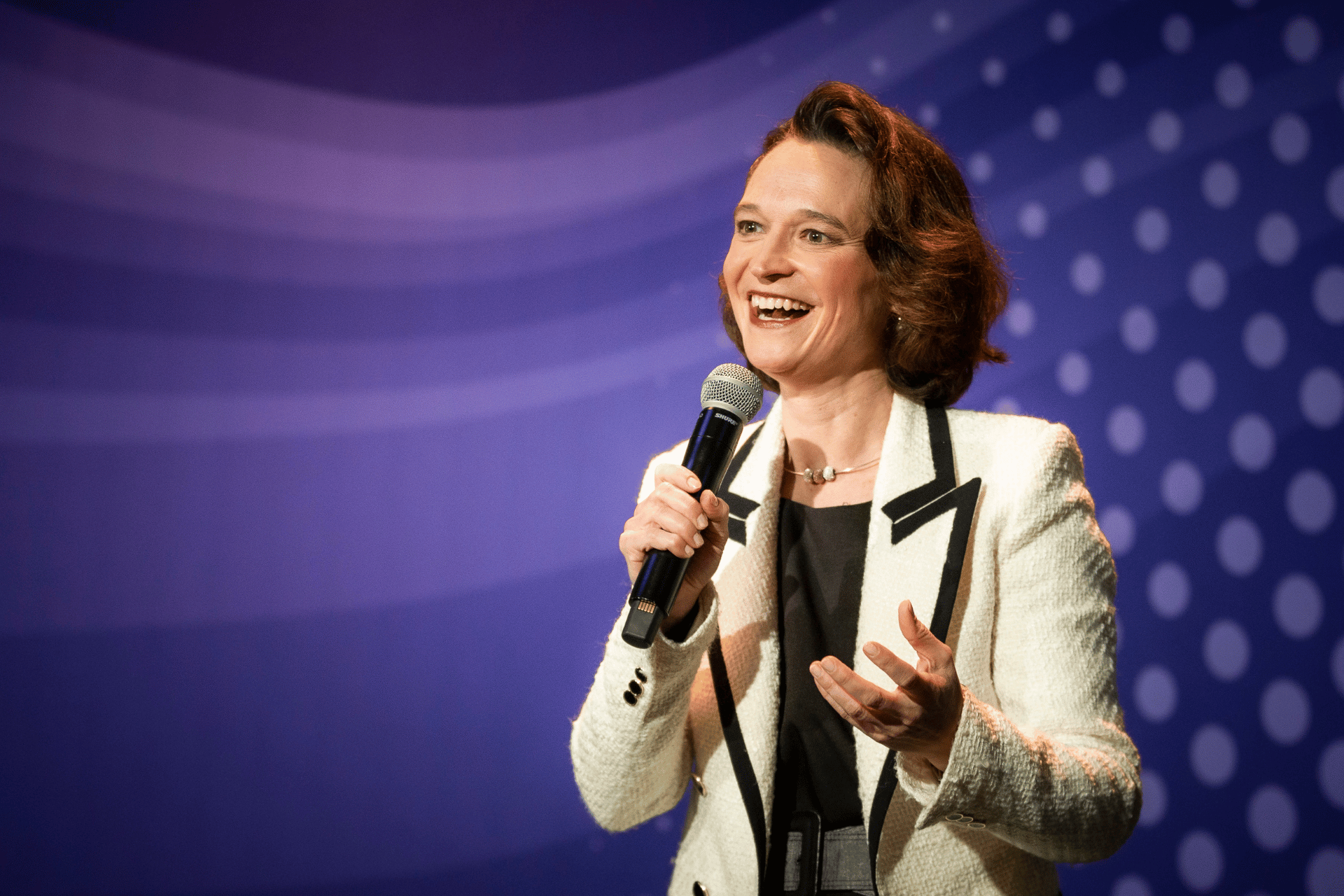
Great luxury brands don’t just train staff; they train emotional intelligence. Michaela Merk, PhD, CSP, GSF, is a leading expert in Relational Intelligence, teaching global brands how to transform everyday encounters into lasting emotional bonds. As the author of Luxury Sales Force Management: Strategies for Winning Over Your Brand Ambassadors and host of the Luxury Leadership Talks podcast, Merk is trusted by the world’s top luxury brands, including Hermès and Louis Vuitton, for her expertise in turning client interactions into lasting brand loyalty.
In this exclusive conversation with Alexander Chetchikov, President of theWorld Luxury Chamber of Commerce, Merk offers powerful insights from her decades-long career in luxury training and academic leadership. Her message is clear: personalization, passion, and purpose are what today’s premium clients value most.
Alexander Chetchikov: Michaela, your approach to Relational Intelligence has had a significant impact on leadership and customer engagement. How do you define relational intelligence, and why is it critical for leaders and businesses in the luxury industry today?
Michaela Merk: Relational Intelligence is our ability to connect with a wide range of people with whom we want or need to build relationships. This diversity may relate to gender, age, profession, personality, but also to tastes, desires, or cultural background.
The luxury industry is known for its pursuit of excellence. Its products and services are sought after by the most demanding clients, who expect brands to deliver impeccable service of the highest standards. Of course, product quality is essential, but what matters even more is the personal bond they can form with their sales or personal advisor. The most successful sales teams I have trained and observed over the past 20 years master Relational Intelligence brilliantly, showing an exceptional ability to adapt to these highly discerning luxury clients.
My new book, Le Pouvoir de l’Intelligence Relationnelle (The Power of Relational Intelligence), highlights 30 golden rules for successful leadership. Many examples are drawn from the luxury industry.
AC: You’ve worked with some of the most renowned luxury brands. Can you share a key lesson or strategy that these brands use to maintain customer loyalty, and how can smaller businesses or startups apply this to their customer experience?
They do not appreciate being treated like everyone else. That’s why the most successful luxury brands place great importance on developing tailored experiences: a sales ceremony in which the client’s personality is decoded, a gesture such as adding a personal note to a product, a handwritten thank-you card after a purchase, an invitation to exclusive and confidential events to reward client loyalty, or gifts that are not standard but adapted to individual preferences detected during the client’s visit. Every detail is carefully noted and stored in a highly refined database to maintain a personalized relationship with the customer. This enables teams to better anticipate and prepare for the client’s next visit to the store or brand environment. This approach applies not only to luxury boutiques but also to fine dining, high-end hospitality, and any setting where clients expect more than the standard.
AC: As a professor and executive coach, how do you integrate academic theory with the practical challenges business leaders face, and what is one concept from your teachings that has proven especially valuable in real-world applications?
MM: Most iconic luxury brands boast a long and remarkable history spanning one, two, or even three centuries. Legendary maisons like Hermès, Cartier, and Louis Vuitton have mastered the art of building desirability around their products and services.
In my research, I sought to identify the key elements that make luxury brands so desirable that money becomes secondary; what truly matters is the “must-have” factor. I found that six main dimensions consistently stand out:
D for DNA – a deep and ongoing connection to the brand’s origins and its founder
E for Emotion – the use of multi-sensory marketing to create meaningful experiences
S for Surprising Stories – captivating narratives that spark curiosity and attachment
I for Innovation – staying ahead of trends and continuously reinventing
R for Rarity – cultivating exclusivity and uniqueness
E for Excellence – a relentless pursuit of the highest standards
I have developed a conference built around these concepts to help brands and companies enhance their own desirability, even if they are not positioned as luxury brands. The title of the conference is: “Selling Premium: Elevating Your Brand with the Secrets of Luxury.” Find out more about this conference using this link: www.michaela-merk.com
AC: In your podcast “Luxury Leadership Talks,” you’ve engaged with top CEOs. What common traits or behaviors do you believe define the most resilient and influential leaders in the luxury sector, and how can emerging leaders cultivate these traits?
MM: I developed this filmed podcast to give inspiring leaders and personalities who shape the luxury world a platform to share their vision and wisdom.
Interviewing these remarkable individuals revealed that they all share three key qualities:
Passion – They all spoke with a sparkle in their eyes, expressing deep love for their sector, their brands, their teams, and their clients.
Heritage – They were eager to share their thoughts publicly on my podcast because they are passionate about passing on their knowledge to young professionals and future leaders in the luxury industry.
Excellence – They all emphasized that success in the luxury world demands a relentless pursuit of excellence and hard work. Since nothing in luxury can remain average, there must always be a drive to push beyond limits.
AC: Your book “Luxury Salesforce Management” provides insights into customer-first approaches. What are the key mistakes luxury sales teams make when trying to engage high-end clients, and how can they overcome these challenges to ensure a more personalized and successful sales approach?
MM: I have observed several recurring mistakes among sales teams serving luxury brands and catering to highly demanding customers.
The most critical mistake is when sales advisors place themselves above the brand, which often comes across as arrogance. Giving clients the impression that they are special simply because they represent names like Chanel or Prada does not mean they are Gabrielle Chanel or Miuccia Prada. On the contrary, the best sales teams remain humble, serving the brand and its mission with full respect for its values and heritage.
Another common mistake, closely related, is when salespeople become so passionately identified with the brand that they lose touch with their own personality, immersing themselves entirely in the brand’s identity. This becomes problematic when they eventually leave the brand – many find themselves lost, having neglected to nurture their own unique personal identity.
Therefore, one of the greatest challenges when working for luxury brands is finding the right balance between identification with the brand and the preservation of one’s personal brand.
Thank you, Michaela!
Michaela’s sharp blend of academic rigor and industry insight has made her a sought-after voice in luxury leadership. From decoding the subtleties of high-end service to building emotional loyalty, her work champions the human side of excellence. Stay connected with her via LinkedIn and explore her latest projects at michaela-merk.com.
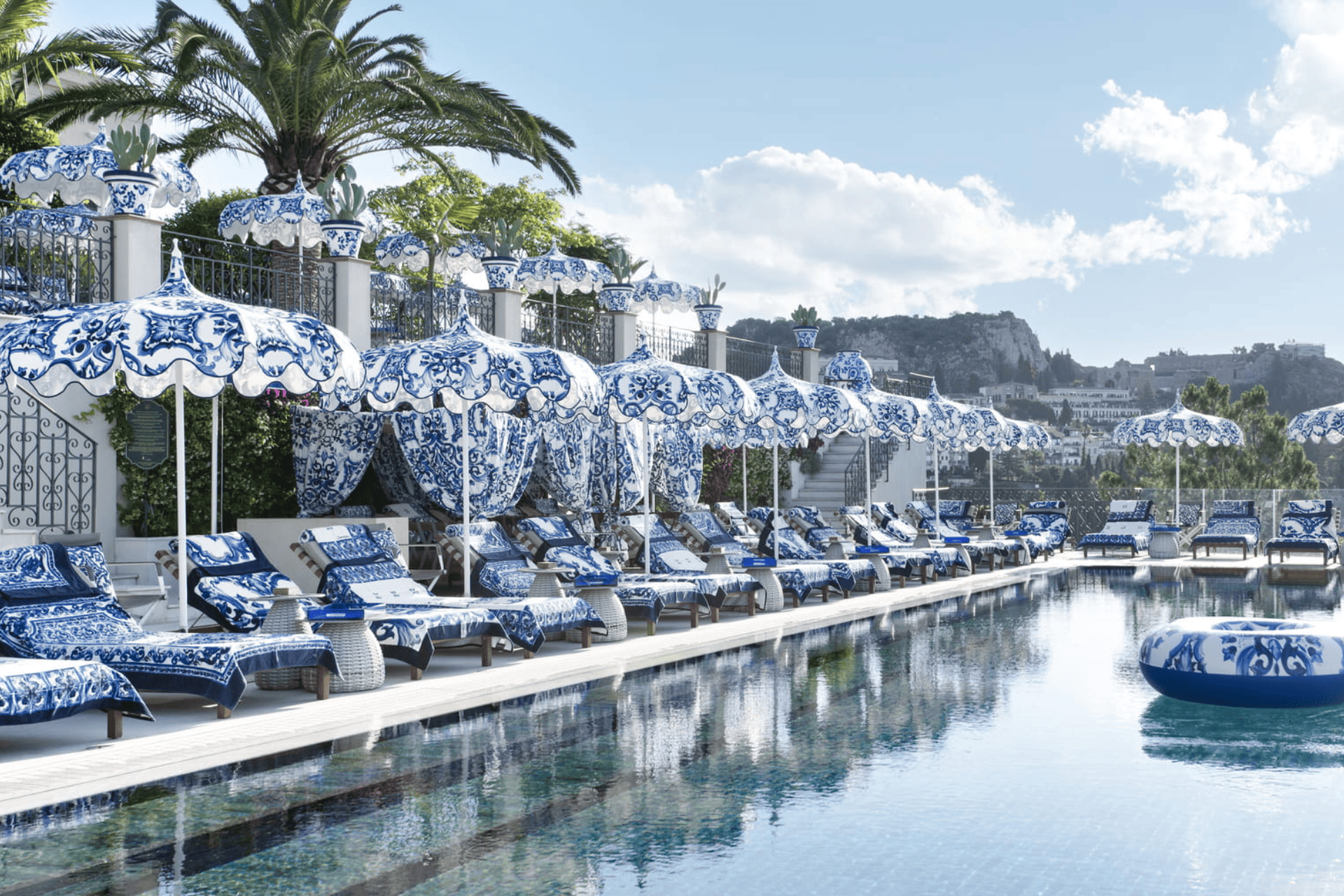
Above: Dolce & Gabbana boutique pop-up at the Four Seasons Hotel in San Domenico Palace, Taormina
At a sun-soaked resort in Sicily, a towel isn’t just for drying off; it’s a €559 Dolce & Gabbana showpiece. Welcome to a growing trend reshaping high-end travel: fashion houses are setting up limited-run activations at some of Europe’s most exclusive hotels.
From Dior-branded buoys floating off Capri to bold Missoni stripes stretching across pool decks in Ibiza and Mykonos, these high-fashion pop-ups are transforming seasonal hospitality into visually charged experiences. They’re designed to captivate guests, generate buzz, and spark a flood of social media posts. For brands, it’s a strategic way to reach affluent travelers; for hotels, it’s a way to offer something fleeting, exciting, and undeniably share-worthy.
Luxury hotels across Europe are partnering with major fashion houses to create immersive seasonal pop-ups, transforming their spaces into visually striking branded experiences. From Dolce & Gabbana-themed pool decks in Sicily to Missoni-patterned beach clubs in Mykonos, these short-term installations are designed to capture attention, both in person and on social media. The offerings range from custom sunbeds and branded cocktails to exclusive fashion items available only to hotel guests.
These collaborations come at a time when luxury retail is slowing down, but high-end travel continues to thrive. Fashion brands gain access to a wealthy, travel-savvy audience, while hotels benefit from increased bookings and media buzz. Especially younger generations are drawn to one-of-a-kind experiences that feel both aspirational and “Instagram-worthy.” Hotels like Puente Romano Marbella and the Newt in Somerset have already seen notable returns from previous pop-up activations.
However, not all properties are being acquired through loud takeovers. Some are choosing more understated integrations to maintain their brand identity and guest focus. Hoteliers are wary of appearing too commercial or dependent on external labels, and some, like Rosewood in Riviera Maya, aim to highlight local artisans alongside fashion partnerships. Ultimately, the trend reveals a strategic pivot: in a shifting luxury landscape, the destination is becoming the showroom
Main Takeaways:
Luxury hotels and fashion brands are teaming up to attract high-spending travelers.
Pop-ups offer exclusive, short-term experiences that boost visibility and revenue.
Social media drives demand, especially among Gen Z and affluent guests.
Hospitality is growing, while retail is slowing, making travel a prime branding opportunity.
Subtle execution matters to avoid brand misalignment or guest fatigue.
Fashion-meets-hospitality partnerships are proving to be one of the savviest strategies in luxury today. In an era where Instagram likes can drive travel decisions and exclusivity remains a powerful currency, these branded takeovers deliver on both.
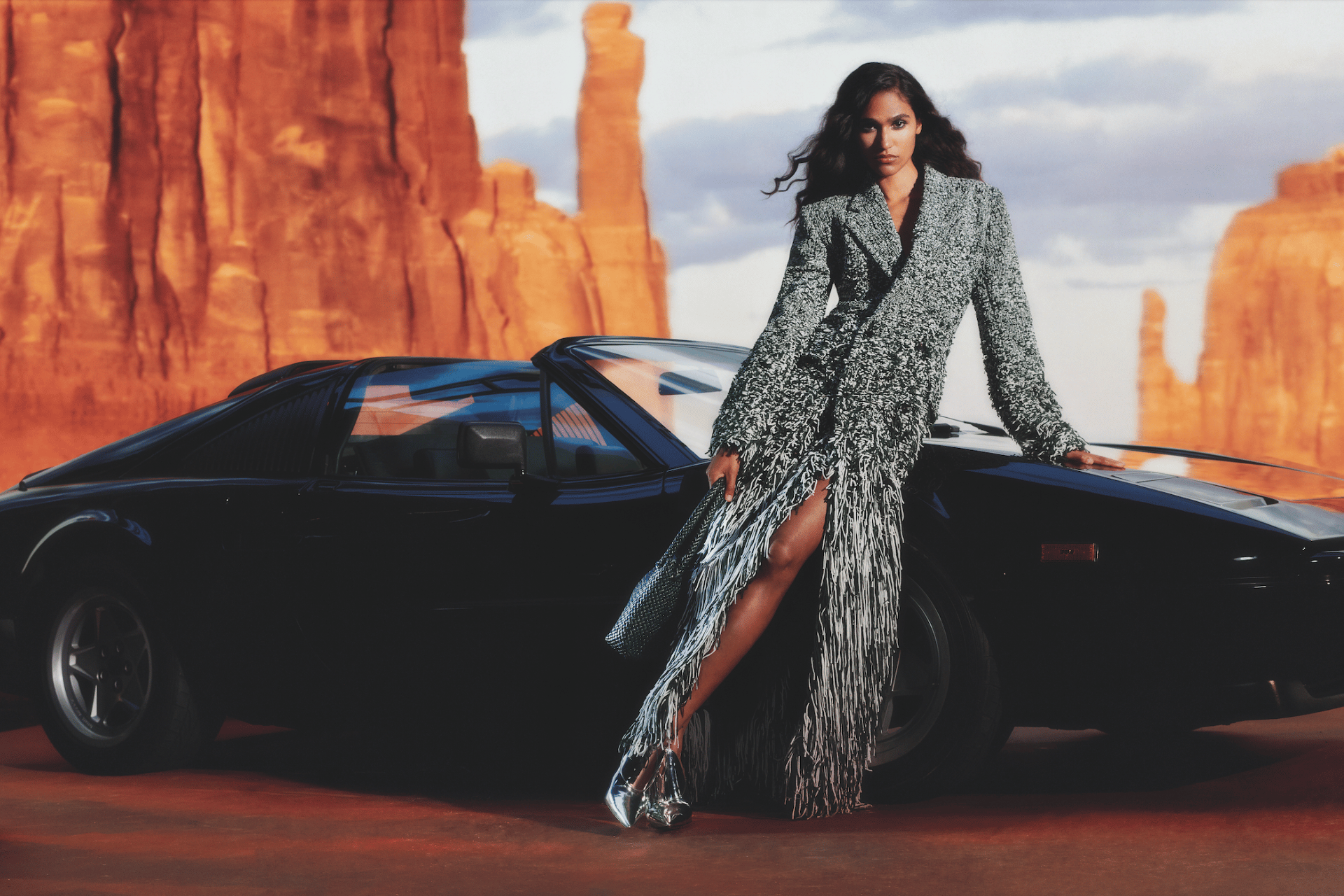
Image credit: New Frontiers by Neiman Marcus. Photography by Arnaud Lajeunie, US
Overview
The Five Luxury States are a vital framework that maps the emotional and psychological journeys individuals take within the luxury sector. Developed by The Future Laboratory, these states form the foundation of a proprietary strategic model that redefines how we understand luxury today.
From this framework, a new set of Luxury Codes has been developed, providing businesses with the tools to speak the evolving language of luxury and stay ahead in an ever-changing market.
What’s Inside the Report
The Future Laboratory’s Five States of Luxury framework provides brands with a strategic tool to better understand consumer behavior and proactively meet the future needs of luxury audiences.
Luxury States: New Codes of Luxury 2024–2025
For decades, luxury businesses have worked to anticipate and respond to the changing expectations of their clientele. This framework outlines five distinct emotional and psychological states that shape the luxury experience:
State One: Acquisition
State Two: Discernment
State Three: Emotion
State Four: Responsibility
State Five: Elevation
Foresight
The report presents speculative scenarios set 5–10 years in the future, identifying emerging opportunities driven by cultural shifts, innovation, and industry evolution:
360-degree Culture
Exploration Brands
Future Architects
Co-lab
Brands Responsible, with Attitude
Strategic Worksheets
To navigate the evolving luxury landscape, the report includes practical worksheets that enable businesses to align their brand, product, or service with the most relevant states, supporting impact analysis and future-focused strategic planning.
In this exclusive feature, Alexander Chetchikov, President of the World Luxury Chamber of Commerce, sits down with Diana Verde Nieto, co-founder of Edify Collective and a globally recognized leader in business transformation, sustainability, and purposeful innovation. A pioneer in aligning strategy with impact, Diana has spent more than two decades guiding organizations through complexity, translating global challenges into resilient, high-performance solutions with lasting value.
As the force behind Edify Collective, an AI-powered, expert-led microlearning platform, Diana is revolutionizing workforce development by blending behavioural science with cutting-edge technology to build sustainability-literate, future-ready teams. She is also the author of Reimagining Luxury: How to Build a Sustainable Future for Your Brand, a critically acclaimed book exploring the intersection of purpose, design, and innovation in the new economy.
Beyond her entrepreneurial ventures, Diana serves on the boards of Watts 1874 and the British Beauty Council, holds a certificate in Global Leadership & Public Policy from Harvard Kennedy School, has been personally trained by former U.S. Vice President Al Gore, and was honored as a Young Global Leader by the World Economic Forum.
With a rare ability to connect commercial ambition with strategic sustainability, Diana offers a bold vision for the future of luxury, one where timeless values meet adaptive leadership in a rapidly evolving world.
Alexander Chetchikov: Diana, as a pioneer at the intersection of sustainability and luxury, how do you see legacy luxury brands balancing heritage with the urgent need for innovation and environmental responsibility?
DVN: In my book Reimagining Luxury, I explore how legacy luxury brands are redefining their relevance by navigating the delicate equilibrium between heritage and modernity. This balance is increasingly reflected in their strategic expansion into adjacent sectors such as hospitality and immersive experiences, areas that offer unique opportunities to deepen customer engagement and reinforce brand equity.
The convergence of fashion and hospitality, exemplified by partnerships such as Kim Jones and Aman Resorts, demonstrates how luxury brands are evolving from product-centric offerings to holistic lifestyle propositions. These collaborations enable brands to express their identity in curated, immersive environments, building emotional resonance while opening new revenue streams.
In parallel, sustainability has emerged as a critical lever of long-term value creation across the sector. While some luxury Maisons are embedding social and environmental principles into their operating models with measurable outcomes, others remain at an earlier stage, responding more to external pressures than internal transformation. The challenge and the opportunity lie in transcending compliance and positioning sustainability as a strategic differentiator. When integrated authentically, it becomes a natural extension of the brand’s values, reinforcing the innovation that defines luxury.
AC: In Reimagining Luxury, you emphasize purposeful innovation. Could you share an example where technological advancement has meaningfully accelerated sustainability within a brand or industry you’ve worked with?
DVN: I explore how innovation, when guided by purpose, can be a catalyst for real systems change. One example that stands out from my work is with La Prairie. While best known for their timeless elegance, they’ve been leaning deeply into technological solutions to embed sustainability into the core of their operations, both in product innovation, packaging, and operations.
How do they do this? Rather than rely solely on internal progress, they established an external advisory board composed of individuals from NGOs, startups, and global sustainability leaders. This has enabled them to anticipate cross-industry trends and integrate innovation early, particularly in areas like eco-design, traceability, and packaging transformation. Their efforts are not reactive, but proactive, often moving ahead of regulation.
Another strong example is LVMH’s DARE program, which I mentored for 3 years. It gave employees permission to challenge norms, pitch ideas, and prototype solutions, many of which have led to scalable innovations like Nona Source, which repurposes deadstock materials from within the group’s Maisons. That’s a powerful shift, using internal creativity and tech-enabled traceability to reduce waste and create entirely new revenue streams.
What links both examples is that innovation was not just for innovation’s sake. It was designed to serve people and the planet not in an altruistic way but in a commercial way, still enhancing the essence of luxury. And when that alignment happens, sustainability stops being a cost and becomes a driver of relevance, growth, and cultural leadership.
AC: Looking ahead, how do you envision the concept of luxury evolving over the next 10 to 15 years, especially as emerging generations demand greater alignment with sustainability, technology, and social impact?
DVN: Over the next 2 to 5 years, luxury is poised to evolve from a symbol of status to a reflection of values, driven by emerging generations demanding authenticity, societal care, and environmental stewardship. This shift is evident in the rise of “quiet luxury,” where consumers favor understated elegance and timeless design over conspicuous branding. Brands like The Row exemplify this trend, focusing on quality craftsmanship and subtlety rather than flashy logos. Sustainability will become integral, not just in marketing but embedded across operations, with consumers observing brands’ embodiment of sustainability rather than mere communication.
Technological advancements will facilitate personalized experiences, something that people value greatly. Companies like Edify Collective are at the forefront, offering AI-powered microlearning to equip employees with essential skills and sustainability knowledge, fostering internal advocacy, and aligning brand values with consumer expectations. Additionally, Gen Z’s embrace of resale culture underscores affordability and individuality. Approximately 80% of Gen Z consumers purchase second-hand goods, driven by economic considerations, environmental concerns, and the desire for unique fashion statements. As luxury brands embrace these changes, they will not only meet the evolving demands of their consumers but also contribute meaningfully to a more equitable future.
These trends challenge traditional luxury brands to reconsider their strategies. To remain relevant, these brands must adapt by integrating sustainability seamlessly into their operations, offering personalized experiences through technological advancements, and acknowledging the importance of resale and circular fashion models. By doing so, they can align with the values of emerging consumers who prioritize authenticity, social responsibility, and environmental stewardship over conspicuous consumption.
AC: Thank you, Diana, for such a thoughtful and illuminating conversation. It has been a privilege to explore your journey and hear your unique perspective on the intersection of sustainability, innovation, and luxury.
Your reflections offer a timely and necessary reminder that true leadership lies in the ability to adapt with purpose, bridging legacy with progress, and commerce with conscience. The insights you’ve shared, from purposeful innovation to the shifting expectations of new generations, offer a compelling blueprint for the future of our industry.
As we move into this next era shaped by intelligence, integrity, and impact, your work continues to inspire a more resilient, inclusive, and visionary path forward.
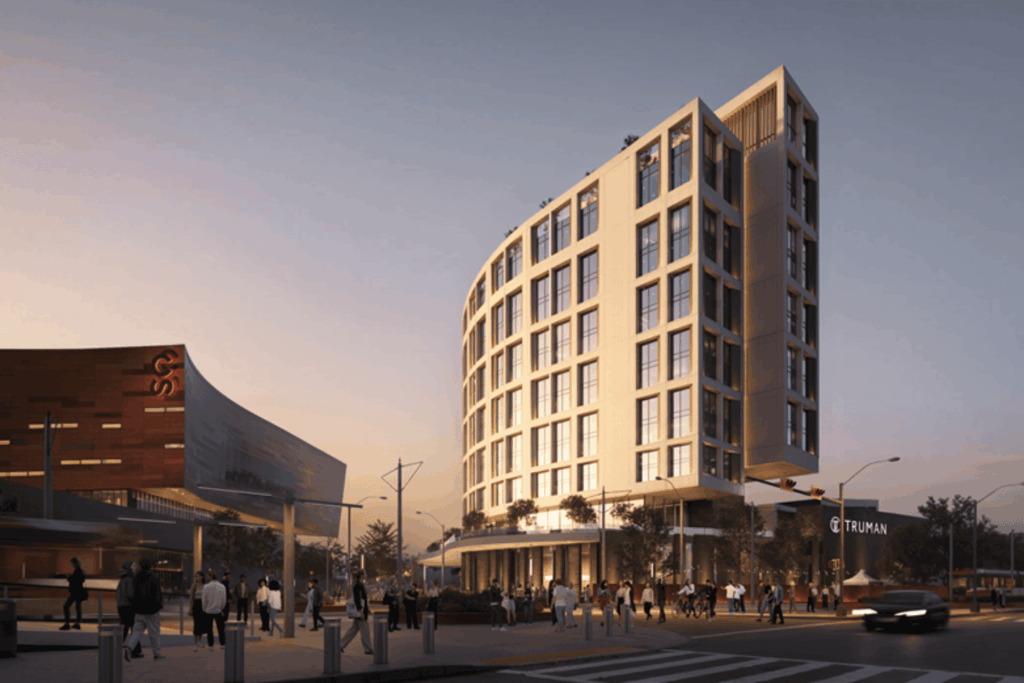
The world of travel and elevated living is set to reach new heights in Calgary, as Marriott International partners with developer Truman to unveil a landmark trio of high-end hospitality ventures. In a bold move that underscores Calgary’s growing stature on the global stage, three distinct yet equally prestigious brands, W Calgary, JW Marriott Calgary, and an Autograph Collection Hotel, will debut within the city’s dynamic Culture + Entertainment District. This transformative, multi-billion-dollar investment marks Marriott’s inaugural entry into Calgary’s luxury hotel and residential market, promising to reshape the city’s skyline while keeping their standards of comfort, style, and service.
The 69-story W Calgary will bring bold design and vibrant energy, offering 157 rooms, 239 branded residences, and standout features such as an AWAY Spa, rooftop bar, and 16,000+ sq. ft. of event space. In contrast, the JW Marriott Calgary, at 62 stories, will emphasize wellness and serenity with 248 rooms, 120 residences, a JW Garden, multiple pools, and over 32,000 sq. ft. of meeting space. At Stampede Park, the Autograph Collection Hotel will offer 320 rooms, 15,000 sq. ft. of event space, and rooftop amenities designed to deliver uniquely curated guest experiences.
Together, the three properties represent a $1.47 billion investment that will enhance Calgary’s global reputation, support major tourism and convention events, and make a significant contribution to local economic growth, with the openings scheduled between 2028 and 2030.
At a Glance:
W Calgary: 69 stories, 157 rooms, 239 residences, spa, rooftop bar, event spaces
Autograph Collection Hotel: 320 rooms, rooftop lounge, 15,000 sq. ft event space
Total investment: $1.47 billion (private)
Jobs created: Over 9,100 (construction) and 2,000+ (ongoing)
Opening timeline: 2028–2030
Location: Culture + Entertainment District, Calgary
This multi-brand initiative brings world-renowned luxury hospitality to Calgary and also acts as a catalyst for city-wide revitalization. With a focus on innovation, lifestyle, and elevated guest experiences, Marriott, Truman, and Louson are setting a new standard for premium living in Canada. As Calgary continues to evolve into a global cultural and business destination, these projects will stand as enduring symbols of ambition, hospitality, and urban excellence.
As the world of luxury travel evolves at an unprecedented pace – driven by innovation, personalization, and a deeper sense of global consciousness – the World Luxury Chamber of Commerce (WLCC) is proud to stand at the forefront of this transformation with the launch of its Luxury Travel & Hospitality Committee, officially debuting in October 2025.
More than just an industry forum, this new committee is a catalyst for shaping the future of ultra-luxury experiences. From high-touch service to cutting-edge guest innovations, WLCC is bringing together a global network of pioneers who are not only responding to emerging trends but defining them.
Today, we invite you to meet some of the WLCC visionaries shaping this groundbreaking initiative.
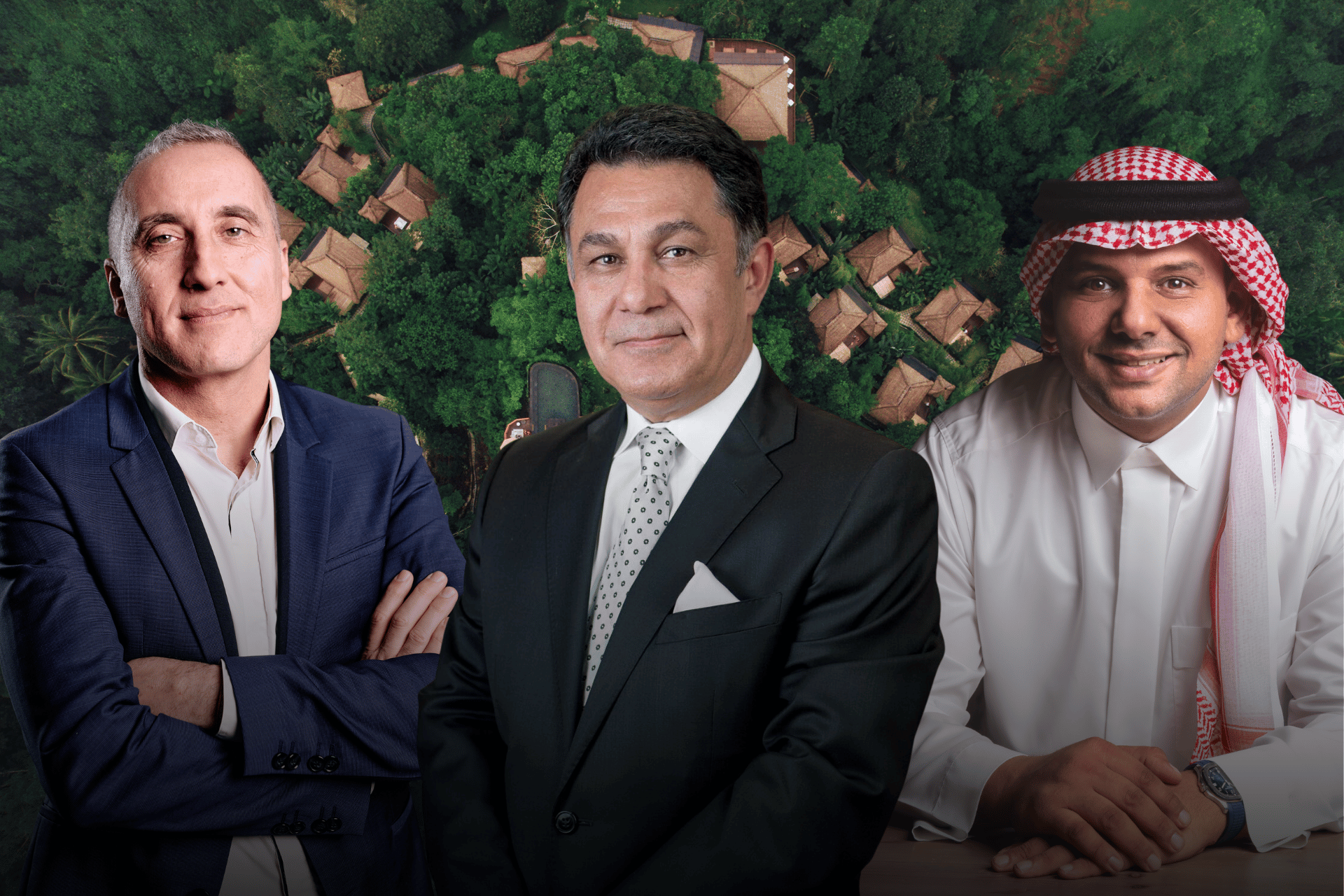
WLCC Board Member | CEO, Global Hotel Advisors With a career spanning decades and continents, Bob Kharazmi has become a pillar of excellence in luxury hospitality. As a former strategic leader for Marriott’s most iconic luxury brands – The Ritz-Carlton, St. Regis, Bvlgari Hotels & Resorts, and W Hotels – Bob brings a rare blend of global insight, operational mastery, and an unshakable commitment to service culture. Today, as CEO of Global Hotel Advisors and a WLCC Board Member, he will play a pivotal role in advising on committee strategy and shaping the best practices that will guide the sector forward.
“As a member of the Luxury Travel & Hospitality Committee, I cherish the invaluable platform it provides, enabling global leaders to come together, spark innovation, and elevate the standards of excellence we offer to the world’s most discerning patrons.” – Bob Kharazmi
WLCC Board Member | Founder & Chairman, Takara Hospitality Group Hospitality Operator & Brand Creator, 2024 F&B Entrepreneur of the Year, Ahmed Alajmi is a force of innovation in the Middle East’s hospitality scene. His Saudi-based empire – Takara, Sold Out, and Ziba – reflects a deep understanding of culinary artistry, brand storytelling, and local luxury. As a WLCC Board Member, Ahmed advocates for regional excellence and the inclusion of elevated dining as a core pillar of the travel experience.
“Luxury today is no longer just about global names – it’s about local soul, cultural relevance, and unforgettable experience design. As someone deeply committed to building homegrown hospitality brands, I see this committee as a powerful platform to amplify new voices, shape luxury global standards, and bridge cultures through excellence. WLCC is creating the future of luxury hospitality, and I’m proud to be part of that vision.” – Ahmed Alajmi
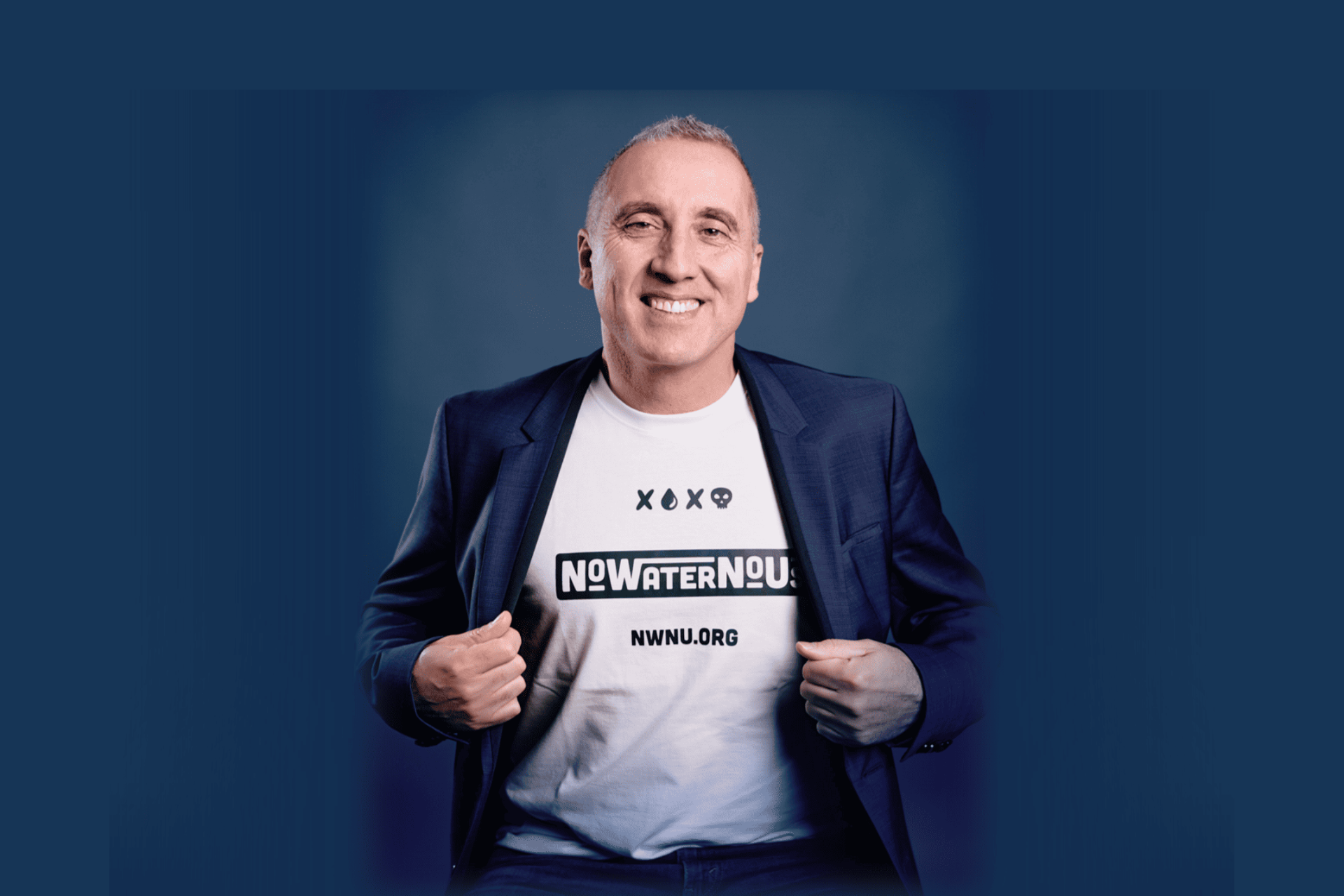
WLCC Honorary Board Member | Founder, No Water No Us Called around the world “The Voice of Water,” Malek Semar brings over two decades of entrepreneurial leadership and international environmental advocacy to the WLCC. His involvement ensures that the committee integrates socially responsible tourism practices and prioritizes the environmental impact of luxury travel in every conversation.
“Luxury must evolve from indulgence to influence. As water becomes one of the world’s rarest and most valuable resources, the luxury industry has both a responsibility and an opportunity to lead. True excellence in hospitality today means designing experiences that honor our planet as much as they delight our guests. Through the WLCC Luxury Travel & Hospitality Committee, we can amplify sustainability as a pillar of luxury — because without water, there is no life, and without life, there is no luxury.”– Malek Semar
A Community of Excellence: Industry Titans Within Reach
The WLCC Luxury Travel & Hospitality Committee proudly welcomes contributions and insights from some of the most iconic names in the industry. Members and collaborators include executive leaders from: InterContinental, Rixos, The Ritz-Carlton, JW Marriott, SkyLux Travel, Aspire Lifestyle, ONEflight International, and many more – each playing a role in defining the future of travel for the world’s most discerning guests.
This collective brain trust allows for a rare convergence of cross-industry dialogue: private aviation meeting haute couture, wellness pioneers collaborating with resort architects, and global DMCs aligning with next-gen tech innovators.
Join the Movement: Shape the Future of Luxury Travel
Participation in the Luxury Travel & Hospitality Committee is reserved exclusively for WLCC members. By becoming a member in these early stages, companies and individuals don’t just gain access to an elite global network — they help shape its very foundation. WLCC members will co-create industry standards, contribute to a Luxury Travel Best Practices Guide, participate in bi-annual roundtables, and help mentor the next generation of luxury leaders.
Interested in being part of this movement? Become a member today and help define the future of luxury travel & hospitality – Join WLCC!
In a year when high-end spending was expected to roar back, something surprising happened: Americans didn’t hold back; they simply became more selective.
While handbags sat unsold and seasonal fashion lines lost momentum, one category quietly rose to prominence: jewelry. No longer just an accessory, fine pieces are now seen as meaningful purchases that carry both emotional and financial weight.
Forget the quick-turn fads. Today’s upscale buyer is choosing gold over gimmicks, and diamonds over disposable trends, making decisions based on lasting worth rather than fleeting style.
Despite early signs of a strong rebound in 2025, spending across premium goods in the U.S. has cooled. Citigroup reports that overall luxury purchases dropped during the first five months of the year compared to 2024. However, May showed relative improvement, with spending down just 1.7% year-over-year, a far smaller decline than those seen in March and April. Some iconic names, such as Hermès, even saw small gains.
Jewelry continues to outperform other segments. Since September 2024, sales have increased every month. In May alone, the category posted a 10.1% rise compared to the same period last year. It was also the only area to see growth in both the average amount spent and the number of customers, a strong signal that interest is both wide and deep.
Luxury jewelry houses have raised prices only modestly in comparison. Meanwhile, interest in handbags has slowed, with buyers pushing back against aggressive price hikes and repetitive design cycles. Watch sales remain inconsistent: overall spend rose, but leading brands saw a 10% drop.
Key Factors Influencing Spending:
A potential return of 31% tariffs on Swiss imports, as a temporary pause nears its end.
Ongoing geopolitical tensions (including the Iran-Israel conflict) are driving oil market volatility.
A roughly 10% drop in the U.S. dollar’s value, impacting overseas buying power.
Consumer sentiment remains tied to fluctuations in currency strength and stock market performance.
Jewelry’s strength during a challenging period points to changing priorities among affluent shoppers. With increased focus on purchases that carry emotional meaning and hold tangible worth, fine pieces continue to capture attention. In a market still full of unknowns, this segment stands out — not only for its sparkle but also for the confidence it inspires.
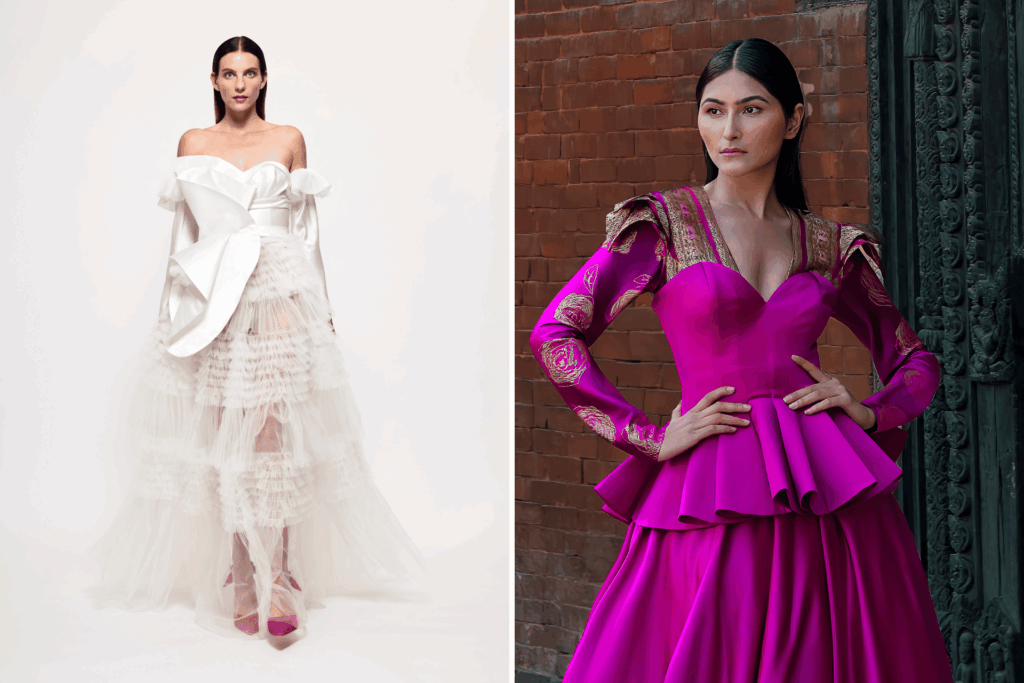
In this exclusive interview led by Alexander Chetchikov, President of the World Luxury Chamber of Commerce, celebrated designer and ethical fashion pioneer Sanyukta Shrestha shares her journey of redefining luxury with conscience. Known for fusing timeless design with sustainable practices, Sanyukta delves into the delicate balance between creativity and ethics, the importance of preserving Nepalese craftsmanship, and her vision for the future of conscious haute couture.
Alexander Chetchikov: Sanyukta, your collections beautifully fuse luxury with conscience—how do you balance creative freedom as a designer with the ethical imperatives of slow fashion?
Sanyukta Shrestha: Thank you for your kind words about the collections! Balancing creative freedom with the ethical imperatives of slow fashion is definitely a delicate dance, but one that I find incredibly fulfilling.
As a designer, I believe that creativity should not be suppressed, and it’s essential to maintain an innovative spirit. But when it comes to the ethics of slow fashion, the foundation is really about long-term vision and sustainability—both environmentally and socially. So, it’s about creating pieces that are timeless, rather than trendy, and focusing on quality and craftsmanship over quantity.
When I’m designing, I consider the entire lifecycle of a garment, from the root of sourcing materials to the working conditions of the artisans. I may limit my design options based on the availability of sustainable fabrics or prioritize transparency in the supply chain. But within those parameters, there’s a lot of space for artistic exploration.
The beauty of slow fashion is that it allows creativity to thrive within a framework that’s aligned with values. So, instead of feeling restricted, I see it as an opportunity to innovate in ways that really resonate with people, not just aesthetically but ethically as well.
Alexander Chetchikov: As the founder of a UK-based brand deeply rooted in Nepalese craftsmanship, how do you maintain a strong connection with your heritage while designing for a global clientele?
SS: I believe it has been a journey with a delicate balance of authenticity and innovation. To maintain a strong connection with my heritage while designing for a global clientele I prioritize working directly with skilled artisans in Nepal, ensuring that century-old traditional techniques like hand-weaving, hand spinning, and hand embroidery remain at the heart of every product. By fostering long-term relationships with these artisans, I preserve their craftsmanship and provide fair wages, supporting the local economy and culture.
When designing for a global market, I focus on blending traditional Nepalese aesthetics with contemporary, versatile styles that resonate internationally.
I also educate my customers about the heritage behind the products through storytelling, highlighting the significance of the craftsmanship and the artisans’ stories, fostering a sense of cultural appreciation.
Ultimately, my approach is to stay true to the heart of Nepalese craftsmanship while adapting it to the tastes and needs of a diverse, global audience—ensuring both authenticity and relevance.
Alexander Chetchikov: From Victoria’s Secret models to classical sopranos, your evening wear has adorned a diverse range of celebrities—what draws them to your sustainable aesthetic, and how do these collaborations shape your creative direction?
SS: For me, the focus is always on creating pieces that are both timeless and impactful, not just in terms of beauty, but also in their environmental and ethical considerations.
Celebrities are often looking for something that stands out, that makes a statement—not just on the red carpet but on a deeper, more personal level. They’re drawn to my designs I believe because sustainability isn’t just a trend; it’s a philosophy that aligns with the values they increasingly want to reflect in their public lives.
These collaborations have a profound impact on my creative direction because they provide the opportunity to experiment, push boundaries, and learn from some of the world’s most influential figures. Working with such a wide range of people has allowed me to expand my approach, incorporating more diverse influences and seeing how different aesthetics—like classical opera’s elegance versus the sensuality of Victoria’s Secret—can be interpreted through the lens of sustainability. It challenges me to be more innovative and often leads me to rethink traditional techniques or materials, finding ways to elevate them while keeping sustainability at the forefront.
It’s really about balance: how to craft something that feels opulent and luxurious, yet is responsibly made. That’s the driving force behind each collection and collaboration.
Alexander Chetchikov: Winning the PETA Luxury Vegan Wedding Award is a significant milestone—what does this recognition mean for you as a slow fashion advocate, and how do you see the future of vegan materials in haute couture?
SS: Winning the PETA Luxury Vegan Wedding Award is truly humbling, and it serves as a testament to the growing movement toward ethical and sustainable fashion. As a slow fashion advocate, this recognition reinforces the importance of conscious choices within the fashion industry. It signifies a shift in how consumers and designers are increasingly prioritizing ethics alongside aesthetics, making it clear that luxury can exist without compromising the environment or animal welfare.
For me, this award underscores the transformative potential of vegan materials in haute couture. High fashion is often seen as resistant to change, but this recognition proves that there is a demand for innovative alternatives that do not rely on animal-derived products. The future of vegan materials in haute couture is bright—advances in plant-based leather, organic certified textiles, and innovative sustainable fabrics are already reshaping the landscape whether it’s fruit waste, vegetable waste, or recycling plastic waste.
This shift is not just about replacing one material with another; it’s about redefining luxury itself. As consumers become more conscious of the environmental and ethical impacts of their choices, we’re seeing a future where high fashion embraces sustainability, innovation, and compassion as its core values, and that’s something truly exciting to be a part of.
Alexander Chetchikov: Your role as a speaker and thought leader in ethical bridal fashion has grown over the years—what key message do you hope to deliver to the next generation of designers and consumers in the luxury space?
SS: As a speaker and thought leader in ethical bridal fashion, my key message to the next generation of designers and consumers is simple: conscious luxury is the future. In the luxury bridal space, we have the opportunity to redefine what luxury means—shifting from exclusivity at the expense of ethics, to exclusivity built on sustainability, craftsmanship, and transparency. Designers must embrace innovative, eco-friendly materials and ethical production practices, knowing that true luxury is rooted in the integrity of the process, not just the product.
For consumers, I encourage a shift towards mindful consumption. A luxury item should not only reflect personal style but also resonate with the values of care for people and the planet. By demanding transparency and supporting brands that prioritize ethical practices, we can elevate the entire industry.
The next generation has the power to lead this transformation, crafting a more sustainable, equitable, and beautiful future for bridal fashion. It’s not about compromising luxury but enhancing it with deeper meaning and lasting impact.
Thank you to Sanyukta Shrestha for sharing such thoughtful insights and inspiration. Her work reminds us that true luxury is not only about exquisite craftsmanship but also about making a positive impact on the world. We look forward to seeing how her vision continues to shape the future of ethical fashion.
As global pressures on freshwater resources intensify, the luxury sector faces a powerful reckoning with its environmental impact — and a unique opportunity to lead. In this exclusive interview, Alexander Chetchikov, WLCC President, sits down with Malek Semar, newly appointed member of the WLCC Board, to discuss the intersection of luxury, sustainability, and global water access. Malek is the Founder of No Water No Us, an internationally recognized water advocate and speaker whose influence spans policy, innovation, and public engagement. His life’s mission? To ensure that every drop counts. From the future of wastewater reuse to redefining water as the new luxury, Malek shares his bold, urgent vision — one that blends environmental activism, cultural diplomacy, and pragmatic business sense.
Alexander Chetchikov: The Global Water Crisis: Where Do We Stand?
You’ve dedicated your life to advocating for water conservation. What do you see as the most urgent water-related challenges the world is facing today?
Malek Semar: When nature is suffering, people die—and nature, too, thirsts for clean water. Before talking about water as a social, environmental, and economic issue, do we know the water itself? If water could speak, a single drop could answer. There is only one Water, and it is everywhere. It hears and sees everything and knows everything. Each drop contains all the truth.
Each drop is 4.5 billion years old, meaning that the quantity is the same since the very beginning. Each drop has crossed every ocean, watered every mountain and forest. The same drop we drink was drunk by another human, animal, or plant several times. The drop that is causing controversy today has occurred many times across the globe and has been a catalyst for the birth of all civilizations. Life exists due to the tireless work of this same drop in the water cycle despite waste, pollution, speculation, lack of respect, and recognition. Water is life; it is not only a quote.
So, where do we stand?
Imagine adding a single drop of poison to a one-liter bottle of water. Just one drop—and the entire bottle is contaminated. Now, imagine that same bottle filled with 80% poison. That bottle is our planet. Right now, 80% of the world’s wastewater is dumped back into nature without any treatment. Eighty percent!
It’s too late to fix everything or save everyone, but doing nothing would be a grave mistake. We must do all we can to limit the devastating consequences ahead. This is where we stand.
AC: The Future of Clean Water: Innovation & Solutions
Technology is rapidly evolving in water purification, desalination, and conservation. What groundbreaking innovations excite you the most in the quest for sustainable water solutions?
MS: We need more affordable and sustainable solutions for the water sector, both in sanitation and drinking water treatment.
A technical solution is not enough to solve water issues. We need to understand the beliefs of each population and their link to water. The culture is the link between humans and nature, between technique and nature. One key difference between developed and developing countries lies in wastewater management. Countries that have advanced are those that treat and manage their wastewater effectively. As for the others, the gap is clear. The Glaas report from the United Nations explains that one dollar invested in water means four to seven dollars generated as a return to the economy.
Wastewater is our lifeline. No one dies because they have no water to drink. However, 4 million people die every year, and millions are sick every day, because the water they consume is unhealthy. Just one drop can be the difference between a better world and a worse one. The solution is in water reuse.
Let’s talk about a concrete solution — more data, less concrete. Decentralized and positioned closer to the sources of pollution: people and their activities. Coordination must be global, but solutions need to be tailored locally. The key is to tackle pollution as close to its source as possible — human beings and what they do. The container offers a practical answer: whether 20 feet or 40 feet, it speaks a universal language.
For example, FIA (France Industries Assainissement) developed a compact container-based wastewater treatment plant that is mobile, intelligent, and cost-effective. It integrated the notion of a circular and virtuous economy with the reuse of water and sludge output (irrigation, fertilizer, compost and more). The station is a complete treatment facility housed in a container, designed for easy transport, quick installation, high mobility, and simplified maintenance. Its flexible and modular design also allows it to be adapted for water purification, desalination, and conservation purposes.
In 2017, Irina Bokova (UNESCO, Director General 2009/2017) said: “At a time when demand is growing and limited resources are increasingly stressed by over-abstraction, pollution and climate change, we simply must not neglect the opportunities from improved wastewater management. We cannot afford to waste wastewater”. – And I believe the solution is proper water management, for everything.
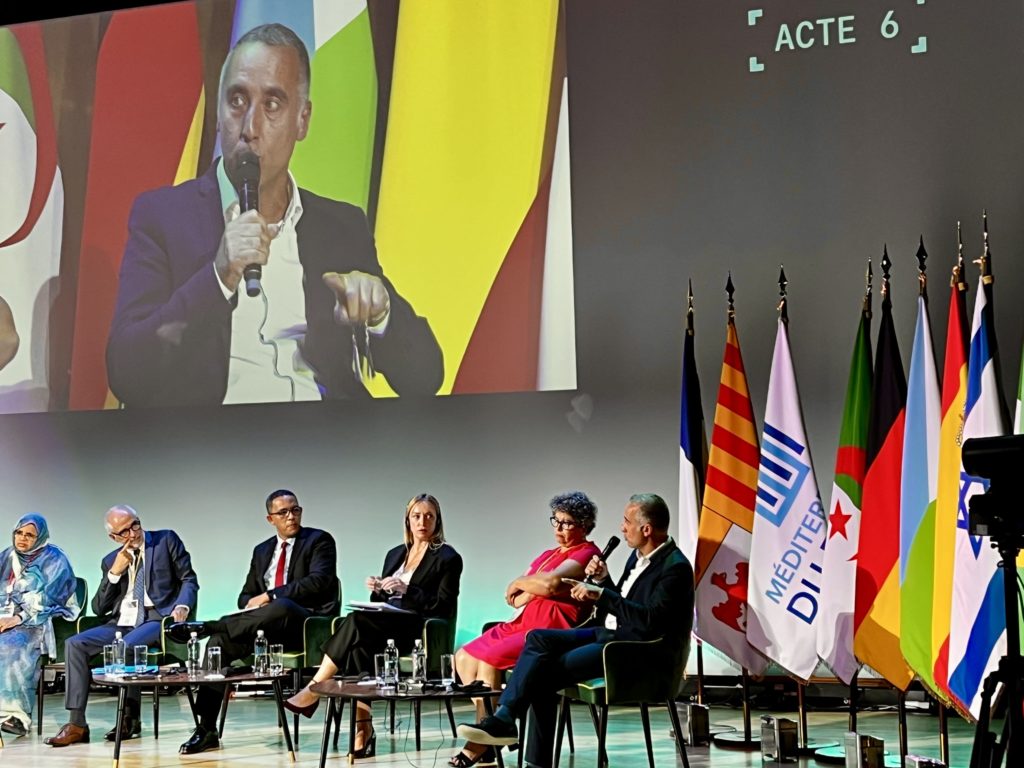
Legend: Mediterranean of the Future – Acte 6 – Every drop counts. Water is life!
AC: The Role of Governments & Corporations
From policymakers to global corporations, who should bear the greatest responsibility for ensuring access to clean water? Are governments doing enough, or does the private sector need to step up?
MS: Clean water is essential for public health, whether it is used for drinking, domestic use, food production, or recreational purposes. Improved water supply and sanitation, together with better water resources management, stimulate economic growth in countries and contribute greatly to poverty reduction.
In 2010, with UN Resolution 64/292, water became a common good and a human right, underscoring the significant responsibility it is for all of us.
In 2015, the Sustainable Development Goals (SDGs) arrived; the same year, African water ministers met in Ngor and signed the declaration of the same name to meet the 2030 Agenda. This is the action part, and this means that the state must involve companies, startups, and large groups to accelerate.
But over the past fifteen years, the situation has only worsened. In 2025, 30% of the world’s population will lack access to safe drinking water, and 60% will lack adequate sanitation. In 2050, the global population will reach 10 billion, with most people born in regions already facing severe water shortages. The emergency is no longer a future threat; it’s already here.
It’s not easy to predict anything for the next 3 years. But things are moving quickly. Today, we can achieve more in three years than we could in twenty back in 2010. Anyway, we are talking about the survival of humanity. Responsibility lies with everyone. Rights do not cancel out duties — this applies to governments, organizations, and every individual citizen.
In the world as it should be, water is free for everyone, and we find new business models to make money around it. Artificial Intelligence will play a key role. In this future, we’ve finally connected business with climate responsibility.
AC: No Water No Us: Driving Real Change
Through your organization, No Water No Us, you’ve been actively working to address water crises worldwide. Can you share some of the key initiatives and projects you’ve launched to promote water sustainability and ensure access to clean water?
MS: For Water, too much is never enough.
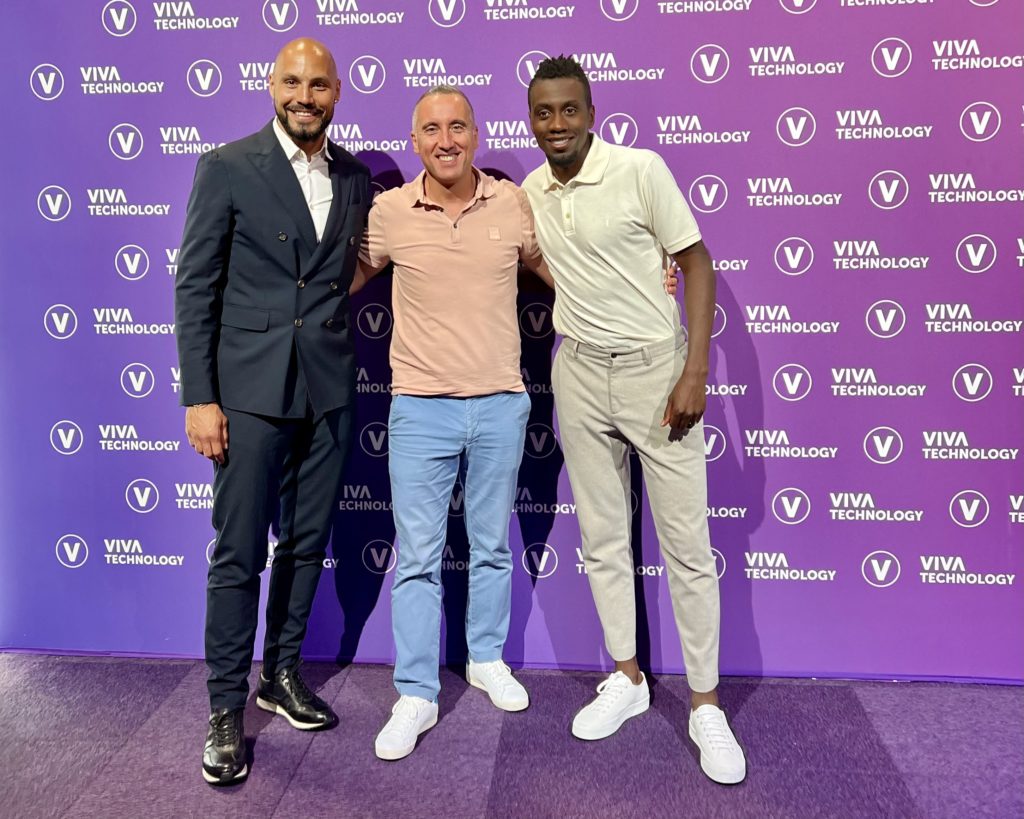
No Water No Us has worked for years to raise awareness and offer sustainable solutions for water issues. To date, we have operated in over 30 countries. Our efforts are amplified through partnerships and a wide network of dedicated artists and athletes. By utilizing art and sport, supported by my associates Blaise Matuidi and Yohan Benalouane, we create a positive social impact by establishing our initiatives and supporting existing water-focused projects.
Blaise Matuidi, Malek Semar, and Yohan Benalouane
Following the Sustainable Development Goals, we focus on wastewater, drinking water, and biodiversity. Unsafe water affects biodiversity, public health, and national economies, impacting society, the environment, and the economy alike.
We created a show for water awareness, “L’Eau Mais”, had the label Season Africa 2020. Touring nine African countries, the show uses dance, music, and culture to explore the relationship between water and human activities, for example, highlighting water-related conflicts in Egypt and the connection between water and population growth in Nigeria. This show is set to become a free educational platform for schools.
From November 2022 to February 2024, four of our ambassadors cycled across 20 countries, delivering school talks, humanitarian projects, and awareness campaigns to learn about water issues across diverse regions and communities.
Through our Climb for Water initiative, we use mountain climbing expeditions to raise awareness of water issues at the world’s highest summits. Alongside the climbs, we organize conferences, interviews, and international solidarity installations focused on access to water. In 2024, in Bolivia, we will transport several tons of equipment to 4,000 meters above sea level to install water supply systems in UNA, a village at the foot of Illimani, the highest peak in Bolivia’s Cordillera Royale. Expeditions to India and Tibet are planned for 2026.
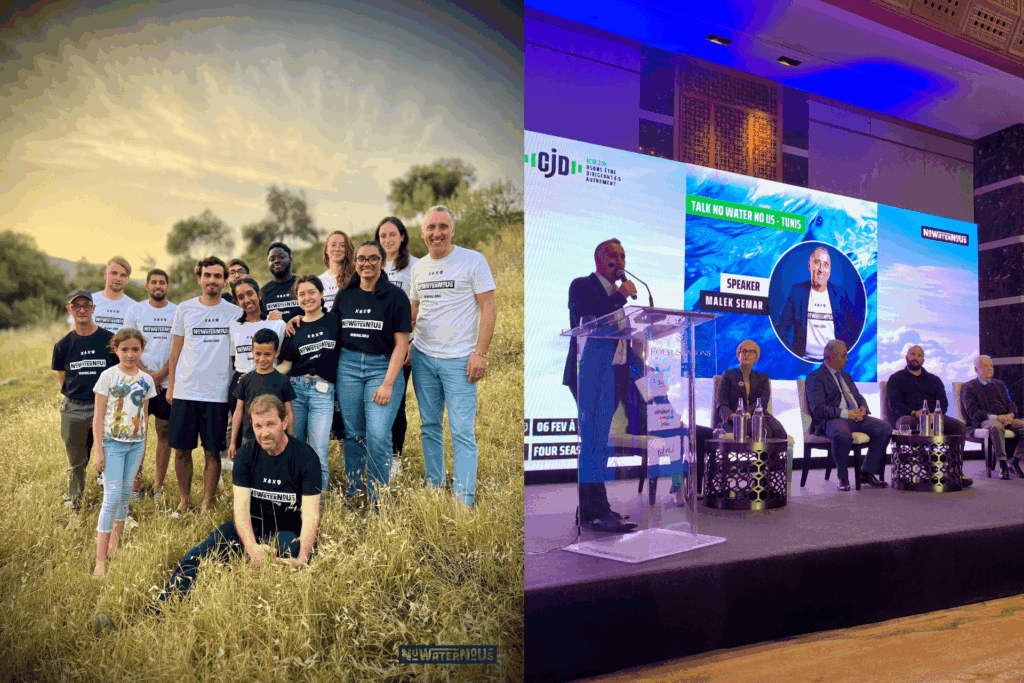
In partnership with UniLaSalle High School, engineering students traveled to Algeria to study sustainable solutions related to olive oil production and water use.
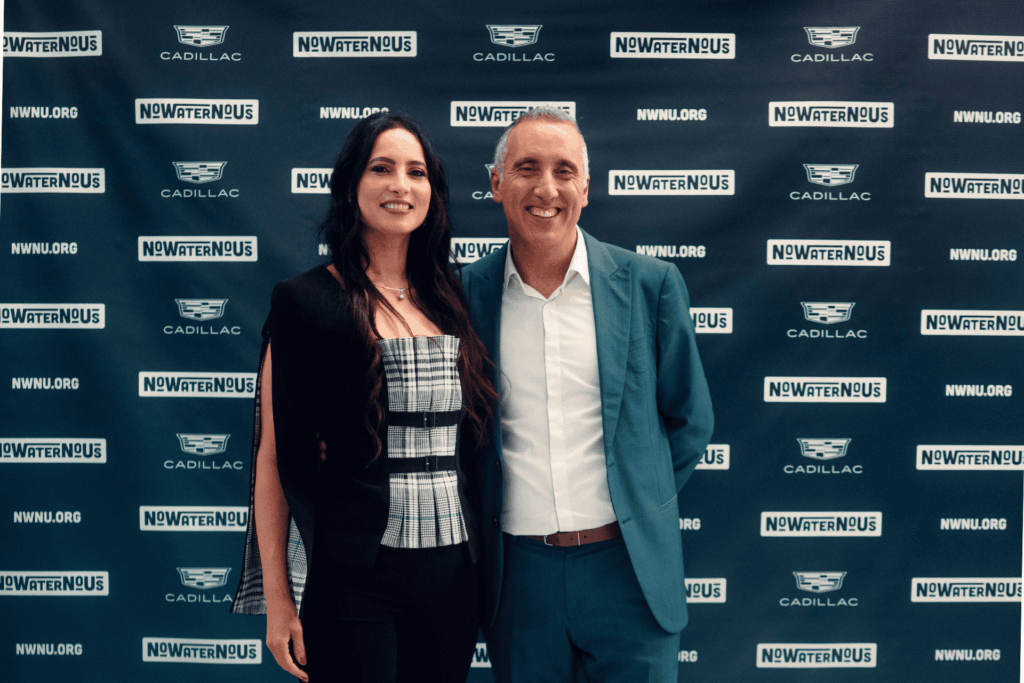
In collaboration with major brands, we organize Talks to explore innovative solutions. We bring together public and private figures, water decision-makers, artists and athletes, civil society, and government. After successful events in Paris with Cadillac and in Tunis with EY and CJD, the next Talks will take place in Geneva in March 2026, before Kinshasa and Brazzaville.
Sabah Kaddouri and Malek Semar at Talk NWNU Paris x Cadillac
AC: Luxury Hospitality & Water Sustainability
Luxury hotels, resorts, and spas often rely on water-intensive experiences, private pools, golf courses, and wellness treatments. What are the best strategies for high-end hospitality brands to reduce their water footprint while maintaining an exclusive guest experience?
MS: For example, it takes 250 liters of water to produce a single cup of coffee (water footprint). So, every process uses a significant amount of water.
A shower running without turning off the tap can consume up to 200 liters. I tell myself that the real problem lies elsewhere; I would rather use 1,000 liters of water, treat it completely, and return it clean to the water cycle, than use one liter and discharge it polluted.
I keep coming back to wastewater management and reuse as a salvation plank; this is true for all individuals and all human activities, including Luxury hotels, resorts, and spas.
AC: Luxury Industry as a Force for Water Sustainability
The World Luxury Chamber of Commerce unites leading luxury brands to drive collaboration, innovation, and business growth. Given your expertise, what impactful initiatives could WLCC launch to help the luxury industry lead the way in global water sustainability efforts?
MS: In the collective mindset, luxury and sustainability are often seen as opposing forces. However, for years now, a new form of luxury has been emerging—one rooted in responsible water use. By 2030, LVMH aims to reduce its global water footprint by 30% through its Life 360 program. In 2021, Longchamp launched the Pliage Green line, creating sustainable products made from 100% recycled yarn, partly sourced from ocean plastic waste, before extending this approach to its entire Pliage range, ready-to-wear, accessories, and eyewear. Louis Vuitton established a Sustainable Department in 2018, targeting a 55% reduction in CO2 emissions by 2030. Guerlain, often hailed as a leader in sustainable beauty, has championed eco-design principles across all its production lines since 2017.
Numerous other initiatives complement these efforts. For instance, between 2019 and 2022, Hennessy and Loro Piana reduced water consumption in their distillery and manufacturing facilities by 26% and 25%, respectively.
In my view, WLCC should, first and foremost, be a worthwhile sounding board and act as a reflector and as an intermediary, sharing best practices that combat climate change and safeguard our most precious resource: water.
We can initiate by arranging a Talk No Water No Us about luxury, in collaboration with the World Luxury Chamber of Commerce, giving a voice to luxury brands genuinely committed to protecting the planet.
Left: Action UniLaSalle For Water; Right: Talk NWNU Tunis
AC: Water as the New Luxury?
With clean water becoming an increasingly scarce resource, do you believe water itself is becoming a new form of luxury? How can we ensure it remains accessible to all while maintaining its importance in high-end experiences?
MS: Time is changing, as well as mindsets. Luxury should be a model that has a systematic view of its environmental impacts, not one that follows. According to the Boston Consulting Group (BCG) study, 64% of future luxury consumers from the ‘Z generation’ want committed companies.
We don’t have a choice. Every civilization was founded around a water source, and vanished when that source dried up. Life itself is the ultimate luxury, a truth universally recognized. Water is life. While some may see it as just a proverb, the reality is clear: water truly is life. In conclusion, water is our greatest luxury. No Water, No Luxury.
Robert Francis Kennedy, the 64th United States Attorney General (1961–1964), once said: “We are witnessing something unprecedented: water no longer flows downstream; it flows towards money.”
I hope that in the future, water will be seen more as a source of peace rather than conflict or profit. And I hope for global water governance endowed with real authority. While solutions must be tailored locally, coordination needs to be worldwide, because water knows no borders.
I remain optimistic. “We can fight, water will bring us together.”
A Closing Word In an age where climate imperatives are no longer distant warnings but daily realities, Malek Semar’s insights offer a vital reminder: water is not only the world’s most essential resource — it is its most sacred. Through No Water No Us and his role on the WLCC Board, Malek is challenging industries, governments, and individuals alike to treat water not as a commodity, but as a common good — and, yes, a luxury to be preserved for all.
As the luxury sector evolves its vision of excellence in a climate-conscious era, Malek’s vision is clear: true luxury respects the planet. And water — ancient, universal, and irreplaceable—must be at the heart of that transformation.
Artificial Intelligence is transforming real estate. San Francisco’s luxury property market, long a symbol of the tech world’s wealth, is experiencing a dramatic resurgence. With AI startups booming and a new generation of entrepreneurs looking to call the city home, ultra-luxury residences are once again in high demand. Properties ranging from $7 million to upwards of $70 million are not only being sold but also sought after with renewed intensity.
A Resurgence at the Top End
San Francisco’s luxury housing market, long associated with the tech elite, is experiencing renewed demand. After years of slowed high-end sales, 2024 saw record-breaking activity:
More homes sold above $20 million than in any prior year.
Buyers include both returning residents and new tech entrants.
Notable deals: Laurene Powell Jobs purchased a mansion for around $70 million, and another tech executive bought a $52 million property.
The recent surge is closely tied to San Francisco’s rise as a center for AI innovation. With the Bay Area home to major players like OpenAI and dozens of startups, the city has become the go-to location for AI entrepreneurs and investors.
Key financial factors
Secondary share sales by startups allow early employees to access liquidity.
These sales convert stock into cash, funding multi-million-dollar property purchases.
Buyers are investing heavily in renovations, signaling long-term residence plans.
San Francisco is reaping more than just economic gains; the luxury housing sector is thriving, fueled by confidence, capital, and the ambition of a new elite. 2025 is shaping up to be a landmark year for high-end real estate in the Bay Area, where innovation and property wealth intersect like never before.
Exclusivity and legacy have always defined the success of luxury brands, but these strengths are tested when markets become unpredictable. In a landscape shaped by economic shifts, political uncertainty, and evolving consumer expectations, the most enduring luxury brands are those that go beyond tradition. They cultivate resilience, not just through financial strength, but through adaptability, strategic clarity, and an unwavering commitment to identity.
For members of the World Luxury Chamber of Commerce, mastering these principles is essential. In an increasingly competitive global marketplace, resilience is what separates temporary success from enduring leadership. But how do luxury brands build resilience?
Commitment to Brand Heritage
A deep commitment to brand heritage is one of the most critical pillars. Iconic houses like Hermès exemplify this by safeguarding their founding narratives and timeless aesthetics. Their refusal to discount products maintains pricing integrity and reinforces exclusivity, ensuring long-term trust with their clientele, even during market fluctuations.
Actionable Insights:
Codify your brand’s founding story and integrate it into all internal and external communications to ensure a consistent narrative.
Audit current marketing efforts to align visual identity, tone, and messaging with core heritage values.
Avoid promotional pricing strategies that may dilute long-term brand equity; instead, focus on elevating perceived value.
Navigating Sustainability with Strategy
Sustainability has evolved from a trend into a necessity, but for luxury brands, integrating ethics without compromising craftsmanship is a nuanced task. Brands that succeed view sustainability as a long-term investment. Those aligning with environmental responsibility and social transparency stand out as modern, credible, and future-focused.
Actionable Insights:
Conduct a full sustainability impact assessment, from sourcing to packaging, to identify gaps and opportunities for responsible improvement.
Develop clear sustainability KPIs and publicly share annual progress to build stakeholder trust and accountability.
Collaborate with artisans and suppliers who meet ethical standards to protect the integrity of your production chain while supporting sustainable innovation.
Digital Evolution Without Compromise
The digital landscape is transforming luxury consumption. Online boutiques, AI-driven personalization, and virtual showrooms offer convenience, but luxury is still defined by emotional and sensory depth. Resilient brands don’t compromise; they enhance human connection through digital tools.
Actionable Insights:
Invest in digital platforms that replicate the intimacy of in-store experiences (e.g., private virtual styling sessions, high-end AR try-ons).
Use customer data to personalize the experience, but maintain elegance and subtlety in how personalization is delivered.
Train digital sales teams in luxury etiquette to ensure online engagement meets the same standard as physical interactions.
Geographic and Operational Agility
Resilient brands don’t rely on one market alone. Diversifying across regions gives luxury houses the agility to respond to local disruptions without losing momentum. Operational flexibility, especially in supply chains and distribution, becomes a vital shield against volatility.
Actionable Insights:
Map regional dependencies and develop contingency plans to shift operations or supply chain routes in response to geopolitical or logistical issues.
Expand into culturally aligned emerging markets through targeted entry strategies, such as pop-ups or exclusive partnerships.
Create multi-hub distribution networks to reduce fulfillment delays and improve responsiveness to localized demand shifts.
Proactive Leadership in Uncertainty
In times of uncertainty, the most resilient brands lead rather than react. They anticipate disruption, act early, and pivot with purpose. This mindset transforms uncertainty into momentum for innovation and renewal.
Actionable Insights:
Form a “resilience council” within your leadership team to regularly assess market trends, threats, and innovation opportunities.
Allocate a percentage of your annual budget to experimental or future-focused projects that may not show immediate ROI but build long-term strength.
Reframe challenges as creative prompts, from supply limitations to consumer shifts, and task teams with designing adaptive luxury experiences.
Key Takeaways: Principles for Enduring Luxury Resilience
Preserve Heritage to Strengthen Identity: Upholding brand legacy and consistency builds emotional value and consumer trust.
Diversify Markets to Mitigate Risk: Expanding internationally allows brands to remain stable amid regional fluctuations.
Lead with Purpose Through Sustainability: Ethical sourcing and responsible values are vital for long-term credibility.
Elevate Luxury with Thoughtful Innovation: Technology should enhance, not replace, the personal nature of luxury.
Act with Agility in Times of Change: Proactive decision-making and strategic flexibility are essential for staying relevant.
Economic fluctuations, political instability, or shifting consumer preferences are present challenges in the luxury sector. Yet, global luxury brands that embed resilience into their DNA are the ones that not only survive but also lead.
For members of the World Luxury Chamber of Commerce, this is an opportunity to champion best practices and invest in long-term resilience. True luxury is about endurance, ethics, and evolution.
Luxury, once defined by exclusivity in fashion, watches, and jewelry, has evolved into an expansive ecosystem that reflects changing consumer values, behaviors, and emotional desires. According to the report “The New Lines of Luxury” published by Frog (Capgemini Invent), the definition of luxury is rapidly shifting, driven by ultra-high-net-worth individuals (UHNWIs) and high-net-worth individuals (HNWIs) across global markets. This comprehensive study surveyed 6,472 affluent consumers across key regions to uncover how expectations and spending behaviors are evolving in today’s dynamic luxury landscape.
Luxury now stretches beyond products; it encompasses financial services, travel, wellness, and lifestyle experiences. The modern luxury consumer, regardless of their geographical location, expects personalization, cultural connection, emotional resonance, and lasting value.
Spending Trends in Emerging Markets and the Rise of Younger Generations
The report draws from a diverse global panel spanning mature, emerging, and high-growth luxury markets. Among the surveyed regions, Europe accounts for the largest share at 29%, followed by the Americas (22.5%), Southeast Asia and Oceania (17.9%), China (15.5%), the Middle East (6.4%), India (4.8%), and Japan (3%). In historically mature luxury markets (such as Europe, North America, and Japan) consumers display more conservative spending habits, a trend often referred to as “luxury fatigue.” These respondents tend to approach luxury purchases more cautiously, allocating a smaller portion of their disposable income to high-end goods and experiences. In contrast, emerging markets, particularly China and India, exhibit a heightened enthusiasm for luxury. Remarkably, up to 10% of respondents in these countries report spending over $1 million per year on luxury, despite having significantly lower average wealth compared to their counterparts in mature markets. This underscores the strong aspirational drive and growth potential in these regions.
Among the 6,472 affluent consumers surveyed in the report, several key insights emerged regarding luxury spending behavior:
Half of all respondents reported spending over $100,000 annually on luxury goods and experiences.
6% of those surveyed indicated they spend more than $1 million per year, with the highest concentration of these top spenders found in emerging markets such as China and India.
Gen Z, now representing 11% of global wealth, is proving to be an increasingly influential segment, despite holding less total wealth than older generations.
Looking ahead, respondents shared optimistic projections for luxury spending over the next two years across key categories:
Travel & Hospitality: Average projected spend of $135,000; top 10% expect to spend over $770,000.
Fashion: Average spend of $85,000; top 10% project spending over $480,000.
Automobiles: Average spend of $180,000; top 10% anticipate spending upwards of $1.3 million.
These figures highlight not only the scale of luxury consumption among the affluent but also the shifting priorities and the growing influence of younger and emerging market consumers in the luxury space.
Preferred Luxury Categories and Evolving Expectations
As luxury continues to evolve beyond products into lifestyle and emotional value, consumer preferences are shifting accordingly. The frog report highlights that affluent individuals today prioritize experiences over ownership, with a growing desire for everyday enchantment, moments that are meaningful, memorable, and personal.
Among all luxury categories surveyed, Travel & Hospitality stands out as the top choice for high-net-worth individuals across genders, regions, and generations. This strong preference does not always reflect global travel but instead illustrates a broader appreciation for immersive, well-curated experiences, even those close to home.
In markets like the U.S. and Japan, where passport ownership remains relatively low (approx. 50% and 17% respectively), the trend toward luxury staycations is on the rise.
Consumers in these regions favor local hospitality experiences that deliver uniqueness and quality without the need for long-distance travel.
Across all generations, Gen Z values experience most, scoring travel & hospitality eight points higher in preference than other generations.
Beyond travel, several other luxury categories ranked high in preference:
Automobiles: Especially favored by men and respondents in the Middle East.
Fashion & Accessories: Maintains strong appeal across all groups.
Beauty & Wellness: Highly favored by younger generations, particularly Gen Z and Gen Y.
Jewelry and Watches: Continue to resonate, particularly for those seeking timelessness and tangible value.
While popular, luxury categories show varying levels of customer satisfaction. Overall, 78% of respondents report being satisfied with their experiences; however, differences emerge across various segments. Hard luxury items like watches and jewelry lead to satisfaction, thanks to their perceived value and craftsmanship. In contrast, beauty products (especially popular among younger consumers) receive lower satisfaction scores, highlighting a gap between brand promises and actual delivery. Gen Z reports the lowest satisfaction overall, suggesting many brands still struggle to meet the expectations of this generation.
In terms of emotional brand engagement, the report also reveals which names have achieved iconic status. The Top 15 Most Loved Luxury Brands include:
Rolex, Chanel, Louis Vuitton, Hermès, Dior, Ferrari, BMW, and Mercedes-Benz, among others.
These brands excel in storytelling, quality, and cultural symbolism, creating deep emotional bonds with consumers.
However, one paradox stands out: despite travel & hospitality being the most preferred category, no travel or hotel brand made the top 15 list. The highest-ranking hospitality brand, Hilton, only reached 34th place. This reveals a branding gap in the travel sector, while experiences are valued, hospitality brands have not yet earned emotional loyalty at the same level as product-based maisons.
Ultimately, the study identifies several key decision drivers that truly motivate luxury purchases. Across all wealth tiers and generations, the following emerged as the most influential:
Legacy and long-term value: Products that appreciate over time or can be passed down.
Exclusivity and personalization: Tailored, rare experiences that feel uniquely made for the buyer.
Craftsmanship and quality: Attention to detail and authenticity.
Innovation and creativity: A desire to be among the first to engage with new ideas or trends.
Cultural authenticity and sustainability: Respect for local traditions, ethical values, and responsible sourcing.
Gen Z is emerging as a powerful force in the luxury market, bringing with them a more neutral, independent approach to consumption. While they share many values with older generations, such as a desire for quality, exclusivity, and innovation, their motivations are still evolving. This generation is less influenced by traditional marketing tactics, signaling a need for brands to rethink how they engage with younger, digitally native consumers. Their behaviors represent a rich opportunity for innovation, as the industry seeks to understand and connect with this influential demographic on a deeper, more authentic level.
At the same time, the luxury industry is undergoing a broader transformation. Today’s affluent consumers are more global, younger, and focused on emotional connection, social responsibility, and intergenerational value. Markets like India, China, and the Middle East are showing rapid growth, while sectors such as travel, fashion, and beauty must adapt to deliver experiences that match their desirability. Ultimately, luxury is no longer just about status; it’s about meaning, impact, and legacy. As the Frog x Capgemini Invent report highlights, brands must move beyond traditional notions of opulence and embrace a more human, values-driven definition of luxury.
According to a new study by Bain & Company and Altagamma, global luxury sales are forecasted to grow in 2025, albeit at a slower pace. While economic and political tensions, including tariff threats and macroeconomic volatility, are expected to moderate the sector’s momentum, the industry remains structurally sound, with strong fundamentals and expanding consumer bases.
The study, which is a benchmark in the luxury sector, reflects cautious optimism amid shifting global dynamics. Despite short-term pressures, long-term growth drivers (such as Gen Z consumers, China’s recovery, and digital luxury) continue to anchor the industry’s resilience.
The study offers a concise snapshot of the trends, forecasts, and consumer shifts that are shaping the global luxury landscape. Here are the most important takeaways that industry leaders should note.
Strategic Highlights:
Market Growth: Global luxury sales are expected to reach €540–€580 billion by 2025, up from €362 billion in 2023, with a 5%–7% annual growth rate through 2030.
China’s Rebound: China is set to reclaim its position as the top luxury market, with domestic spending rising. It could account for 35%–40% of global sales by 2030.
U.S. Stability: The post-pandemic boom is tapering, but the U.S. remains the largest luxury market, driven by affluent Millennials and Gen Z.
Europe’s Tourism Boost: Inbound travel and favorable currency conditions are fueling a rebound in luxury retail, though local consumer confidence remains fragile.
Gen Z & Alpha Influence: Gen Z will comprise 25%–30% of luxury purchases by 2030. Gen Alpha is already shaping brand preferences through digital exposure and early engagement.
Shifting Business Models: Brands are focusing on direct-to-consumer, personalization, and sustainability to meet changing consumer expectations and build long-term loyalty.
Despite a landscape marked by uncertainty, from geopolitical tensions to shifting consumer habits, the global luxury industry remains on solid footing. The findings from Bain & Company and Altagamma highlight a sector that is not only weathering global headwinds but evolving in response to them.
Structural resilience, generational transformation, and regional rebalancing are shaping a new era for luxury. China’s renewed domestic momentum, the spending power of digitally native consumers, and the industry’s strategic pivot toward direct engagement and sustainability point to a more agile and forward-looking market.
While the pace of growth may temper in the near term, the luxury sector is entering a phase defined less by short-term spikes and more by sustainable, high-quality expansion. For brands willing to invest in relevance, personalization, and purpose, the years ahead present a refined recalibration.
Author: Elizabeth Solaru Publication Date: 2024 Amazon Rating: 5
The WLCC Luxury Library is a vital hub for luxury professionals and enthusiasts, offering a curated collection of insights, trends, and knowledge in the luxury sector. Tailored for members of the World Luxury Chamber of Commerce, it offers up-to-date resources on branding, marketing, and high-end consumer behavior. Through a focus on learning and collaboration, the Luxury Library seeks to inspire innovation and raise the bar within the luxury sector.
The LUXPreneur: How to Start and Build a Successful Luxury Brand, written by internationally recognised luxury consultant Elizabeth Solaru, is a practical and insightful guide for aspiring and established luxury entrepreneurs. Drawing from over 20 years of global experience working with UHNWIs and royalty, Solaru addresses the central question faced by luxury businesses: How do I find and sell to affluent clients?
The Book Reveals Several Foundational Lessons, Including:
An in-depth analysis of luxury entrepreneurship and the psychology of high-end clients.
A categorization of various types of luxury entrepreneurs helps readers understand their place in the industry.
Insight into the distinct psychologies of luxury clients, including how and why they make purchasing decisions.
Practical guidance on where and how to find affluent clients, both in digital spaces and through offline strategies.
Strategies for selling to high-end clientele and a breakdown of how luxury brands create allure and desirability.
Advice on tailoring your brand approach to different types of luxury buyers (aspirational to the ultra-wealthy).
Unique and valuable perspectives on the archetypes of luxury entrepreneurs, grounded in experience and observation.
A practical roadmap for those looking to launch or grow a small to medium-sized luxury business.
Foundational knowledge and strategic guidance are designed to help readers succeed in the luxury market, whether they are beginners or experienced entrepreneurs.
“The LUXPreneur” is a strategic companion for anyone serious about succeeding in the high-end market. Whether launching a new venture or refining an existing brand, this book provides the clarity, tools, and mindset needed to thrive.
Breaking new ground in the world of luxury travel, Bvlgari Hotels & Resorts has revealed plans for anultra-premium resort in Abu Dhabi, developed in partnership with leading Emirati real estate firm Eagle Hills. Scheduled to open in 2030, the retreat will be nestled on a private island, accessible only by a specially constructed bridge, offering unmatched seclusion just minutes from the city. Could this be the next icon of Middle Eastern luxury?
Blending timeless Italian design with the elegance of Gulf architecture, the resort is envisioned as a sanctuary of modern luxury. Designed by the renowned ACPV ARCHITECTS Antonio Citterio and Patricia Viel and landscaped by LAND SRL, the project brings together refined craftsmanship and natural beauty.
At the heart of this ambitious venture are several standout features:
60-room luxury resort, including 30 beachfront villas, each with a private pool and panoramic sea views.
90 private mansions, ranging in size from 1,650m² to 2,500m², featuring: 8 beachfront estates with direct access to private beaches and select homes equipped with docks for yachts up to 25 meters long.
A spectacular Bvlgari Villa: Spanning 1,200m² with five bedrooms, a 20-meter private pool, and expansive outdoor living spaces.
Beyond its accommodations, the resort will offer a curated suite of amenities that reflect Bvlgari’s distinctive blend of style, well-being, and fine living.
Signature Amenities:
Bvlgari Spa (2,000m²), including a 25-meter indoor pool, 1,000m² fitness center, and outdoor wellness deck for open-air treatments.
Il Caffè, Bvlgari’s signature Italian restaurant concept.
Bvlgari Dolci, boutique for artisanal sweets and gifts.
La Galleria, a lifestyle concept store featuring fashion, design, and culture.
Multiple fine dining options offering global cuisines.
Private Yacht Club and a 40-berth marina.
City-facing Ballroom for private events, galas, and celebrations.
According to Bvlgari CEO Jean-Christophe Babin, the project is more than just a hospitality destination; it’s “a tribute to Abu Dhabi’s cultural identity,” and a bold new benchmark in the world of haute hospitality. His long-standing partnership with Eagle Hills founder Mohamed Alabbar brings deep regional insight to a project grounded in international design standards and luxury heritage.
This venture comes as part of Bvlgari’s broader global expansion, including the forthcoming Bvlgari Resort & Mansions Cave Cay in the Bahamas, set to open in 2029 on a private 220-acre island.
With a rare blend of privacy, design excellence, and bespoke living, this island escape stands as a striking new symbol of luxury in the Middle East.
Luxury travel is no longer merely about lavish surroundings or five-star service. Today’s discerning travelers are seeking something more: personalization, privacy, wellness, and meaning; an experience that lingers for years to come. The very definition of luxury is evolving, guided by changing global values, emerging technologies, and heightened expectations for experiences that are as unique as the individual.
This evolution is being shaped by changing values, next-gen technology, and rising expectations. In response, the World Luxury Chamber of Commerce (WLCC) is launching a dedicated Luxury Travel & Hospitality Committee, a global initiative designed to unite industry leaders, define emerging standards, and drive innovation at the highest level of luxury travel.
What’s Changing in Luxury Travel?
Personalization is now the cornerstone of a modern luxury experience. Travelers expect bespoke itineraries tailored to their passions, preferences, and personal stories. Whether it’s an art-focused tour through Venice, a custom-designed wellness retreat, or digital concierge services that anticipate needs before they’re voiced, tailored journeys are the new norm.
Wellness has also become a central driver of travel decisions. It’s no longer just about escaping the routine; it’s about restoring balance. From immersive nature escapes to private spa sanctuaries and transformative well-being programs, luxury travelers want experiences that nurture mind, body, and spirit.
And in a world that feels increasingly connected, privacy has never been more valuable. Today’s affluent travelers seek exclusive-use villas, private aviation, remote destinations, and brands that understand how to balance presence with discretion. True luxury now means space, silence, and control over your environment.
Why WLCC Is Stepping In
There’s a growing demand for global leadership, alignment, and meaningful collaboration across the industry. That’s exactly where the World Luxury Chamber of Commerce steps in.
WLCC is one of the world’s largest and most influential networks of luxury brands, uniting over 5,000 high-end companies across more than 100 countries. From iconic hotels and resorts to award-winning restaurants, private travel curators, aviation and yacht services, and experience-driven destinations, WLCC brings together the best of the global luxury hospitality and travel sectors.
With this scale and reach, the new WLCC Luxury Travel & Hospitality Committee, officially launching in October 2025, is uniquely positioned to serve as a powerful platform for cross-border dialogue, idea exchange, and elevated collaboration.
It will become a curated space where hospitality leaders from around the world can come together to:
Explore the latest trends, insights, and global best practices in luxury travel and hospitality
Forge strategic partnerships and business connections
Co-create and refine international standards of excellence
Inspire innovation across every level of the guest journey
Participate in a mentorship program, pairing boutique and emerging luxury brands with seasoned industry veterans
The committee’s meetings and roundtables will cover a wide range of timely and strategic topics, such as high-net-worth traveler behavior, elite guest loyalty, luxury brand collaborations, private aviation, and the intersection of hospitality and emerging technologies. Sustainability, crisis management, and best-in-class case studies from around the world will also be key points of discussion.
In short, the Luxury Travel & Hospitality Committee is an exclusive global meeting point for those who want to shape what luxury hospitality will look like for the next decade and beyond.
Join the Movement Shaping Tomorrow’s Luxury Travel
For luxury brands, hospitality leaders, and experience curators ready to lead, not follow, this committee offers a seat at the table where the future is being defined.
If you’re interested in being part of the WLCC Luxury Travel & Hospitality Committee, fill out the following short form to express your interest and stay informed about next steps: https://worldluxurychamber.com/committee-interest-form/
The World Luxury Chamber of Commerce proudly partners with SDA Bocconi School of Management to support the development of visionary leadership across global industries. Through this collaboration, WLCC members are empowered to expand their global influence, elevate boardroom performance, and cultivate forward-thinking strategies with the remarkable International Board Program 2025.
Boardroom Leadership in an Era of Complex Macroeconomic Trends
In a time of rapid transformation, geopolitical tension, digital disruption, and increasing environmental accountability, the role of the board of directors has never been more pivotal. The International Board Program (IBP) by SDA Bocconi, in partnership with the University of St. Gallen, offers a strategic, high-level learning experience for current and aspiring board members, C-suite executives, and key shareholders of large, internationally oriented private companies.
Running from July 10 to September 26, 2025, this four-day program is structured across two modules: the first in Milan and the second in St. Gallen. Each location is more than a backdrop; it is an academic ecosystem that fosters leadership, cross-border insight, and global collaboration.
A Program Built for Today’s and Tomorrow’s Governance Challenges
The IBP is a comprehensive, forward-looking experience designed to elevate boardroom performance in a volatile and uncertain world. Through a meticulously structured curriculum, participants explore:
Governance Best Practices across global corporate structures
Risk Management and Internal Control Systems
Stakeholder Relations and Shareholder Engagement
Sustainability and ESG Reporting as strategic imperatives
AI, Cybersecurity, and Digitalization in board-level decisions
M&A and Equity Strategies for long-term growth
International Trade and Tax Policies
Interactive learning methods, including real-world case studies, simulations, and executive coaching, ensure concepts are immediately applicable to participants’ current challenges. Whether navigating succession in family-owned enterprises or leading board discussions on compensation strategy and international expansion, attendees are empowered with clarity, frameworks, and actionable insights.
Who Should Apply?
This program is specifically designed for high-impact individuals, those already serving as or preparing to become:
Board Members
General Managers or CEOs
Key Shareholders
Executives overseeing governance, compliance, strategy, or sustainability
Participants typically represent large private corporations operating across borders or preparing for a global scale. Whether from the luxury, industrial, technology, or services sectors, all share a common trait: the need to drive effective governance in dynamic, high-stakes environments.
Certification, Flexibility, and Benefits – Key Takeaways
Executive Recognition: Participants receive a certificate and a digital badge upon completion, enhancing their board-level credentials and professional visibility.
Flexible Learning Pathway: Completion of multiple SDA Bocconi programs within two years qualifies participants for the Executive Education Certificate.
Global Network Access: Graduates gain entry into the Bocconi Alumni Community, a powerful international network of over 135,000 professionals in 133 countries.
Exclusive Offer: WLCC Members benefit from a 15% – 20% Off
Why Choose SDA Bocconi?
SDA Bocconi consistently ranks among the world’s top business schools, 3rd in Europe and 10th globally for executive education (Financial Times, 2024). Its partnership with the University of St. Gallen, renowned for research in governance and finance, ensures a dual academic advantage rooted in both rigor and real-world relevance.
But what truly sets SDA Bocconi apart is its learning philosophy that combines rigor and innovation; it opens doors to connections, mentorship, and lifelong learning opportunities. Participants also gain access to the Bocconi Alumni Community, a 135,000-strong network of global professionals spanning 133 countries.
For forward-thinking executives ready to redefine governance, SDA Bocconi and the University of St. Gallen offer the launchpad to lead with vision, purpose, and global impact.
Paris Men’s Fashion Week Spring/Summer 2026 opened with a strong sense of luxury and anticipation. From June 24 to June 29, 2025, the French capital once again asserted itself as the ultimate epicenter of high-end fashion. The event generated an estimated economic impact of €1.2 billion and attracted nearly 30,000 international visitors, held primarily at the iconic Palais de Tokyo. Featuring over 70 esteemed fashion houses, this year’s Men’s Fashion Week marked a pivotal moment of innovation and refinement in the world of elite menswear.
Dior’s Spring/Summer 2026 collection by Jonathan Anderson was one of the most eagerly awaited highlights of the week. This marked Anderson’s first collection since taking over from Kim Jones, and the campaign gained significant attention with football star Kyliangrou Mbappé as its ambassador. On the other hand, Saint Laurent made a notable return, kicking off the event on June 24 under the artistic direction of Anthony Vaccarello. Later that same day, Pharrell Williams unveiled the Louis Vuitton collection in a striking show set at the forecourt of the Centre Pompidou. The week closed with Simon Porte Jacquemus presenting his “Le Paysan” collection at the Orangerie du Château de Versailles, revisiting a venue that had hosted his previous “Le Chouchou” show in 2023.
The week also showcased fresh creative energy, with designers like Julian Klausner presenting their debut collections for established houses such as Dries Van Noten. Avant-garde and emerging brands from around the world, including the Indian label Kartik Research, Camiel Fortgens, Camperlab, and P. Andrade, brought a dynamic and experimental spirit to the event.
Beyond the runway shows, Paris Men’s Fashion Week offered a rich program of cultural exhibitions and events. Visitors could explore the “Balenciaga by Demna” retrospective at the Kering group headquarters, which traced the designer’s decade-long impact on the house. The Palais Galliera hosted an extensive Rick Owens retrospective, while Swedish brand Acne Studio opened its first gallery, “Acne Paper,” at the Palais Royal. Additionally, the “Miu Miu Summer Reads” program paid tribute to women with curated readings at the Bibliothèque Nationale de France.
Amid a shifting fashion landscape, several key factors underscored Paris Men’s Fashion Week’s standout role this season:
The event took place amid economic challenges and significant changes in the fashion world, highlighting the resilience and creativity of the industry.
London canceled its men’s fashion week.
Milan presented a reduced schedule for men’s fashion.
Paris solidified its position as the premier destination for luxury menswear.
The event attracted an international audience.
Paris set the tone for the future of men’s fashion.
Paris Men’s Fashion Week SS26 has once again affirmed the city’s status as the global capital of fashion, showcasing its cultural influence and economic power, highlighting its significant contribution to the city’s luxury ecosystem. Paris remains the heartbeat of men’s luxury fashion, driving creativity and excellence into the years ahead.
In an era where legacy no longer guarantees dominance, and where digital disruption challenges centuries-old luxury traditions, few voices resonate with as much authority and insight as Ilona Orbok. Recognized by Forbes as a leading global expert in luxury, Ilona wears many hats: she’s the CEO and founder of the ICL brand, the face behind Ilona Calls Luxury on YouTube, a seasoned partner at a major international consultancy, and a familiar face to viewers of RTL’s Shark Tank. With academic roots in the elite programs of SDA Bocconi and ESSEC, her influence spans boardrooms, media screens, and international stages.
In this exclusive conversation, WLCC President Alexander Chetchikov sits down with Ilona to explore what’s driving transformation in the luxury sector—from global expansion pitfalls to regulatory pressure, from rising Startup culture to the power of storytelling in the digital age.
Alexander Chetchikov: You’re one of the few experts navigating both luxury and tax strategy at a global level. What do luxury businesses often get wrong when it comes to international expansion?
IO: As luxury brands expand internationally, they encounter a wide array of challenges: Cultural, operational, strategic, and reputational. One of the core complexities lies in the fact that luxury is not a universally defined concept. Regional preferences can differ dramatically: in markets like Japan, consumers tend to favor understated elegance, while others respond more positively to bold, conspicuous branding.
Another significant hurdle is the lack of preparedness for weak intellectual property enforcementand widespread counterfeiting in certain emerging markets. Brands must also prioritize local adaptation, tailoring products and experiences to suit distinct cultural tastes and consumer behaviors.
Economic and political risks vary across borders, requiring constant vigilance. Regulatory differences (Including import duties, taxes, and market restrictions) can significantly impact operations. A well-calibrated pricing strategy is essential to maintain brand integrity while remaining competitive.
In today’s volatile geopolitical climate, brands must navigate increasing trade barriers, shifting tax regimes, and mounting regulatory scrutiny, all of which can complicate market entry and growth. Finally, sourcing and retaining highly skilled local talent remains a persistent challenge, yet it is crucial for sustaining brand excellence and delivering authentic customer experiences.
AC: The luxury sector has seen a boom in entrepreneurial entrants. What kind of founders or ideas catch your attention as an investor?
IO: There have never been so many startups in the luxury market as there are now. Traditionally, the industry has been dominated by heritage and legacy luxury brands, often with a rich history dating back more than a hundred years. For a newcomer, it was virtually impossible to break into this elite circle. But the status quo has transformed significantly, resulting in a boom with luxury brands entering the market as startups. The market has become more flexible, more open to innovation, and we are seeing the rise of an increasing number of successful new luxury brands.
As an investor, I absolutely experience this market shift as I receive numerous inquiries from entrepreneurs regarding the launch of a new luxury product, service or brand.
I usually seek a clear and authentic narrative, often rooted in the founder’s vision or in the brand’s cultural identity. Storytelling, too, plays a vital role. Furthermore, in my view, a strong social media presence is essential for any new idea. Without it, launching a new brand is almost impossible today.
AC: How is the current regulatory environment reshaping how luxury brands think about risk and structure?
IO: The regulatory environment for luxury brands is both complex and constantly evolving, posing not only significant challenges but also strategic opportunities. Regulation acts as both a constraint and a catalyst for transformation across the industry.
Luxury houses operate within a multifaceted legal framework encompassing ESG standards, data privacy laws, and anti-counterfeiting measures. This compels them to invest heavily in compliance infrastructure, legal audits, and skilled regulatory teams. In certain jurisdictions, brands are required to form joint ventures or adopt franchise models to gain market access. Meanwhile, in regions where intellectual property protection is weak, the risks to both brand reputation and revenue can be substantial.
The European Union stands out for its strict regulatory environment, with frameworks such as the GDPR, anti-greenwashing directives, and mandatory ESG reporting. While conglomerates can centralize compliance functions and absorb the cost, independent and emerging luxury brands face disproportionately higher per-unit compliance expenses.
A new and pressing development is the implementation of the OECD’s BEPS 2.0 framework, particularly the Second Pillar, introducing a global minimum corporate tax. This initiative seeks to harmonize the tax obligations of large multinationals and will have significant implications for the tax strategies of globally operating luxury brands.
In this shifting landscape, luxury brands must design corporate structures that are resilient to regulatory shocks, transparent for compliance, and agile enough to leverage new regulatory openings.Those who succeed will not only protect their brand equity but also position themselves as leaders in a more responsible and sustainable luxury economy.
AC: What did your time on Shark Tank teach you about market-readiness in luxury-focused startups?
IO: As an investor on RTL TV’s Shark Tank business reality show, I have been seeing several promising ventures across various industries. There are fewer luxury startups on Shark Tank in the strict sense of the word, but if we define this in terms of high quality and strong brand positioning, there were a few that I was able to invest in, mostly in the food and beauty sectors.
One of the greatest values of Shark Tank is its educational nature. We push founders to think about market-readiness in real terms: valuation, customer demand, scalability, and emotional detachment from the product. That kind of exposure is invaluable for early-stage brands; it accelerates their learning curve.
Naturally, I always weighed the market potential and return on investment. Since these were financial rather than professional investments for me, having a clear exit strategy and a relatively quick return was crucial. So far, none of these investments have disappointed.
AC: You studied at SDA Bocconi and ESSEC – two of the most prestigious institutions in luxury education. What perspectives did they give you that you still apply today?
IO: One of the most important lessons I learned at SDA Bocconi Milan and ESSEC Paris is that quality, originality, and exclusivity are non-negotiable pillars of luxury. These programs helped me develop a holistic, global perspective. I also came to understand the importance of storytelling and that brand valuation in this industry follows entirely different rules compared to other sectors. Luxury brands can command the highest EBITDA multiples, up to 50 times EBITDA in some cases.
Today, I aim to share the knowledge and experience I gained through these programs, and through my work, in a more entertaining format on my YouTube channel, too.
AC: Can you share a specific tax or financial insight that every luxury brand scaling internationally should know right now?
IO: To cut a long story short, luxury brands scaling globally must be aware of the pricing of intra-group transactions, the so-called transfer pricing principles. This area is under intense scrutiny; therefore, brands need to have a proactive, well-documented transfer pricing policy.
According to the OECD BEPS 2.0, intangible assets like “brand equity” must be substantiated with economic substance. The profit splits based on actual value creation across the group, especially in the case of digital and storytelling functions, are distributed. Luxury brands with high marketing spend in-market must balance where brand value is being created. As this industry generally operates with very high profit margins, profit distribution across jurisdictions can be challenging to comply with international and local regulations.
AC: Recently, you launched your own YouTube channel, Ilona Calls Luxury. What inspired you to step into this format, and what are you hoping to communicate to your audience through this platform?
IO: In my opinion, social media presence is crucial for luxury brands, especially in today’s digital world. Social media is no longer optional. Some of the most successful new players are built entirely on it.
I have always preferred out-of-the-box thinking. My core focus is on the economics of the luxury industry, a niche area that surprisingly few experts specialize in. I combined this interest with the storytelling culture so central to luxury and launched my Ilona Calls Luxury YouTube channel two months ago.
Though still very new, the channel experiences high interest globally, as it has already reached around 3 million people. This early traction is incredibly encouraging. To me, it proves that there is a genuine gap in the market and a real demand for a quality type of luxury storytelling and how value has been created, one I am more than happy to meet.
My main goal with these YouTube videos is to educate the audience and introduce a different kind of storytelling. I believe that the luxury industry needs this kind of aspect, especially today of uncertainty and economic turbulence. Customers want to understand the core value and history of each brand, or the trends in the luxury industry. However, these videos are also entertaining for those who are just interested in luxury, business concepts, mysteries, and stories.
Closing Words: Ilona Orbok represents a rare blend of financial acumen, strategic foresight, and deep cultural intuition—qualities that are reshaping the luxury industry in real time. As the boundaries of luxury continue to evolve, guided by innovation, regulation, and storytelling, leaders like Ilona are not just interpreting the future; they’re actively building it.
Stay tuned to Ilona Calls Luxury for more insights!
By Abhay Gupta — Founder & CEO, Luxury Connect LLP | Top 100 Global Voices in Luxury
The Need for an Indian Luxury Identity
The global luxury industry has long been dominated by Western Maisons— brands that have mastered the art of storytelling, craftsmanship, and exclusivity. While India has always been a cradle of luxury, offering exquisite textiles, jewelry, architecture, and artisanal mastery, it has lacked a unified identity that resonates globally. This whitepaper explores how India can redefine luxury by embracing its deep-rooted heritage, sustainability, and craftsmanship, creating an Indian-rooted equivalent to the Western ‘Maison’.
Historical Context: India’s Legacy of Sustainable Luxury
Before industrialization and colonial economic shifts, India was the epicenter of global luxury trade. The country exported fine muslins, intricate brocades, handcrafted jewelry, and artistic home décor to royal courts across Europe, the Middle East, and Asia. The Indian luxury model was inherently sustainable based on decentralized production, generational craftsmanship, and eco-friendly materials.
Textile Mastery: Muslin from Bengal, Banarasi silk, Pashmina from Kashmir
Luxury Architecture & Interiors: Havelis, palaces, and hand-carved furniture
Perfumes & Incense: Attars of Kannauj, sandalwood-based fragrances
Unlike the mechanized luxury production of the West, India’s luxury was rooted in slow craftsmanship, making it more personal and exclusive.
The Western Maison vs. The Indian Luxury Model
In the West, the term Maison denotes a luxury house with in-house craftsmanship and creative mastery. However, in India, luxury brands have largely been positioned as ‘brands’ rather than heritage-driven houses of excellence. This distinction has prevented Indian luxury from being perceived as par with its Western counterparts.
Why India Needs Its Nomenclature:
Maison implies industrial precision; India’s model is artisanal mastery.
Indian luxury is community-driven, unlike the designer-led Western model.
An Indian-rooted term could differentiate homegrown brands in global markets.
Possible alternatives to Maison that reflect Indian heritage could include:
Shilp Griha (House of Craftsmanship)
Ratnaalaya (Abode of Precious Creations)
Aarohana (Ascent to Excellence)
Kalaadhishthana (Sanctuary of Art)
Sustainability & Craftsmanship as Luxury Pillars
With sustainability becoming a central theme in luxury, India is uniquely positioned to lead this transformation. Unlike fast luxury, Indian craftsmanship has always been rooted in natural dyes, organic textiles, handloom weaving, and waste-free production.
Key Differentiators of Indian Sustainable Luxury:
Handcrafted over mass-produced: Every piece tells a story.
Natural, biodegradable materials: Silk, cotton, jute, and gemstone embellishments.
Fair trade and ethical labor: Empowering artisans, not factories.
Cultural sustainability: Reviving dying crafts like Pichwai painting, Bidriware, and Chikankari.
Beyond Fashion: Expanding the Scope of Indian Luxury
While fashion remains a core pillar, true Indian luxury extends beyond textiles. Brands must embrace a holistic ecosystem to create an entire luxury lifestyle offering.
Jewelry & Watches
Promoting India’s unparalleled expertise in goldsmithing, minakari, and gemstone setting.
Shifting from ‘commodity jewelry’ to exclusive, handcrafted heritage pieces.
Luxury Home & Decor
Positioning handwoven carpets, carved furniture, and Mughal-inspired architecture as premium home décor.
Reviving the lost art of royal interior design.
Perfumes & Well-Being
Re-establishing India as the world’s leading attar and Ayurvedic wellness hub.
Blending traditional perfumery with modern luxury branding.
Experiential Luxury
Promoting boutique palace stays, craft-based travel, and Ayurveda retreats.
Creating exclusive, invite-only cultural experiences for high-net-worth individuals.
Creating the Indian ‘Maison’ Equivalent: A Strategic Roadmap
For Indian luxury to compete on a global scale, it must create an ecosystem that mirrors the prestige of European houses while staying true to its roots.
Key Strategies:
Luxury Houses, Not Just Brands: Positioning high-end labels as Shilp Grihas—houses of artistic mastery.
Limited, Bespoke, and Heirloom-Quality Products: Moving away from mass-market appeal.
Artisan-Centric Branding: Elevating master artisans as ‘couturiers’ of their craft.
Storytelling & Provenance: Creating rich brand narratives around heritage and authenticity.
Global Indian Clientele Focus: Catering to NRIs, luxury tourists, and the rising Indian elite.
Case Studies: Indian Brands Leading the Way
Good Earth – Blending heritage with modern Indian luxury lifestyle.
Sabyasachi – Elevating Indian couture to global luxury status.
Jaipur Watch Company – India’s first heritage-oriented luxury watch brand.
Bangalore Watch Company – A homegrown luxury watch brand merging Indian narratives with Swiss precision.
Amrapali Jewels – Reviving Indian heritage jewelry craftsmanship with a global presence.
Taj Hotels – Synonymous with luxury hospitality, blending Indian tradition with world-class service.
Forest Essentials – Positioning Ayurveda as a luxury skincare experience.
The Future of Indian Luxury: The Path Ahead
As India reclaims its space in global luxury, the key to success lies in:
Defining a unique Indian luxury philosophy instead of imitating Western models.
Building an ecosystem of high-end craftsmanship-led brands that cater to both Indian and international clientele.
Educating the market on why ‘Made in India’ luxury is an unparalleled value proposition.
Conclusion: India’s Moment in Luxury
Indian luxury has all the ingredients to emerge as a powerful global force. By redefining its positioning, embracing its heritage, and crafting an identity that is both sustainable and exclusive, India can create a new paradigm of luxury that stands alongside the world’s greatest Maison’s—on its own terms.
This whitepaper serves as a blueprint for India’s luxury sector to evolve beyond ‘brands’ into true houses of excellence.
Abhay Gupta is the Founder & CEO of Luxury Connect LLP and LCBS. Named among the World’s Top 100 Voices in Luxury, he writes at the intersection of culture, commerce, and conscience.
Disclaimer: The views expressed in this article are those of the author and do not necessarily reflect the official stance of the World Luxury Chamber of Commerce, its affiliates, or any brands/entities mentioned.
Simon-Kucher unveils the results of its new international study on luxury purchasing behaviors. While global growth is fueled by India and China, European and American consumers are demonstrating strong attachment to craftsmanship and heritage brands—while becoming increasingly price-sensitive.
Simon-Kucher has published the findings of its international study on luxury consumers. Conducted in April 2025 among over 1,000 consumers in key luxury markets (Europe, the U.S., China, and India), the “Luxury Consumer Study 2025” reveals a sharp polarization in behaviors depending on region: surging demand in India, status-driven loyalty in China, and a growing emphasis on discretion and value in Europe and the U.S.
Strikingly Contrasting Behaviors Across Markets
In India, appetite for luxury is soaring: 84% of current luxury consumers say they plan to increase their spending over the next 12 months—signaling robust industry growth ahead, likely to offset overall slowdown in other regions.
In China, consumption remains strong, supported by high brand loyalty and a pursuit of prestige.
In the United States, a trend of rationalization has emerged: while purchase frequency remains high, consumers are becoming more selective—driven in part by substantial price increases in recent years, which have negatively impacted the perceived value-for-money of luxury goods.
In France and Europe more broadly, luxury remains deeply embedded in consumer habits, but purchasing behavior is shifting toward a more thoughtful and less ostentatious approach to luxury.
In Europe: High Expectations and a More Discreet, Mature Approach to Luxury
European buyers continue to engage with luxury but are scaling back—25% say they intend to reduce their budget. Moreover, expectations around quality, sustainability, and especially price are intensifying. Over 75% of French consumers now compare prices between brands and channels before purchasing a luxury item.
“This level of scrutiny is unprecedented,” says Martin Crépy, Senior Partner and Global Head of the Consumer Goods & Retail practice at Simon-Kucher. “Brands must rethink their value proposition and customer experience to meet these evolving expectations.”
The study points to a gradual shift toward more “intelligent” consumption patterns: preference for timeless pieces, appreciation for artisanal craftsmanship, and rejection of overt logos. The rise of “quiet luxury” in Europe is evident—especially among consumers aged 45 and over. These buyers prioritize quality over display. The dominant profiles are Collectors and Quiet Luxury Enthusiasts—segments that value product authenticity and are not swayed by flashy marketing.
“This pursuit of sophistication without ostentation presents an interesting path for French luxury houses,” explains Camille Drumel, Partner at Simon-Kucher. “They are well-positioned to embody this more intimate, purpose-driven luxury, but must enhance their digital presence and invest in personalization through a reimagined ‘clientelling’ adapted to new channels.”
The “Luxury Consumer Study 2025” was conducted in April 2025 by Simon-Kucher. It surveyed over 1,000 consumers across major luxury markets (Europe, the U.S., China, India), using a representative sample based on age, gender, region, and income level.
About Simon-Kucher
Simon-Kucher is a global consulting firm with over 2,100 employees across 31 countries. Our mission is to help clients unlock sustainable, profitable growth that drives measurable revenue and earnings. We achieve this by optimizing every lever of their commercial strategy—product, price, innovation, marketing, and sales—based on deep insight into customer needs and willingness to pay. With 40 years of experience in monetization, Simon-Kucher is recognized as the global leader in revenue growth and pricing strategies.
To learn more about Simon-Kucher and explore their insights on strategy, pricing, and growth, visit simon-kucher.com