Have a question? Call now! +16468108764

From Maison to Metaverse: The New Realm of Luxury Experience

From Maison to Metaverse: The New Realm of Luxury Experience 

A diamond necklace no longer needs to glimmer under glass to feel precious. Today, it might shimmer inside a virtual world, worn by an avatar, certified on the blockchain, and admired by millions who will never touch it. Luxury is changing, and fast. What was once defined by craftsmanship, rarity, and heritage is now being rewritten through code, pixels, and immersive experiences. The metaverse has become the new atelier of imagination, reshaping what it means to own, desire, and belong. 

The New Meaning of Exclusivity 

A limited-edition timepiece, a couture gown, or a private client experience. In the digital world, rarity is expressed through non-fungible tokens (NFTs) and limited-edition digital goods. These assets replicate the codes of luxury: authenticity, provenance, and limitation, but within a decentralized ecosystem. Collectors now invest in virtual handbags, jewelry, and even architectural spaces, all of which are authenticated through blockchain technology. Digital exclusivity has become the modern heir to the waiting list. 

Immersion as Experience 

Luxury has always been experiential, but the metaverse transforms that experience into something participatory. Virtual stores allow visitors to explore collections as avatars, attend digital fashion shows, or interact directly with brand ambassadors in 3D environments. The difference lies in presence: instead of watching luxury, consumers can now enter it. 

Brands are discovering that these activations do more than entertain; they extend the brand story into a new dimension, engaging a younger audience that values both creativity and digital ownership. 

Digital Artistry and Craft 

The rise of digital artisans, designers who shape garments and accessories in 3D, is challenging conventional ideas of craftsmanship. Virtual fashion is just as intricate as its physical counterpart; it demands technical skill, design intuition, and aesthetic precision. The “atelier” of the future may exist on a screen, yet the emotion it evokes remains rooted in artistry and imagination. This evolution reflects how luxury can preserve its essence even as its materials change. 

Sustainability and Access 

Virtual fashion offers an intriguing advantage: it decouples creativity from physical production. Digital collections reduce waste, minimize environmental impact, and allow for experimentation without the costs of materials or logistics. At the same time, it opens doors for new audiences who can participate in the luxury experience through avatars and virtual worlds, democratizing access without diminishing exclusivity. 

Example: Bulgari’s Step into the Metaverse 

As SDA Bocconi notes, LVMH’s Bulgari recently launched an exclusive virtual world on the South Korean social platform “Zepeto” after announcing its entry into the metaverse at VivaTech 2022. The initiative exemplifies how luxury houses are exploring virtual assets, from NFTs and collectibles to immersive augmented and virtual reality (AR/VR) experiences. These spaces, which can exist on platforms like Roblox, Decentraland, or Meta’s Horizon Worlds, allow brands to create meaningful digital encounters while maintaining their aura of rarity and sophistication. 

The Road Ahead 

The luxury industry is moving toward a hybrid era, one that merges tangible heritage with digital innovation. The maisons that endure will be those that understand how to translate emotion, exclusivity, and storytelling into every layer of their digital presence. The metaverse is not replacing craftsmanship; it is extending it into new dimensions, where authenticity and aspiration still define the experience, just through a different kind of canvas. 

SOURCES: SDA BOCCONI 

To learn more about the World Luxury Chamber of Commerce, visit: https://worldluxurychamber.com/ 

The WLCC Weekly Edit: Shanghai x Kering, Real Estate Market, Selling Meaning, & Industry Report

Welcome to The Weekly Edit, your curated digest of the latest in the world of luxury. Each week, WLCC brings you a handpicked selection of industry news, insights, and stories influencing the future of high-end fashion, design, travel, real estate, and beyond. Consider this your insider’s guide to the latest in luxury.   

Luxury Real Estate Market Poised to Exceed $338 Billion by 2030

The U.S. luxury real estate market is thriving, projected to exceed $338 billion by 2030, driven largely by cash-rich buyers and intergenerational wealth transfer. While the broader housing market faces affordability pressures, high-net-worth individuals are snapping up properties without financing, closing faster, and strengthening offers in competitive bidding. The fastest growth is expected in Sunbelt states like Florida, Georgia, and the Carolinas, where low taxes, warm weather, and lifestyle amenities attract affluent buyers. Cash transactions dominate high-end sales, particularly for homes above $2 million, insulating the luxury sector from mortgage volatility and ensuring sustained demand and pricing resilience at the top tier. 

Via: Realtor 

Kering Launches CRAFT Program with Shanghai Fashion Week 

Kering has partnered with Shanghai Fashion Week to launch Kering CRAFT, a new cross-continental residency designed to support rising Chinese designers through training in Milan, Paris, and Shanghai. Announced at the CIIE, the program focuses on artisanship, fashion, and technology, aiming to strengthen links between China and Europe while helping young talent develop stronger creative and business skills. An international jury will select participants, who will gain direct exposure to industry leaders and new ways of working. The initiative also enhances Shanghai Fashion Week’s global presence by fostering broader creative exchange and promoting the development of future Chinese fashion leaders. 

Via: Kering 

Saks and Neiman Marcus Present Miami Bejeweled Ball 

Saks Fifth Avenue and Neiman Marcus hosted their third Bejeweled Ball on November 5 at the Faena Hotel in Miami Beach, concluding a week of private shopping events featuring major jewelry and watch brands. It was the first Ball since Saks Global acquired Neiman Marcus in late 2024. Brands such as Boucheron, Chopard, Pomellato, Siegelson, Etho Maria, and Yeprem showcased pieces, nearly half created solely for the event. Inspired by tropical, vintage botanical themes, the evening offered client presentations, live music, and thematic installations, reflecting a strong interest in high-end jewelry and the retailers’ ongoing collaboration with leading luxury brands. 

Via: Forbes 

Luxury in Transformation: Selling Meaning Instead 

The meaning of luxury is changing, shifting from ownership to personal transformation, as Daniel Langer explains. Today’s clients expect more than products; they seek identity, emotional impact, and a sense of belonging. Luxury brands must rethink every interaction, from sales associates to boutiques and digital platforms, focusing on storytelling, authenticity, and emotional resonance. Training should go beyond features to inspire and engage clients, turning purchases into experiences. Each product and campaign should act as a catalyst for confidence, inspiration, and empowerment. Brands that embrace this shift will shape the future of luxury, while those clinging to transactional approaches risk being admired but ultimately forgotten. 

Via: Luxury Daily 

Industry Report: The Present & Future Luxury Equation By KPMG 

After years of rapid growth, the luxury sector is entering a moment of transformation. KPMG’s “Luxury in the Midst of Change 2025” shows that global sales contracted in 2024, revealing polarization: ultra-luxury thrives while broader segments face slower demand. Brands are responding with AI-driven personalization, operational efficiency, and expansion into lifestyle sectors like hospitality, wellness, and beauty. Heritage, sustainability, and the booming second-hand market are reshaping strategies, while mergers drive access to new clients and technology. The future of luxury hinges on balancing exclusivity with inclusivity, tradition with innovation, and profit with purpose, rewarding brands that master change with lasting relevance. 

Via: WLCC 

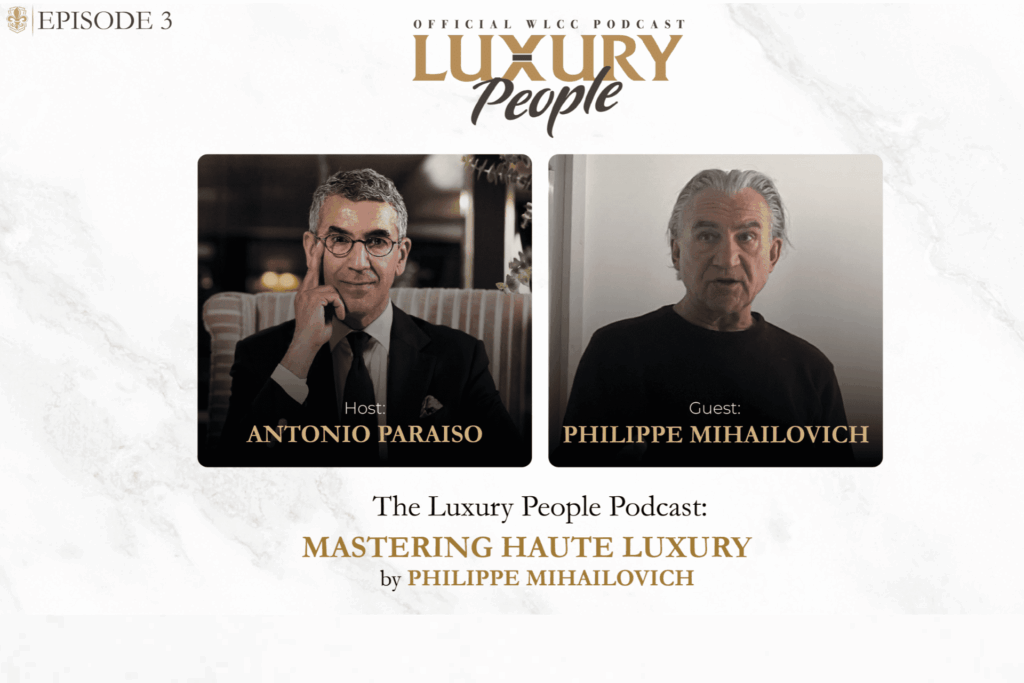
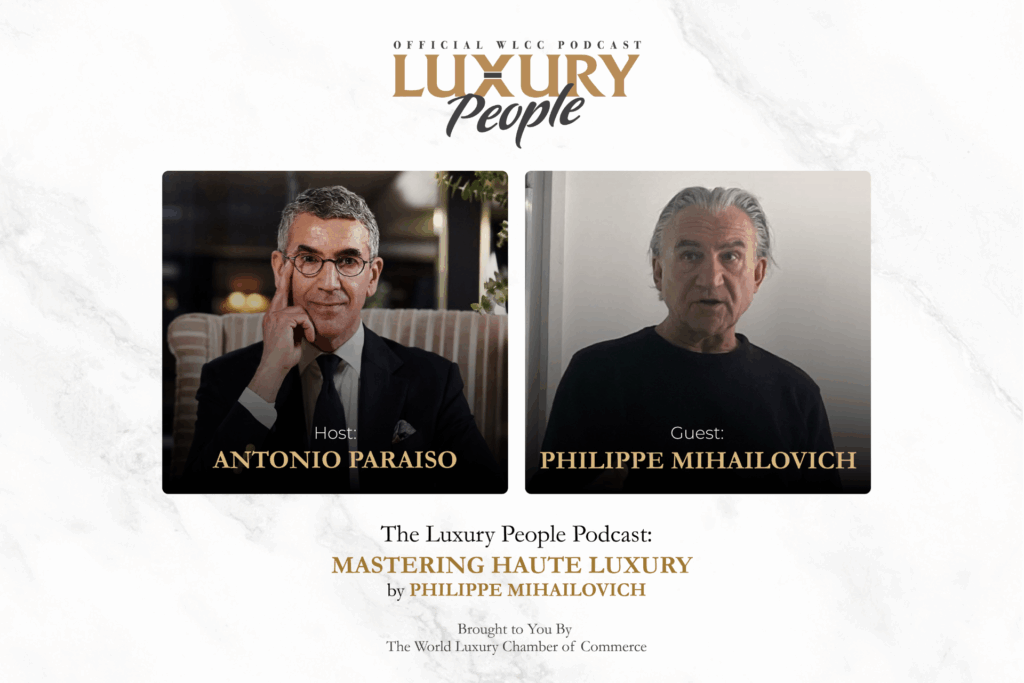
Luxury People Podcast | EPISODE 3 with Philippe Mihailovich

In this episode of the 𝘓𝘶𝘹𝘶𝘳𝘺 𝘗𝘦𝘰𝘱𝘭𝘦 𝘗𝘰𝘥𝘤𝘢𝘴𝘵, presented by the World Luxury Chamber of Commerce, host António Paraíso is joined by haute luxury expert Philippe Mihailovich, founder of HAUTeLUXE and an Honorary WLCC Board Member. According to Philippe, in France, the craftsmen are the Kings and the artists the gods – so join us for an exclusive deep dive into the world of haute luxury. Whether you’re a luxury enthusiast, marketer, or industry insider, Philippe’s profound insights on brand strategy, ethical sourcing, and the future of luxury offer invaluable knowledge and inspiration.

Watch the full episode here.


Stay ahead of the curve; explore more stories, register for upcoming events, and join the conversation with WLCChttps://worldluxurychamber.com/insights-news/    

Exclusive Interview: Gheya Boulware Is Building the Next Generation of Luxury Fashion and Beauty Brands

Gheya Boulware, founder of Lord & Partners, brings experience across design, production, sales, and marketing. In this interview with Alexander Chetchikov, president of World Luxury Chamber of Commerce, she explains how luxury brands can assess their current position, address gaps in their operations, and make strategic decisions that support both creative vision and business growth.

Alexander Chetchikov: Gheya, with your experience across design, production, sales, and marketing, how do you approach assessing a luxury brand’s current equity and identifying the areas that need the most attention?

Gheya Boulware: My multi-faceted background is honestly my greatest superpower. Working across design, production, sales, and marketing gave me a full 360-degree view of how a luxury brand grows from concept to consumer. Early in my career, especially working with independent designers, I realized I wanted to understand the entire machine, not just one part of it. That balance between art and commerce is what allows me today to help luxury fashion and beauty brands understand their true equity and where they stand in the market.

When I assess a brand, I never look at marketing in isolation. Once I moved into marketing, I started to see how many business models were fragmented. The creative side would be running one way, the product team another, and the commercial side would be trying to catch up. Many founders assume brand equity comes only from storytelling or communications. It plays a role, but equity is built when product, brand, and business move in sync.

So my approach is holistic. I audit the product pipeline, pricing logic, innovation gaps, brand health, customer experience, and the commercial engine. I look for where the disconnects are, because when one area is weak, it drags the others down. There is rarely a single area that needs attention. The priority is creating an interconnected system where product strategy, brand positioning, and revenue strategy reinforce each other.

That’s when a brand gains real equity. That is the foundation luxury businesses need if they want longevity, not just a moment of hype.

AC: What inspired you to launch Lord & Partners, and how do you differentiate your consultancy from others in the luxury fashion and beauty space?

GB: I launched Lord & Partners because the next generation of luxury fashion and prestige beauty brands is facing a new kind of complexity. The industry is more commercial, more competitive, and more saturated than ever. Brands are expected to grow fast, innovate constantly, and still maintain a clear point of view. Most designers or founders don’t need another agency delivering fragmented PR or marketing work. They need a long-term partner who thinks about the entire brand and business.

Lord & Partners was built to fill that gap. We focus on holistic brand management, not isolated services. That means we support everything tied to growth: product strategy, innovation opportunities, whitespace evaluation, commercial planning, brand health, revenue optimization, and long-term brand equity. We streamline these pieces so the brand operates like a true luxury business, not a collection of disconnected activities.

Our difference is simple. We do not function as a traditional PR agency. We operate as a strategic partner with our clients and guide every decision that impacts brand valuation, market relevance, and long-term success.

AC: In your work with both global beauty groups and independent innovators, what common challenges do luxury brands face when maintaining their identity while pursuing growth?

GB: There are a lot of challenges at play in luxury, from broad economic pressures like inflation to shifts in consumer behavior. Those matter, but what I’ve consistently seen have the greatest impact are the internal conflicts happening long before external forces even hit. Many luxury fashion and beauty founders or executives assume the external market has the most power to disrupt a brand, yet those disruptions only become damaging when the brand isn’t structurally prepared to engage them.

The foundational pieces inside the business—talent, operations, creative clarity, commercial logic—set the tone for whether a brand can grow without losing itself. For independent designers, I noticed the issues usually stem from not having a fully scaled team. You see talent gaps, burnout, and creative direction that is strong artistically but not always translated into commercial strategy. With large beauty groups and independently owned beauty brands, the problems look different but come from the same root. You often see fragmented teams, creative and production divisions working in silos, and decision-making bottlenecks that slow the business down.

For new and emerging brands, the biggest struggle is that brand activities aren’t streamlined and teams often work in silos (if there even is a team). Limited budgets create talent gaps, which only magnify the pressure. Once growth hits, every weakness becomes visible. Scaling gets harder, decision-making slows, and creative and commercial priorities stop reinforcing each other. These brands need tighter operations and internal structures that can actually support momentum. This is where strategic brand equity partners like us step in. Lord & Partners becomes the brand equity and management partner that helps emerging luxury fashion and beauty brands close these gaps and move forward with cohesion.

AC: How do you guide emerging luxury fashion designers and beauty founders to make strategic decisions that build long-term brand value while still protecting their creativity and point of view?

GB: Most emerging founders start independently, even those who have been operating for years. They are talented and ambitious, but they are competing in a category where legacy houses already have capital, teams, and institutional knowledge that protect their dominance. New luxury brands need a lot of support in those early stages. They are still building brand equity in a space where the benchmarks are incredibly high.

Creatively, these founders have real stories and real authenticity, which matters deeply to today’s customers. The challenge is that luxury operates by a different playbook. Craftsmanship, consistency, and commercial structure have to be just as strong as the creative vision. Many designers know exactly what they want the product and collection narrative to be, but they also need a strategy that makes the business viable long term.

Our role is to stand beside these founders and reinforce both sides. We protect the story and the creative intent, while making sure there is a commercial path that supports growth. More specifically, we advise emerging luxury fashion and beauty brands across the full 360 degrees: brand management, brand equity, marketing and communications, go-to-market, CRM and loyalty, product and assortment strategy, operations, and revenue planning. We help them make decisions that align creativity with business logic so they can scale without losing the depth and meaning that make them luxury in the first place.

AC: Looking ahead, what trends or shifts do you see having the biggest impact on the luxury fashion and beauty industry over the next five to ten years?

GB: Fashion and beauty are different industries, but they move in parallel. Both are creative, highly commercial, and built on emotional impact. The shifts ahead will come from how consumers value creativity, experiences, and long-term brand trust.

For luxury fashion, we will see a continued slowdown in seasonal cycles. Creative director burnout and constant turnover at legacy houses are already signaling the need for more sustainable approaches. Emerging fashion brands will benefit from this shift because they can grow at their own pace without chasing trend cycles. As consumers pull back from overconsumption, we will see stronger interest in low-waste models, craftsmanship, and sustainability built into the product from day one. Once the global luxury slowdown stabilizes, aspirational customers will return with a different mindset: fewer pieces, better quality, deeper meaning.

For beauty, especially luxury and prestige, science will continue to be the backbone, but emotional appeal will be the differentiator. The next decade will bring bigger cross-industry collaborations, especially in travel and hospitality. Expect to see beauty brands creating spa-like environments, wellness concepts, and boutique-hotel experiences that let consumers feel the brand, not just buy it. The line between beauty, wellness, and luxury lifestyle will only get thinner.

Across both sectors, the reality is unchanged: this is still a business. Agency models will evolve. Brands cannot afford partners who only touch one piece of the puzzle. They will need strategic partners with a 360-degree understanding of product, brand, and business. Short-term buzz will matter less, and long-term brand equity will matter more.

Behind all of this, technology will reshape workflows. AI will advance creative production, product development, marketing, and operations. Luxury brands will adapt to a new consumer who values experiences over accumulation. Data will become central, and new metrics will emerge to measure true brand performance.

The next decade will reward brands that slow down, build smarter, and create deeper value at every single touchpoint.

Thank you, Gheya! Boulware’s approach shows that a luxury brand’s strength comes from integrating creative, operational, and commercial decisions. For emerging designers and established brands alike, thoughtful planning and cohesive execution are key to maintaining value and relevance in a competitive market.

Visit Lord and Partners to learn more.

Want to read more exclusives? Check out our news and insights: https://worldluxurychamber.com/insights-news/ & sign up for our newsletter here: https://worldluxurychamber.com/wlcc-community/

The Present & Future Luxury Equation By KPMG

After years of exceptional growth, the luxury sector finds itself at a defining moment. KPMG’s “Luxury in the Midst of Change 2025” investigates how the industry’s leading players are steering through turbulence to secure long-term relevance. Supported by interviews and data from 180 professionals across major markets, the report uncovers the strategies shaping luxury’s next chapter, one where creativity, technology, and responsibility must coexist to sustain desire and value in a changing world.

Market Slowdown and Polarization

For the first time since the pandemic, global luxury sales contracted in 2024, revealing the fragility of a sector that had appeared insulated from macroeconomic turbulence. While ultra-luxury products, particularly watches and fine jewelry, continue to perform well, most categories are now confronting slower growth due to reduced consumer confidence in key Asian markets and shifts in global spending patterns.

  • Prices of leading luxury brands have risen 54% since 2019, a move that drove short-term profitability but eroded purchasing enthusiasm among a broader clientele.
  • Very Important Customers (VICs), who represent fewer than 2% of consumers, now account for almost 40% of total sales, illustrating the growing polarization between the ultra-luxury and accessible segments.
  • 53% of professionals surveyed consider personalized client experiences their top strategic focus, signaling a shift toward deeper engagement rather than mere product expansion.

Short-Term Adjustments

As brands adapt to tighter conditions, the report highlights a decisive movement toward operational efficiency and smarter use of technology. Cost optimization is no longer synonymous with austerity but with strategic precision: refining processes, supply chains, and communications without diluting the perceived value of products.

Artificial intelligence has emerged as a major catalyst. Nearly three-quarters of professionals surveyed view AI’s impact on customer engagement positively. Its applications extend from advanced data analytics to predictive logistics, allowing Maisons to anticipate demand, tailor marketing content, and personalize interactions. Chanel’s AI-driven campaigns, for instance, achieved double-digit gains in online engagement, demonstrating how innovation can enhance desirability while maintaining exclusivity.

Digital transformation also extends to creative and production processes. In sectors such as watchmaking and couture, AI now assists in generating prototypes, optimizing design cycles, and improving material efficiency, all without undermining human artistry

Long Term Shifts

Beyond immediate pressures, KPMG’s study identifies a structural transition within the luxury landscape. The world’s leading groups (LVMH, Kering, Richemont, and L’Oréal) are changing the perimeter of luxury by expanding into hospitality, wellness, and beauty. These categories, once considered peripheral, now serve as gateways to a more immersive brand experience and represent powerful channels for long-term client engagement.

Mergers and acquisitions remain a critical lever for growth and strategic renewal. Fifty-nine percent of executives cite access to new clients as the primary motivation behind acquisitions, followed by technology integration and product diversification. Notable moves include L’Oréal’s partnerships in high-end skincare and LVMH’s growing footprint in hotel and wellness ventures. Such strategies demonstrate how luxury Maisons are evolving from product-driven enterprises into holistic lifestyle ecosystems.

Equally important is the renewed focus on heritage. After a decade of rapid digital experimentation, many Maisons are returning to their origins, reinvesting in signature products and artisanal know-how. This return to authenticity, coupled with selective innovation, strengthens identity and ensures longevity. The challenge lies in balancing modern relevance with historical depth, a principle increasingly vital to the sector’s credibility.

Sustainability & the Second Hand Market

Sustainability is emerging not merely as a moral imperative but as a defining business driver. Consumers, especially younger generations, are now making purchasing decisions informed by ethical and environmental awareness. KPMG’s findings reveal that the integration of sustainability principles can enhance brand value and operational resilience simultaneously.

The circular economy is gaining traction as an extension of this shift. The global market for pre-owned luxury goods reached approximately €48 billion in 2023, expanding by seven percent year-on-year. While only a minority of brands have fully integrated second-hand channels into their operations, over half are exploring strategies to participate, either through certified resale platforms or take-back programs that reinforce authenticity and traceability.

Sustainability also extends to supply chains, materials, and logistics. Innovations such as low-carbon maritime transport and the use of recycled or traceable materials underscore the dual benefits of environmental responsibility and long-term profitability. Increasingly, these initiatives are viewed not as constraints but as opportunities to future-proof the industry against both regulatory and reputational risks.

Strategic Conclusions

The analysis underscores that luxury stands at a crossroads between continuity and reinvention. The sector’s next chapter will depend on balancing exclusivity with inclusivity, technology with tradition, and profitability with purpose. For luxury Maisons, resilience will not lie in resisting change but in mastering it, preserving heritage while adapting to a world where meaning, experience, and authenticity drive lasting value.

WLCC Perspective: As sustainability evolves from statement to standard, luxury brands must align purpose with performance, proving that responsibility can elevate, rather than constrain, creative excellence. Also, brands must learn how to balance innovation with heritage: Leverage AI and tech in design and operations while preserving artisanal and cultural authenticity.

Learn more about KPMG’s 2025 report: https://kpmg.com/sg/en/campaigns/luxury-in-the-midst-of-change.html

Stay up to date on the latest luxury industry news: https://worldluxurychamber.com/insights-news/  

The WLCC Weekly Edit: From Paris to Amalfi, LVMH x UNESCO, Canada’s Luxury Tax Repeal & More 

Welcome to The Weekly Edit, your curated digest of the latest in the world of luxury. Each week, WLCC brings you a handpicked selection of industry news, insights, and stories influencing the future of high-end fashion, design, travel, real estate, and beyond. Consider this your insider’s guide to the latest in luxury.   

Belmond Announces First-Ever Paris to Amalfi Coast Journey aboard the Venice Simplon-Orient-Express 

Belmond announces the first-ever Venice Simplon-Orient-Express journey from Paris to the Amalfi Coast, launching in May 2026. Titled Villeggiatura by Train, the three-night voyage connects Europe’s most romantic cities, featuring a Champagne welcome, fine dining, and luxurious Art Deco cabins. The itinerary includes an exclusive stop in Pompeii and concludes with a stay at Caruso, A Belmond Hotel, overlooking the Mediterranean. Guests will enjoy immersive cultural and culinary experiences, from coastal boat tours to open-air cooking sessions. The new route embodies Belmond’s signature celebration of heritage, artistry, and the timeless pleasure of slow, elegant travel. 

Via: LVMH Press Room 

LVMH Strengthens Ties with UNESCO to Champion Biodiversity and Marine Conservation 

Focused on biodiversity, sustainable economies, and ocean protection, LVMH and UNESCO have renewed their partnership for five years under the initiative ‘For the Beauty of the Living.’ Running from 2025 to 2029, the collaboration will support educational, scientific, and cultural programmes, including agroforestry and regenerative agriculture. A new marine conservation project, conducted by the Tiffany & Co. Foundation, will promote the sustainable management of ocean ecosystems across at least 10 countries. Building on their 2019 alliance, which benefited thousands in the Amazon biosphere reserves, this renewed partnership strengthens LVMH’s LIFE 360 strategy and reinforces its commitment to nature-positive business transformation. 

Via: UNESCO, Business Chief 

Canada Repeals Luxury Tax to Revive Industry

Canada has officially scrapped its luxury tax on aircraft and yachts, marking a major policy shift to support its high-end industries. Introduced in 2022, the tax drove buyers abroad and hurt key manufacturers like Bombardier and Canadian yacht builders, leading to steep sales declines. Its removal, costing only $135 million over five years, is expected to revive local production, create jobs, and attract international brands back to Canada. The move repositions luxury as a source of innovation and national pride, rather than excess, signaling Canada’s intent to champion craftsmanship, competitiveness, and global prestige in the aviation and marine sectors.

Via: Luxury Tribune

Luxury Skincare’s Glow Is Fading; Can Science Save It? 

Luxury skincare, once seen as immune to downturns, is losing its shine amid slowing Asian demand, rising competition, and the surge of medical aesthetics. Brands like La Prairie and La Mer are reinventing themselves, modernizing imagery, emphasizing science, and diversifying beyond Asia to markets such as Europe, North America, and India. The sector challenge lies in balancing proof and prestige: today’s consumers want clinical results, not just storytelling. With medical-grade treatments offering instant effects, luxury skincare must prove efficacy through transparent research and credible innovation. The winners will be those marrying romance and results without diluting exclusivity. 

Via: BOF 

End of an Era: Olivier Rousteing Exits Balmain 

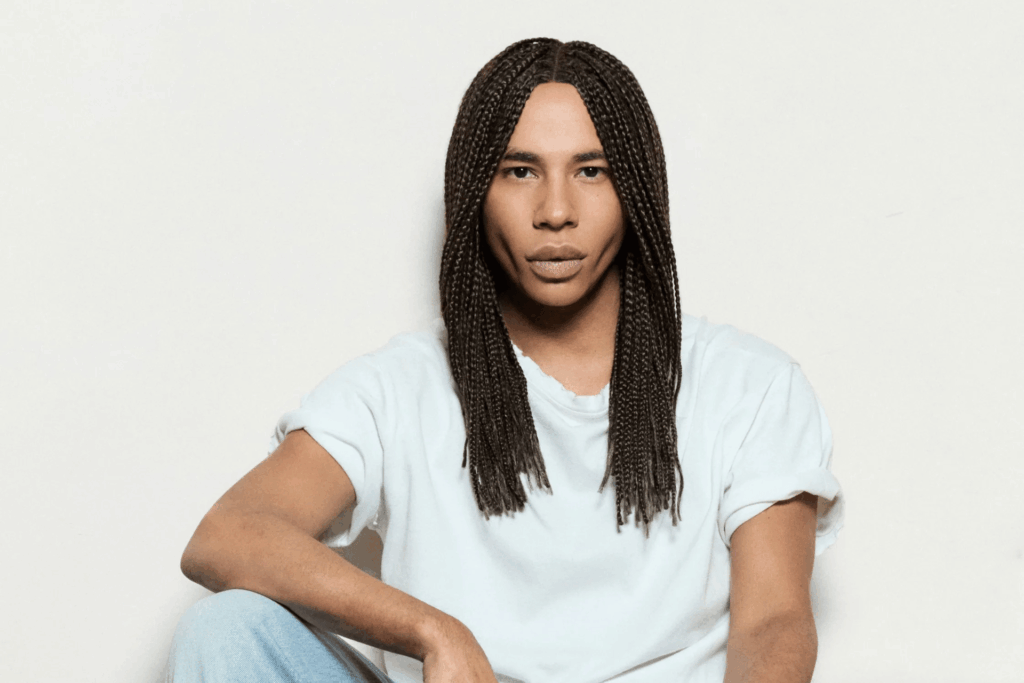
After 14 transformative years, Olivier Rousteing is stepping down as creative director of Balmain, marking the end of one of fashion’s most visible and disruptive eras. Appointed in 2011 at age 25, Rousteing redefined the Parisian house through diversity, celebrity power, and digital-era inclusivity, turning Balmain into a €300 million global brand. From launching the “Balmain Army” to reviving couture and expanding into beauty, his tenure fused heritage with pop-culture influence. Under new leadership, Balmain now seeks a fresh creative direction as Rousteing, who shaped a generation’s idea of luxury fashion, looks ahead to his next chapter. 

Via: Vogue 


Stay ahead of the curve; explore more stories, register for upcoming events, and join the conversation with WLCChttps://worldluxurychamber.com/insights-news/   

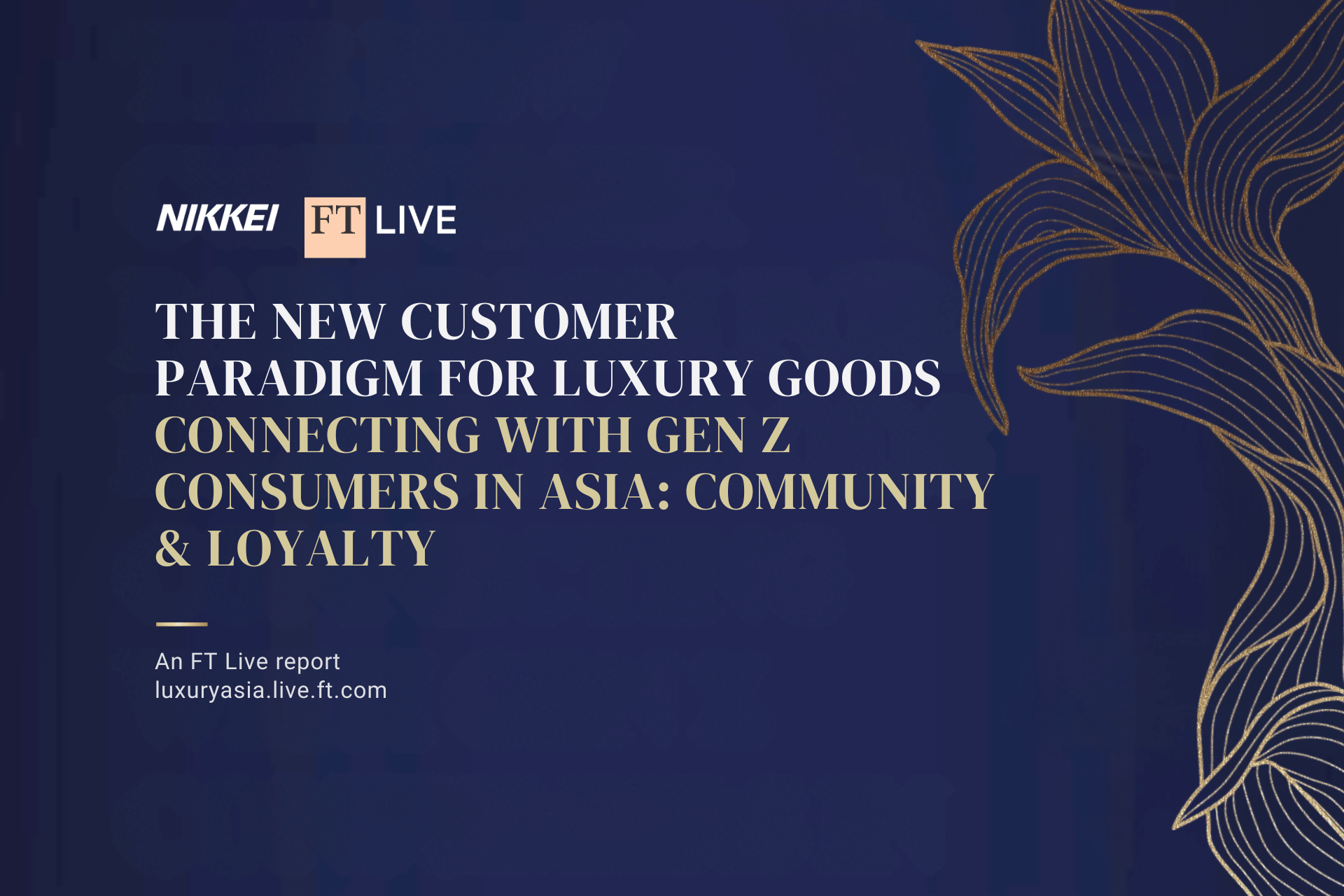
Tomorrow’s Luxury: Gen Z Expectations Across Asia by FT Live 

What happens when luxury is no longer about what you own, but how it makes you feel, share, and connect? That is the central question at the heart of The New Customer Paradigm for Luxury Goods, a report by FT Live that explores how Asian markets (particularly among Millennials and Gen Z) are reshaping the industry. 

The findings are clear: younger consumers in Asia are setting the pace for global luxury, demanding experiences that speak to their identity, loyalty programs that offer real value, and brand strategies that go far beyond traditional product launches. For insiders, this signals a decisive moment: adapting to these shifts is no longer optional but essential. 

Storytelling as Strategy, Not Decoration 

The report highlights that in China, customers respond more to innovation, digital presence, and cultural relevance than to discounts or promotions. Effective storytelling now means creating emotional touchpoints. 

This is supported by PwC’s research, which shows that Chinese shoppers are more influenced by social media, personalized digital content, and brand innovation than their global counterparts. The message for brands is simple: don’t just describe a product, explain how it fits into the consumer’s life and values. 

Loyalty Needs to Feel Like a Game, not a Chore 

Standard loyalty cards and points are losing impact. The report shows that 43% of Asian consumers believe traditional loyalty systems offer little value. Instead, programs that reward with exclusivity and interaction are gaining ground. 

Examples include Chanel’s digital “playing cards” for beauty purchases or Rolls-Royce’s “Whisper” loyalty program, which doubles as a private network for owners and grants access to rare cultural opportunities. These approaches highlight that loyalty must feel exciting, accessible, and rewarding. 

Experiences Are Outperforming Products 

According to the Bain-Altagamma study cited, the personal luxury goods market shrank by 2% in 2024, while experiential luxury grew. Pop-ups, immersive events, and lifestyle activities are capturing attention. 

Louis Vuitton’s beach boutique in Xiamen and Hermès’ interactive “Mystery at the Grooms” pop-up in Shanghai show how experiences create cultural impact while reinforcing product desirability. For Gen Z, sharing these moments on social platforms is as valuable as the purchase itself. 

Wellness Becomes a Luxury Lifestyle Marker 

The wellness industry in China is booming, forecasted to triple from $25.6 billion in 2022, and this figure is forecasted to grow much further by 2030. Younger consumers are investing in nutrition, gyms, social sports, and mental health, and luxury brands are entering this space. 

Gucci’s collaboration with Oura on a health-tracking ring demonstrates how well-being is merging with fashion. Meanwhile, metaphysical practices such as tarot or crystals are gaining traction among Gen Z with accessories. Wellness is no longer niche; it’s mainstream, and it’s an area that luxury cannot ignore. 

Identity and Sustainability Are Non-Negotiable 

The report underscores that luxury is now closely linked to values. Sustainability resonates strongly: 85% of mainland Chinese luxury customers say it matters, and nearly half are willing to pay more for environmentally responsible products. Eco-tourism and low-carbon travel are also on the rise, with 84% of respondents in PwC’s survey believing brands should take responsibility for reducing their environmental footprint. 

Secondhand luxury, once stigmatized in China, is now thriving: 59% of mainland Chinese luxury consumers bought pre-owned items in 2024, mainly to express individuality. Auction houses and resale collaborations are helping brands enter this space without eroding exclusivity. 

Main Conclusions

The report signals a decisive transformation in Asia’s luxury sector. Products alone no longer guarantee loyalty. Consumers, especially Gen Z, expect brands to deliver stories that resonate, experiences worth sharing, and values that align with their own. 

The momentum is shifting toward engagement, wellbeing, sustainability, and identity. For brands, this means rethinking strategy: exclusivity should be earned through interaction, experiences must be designed for both impact and shareability, and sustainability cannot remain an afterthought. What truly matters is how consumers connect with a brand, live with it, and see their own values reflected in it. 

To view the full report, visit:  https://luxuryasia.live.ft.com/home  

Stay up to date on the latest luxury industry news: https://worldluxurychamber.com/insights-news/

Self-Hospitality Is the New Luxury: An Exclusive Interview with Liz Batsche, Founder of Well Hosted

In an exclusive interview led by Alexander Chetchikov, President of the World Luxury Chamber of Commerce, Liz Batsche, founder of Well Hosted, shares her transformative vision of modern luxury. A former investment banker and luxury brand marketer, Batsche has spent years merging the worlds of self-development and hospitality, guiding individuals and brands toward cultivating presence, connection, and care. Through her proprietary Well Hosted Mindset, she reveals how the most profound luxury begins not in lavish surroundings, but from within.

Alexander Chetchikov: You often say that “great hosting starts within.” What does that mean, and how does it redefine leadership in today’s luxury landscape?

Liz Batsche: Luxury used to mean more. Now it means meaning. Great hosting starts within because presence, generosity, and grace can’t be faked: they have to be felt. When leaders learn to host themselves first – to regulate, to notice, to replenish — they naturally lead with more empathy, creativity, and composure. That’s the new luxury: emotional fluency in a world addicted to performance.

AC: You’ve led Hospitality & Etiquette workshops for leading luxury maisons. What have these experiences revealed about how modern luxury service and the people behind it are evolving?

LB: Modern luxury is moving from service to sincerity. Associates aren’t just trained to serve; they’re empowered to connect. The next generation of luxury professionals want to bring their humanity to the job; this includes their intuition, personality, and warmth. As artificial intelligence and automation become more prevalent, the ability to make someone feel truly recognized is the new differentiator. Etiquette and hospitality become tools not for perfection, but for presence: a way to make every client feel seen, not sized up.

AC: Your Well Hosted Journey and H.O.S.T. framework (Human-Centered Observation with Signature Style & Taste) feel both timeless and modern. How can brands and teams bring these principles to life in their daily guest experiences?

LB: To H.O.S.T. is to shift from transaction to transformation with ourselves and others.

  • Human-Centered: The art of presence, for yourself and others.
  • Observation: The luxury of noticing: that’s where true personalization lives.
  • Signature Style: Your defining details: these are your differentiators.
  • Taste: Refinement in action: it’s how we express respect.

When teams practice those behaviors consistently, both associate and guest experiences (what I like to call The Well Hosted Journey) are elevated from mundane to magnificent.

AC: Etiquette is often perceived as rigid or outdated. How do you reframe it as a contemporary expression of empathy and excellence rather than rules and restrictions?

LB: Etiquette isn’t about hierarchy; it’s about harmony. It’s not “follow the rulebook,” it’s “read the room.” True etiquette is emotional intelligence in motion; I like to call it the “other EQ”. It’s how we create ease for others so we can enjoy shared moments.. When practiced with warmth and awareness, etiquette becomes one of the most modern expressions of respect there is, not only for others, but for ourselves!

AC: You love the term “self-hospitality,” the idea of caring for yourself the way you’d care for a valued guest. How does that mindset transform the way leaders and teams show up for others?

LB: You can’t pour from an empty well, though luxury service often expects it. Self-hospitality is the quiet revolution: the art of filling your own well first. When you tend to yourself with the same care you offer others, you lead from overflow, not depletion. As the airline safety announcement reminds us, “Put on your oxygen mask first.” That simple act of self-priority turns service into soul work, and hospitality into something sacred for all parties involved.

AC: Finally, what do you believe defines luxury hospitality in 2025, and how can we all live a little more Well Hosted in our own lives?

LB: Luxury Hospitality in 2025 is defined not by perfection, but by presence. The most magnetic brands and people feel authentic, aware, and deeply human. We need a touch of friction!  Without it, life becomes flat. To live Well Hosted is to extend care inward. As 2026 begins, hospitality remains a foundational luxury: our proof that human connection will always outshine computer code.

Thank you, Liz! Batsche leaves a clear message: luxury is not defined by extravagance but by emotional presence, authenticity, and connection. By embracing self-hospitality, leaders and brands alike can elevate not just their service, but the humanity at its heart. In the words of Batsche, “To live Well Hosted is to extend care inward, creating a ripple that enriches every interaction.”

Follow her journey: https://www.linkedin.com/in/liz-batsche/

Want to read more exclusives? Check out our news and insights: https://worldluxurychamber.com/insights-news/ & sign up for our newsletter here: https://worldluxurychamber.com/wlcc-community/

The WLCC Weekly Edit: Cape Town’s Culinary Scene, Don Julio Pop Up, Gulf Luxury Market & More

Welcome to The Weekly Edit, your curated digest of the latest in the world of luxury. Each week, WLCC brings you a handpicked selection of industry news, insights, and stories influencing the future of high-end fashion, design, travel, real estate, and beyond. Consider this your insider’s guide to the latest in luxury.     

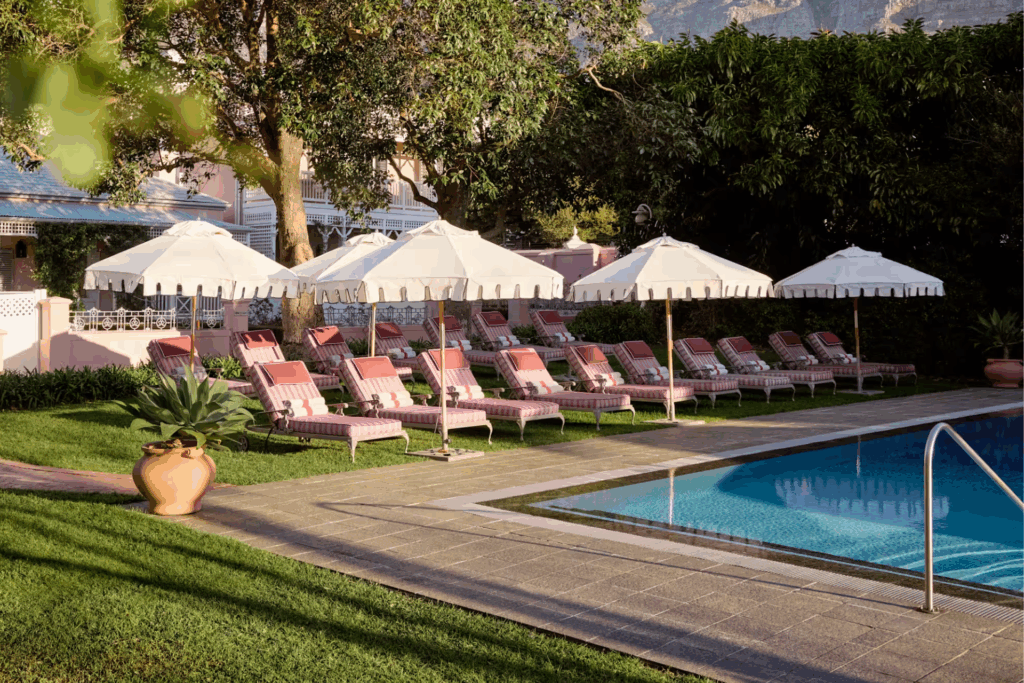
Above: Image from Belmond Mount Nelson 

Mount Nelson Celebrates Cape Town’s Fashion and Culinary Scene in 2025 

Cape Town’s Mount Nelson, A Belmond Hotel, is boosting culture, design, and gastronomy in 2025 with a series of landmark projects. South African designer Thebe Magugu introduces the THEBE MAGUGU SUITE and MAGUGU HOUSE, a concept space celebrating local creativity and storytelling. Culinary innovation comes to the fore with AMURA by three-Michelin-star Chef Ángel León, an immersive dining experience inspired by the Cape coastline and Andalusian heritage. The hotel also hosts the fourth edition of CONFECTIONS x COLLECTIONS from 6–8 November, highlighting Pan-African fashion and embedding Magugu’s Spring/Summer 2026 collection into a permanent space within the property. 

Via: Belmond Media Hub, Belmond Mount Nelson 

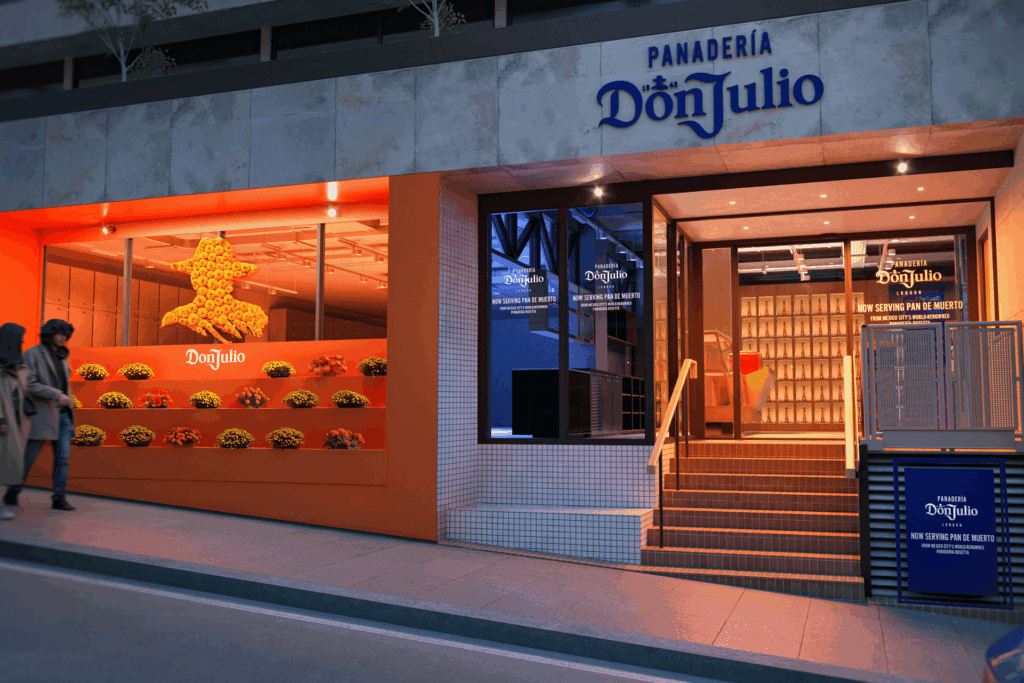
Above: Image from Diageo 

Don Julio x Panadería Rosetta: Bringing “Día de Muertos” Traditions to Life 

“Día de Muertos” comes alive around the world with Don Julio’s Panadería Don Julio pop-up experience, created in collaboration with Mexico’s Panadería Rosetta and Chef Elena Reygadas. Launching in over twelve cities, including Bogotá, London, Los Angeles, Delhi, and Johannesburg, the pop-ups celebrate the traditional pan de muerto while incorporating tequila bar elements. Guests can enjoy Handshake Speakeasy cocktails, candlelit Ofrendas, marigolds, and festive rituals, connecting communities through remembrance and celebration. By combining culinary artistry and cultural storytelling, Panadería Don Julio offers an immersive experience that honors Mexican heritage while sharing Don Julio tequila, crafted from 100% Blue Weber Agave, with audiences worldwide. 

Via: Diageo 

High-Net-Worth Buyers Seek Exclusivity as Gulf Luxury Market Expands 

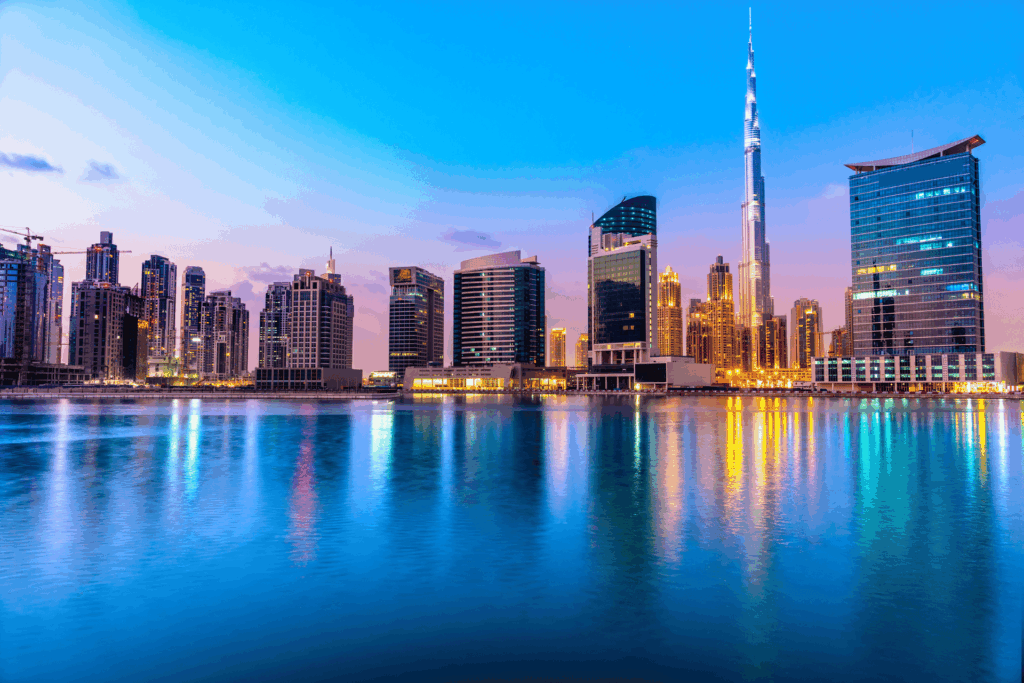
The Gulf is emerging as a key hub shifting toward experiences, identity, and exclusivity. Cities like Dubai and Riyadh are attracting thousands of high-net-worth individuals, thanks to their strong infrastructure, lifestyle, and governance. DarGlobal has invested heavily in co-branded real estate developments, including Trump Tower Jeddah and Neptune villas in Riyadh, targeting affluent buyers from around the world. These projects integrate residential, retail, cultural, and entertainment elements, positioning luxury communities as economic and cultural anchors within their cities. With the region’s luxury market growing rapidly, the Gulf is becoming a central destination for high-end goods and experiences. 

Via: Fortune & Fortune LinkedIn 

The Chinese Luxury Market: Signs Of Revival & Brands Engagement 

As China’s luxury market shows early signs of recovery, brands are focusing on high-income consumers with tailored experiences. LVMH, Hermès, and others are hosting intimate dinners, exclusive events, and VIP store areas to strengthen engagement rather than expand rapidly. Nanjing Deji Plaza, featuring Louis Vuitton, Chanel, Dior, and Hermès, has become a key location for these initiatives, becoming China’s top-performing mall in 2024 with sales of 24.5 billion yuan ($3.4 billion). Analysts report China’s share of global luxury purchases has dropped to 22% from a pandemic-era peak of 33%, highlighting cautious optimism for the sector. 

Via: Reuters 

Prada Group Posts 9% Revenue Growth, Miu Miu Drives Momentum 

Prada Group reported strong growth for the first nine months of 2025, fueled by the continued momentum of Miu Miu, which outpaced its namesake brand. While Prada saw a slight decline, Miu Miu’s performance helped lift the group overall. Retail sales improved across all regions, led by Asia Pacific, Europe, and the Americas. These results come ahead of Prada’s €1.25 billion acquisition of Versace, which is expected to broaden the group’s portfolio and attract new customers. Despite positive trends, the luxury sector remains sensitive to China’s market recovery, global economic uncertainty, and evolving trade dynamics. 

Via: BOF 

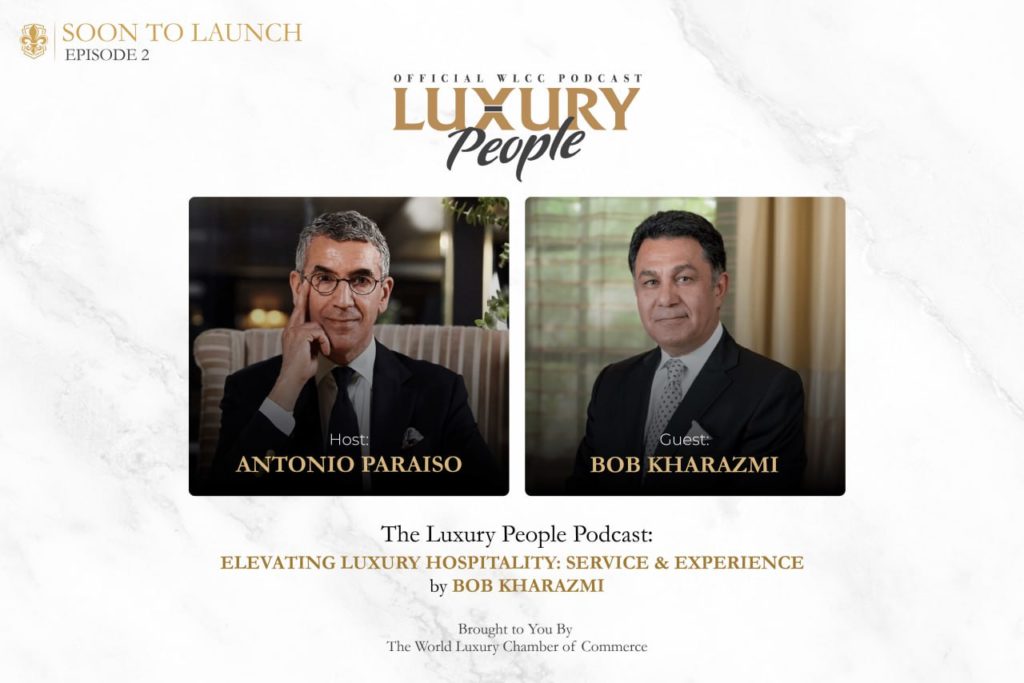
Soon To Launch: Luxury People Podcast | EPISODE 3

The next episode of the Luxury People Podcast, hosted by Antonio Paraiso, features Philippe Mihailovich, founder of HAUTeLUXE, lead author of Haute Luxury Branding, and WLCC Honorary Board Member. Discover his expert insights on what elevates brands into the rarefied world of haute luxury, ethical sourcing with exclusivity, and the evolving challenges luxury leaders face.

You do not want to miss this-mark your calendar for 11 November to stay curious and inspired!

Via: WLCC 

Stay ahead of the curve; explore more stories, register for upcoming events, and join the conversation with WLCC: https://worldluxurychamber.com/insights-news/      

Exclusive Interview with Sabah Kaddouri: How Wellness Became a Global Luxury Trend

Sabah Kaddouri, renowned journalist and editor-at-large, has spent several years covering business innovators, entrepreneurship, women in leadership, and luxury lifestyle. In this exclusive interview with
Alexander Chetchikov, president of World Luxury Chamber of Commerce, Sabah shares insights on the booming wellness and longevity sector, its luxury intersections, and the evolving demands of discerning consumers. 

Alexander Chetchikov: A-list celebrities recognized the importance of investing in their health and well-being early on. When did this once-exclusive trend evolve into a major economic force, and why?  

Sabah Kaddouri: The global pandemic has reminded us of an implacable truth: our health is our primary asset. People questioned their lifestyles and scrutinized social media, inspired by those who shared their healthy habits. They discovered an economy that already addressed these needs and was just waiting to be stimulated. Thus, starting in late 2020, everyone understood the need to develop their research, their offerings, and their strategies in this area. From hospitality to the world of tech and industry, there is a convergence.  

AC: Who have been the key historical pioneers and influencers in the longevity and wellness industry?  

SK: The wellness and longevity industries have mutually fueled the quest for the perfect body of highly exposed personalities (artists, models, star entrepreneurs, etc.), but also the demands of high-level athletes. Their careers are conditioned by their physical fitness. This circle of initiates met (and still meet) in medical spas. The Palace Merano in Italy, La Clinique La Prairie in Switzerland, and the Buchinger Wilhelmi Clinic in Germany are pioneers in this field.  

AC: With consumers more educated and discerning than ever, what are the expectations and demands shaping the wellness market today?  

SK: Today, we want to be able to maintain our good daily habits by visiting medical hubs located in cities. Like a gym where we exercise regularly, these hubs have become the urban extension of medical spas. Recognized addresses have understood this well by setting up in major capitals, offering a holistic approach by supporting the main pillars of our lives: fitness, nutrition, sleep, anti-aging, etc. Increasingly educated consumers expect highly personalized protocols.  

AC: How is the luxury sector responding to the growing demand for wellness and longevity solutions?  

SK: Med-spas certainly offer the most advanced protocols, but their number is limited, so we’re seeing the rise of luxury hotels that took up the subject four or five years ago. A hotel spa is no longer just a space where you can get a massage or take a dip in the pool, but a true temple of well-being offering a wide range of treatments. Both visiting and local guests have access to experts (facialists, naturopaths, yoga masters, Ayurvedic doctors, etc.), not to mention the catalog of therapies offered (light therapy, vitamin infusions, EMS machines using electrostimulation, etc.). Whether you’re staying at the Park Hyatt London River Thames, the Plaza Athénée in Paris, or the Peninsula Istanbul, we know you’ll find this component. 

AC: With icons like Demi Moore, J.Lo, and Julianne Moore redefining aging, is sixty truly becoming the new forty?  

SK: Yes. We are witnessing a revolution in the image of women in their fifties and sixties. Led by icons like Demi Moore, J.Lo & co, women aged 50+ have changed the narrative and the way we look at them. Strong and confident, they benefit from the combination of several factors – which their elders did not experience – such as the postponement of the retirement age, the implementation of more egalitarian laws, technological leaps, particularly in medical and aesthetic matters, greater representation of women in positions of power, the evolution of their roles in cinema… All of this has contributed to this new reality. These women like to take care of themselves and are very well supported. Anonymous or famous, they have many role models to identify with.  

AC: As a busy editor-at-large for major publications, what are your personal strategies for maintaining balance and prioritizing a healthy lifestyle?  

SK: In my hectic daily life, I press pause twice a year by going on a wellness retreat. I often fast in a specialized place or I choose a detox week to cleanse my body of all the toxins accumulated in my diet, because of the pollution. For 7 to 12 days, I perform a real reset of the body and mind to better start again. In my everyday life, I practice yoga and Pilates, which have a thousand benefits. The best way to maintain a good balance in your lifestyle is to read books, articles, listen to podcasts on the subject, or follow dedicated accounts on social networks. This allows, I find, to always keep in mind that health is the key to longevity. 

Thank you, Sabah, for sharing your insights! Follow her journey here: https://www.linkedin.com/in/sabah-kaddouri-45987b65/ 

Want to read more exclusives? Check out our news and insights: https://worldluxurychamber.com/insights-news/ & sign up for our newsletter here: https://worldluxurychamber.com/wlcc-community/

The WLCC Weekly Edit: Nordic Luxury, Armani Leadership, Kering x L’Oréal, Gourmet Dining & More

Welcome to The Weekly Edit, your curated digest of the latest in the world of luxury. Each week, WLCC brings you a handpicked selection of industry news, insights, and stories influencing the future of high-end fashion, design, travel, real estate, and beyond. Consider this your insider’s guide to the latest in luxury.   

Above: Image from Hilton  

Luxury Arrives in Finland: Waldorf Astoria Helsinki Makes Its Grand Debut 

Waldorf Astoria has opened its first Nordic property with the debut of Waldorf Astoria Helsinki, located in the city’s historic Kruununhaka district. Owned by M&L Group and operated by Hilton, the hotel spans four restored buildings and features 116 rooms, including 32 suites with private spas and terraces. Highlights include the Peacock Bar, inspired by Waldorf Astoria New York, and a Nordic Wellness Spa with Finnish sauna rituals. Guests enjoy the brand’s hallmark Personal Concierge service. The opening marks Hilton’s first luxury hotel in Finland, strengthening its presence across Europe’s key cultural destinations. 

Via: Hilton  

Leadership Change at Armani: Giuseppe Marsocci Steps In 

In a defining move for the future of the Giorgio Armani Group, Giuseppe Marsocci has been appointed CEO following the passing of founder Giorgio Armani. A trusted figure within the company for 23 years, Marsocci will steer the brand through a critical phase as it prepares to sell a 15% stake within the next year-and-a-half, in line with the late designer’s will. Potential buyers include LVMH, L’Oréal, and EssilorLuxottica, with an IPO as a possible fallback. Despite softer sales amid a luxury slowdown, Armani’s valuation stands between €4–7 billion, with Marsocci expected to ensure strategic continuity. 

Via: BOF  

A New Era for Luxury Beauty: Kering Teams Up with L’Oréal 

Kering and L’Oréal have entered a long-term strategic partnership valued at €4 billion, marking a major shift in the luxury beauty sector. The deal includes L’Oréal’s acquisition of the House of Creed and 50-year exclusive beauty and fragrance licenses for Gucci, Bottega Veneta, and Balenciaga once the existing Coty agreement expires. Beyond beauty, the two groups plan a 50/50 joint venture exploring innovation in wellness and longevity. The alliance combines Kering’s luxury brand portfolio with L’Oréal’s global expertise in cosmetics, aiming to accelerate growth across high-potential segments. The transaction is expected to close in the first half of 2026. 

Via: Kering  

Gourmet Dining Becomes the Latest Luxury Retail Strategy 

Luxury retailers are increasingly integrating gourmet dining into their spaces, turning shopping into immersive experiences, writes Rania V. Sedhom. In NYC, Bergdorf Goodman, Saks Fifth Avenue, and Armani have long featured food, while Dior, Tiffany, and Louis Vuitton are now following suit. Exclusive concepts like Kith’s Moroccan eatery club combine dining with brand engagement. According to Sedhom, restaurants not only generate a new revenue stream but also deepen connections with loyal and potential customers by showcasing service, ambiance, and products. She predicts that luxury brands will expand into hotels, wellness centers, spas, and private clubs, marrying experiences with product sales. 

Via: Luxury Daily  

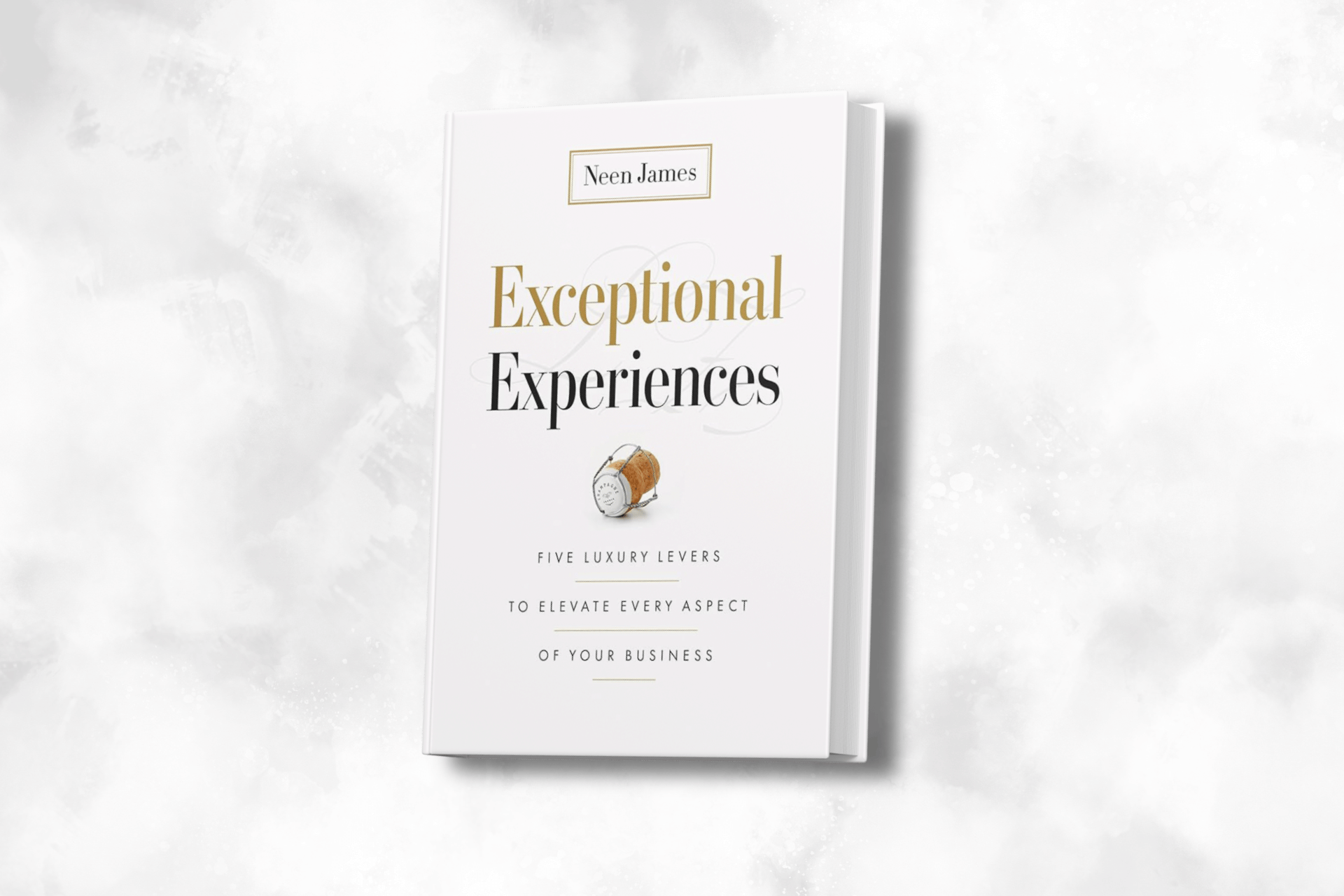
Luxury Book of the Month: Exceptional Experiences By @‌NeenJames 

In Exceptional Experiences, Neen James offers a practical guide to elevating client interactions and building lasting loyalty in any industry. Drawing on decades of consulting for luxury brands and insights from global leaders, James demonstrates how principles once reserved for high-end markets can transform everyday business practices. Her “five luxury levers”(entice, invite, excite, delight, and ignite) show how to turn ordinary touchpoints into memorable moments that make clients feel valued. The book equips leaders and teams to embody the essence of personalization, anticipation, emotional resonance.  

Via: WLCC 


Stay ahead of the curve; explore more stories, register for upcoming events, and join the conversation with WLCChttps://worldluxurychamber.com/insights-news/   

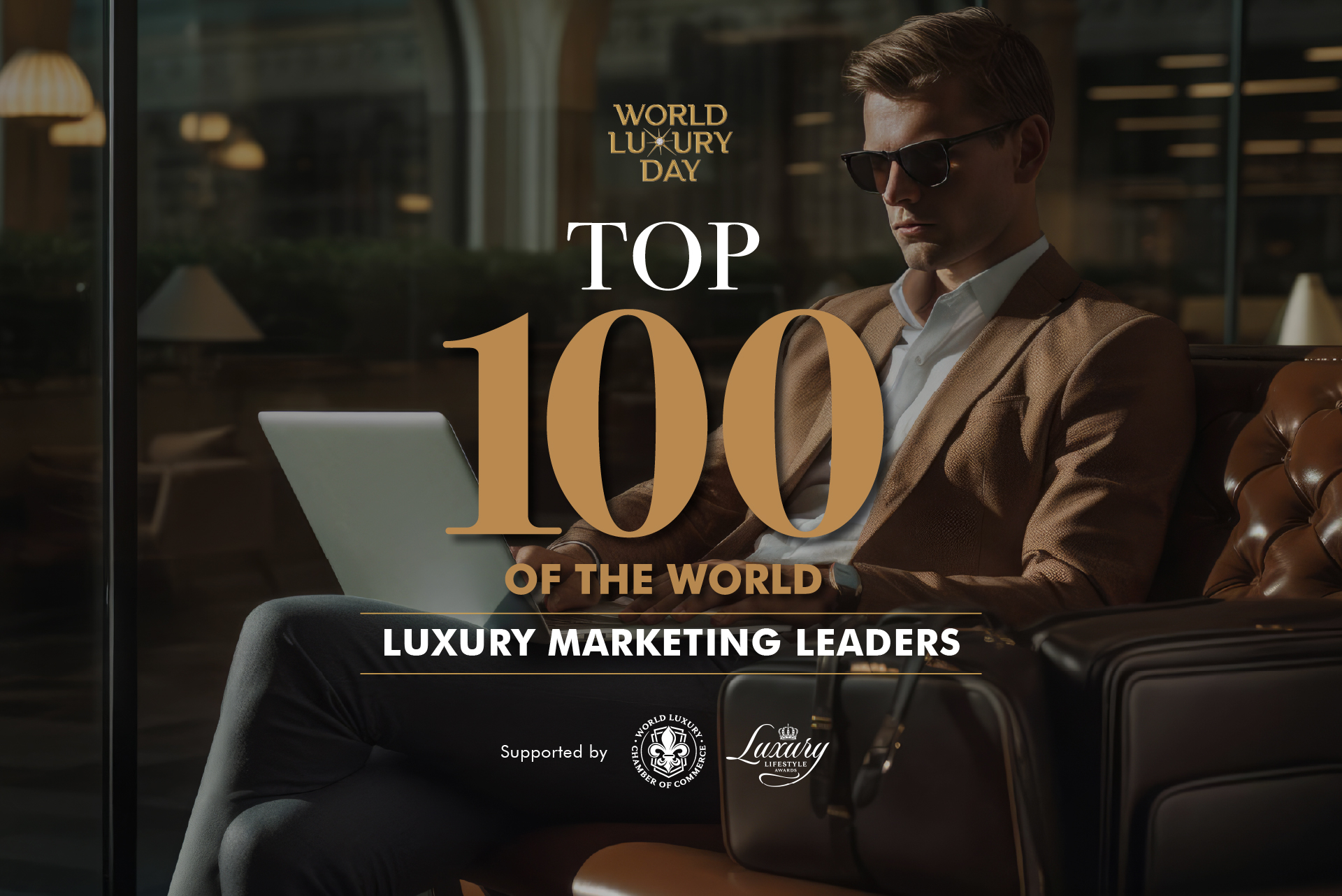
Luxury Marketing’s Finest: WLCC Honors the TOP 100 Leaders of 2025

In celebration of World Luxury Day, Luxury Lifestyle Awards and World Luxury Chamber of Commerce (WLCC) proudly reveal the TOP 100 Luxury Marketing Leaders of 2025, a showcase of the brightest minds driving the luxury marketing world forward. These leaders are recognized not just for their achievements but for the respect they command across the industry.

The TOP 100 celebrates the most trusted and respected leaders in luxury. Across each major category, Luxury Lifestyle Awards, alongside WLCC, highlight companies and individuals who have earned customer loyalty and the admiration of experts. This list honors those who have excelled in delivering exceptional luxury experiences throughout the year.

The selection process focused on a fusion of reputation, credibility, and peer admiration. Those featured have built a distinguished track record in luxury, backed by recognition from prestigious industry institutions. Their expertise and insights influence how luxury brands connect with audiences, innovate campaigns, and set new standards. Above all, these leaders are celebrated by their peers for their vision, dedication, and the impact they have made on colleagues and the wider luxury community.

Alexander Chetchikov, President of the World Luxury Chamber of Commerce, commented, “This year’s list is about celebrating the people whose creativity, drive, and commitment have elevated luxury marketing. They inspire their teams, impress their peers, and push the industry to new heights. World Luxury Day is the perfect moment to shine a light on their exceptional contributions.”

From seasoned executives to rising stars, the TOP 100 Luxury Marketing Leaders of 2025 represent a global spectrum of talent, influence, and accomplishment. Each individual has left a mark on the brands they serve and continues to set benchmarks for excellence, innovation, and professionalism in luxury marketing.

Discover the full list of these extraordinary professionals below, in alphabetical order:

  1. Adeline Goh, Celine
  2. Ahmed Chaaban, Richard Mille
  3. Agnieszka Rog-Skrzyniarz, Marriott International
  4. Alessandro Galli, Zegna
  5. Alessio Puleo, Marcolin
  6. Alvin Looi, William Grant & Sons
  7. Amandine Mackwood, Charlotte Tilbury Beauty
  8. Amélie Lacan, L’Oréal
  9. Anna Aner, Lacoste
  10. Anne Krisulewicz, La Prairie, Switzerland
  11. Arabella Rufino, Stella Mccartney
  12. Arjan Ackerman, Boucheron
  13. Arnaud Carrez, Cartier International
  14. Aurélie Darmon, Messika Paris
  15. Aurelien Sauvard, Ferrari
  16. Becky Vera Silvin, Chopard
  17. Ben Hallam, Four Seasons Hotels and Resorts
  18. Betty Peng, Salvatore Ferragamo
  19. Caroline Fall, Marriott International
  20. Cedric Davy, Automobili Lamborghini S.p.A.
  21. Charlie Smith, LOEWE (LVMH)
  22. Charlotte Garel Joyeux, Dom Pérignon
  23. Charmaine Lin, Banyan Group
  24. Chris Arambul, Giorgio Armani
  25. Christophe Georges, Bentley Motors
  26. Claudia Sabatini, Gucci
  27. Cliff Fleiser, Salvatore Ferragamo
  28. Daniell Chen, Ferretti Group
  29. Edward Simon, Oettinger Davidoff AG
  30. Edward Walsh, Richemont
  31. Federica Cingolani, Kering Eyewear
  32. Florent Canepa, Mercedes-Benz AG
  33. Franziska A. Gsell, IWC Schaffhausen
  34. Freya Costello, Four Seasons
  35. Gaspard Barthelemy, Piaget
  36. Gerard Duran, Harrods
  37. James Hunter, Ralph Lauren
  38. Jamie Kesselman, Fendi
  39. Jean-Philippe Bonneau, Manufacture Roger Dubuis
  40. Jeremie Bernheim, RAYMOND WEIL
  41. Jessica Levine, Canada Goose
  42. Julie Bramham, Diageo
  43. Justina Morales, Cincoro Tequila
  44. Kirstee Wilson, Breitling
  45. Laura Didoni, PVH
  46. Lauren Laffort Wanecq, Tom Ford Beauty
  47. Leonardo Allasia, Poltrona Frau
  48. Linda Schultes, The World
  49. Lori Strasberg, Preferred Hotels & Resorts
  50. Lou Houllier, ASSOULINE
  51. Louis Yao, Van Cleef & Arpels
  52. Manuela Meci, Dolce & Gabbana Beauty
  53. Marco Valle, Ferrari
  54. Marie-Laure Trichard, Bell & Ross
  55. Matteo Atti, VistaJet
  56. Matthias Prange, Ferrari
  57. Melanie Boury, KRUG Champagne
  58. Mélanie Crété, Coty
  59. Melissa Lee Green, Shiseido
  60. Mellisa Lim, Vacheron Constantin
  61. Mic Adilardi, IHG Hotels & Resorts
  62. Michael Bernier, Tiffany & Co.
  63. Michela Ratti, Ferragamo
  64. Michelle Myers, Hilton
  65. Miki Takahashi, Jaeger-LeCoultre
  66. Misty Belles, Virtuoso Travel
  67. Mounia Mechbal, Rolex Watch USA
  68. Myriam Soberon, Coty
  69. Nadia Assi, Montblanc
  70. Nelson Elliot Gillum, Möet Hennessy
  71. Nessim A. Khalfi, Sephora
  72. Nicole Baum, Moschino
  73. Nicole Briata, Luisa Spagnoli
  74. Olga Careccia, Bang & Olufsen
  75. Orla Colgan, Harry Winston
  76. Pietro Zambetti, Maserati
  77. Rachel Walsh, TAG Heuer
  78. Ragnar Schulte, Porsche AG
  79. Raphael Mingam, Chaumet
  80. Renato Meier, BREITLING
  81. Ruthie Hunt, IHG Hotels & Resorts
  82. Samantha Chevalier, Christian Dior Couture
  83. Sara Trombetta, Roger Vivier
  84. Sarah Barr, Crystal Cruises
  85. Sarah Zaouk, ZENITH Watches
  86. Serena Bruni, Bvlgari
  87. Shemi Alovic, Bally
  88. Shivani Mahtani, The Washington Post
  89. Sophie Masson, Shiseido
  90. Tanya Yeung, Baccarat Asia
  91. Thibaut Pellegrin, LV
  92. Thomas Crye, Cartier
  93. Thomas Moradpour, Campari Group
  94. Tonia Mancino, Rémy Cointreau
  95. Victoria Montgomery, Rolls-Royce Motor Cars
  96. Violaine Basse, Ruinart
  97. Virginia Stacchiotti, Moncler
  98. Vittoria Pietropoli, Jacquemus
  99. Yoshikazu (Yoshi) Shimaoka, Moët Hennessy
  100. Yunji Michelsen, Harry Winston

Celebrate World Luxury Day and connect with the industry’s elite, discover the World Luxury Chamber, and join the global luxury experience: https://worldluxurychamber.com/

Technology in the AI Era: Insights by Bain & Company

AI’s reach is broader than any recent tech wave, and Bain & Company’s “Technology Report 2025: AI Leaders Are Extending Their Edge” examines how artificial intelligence is transforming industries and power structures with a scale and velocity unseen in recent decades. Authored by David Crawford, Anne Hoecker, and Dana Aulanier, the report underscores the defining truth of our era: those already leading with AI are accelerating ahead. At the same time, those waiting to adapt are being left behind.

The analysis, grounded in extensive market data and executive interviews, delves into the dynamics shaping value creation, the evolution of sovereign technology strategies, and the emergence of agentic AI systems capable of executing entire workflows autonomously. For luxury industry leaders, the findings hold particular resonance. The technology shifts Bain describes are not confined to Silicon Valley; they will directly influence design, production, retail experiences, and sustainability across the world’s most exclusive sectors.

AI as the Great Divider

Bain identifies artificial intelligence as the decade’s defining disruptor. Unlike past technology waves, AI extends across every layer of enterprise and governance, reshaping trade, security, and culture.

  • By mid-decade, AI leaders were already improving profitability by 10% to 25%.
  • The introduction of agentic AI systems marks a new phase: machines capable of acting independently, optimizing operations, and redefining productivity.
  • For those still “piloting,” Bain warns, the gap is growing insurmountable.

Value Evolution: Winners, Challengers, and the Shifting Stack

The report observes that dominant technology firms (Amazon, Microsoft, Alphabet, Apple, Meta, and Nvidia) continue to hold extraordinary market power, collectively representing over 70% of total sector value. Yet, Bain notes that new contenders are gaining ground:

  • OpenAI now commands an estimated $300 billion valuation.
  • Other AI companies like Glean, Anthropic, Mistral, and Anysphere are pioneering and have huge valuations
  • Competition now extends beyond software into infrastructure, devices, and even search, where AI-driven platforms are beginning to replace traditional engines.

For luxury brands, this democratization of intelligence means opportunity. Smaller, agile players, provided they can access advanced models and data, may soon compete with global platforms on personalization, prediction, and creative innovation.

Sovereign Tech and the Fragmented World

Bain’s analysis situates AI within a rapidly fragmenting geopolitical context. Governments, wary of dependence on foreign technology, are investing heavily in sovereign AI: national systems built on local data and cultural frameworks.
Key insights include:

  • China has invested over $250 billion in semiconductor capacity, producing nearly 20% of the world’s logic chips.
  • Europe’s €200 billion InvestAI initiative aims to create “AI gigafactories,”
  • Saudi Arabia’s new AI firm, Humain, plans to build domestic data centers with a combined capacity of 500 megawatts.

For luxury brands with global operations, this means navigating a patchwork of digital sovereignties, adapting personalization models, customer data practices, and AI systems to comply with regional expectations of transparency and ethics.

Investment and Value Creation in a Mature Market

Future value will rely on operational excellence and AI-driven efficiency rather than simple market growth.
Key Bain takeaways for investors include:

  • Revenue growth has historically accounted for 53% of tech investment returns, but saturation and competition are tightening margins.
  • AI will become the primary engine of differentiation, powering personalized offerings, predictive analytics, and value-based pricing.
  • Commercial excellence, including new pricing models and data monetization, will define the next generation of winners.

Strategic Battlegrounds: The Rise of Agentic AI

A core section of the report, Will Agentic AI Disrupt SaaS?, examines how AI agents are transforming software and services by performing full processes autonomously. Bain predicts that:

  • In three years, many routine digital tasks will shift from “human plus app” to “AI agent plus API.”
  • SaaS providers and enterprise platforms must pivot from seat-based pricing to outcome-based pricing, reflecting the tangible value created by AI systems.
  • Control over data will determine power. Proprietary information, not model ownership, will become the true source of competitive strength.

Luxury companies, particularly those in retail and hospitality, can interpret this as a signal to integrate intelligent systems that not only assist but anticipate consumer behavior, optimizing every touchpoint from atelier to boutique.

Meeting AI’s Insatiable Demand for Power

AI’s computational appetite, Bain warns, is outpacing Moore’s Law by a factor of two. Global compute demand could reach 200 gigawatts by 2030, requiring $500 billion in annual infrastructure investment.

  • Even if corporations reinvest all AI-driven savings, the funding gap could exceed $800 billion annually.
  • Algorithmic innovation, quantum computing, and new chip architectures may alleviate some pressure, but power shortages remain a real constraint.

This is especially relevant to luxury real estate and hospitality developers, whose future projects may integrate AI-driven systems for design, sustainability, and service automation. Understanding the infrastructure realities behind these technologies is essential for strategic investment.

Humanoid Robots: From Spectacle to Function

Finally, Bain addresses the surge in humanoid robotics. While public fascination grows, practical deployment remains limited to structured environments such as logistics and manufacturing.

  • Intelligence and perception capabilities are advancing rapidly, approaching human levels within three years.
  • However, dexterity and battery life remain limiting factors; true autonomy may be a decade away.
  • Early adopters, Bain suggests, should pilot now to understand integration challenges, safety protocols, and workforce dynamics.

Luxury manufacturers and hospitality groups may see early value in hybrid humanoid applications, precision assembly, concierge services, or warehousing, where design and experience intersect with automation.

WLCC Perspective: It is essential that luxury brands integrate AI thoughtfully to transform every touchpoint, turning data into artistry and foresight into competitive edge.

Explore the complete 2025 technology report here: https://www.bain.com/insights/topics/technology-report/

Stay up to date on the latest luxury industry news: https://worldluxurychamber.com/insights-news/  

Exclusive Interview: Daniel A. Hostettler on The Art of Ultra-Luxury Hospitality

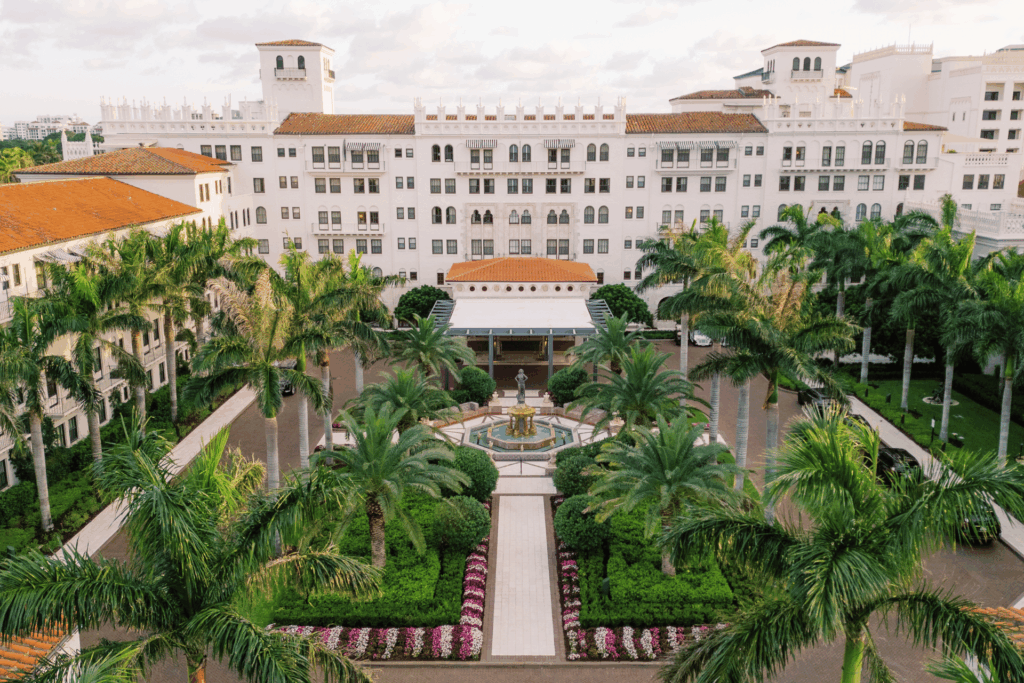
In this exclusive interview, Alexander Chetchikov, President of the World Luxury Chamber of Commerce, sits down with Daniel A. Hostettler, a luminary in ultra-luxury hospitality. With a career spanning Peninsula, Relais & Châteaux and the double Five Star The Boca Raton, Hostettler shares his insights on creating experiences that harmonize intimacy, excellence, and individuality. From his Swiss roots to reimagining one of Florida’s most celebrated resorts, he offers a rare glimpse into the philosophy and discipline that define true luxury.

Alexander Chetchikov: Daniel, your career in hospitality is remarkable. How did your path into luxury begin, and what were the pivotal moments that shaped where you are today?

Daniel A. Hostettler: I was born in Switzerland and raised in Los Angeles, with summers back in Switzerland. The Swiss landscape and long tradition of hospitality education gave me an early respect for precision, order, and service. My father’s work had us traveling often, and these trips were where I found myself drawn to the rhythm and ambiance of well-run hotels and the cross-cultural energy you find in great lobbies.

My time at the Meadowood resort, 1995-2000, which was my first Relais and Châteaux property, was the pivot point: this experience showed me why independent, ultra-luxury hospitality matters. My broader responsibilities as president of Relais & Châteaux here in North America deepened that lesson through owners, chefs, and GMs who put intimacy and individuality first. At The Boca Raton, I try to apply the same approach: protect the sense of place, invest in people, and keep decisions close to the guest.

The Boca Raton
The Boca Raton

AC: What did this role (president of Relais & Châteaux in North America) teach you about maintaining intimacy, excellence, and individuality across such a unique collection of properties?

DAH: The work in this role mostly involves listening to owners, chefs, and GMs, and sharing best practices across individually owned properties.

The typical Relais & Châteaux property is owner-run, no more than 40 rooms in size, with a very high touch level of service and always a strong sense of place.

I learned that intimacy, excellence, and individuality are not in conflict if you’re disciplined about them. You set a clear bar for standards, you share what works across the group, and then you get out of the way so each property’s personality can breathe.

Intimacy is achieved by focusing on each guest in turn and taking proactive steps to honor that individuality.  Excellence becomes a daily habit, not a slogan, and it shows up in small things done consistently. Individuality comes from protecting what is local and true, while holding everyone to the same level of care.

AC: I believe you’ve earned more simultaneous Five-Star ratings than any independent hotelier in history. From your perspective, what truly distinguishes a world-class luxury hotel from one that is simply very good?

DAH: These awards are a byproduct of the high-caliber work of our teams. The difference between “very good” and “exceptional” is what I call consistency with soul. An exceptional hotel…

  • removes friction before you feel it
  • anticipates needs without making a fuss about it
  • carries a clear sense of place
  • has standards that carry over through every handoff
  • empowers its teams to fix anything on the spot
  • provides a service that feels personal because people actually remember you
  • …and never has a bad day.

Each of these attributes is essential if you want to be the best of the best.

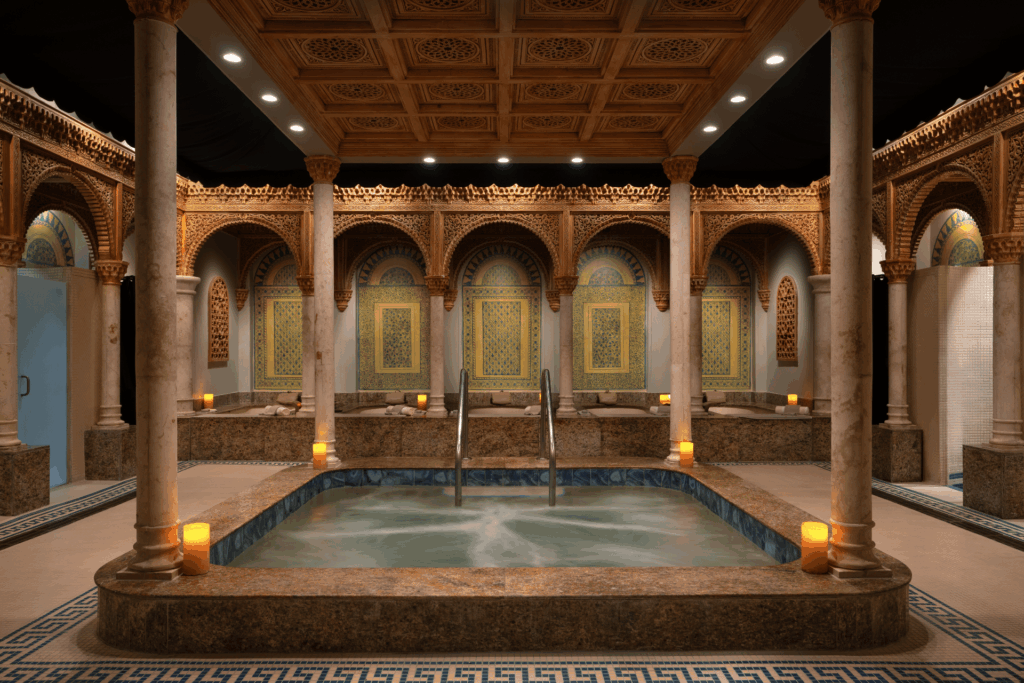
The Boca Raton's Five Star (Forbes-Rated) Spa Palmera
The Boca Raton’s Five-Star (Forbes-Rated) Spa Palmera

AC: When MSD Partners brought you on to reimagine The Boca Raton, you introduced a bold vision that divided the resort into five distinct hotels. How did you approach that reinvention, and what makes each concept stand on its own while still upholding the property’s overall standard of luxury?

DAH: I started by protecting the soul of the place. We mapped the guest path across 200 waterfront acres, listened to the history, and then, as you mentioned, organized the experience into five “hotels,” each with its own style, mood, and target guest – and tied it all together with one service culture. Keeping the service standards consistent is dependent on the way we train and empower teams and the way we make decisions with the guest in mind. Five distinct hotels, one iconic resort.

AC: What do you see as the timeless, non-negotiable hallmarks of luxury hospitality, and what new expectations from today’s guests are transforming the experience?

DAH: The timeless non-negotiables are simple: privacy and discretion, culinary authority, and teams empowered to fix anything on the spot. Rooms and public spaces must work beautifully, and service should remove friction before the guest feels it.

What is changing are expectations about personalization and pace. Guests want preferences set before arrival, flexible spaces that match and facilitate the way they actually travel, and wellness that is more than a menu. They expect technology to make the stay easier and then disappear, and they care that our choices are responsible and rooted in the community. The thread through all of it is intent; everything should feel considered rather than performative.

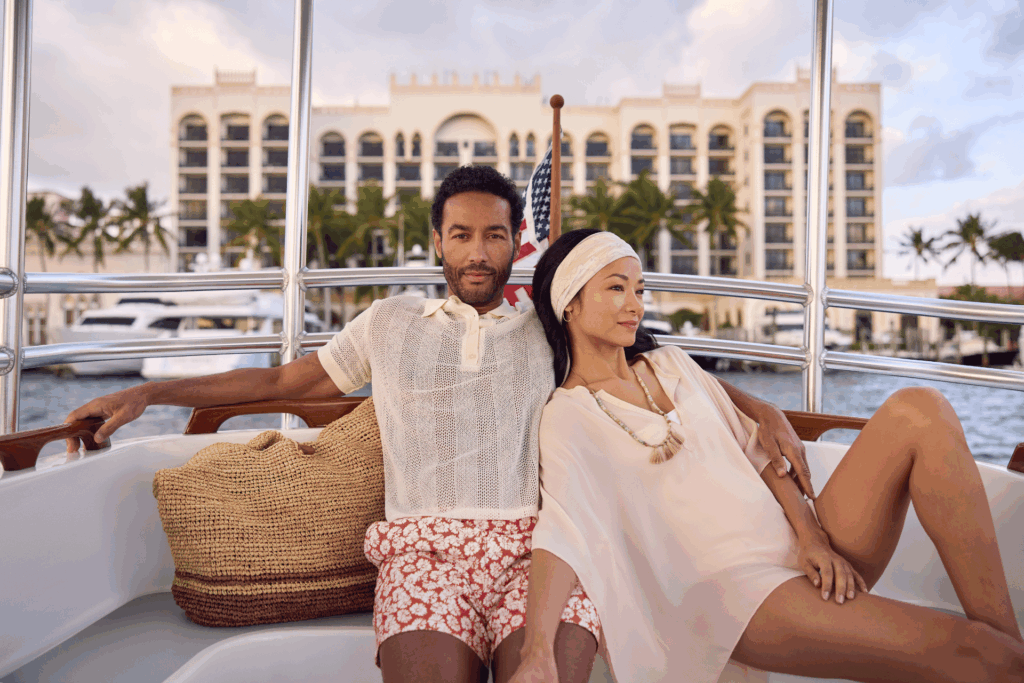
Outside The Boca Raton's Yacht Club Hotel and Water Taxi
Outside The Boca Raton’s Yacht Club Hotel and Water Taxi

Thank you, Daniel, for sharing these insights into the art of modern luxury hospitality. Your vision reminds us that the finest hotels are not merely destinations; they are living experiences where every detail, every interaction, and every moment is designed to leave a lasting impression.

Follow Daniel’s journey here: https://www.linkedin.com/in/daniel-a-hostettler-cha-912b372b/

Want to read more exclusives? Check out our news and insights: https://worldluxurychamber.com/insights-news/ & sign up for our newsletter here: https://worldluxurychamber.com/wlcc-community/

The Weekly Edit: From Mumbai to Paris, Crypto, Wellness & More

Welcome to The Weekly Edit, your curated digest of the latest in the world of luxury. Each week, WLCC brings you a handpicked selection of industry news, insights, and stories influencing the future of high-end fashion, design, travel, real estate, and beyond. Consider this your insider’s guide to the latest luxury.   

Above: Via Richemont 

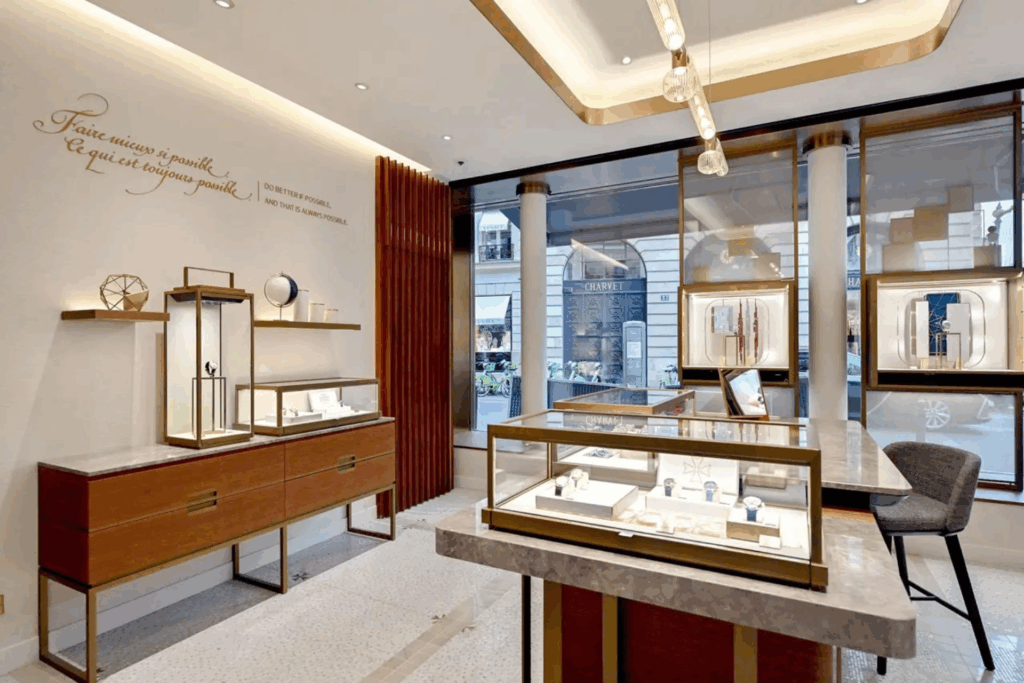
Heritage Meets Modernity in Vacheron Constantin’s Expanded Paris Flagship 

Vacheron Constantin reopened its Paris flagship boutique at 2 rue de la Paix after a major expansion, tripling its size to mark the Maison’s 270th anniversary. The two-storey space blends heritage and innovation, showcasing the brand’s craftsmanship, archives, and ties to the arts. Highlights include the new Les Cabinotiers Temporis Duo Grand Complication Openface and an interactive “Chronogramme” to explore Vacheron Constantin’s history. The boutique features refined Parisian décor, a resident watchmaker, and spaces for private experiences. Reflecting its artistic spirit, the Maison will also host rotating exhibitions with Amélie Maison d’Art. 

Via: Richemont , Vacheron Constantin

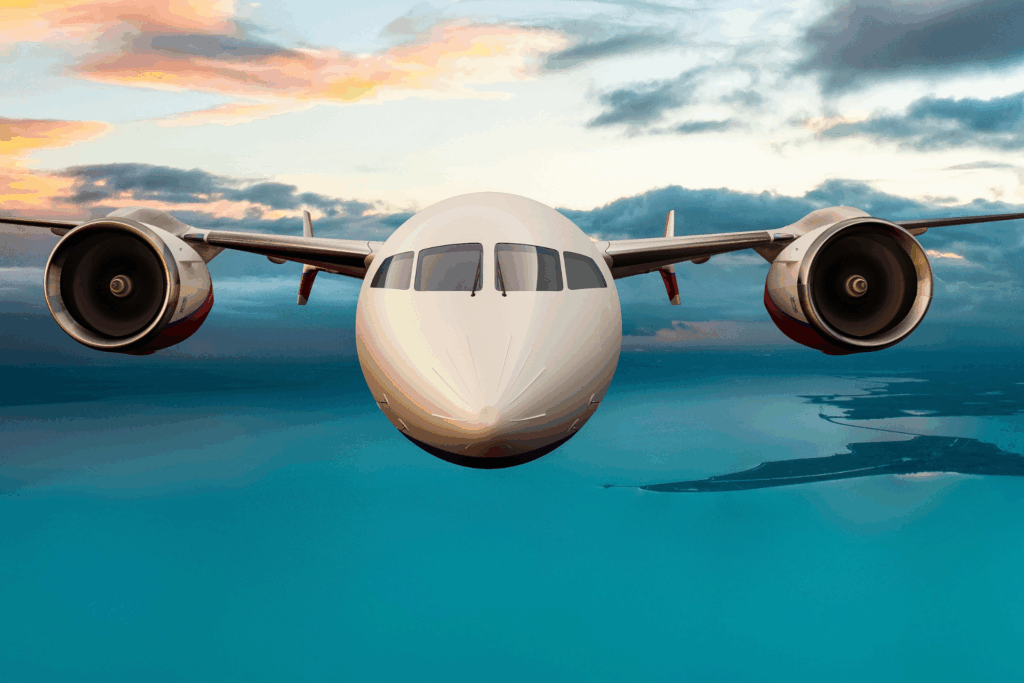
Crypto Takes Flight: Bitcoin Wealth Fuels a New Era of Luxury Travel 

From Bitcoin wallets to private jets, the new crypto elite are rewriting the rules of luxury travel. Flush with digital fortunes, a young, tech-savvy generation of investors is trading material excess for unforgettable experiences, and the industry is racing to keep up. Airlines, five-star hotels, and bespoke travel agencies now accept Bitcoin, with pioneers like Air Baltic, The Chedi Andermatt, and Pelorus leading the charge. Whether it’s polar expeditions or private islands, these digital millionaires are turning virtual gains into tangible indulgence. For them, wealth isn’t about owning more; it’s about living bigger, now. 

Via: LLM 

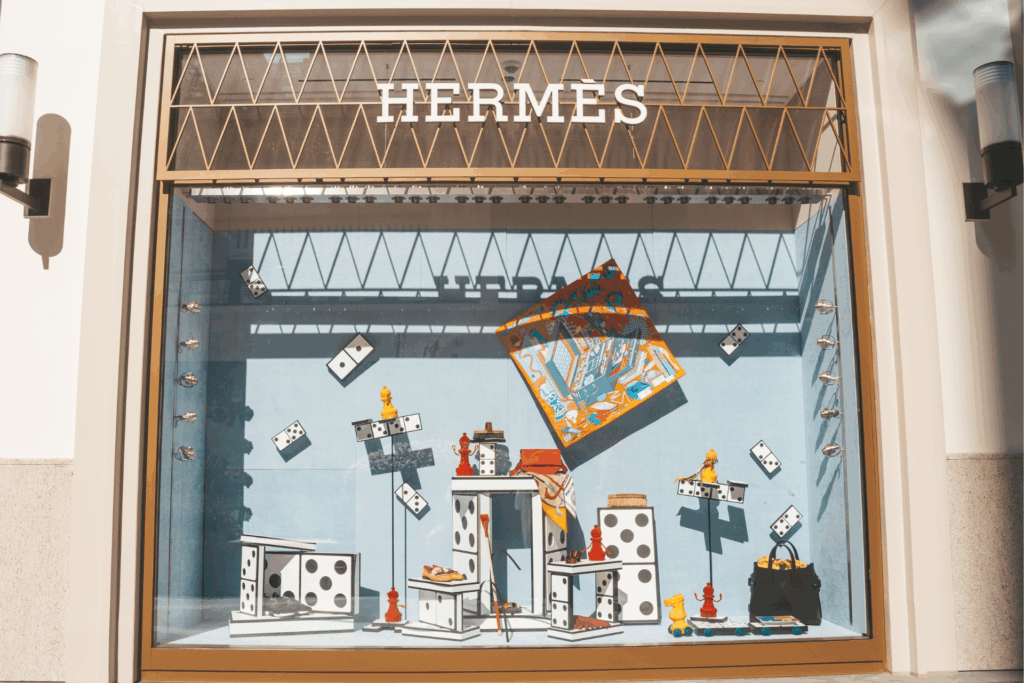
Hermès Turns Its Heritage into Live Theater 

What happens when a luxury house swaps the runway for the stage? Hermès is inviting audiences to find out with Hermèstories, a theatrical production debuting at Milan’s Teatro Franco Parenti. Blending surrealism, music, and craftsmanship, the performance reimagines the Maison’s 188-year heritage through the journey of an equestrian muse named “Lad.” Directed by Pauline Bayle and guided by Hermès’s motto “Creation without memory does not exist,” the show transforms artisanal legacy into live art. With sound effects made from Hermès objects and an immersive foyer exhibition, Hermèstories proves that heritage can be as playful as it is profound. 

Via: Elite Traveler 

Christie’s Strengthens Presence in Italy with Talamona Real Estate Alliance 

What’s next for luxury real estate in Italy? Christie’s International Real Estate is expanding its Italian footprint through a new partnership with Talamona Real Estate, a boutique brokerage led by Theodor Talamona. Covering Piedmont and Liguria, including Portofino, the Cinque Terre, and Lake Maggiore, the collaboration gives clients access to Christie’s global network, exclusive marketing, and international exposure. With a focus on high-touch service and a portfolio of culturally rich and geographically stunning properties, Talamona Real Estate strengthens Christie’s presence in northwest Italy, connecting discerning buyers worldwide with historic villas, seaside estates, and Alpine retreats. 

Via: Christie’s Real Estate 

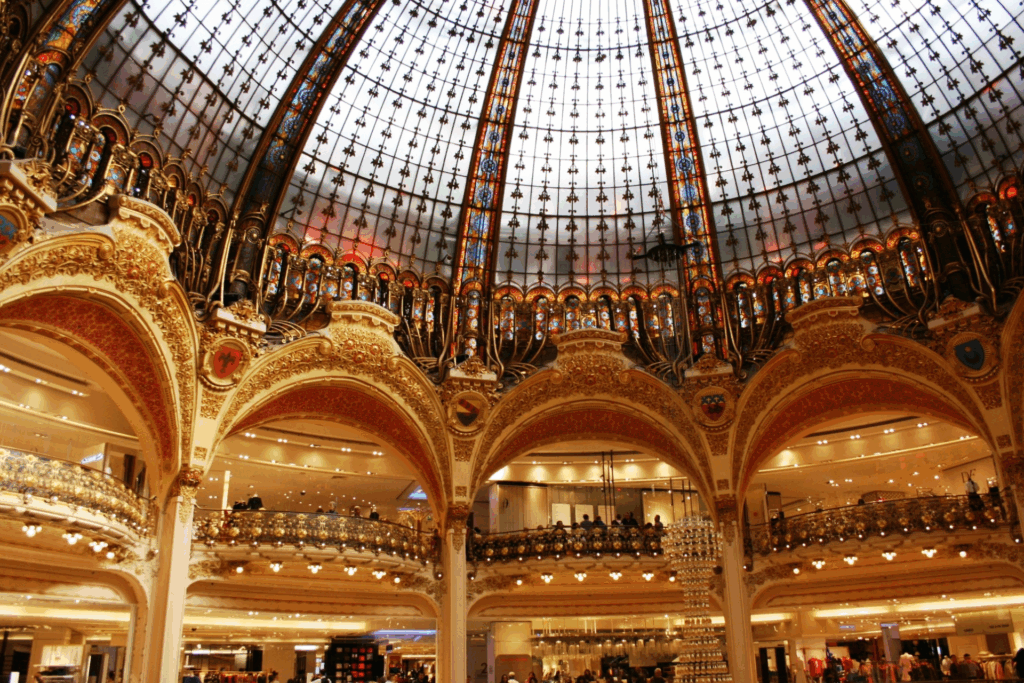
From Paris to India: Galeries Lafayette Opens Its Doors in Mumbai 

Mumbai just got a taste of Parisian luxury. Galeries Lafayette has inaugurated its first Indian store, occupying 8,000 sq.m of a 200-year-old heritage building in the city’s upscale southern district, set to open officially at the end of November. Partnering with Aditya Birla Fashion and Retail Ltd., the store brings 250 luxury and premium brands under one roof, complemented by concierge services, personal styling, private lounges, and cultural programs. Targeting India’s growing ultra-wealthy and aspirational consumers, the flagship aims to fuel premiumization across the market, with a second store planned for Delhi in 2027 and future e-commerce expansion in tier-2 and tier-3 cities. 

Via: Luxury Tribune 

A Journey of Wellbeing By FINN Partners 

Wellness is no longer just a retreat; it’s a lifestyle shaping the future of luxury travel. FINN Partners’ The Future of Wellness Tourism 2025 highlights how longevity-focused “Age Benders,” wellness nomads, and women’s health initiatives are driving growth in the sector. From regenerative resorts and thermal springs to AI-driven nutrition and airline wellbeing programs, luxury hospitality is redefining holistic experiences. Leading destinations from South Korea to Italy are integrating culture, nature, and innovation, while brands increasingly embrace regenerative practices, ensuring wellness travel enhances both human potential and the health of our planet. 

Read more about the summary report at: https://worldluxurychamber.com/future-of-wellness-tourism-2025-finn-partners/  

____________________________________________________________________________________________________

Stay ahead of the curve; explore more stories, register for upcoming events, and join the conversation with WLCC: https://worldluxurychamber.com/insights-news/

Exclusive Interview: Martina Olbert on Re-envisioning the Future of Luxury Meaning

In this exclusive conversation led by Alexander Chetchikov, President of the World Luxury Chamber of CommerceDr Martina Olbert, Visionary Thinker, Speaker, Luxury Meaning Expert, and Founder and CEO of Meaning Global – A Visionary Strategy Company, shares her expertise in guiding luxury brands to reimagination and new horizons. With a double background in social sciences and humanistic studies, and brand and business strategy, she offers a unique high-low perspective that is both groundbreakingly futuristic and down-to-earth applicable in practical strategies for the luxury industry.

Alexander Chetchikov: In your strategy and advisory career, you have spoken and written extensively about the relationship between meaning and luxury. Can you tell us more about the role of meaning in luxury?

Martina Olbert: I first started writing and speaking about the critical role of meaning in 2013 when the entire global brand industry was still jumping on the bandwagon of purpose. Luckily, we seem to be venturing out of purpose into meaning now, as the world is catching up with our forgotten and neglected humanity, which meaning is woven into.

Luxury itself, by default, is all about the excess of symbolic value over the use value of its goods and services. What is the difference between the use value of a handbag that you buy at the street market for $20 and a luxury Hermès bag that in rare collector auctions goes up to $500,000 or even the astonishing $10 million for the original Birkin bag? There is none. Both bags are made to hold things we put into them. So, what justifies the enormous inflation of market price? Its desirability. And what drives its desirability? Meaning. The difference is all meaning. Luxury is all about meaning. In fact, there is no luxury without meaning. And if we invest into luxury brands and goods precisely for their symbolic value, then meaning itself has become the use value of luxury brands. Meaning is what we buy, and not the goods. And so, to maximize luxury value, we must maximize luxury’s meaning.

Ten years ago, I saw in the brand and marketing strategy industry how little inherent value there was in my work for the clients and how much focus disproportionately was being given to the form and aesthetics. I wanted to make a distinction between the innate value of brands, what the customers were actually buying and investing into (their own projected value, needs, wants and desires, which is the meaning of brands) versus the aesthetic side of brands (branding). Hence, I founded Meaning Global to help the industry leaders steer brands more towards the inherent value instead of wrapping their brands in a nice, presentable package. I wanted to make a statement for the utmost necessity of meaning in the industry and so I chose luxury as a metaphor where I could demonstrate this primary symbolic value and wrote a study called The Luxury Report: Redefining The Future Meaning Of Luxury.

By the twist of fate, however, this has made me a key opinion leader on the future of luxury because I was able to clearly see, articulate, and distill down the key problems in the luxury industry as well as offer the key solutions when the thoughts, feelings and intuitions were still only floating around. This has accidentally made me one of the leading voices on the future of luxury because there is no future of luxury without symbolic meaning.

AC: What is the next frontier for the luxury industry? We have moved from the luxury product to experience. What lies beyond luxury experiences?

MO: Us. We do. Coming back to our innate humanity, serving those deep intrinsic as well as higher human needs that connect us to our soul and allow us to become more of ourselves, to become alive. What is beyond luxury experiences? Transcendental luxury. The kind of luxury that seamlessly merges the physical world of material luxury with something greater and allows us to feel, sense, be fully present in the moment to transform and transcend to become more connected to whom we truly are.

True luxury is life well-lived. True luxury is symbolic, but in that symbolic value it provides a transcendental experience that becomes real. This is what lies ahead for the luxury brands – being able to craft proprietary symbolic universes around brands, products, services, spaces, experiences, and innovations that remind us of whom we truly are and make us feel alive. Those who can deliver this unique meaning to us will lead the evolution in luxury forward. Those who don’t will soon copy those who do. It’s inevitable.

Luxury, when done to perfection, has the unique ability to transcend space and time and transport people someplace else, not just physically, sensually, but psychologically, emotionally, spiritually because it is the most abstract of all industries. This is why meaning is the most important for luxury. This is where the value and meaning of luxury comes from: its transcendence. Luxury is not shallow, yet it’s not highbrow either; it illuminates humanity. Luxury pairs naturally beauty and morality through elevated aesthetics and higher values. This is the true heritage of luxury: awakening humanity. Luxury is philosophical, sensual, sensory, intellectual as much as it is a transactional relationship. It is very complex symbolically which justifies its high price.

Luxury is moving from the tangible to the intangible, and I’ll explain more to your members about how this dynamic works and how luxury brand owners and operators can achieve this transcendence in our planned boutique event on November 5, 2025.

AC: In your latest fascinating in-depth study on the future of brands, business, capitalism, the global consumer landscape, and how the dynamic of the brand-consumer relationship is changing, you explored the new realm of Humanistic Capitalism. Can you explain what drives it and what this means for luxury?

MO: It was an interesting coincidence because around the same time when I published Reimagining Consumerism As A Force For Good I saw that Brunello Cuccinelli published his manifesto on Humanistic Capitalism. So, this need for a new paradigm of value based on essence and humanity has been percolating our public discourse since 2021. The basic premise is that we need to move from the consumerist capitalism towards humanistic capitalism where what we produce and how we produce it serves people and elevates their humanity and well-being and not exploits them and uses them as consumers to serve the corporate needs while their own lives deteriorate. Consumption, for it to be meaningful, must serve and elevate human well-being, otherwise, it’s not only unsustainable but immoral.

Luxury itself is about sustainability both because of its artisan craftsmanship which is made to last and its higher aesthetic values which make it timeless, effortless, elegant, and therefore increase its longevity. What we aspire to now is shifting from brand aspiration – reaching for an unsustainable lifestyle based on a dream that was sold to us to desire, to human well-being – what is real and achievable to us that makes us feel more centered, connected, and satisfied. We are experiencing is a 180° shift from brands to people which is a macro trend in the very foundational principle of our global economy that will redefine the entire consumer and capitalism landscape of the 21st century.

AC: You’ve also written about the future of value, the meaning economy, and the new luxury. Can you tell us about the new luxury and what it is?

MO: Of course, the New Luxury isn’t just new and different things that we now call luxury; it is a new paradigm altogether. A different level of human consciousness. It’s a paradigm where the true value of luxury is about us and not it. It is about reconnecting us with our innate humanity, sensuality, beauty, spirit, the feeling of aliveness, rather than acquiring material goods that we desire and make us feel something in the moment, but the feeling quickly evaporates. Or we need a mediator to our feeling to make it last – someone to impress, who will validate us or envy us, see us as esteemed, in a better light, instead of feeling that way about ourselves without needing another to facilitate that feeling for us. In such a relationship with luxury, we are only borrowing meaning from another’s perception of us, instead of feeling it on the inside. That is unsustainable. The new luxury is about humanity, and it brings us back to ourselves.

The meaning economy is redefining what people value. We are moving from ownership to freedom and experiences, from status to innate meaning, from flashy opulence to the quieter forms of inner satisfaction and fulfillment, from consumption to creation, from buying to being conscious and present with ourselves, one another, and the world. This fundamental human awakening that we are in the midst of right now is powerfully transforming what we value, and therefore, what luxury is and what we see as luxury to us today.

Time, space, freedom, peace, serenity, sensuality, belonging, human touch, deep meaningful experiences, spirituality and transcendence, reconnecting to whom we truly are – that is the New Luxury. And ultimately – feeling alive – the best and biggest luxury experience of all. Which, undoubtedly, should not be luxury, it should be a norm. But unfortunately, in a society we’ve created around alienating humans to their very senses, their souls and their meaning, what should be normal is luxury. And what should be luxury is normal. It is the other way around because we’ve created a society that goes against our humanity. And so, we need to come back to what the true luxury is, what gives our lives meaning to live full, rich, fully expressed human lives.

Luckily, brands have a powerful role to play in that as facilitators of this change, helping us venture back to ourselves. To elevate our lives, to make them more enjoyable, more connected, more filled with beauty, with wonder, with passion, with desire, with life. This is the role of luxury brands – to help us come back to our own inner luxury. It might seem that it is subjective, but it’s universal because it’s human. This gives luxury brands a solid ground to build their strategies on universally across global markets.

AC: As you say, if the true luxury is on the inside, how did we get into a situation where we face a crisis of meaning in the luxury industry today?

MO: Luxury, due to an unfortunate turn of events, and mostly with the influx of disposable cash into the economy and mainstream society in the 1980s due to the deregulation of the financial sector, the sudden mass use of credit cards, and the rise of the work culture, has become synonymous with transactional value and status mimicry. Also known as cynical luxury – luxury used pragmatically as a vehicle of social mobility to look rich and exude status through the symbolic codes of luxury to acquire even more wealth and social prestige. But that was never the role or even the value of luxury!

Luxury in the past was deeply embedded in the culture itself, in the lifestyle, in the customs, values, and behaviors. It was deeply contextual. But the mainstream society has stripped it of its historical context and repackaged it as instant status. Which luxury is not. If it is accessed and presented this way – from aesthetic point only – it quickly loses its value which is why we are now in this industry-wide crisis of luxury meaning. It was narrated wrong and seen and framed from the wrong perspective which made it lose its value.

We need to come back to what luxury is and that it’s not in the form, but in the essence. Then the form and how it’s presented only highlights and brings to light the very essence of what luxury is to make it more meaningful, and therefore valuable, and therefore profitable. But luxury is on the inside, not outside. The outside only facilitates the feeling of inner transformation. And that is what people pay for, especially in the luxury hospitality sector.

AC: You have recently pivoted and shifted your focus from brand meaning to helping brand and business leaders build a new and better human future. Is this the next frontier for brands? And how can brands, and especially luxury brands, create new strategies to elevate humanity?

MO: After the global COVID pandemic, when everyone on this planet was contemplating their own lives, when the time stopped and there was no other place to go than inward, I started seeing two things.

First, that the world as we knew it will cease to exist because we will emerge fundamentally different from this global pandemic, which served as a powerful reset of our global consciousness. What we will want after it ends will be different than what we wanted before. The blindfolds dropped and we started awakening to our neglected and forgotten or even suppressed humanity, running on autopilot in the consumer society designed around choices that do not fundamentally contribute to or elevate our own human lives and well-being. So, this was the first moment of reckoning.

The second insight that emerged was that this innate change will then drive a fundamentally altered relationship between people and brands, and will transform the relationship from brand aspiration (us wanting to be more like brands because we don’t know who we are) to human well-being (wanting brands to be more like us and serve our needs to drive real value that is relevant and useful because we now know who we are and what we desire is to be more of ourselves).

The collective illusion that brands were a part of is falling now; only the real will suffice. And brands that will be able to create real, sustainable strategies centered around this human meaning – and our deeper as well as higher human needs – and deliver this new meaning to us in new, imaginative and creative ways will reemerge from this transition as the leaders of the future of luxury. I am here to serve them to chart this new path and envision what new value can be created that ties into their already existing heritage, luxury value and equity. It is a win-win strategy, plus you’re helping people become more of who they are, awaken their senses, feel, self-actualize, and become truly alive. Luxury strategy at its finest is a deeply spiritual exercise.

My whole focus with Meaning Global now is to help brand and business leaders across sectors create the missing foundational pillars of human value in society and create a better human future through business itself. I am a firm believer that business when used to its full potential – as a creative power of change – can help transform societies and create social good. There are many missing pillars in society that business could provide if it shifts focus from itself to the people it serves, such as health and human well-being, sustainability and self-sufficiency, freedom and creative self-expression, wealth creation and stability, and of course, the transformative value of beauty and lifestyle experience on the human soul. Luxury falls into the latter category. But the work ahead of us – to rebuild how we do business and what value we create – is immense. I for one am looking forward to it because I know where I’m going.

For more about my strategic approach and the themes I explore in my keynote speeches, I invite you to visit my website www.meaning.global.

For bookings and speaker topics, you can also visit my Chartwell Speakers profile: https://www.chartwellspeakers.com/speaker/martina-olbert/

Thank you, Martina!

Dr. Martina Olbert’s perspective is a masterclass in meaningful and visionary luxury strategy, rooted in the human context of our deeper and higher human needs and how these can be translated into business to maximize luxury value while elevating humanity. As her insights reveal, the luxury industry needs to move beyond tangible luxury into the intangible, symbolic sphere to craft proprietary experiences that help luxury brands stay relevant and valuable in the new world. For brands willing to embrace this approach, it opens a whole new and previously unseen world of possibilities to tap into.

To follow Martina’s journey, head to https://www.linkedin.com/in/martinaolbert/

Want to read more exclusives? Check out our news and insights: https://worldluxurychamber.com/insights-news/ & sign up for our newsletter here: https://worldluxurychamber.com/wlcc-community/

Navigating Uncertainty: SDA Bocconi Global Risk Management 2025 Edition

Bringing together top-tier business education and global industry insights, the World Luxury Chamber of Commerce (WLCC) collaborates with SDA Bocconi School of Management, which delivers advanced executive education programs designed for leaders navigating complex challenges. The upcoming Global Risk Management program, held in partnership with the European University Institute (EUI), will take place from the 3rd to the 7th of November 2025 in Florence. This initiative is tailored for senior executives who must anticipate and respond to geopolitical and regulatory shifts shaping today’s interconnected economy.

What to Expect from the Program

Global economic and political dynamics are evolving at unprecedented speed, influencing markets, politics, and global technological disruptions. The Global Risk Management program addresses this reality head-on, providing leaders with practical tools and methods that give businesses strategic approaches to manage uncertainty in a politicized global environment.

The Curriculum’s Four Key Pillars:

  • Political Risk Analysis: Frameworks and corporate responses to political shocks, with insights on electoral trends and populism in major economies.
  • Geopolitics and Geoeconomics: Scenario analysis of US-China relations, Europe’s strategic role, and supply chain resilience amid rising tensions.
  • Technology, Energy, Money, and Power: Exploration of regulatory shifts in AI, climate policy, and digital finance at both national and transnational levels.
  • Corporate Strategies for Uncertainty: Developing agile approaches to safeguard operations and capture opportunities in volatile contexts.

Participants will engage in lectures, interactive workshops, executive coaching, simulations, and project work. The program also fosters high-level dialogue through panels featuring corporate leaders, policy experts, and academics.

Program Details

  • Duration: 4 days
  • Dates: 3–7 November 2025
  • Location: Palazzo Buontalenti, Florence
  • Fee: €8,000 + VAT (includes materials and working breakfasts)

Exclusive Benefits for WLCC Members

As part of its collaboration with SDA Bocconi, the World Luxury Chamber of Commerce extends a 15% to 20% discount to members enrolling in the Global Leaders Program and selected executive courses.

This offering reinforces WLCC’s goal of promoting knowledge sharing, cultivating high-level leadership, and driving sustainable innovation within the luxury sector.

Why Choose SDA Bocconi?

With more than 50 years of excellence, SDA Bocconi is consistently ranked among the top business schools worldwide. It combines Italian style and international expertise to deliver programs that are globally relevant, academically rigorous, and personally transformative.

Located in a cutting-edge urban campus in Milan, the school champions sustainability, innovation, and diversity, offering the perfect environment to recharge, reflect, and reimagine your leadership.

For more details or to apply via the WLCC membership channel, visit:  https://worldluxurychamber.com/events/global-risk-management-florence/ 
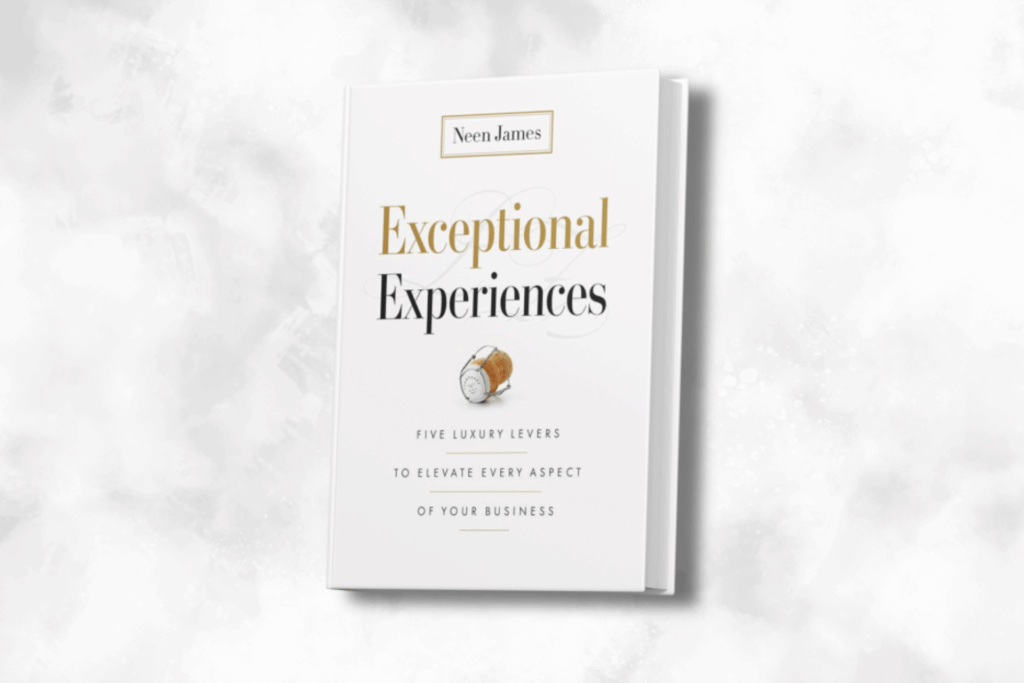
A Journey Of Wellbeing By FINN Partners

Wellness has become an expression of value, purpose, and progress. “The Future of Wellness Tourism 2025” by FINN Partners examines how health, travel, and sustainability now intersect to shape one of the world’s fastest-growing luxury sectors. The report, drawing on insights from the Global Wellness Institute (GWI), projects the wellness tourism market to rise from USD 720 billion in 2019 to USD 1.4 trillion by 2027, confirming its pivotal role in the evolution of high-end hospitality and destination strategy.

A New Definition of Age

The report introduces the concept of “Age Benders”, individuals who measure vitality by healthspan rather than chronology. Older travelers pursue cognitive and physical enrichment, while younger generations embrace longevity science through biohacking and technology. This convergence across ages calls for products and memberships designed for lifelong engagement, allowing luxury brands to accompany clients through every life stage.

Nomadism and the Rise of Wellness Living

Longer lifespans and flexible work models are giving rise to wellness nomadism. The GWI estimates the wellness real-estate market will reach USD 912 billion by 2028, with projects such as Tri Vananada in Phuket and Six Senses The Forestias in Bangkok integrating healthcare, residences, and hospitality. For affluent consumers, wellness is shifting from a temporary retreat to a continuous way of living.

Women’s Health as Core Strategy

Women’s health emerges as a principal force shaping new wellness programs. From menopause retreats and fertility support to postpartum recovery centers, destinations are responding to an underserved yet powerful demographic. Properties such as SHA Wellness Clinic and Ananda in the Himalayas combine medical science with traditional healing, setting new standards for inclusivity and sophistication in luxury health travel.

Aviation and the Science of Restoration

Airlines and airports are rethinking passenger wellbeing. Qantas’ Project Sunrise introduces circadian lighting, personalized meal plans, and movement zones to counter jet lag on long-haul routes. Singapore Changi and Bengaluru International incorporate nature-inspired architecture and sensory design to reduce stress. Wellness, once limited to arrival, now begins at departure.

Culinary Intelligence

Dining is evolving from indulgence to nourishment. Wellness-oriented gastronomy embraces regenerative sourcing, plant-forward menus, and personalized nutrition driven by data and AI. Restaurants and resorts are creating mindful dining experiences that align enjoyment with physiological and emotional well-being, a concept that redefines luxury hospitality’s relationship with food.

Thermal Springs and Regenerative Destinations

Ancient bathing cultures are being revived as modern investments. With more than 31,000 thermal establishments operating globally and annual growth exceeding 14 percent, destinations from Croatia to Australia are revitalizing rural economies through spa infrastructure. These initiatives combine environmental stewardship with community renewal, offering sustainable alternatives to urban congestion.

Global Hot Spots of Wellness

Five destinations are emerging as next-generation wellness destinations because of the scale of infrastructure investments and their hotel development pipelines, their unique blend of natural resources, cultural richness, and innovative practices.

  • South Korea
  • Japan
  • Saudi Arabia
  • Iceland
  • Italy

From Sustainability to Regeneration

The report concludes that wellness tourism must progress beyond sustainability toward regenerative practice, where travel actively improves ecosystems and societies. The movement from individual renewal to planetary regeneration demands that brands design experiences with lasting influence: enriching communities, protecting nature, and enhancing human potential. In the new order of luxury, wellbeing stands as both purpose and promise.

WLCC Perspective: It is essential to understand that the cultural lens of wellness tourism is shifting from passive indulgence to active engagement in regeneration and sustainability. Younger “Age Benders” embrace longevity and biohacking, while older generations seek cognitive and physical enrichment.

To discover how wellness intelligence can inform your brand’s next chapter in luxury travel, access the complete report: https://www.finnpartners.com/news-insights/the-future-of-wellness-tourism-2025/

Stay up to date on the latest luxury industry news: https://worldluxurychamber.com/insights-news/  

Luxury Library: Exceptional Experiences by Neen James

Author: Neen James
Publication Date: October 2025

The WLCC Luxury Library is a vital hub for luxury professionals and enthusiasts, offering a curated collection of insights, trends, and knowledge in the luxury sector. Tailored for members of the World Luxury Chamber of Commerce, it offers up-to-date resources on branding, marketing, and high-end consumer behavior. Through a focus on learning and collaboration, the Luxury Library seeks to inspire innovation and raise the bar within the luxury sector. 

In Exceptional Experiences, author, speaker, and leadership strategist Neen James pulls back the curtain on the luxury industry to reveal powerful strategies any business can use to stand out, serve better, and grow revenue. With her signature experience elevation model, James offers readers an insider’s guide to transforming client relationships from mere transactions into powerful, lifelong connections.

Drawing from decades of experience consulting with some of the world’s most prestigious brands, alongside fresh insights from luxury market research and interviews with global luxury leaders, James shows how principles once reserved for high-end brands can be applied to any industry. The result? A practical, actionable playbook for creating unforgettable client experiences and building a business that not only thrives but attracts loyal advocates.

One of the core ideas in Exceptional Experiences is that luxury isn’t about products or price tags—it’s about how you make people feel. True luxury is personal. It’s in the moments that make a client feel seen, heard, and valued. James brings this concept to life through her “five luxury levers”—entice, invite, excite, delight, and ignite—showing how each stage can elevate ordinary touchpoints into extraordinary encounters.

Beyond just theory, James breaks down how adopting a luxury mindset can turn everyday business interactions into transformational experiences. By doing so, leaders and teams create emotional loyalty, setting themselves apart in competitive markets.

Whether you’re leading a global brand or running a boutique business, Exceptional Experiences is packed with insights and real-world strategies to help you elevate your client experience, differentiate your brand, and drive lasting success. Readers will walk away not only inspired but equipped to make every interaction count.

Neen James’ trademark energy, wit, and practical wisdom shine through every chapter, making this a must-read for anyone serious about standing out in today’s crowded marketplace.

Get the book on Amazon today. To learn more about The Luxury Library, view the 21 must-read books. 

The WLCC Weekly Edit: Tiffany x Netflix, LVMH & Kering Upgrades, Bollinger 007, TAG Heuer x New Balance, AI & Luxury People Podcast

Welcome to The Weekly Edit, your curated digest of the latest in the world of luxury. Each week, WLCC brings you a handpicked selection of industry news, insights, and stories influencing the future of high-end fashion, design, travel, real estate, and beyond. Consider this your insider’s guide to the latest in luxury. 

Mia Goth as Elizabeth in Frankenstein. Photo: Ken Woroner/Netflix © 2025.

Tiffany & Co. Breaks New Ground as Netflix’s First Luxury Jewelry Partner 

Tiffany & Co. has announced a collaboration with Netflix for Guillermo del Toro’s Frankenstein, marking the luxury jeweler’s first partnership with the streaming giant. Tiffany’s iconic pieces appear throughout the film, which premieres in select theaters on October 17 and on Netflix globally on November 7. To mark the occasion, the brand is presenting theatrical window displays at its Fifth Avenue flagship, designed with del Toro to reinterpret key scenes from the film. A behind-the-scenes featurette showcases insights from the director, costume designer Kate Hawley, actress Mia Goth, and Tiffany’s creative team, highlighting how the jeweler’s archives enriched the movie’s visual world. 

Via: Tiffany & Co. 

LVMH and Kering Upgraded as Morgan Stanley Signals Brighter Outlook for Luxury 

Morgan Stanley has shaken up its luxury outlook, upgrading LVMH and Kering to Overweight and naming Kering its new top pick. The bank points to a creative surge sweeping through fashion powerhouses like Gucci, Bottega Veneta, and Dior, energizing the sector after standout shows in Milan and Paris. This stylistic shift toward bold, expressive designs is expected to boost sales volumes as consumers embrace layering and experimentation. While the industry is still adjusting after years of rapid expansion, Morgan Stanley sees signs of a brighter 2026, fueled by strong creative momentum, strategic leadership changes, and improving prospects in the US and China. 

Via: Yahoo Finance 

Above: Via LLM & Champagne Bollinger

Special Cuvée 007: Champagne Bollinger Honors Decades-Long Bond Partnership 

For over four decades, Champagne Bollinger has been synonymous with James Bond, and now the partnership is celebrated with the Special Cuvée 007 Limited Edition. Marking more than 45 years as the official Champagne of the franchise, the release features a sleek black collector’s box adorned with a gold gun barrel motif inspired by Bond’s iconic opening sequence. The bottle carries the 007 logo, reflecting its cinematic heritage. In honor of James Bond Day on October 5, British Airways will serve the limited edition exclusively in Club World on long-haul flights from October 1–5, offering passengers a unique, immersive Bond experience. 

Via: LLM, Champagne Bollinger 

Above: Via TAG HEUER 

Luxury Meets Sport: TAG Heuer x New Balance 

TAG Heuer and New Balance are redefining high-performance gear with their latest collaboration, combining style, technology, and running performance. The partnership introduces a limited-edition Connected E5 smartwatch and FuelCell SC Elite v5 running shoe, each capped at 3,000 units. The smartwatch features exclusive running plans and premium materials, while the shoe incorporates a carbon-fiber plate for enhanced performance. With running growing as both a sport and lifestyle trend, the collaboration leverages major marathon partnerships, athlete ambassadors, and TAG Heuer’s sports marketing presence. Together, the brands aim to offer runners advanced equipment that merges innovation, style, and functionality. 

Via: BOF, TAG HEUER 

How Can AI Complement Heritage Without Compromise? 

As AI technology accelerates, luxury brands are exploring how to integrate it without compromising heritage, human touch, or sustainability. While AI can streamline marketing, content creation, and customer insights, it raises concerns over environmental impact and originality, particularly among affluent consumers. Research shows growing scrutiny of AI’s sustainability credentials, especially in Europe, and rising expectations for responsible practices. Brands that weave AI subtly into their strategies (enhancing experiences while preserving storytelling, quality, and emotional connection) are more likely to win trust. In contrast, inconsistent or heavy-handed adoption risks damaging reputation and alienating high-net-worth audiences. 

Via: Luxury Daily 

Soon To Launch: Luxury People Podcast | EPISODE 2

Get ready to dive into the world of luxury leadership!

The next episode of the Luxury People Podcast, hosted by Antonio Paraiso, features Bob Kharazmi, a global hospitality pioneer behind iconic brands like The Ritz-Carlton, St. Regis, and Bvlgari. Hear his powerful stories on transforming challenges into opportunities, building legendary service cultures, and leading luxury brands worldwide.

To stay curious and inspired, mark your calendar for 21 October to elevate your luxury mindset!


Stay ahead of the curve; explore more stories, register for upcoming events, and join the conversation with WLCChttps://worldluxurychamber.com/insights-news/  

Luxury in Balance September 2025 by Colibri Real Estate

Rather than racing ahead or pulling back, the luxury housing market this September is navigating its path with quiet strength and thoughtful precision. The market is entering a phase marked by thoughtful strategy and subtle shifts in behavior. The “Luxury Market Report – September 2025“, produced by The Institute for Luxury Home Marketing, paints a picture of a sector that is advancing with caution and precision. Across North America, affluent buyers remain active, while sellers are opting for calculated timing. Against a backdrop of easing mortgage rates and evolving lifestyle priorities, the market is at an interesting inflection point. 

Demand Holds Steady Amid Strategic Supply Control 

Single-family luxury homes saw a 6.7% year-over-year increase in sales, an impressive rise considering the slower pace of inventory growth. New listings increased by just 2.5% in August 2025, compared to a 21% surge the previous year, indicating a clear shift toward restraint. Many homeowners are holding back properties, anticipating that patience could yield stronger returns later in the year. 

  • Sales ratio for single-family homes stood at 23.32%, placing the market firmly in seller territory. 
  • Homes sold for 97.82% of the list price on average. 
  • The median luxury home sales price reached $1,351,444.

Attached Market Narrows the Gap 

Condos and townhomes, traditionally less dynamic than single-family homes, are showing signs of stabilization. Sales slipped only 0.4% year-over-year, a marked improvement from earlier declines. Inventory grew at a more measured pace, and new listings rose by just 0.9%, revealing similar caution among sellers. 

For younger professionals and downsizers seeking convenience and security, this segment is likely to gain appeal as mortgage rates ease. Fairfax County, Arlington & Alexandria, and Anne Arundel County led attached home sales ratios, reflecting renewed urban interest. 

Buyer Behavior: Lifestyle Over Size 

Luxury buyers in 2025 are approaching acquisitions with a sharper focus. Instead of prioritizing size, they are evaluating how properties enhance their lifestyles. Homes that offer direct access to water, ski slopes, or exceptional urban amenities are commanding premium attention. 

Key trends among buyers include: 

  • Preference for turnkey homes that are move-in ready with integrated design and technology. 
  • Growing interest from Millennials and Gen Z, who bring priorities such as sustainability and smart-home integration. 
  • Baby Boomers and Gen X remain influential, emphasizing convenience, cultural access, and security.

Seller Strategies: Precision Over Price Cuts 

Sellers are displaying equal intentionality. Many are waiting to list, betting on a more favorable environment as mortgage rates drop. Pricing strategies have become more sophisticated, with aspirational pricing expected to align with genuine value. Properties that fail to meet lifestyle or quality expectations risk being bypassed entirely. 

This cautious sentiment is influencing inventory flow, contributing to the measured supply growth that defines current conditions. 

Relevant Highlights

The North American luxury housing market is characterized less by volatility and more by selective momentum. Buyers are active but strategic, sellers are cautious yet confident, and declining mortgage rates are introducing new variables into decision-making. For industry professionals, success in this climate hinges on interpreting nuanced market signals, understanding generational shifts, and aligning offerings with evolving lifestyle priorities. 

As the final quarter of 2025 approaches, all eyes are on whether falling financing costs will unlock new inventory or reinforce sellers’ preference to wait. One thing is clear: this is a market shaped not by speed, but by strategy. 

WLCC Perspective: Luxury developers and agents need to track generational trends closely, Millennials and Gen Z are driving demand for sustainability, technology, and convenience, while Baby Boomers and Gen X value location and cultural access 

Explore the whole report here: https://www.luxuryhomemarketing.com/real-estate-agents/ILHM-luxury-report.html  

Stay up to date on the latest luxury industry news: https://worldluxurychamber.com/insights-news/   

TOP 100 Best Luxury Brands of the World Celebrated in Inaugural World Luxury Day Festivities

The world of luxury is entering a new era of recognition and celebration. The prestigious TOP 100 by Luxury Lifestyle Awards, supported by World Luxury Chamber of Commerce (WLCC), proudly announces October as the official season of celebration, marking the launch of the inaugural World Luxury Day.

To commemorate this milestone, the Awards reveal the winners across four distinguished categories, beginning with today’s announcement of the TOP 100 Best Luxury Brands of the World, unveiled on October 8, the very first World Luxury Day.

Each of the honorees represents the essence of luxury in the modern world: excellence, craftsmanship, innovation, and sustainability. These brands redefine what luxury means today: not merely a reflection of price or exclusivity, but a celebration of heritage, artistry, experience, and purpose. The roster of winners spans industries from beauty and fashion to automotive, jewelry, hospitality, design, and beyond, showcasing the profound influence and creativity that drive the global luxury landscape.

World Luxury Day marks the first-ever international professional holiday dedicated to the luxury industry as a whole. It honors the visionaries, creators, innovators, and entrepreneurs who continue to shape the industry’s future with integrity and imagination.

Initiated by the World Luxury Chamber of Commerce, this day serves as a platform for dialogue, collaboration, and inspiration among brands, organisations, and professionals united by a shared pursuit of excellence. It recognizes not only products and producers, but also the values and principles that define modern luxury, encompassing responsible sourcing, cultural preservation, and digital innovation.

“I see World Luxury Day as a moment of unity for diverse sectors and professionals from every corner of the globe,” said Alexander Chetchikov, President of the World Luxury Chamber of Commerce (WLCC). “It is an opportunity to exchange ideas, celebrate excellence, and embody the values of the modern world. We believe that special events and recognitions dedicated to this date will continue to grow in scale and significance each year.”

With this inaugural celebration, the TOP 100 by Luxury Lifestyle Awards and WLCC invite global luxury leaders, partners, and enthusiasts to join in honoring the artistry and innovation that define the spirit of luxury: today and for generations to come.

TOP 100 Best Luxury Brands of the World, in alphabetical order:

  1. Abercrombie & Kent, USA / UK
  2. Alo, USA
  3. Aman Resorts, Switzerland
  4. AMEX, USA
  5. Armani/Casa, Italy
  6. Aston Martin, UK
  7. Audemars Piguet, Switzerland
  8. Augustinus Bader, Germany
  9. Balenciaga, France
  10. Bang & Olufsen, Denmark
  11. Belmond, UK
  12. Benetti, Italy
  13. Bentley, UK
  14. Berkshire Hathaway HomeServices, USA
  15. Boucheron, France
  16. Bottega Veneta, Italy
  17. Bowers & Wilkins, UK
  18. Breitling, Switzerland
  19. Brioni, Italy
  20. Brown Jordan, USA
  21. Burberry, UK
  22. Canada Goose, Canada
  23. Cartier, France
  24. Cazal, Germany
  25. Celine, France
  26. Christian Louboutin, France
  27. Chanel, France
  28. Charlotte Tilbury, UK
  29. Château Lafite Rothschild, France
  30. Château Margaux, France
  31. Chopard, Switzerland
  32. Clive Christian, UK
  33. Cohiba, Cuba
  34. Coldwell Banker Global Luxury, USA
  35. Creed, UK
  36. Davidoff, Switzerland
  37. De Beers, UK / South Africa
  38. Domaine Leroy, France
  39. Dom Pérignon, France
  40. Edition Hotels, USA
  41. Elie Saab, Lebanon
  42. Elizabeth Arden, USA
  43. Engel & Völkers, Germany
  44. Explora Journeys, Switzerland
  45. Fendi Casa, Italy
  46. Four Seasons Hotels and Resorts, Canada
  47. Graff, UK
  48. Guerlain, France
  49. Gulfstream, USA
  50. Harrods, UK
  51. Harry Winston, USA
  52. Hermès, France
  53. John Lobb, UK
  54. John Paul, France
  55. J.P. Morgan Private Bank, USA
  56. Kiton, Italy
  57. Knoll, USA
  58. Krug, France
  59. La Prairie, Switzerland
  60. Lindt, Switzerland
  61. Loro Piana, Italy
  62. Louis XIII de Rémy Martin, France
  63. Louis Vuitton, France
  64. Lürssen, Germany
  65. Mandarin Oriental, Hong Kong
  66. Manutti, Belgium
  67. Matsuda, Japan
  68. McIntosh, USA
  69. Michael Kors, USA
  70. Miu Miu, Italy
  71. Moncler, France
  72. Montblanc, Germany
  73. Northern Trust Wealth Management, USA
  74. Oscar de la Renta, USA
  75. Patek Philippe, Switzerland
  76. Persol, Italy
  77. Quintessentially, UK
  78. Ralph Lauren, USA
  79. Regent Cruises, USA
  80. Richard Mille, Switzerland
  81. Riva, Italy
  82. Roche Bobois, France
  83. Rolls-Royce, UK
  84. S.T. Dupont, France
  85. Saint Laurent, France
  86. Scott Dunn, UK
  87. Silversea, Monaco
  88. Six Senses, Thailand 
  89. Small Luxury Hotels, UK
  90. Technogym, Italy
  91. The Macallan, Scotland
  92. The Ritz-Carlton, USA
  93. Tiffany & Co., USA
  94. Tom Ford, USA
  95. UBS Global Wealth Management, Switzerland
  96. Valrhona, France
  97. Van Cleef & Arpels, France
  98. Veuve Clicquot, France
  99. Viktor & Rolf, Netherlands
  100. Westman Atelier, USA

______________________________________

About the TOP 100 by Luxury Lifestyle Awards
The TOP 100 by Luxury Lifestyle Awards honors the world’s most distinguished luxury brands, businesses, and individuals who exemplify excellence, creativity, and ethical leadership across the global luxury industry.

About the World Luxury Chamber of Commerce (WLCC)
The World Luxury Chamber of Commerce is an international organization dedicated to promoting collaboration, innovation, and sustainable growth within the luxury sector, connecting brands, professionals, and thought leaders worldwide.

Join the World Luxury Day festive season https://worldluxuryday.com/

World Luxury Chamber of Commerce Begins the Process of Seeking UN Recognition for the World Luxury Day

The World Luxury Chamber of Commerce (WLCC) proudly marks a historic milestone for the global luxury community: the celebration of the first-ever World Luxury Day. On this day, WLCC also begins the process of seeking official United Nations recognition for this international observance.

“Luxury, in its modern understanding, is not merely consumption but the preservation of centuries-old traditions, skilled crafts, and innovative design. Recognition of this Day will help safeguard the unique cultural and technical heritage created by artisans from diverse nations.

The luxury industry is a significant global economic driver, directly and indirectly supporting more than 5 million jobs. Recognizing World Luxury Day would serve as an act of respect for the mastery and labor of these numerous professionals.

World Luxury Day is fostering philanthropy and social responsibility and stimulates innovation and technology,” remarked Alexander Chetchikov, President of World Luxury Chamber of Commerce.

To commemorate the first World Luxury Day, WLCC has submitted an official address to His Excellency Mike Waltz, Permanent Representative of the United States of America to the United Nations, initiating a meaningful process toward international recognition.

While the journey ahead will require dedication and time, today marks both a celebration and a beginning, a global tribute to the artistry, heritage, and innovation that define the true essence of luxury.

Happy World Luxury Day! Join the global celebration by sending an official World Luxury Day card to the one who inspires you via the website: https://worldluxuryday.com/world-luxury-day-postcard/

Event Recap: WLCC Leadership Lounge – September 2025

Recently, WLCC brought together the world of luxury for another transformative edition of the Virtual Networking Event — A Leadership Lounge.

Designed to spark meaningful connections, encourage knowledge sharing, and inspire collaboration, the virtual gathering united forward-thinking leaders across hospitality & travel, real estate & architecture, branding & lifestyle. Participants from over 10 countries — including the USA, Canada, France, Spain, Italy, Saudi Arabia, UAE, and Colombia — joined an intimate, high-value space where dialogue went beyond introductions.

The result? A dynamic forum that perfectly embodied WLCC’s mission: to redefine networking by turning it into purposeful connection and visionary exchange.

Why This Event Stood Out

This was no ordinary virtual meeting. Designed to move far beyond introductions, the event allowed participants to share values, perspectives, and vision — with this month’s guiding theme:
“How AI is transforming luxury brands and elevating customer experience.”

The goal was to examine how artificial intelligence can enrich personalization, strengthen relationships, and spark innovation — without losing the authenticity and human touch that define luxury.

Just as important was the sense of belonging that members expressed. WLCC is not simply a professional network — it is a prestigious circle of peers. Members left with the strong emotional pull of “I belong to the inner circle of global luxury leaders.” This sense of community, exclusivity, and shared purpose sets WLCC apart and makes every event feel like a gathering of visionaries shaping the future of the industry.

Fireside Wisdom: Petar Petrov

The session opened with a powerful fireside chat featuring Petar Petrov, Chief AI Officer at Eleven Ventures. Petrov emphasized that AI has moved from being merely intelligent to becoming a true partner in execution — capable of reasoning, writing code, and performing work at a level that will reshape industries.

He reminded leaders that adopting AI is not simple, but necessary. Education, top-down strategy, and small, measurable wins are essential to avoiding pitfalls and unlocking real value. Case studies from banking and real estate illustrated how companies that invest strategically in AI are already pulling ahead of competitors.

Petrov’s key takeaway: “Become true masters of ChatGPT. Learn deeply, apply widely, and use it to empower your teams.”

Speed Networking, Reimagined

The heart of the Leadership Lounge was its interactive networking. Each participant had space to introduce themselves, their business, and their perspective on AI. From luxury hospitality projects in Saudi Arabia and the USA, to real estate ventures in Spain and Dubai, to brand leaders rethinking how authenticity can coexist with automation — the diversity of voices was striking.

What united them all was a shared belief: AI must enhance the human touch, not replace it.

Insights from the Community

A live poll revealed:

  • 63% are already deploying AI initiatives across multiple areas.
  • 50% are actively exploring possibilities.
  • 38% are running pilot projects.

Participants saw the greatest opportunities in operational efficiency, curated offerings, and highly personalized experiences. The overall sentiment was overwhelmingly positive — with most attendees excited and fully on board, while others remained curious but cautious.

Why This Event Mattered

This Leadership Lounge reminded us that technology alone does not define luxury. Instead, it is the marriage of cutting-edge tools with timeless human connection that creates experiences worthy of the word. WLCC members left not only with new insights but with fresh partnerships, renewed energy, and inspiration to bring AI into their strategies with intention.

Most importantly, the event reinforced the essence of WLCC: a prestigious, closed community of global luxury leaders. To belong here is to stand shoulder-to-shoulder with visionaries shaping the future of the sector — a powerful reminder that luxury is as much about belonging as it is about innovation.

Final Word

The WLCC is more than a network — it is a movement of leaders redefining what luxury means and who it serves. If you weren’t there, you missed candid insights, purposeful connections, and the unique energy of belonging to the inner circle of global luxury leadership.

Join us next time. Because what we’re building together is nothing less than the future of luxury.

The WLCC Weekly Edit: Jane Goodall’s Legacy, La Beauté Louis Vuitton, New Flagship Hub & More

Welcome to The Weekly Edit, your curated digest of the latest in the world of luxury. Each week, WLCC brings you a handpicked selection of industry news, insights, and stories influencing the future of high-end fashion, design, travel, real estate, and beyond. Consider this your insider’s guide to the latest in luxury. 

Above: Jane Goodall poses for a portrait in 2017. 
David Levene/eyevine/Redux
via CNN 

Remembering Dr. Jane Goodall: A Lasting Voice for the Planet

Dr. Jane Goodall, the pioneering zoologist and primatologist who transformed our understanding of chimpanzees, passed away on 1 October at age 91. Renowned for discovering that chimpanzees use tools and display human-like emotions, Goodall dedicated her later years to global advocacy, sustainability, and youth education. Her final projects reflected her enduring commitment to conservation — including a jewellery collaboration with Brilliant Earth using recycled gold and carbon-capture diamonds to fund the Jane Goodall Institute. Just days before her passing, she spoke passionately about empathy, legacy, and hope during a Vogue Business interview and a New York Climate Week event with Diane von Furstenberg.

Read the interview here: https://www.voguebusiness.com/story/sustainability/what-sustainable-fashion-can-learn-from-dr-jane-goodall

Via: Vogue Business, CNN 

Macau Will Be the New Hub for Flagship Stores 

Paying attention to Macau is important for Luxury brands looking to grow in Asia. Starting November 1, the city will launch its “First Store Economy programme”, offering up to MOP 1 million (about USD 125,000) in financial support to help global brands open their first flagship stores there. With more than 30 million visitors a year, many of them big spenders, Macau offers strong potential for sales and visibility. The program includes funding for operations, bonuses for top locations and larger spaces, and support for hiring local staff, making it an appealing entry point into a thriving market. 

Via: Global Legal Post 

Above: Image from LVMH 

Louis Vuitton Introduces Iconic Beauty Line Led by Dame Pat McGrath 

Louis Vuitton presents “La Beauté Louis Vuitton, a new cosmetics universe where makeup becomes a sensory and artistic experience. Led by Dame Pat McGrath as Creative Director, the collection debuted in China on August 20 before its global release. Featuring 55 lipsticks, ten balms, and eight eyeshadows, each piece is refillable, combining sustainability with the Maison’s standards. Designer Konstantin Grcic placed sustainability at the heart of this vision, while Master Perfumer Jacques Cavallier Belletrud contributed a distinctive fragrance signature. Drawing inspiration from Louis Vuitton’s iconic vanity cases, the line includes trunks and leather accessories, transforming daily beauty routines into an experience of sophistication, innovation, and lasting quality. 

Via: LVMH 

Above: Image from Marriott International 

Marriott and Shamal Holding Team Up for Region’s Premier EDITION Homes 

Set to open in 2029 and featuring 165 luxury residences and a 185-room hotel, Shamal Holding and Marriott International have announced a strategic partnership to introduce the first EDITION-branded residences in the Middle East. The Dubai Beach EDITION, located at Dubai Harbour. The residences will offer two, three, and four-bedroom apartments with resort amenities and services, while the hotel will provide sea-view accommodations and distinctive dining experiences. This development aims to mark a key turning point for luxury living and hospitality in Dubai, combining beachfront elegance with urban vibrancy. 

Via: Marriott International 

Park Hyatt Turns 45 with Major Openings Across Continents 

Park Hyatt is celebrating 45 years of shaping personalized luxury experiences with the launch of its new global campaign, “Luxury is Personal”, alongside a wave of openings across major international markets. Newly opened and soon-to-open properties in Johannesburg, Kuala Lumpur, Los Cabos, Tokyo, London, Marrakech, and other sought-after locations highlight the brand’s global momentum. Each hotel reflects its surroundings through thoughtful design, attentive service, and distinctive local character, creating stays that leave a lasting impression. Since 2017, Hyatt’s luxury portfolio has grown by 146%, underscoring the rising demand for travel experiences that feel tailored, refined, and globally connected. 

Via: Hyatt 

Raise a Glass: World Luxury Day Has Arrived! 

It is official, October 8th marks the debut of World Luxury Day, new global holiday dedicated to honouring craftsmanship, innovation, and excellence across the luxury sector. Created by the World Luxury Chamber of Commerce, the day aims to bring together designers, artisans, and industry leaders under a shared celebration of excellence. Already supported by influential figures across fashion, design, and hospitality, World Luxury Day spotlights what truly matters in modern luxury. Leading voices in the industry to share their thoughts on its significance, revealing insights on inspiration, purpose, and the future of luxury. “World Luxury Day isn’t just a date; it’s a movement. For luxury brands, creators, and changemakers, now is the time to join WLCC and be part of building an inclusive, forward-thinking luxury industry.”  – Comments Alexander Chetchikov, World Luxury Chamber of Commerce, President 

Via: Salon Privé Magazine 


Stay ahead of the curve; explore more stories, register for upcoming events, and join the conversation with WLCChttps://worldluxurychamber.com/insights-news/  

Something went wrong

Please try again later

Ok

    Ask About Member Deals

    Submit your request for media/press opportunities here, and we will provide you with all the details.


    Your form submitted successfully!

    We will be in touch soon with further details.

    Got it