Have a question? Call now! +16468108764

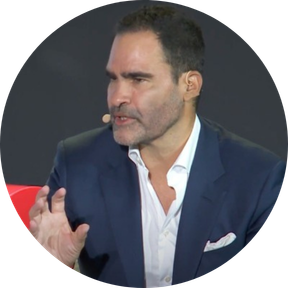
Dubai 2026: From Regional Shifts to New Growth Prospects with Timur Kudratov

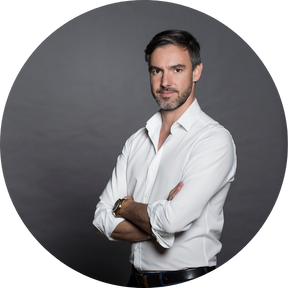
Timur Kudratov is an entrepreneur, investor, and Founder of Enlightened Minds Investments, a Dubai-based platform focused on building revenue-generating businesses across real estate, technology, and services. With over two decades of experience in the UAE, he works closely with international investors, founders, and partners entering the region, structuring opportunities, and enabling sustainable, long-term growth.

In this exclusive interview, he shares his perspective on Dubai’s evolving economic landscape, shifting investor behavior, and the opportunities emerging across the region.

World Luxury Chamber of Commerce: What is your current view of Dubai’s economic position, and how is the business community responding to recent regional developments?

Timur Kudratov: Dubai doesn’t operate as a single-flow economy, so it doesn’t react the way more dependent markets do.

What we see today is not a slowdown — it’s a rebalancing. Certain segments soften temporarily, others pick up quickly. The city absorbs pressure and redirects activity.

From a business perspective, serious operators are not pulling back. If anything, they are becoming more focused — tightening execution, prioritizing real revenue, and avoiding speculative moves.

At our level, we continue to see a consistent inflow of entrepreneurs and investors who are looking for a stable base to operate from. That hasn’t changed.

WLCC: With changes in regional travel dynamics, how are businesses in Dubai adapting their strategies?

TK: The companies that relied purely on tourist traffic are the ones adjusting the most.

The stronger businesses have already shifted toward a more balanced model — combining international visitors with local and regional demand. Dubai has a large resident base with strong purchasing power, and that is often underestimated.

What matters now is not footfall — it’s retention and quality of customer base.

We advise companies to build for continuity, not seasonality. That’s the difference between a business and an operation.

WLCC: How would you describe the current behavior of high-net-worth consumers in the luxury segment?

TK: Demand hasn’t disappeared. It has become more selective.

People still spend — but they are more intentional. There’s less interest in pure brand exposure and more focus on quality, access, and experience.

You see it clearly: clients are choosing fewer things, but better ones.

This is why businesses that combine lifestyle, service, and investment positioning are performing better than those selling just products.

WLCC: How would you describe the sentiment of international investors toward Dubai today?

TK: Investor interest in Dubai remains strong for one simple reason — execution works here.

In many markets, the challenge is not opportunity, it’s delivery. In the UAE, if something is structured properly, it gets done.

That creates confidence.

What investors are more cautious about today is not the market — it’s who they work with. They look for partners who understand the system, not just the opportunity.

That’s where platforms like Enlightened Minds come in — structuring deals properly and reducing execution risk.

WLCC: From your experience, how does the current environment compare to previous cycles in terms of Dubai’s resilience?

TK: The biggest difference is maturity.

Years ago, Dubai was growing fast, but it was still building its systems. Today, those systems are in place — regulatory, financial, operational.

That changes everything.

It’s no longer just a high-growth market. It’s a structured environment where growth can be repeated, not just achieved once.

WLCC: How are other GCC markets evolving, and where do you see the main opportunities?

TK: The region is becoming more connected.

Each market has a role:

  • The UAE is the entry point and capital hub.
  • Saudi Arabia has scale and internal demand.
  • Other markets are developing more specialized positioning.

The opportunity today is not choosing one market — it’s knowing how to operate across them.

Those who understand that dynamic will move faster than those treating each country separately.

WLCC: How do you view the evolving positioning of Saudi Arabia within the region?

TK: Saudi Arabia is moving at a very aggressive pace. The scale of what they are building is significant.

At the same time, the UAE remains the place where most businesses choose to base themselves.

In reality, it’s not a simple competition. Many companies structure in the UAE and expand into Saudi Arabia.

If you understand both markets, they complement each other well.

WLCC: What role do you see the UAE playing as a regional business hub over the next five years?

TK: The UAE will continue to play three roles:

  • A place where capital comes in,
  • A place where deals are structured,
  • And a place where businesses launch from.

That position is difficult to replicate because it’s built on a combination of regulation, infrastructure, and trust.

Over time, this will only strengthen.

WLCC: How do you see Dubai evolving over the next two years if current conditions continue?

TK: Dubai will remain open, but more selective.

The next phase is not about attracting everyone — it’s about attracting the right businesses and the right capital.

You’ll see more structure, more discipline, and less tolerance for weak models.

For serious operators, that’s a positive shift.

WLCC: What is your message to entrepreneurs and investors operating in the region today?

TK: This market doesn’t reward presence. It rewards positioning.

If you are here, you need to be clear on:

What you are building.

Who you are building it with.

And how you are structuring it.

Those who treat the UAE as a long-term base — not a short-term opportunity — will benefit the most.

The environment is there. The question is whether the business is built properly to use it.

Thank you, Timur! WLCC regularly features conversations and insights from global luxury leaders. Join our community to receive new interviews and perspectives weekly: https://worldluxurychamber.com/wlcc-community/.
The WLCC Monthly Edit: Global Luxury in Focus with Kering, LVMH and Beyond

The WLCC Monthly Edit: your curated digest of the latest in the world of luxury. Each month, WLCC brings you a handpicked selection of industry news, insights, and stories influencing the future of high-end fashion, design, hospitality, travel, real estate, and beyond. Consider this your insider’s guide to the latest in luxury. 

Kering Appoints Pierre Houlès to Lead Digital and AI Transformation

Kering has named Pierre Houlès as its new Chief Digital, AI, and IT Officer, effective immediately, with a seat on the Executive Committee. In this role, he will drive the Group’s digital evolution and modernize its technology infrastructure to align with future ambitions. Houlès will focus on embedding innovation across operations to elevate both performance and brand desirability. With strong experience in large-scale transformation and advanced technologies, particularly artificial intelligence, he is set to enhance integration and agility across the business. He will report directly to Jean-Marc Duplaix, Kering’s Chief Operating Officer, supporting long-term strategic growth.

Via: Kering

LVMH Strengthens Leadership with Key Executive Appointments

LVMH has announced strategic leadership appointments to reinforce its structure and support long-term growth. Véronique Courtois is named Chairman and CEO of Parfums Christian Dior and the Group’s Beauty Division, joining the Executive Committee while maintaining continuity at Dior. Antoine Arnault also joins the Executive Committee, overseeing image, communication, and sustainability initiatives, key to the Group’s global reputation. Meanwhile, Stéphane Rinderknech departs to pursue personal projects after contributing to hospitality and beauty expansion. These changes highlight LVMH’s focus on innovation, leadership excellence, and sustainable development, ensuring continued momentum across its Maisons and reinforcing its strategic vision.

Via: LVMH

HENRYs: The New Generation Transforming Luxury Real Estate

A rising group of Gen Z and younger millennials, known as HENRYs (High Earners, Not Rich Yet), is reshaping the luxury real estate market. Earning over $100,000 annually, they prioritize homeownership as both a financial milestone and a reflection of identity. Unlike previous generations, many purchase homes before 30, supported by disciplined saving and generational wealth transfers. For HENRYs, luxury is less about excess and more about personalization, lifestyle, and long-term value. Their growing influence is transforming what it means to own luxury, positioning real estate as the ultimate symbol of success and self-expression.

Via: Realtor

Heinz Beck to Lead Culinary Vision at Orient Express Venezia

Three-Michelin-starred chef Heinz Beck has been appointed to shape the culinary direction of Orient Express Venezia. Alongside the Beck and Maltese Consulting Team, he will oversee all dining experiences within the historic Venetian palazzo, from fine dining to more casual spaces. Inspired by the Venetian lagoon, his cuisine emphasizes precision, balance, and clarity of flavor. The vision will be executed by Chef in Residence Pasquale Rivetti. This culinary concept is set within a renovated architectural masterpiece by Aline Asmar d’Amman, blending heritage with contemporary elegance and reflecting Venice’s rich cultural legacy.

Via: Orient Express

Report: Indian Luxury Retail Market 2026

Luxe Analytics is proud to announce the release of its latest report, Indian Luxury Retail Market 2026. India is emerging as the luxury industry’s next major growth engine, projected to expand from roughly 2% of the global personal luxury market today to 5–6% by FY29, unlocking a $24–26 billion opportunity. To capitalize on this momentum, brands must deeply understand India’s complex and evolving luxury landscape, from consumer behavior to regional nuances. This report explores market overview, key growth drivers, constraints, competitive landscape, and the future outlook shaping India’s dynamic luxury retail sector.

Via: Luxe Analytics/Dr. Sheetal Jain

luxury networking

Curated Networking: Transforming B2B Relationships

Business networking has long focused on scale, with large events and extensive contact lists. In today’s fast-paced, specialized landscape, volume no longer guarantees value. Executives now prioritize relevance, seeking strategic, aligned connections over random interactions. Traditional networking often leads to inefficiency and low-quality opportunities, prompting a shift toward curated B2B matchmaking. This approach emphasizes intentional introductions, peer-level engagement, and efficient use of time. In industries like luxury, where trust and alignment are critical, curated networks foster meaningful relationships and collaboration. As business evolves, success increasingly depends on the quality, not the quantity, of connections and communities.

Via: WLCC

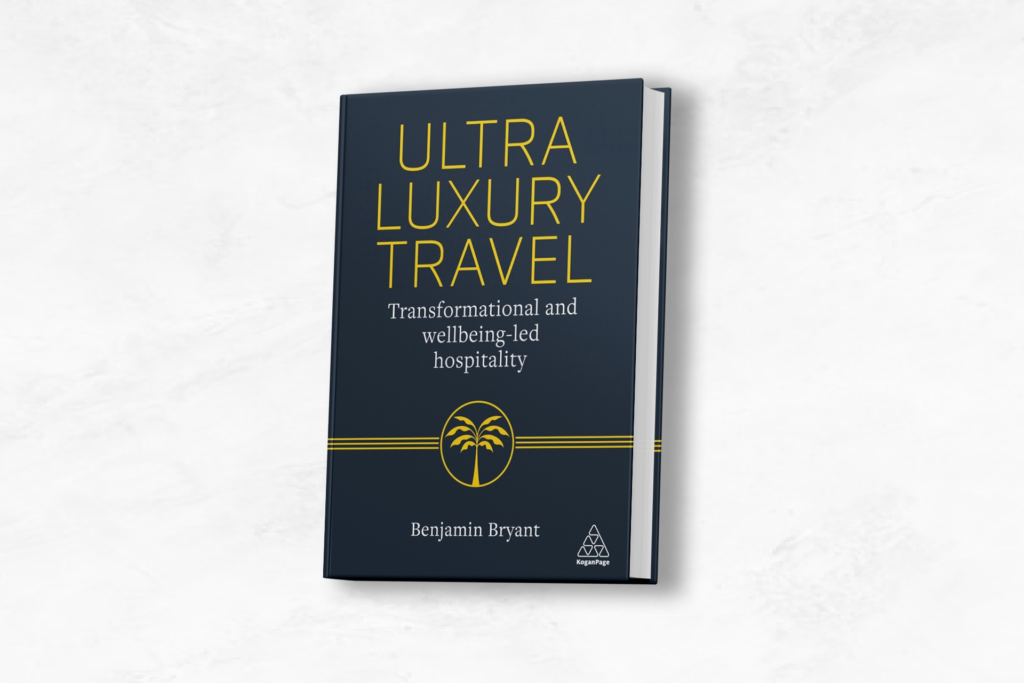
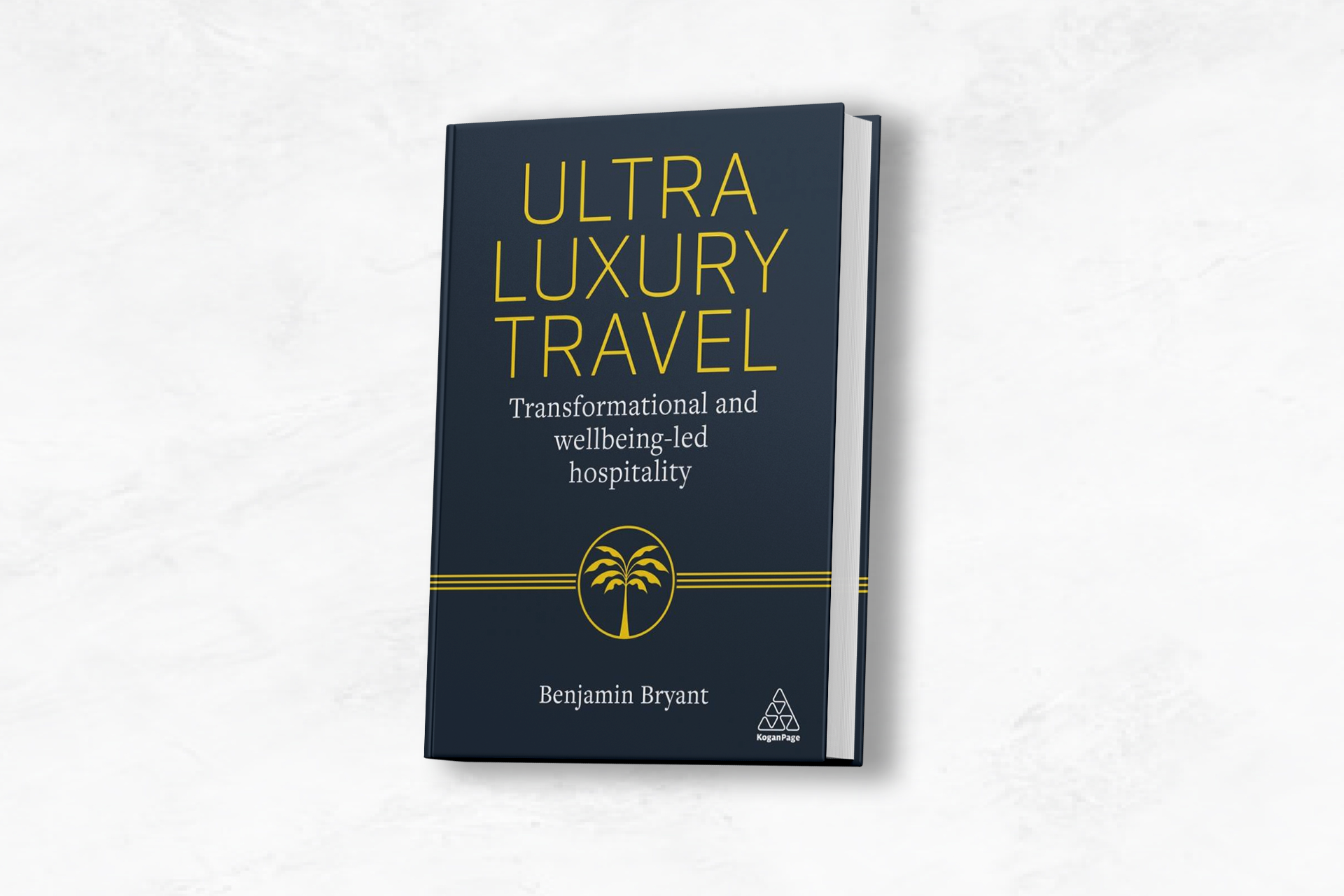
Curated Read: Ultra-Luxury Travel by Benjamin Bryant

Ultra-Luxury Travel (2024) by Benjamin Bryant is a strategic guide for leaders in luxury hospitality navigating a shift from opulence to intentional, experience-driven value. Drawing on global expertise, Bryant argues that wellness, sustainability, and personalization are now core economic drivers, not add-ons. The book stands out for linking experiential luxury to measurable ROI, offering practical frameworks for implementation and investment decision-making. It also addresses risk management, governance, and brand alignment in a rapidly evolving market. More than a conceptual overview, it serves as a hands-on manual for executives and investors shaping the future of ultra-luxury through data-driven, meaningful experiences.

Via: WLCC

Stay connected with the latest news, trends, and curated networking opportunities – join the WLCC community: https://worldluxurychamber.com/wlcc-community/

Exclusive Interview with Salome Lomsadze of SHUMI Winery & Estate: Georgian Luxury Through Wine

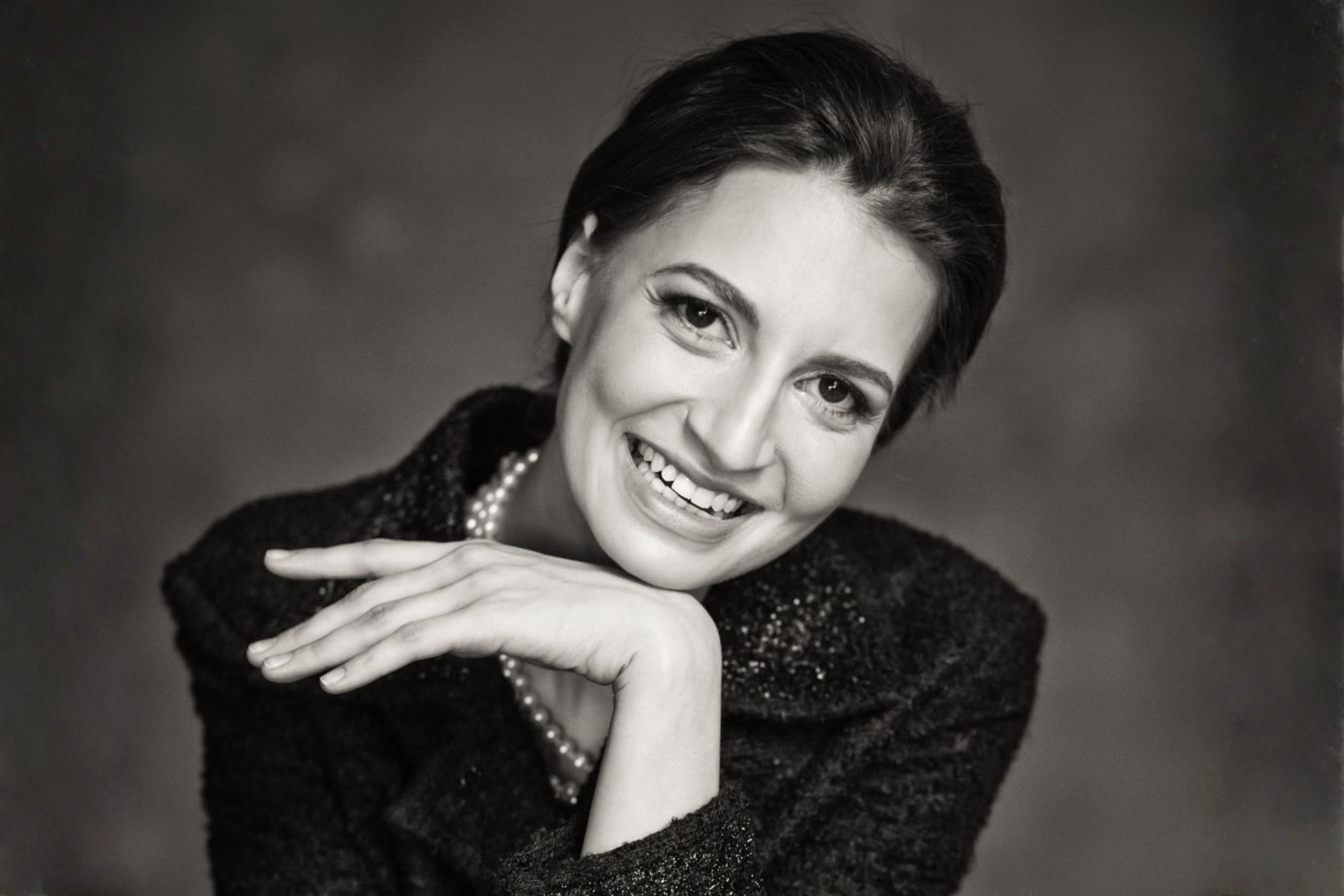
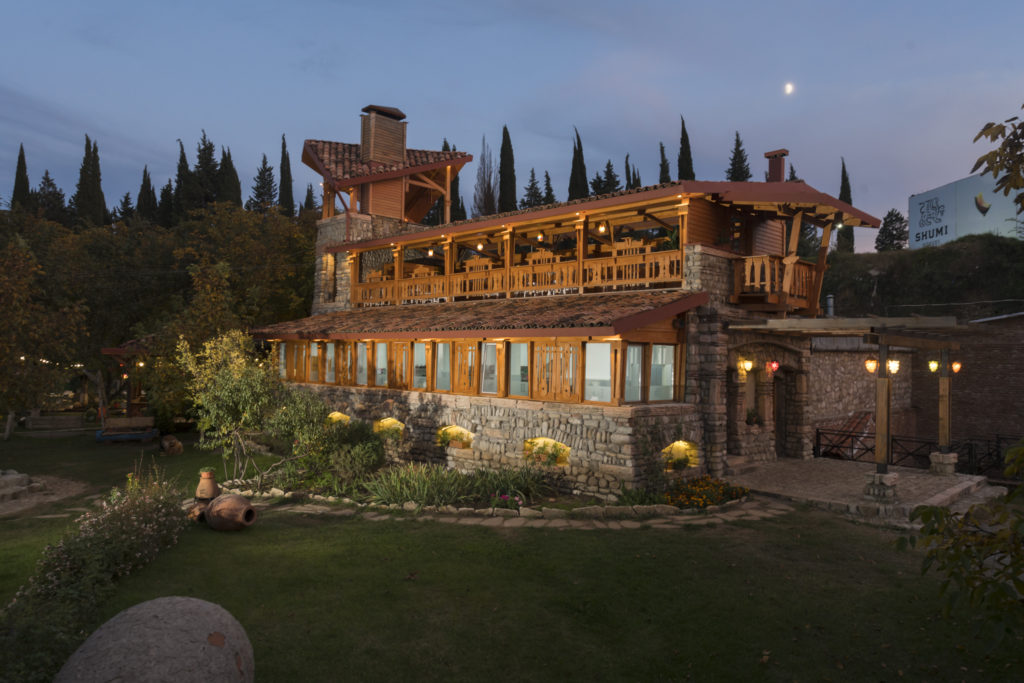
Following its recognition as one of the TOP 100 Premium Wine & Spirits Brands of the World by Luxury Lifestyle Awards in 2025, SHUMI Winery & Estate continues to command global attention for its role in shaping the future of Georgian wine. This exclusive conversation, led by Alexander Chetchikov, President of the World Luxury Chamber of Commerce, spotlights the vision and commercial leadership behind the brand, with SHUMI Winery Commercial Director, Salome Lomsadze, whose perspective bridges tradition, strategy, and contemporary luxury.

Alexander Chetchikov: Luxury today is defined by authenticity and narrative—how does SHUMI translate Georgia’s eight-thousand-year winemaking heritage into a true luxury wine experience, and in your view, what distinguishes such an experience from a premium offering within the context of your estate, vineyards, and cultural environment?

Salome Lomsadze: From my perspective, true luxury in the modern world goes beyond a high-end product. It is about authenticity, a deep connection to roots, sincerity in every aspect of the brand, and an uncompromising commitment to truth and craftsmanship. True luxury is felt in the details—it creates emotional connection and brings people together.

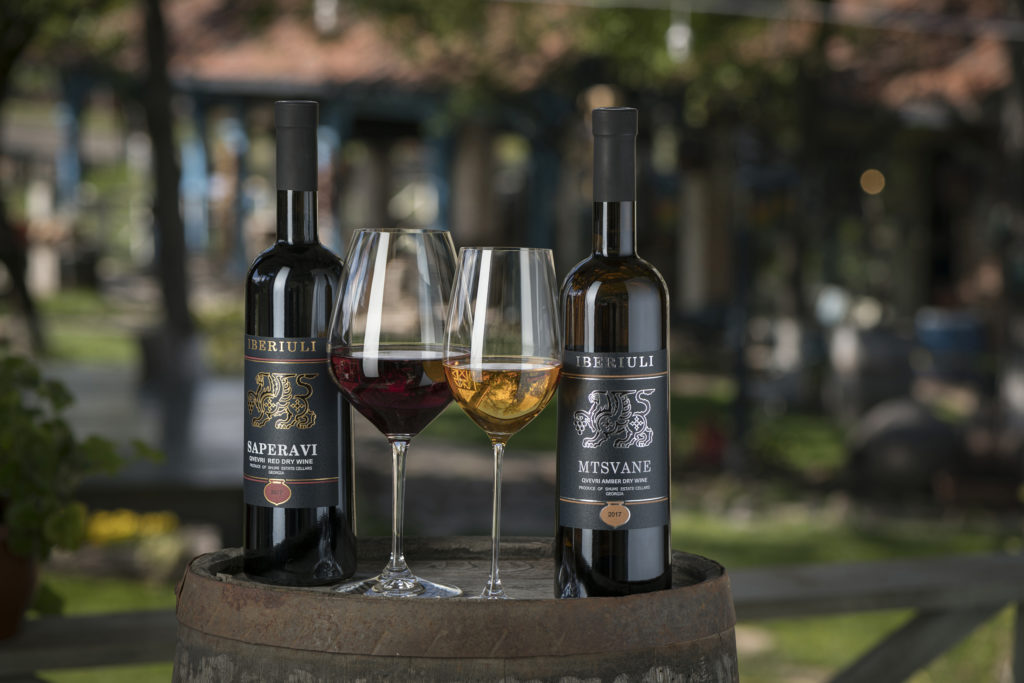
At SHUMI, this has been our vision from the very beginning. Our goal has always been to present Georgia’s winemaking culture to the world at the highest level. We focus on showcasing our indigenous grape varieties in their purest expression, shaped by their unique terroirs and crafted with genuine care and passion by the people behind each wine.

In this sense, what distinguishes a true luxury wine experience is not only the quality of the wine itself, but the depth of story, heritage, and human connection that it carries.

AC: SHUMI is deeply rooted in history, art, and ritual. How important is cultural immersion in elevating wine from a product to a luxury lifestyle experience?

SL: Cultural immersion is essential in elevating wine from a product to a true luxury lifestyle experience. Wine, at its core, is not just a beverage—it is a reflection of history, place, and human expression.

At SHUMI, we believe that wine cannot be separated from the culture that created it. Georgian winemaking is one of the oldest in the world, deeply intertwined with rituals, art, music, and storytelling. When guests experience SHUMI, they are not only tasting wine—they are stepping into a living heritage.

This cultural depth adds meaning and emotion to the experience. It transforms wine from something you simply consume into something you understand, feel, and remember. True luxury lies in this richness—in offering not just a product, but a sense of belonging, discovery, and connection to something timeless.

AC: Many of SHUMI’s wines are produced in extremely limited quantities using patented methods. How does rarity influence perceived luxury without compromising accessibility to global markets?

SL: Rarity plays a significant role in shaping the perception of luxury, as it reflects dedication, craftsmanship, and the uniqueness of each wine. However, for us at SHUMI, rarity is never about exclusivity for its own sake—it is a natural result of our commitment to quality, innovation, and respect for tradition.

Our limited-production wines, often created using patented methods, represent the highest expression of our philosophy. They are crafted with precision and care, which inherently limits volume. This scarcity enhances their value and desirability, as each bottle carries a distinct story and character.

At the same time, we believe that accessibility is equally important. While our rare wines highlight the pinnacle of our work, we ensure that a broader range of SHUMI wines remains available to international markets. This allows a wider audience to connect with Georgian wine culture, while our limited editions serve as a deeper, more refined experience for those seeking something truly exceptional.

In this way, rarity enhances luxury without creating barriers—it invites discovery while maintaining authenticity.

SHUMI Winery & Estate

AC: SHUMI is known for reviving autochthonous grape varieties that were once on the brink of extinction. From an industry standpoint, how challenging is it to reintroduce such varieties into contemporary wine portfolios?

SL: Reintroducing autochthonous grape varieties into contemporary wine portfolios is both a significant challenge and a long-term commitment. From an industry standpoint, it requires not only deep scientific and agricultural knowledge, but also patience, investment, and a clear vision.

Many of these varieties were close to extinction, which means limited planting material, the need for careful vineyard rehabilitation, and ongoing research to understand their behavior in modern viticulture. In addition, there is the challenge of positioning these grapes in international markets—educating consumers and trade professionals who may be unfamiliar with their names, styles, and potential.

At SHUMI, we see this not as a limitation, but as a responsibility and an opportunity. By reviving indigenous varieties, we are preserving biodiversity and safeguarding a unique part of Georgia’s cultural and winemaking heritage. At the same time, we are offering the global market something truly distinctive—wines that cannot be replicated elsewhere.

Ultimately, the challenge lies in balancing authenticity with accessibility: maintaining the integrity of these rare varieties while presenting them in a way that resonates with modern consumers.

AC: Innovation is central to SHUMI’s identity, from cultivated terroir-specific yeast to Qvevri-based sparkling wines. How do these innovations shape the winery’s long-term commercial strategy?

SL: Innovation is a cornerstone of SHUMI’s long-term vision, but for us it is always rooted in tradition rather than driven by trends. Our approach is to reinterpret Georgia’s ancient winemaking heritage through modern research and technology, creating wines that are both authentic and forward-looking.

Developments such as cultivating terroir-specific yeast or producing sparkling wines using Qvevri are not just technical achievements—they allow us to differentiate SHUMI in a highly competitive global market. These innovations strengthen our identity by offering unique products that cannot be easily replicated, giving us a clear positioning in the premium and luxury segments.

From a commercial perspective, innovation supports sustainable growth. It enables us to expand our portfolio, enter new markets, and respond to evolving consumer preferences while maintaining a strong connection to our origins. At the same time, it enhances brand value by reinforcing SHUMI as a winery that leads with both heritage and creativity.

In the long term, this balance between tradition and innovation ensures not only relevance, but also resilience—allowing SHUMI to grow while staying true to its core philosophy.

AC: Wine tourism has become an essential pillar of the global wine industry. How has SHUMI’s pioneering role in Georgian enotourism influenced its brand positioning internationally?

SL: Wine tourism has become a powerful tool for building emotional connection with a brand, and at SHUMI, it has played a defining role in shaping our international positioning.

As one of the pioneers of enotourism in Georgia, we have created an experience that goes far beyond traditional wine tasting. Visitors are immersed in the full spectrum of Georgian culture—our vineyards, qvevri cellars, biodiversity, cuisine, music, and history. This holistic approach allows guests to truly understand the depth and authenticity behind our wines.

From an international perspective, this direct engagement has been invaluable. It transforms visitors into ambassadors of the brand, creating organic global awareness through personal experience. Many of our long-term partners, clients, and supporters first encountered SHUMI through wine tourism.

Moreover, enotourism reinforces our positioning in the premium and luxury segments. It demonstrates that SHUMI is not only a wine producer, but also a cultural destination—offering meaningful, memorable experiences rooted in heritage and innovation.

In this way, wine tourism has become a strategic bridge between local authenticity and global recognition, strengthening both our brand identity and our presence in international markets.

AC: Looking ahead, how do you see Georgian wine evolving on the global stage, and what role will SHUMI play in defining its future within the premium and luxury segments?

SL: Georgian wine is entering a very important phase of its global evolution. Over the past decade, there has been growing recognition of Georgia as the cradle of wine, but the next step is deeper understanding—of our diversity, our indigenous grape varieties, and the sophistication of our winemaking traditions.

I believe Georgian wine will continue to move steadily into the premium and luxury segments, driven by authenticity, limited production, and a strong cultural narrative that cannot be replicated anywhere else in the world. As global consumers increasingly seek meaning, origin, and uniqueness, Georgia is uniquely positioned to meet this demand.

At SHUMI, we see our role as both a guardian and a pioneer. On one hand, we are committed to preserving and advancing our heritage—reviving rare grape varieties, maintaining traditional methods such as qvevri, and protecting biodiversity. On the other hand, we aim to lead innovation and set benchmarks for quality, consistency, and global relevance.

Our ambition is to help shape the perception of Georgian wine as not only historic, but also refined, contemporary, and world-class. By combining tradition with innovation and maintaining uncompromising standards, SHUMI strives to be a reference point for Georgian wine in the premium and luxury space.

Ultimately, our role is to contribute to a future where Georgian wine is not discovered as a curiosity, but recognized as a category of excellence in its own right.

Thank you, Salome, for sharing your insights into SHUMI’s philosophy, leadership, and vision for the future of Georgian wine. Your perspective offers a compelling view into how heritage, innovation, and luxury can coexist with integrity.

To learn more about SHUMI’s wines, visit https://shumiwinery.com/en/home.

About Luxury Lifestyle Awards:

Luxury Lifestyle Awards, a part of the World Luxury Chamber of Commerce, is a global organization dedicated to selecting, recognizing, and promoting the finest luxury goods and services worldwide. With a 16-year legacy, LLA connects discerning clientele to exceptional luxury experiences. Its rigorous evaluation process assesses over 5,000 products and services across 400 categories in 100 countries, culminating in a prestigious list of winners that showcases the world’s elite. Renowned brands like Ritz-Carlton, Savills, and Dom Pérignon have been recognized by the Luxury Lifestyle Awards, enhancing brand credibility, elevating status, and providing global exposure for award recipients. For more information, please visit: Luxury Lifestyle Awards.


WLCC regularly features conversations and insights from global luxury leaders. Join our community to receive new interviews and perspectives weekly: https://worldluxurychamber.com/wlcc-community/.

DWISS Joins World Luxury Chamber

DWISS has been officially inducted into the World Luxury Chamber of Commerce (WLCC), marking its entry into a global network of distinguished luxury brands and innovators shaping the future of the industry.

DWISS operates within the luxury watchmaking sector, positioning itself through a distinctive approach to contemporary horology. The brand reflects a commitment to design-led timepieces that resonate with modern collectors and enthusiasts seeking individuality and refined craftsmanship.

As part of WLCC, DWISS gains access to a curated international platform designed to foster strategic visibility, high-level networking, and collaborative growth opportunities. The Chamber provides its members with an environment that supports long-term positioning, industry influence, and meaningful connections across the global luxury ecosystem.

“We are pleased to welcome DWISS into the World Luxury Chamber of Commerce. The brand’s forward-thinking approach to watchmaking aligns with our vision of uniting innovative and distinguished companies that contribute to the evolution of the luxury sector,” said Alexander Chetchikov, President of the World Luxury Chamber of Commerce.

DWISS’s induction reflects its alignment with a community dedicated to advancing excellence, creativity, and leadership across luxury industries. Through WLCC membership, the brand further strengthens its presence within an international framework that values innovation and strategic growth.

Discover more about DWISS: https://www.dwiss.com/.


If you found this insight valuable, don’t miss future perspectives for luxury leaders. WLCC delivers fresh intelligence and expert insights to its community on a weekly basis. Join now https://worldluxurychamber.com/wlcc-community/.


World Luxury Chamber of Commerce Welcomes ARACANTO as a Distinguished New Member

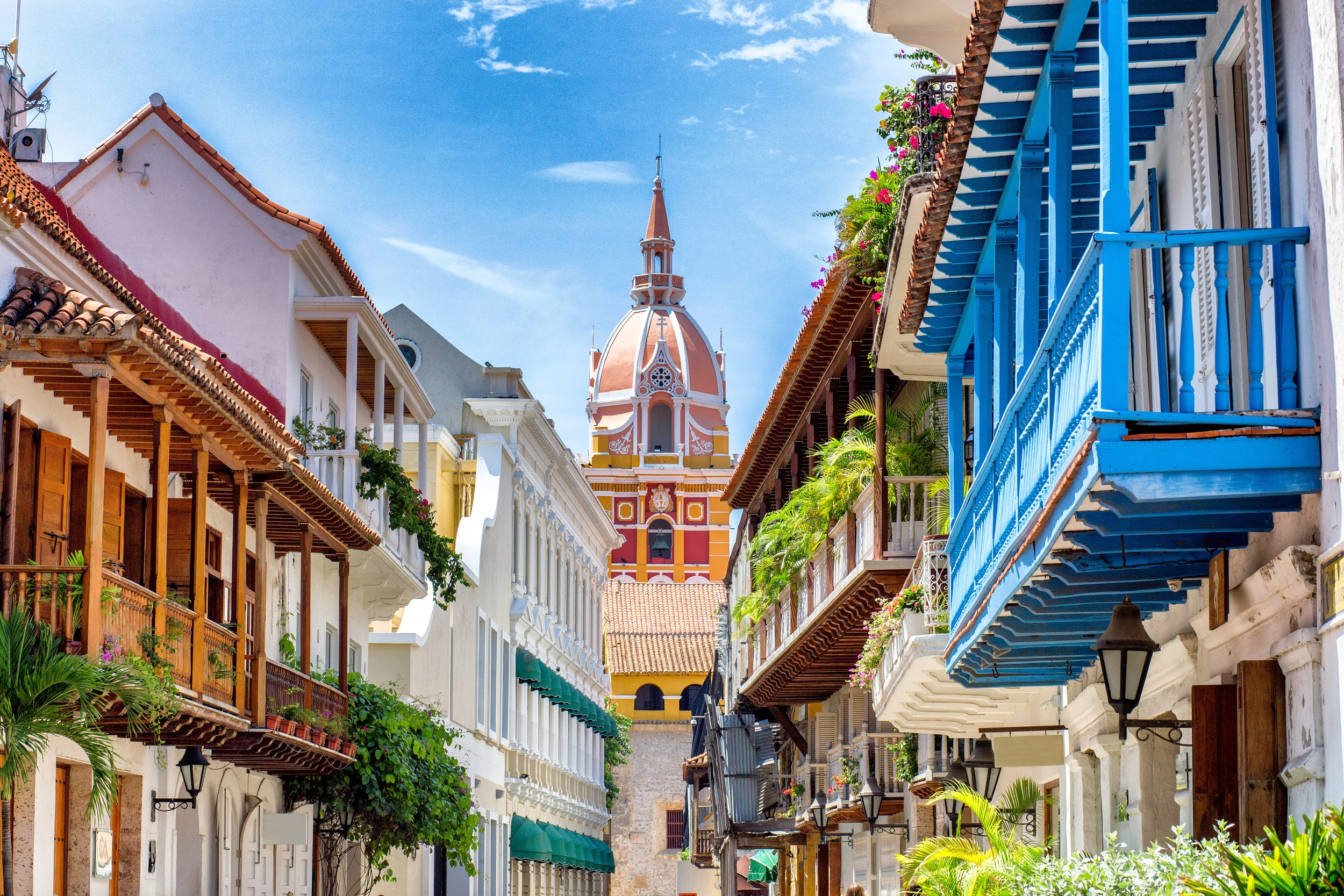
The World Luxury Chamber of Commerce (WLCC) is proud to announce the induction of ARACANTO, a boutique luxury travel agency specializing in bespoke journeys through Colombia, into its exclusive global network of leading luxury brands.

Membership in the WLCC is a mark of excellence, reserved for companies that demonstrate exceptional quality, innovation, and leadership within the luxury sector. ARACANTO’s inclusion underscores its loyalty to delivering highly personalized, high-end travel experiences defined by authenticity, attention to detail, and world-class service.

Founded in 2018 and headquartered in Colombia, ARACANTO has established itself as a premier luxury travel specialist, curating tailor-made journeys that showcase the country’s most extraordinary destinations, from Cartagena and the Coffee Region to the Amazon Rainforest and Caño Cristales. The company is renowned for its private, immersive experiences, strong local partnerships, and dedication to sustainable and community-driven tourism. 

By joining WLCC, ARACANTO gains access to a powerful ecosystem of global luxury leaders, unlocking strategic advantages such as elite networking opportunities, international exposure, industry insights, and collaborative partnerships designed to accelerate growth and innovation. The Chamber provides a platform where members can exchange expertise, expand their global footprint, and elevate their brand positioning within the competitive luxury landscape.

Alexander Chetchikov, President of the World Luxury Chamber of Commerce, commented: “We are delighted to welcome ARACANTO to the WLCC. Their dedication to manifesting deeply personalized and authentic luxury travel experiences reflects the values we champion within our global network. ARACANTO represents a new generation of luxury brands that combine innovation, sustainability, and emotional connection; qualities that are shaping the future of the luxury industry.”

ARACANTO’s membership is expected to contribute significantly to the advancement of luxury travel by promoting Colombia as a world-class destination while championing responsible tourism and meaningful cultural engagement. Through its innovative approach, ranging from hyper-personalized itineraries to strong community partnerships, the company is helping reshape modern luxury as both experiential and purposeful.

As part of WLCC, ARACANTO will collaborate with fellow members to drive industry innovation, enhance global standards, and create transformative experiences for discerning travelers worldwide.

The World Luxury Chamber of Commerce looks forward to supporting ARACANTO in its continued growth and celebrating its contributions to the evolution of the global luxury sector. Visit http://www.aracanto.com/ to learn more today.


We publish fresh insight, leadership perspectives, and market intelligence for the luxury industry every week inside the WLCC community. Join now https://worldluxurychamber.com/wlcc-community/.


Deloitte Global Powers of Luxury 2026 Insights: A More Selective and Disciplined Luxury Market

The luxury sector is entering a new stage of development: one characterized not by rapid expansion, but by stabilization, increased selectivity, and a deeper focus on long-term value creation. From the perspective of the World Luxury Chamber of Commerce, these shifts reflect a broader evolution in how luxury insights are generated, interpreted, and applied across the global industry. The 2026 outlook signals a transition in how the sector defines growth, success, and long-term relevance.

Drawing on insights from Deloitte’s Global Powers of Luxury report, based on perspectives from more than 400 senior executives across ten global markets, this year’s analysis moves beyond retrospective performance and instead focuses on how industry leaders are adapting to a fundamentally changing environment. This environment is shaped by more discerning consumers, shifting geographic demand patterns, evolving regulatory pressures, and the accelerated integration of artificial intelligence.

Luxury Insights: A Strategic Industry Reset

Expectations for 2026 suggest a clear strategic pivot. Growth is no longer being pursued through volume alone, but through disciplined value creation. Approximately two-thirds of executives anticipate stable or increasing revenues, while over 70% expect to sustain or enhance profitability. This reflects a more measured approach to expansion, where maintaining margins is as critical as driving top-line performance.

To support this shift, companies are reinforcing their pricing strategies, improving operational efficiency, and investing in brand equity. Physical retail is also being reimagined. Rather than expanding footprints indiscriminately, brands are focusing on optimizing their store networks and transforming key locations into immersive, experience-driven flagship destinations.

Redefining the Luxury Consumer and Experience

Customer engagement is emerging as a central driver of growth. Strengthening loyalty and deepening relationships with clients are seen as critical priorities, with many organizations investing in advanced clienteling capabilities, data-driven personalization, and curated brand experiences that foster emotional connection and long-term affinity.

Innovation at Scale: AI, Circular Models, and Sustainability

The adoption of generative artificial intelligence is accelerating rapidly. What was previously exploratory is now becoming operational. A significant share of companies are already implementing GenAI in targeted applications, while a growing number are embedding it across core business functions. This signals a shift toward technology as a foundational element of both creativity and efficiency within luxury organizations.

At the same time, circular business models are gaining traction and maturity. Many brands are expanding their involvement in repair, refurbishment, and resale initiatives, either independently or through partnerships. These efforts are increasingly being integrated into broader brand strategies, enabling companies to extend product lifecycles while maintaining control over brand perception and value.

Sustainability is also evolving in its role within the industry. Rather than being treated primarily as a compliance requirement, it is now being positioned as a driver of innovation. Investment is increasingly directed toward research and development, particularly in areas such as new materials, supply chain transparency, and lifecycle optimization.

Luxury Insights: Global Demand Reconfiguration and Emerging Markets

From a geographic perspective, the drivers of growth are becoming more diversified. While established markets remain important, regions such as China, Japan, the Middle East, and India are expected to play a leading role in shaping demand in the coming years. Their influence is supported by strong domestic consumption, increased international mobility, and the continued expansion of affluent consumer segments.

In parallel, luxury travel and hospitality are emerging as some of the most dynamic areas within the broader luxury ecosystem. The growing importance of experiences, combined with rising global mobility, is positioning this segment as a key contributor to future growth.

Looking ahead, the next phase of the luxury industry will be defined by several intersecting dynamics. The convergence of advanced technologies with traditional craftsmanship, the expansion of luxury into lifestyle-oriented sectors, and the increasing importance of long-term relationships with clients will all play a central role.

Artificial intelligence and innovation in materials and production are expected to be among the most transformative forces shaping the industry over the next five years. Together, they are contributing to a more adaptive, responsive, and forward-looking luxury landscape.

Toward a Relationship-Driven Luxury Ecosystem

Ultimately, the industry is moving toward a model where success is determined less by scale and more by relevance. Cultural resonance, trust, and the ability to create meaningful, personalized experiences are becoming the defining factors of competitive advantage.

In this context, the role of curated, high-level ecosystems is becoming increasingly important. As luxury evolves into a more relationship-driven environment, platforms such as the World Luxury Chamber of Commerce support this shift by enabling targeted connections, strategic collaboration, and access to industry insight among global leaders.

Explore deeper industry insights and connect with global luxury leaders — join the WLCC community: https://worldluxurychamber.com/wlcc-community/

Quality Over Quantity: How Curated Networking Is Transforming B2B Relationships

For decades, business networking has been built on scale. Large conferences, open networking events, and extensive contact lists were seen as the primary path to building partnerships and expanding influence. The assumption was simple: the more people you meet, the greater your chances of creating opportunities.

However, the business landscape has evolved. In a global, fast-moving, and highly specialized environment, executives and decision-makers are discovering that volume no longer guarantees value. What matters today is not how many connections you have, but how relevant and strategic those connections are.

This shift is reshaping the way professionals approach networking and collaboration. Increasingly, leaders are turning to curated B2B matchmaking, a more focused, strategic model that prioritizes meaningful introductions over mass interaction.

The Limits of Traditional Networking

Traditional networking formats were designed for accessibility and scale. Conferences, trade shows, and open networking events bring together large numbers of participants from different industries and backgrounds. While these environments can generate exposure, they often struggle to deliver consistent strategic value.

Many professionals experience the same challenges:

Too many irrelevant connections
Large networking events frequently bring together individuals with very different objectives, industries, and levels of decision-making authority. While conversations can be interesting, only a small fraction translate into meaningful business opportunities.

Time inefficiency
Senior executives and entrepreneurs operate in a time-constrained environment. Attending large events or maintaining extensive contact lists often requires significant time investment without a clear return.

Lack of strategic alignment
The most valuable partnerships typically emerge when businesses share complementary goals, market positioning, or geographic strategies. Random networking rarely guarantees this alignment.

As a result, many business leaders are moving away from networking based on scale and toward models designed to deliver high-quality, relevant connections.

The Rise of Curated B2B Networking

In response to these challenges, a new approach to networking is gaining momentum: curated business matchmaking.

Unlike traditional networking, curated matchmaking focuses on intentional introductions between professionals whose interests, industries, and strategic goals align. Instead of relying on chance encounters, connections are facilitated based on compatibility and potential value.

This model emphasizes several key principles:

  • Relevance over volume
  • Strategic alignment between partners
  • Peer-level introductions among decision-makers
  • Efficient use of time and resources

For many organizations, curated matchmaking has become one of the most effective ways to identify new partnerships, explore collaborations, and access new markets.

Rather than spending time filtering through dozens of contacts, executives are introduced to individuals who already meet specific strategic criteria.

The Importance of Curated Connections in the Luxury Industry

The luxury sector offers a particularly clear example of why curated networking matters.

Luxury brands operate in an environment where reputation, exclusivity, and trust are central to success. Partnerships are carefully considered, and collaborations often require alignment in brand values, market positioning, and audience expectations.

Because of this, many leaders in the luxury industry prefer to engage within selective professional communities where peer quality and credibility are carefully maintained.

These environments make it easier to build relationships based on mutual respect, shared standards, and long-term strategic goals.

In such ecosystems, introductions are not simply about expanding a network. They are about connecting the right people at the right level of influence.

How Curated Matchmaking Creates Business Value

When done effectively, curated B2B matchmaking can create several tangible advantages for businesses.

Accelerated partnership development
Strategic introductions significantly reduce the time required to identify compatible partners.

Higher-quality conversations
Because connections are aligned with professional interests and objectives, discussions are more likely to lead to real opportunities.

Access to new markets and industries
Curated networks often bring together leaders from different sectors and regions, opening the door to cross-industry collaborations and global expansion.

Stronger professional ecosystems
Over time, curated communities foster trust and long-term relationships that support ongoing innovation and cooperation.

For organizations seeking sustainable growth, the ability to build relationships within a trusted ecosystem can become a powerful competitive advantage.

A New Model for Business Communities

The shift toward curated networking is also reshaping the concept of business communities.

Instead of open platforms designed for mass participation, many modern business networks are structured as invitation-only or application-based ecosystems. These communities focus on maintaining peer quality, relevance, and credibility among members.

Within these environments, networking becomes a more structured and strategic process. Introductions are facilitated intentionally, conversations are often focused on industry insights and collaboration, and participants share a commitment to professional excellence.

Such communities create a space where leaders can exchange knowledge, explore partnerships, and collectively shape the future of their industries.

Supporting Strategic Business Connections

The World Luxury Chamber of Commerce is built around this evolving philosophy of networking.

Rather than relying on traditional mass networking formats, WLCC focuses on curated business growth through strategic introductions and relevant partnerships. By connecting leaders across the global luxury ecosystem, the organization supports meaningful collaboration between brands, entrepreneurs, and industry innovators.

Through curated matchmaking and leadership-focused gatherings, professionals are able to engage in conversations that go beyond simple networking and move toward strategic relationship building.

This approach reflects a broader shift in how business leaders connect in today’s economy.

Looking Ahead: The Future of Business Networking

As industries continue to evolve, the way professionals build relationships will continue to change.

The future of B2B networking is likely to be shaped by several trends:

  • smaller, high-quality professional communities
  • curated introductions based on strategic compatibility
  • cross-industry collaboration among leaders
  • increased focus on trust, credibility, and expertise

In this environment, the value of a single relevant connection can far exceed the value of hundreds of casual contacts.

Business leaders are increasingly recognizing that the strength of a network lies not in its size, but in its relevance.

Stay connected with the latest news, trends, and curated networking opportunities – join the WLCC community: https://worldluxurychamber.com/wlcc-community/

Ultra-Luxury Travel by Benjamin Bryant: Rethinking Luxury Hospitality

Author: Benjamin Bryant
Publication Date: 2024

In a moment when luxury is being redefined by intention rather than excess, Ultra-Luxury Travel by Benjamin Bryant arrives as a timely and highly relevant read for industry leaders. Positioned not as inspiration, but as a practical blueprint, the book speaks directly to executives, investors, and decision-makers navigating the evolving landscape of global luxury hospitality.

Bryant’s central thesis is clear: ultra-luxury is no longer about visible opulence, it is about meaningful, wellness-driven, and transformative experiences. This shift is not a trend, but a structural evolution in how value is created and perceived at the highest levels of travel.

Drawing on his extensive experience across more than 65 island destinations and collaborations with brands such as Cheval Blanc and The Ritz-Carlton, Bryant grounds his insights in real-world application. What distinguishes this book is its balance between strategic thinking and operational clarity. It does not simply describe change, it provides frameworks to act on it.

One of the strongest aspects of the book is its focus on ROI in experience-led luxury. In an industry where “experience” is often discussed abstractly, Bryant introduces measurable approaches to integrating wellness, sustainability, and personalization into business models. This is particularly valuable for leaders who must justify innovation not only creatively, but financially.

The emphasis on wellness as a core economic driver is especially compelling. Rather than treating wellness as an add-on, the book positions it as a central pillar of ultra-luxury strategy, one that directly influences pricing power, customer loyalty, and long-term brand equity.

Another notable strength is the discussion around de-risking investment in experiential offerings. Through market intelligence and structured decision-making models, Bryant provides a level of strategic discipline that is often missing in conversations about luxury innovation. This makes the book highly relevant not only for hospitality operators, but also for investors and developers.

From a governance perspective, the book also addresses a critical but often overlooked dimension: how to align brand, operations, and sustainability commitments in a way that is both credible and scalable. This reflects a broader shift in the industry toward accountability and long-term value creation.

For the World Luxury Chamber of Commerce (WLCC) audience, the book aligns closely with the need for strategic knowledge and insight-driven decision-making. As a curated global network focused on business growth, prestige, and high-level intelligence, WLCC emphasizes the importance of understanding not just where the market is today, but where it is heading.

Ultra-Luxury Travel contributes meaningfully to that conversation. It reinforces the idea that future leaders in luxury will be those who can combine emotional intelligence with data-driven strategy; those who understand that exclusivity today is defined as much by relevance and authenticity as by price point.

This is not a coffee-table luxury book. It is a working manual for those shaping the next chapter of the industry. For executives seeking clarity in a complex and rapidly evolving market, Ultra-Luxury Travel offers both direction and practical tools.

Who should read it:
Senior leaders in hospitality, luxury travel investors, brand strategists, and anyone involved in designing high-end customer experiences.

Key takeaway:
The future of ultra-luxury lies in intentional, wellness-driven experiences, and the ability to measure, deliver, and scale them with precision.

Get the book on Amazon.

Stay informed on the future of luxury travel, hospitality innovation, and strategic insights shaping the industry — join the WLCC community of global luxury leaders: https://worldluxurychamber.com/wlcc-community/

Preparing Leadership for a Multi-Polar Luxury Industry

The luxury industry has long been defined by heritage, leadership, craftsmanship, and a commitment to long-term value creation. Today, the geography of luxury is evolving. Markets such as India, the Middle East, and Southeast Asia are becoming increasingly influential, introducing new clients, capital, and cultural contexts. As a result, the industry is beginning to confront a strategic question that extends beyond retail expansion or market entry: how to prepare the next generation of leaders capable of sustaining luxury’s values in a truly global ecosystem.

This piece features insights from Richa Chopra, luxury branding specialist and researcher, on how leadership must evolve in an increasingly multi-polar global landscape.

Luxury’s Expanding Geography

Luxury growth is no longer defined solely by traditional Western markets such as France, Italy, or Switzerland. Emerging regions are increasingly shaping demand patterns, digital behavior, and cultural expectations. This shift has significant implications for the industry’s talent model.

While brands can replicate retail environments and distribution strategies across markets relatively quickly, cultivating professionals who deeply understand the operational and cultural codes of luxury takes far longer. Talent pipelines in many emerging regions are still developing, and professionals often enter the industry through marketing, fashion, or retail backgrounds without exposure to the full ecosystem that supports luxury brands.

This is not a lack of interest in luxury careers. On the contrary, interest is growing. The challenge lies in the gap between how professionals are trained and how luxury organizations actually function. As luxury becomes increasingly global, this gap becomes more visible.

Industry Signals

Several signals suggest that luxury talent development is becoming a strategic priority. Major luxury groups are expanding internal academies, hospitality brands are building structured leadership pipelines, and luxury education programs are increasingly emerging in markets such as India and the Middle East.

These developments reflect a broader recognition: sustaining luxury’s global expansion will require more than retail growth – it will require the deliberate cultivation of leadership capable of operating across cultures and complex operational systems.

Three Structural Shifts Reshaping Luxury Leadership

Three structural developments are accelerating the urgency of this conversation.

1. The Rise of a Multi-Polar Luxury Market

Luxury demand is no longer concentrated in a handful of Western markets. Emerging regions are becoming powerful drivers of growth, influence, and innovation.

India, the Middle East, and Southeast Asia are shaping new expectations around hospitality, retail experiences, and digital engagement. As these markets mature, luxury brands must navigate increasingly diverse cultural environments while preserving the coherence of their identity.

This requires professionals capable of operating between cultures, translating global heritage into locally meaningful experiences.

2. Increasing Operational Complexity

The luxury ecosystem has evolved far beyond product design and boutique retail.

Today it encompasses:

• advanced clienteling strategies
• data-driven personalization
• hospitality and experiential services
• omnichannel retail systems
• highly sophisticated global supply chains

Managing this complexity requires professionals who understand how creative, operational, and commercial systems interact.

Luxury leadership today therefore demands both cultural sensibility and operational fluency.

3. The Challenge of Cultural Translation

Perhaps the most delicate challenge for luxury brands is maintaining coherence across markets with different cultural expectations. A brand’s heritage may originate in Paris, Milan, or Geneva, while its clientele may increasingly be based in Dubai, Mumbai, or Singapore.

Ensuring that a brand’s identity remains authentic while adapting to local cultural contexts requires professionals capable of navigating both perspectives simultaneously. In this sense, luxury leadership is becoming an act of cultural translation.

The Skills Defining the Next Generation of Luxury Leaders

As the industry becomes more global and more complex, the capabilities required from future leaders must evolve accordingly. Several competencies are becoming increasingly essential.

Cultural Intelligence

Luxury professionals must understand how to translate a brand’s heritage and codes into markets with different cultural expectations without diluting authenticity.

This requires not only market knowledge but also deep sensitivity to cultural nuance.

Operational Fluency

Understanding how retail, merchandising, supply chains, and clienteling systems interact is critical for sustaining brand consistency and service excellence.

Luxury is not sustained by storytelling alone. It relies on sophisticated operational ecosystems.

Data Literacy

Personalization and client analytics are becoming increasingly central to luxury strategy. As brands deepen their understanding of client behavior, professionals must combine intuition with analytical insight.

The modern luxury leader must be comfortable navigating both art and analytics.

Long-Term Stewardship

Perhaps more than any other industry, luxury rewards patience and institutional knowledge.

While many sectors operate on short-term cycles, luxury brands think in decades. Leadership therefore requires the ability to balance innovation with the careful preservation of brand heritage.

In luxury, leadership is not only about growing a business – it is about protecting and evolving a cultural asset.

Building the Future Talent Ecosystem

Addressing the talent question requires deliberate and long-term investment.

Luxury brands, educational institutions, and industry platforms all have a role to play in cultivating the next generation of leaders.

Partnerships between brands and universities can help emerging professionals understand the structural realities of the luxury ecosystem earlier in their careers.

Cross-market apprenticeship models are also likely to become increasingly valuable. Rotating future leaders across regions can build the cultural fluency necessary for a multi-polar industry.

Equally important is ensuring that talent development extends beyond brand storytelling. Exposure to operational systems, commercial decision-making, and client relationship management is what ultimately prepares professionals for leadership roles.

Industry networks and global platforms also play an important role by connecting experienced leaders with emerging talent and fostering dialogue around the future of luxury leadership.

As luxury becomes increasingly interconnected, global industry platforms like World Luxury Chamber of Commerce also have a role to play in shaping the conversation around leadership and talent development. By bringing together executives, entrepreneurs, and emerging leaders from different regions, WLCC creates spaces where knowledge, experience, and perspectives can be exchanged across markets.

These ecosystems can become important catalysts for building the cultural and operational understanding required for a truly global luxury industry.

A Strategic Priority for the Industry

Luxury has always understood the importance of protecting its heritage. Yet as the industry continues to expand globally, the next competitive advantage may lie not only in creativity, craftsmanship, or distribution, but also in how effectively it cultivates the people capable of sustaining luxury’s values.

The future of luxury will not be defined solely by where brands expand. It will also be defined by how thoughtfully the industry prepares the foundation for those who will lead it.

Stay aware of the latest luxury leadership insights and global industry shifts — join the WLCC community and connect with the next generation of luxury leaders: https://worldluxurychamber.com/wlcc-community/

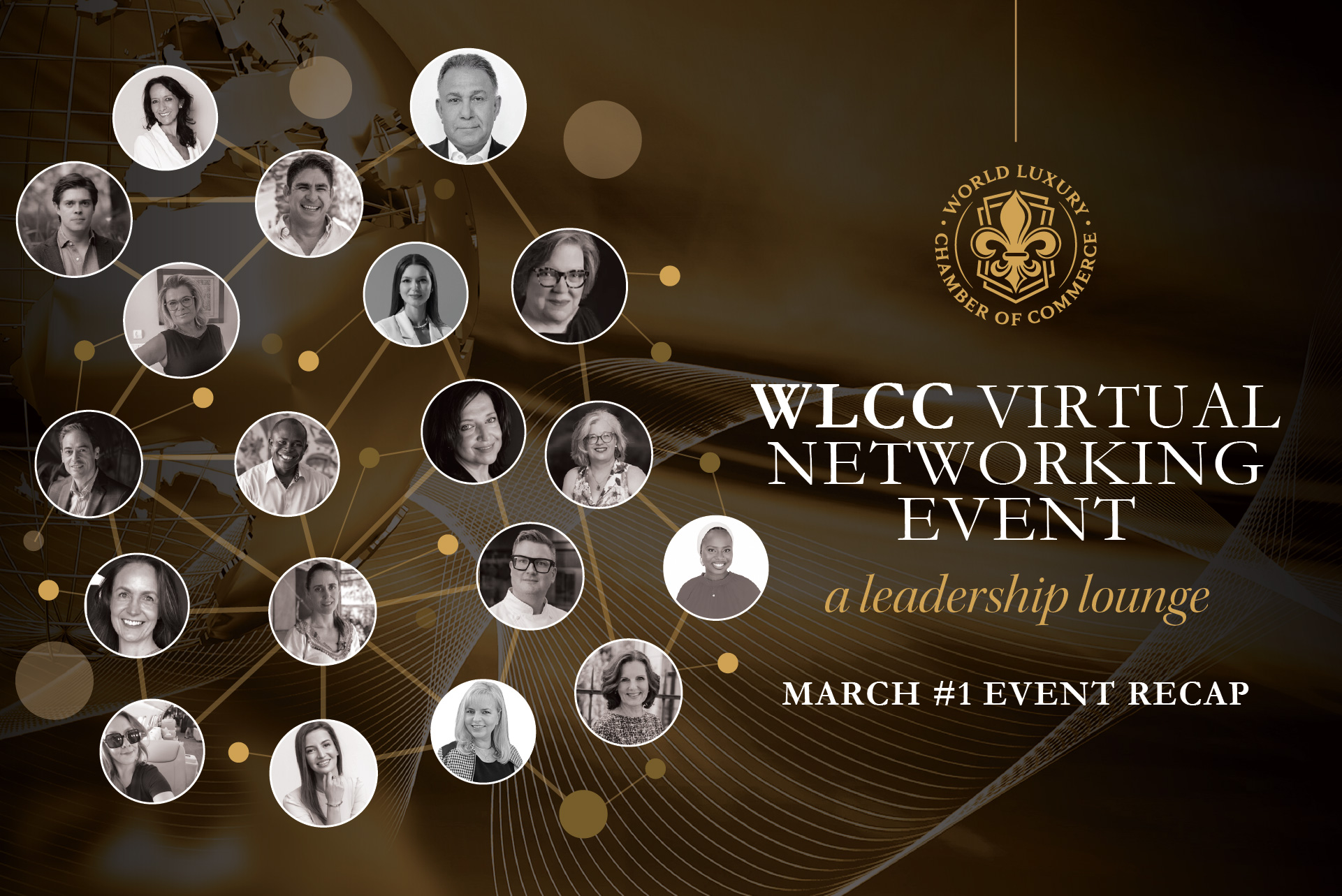
Inside the WLCC Leadership Lounge: Crypto in Luxury – From Trend to Standard

The latest WLCC Leadership Lounge convened senior leaders from across the global luxury ecosystem for a focused discussion on a rapidly evolving topic:

Is crypto becoming a strategic advantage in luxury – or a necessary evolution brands can no longer ignore?

As the World Luxury Chamber of Commerce’s signature gathering, the Leadership Lounge continues to provide a curated environment for founders, C-level executives, and decision-makers to exchange insights and explore cross-industry opportunities in a trusted setting.

The session followed the established format:

• Expert-led insight session
• Curated introductions among members
• Moderated discussion and peer exchange

This structure once again enabled both strategic learning and meaningful connection.

A strategic perspective with Ivar Jaanus

The session featured Ivar Jaanus, Head of Business Development at Swapin.com, who provided a practical and experience-driven perspective on how crypto is already shaping the luxury landscape.

The conversation was moderated by Olha Kipiani, Group Project Director at World Luxury Chamber of Commerce, who guided the discussion toward the strategic implications for luxury brands, ensuring a balance between operational insight and executive-level perspective.

Rather than approaching crypto as a future concept, the session focused on its current, real-world applications across high-value transactions and global client engagement.

Key insights shaping the discussion

  • Crypto is already embedded in luxury transactions

Adoption is strongest in sectors such as private aviation, yachting, luxury automotive, watches, and travel, where transaction speed and international clients are critical.
More complex sectors like real estate and art are progressing more slowly due to regulatory and transactional layers.

  • Speed and efficiency redefine payment expectations

Crypto payments – particularly via stablecoins – enable transactions within minutes or hours, compared to several days through traditional banking systems.
Lower fees further enhance both client experience and operational efficiency.

  • Stablecoins are the practical standard

Luxury transactions today rely primarily on stablecoins (USDT, USDC) rather than volatile assets like Bitcoin or Ethereum.
They are widely used by high-net-worth individuals, especially in regions with currency instability.

  • Global client access becomes frictionless

Crypto enables seamless cross-border transactions, allowing brands to serve clients in markets where traditional banking is slow, restricted, or inefficient.

  • Compliance is no longer a primary barrier

When working with licensed providers, crypto payments follow KYC/KYB and regulatory frameworks comparable to traditional finance.
In some cases, they offer greater transparency than cash transactions.

  • Integration is simpler than expected

Brands can implement crypto payments within a few days through licensed partners – without directly handling crypto.
Funds can be received in fiat currency, ensuring no disruption to existing operations.

  • Client perception is neutral, not speculative

For crypto users, this is not a trend but a functional payment method.
Positioning crypto as a practical option, rather than a novelty, is key to adoption.

  • Standardization is approaching

Over the next 2–3 years, crypto payments are expected to become a standard offering for high-value transactions.
Brands that delay adoption risk losing clients to more flexible competitors.

  • The real barriers are internal

The primary obstacles remain perception-driven:
– Assumed complexity
– Compliance concerns
– Misconception of operational burden

All can be addressed through the right partnerships and education.

What this means for luxury leaders

Crypto is not simply a payment innovation – it is redefining how luxury brands operate globally.

For decision-makers, this creates three immediate implications:
• Payment flexibility is becoming part of the luxury experience
• Operational speed is turning into a competitive advantage
• Financial infrastructure is now directly linked to client acquisition

WLCC in action

The session once again demonstrated WLCC’s role as a platform where insight translates into opportunity:

• Direct access to relevant expertise shaping the luxury market
• Strategic conversations that influence real business decisions
• A trusted network where partnerships and collaborations originate

Increasingly, WLCC is not only a space for dialogue – but a catalyst for growth across the global luxury ecosystem.

Conclusion
Crypto is no longer an emerging concept within luxury – it is becoming a core component of modern payment infrastructure.
For luxury brands, the question is no longer if to adopt, but how quickly they can integrate it to remain competitive.

In this context, WLCC enables leaders to anticipate change, exchange insight, and build the partnerships required to act on it.

For those shaping the future of luxury, access to the right network is no longer optional – it is a strategic advantage.

Explore membership and join a global network of decision-makers defining the next chapter of luxury: https://worldluxurychamber.com/become-a-member/

Exclusive Conversation with Ferran Brufau on Defining Luxury Through Service

Ferran Brufau, General Manager and District Director Central Province KSA at Radisson Blu Hotel & Residence, Riyadh Diplomatic Quarter, joins Alexander Chetchikov, President of World Luxury Chamber of Commerce, for a leadership-focused conversation shaped by his recognition as the
Best Luxury Diplomatic Hotel in Riyadh, Saudi Arabia by Luxury Lifestyle Awards.

Alexander Chetchikov: First, congratulations on your recognition as the Best Luxury Diplomatic Hotel in Riyadh, Saudi Arabia. What does “luxury” mean to you, and how has your understanding of it evolved throughout your career in hospitality? 

Ferran Brufau: Luxury, to me, means creating unforgettable experiences that cater to individual needs and desires. Throughout my career in hospitality. I’ve learned that true luxury goes beyond opulence; it’s about personalized service, attention to detail, and making guests feel valued and at home. As I’ve evolved in the industry, I’ve come to appreciate that genuine luxury is rooted in authenticity and emotional connections, ensuring each guest leaves with lasting memories.    

AC: How do you see digital transformation reshaping the luxury hospitality landscape? What role do technologies like keyless check-in and room selection play in enhancing the guest experience? 

FB: Digital transformation is fundamentally reshaping the luxury hospitality landscape by enhancing personalization and convenience. Technologies like keyless check-in and room selection streamline the guest experience, allowing for greater autonomy and efficiency. These innovations not only improve operational efficiency but also create a more seamless and tailored experience, ultimately elevating guest satisfaction and loyalty. 

AC: As luxury clients seek ever more personalized services, what do you think is the future of concierge services? How can luxury hotels adapt to meet rising expectations for unique and exclusive experiences? 

FB: The future of concierge services in luxury hotels will focus on hyper-personalization and technology integration. As clients seek unique experiences, hotels can adapt by leveraging data analytics to anticipate guest preferences, offering bespoke services tailored to individual needs. Collaborating with local partners to provide exclusive access to events and experiences will also enhance the guest experience. Emphasizing a seamless blend of human touch and digital convenience will be key to exceeding rising expectations. 

AC: In your view, how significant is collaboration within the luxury industry? Could partnerships with other luxury brands or sectors amplify the guest experience? 

FB: Collaboration within the luxury industry is crucial for enhancing the guest experience. Partnerships with other luxury brands or sectors can create unique offerings, such as exclusive events or curated experiences that elevate a guest’s stay. By combining expertise and resources, we can provide personalized services that go beyond traditional hospitality, making each guest’s visit truly memorable and distinctive. 

AC: You’ve managed properties across different regions and cultures. What have been the most valuable lessons from your experiences managing hotels in places like Madrid, Kyiv, and now Riyadh? 

FB: Managing hotels in diverse regions like Madrid, Kyiv, and Riyadh has taught me the importance of cultural sensitivity and adaptability. Each market has unique expectations and customs, so understanding and respecting local traditions is essential for delivering exceptional service. Additionally, fostering strong local partnerships enriches the guest experience and enhances community ties. Ultimately, flexibility and a commitment to personalized service are key to success in the global hospitality landscape. 

AC: Could you share how you empower your team to provide exceptional guest experiences? What do you believe is the key to inspiring your staff to go above and beyond for guests? 

FB: I empower my team by fostering a culture of trust and open communication. I encourage staff to take ownership of their roles and make decisions that enhance the guest experience. Regular training and recognition of their efforts are crucial in building confidence. The key to inspiring them to go above and beyond is instilling a sense of purpose helping them understand how their contributions make a meaningful impact on our guests’ stays. When team members feel valued and connected to our mission, they naturally strive for excellence. 

AC: What steps has RHG taken to promote sustainable stays, and how do these align with the demands of today’s luxury travelers? 

FB: At RHG, we promote sustainable stays by implementing eco-friendly practices such as reducing single-use plastics, sourcing local and organic products, and enhancing energy efficiency in our operations. These initiatives align with the values of today’s luxury travelers, who increasingly prioritize sustainability and responsible tourism. By offering guests the option to engage in sustainable practices during their stay, we not only meet their expectations but also contribute to a positive impact on the environment and local communities. 

AC: You mentioned a belief in staying “in your hotel to experience what your guests are experiencing.” How has this hands-on approach influenced your leadership style and helped you shape the guest experience at RHG properties? 

FB: Staying in the hotel allows me to directly experience our guests’ journey, which profoundly influences my leadership style. This hands-on approach helps me identify areas for improvement and understand the nuances of guest expectations. By experiencing our services firsthand, I can guide my team more effectively and foster a culture of empathy and attentiveness. It reinforces the importance of every detail, ensuring we consistently deliver an exceptional guest experience at Radisson Blu Hotel & Residence Diplomatic Quarter Riyadh. 

Throughout the discussion, Ferran Brufau frames general management as a steady discipline of priorities, protecting service standards, supporting teams, and staying close to the guest experience while adapting to changing expectations and technology across the sector.

Discover more about Radisson Blu Hotel & Residence, Riyadh Diplomatic Quarter: https://www.radissonhotels.com/en-us/hotels/radisson-blu-riyadh-diplomatic-quarter.

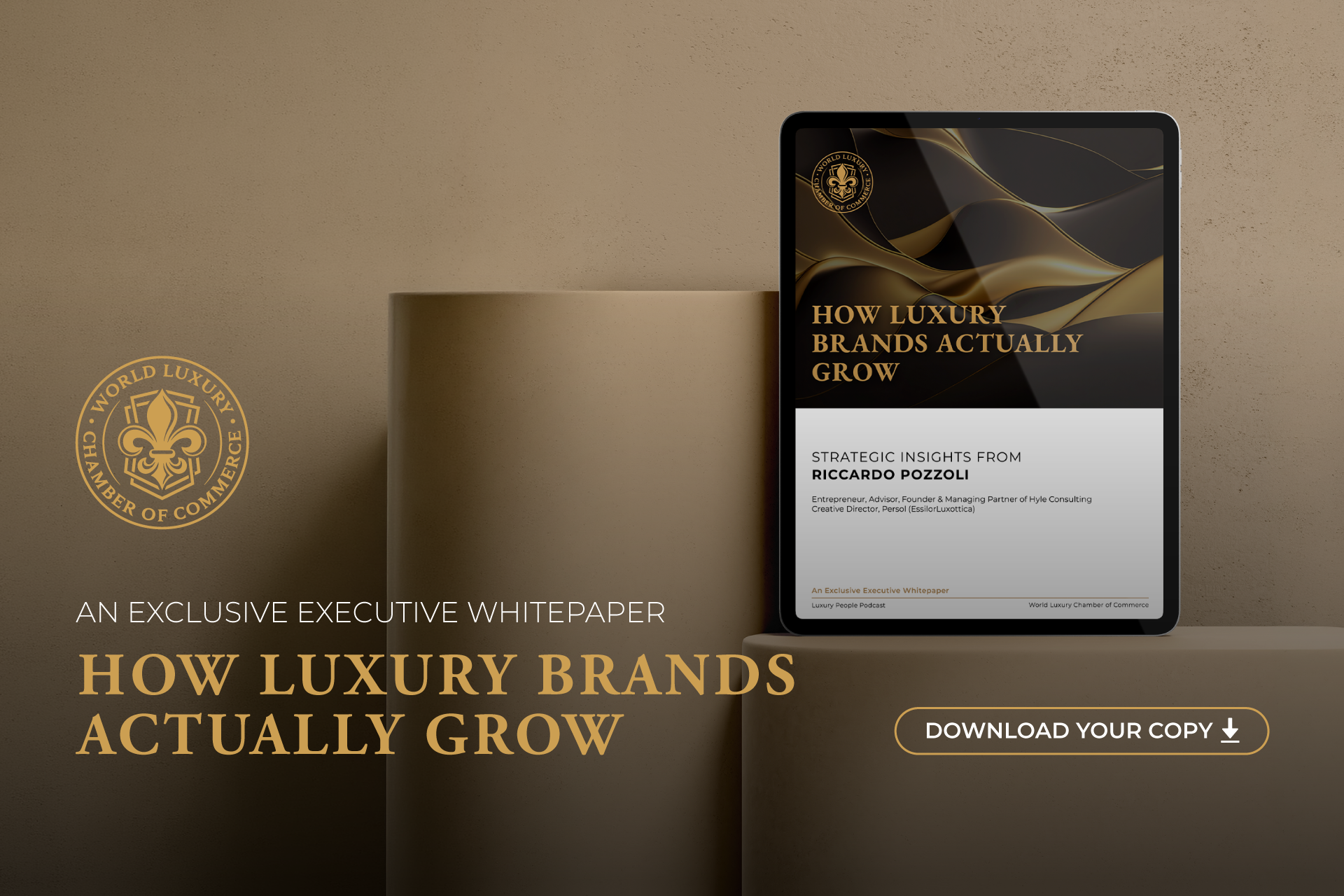
Unlock Luxury Growth Secrets: Riccardo Pozzoli Reveals All

Luxury brands crave growth without sacrificing soul. In the WLCC Luxury People Podcast white paper, Riccardo Pozzoli, Creative Director at Persol Eyewear and Managing Partner at Hyle Consulting, reveals how brands can scale while preserving their DNA.

Discover his top strategies across four key areas:

Heritage Fuels Innovation

Riccardo Pozzoli dove into Persol’s 110-year legacy, from WWI pilot goggles to foldable frames, noting how revisiting archives uncovers “undiscovered treasures” like Italian craftsmanship passed across generations. He balances timeless designs with modern twists, ensuring every frame feels infused with “human history.” 

Tiny Shifts, Massive Wins

Advising Depop in 2013, he urged focusing on influential users over average ones – a simple pivot that exploded downloads from tens to millions. Lesson: Target the right audience authentically to spark viral communities. 

Exclusivity in a Global World

Forget scarcity gimmicks; prioritize quality over quantity, coherence, and customization. “Produce so well you can’t make more,” echoing Enzo Ferrari – building lifetime loyalty through genuine value. 

Leadership Traps to Dodge

Micromanagement kills growth, especially in family firms: Delegate to let teams learn, even from failures. Leaders must blend passion with trust. 

Craving the full strategies, tools, and cases like niche micro-scaling triumphs? Download the exclusive white paper now for Pozzoli’s unfiltered blueprint on scaling luxury while preserving DNA. 

Access is limited – grab it today: https://luxuryawards.ac-page.com/wlcc-lpp-whitepaper-riccardo.


If you found this insight valuable, don’t miss future perspectives for luxury leaders. WLCC shares fresh intelligence and expert insights with its community weekly. Join now https://worldluxurychamber.com/wlcc-community/.

WLCC Announces the 2026 Selection of TOP Luxury Speakers of the World

The World Luxury Chamber of Commerce (WLCC) announces the 2026 selection of TOP Luxury Speakers of the World, an annual recognition highlighting individuals whose expertise contributes to the global conversation on luxury, leadership, and the evolution of high-value industries.

This distinction recognizes speakers whose work informs executive decision-making, academic dialogue, and strategic thinking across the international luxury sector. The selected individuals include respected business leaders, academics, strategists, and industry experts whose perspectives contribute to a deeper understanding of luxury markets and their future direction.

Purpose of the TOP Luxury Speakers List

WLCC established the TOP Luxury Speakers of the World list to identify and highlight credible voices who contribute meaningful insight to the luxury sector.

Luxury today operates in a rapidly evolving environment influenced by global economic shifts, new consumer expectations, sustainability priorities, cultural influence, and technological development. Organizations, institutions, and industry leaders increasingly seek speakers who bring both practical experience and intellectual depth to these discussions.

The initiative supports WLCC’s mission to promote high-level dialogue, encourage knowledge exchange, and provide visibility to experts who contribute to serious discussion within the luxury sector.

Selection Process

The 2026 selection follows a structured evaluation conducted by the WLCC Research Team in collaboration with the WLCC President and members of the Board.

The process includes independent research, industry analysis, and strategic recommendations from trusted advisors within the global luxury ecosystem. This approach ensures that each selected speaker reflects recognized expertise, professional credibility, and alignment with WLCC’s international positioning.

Curation Criteria

Individuals included in the 2026 list were evaluated based on the following criteria:

• Industry recognition within the luxury sector or related fields
• Proven executive or academic expertise
• Subject-matter authority demonstrated through speaking engagements, publications, advisory roles, or leadership positions
• Alignment with WLCC values and positioning
• Relevance to current and emerging discussions in the luxury sector
• Strategic recommendations from trusted advisors and industry leaders

The evaluation emphasizes depth of expertise, credibility, and contribution to professional discourse rather than popularity alone.

The full list of TOP Luxury Speakers of the World 2026 can be viewed below in alphabetical order:

Abhay Gupta | LinkedIn
The Indian Luxury Strategist | Brand, Talent & Ecosystem Architect for India’s Luxury Economy

Alex Wolkomir | LinkedIn
McKinsey Partner | QuantumBlack | Product & Business Builder | AI, Data + Human-Centered Design

Alvaro Nuñez Alfaro | LinkedIn
Founder & CEO at Super Luxury Group | Real Estate | Bestselling Author | Keynote Speaker

Anant Sharma | LinkedIn
The Psychology of Luxury | CEO @ Matter Of Form — The Brand Interactions™ Consultancy | Podcast Host & Keynote Speaker

António Paraíso | LinkedIn
Luxury. Marketing. Innovation. Consulting & Talks.

Ashok Som | LinkedIn
Author, Speaker, Educator. Founding Director, ESSEC-Parsons Executive Masters in Luxury Management & Design Innovation (EMiLUX) at ESSEC Business School

Bruce Himelstein | LinkedIn
Speaker/Consultant at The BJH Group, LLC

Carlo Pignataro | LinkedIn
Author of “Sell with Style” and “Serve with Style” | Host of Lux and Friends | Luxury Industry | Research | Training | Consulting

Carlota Rodben | LinkedIn
Founder of Beyond Luxury | 2x Author | Host @BeyondLuxury Podcast | Strategic Advisor | Keynote Speaker | ex-CHANEL

Caroline Huo | LinkedIn
Real Estate Advisor and Educator | Helping Clients & Agents Make Decisions in Complex Markets |$1B+ in Sales | Dir. of Professional Development, Keller Williams Luxury Division

César Val | LinkedIn
Luxury Expert | Founder and Managing Partner | Global Speaker | Advisor to Business Leaders | Consultant | Shopper Marketing | Author of the Bestseller “Secrets of Luxury”

Chris Roebuck | LinkedIn
Transformational Leadership Speaker | ‘Business as usual’ to ‘business of the future’ | Finalist 2025 Speaker Awards | HR Hall of Fame

Christophe Caïs | LinkedIn
CEO & Board Member, CXG | Luxury & Customer Experience Expert | Keynote Speaker

Claudia D’Arpizio | LinkedIn
Senior Partner at Bain & Company

Daniel Langer | LinkedIn
CEO, Équité | The Authority in Luxury Strategy | Executive Professor, Pepperdine & NYU | Global Keynote Speaker

Denis Morisset | LinkedIn
Luxury Career Lab Director – ESSEC Global MBA at ESSEC Business School | Luxury Marketing Professor | Luxury Expert | Former Luxury Industry CEO

Eddy Blanchet | LinkedIn
Luxury Experience-Led Performance | Leadership Excellence Executive Coach | Author & Speaker | MBA Professor | Serving 100+ Iconic Brands

Elizabeth Solaru | LinkedIn
Professional Speaker| Luxury & Premium Brand Strategist | Author, The Luxpreneur | Founder, Diversity in Luxury Awards

Erwan Rambourg | LinkedIn
Global Head of Consumer & Retail Research | Author | Ex LVMH, Ex Richemont

Eva Chen | LinkedIn
Vice President of Fashion at Meta

Federica Levato | LinkedIn
Senior Partner at Bain & Company

Felicitas Morhart | LinkedIn
Professor of Marketing at HEC Lausanne | Founder of the Swiss Center for Luxury Research

Francesca Danzi | LinkedIn
Luxury Leader & Brand Advisor | Executive Coach | Chief Client Officer | Retail & CX | Tory Burch, Burberry, Deloitte Digital | Faculty, Sotheby’s Institute of Art

Francis Srun | LinkedIn
Luxury | Retail | Brands & Business Development | Author | CEO

Geneviève Tour | LinkedIn
30 Years of Expertise and Passion in Luxury and Customer Enchantment | Trainer-Coach | Sales | Client and Boutique Team Loyalty | Emotions and Boldness in Service of Commercial and Managerial Performance

Geoffrey Riddle | LinkedIn
Luxury Market Speaker & Author | TOP Luxury Speaker 2025 & 2026 | Global Luxury Leaders Network

Hayley Hines | LinkedIn
International Speaker | Luxury Wellness Consulting and Experience Design

Imran Amed | LinkedIn
Founder and CEO, The Business of Fashion

Jeffrey Shaw | LinkedIn
#1 Rated International Keynote Speaker on Luxury Sales and Buyer Behavior | Author-Sell to the Rich, The Self-Employed Life, and LINGO | TEDx Speaker

John Sanei | LinkedIn
#4 Global Futurist | Entrepreneur | Keynote Speaker | 6x Bestselling Author | Leading Voice on AI and Human Adaptability | Co-host of The Expansive Podcast

Jonathan Siboni | LinkedIn
Luxurynsight | Data Intelligence for Luxury Leaders

Laure Guilbault | LinkedIn
Luxury Industry Journalist | Vogue Business Paris Correspondent | Podcast Founder and Host | Speaker and Conference Moderator

Laurent Delporte | LinkedIn
TOP Luxury Speaker of the World by WLCC | Top 10 Worldwide Social Media Influencer in Hospitality | Luxury Hotel Expert I Editorialist I Consultant I LIFECOACH HEC ALUMNI

Liz Batsche | LinkedIn
I Train Client-Facing Teams in High-Stakes Environments to Build Trust, Drive Revenue & Elevate Experiences | Founder, Well Hosted | LVMH Alumna | Former Investment Banker

Luca Solca | LinkedIn
Managing Director, Luxury Goods at Sanford C. Bernstein Schweiz

Ludovic Tendron | LinkedIn
Luxury | Hospitality | Lifestyle | Strategic Partnerships & Commercial Development | Negotiation Strategist | Lawyer | Author of The Master Key

Markus Kramer | LinkedIn
Expert @ Powering Brands

Matthias Weiskopf | LinkedIn
Luxury Masterclasses | Retail Excellence | Customer Centricity | Helping Brands Win in Asia’s Luxury Markets | ex-McLaren, Ferrari, Porsche

Michaela Merk | LinkedIn
Multi-Award Winning Motivational Speaker, PhD, CSP, GSF | Executive Coach | Professor | Elevate Customer Experience & Leadership Excellence with Relational Intelligence | Podcast & Youtube ‘Luxury Leadership Talks’

Mickey Alam Khan | LinkedIn
Fractional Luxury CEO I 4x Exits I Supercharging Brands & People I HNWI-Focused Companies, Experiences & Real Estate Firms I $500M+ in New Business Acquisition

Milton Pedraza | LinkedIn
CEO Luxury Institute and Private Investor

Morin Oluwole | LinkedIn
International Luxury Business Leader | Board Director | LinkedIn Top Voice | Ex-Meta Business Director | Luxury Communication & Brand Development Strategist, Driving Growth

Natalia Jaramillo | LinkedIn
Humanistic Luxury | CCXP | Experience Strategy and Operations Consultant and Advisor, Trainer and Speaker-Luxury CX | Helping Brands Transform From Robotic-Predictable to Authentic-Human.

Natasha Sideris | LinkedIn
Managing Executive at Tashas

Neen James | LinkedIn
Client Experience Expert | Leadership Strategist | Keynote Speaker Empowering Executives with Luxury Strategies for Sales & Leadership | Confidante and Executive Coach to CEOs | Author of Exceptional Experiences

Nicolas Budzynski | LinkedIn
Chief Executive Officer at La Petite Maison (LPM)

Oscar Sand | LinkedIn
Academic Director | Speaker | Professor of Management Practice | Ex-Senior Director @Armani and Hugo Boss

Pamela Danziger | LinkedIn
Speaker | Author | Researcher | Forbes.com Senior Contributor on Luxury, Retail, and Affluent Consumers

Pedro Lopez-Belmonte | LinkedIn
CPO | Agentic Commerce | DPP (Digital Product Passports) Pioneer | Advisor | Innovation Leader | Lecturer | 2x Author

Philippe Mihailovich | LinkedIn
Co-Founder, CEO, and Brand Architect at HAUTeLUXE | High Luxury Brand CEO Advisor, Analyst-Strategist, and Practitioner | Problem-Solution Expertise | Lead-Author of HAUTE ‘LUXURY’ BRANDING | Professor of Luxury Brand Management

Robin Swithinbank | LinkedIn
Host of The Luxury Society Podcast | Journalist | Author | Speaker | Consultant

Sarah Willersdorf | LinkedIn
Advisor & Investor | Former Chief Marketing Officer | Luxury, Fashion & Beauty Industry Expert | Former Managing Director & Partner, Boston Consulting Group (BCG) | Global Head of Luxury | MSP Global CMO | Consumer PE

Scott Kerr | LinkedIn
Fortune | Host of The Luxury Item Podcast | Silvertone | Adjunct Professor in Luxury Marketing at NYU

Sheetal Jain | LinkedIn
Indian Luxury Market Expert | Brand Strategist | Author | Speaker

Sonu Shivdasani | LinkedIn
Founder of Six Senses, Soneva, and Sosei

Susanna Nicoletti | LinkedIn
Rocking Fashion and Luxury with Innovation | Luxury C-Suite | Author and Columnist | Fashion and Luxury Higher Education Director

Thomaï Serdari | LinkedIn
Luxury Retail Expert | Professor of Marketing | Founder BRAND(x)LUX | Podcast Host @Populuxepod | Author | Cultural Critic

Tiago Restani | LinkedIn
CEO at Fully | Entrepreneur | Speaker | Foodie

Yves Hanania | LinkedIn
Founder of Lighthouse | Operating Partner at Sia | Bridging Technology and AI to Luxury | Visiting Faculty | Book Author

About the World Luxury Chamber of Commerce

The World Luxury Chamber of Commerce (WLCC) is an international organization dedicated to supporting leadership, collaboration, and knowledge exchange within the global luxury industry.

WLCC regularly features conversations and insights from global luxury leaders. Join our community to receive new interviews and perspectives weekly: https://worldluxurychamber.com/wlcc-community/

DWISS to Present the S1 Wandering Hours at Time to Watches Geneva 2026

Swiss independent watchmaker DWISS will unveil its latest creation, the S1 Wandering Hours, during Time to Watches Geneva, taking place from April 14 to April 19, 2026.

DWISS – A Design-Awarded Swiss Microbrand

Founded in 2011 in Lugano, Switzerland, DWISS has spent more than a decade exploring a distinctive path within contemporary watch design. The brand has received 34 international design awards, establishing a reputation for combining bold aesthetics with traditional Swiss craftsmanship. Its timepieces are produced in strictly limited editions that are never reissued, reflecting a philosophy focused on originality and collectability.

The World Debut of the S1 Wandering Hours

The new S1 Wandering Hours represents the latest evolution of this approach. Inspired by the orbital motion of the Moon, the watch interprets the wandering hours complication through a modern architectural design. The model is powered by the La Joux-Perret G100 Soigné movement, and features sapphire crystal on both the front and back of the case.

Produced in a limited edition of 50 pieces, the S1 will make its first public appearance at Time to Watches Geneva, one of the key international gatherings dedicated to independent watchmaking and horological innovation.

During the exhibition, visitors will have the opportunity to discover the timepiece and meet the DWISS team to learn more about the concept, craftsmanship, and technical philosophy behind the new model. 

DWISS Newsletter subscribers will have early access to this model directly on the DWISS website. Subscription to the pre-launch is available here: https://www.dwiss.com/pages/s1-launch.

Experiencing the S1 Wandering Hours in Geneva

Visitors attending Time to Watches Geneva (April 14–19, 2026) will have the opportunity to discover the S1 Wandering Hours during the exhibition and engage with the DWISS team to explore the concept, craftsmanship, and technical philosophy behind the new model.

Attendance at Time to Watches Geneva is by invitation, and members of the DWISS community may request admission to the exhibition via the following link:
https://www.timetowatches.com/ticketing/invitation/?b=5412750.

Private Appointments

For collectors and enthusiasts wishing to explore the S1 Wandering Hours in greater detail, private appointments with the DWISS team during the event can be arranged here: https://calendly.com/dwiss-info-z04z/dwiss.


WLCC regularly features conversations and insights from global luxury leaders. Join our community to receive new interviews and perspectives weekly: https://worldluxurychamber.com/wlcc-community/.
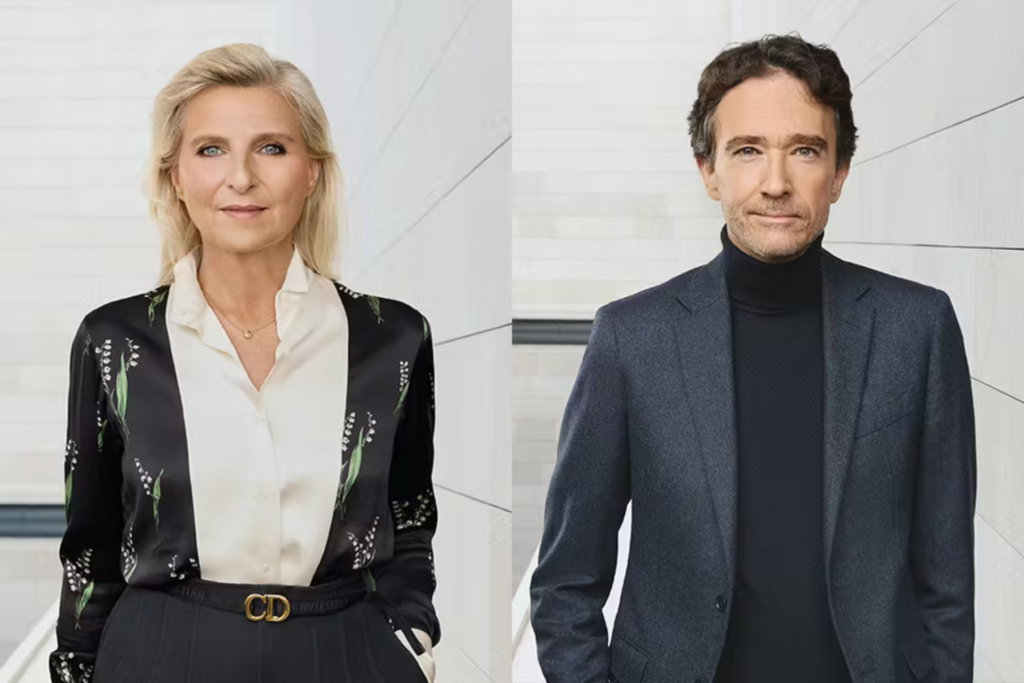
Haute Retreats and the Evolution of Private Luxury Stays

Private villas have become one of the defining trends in contemporary luxury travel. As international travelers increasingly prioritize privacy, space, and flexibility, private residences offer an alternative to traditional hospitality environments while maintaining the comfort and services associated with high-end travel.

Within this evolving landscape, Haute Retreats focuses on connecting travelers with carefully selected private villas in sought-after global destinations. The company operates within a segment of the travel industry that continues to expand as travelers seek experiences that feel more personal, independent, and adaptable to individual lifestyles.

For many travelers, the appeal of villa stays lies in the freedom they provide. Private residences allow guests to shape their time according to their own pace, whether hosting family gatherings, organizing group retreats, or enjoying extended stays in distinctive locations.

A Selective Approach to Villa Hospitality

At the center of Haute Retreats’ approach is a portfolio of private residences chosen for their location, design, and overall guest experience. Rather than presenting a large catalogue of properties, the company emphasizes selectivity, focusing on villas capable of meeting the expectations associated with premium travel.

This selective model allows the company to maintain consistency across its portfolio while offering a range of residences suited to different travel occasions. Private villas provide the comfort of residential living combined with services that support a refined travel experience.

By working with property owners and hospitality professionals, Haute Retreats ensures that each property within its portfolio reflects standards aligned with contemporary luxury travel.

Changing Expectations in Luxury Travel

Luxury travel has undergone a noticeable shift in recent years. Travelers increasingly seek environments that allow them to experience destinations with greater autonomy while still benefiting from high levels of service.

Private residences naturally support these preferences. Guests enjoy expansive living spaces, private amenities, and the flexibility to structure their time according to their own priorities. This format of hospitality reflects a broader movement toward travel experiences that emphasize personalization and discretion.

Villa stays therefore represent more than an accommodation choice; they represent a different way of experiencing a destination.

Haute Retreats

Experiencing Destinations Through Private Living

Through its international portfolio, Haute Retreats provides travelers with access to villas located in some of the world’s most desirable destinations. These residences offer the opportunity to experience locations through a more private and immersive perspective.

Living within a private villa often changes the rhythm of travel. Rather than moving through a destination as visitors, guests can experience their surroundings in a way that feels closer to temporary residence. Landscapes, local culture, and daily life become part of the travel experience itself.

By focusing on properties that reflect the character of their destinations, Haute Retreats contributes to a travel segment that continues to gain significance among global travelers.

The Future of Personalized Travel

As global travel continues to evolve, the demand for privacy, flexibility, and tailored experiences is expected to grow further. Travelers are increasingly drawn to environments that allow them to shape their journeys according to their own preferences.

Villa hospitality offers a format well suited to these expectations, combining independence with the comfort of refined accommodation.

Within this changing landscape, companies such as Haute Retreats contribute to the development of travel experiences that prioritize personalization, discretion, and the ability to experience destinations from a more private perspective.

Discover more about Haute Retreats: https://hauteretreats.com/.


We publish fresh insight, leadership perspectives, and market intelligence for the luxury industry every week inside the WLCC community. Join now https://worldluxurychamber.com/wlcc-community/.

Platinum Jets Ltd Joins the World Luxury Chamber of Commerce

Platinum Jets Ltd has joined the World Luxury Chamber of Commerce (WLCC), becoming part of an international network dedicated to strengthening collaboration across the global luxury sector.

Based in the United Kingdom, Platinum Jets Ltd operates in the private aviation sector, providing bespoke private jet charters supported by dedicated account management and VIP concierge services.

With a single, trusted point of contact, the company delivers discreet and meticulously coordinated journeys tailored to each client’s lifestyle and travel preferences.

From door-to-door travel coordination to personalised onboard arrangements, Platinum Jets Ltd supports clients and partners with seamless logistics, exceptional attention to detail, and a service philosophy centred on reliability, discretion, and personal care.

“Welcoming Platinum Jets Ltd to the World Luxury Chamber of Commerce reflects our commitment to connecting high-calibre specialists who elevate the client journey through precision, discretion, and personal accountability,” said Alexander Chetchikov, President of the World Luxury Chamber of Commerce.

As a WLCC member, Platinum Jets Ltd joins a global platform designed to foster meaningful partnerships, expand market presence, and facilitate knowledge exchange across Europe and beyond, supporting long-term value creation for luxury brands and their clients.

Discover more: Platinum Jets Ltd

WLCC Welcomes Haute Retreats as Executive Member

Haute Retreats has joined the World Luxury Chamber of Commerce as an Executive Member, becoming part of a global network of industry leaders engaged in dialogue and collaboration shaping the future of the luxury sector.

Operating within the premium travel segment, Haute Retreats specializes in high-end villa rentals and personalized accommodation experiences designed for travelers seeking privacy, flexibility, and refined hospitality. The company focuses on a portfolio of carefully selected private residences located in sought-after international destinations.

Through its approach to villa rentals and tailored guest experiences, Haute Retreats provides travelers with access to distinctive properties while maintaining a hospitality model centered on discretion and individualized service. Its operations emphasize consistency in service standards while responding to the evolving expectations of international travelers.

“Welcoming Haute Retreats as an Executive Member reflects the continued development of a global community of luxury leaders engaged in meaningful industry dialogue. Companies operating in the premium travel sector bring valuable perspective to the discussions shaping the future of the luxury economy,” said Alexander Chetchikov, President of the World Luxury Chamber of Commerce.

WLCC connects Haute Retreats with an international network of decision-makers across luxury industries, encouraging strategic collaboration and exchange of insights among companies influencing the direction of the global luxury market. As an Executive Member, the company contributes to the broader conversation on leadership, innovation, and long-term industry development.

Discover more about Haute Retreats: https://hauteretreats.com/.


If you found this insight valuable, don’t miss future perspectives for luxury leaders. WLCC delivers fresh intelligence and expert insights to its community on a weekly basis. Join now https://worldluxurychamber.com/wlcc-community/.

VILLABEAT Joins the World Luxury Chamber of Commerce, Elevating Luxury Villa Experiences Across Greece

The World Luxury Chamber of Commerce (WLCC) proudly welcomes VILLABEAT, a distinguished luxury villa rental and concierge company based in Glyfada, Athens, Greece.

Founded in 2014, VILLABEAT has established itself as a trusted name in Greece’s luxury hospitality sector, offering exclusive villa rentals and high-end concierge services across some of the country’s most iconic destinations. The company operates in more than 20 destinations in Greece, among which Mykonos, Paros, Antiparos, Sifnos, Corfu, Crete, Attica and Naxos, delivering bespoke travel experiences to discerning international travelers seeking privacy, exclusivity, and authentic experiences.

What sets VILLABEAT apart is its commitment to quality, personalization, and hands-on management. Every villa featured in its portfolio is carefully inspected and handpicked by the team before being promoted, with additional annual inspections conducted to maintain exceptional standards. This meticulous approach ensures that guests experience the highest levels of comfort, privacy, and luxury throughout their stay.

VILLABEAT enhances the guest journey through dedicated on-site concierge teams across the Greek islands, supported by specialized booking agents who begin organizing guest experiences from the moment a reservation is confirmed. Guests receive curated recommendations for restaurants, beaches, and attractions, along with access to premium services such as private chefs, yacht charters, personal trainers, and tailor-made activities, all designed to elevate their travel experience.

The company has also expanded into asset management, enabling it to oversee both guest services and property standards for select villas, further reinforcing its commitment to maintaining consistent quality and excellence.

“VILLABEAT represents the kind of dedication and attention to detail that defines true luxury hospitality,” said Alexander Chetchikov, President of the World Luxury Chamber of Commerce. “Their curated portfolio of villas and personalized concierge services showcases Greece at its finest while delivering the exceptional experiences that today’s luxury travelers expect.”

As VILLABEAT continues to grow, the company remains focused on expanding its international reach while maintaining its philosophy of carefully curated properties, personalized service, and authentic Greek hospitality, ensuring every guest enjoys a seamless and unforgettable luxury experience.


WLCC regularly features conversations and insights from global luxury leaders. Join our community to receive new interviews and perspectives weekly: https://worldluxurychamber.com/wlcc-community/.
Inside the WLCC Leadership Lounge: Rethinking Luxury Leadership with Bob Kharazmi

The latest WLCC Leadership Lounge brought together senior leaders from across the global luxury ecosystem for an intimate and thought-provoking conversation on one of the defining questions facing the industry today:

How can luxury brands grow and evolve without losing the culture and authenticity that define true luxury?

Designed as the World Luxury Chamber of Commerce’s signature monthly virtual gathering, the Leadership Lounge offers a curated environment where founders, C-level executives, and senior decision-makers connect, exchange perspectives, and explore strategic collaborations across the luxury landscape.

Participation is intentionally limited, ensuring that discussions remain focused, introductions meaningful, and connections genuinely valuable. Each session combines thought leadership with peer exchange, bringing together leaders from diverse sectors including travel, hospitality, real estate, architecture, and lifestyle services.

The format is simple yet powerful:

• Fireside Chat with a global industry leader
• Curated introductions from participating members
• Moderated discussion and peer exchange

Together, these elements create a setting where insight and connection develop naturally.

A strategic conversation with Bob Kharazmi

The session opened with a fireside conversation featuring Bob Kharazmi, Founder & CEO of Global Hotel Advisors and Board Member of the World Luxury Chamber of Commerce.

With decades of experience across some of the world’s most respected luxury hospitality brands – including The Ritz-Carlton and Bvlgari Hotels & Resorts – Bob shared reflections on leadership, service culture, and the evolving expectations of luxury clients.

Drawing on both operational experience and advisory work with investors and developers worldwide, he outlined several themes shaping the next chapter of luxury hospitality and lifestyle brands.

  • Growth must never dilute brand culture

One of the most pressing leadership challenges in luxury today is scaling globally while preserving the original culture and identity of the brand.

Opening new properties or entering new markets may be operationally straightforward. Maintaining the same service philosophy, emotional connection, and cultural DNA across regions is far more complex.

For luxury brands, expansion cannot come at the cost of identity.

  • Culture cannot be copied – it must be lived

Luxury service excellence ultimately depends on people.

Bob emphasized that culture cannot simply be documented in a manual and replicated across locations. It must be internalized by employees and reinforced daily through leadership, training, and shared values.

From orientation programs to daily team rituals, the most successful hospitality organizations continuously reinforce their cultural principles – ensuring that service excellence becomes a lived practice rather than a written guideline.

  • Technology should support luxury – not replace human connection

While AI and digital technologies are rapidly transforming operations, Bob noted that in luxury hospitality their role should remain largely behind the scenes.

Technology can remove friction, improve efficiency, and provide valuable information. However, the defining moments of luxury experience must remain rooted in human intuition, empathy, and personal interaction.

In ultra-luxury environments, it is the emotional connection between guest and host that ultimately defines the experience.

  • The rise of “quiet luxury” and meaningful experiences

Another theme shaping the future of luxury is the evolution of exclusivity itself.

In previous decades, luxury often revolved around visible status and price. Today, many clients seek something different: meaningful experiences, cultural connection, and purposeful journeys.

This shift toward what is often described as “quiet luxury” reflects a broader change in consumer mindset. Rather than displaying wealth, clients increasingly seek experiences that enrich their understanding of the world and deepen their personal connections.

A global, cross-industry dialogue

Following the fireside chat, participants introduced their businesses and shared perspectives on the opportunities and challenges shaping their sectors.

The room reflected the global and cross-industry nature of modernluxury, bringing together leaders from travel, hospitality, real estate, design, lifestyle services, and investment.

Across industries, a clear pattern emerged: today’s luxury clients move seamlessly across destinations, assets, and experiences. As a result, collaboration between sectors is becoming increasingly valuable.

Luxury is no longer defined by individual brands operating in isolation. Instead, it is increasingly shaped by ecosystems of aligned partners working together to deliver exceptional client experiences.

WLCC in action

The Leadership Lounge once again demonstrated what the World Luxury Chamber of Commerce is designed to deliver:

• Access to senior leaders across industries and markets
• A trusted environment for open and strategic dialogue
• Meaningful connections that extend beyond a single event

For many participants, the value of the Lounge lies not only in the insights shared during the session, but in the relationships and collaborations that continue long after the conversation ends.

For leaders who understand that the next stage of growth depends on trusted peers, strategic dialogue, and global perspective, WLCC provides a platform where those connections can develop.

To learn more about WLCC membership, please visit:
https://worldluxurychamber.com/become-a-member/

IKIES Santorini: The Evolution of Cycladic Boutique Hospitality

High above the caldera in Oia, IKIES Santorini represents a distinctive interpretation of boutique hospitality shaped by architectural heritage, landscape, and thoughtful design. 

Santorini is one of the Mediterranean’s most recognizable destinations, yet the island’s hospitality landscape continues to evolve as travelers seek experiences that extend beyond spectacle. Within this context, IKIES Santorini presents an approach grounded in architectural authenticity and an intimate scale that prioritizes perspective, privacy, and a direct relationship with place.

Architecture Inspired by Santorini’s Maritime Heritage

The identity of IKIES Santorini is closely tied to the architectural history of the island. The residences draw inspiration from the traditional “Captain Houses” historically built into Santorini’s volcanic cliffs. These structures were designed to withstand natural conditions while providing sheltered living spaces overlooking the Aegean.

Whitewashed walls, domed ceilings, and cliff-carved interiors remain central to the property’s design language. Rather than replicating historical architecture as decoration, IKIES Santorini interprets these elements in a contemporary context, allowing heritage forms to shape the spatial character of the residences.

This architectural dialogue between past and present contributes to an environment where guests experience Santorini not simply as a destination, but as a living cultural landscape defined by geology, history, and craftsmanship.

An Intimate Collection of Residences

IKIES Santorini opened in 1999 with six restored residences and has gradually expanded to fourteen individually designed homes. The development approach reflects a philosophy that favors thoughtful growth over scale, ensuring that each addition remains consistent with the architectural integrity of the original concept.

Each residence offers a distinct configuration and vantage point, reinforcing the property’s identity as a boutique destination where design and setting work together to shape the guest experience. Private terraces overlook the caldera and the Aegean Sea, creating a setting where landscape becomes an essential part of the architectural composition.

Several residences incorporate features that extend the sense of openness between interior and exterior spaces, encouraging guests to experience Santorini’s environment directly through light, air, and uninterrupted views.

IKIES Santorini

Global Guests and a Design-Led Hospitality Experience

IKIES Santorini attracts travelers from across the world, including visitors from the United States, the United Kingdom, France, Germany, Australia, and China. In recent years the property has also expanded its reach toward markets such as Japan, Hong Kong, and the United Arab Emirates.

This international audience reflects a segment of travelers who prioritize authenticity, architectural character, and a strong sense of place. For many guests, the appeal of Santorini lies not only in its iconic scenery but also in its cultural and architectural narrative.

Within this landscape, IKIES Santorini has developed a reputation for delivering a boutique experience where attention to environment, design, and guest privacy remains central to the overall concept.

Vision Rooted in Belonging

At the heart of IKIES Santorini lies a philosophy that views hospitality as an emotional connection rather than simply a place to stay. The concept of “IKIES,” meaning residences in Greek, reflects the intention to offer guests an experience that evokes the feeling of living within Santorini itself.

As owner Konstantinos Pittas reflects, the vision of the property is to create a sense of belonging that resonates beyond the physical setting.

“Through the Odyssey of life, IKIES Santorini brings you a piece of home away from home. It is not a place per se, but a feeling. One that captivates your soul and gives you a sense of belonging. Welcome home.”

This perspective highlights an approach to hospitality that prioritizes atmosphere, authenticity, and emotional connection – elements that continue to shape the property’s identity and its relationship with guests from around the world.

A Perspective Above the Caldera

Positioned along the cliffs of Oia, the property offers panoramic views of the caldera and surrounding islands. From this elevated vantage point, the natural geography of Santorini unfolds across the horizon, reinforcing the sense of perspective that defines the property’s character.

Sunset, one of the island’s most celebrated moments, becomes a daily architectural event as light shifts across the volcanic landscape and the white forms of the residences. Rather than competing with the surrounding scenery, the design of IKIES Santorini frames and enhances these natural transitions.

This relationship between architecture and landscape remains a defining feature of the property and reflects a broader philosophy in which hospitality design works in harmony with the environment.

In an industry that continues to evolve, IKIES Santorini demonstrates that enduring luxury often emerges from clarity of concept, respect for place, and thoughtful design rooted in cultural context.

Discover more about IKIES Santorini: https://ikies.com/.


WLCC regularly features conversations and insights from global luxury leaders. Join our community to receive new interviews and perspectives weekly: https://worldluxurychamber.com/wlcc-community/.
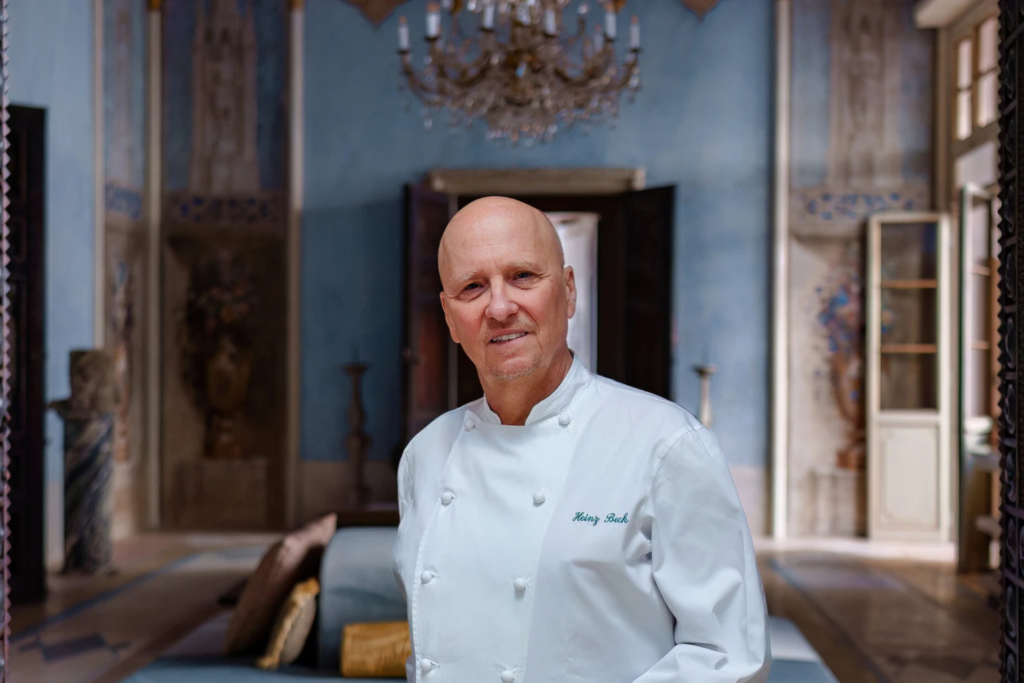
Luxury People Magazine Issue 4: Women in Luxury

The World Luxury Chamber of Commerce (WLCC) has released Issue 4 of Luxury People Magazine, a special edition titled Women in Luxury, dedicated to the women leading some of the most influential brands and businesses across the global luxury sector.

This edition highlights executives, founders, and innovators across hospitality, aviation, media, fragrance, design, and real estate. The stories focus on leadership, strategy, and the changing structure of the luxury economy.

The cover interview features Gilda Perez-Alvarado, Chief Strategy Officer of Accor and CEO of Orient Express. In conversation with WLCC President Alexander Chetchikov, she discusses capital discipline, brand stewardship, and the long-term strategy behind one of the most recognized names in travel. Perez-Alvarado explains how heritage brands must evolve while protecting the elements that define their identity.

Other interviews in the issue feature leaders who are shaping the future of luxury across different sectors. Cherry Collins, Strategy Partner at Havas Media Lux, examines why proof of craftsmanship and cultural relevance now matter more than traditional prestige. Dr. Felisha Kay, Founder of House of Infinite Luxe, reflects on luxury as presence, cultural fluency, and personal identity.

The issue also features Blaine Ashley, founder of New York Champagne Week, who has built a global platform that connects champagne culture with female leadership and entrepreneurship. Lisa Holland, President and CEO of Sheltair Aviation, shares her experience leading one of the largest privately owned aviation networks in the United States during a period of major industry disruption.

Additional interviews include luxury PR leaders, hospitality innovators, fragrance founders, and real estate advisors who are contributing to the evolution of the luxury market.

Alongside the interviews, the edition presents research and analysis on emerging trends shaping the industry. Topics include the future of luxury travel, sustainability in hospitality and yachting, and the outlook for global luxury real estate.

Read issue 4 here.

WLCC regularly features conversations and insights from global luxury leaders. Join our community to receive new interviews and perspectives weekly: https://worldluxurychamber.com/wlcc-community/

IKIES Santorini Joins WLCC Global Network

IKIES Santorini has joined the World Luxury Chamber of Commerce (WLCC), becoming part of a global network of luxury brands and industry leaders engaged in collaboration, knowledge exchange, and strategic dialogue across the international luxury sector.

Located in Oia on the island of Santorini, IKIES Santorini represents a distinctive approach to Cycladic boutique hospitality shaped by architectural heritage and elevated perspectives over the Aegean Sea and the caldera. The property features a collection of individually designed residences inspired by the island’s traditional “Captain Houses,” built into the volcanic cliffs and defined by whitewashed structures and domed ceilings that reflect Santorini’s architectural identity.

The property opened in 1999 with six restored residences and has expanded over time to a collection of fourteen homes. Each residence offers a distinct layout and viewpoint, reinforcing the property’s positioning as an intimate destination where architectural character, privacy, and location shape the guest experience.

Through its membership in WLCC, IKIES Santorini joins an international community of luxury companies representing hospitality, design, real estate, and other sectors of the high-end market. The Chamber provides a platform where members engage in strategic dialogue, exchange industry perspectives, and explore collaborative initiatives that support the continued evolution of the luxury economy.

“We are pleased to welcome IKIES Santorini to the WLCC community,” said Alexander Chetchikov, President of the World Luxury Chamber of Commerce. “Boutique hotels that preserve local architectural heritage while delivering a refined hospitality experience contribute meaningfully to the global luxury landscape, and IKIES Santorini represents this approach.”

As part of the World Luxury Chamber of Commerce, IKIES Santorini becomes integrated into a global network of luxury leaders committed to strengthening industry connections while contributing to the ongoing development of the international luxury sector.

Learn more about IKIES Santorini: https://ikies.com/.


We publish fresh insight, leadership perspectives, and market intelligence for the luxury industry every week inside the WLCC community. Join now https://worldluxurychamber.com/wlcc-community/.
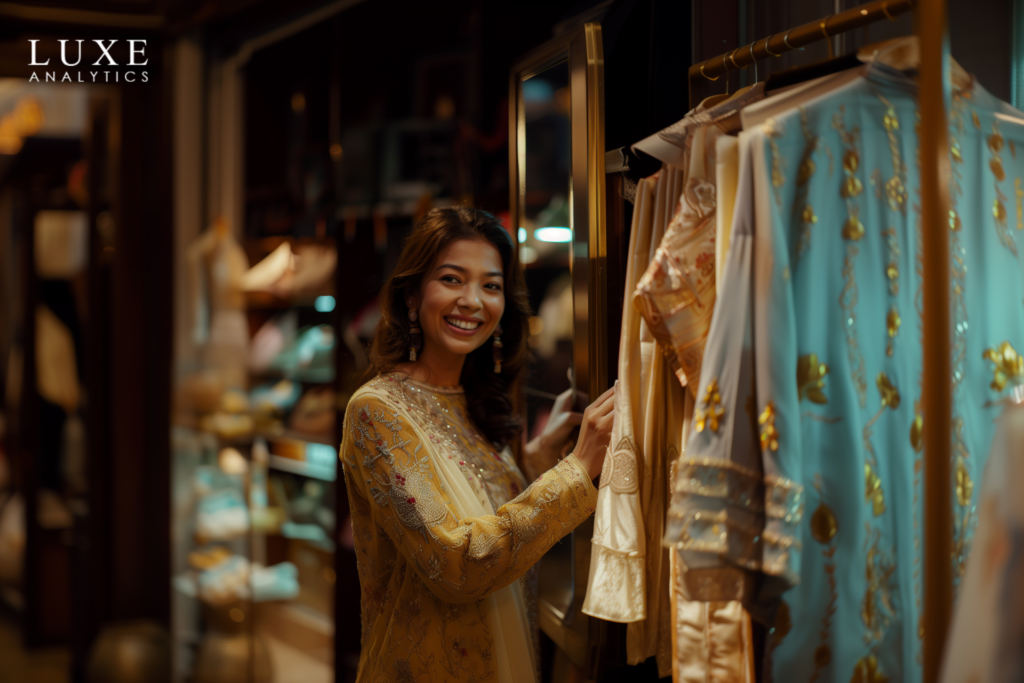
A Culinary Poem in Motion: The Enchanting Experience of Takara Restaurant

Takara Restaurant, in the vibrant Al Khobar, is a luxury dining destination that, since its opening in December 2019, has quietly yet decisively reshaped the landscape of fine Japanese cuisine in Saudi Arabia. Its name, Takara, meaning “treasure”, aptly conveys the restaurant’s mission: to create moments of delight and refinement, where each plate is a gem in its own right.

In 2025, this distinction earned Takara a place among the TOP 100 Restaurants in the World, as recognized by the Luxury Lifestyle Awards. That honor is a testimony to the restaurant’s sustained ambition, its careful balance of tradition and innovation, and its capacity to leave a lasting impression on the global luxury-hospitality stage.

A Setting That Whispers Elegance

From the moment a guest steps through Takara’s threshold, the space speaks of intention. The interior is an artful weave of contemporary minimalism and evocative Japanese motifs: golden bamboo installations, refined lighting, and quiet, thoughtful touches evoke calm yet remain visually captivating. The effect is immersive and poised, a sanctuary for the senses before the first course even arrives.

Private dining areas and event settings are handled with equal care: tailored menus, bespoke service, and a sense that every gathering, whether intimate or grand, is anchored in care and detail.

Culinary Philosophy: Respect, Innovation, Depth

At its core, Takara is built on a profound respect for Japanese culinary tradition, not simply imitation, but reinvention with thought and reverence. Under the direction of internationally masterful chefs, the kitchen reinterprets classical techniques through a lens of creativity. A defining trait of Takara’s menu is its focus on locally sourced ingredients, from fresh seafood and seasonal vegetables to regional spices like za’ata.

Signature dishes have become legendary in the region. The Kunafa Shrimp Tempura, a creative fusion that bridges Japanese tempura with the texture and spirit of kunafa, is one such example. The Wagyu on Hot Stone, Black Cod Miso, and refined sushi and sashimi offerings similarly balance bold purity and delicate nuance.

What’s more, Takara’s menu has remained remarkably consistent since its inception, a sign, paradoxically, of both confidence and discipline. This consistency allows loyal guests to return to familiar favorites, while seasonal and occasional innovations keep the experience fresh.

Service as a Quiet Art

In a restaurant that aspires to deeper resonance, service must preempt, read, and adapt. The many reviews celebrate this poise, where care and comfort coexist seamlessly.

The attention to detail extends into accommodating dietary preferences and event customizations, ensuring that each visit, whether regular or special, feels uniquely tailored.

Recognition and Growth

Takara’s trajectory has been steady and deliberate. In 2024, it garnered multiple honors, including:

  • 100 Best Restaurants in the World – Luxury Lifestyle Awards
  • Saudi Arabia’s Best Restaurant at the World Culinary Awards
  • Best Luxury Japanese Cuisine in Al Khobar and accolades in the hospitality industry within Saudi Arabia

By 2025, these accolades deepened: Takara received the title of Best Luxury Japanese Restaurant in Saudi Arabia from Luxury Lifestyle Awards.

These recognitions are markers on a deliberate path. Takara Hospitality Group, along with its portfolio of diverse culinary brands, is expanding with new branches planned for Riyadh and Jeddah by 2026, and further extension across the Gulf Cooperation Council (GCC) region in the near future.

In the Eyes of Guests & Critics

Reviewers and diners often speak in superlatives but also with nuance. One TripAdvisor reviewer lauds Takara as “the best Japanese in the Eastern Province,” praising the freshness and flavor of the food even while acknowledging that price points are at the premium end.

Arab News describes a cozy yet sophisticated atmosphere, a menu that reinvents Western concepts (such as wagyu tacos) alongside authentic staples, and a curated selection of sushi, sashimi, and signature creations like crispy salad and miso soup.

Timeout Riyadh highlights Takara’s seasonal menus and focuses on standout dishes such as the Kunafa Shrimp and Wagyu on Hot Stone, and Truffle Breeze Maki.

BBC Good Food Middle East frames Takara as reimagining Japanese fine dining in Saudi Arabia, noting its success in morphing aesthetic, technical skill, and consistency.

Why Takara Resonates

What sets Takara apart is not just its food, design, or even its awards; it is the coherence, the conviction behind every decision. At Takara:

  • Heritage and modernity coexist, not by compromise, but by dialogue.
  • Every dish has intention—nothing feels superfluous.
  • Guests are not spectators, but participants in a carefully choreographed experience.
  • Growth is measured; expansion will carry forward the same spirit rather than dilute it.

To dine at Takara is to acknowledge that a restaurant can be a living, breathing canvas of human care, technique, and beauty.

For luxury travelers, gourmets, or culture-seekers, Takara offers not just exquisite Japanese cuisine, but a memory. In 2025, as one of the world’s top 100 restaurants, Takara is a worthy destination for any discerning diner.

Visit https://takarasaudi.com/ to book your next authentic cultural experience today.


If you found this insight valuable, don’t miss future perspectives for luxury leaders. WLCC delivers fresh intelligence and expert insights to its community on a weekly basis. Join now https://worldluxurychamber.com/wlcc-community/.

Something went wrong

Please try again later

Ok

    Ask About Member Deals

    Submit your request for media/press opportunities here, and we will provide you with all the details.


    Your form submitted successfully!

    We will be in touch soon with further details.

    Got it