Have a question? Call now! +16468108764

The Heirs Are Not Waiting: Why HNW Gen Z Is Already Reshaping the Future of Luxury

By Abhay GuptaLuxury Strategist | Founder & Chairman, Luxury Connect LLPBased on insights from the Altiant HNWZ Report, 2025

A Generational Shift Luxury Can No Longer Defer

Luxury has always prided itself on foresight. Yet, when it comes to generational change, the industry has often been reactive rather than anticipatory.

For decades, luxury strategy has been anchored in a predictable assumption: wealth — and therefore influence — follows age. The implication was simple. Engage younger audiences later, once purchasing power matures.

That assumption is now structurally obsolete.

According to the Altiant HNWZ Report (2025), a new cohort — High Net Worth Generation Z (HNWZ), the children of affluent and ultra-affluent families — is already shaping luxury’s cultural and strategic trajectory, long before it formally controls capital.

The heirs are not waiting. And luxury can no longer afford to either.

Who Are HNW Gen Z — And Why They Matter Today

The Altiant study surveyed 1,775 respondents across the US, UK, France, and China, including a distinct cohort of HNW Gen Z individuals. While their personal spending remains modest compared to established HNWIs, their influence footprint is disproportionately large.

HNW Gen Z operates at the intersection of three forces:

  • They influence household-level brand perception
  • They act as cultural validators within affluent ecosystems
  • They represent the future custodians of intergenerational wealth

Luxury has historically focused on the moment of wealth transfer. What the data now makes clear is that brand relationships are formed far earlier than balance sheets suggest.

A New Definition of Luxury Is Emerging

One of the most telling findings of the Altiant report lies in how HNW Gen Z defines luxury itself.

For traditional high-net-worth consumers, luxury has been rooted in:

  • Heritage
  • Exclusivity
  • Status signalling

HNW Gen Z, by contrast, most often describes luxury as:

  • Expensive and high quality
  • Desirable and culturally relevant
  • Socially visible and digitally validated

Exclusivity alone is no longer sufficient. Desirability has become the primary gateway to aspiration.

This does not signal the erosion of luxury codes — but it does demand their reinterpretation for a generation that consumes culture before it consumes products.

Lower Spend, Higher Strategic Value

The report confirms that HNW Gen Z currently spends less on luxury than older HNWIs. However, focusing solely on transaction value misses the larger strategic signal.

HNW Gen Z demonstrates:

  • High brand awareness at an early age
  • Strong emotional alignment with select brands
  • A clear preference for culturally fluent and digitally native labels

In practical terms, this means luxury brand-building must precede luxury monetisation. The brands that establish relevance today will inherit loyalty tomorrow.
Digital Is Not a Channel — It Is the Centre of Gravity

If there is one area where the generational divide is unambiguous, it is media behaviour.

The Altiant report highlights that HNW Gen Z’s influence ecosystem is anchored in:

  • Instagram
  • YouTube
  • TikTok
  • Community-led and peer-validated content

They place greater trust in:

  • Cultural relevance over corporate messaging
  • Social proof over institutional authority
  • Community narratives over brand declarations

For luxury maisons, this represents not a marketing adjustment but a strategic reorientation. Digital is no longer an amplification layer. It is where meaning is negotiated and legitimacy is earned.

Sustainability as a License to Operate

Another decisive differentiator between HNW Gen Z and previous affluent cohorts is the role of sustainability.

The report indicates that:

  • A majority of HNW Gen Z respondents actively factor sustainability into luxury decisions
  • They are significantly more open to second-hand, resale, and circular luxury models
  • Ethical ambiguity increasingly undermines brand credibility

For this generation, sustainability is not an emotional add-on. It is a prerequisite for trust. Brands that treat it as a communication exercise rather than an operating principle risk early disqualification.

Rethinking the Wealth Transfer Narrative

Much industry commentary frames Gen Z through the lens of the “great wealth transfer.” Altiant’s data introduces a critical correction.

While most HNW Gen Z respondents expect inheritance, it is often 10 to 20 years away. The implication is clear: waiting for capital transfer to initiate engagement is strategically unsound.

Luxury loyalty is formed early — and once formed, it is remarkably resilient.

Strategic Implications for Luxury Leadership

The emergence of HNW Gen Z calls for a recalibration of long-held assumptions. Five imperatives stand out:

  1. Engage before ownership
  2. Prioritise desirability alongside exclusivity
  3. Design tiered luxury pathways, not linear ladders
  4. Embed sustainability structurally
  5. Treat digital culture as core infrastructure

This is not a call to dilute luxury, but to future-proof it.

Closing Perspective

Luxury’s advantage has always been its ability to think in decades, not quarters. HNW Gen Z represents a generational inflection point — one that rewards brands willing to invest in relevance long before revenue.

The future of luxury will not be claimed at the moment of inheritance. It will belong to the brands that earned trust, meaning, and cultural permission years earlier.

Source: Altiant, “HNWZ Report”, 2025.

Editorial note: This op-ed reflects the independent views and analysis of the author and is based on publicly available industry research. It does not necessarily represent the views or positions of the World Luxury Chamber of Commerce.
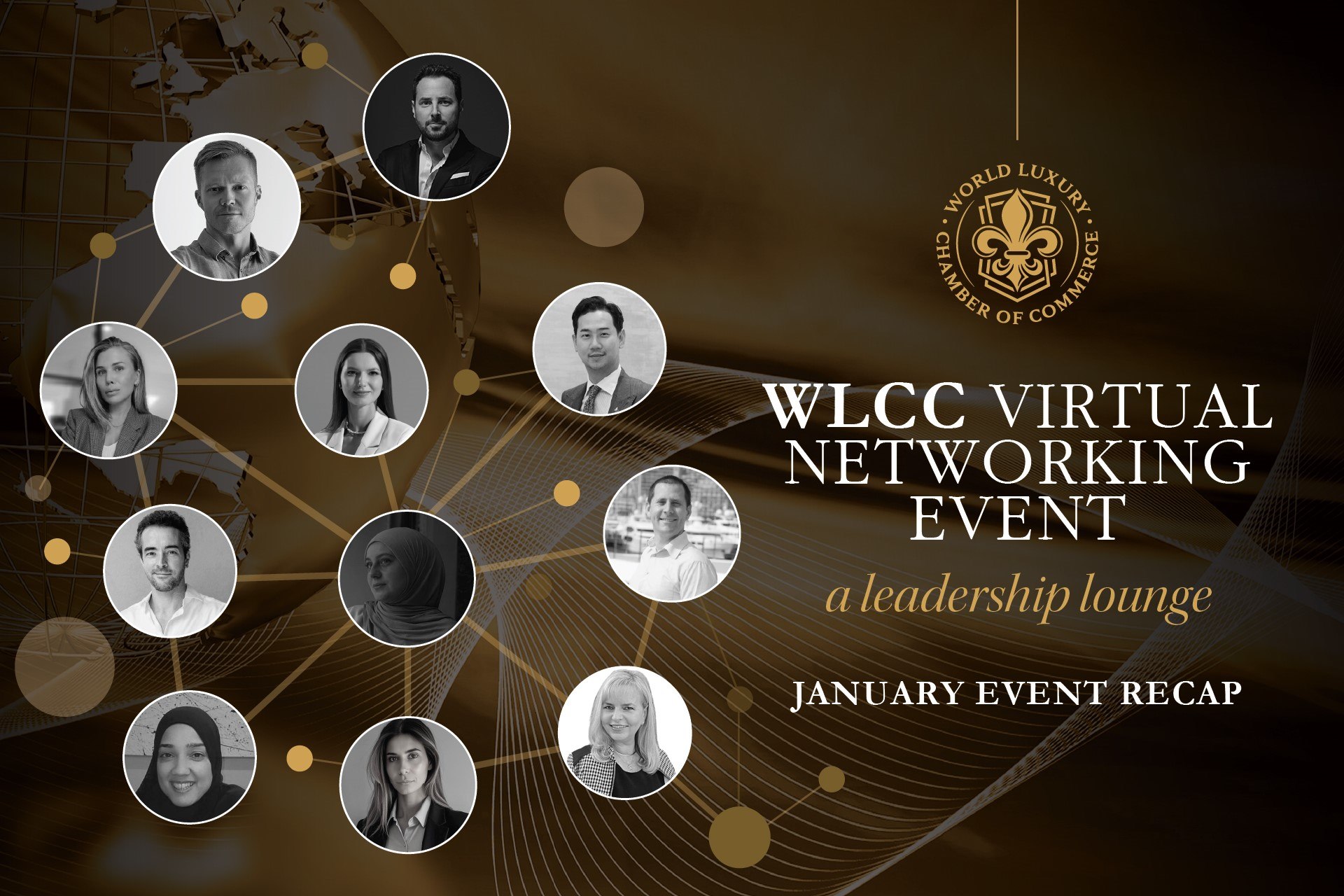
Event Recap: WLCC Leadership Lounge – January 2026

The latest WLCC Leadership Lounge brought together senior leaders from across the global luxury ecosystem for a high-level, working conversation on one of the most pressing challenges facing luxury today: how to evolve without losing meaning.

This was not a webinar, and not traditional networking. It was a curated leadership room designed for decision-makers navigating transformation, expansion, and reinvention – and seeking peer intelligence over noise.

A strategic fireside with Jeremie Bernheim

The session opened with a fireside conversation featuring Jeremie Bernheim, WLCC Board Member and Chief Marketing Officer of Raymond Weil. Drawing on his experience leading transformation across multiple global organizations, Jeremie shared clear, transferable insights relevant far beyond watchmaking.

Key perspectives included:

  • Modern luxury is shifting from possession to meaning – from logos and visibility to emotion, experience, community, and belonging.
  • Heritage is only an asset if it is treated as a foundation, not a museum. The core should remain stable, while storytelling, engagement, and expression must evolve.
  • Scarcity today is not about volume, but about relevance – delivering something emotionally meaningful in a world of abundance.
  • Successful transformation is ultimately about people, not products or processes. Leadership, trust, and a sense of shared ownership are critical.
  • Data and intuition are complementary, not opposing forces. Data explains what is happening; intuition – shaped by experience – guides what to do next.
  • Looking ahead, successful brands will move beyond product and status, placing a deeper focus on meaning, emotional connection, and radical consumer centricity. In an increasingly digital and fragmented world, understanding the client – their motivations, values, and sense of identity – will matter more than traditional metrics.

These themes resonated strongly across industries represented in the room, from hospitality and real estate to design, yachting, jewelry, and financial infrastructure.

A truly global, cross-industry room

Following the fireside, the Lounge transitioned into curated introductions, where each participant shared:

  • Their current stage of transformation
  • What differentiates their approach
  • The type of connections that would accelerate their next move

The room reflected the global and cross-sector nature of modern luxury, with participants operating across Europe, the Middle East, Africa, North America, and Asia. Industries including heritage brands, fine jewelry, hospitality, superyacht charter, real estate investment, architecture & design, and crypto-enabled payment and concierge solutions.

Rather than competing narratives, a clear pattern emerged: the same UHNW clients move across multiple markets, assets, and experiences over time, making trusted collaboration more valuable than isolated expertise.

From products to ecosystems

Several live connections illustrated how luxury value is increasingly created at the intersection of sectors:

  • Heritage watchmaking evolving through co-branded, symbolic collaborations
  • Yachting is positioned not as transport, but as a destination and experience in itself
  • Real estate reframed as a global, lifestyle-driven journey, not a local transaction
  • Architecture and design are positioned as long-term value multipliers, shaping identity and emotional resonance
  • Crypto solutions are discussed as infrastructure enabling speed, trust, and global mobility

The discussion made clear that modern luxury operates as an ecosystem, where brands, advisors, and service providers amplify one another when aligned around shared values and client experience.

WLCC in action

The closing reflection reinforced what WLCC is designed to deliver:

  • Curated access to senior peers across markets and industries
  • A trusted environment for open, strategic dialogue
  • Connections that extend beyond a single event into long-term collaboration

What members experienced during this Leadership Lounge – the quality of dialogue, relevance of perspectives, and ease of cross-border connection – is exactly how WLCC operates year-round.

For leaders who recognize that their next stage of growth depends less on information and more on access, credibility, and trusted peers, WLCC provides a private global platform for ongoing dialogue and collaboration. Membership is intentionally selective and built around shared values, relevance, and long-term perspective.

To learn more about WLCC membership, please visit our membership page https://worldluxurychamber.com/become-a-member/

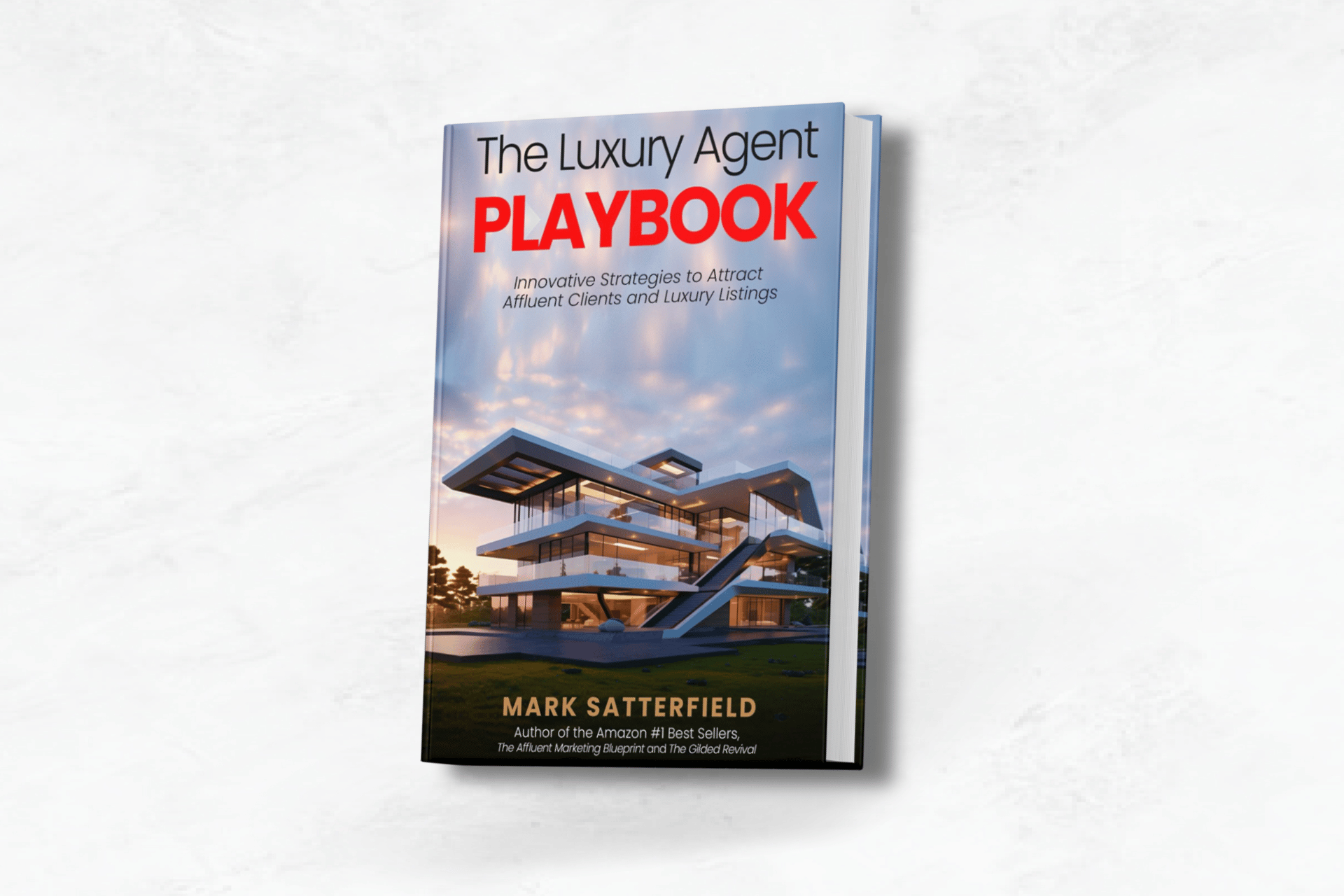
The Luxury Agent Playbook by Mark Satterfield

Author: Mark Satterfield
Publication Date: 2025
Amazon Rating:
 4.8

The Luxury Agent Playbook: Innovative Strategies to Attract Affluent Clients and Luxury Listings is a focused guide for real estate professionals who want to work confidently in the luxury segment of the market. The book addresses a core reality of high-end real estate: affluent buyers and sellers operate with different expectations, priorities, and decision-making processes than the average client. Treating luxury transactions like standard deals often leads to missed opportunities, weak positioning, and difficulty earning trust at the top of the market.

Rather than centering on property features alone, the book explains how luxury real estate is shaped by perception, experience, and credibility. It explores the common mistakes agents make when attempting to move upmarket and outlines how to avoid approaches that attract unqualified prospects or fail to resonate with high-net-worth individuals. Readers are guided through strategies for positioning themselves as trusted advisors, building a clear and consistent personal brand, and creating a level of service aligned with luxury expectations.

A central theme of the book is that success in luxury real estate depends on more than sales tactics. It requires understanding the role of discretion, relationships, and long-term reputation. The book emphasizes how top-performing luxury agents build connections, earn repeat business, and secure premium listings by focusing on value, confidence, and client experience rather than aggressive selling. The strategies presented are designed to help agents shift from chasing transactions to attracting the right clients through intentional positioning and professional presence.

The Luxury Agent Playbook is written for agents who want to move beyond lower-price transactions and develop a sustainable path into high-value deals. It provides a framework for approaching the luxury market with clarity, discipline, and a stronger understanding of what affluent clients actually look for in representation.

The author, Mark Satterfield, brings a background in marketing strategy and experience working with professionals across multiple industries. He is a bestselling author known for translating complex marketing concepts into practical steps that can be applied without unnecessary complexity. His previous books include The Affluent Marketing Blueprint, The One Week Marketing Plan, The Gilded Revival, and The Velvet Rope Playbook, all of which focus on positioning, trust-building, and attracting high-end clients.

Before founding his consulting firm, Satterfield held senior roles at PepsiCo and Kraft Foods. Today, he works with service providers and professionals in more than two dozen industries, helping them develop strategies to attract and serve affluent audiences. That background informs the book’s emphasis on clarity, positioning, and consistency, making The Luxury Agent Playbook a practical resource for agents serious about building credibility and longevity in the luxury real estate market.

Get the book on Amazon and explore more curated reads here: https://worldluxurychamber.com/category/book-reviews/

AllinBlusive Sets Sail into the World Luxury Chamber of Commerce

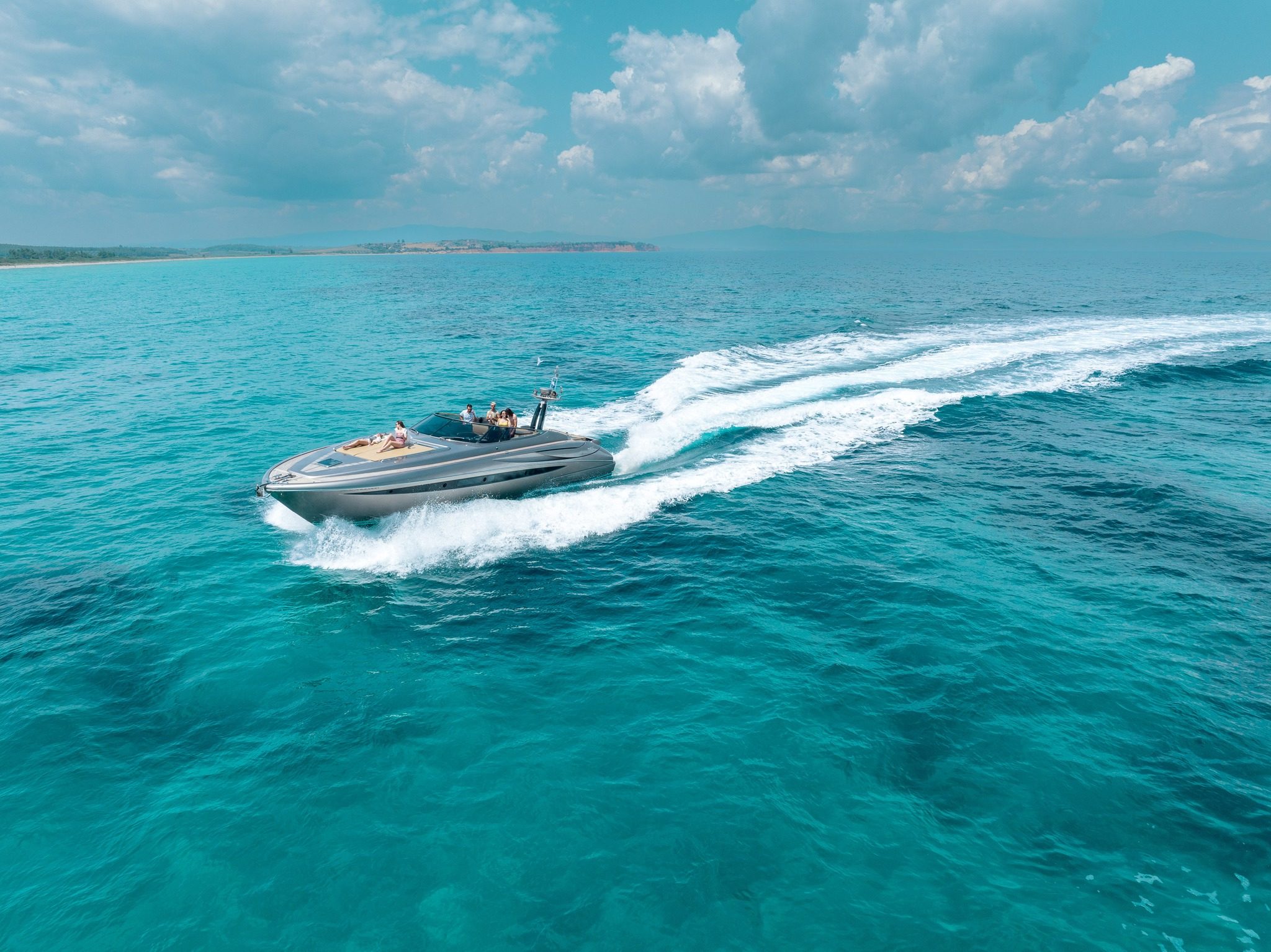
The World Luxury Chamber of Commerce (WLCC) is pleased to announce the official induction of AllinBlusive, a multi-award-winning private luxury yacht charter company based in Greece and the United Kingdom, into its distinguished global network. This exclusive membership marks a significant milestone for AllinBlusive and underscores its position as one of the world’s leading brands in bespoke luxury experiences.

As a new member of the World Luxury Chamber of Commerce, AllinBlusive joins an elite circle of global luxury innovators and heritage brands committed to advancing excellence, craftsmanship, and innovation across the luxury sector. Membership in WLCC is by invitation only and reserved for brands that exemplify the highest standards of quality, integrity, and influence within their industries.

Founded with a passion for reimagining private yachting, AllinBlusive offers clients unrivaled luxury on the water, combining personalized service, refined comfort, and world-class hospitality. With operations in stunning destinations across the Mediterranean and the United Kingdom, AllinBlusive has set new standards in premium maritime leisure, earning acclaim as Europe’s leading luxury yachting service.

“We are thrilled to welcome AllinBlusive to the World Luxury Chamber of Commerce,” said Alexander Chetchikov, President of WLCC. “Their loyalty to exclusivity, quality, and innovation mirrors the very essence of what WLCC stands for. AllinBlusive’s entry into our global community will not only enhance their brand reach and influence but will also contribute meaningfully to the ongoing growth and evolution of the luxury industry worldwide.”

Joining WLCC grants AllinBlusive access to a host of strategic advantages, including:

  • Exclusive networking opportunities with high-level luxury leaders and brands.
  • Global promotional platforms to expand brand visibility and influence.
  • Access to curated industry insights, events, and collaborations designed to shape the future of the luxury marketplace.

This partnership highlights WLCC’s mission to unite exceptional brands that share a common vision, to reshape modern luxury through collaboration, sustainability, and creativity. AllinBlusive’s inclusion strengthens this mission by bringing forward an experiential approach to luxury hospitality that amalgamates maritime excellence with innovative service design.

Visit https://www.allinblusive.co.uk/ to find out more today.

World Luxury Chamber of Commerce Welcomes LuXperience Advisory as a New Member

The World Luxury Chamber of Commerce (WLCC) proudly announces the induction of LuXperience Advisory into its exclusive global network of luxury brands, experts, and industry leaders.

Membership in WLCC is by invitation only and represents a benchmark of excellence, credibility, and innovation within the luxury sector. The inclusion of LuXperience Advisory reflects its strong commitment to elevating luxury experiences and delivering measurable value across hospitality and premium brand environments.

LuXperience Advisory is a boutique luxury consulting firm based in Croatia, specialising in luxury management and brand experience consulting for the hospitality and fashion industries. Founded by Jadranka Čičak, an experienced Luxury Consultant, the firm partners with hotels, resorts, and fashion brands to enhance guest and customer experience, strengthen brand positioning, and translate luxury standards into practical operations, service excellence, and sustainable commercial performance.

Jadranka brings an end-to-end perspective from strategy to execution, shaped by a career spanning luxury brand management, corporate hospitality, and multi-market retail leadership. Her experience includes senior roles as Marketing & Corporate Hospitality Manager, Retail Director, and Area Brand Manager, working with internationally renowned luxury brands such as Burberry, Z. Zegna, and Polo Ralph Lauren. She is currently completing the SDA Bocconi Executive Master in Luxury Management (2026) and holds certifications from Cornell Hospitality Management and INSIDE LVMH.

Through WLCC membership, LuXperience Advisory gains strategic access to elite international networking, global visibility, and cross-industry collaboration, enabling further growth and contribution to the evolving luxury landscape.

Alexander Chetchikov, President of the World Luxury Chamber of Commerce, stated: “We are delighted to welcome LuXperience Advisory to WLCC. Their focus on service excellence, operational luxury, and brand experience strongly aligns with our values. Jadranka’s expertise and international outlook will add meaningful value to our global community and support continued innovation within the luxury hospitality and fashion sectors.”

LuXperience Advisory’s induction reinforces WLCC’s mission to foster collaboration, elevate standards, and drive sustainable growth across the global luxury ecosystem.

Visit https://www.linkedin.com/in/luxurymanagementconsultant-jadrankacicak/ to learn more about Jadranka and LuXperience Advisory.

The WLCC Weekly Edit: Travel Perspectives, Beauty Tech, Watchmaking & Luxury Property

The WLCC Weekly Edit: your curated digest of the latest in the world of luxury. Each week, WLCC brings you a handpicked selection of industry news, insights, and stories influencing the future of high-end fashion, design, travel, real estate, and beyond. Consider this your insider’s guide to the latest in luxury. 

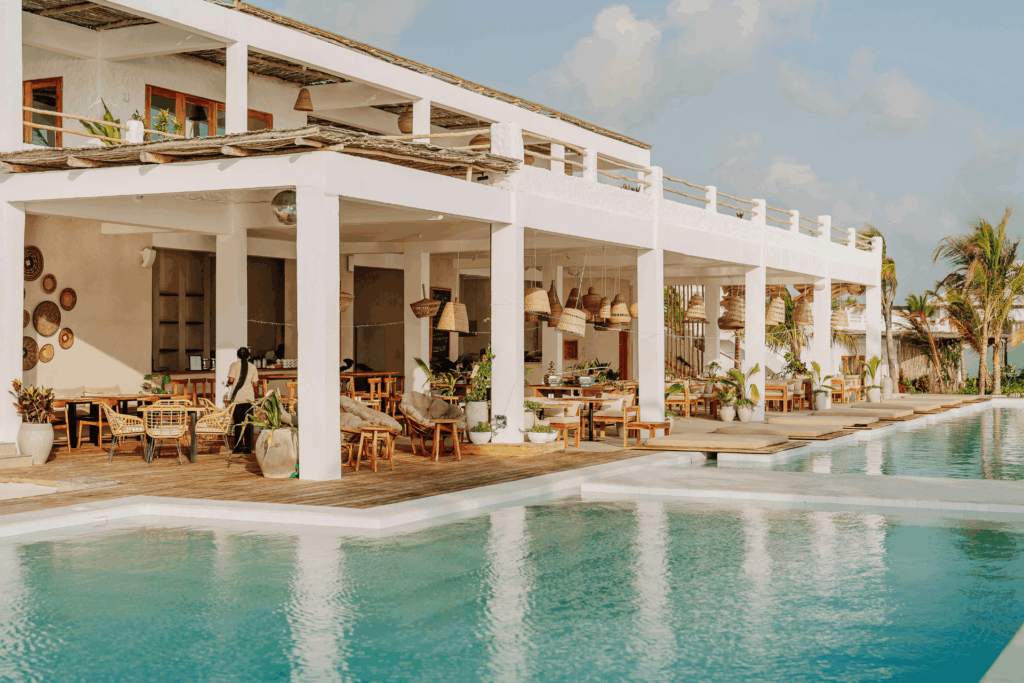
Lux-Scaping: The Rise of Strategic Luxury Travel

In 2026, travelers are rethinking how they spend on luxury. Instead of booking an entire high-end holiday, many now add a short luxury stay to the beginning or end of a standard trip. This approach delivers stronger memories, a better sense of value, and less financial strain. Behavioral insights show travelers remember peak and final moments most, making these short upgrades especially impactful. The trend is especially popular in the UAE and Saudi Arabia, where travelers seek iconic hotels and standout experiences. It also supports more intentional travel by focusing spending on fewer, higher-quality stays.

Via: Hotel & Catering

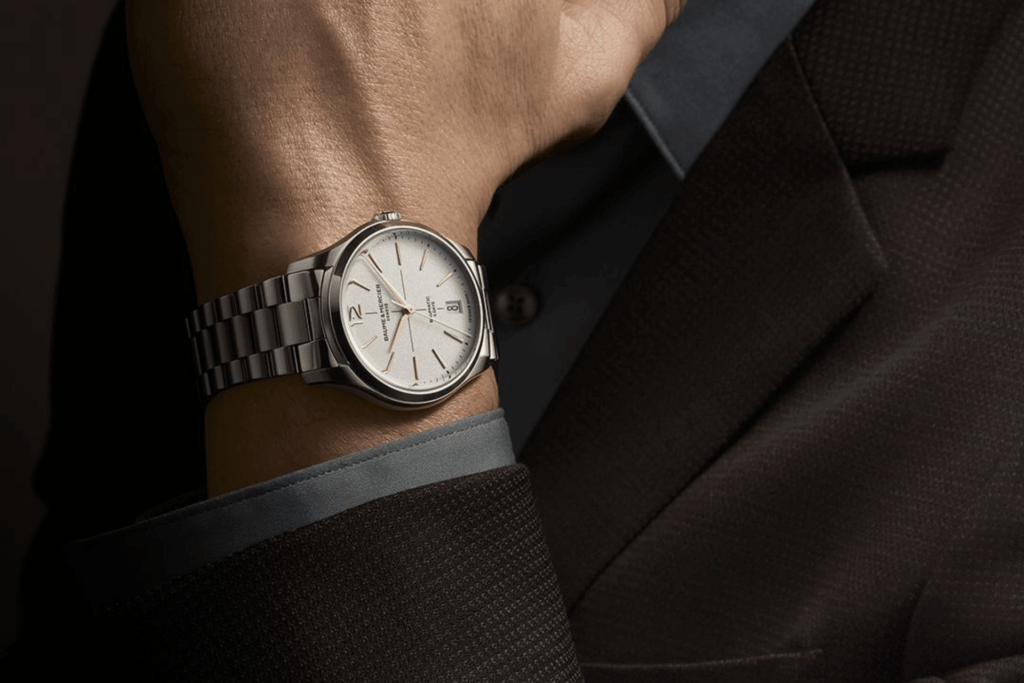
Damiani Group to Acquire Baume & Mercier from Richemont

Richemont and the Damiani Group have reached an agreement for the Damiani Group to acquire full ownership of Swiss watchmaker Baume & Mercier in a private transaction. The acquisition strengthens Damiani’s hard luxury portfolio and adds a watchmaking Maison with nearly two centuries of heritage. Both groups agree Baume & Mercier is well-suited to Damiani’s strong presence in Italy and its multi-brand distribution model, as well as the brand’s accessible position within luxury watchmaking. Damiani plans to grow the Maison through wider distribution and select boutiques, while Richemont will support operations during a transitional period. Completion is expected in summer 2026.

Via: Richemont | Image via Baume & Mercier LinkedIn

L’Oréal Invests €326 Million in India Beauty-Tech Hub

L’Oréal will invest approximately €326 million to build its first global beauty-tech hub in India, located in Hyderabad. The facility will serve as a central base for technology-led work across data, analytics, and supply chain operations, supporting L’Oréal’s global business while creating around 2,000 jobs locally. Announced following meetings at the World Economic Forum in Davos, the move reflects L’Oréal’s long-term commitment to India, where it has operated since 1994 and manufactures most products locally. The investment builds on strong sales growth and complements existing research, development, and manufacturing sites across the country.

Via: Luxury Tribune

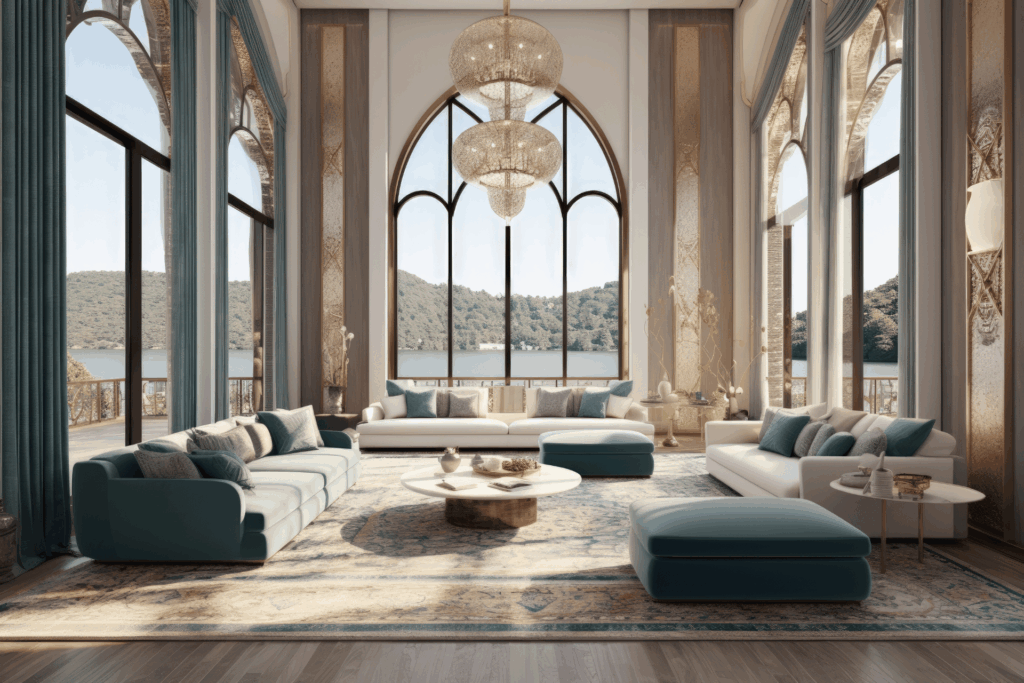
Global Luxury Real Estate Outlook 2026 by Sotheby’s International Realty

Sotheby’s International Realty’s 2026 Luxury Outlook shows that high-end property continues to operate independently from the wider housing market. While affordability pressures weigh on mainstream real estate, luxury transactions remain supported by equity-rich buyers, international demand, and cash-driven purchases. Shifting demographics, especially the transfer of wealth to younger generations, are reshaping buyer profiles and priorities. Lifestyle, security, and long-term family considerations now outweigh short-term returns. Global buyers are increasingly selective, favoring stable markets with strong legal frameworks and enduring appeal. For luxury stakeholders, success depends on timing, pricing discipline, and a clear understanding of cross-border capital flows and evolving lifestyle expectations.

Via: WLCC | Sotheby’s International Realty

Luxury People Podcast | Episode 4 with Iyad Rasbey

In Episode 4 of the Luxury People Podcast, António Paraíso speaks with Iyad Rasbey, Vice President of the Ras Al Khaimah Tourism Development Authority, on what gives a luxury destination lasting relevance. Rasbey explains why authenticity, rather than scale or spectacle, has become the key differentiator in global luxury travel. The conversation explores Ras Al Khaimah’s rapid evolution, its focus on nature-led experiences, and the importance of safeguarding local culture while expanding internationally. Insights also cover leadership during crisis, collaboration across sectors, and how meaningful travel experiences are replacing status-driven consumption in today’s luxury landscape.

Via: WLCC / YouTube


Stay ahead in luxury – explore the latest WLCC news, insights, and thought leadership:
https://worldluxurychamber.com/insights-news/

Luxury in 2026: Control, Access, and Experience

Luxury in 2026 appears to be increasingly assessed through behaviour rather than display. As platforms multiply and access becomes easier to achieve, traditional markers such as visibility, scale, and volume seem to carry less influence than they once did. What tends to matter more is how deliberately attention is managed, how access is controlled, and how experiences are structured. Choice often feels less persuasive than confidence, and abundance less compelling than clarity. In this context, luxury often operates more through discipline than expansion.

The following themes reflect ideas that continue to surface as brands reconsider how value is created and sustained.

Persuasion Over Promotion

Persuasion in luxury increasingly relies on structure rather than repetition. Instead of attempting to convince through messaging, brands often guide decisions through edited options, clearer sequencing, and intentional framing. When structure replaces volume, decision-making tends to feel easier and more confident. This becomes relevant as attention grows more fragmented and comparison more exhausting. Brands that reduce friction often inspire greater trust than those that explain endlessly. In 2026, persuasion may frequently seem to come from restraint rather than visibility.

Desirability Built Through Absence

Constant availability can weaken perception over time. By contrast, selective absence often signals intention and control. Brands that appear less frequently, limit access, or delay availability tend to create anticipation rather than fatigue. Waiting increasingly becomes part of the experience rather than an obstacle. Absence works when it sets conditions instead of reacting to demand. The ability to step back without losing relevance continues to distinguish brands that operate with confidence from those that respond reactively.

AI and Virtual Environments as Infrastructure

Technology in luxury often delivers the most value when it remains unobtrusive. AI increasingly supports pricing, timing, forecasting, and consistency behind the scenes, contributing to coherence rather than spectacle. Its value tends to lie in precision, not visibility.

Virtual environments and private platforms serve a similar role. They are generally used less to expand reach and more to manage access and relevance. Virtual environments, private platforms, and gated digital spaces are rarely intended to reach more people. They are more often designed to reach fewer, more relevant ones. Digital interaction increasingly prioritises control over scale.

Experiential Luxury with Defined Parameters

Experience continues to play a central role in luxury, though its form appears to be narrowing. Rather than open-ended immersion, brands often favour defined formats. Shorter durations, limited participation, and clearer boundaries tend to protect attention and reduce fatigue. Experiences are more likely to feel complete rather than overwhelming. In 2026, experiential value often emerges from focus rather than magnitude. Boundaries tend to sharpen perception and deepen meaning.

Cross-Industry Collaboration Without Display

Collaboration remains present in luxury, though its visibility often diminishes. Brands increasingly align across disciplines to strengthen execution, access expertise, or enhance quality without drawing attention to the partnership itself. Logos recede, and attribution becomes secondary. When collaboration is less visible, authority often remains intact. Quiet integration frequently signals confidence more effectively than public alignment.

What This Signals for Luxury Brands in 2026

Taken together, these themes suggest a consistent operating posture. Luxury brands increasingly guide decision-making rather than expand choice, limit exposure rather than pursue constant presence, integrate technology quietly, design experiences with boundaries, and collaborate to improve delivery rather than narrative. These tendencies influence how resources are allocated, how attention is managed, and how long-term value is supported.

For further insights on luxury in 2026, visit the WLCC news and insights section at https://worldluxurychamber.com/

2026 Luxury Real Estate Outlook: Sotheby’s International Realty

The 2026 Luxury Outlook by Sotheby’s International Realty confirms a clear structural shift in the global property landscape. Luxury real estate is no longer moving in parallel with the broader housing market and continues to show resilience, liquidity, and sustained international demand despite economic uncertainty. For members of the World Luxury Chamber of Commerce, the findings reinforce luxury property’s role as both a stable store of wealth and a long-term lifestyle asset.

A Two-Speed Economy: Luxury vs. the General Market

Luxury real estate outperformed the general housing market in 2025 and is expected to maintain that trajectory in 2026. Philip A. White Jr., President and CEO of Sotheby’s International Realty, notes that elevated interest rates and affordability pressures constrained the broader market, while luxury transactions benefited from strong home equity positions, a high share of all-cash purchases, and increased cross-border activity. This performance mirrors trends seen in other premium sectors, underscoring the structural strength of the luxury economy.

First-Mover Advantage and Pricing Discipline

The report emphasizes the strategic importance of decisive action. A. Bradley Nelson, Chief Marketing Officer of Sotheby’s International Realty, highlights that buyers and sellers who act early when market conditions shift often shape demand rather than follow it. Developments and listings that adjust pricing first tend to attract momentum, while sellers who delay risk higher carrying costs. For buyers, speed can secure rare opportunities in supply-constrained markets.

Wealth Creation, Inheritance, and Demographic Change

An accelerating intergenerational wealth transfer is reshaping luxury demand worldwide. Trillions of dollars are moving from Baby Boomers and the Silent Generation to younger cohorts, creating a new class of high-net-worth individuals earlier in life. This shift is expanding the presence of Millennials in luxury real estate and laying the groundwork for future Gen Z participation. Demand is increasingly driven by security, quality of life, and long-term family planning rather than short-term appreciation alone.

Cryptocurrency and New Sources of Capital

Digital assets are beginning to influence luxury real estate transactions, particularly in global hubs such as Dubai and major U.S. cities. Mark Zandi, Chief Economist at Moody’s Analytics, cautions that cryptocurrency-linked purchases may introduce volatility due to price fluctuations. Lawrence Yun, Chief Economist at the National Association of REALTORS®, counters that broader institutional adoption and regulatory clarity could expand the buyer pool and support demand at the upper end of the market.

Global Capital Becomes More Selective

Geopolitical uncertainty, tariffs, and currency shifts have not diminished global luxury demand, but they have increased selectivity. Philip A. White Jr. observes that affluent buyers are gravitating toward established luxury markets with strong economic fundamentals, legal transparency, and lifestyle appeal, rather than speculative destinations. Exchange rate movements are also creating relative value across borders, reinforcing the importance of global market awareness.

Lifestyle as a Primary Purchase Driver

Lifestyle considerations now outweigh pure investment motives for most luxury buyers. According to the Sotheby’s International Realty agent survey, 60 percent of agents globally report that lifestyle plays a larger role in purchase decisions than in previous years. Ski destinations, wellness-oriented communities, branded residences, and culturally rich urban centers continue to outperform, particularly when they combine multiple lifestyle elements within a single location.

Cross-Border Demand and Global Mobility

International luxury property transactions are rising again after years of disruption. The United States remains a leading destination due to its perceived stability, transparency, and depth of market. Proposed residency and citizenship incentives, favorable tax environments, and geopolitical safety concerns are accelerating global mobility among ultra-high-net-worth individuals. Buyers increasingly view property ownership as a global portfolio strategy rather than a single-country commitment.

Inventory Returns, but Scarcity Still Matters

Luxury housing supply has improved in several markets for the first time since the pandemic, creating more choice for buyers without eroding pricing power in prime locations. Tammy Fahmi, Senior Vice President of Global Servicing and Strategy at Sotheby’s International Realty, notes that luxury markets often move independently of broader housing trends. Well-located, well-priced, and high-quality properties continue to transact quickly, while overpriced assets linger.

Major Sporting Events and Long-Term Value

Global sporting events such as the 2026 Global Soccer Tournament and upcoming Olympic Games can influence luxury real estate markets, particularly when paired with disciplined urban planning. Historical data shows that while short-term price increases are common, lasting value depends on infrastructure investment, livability, and long-term demand. Paris is highlighted as a recent example where careful planning supported both immediate interest and sustained market stability.

Multigenerational Living and Legacy Planning

Multigenerational living is emerging as a defining trend in the luxury segment. High-net-worth families are increasingly acquiring properties that support shared living while preserving privacy, often as part of broader estate and legacy planning. Rodd Macklin of Pennington Partners & Co. emphasizes that luxury homes function not only as appreciating assets but also as anchors for family continuity, values, and governance across generations.

Security, Privacy, and Resilience

Security and privacy have become core requirements in luxury residential design and purchasing decisions. Advanced surveillance systems, gated access, backup power infrastructure, and discreet architectural planning are increasingly standard. Agent insights suggest these features can shorten time on market and support premium pricing, positioning resilience and protection as fundamental components of modern luxury.

Strategic Implications for WLCC Members

The 2026 outlook makes clear that luxury real estate continues to operate on distinct fundamentals. Market leadership now depends on global intelligence, pricing discipline, and a nuanced understanding of lifestyle, legacy, and risk. For World Luxury Chamber of Commerce members, luxury property remains a central pillar of wealth strategy and brand alignment, rewarding those who act decisively, think internationally, and invest with a long-term perspective.

Source: Sotheby’s International Realty, 2026 Luxury Outlook
Full report available at: https://www.luxuryoutlook.com/2026-luxury-outlook-report/

Additional Sources

  • Sotheby’s International Realty
    2026 Luxury Outlook and internal market data, including the 2026 Sotheby’s International Realty Global Agent Survey
  • National Association of REALTORS® (NAR)
    International Transactions in U.S. Residential Real Estate, July 2025; generational housing and market outlook research, 2025–2026
  • Realtor.com®
    Luxury housing price thresholds and inventory trends, September 2025
  • The Economist
    Reporting and analysis on global wealth transfer and inheritance trends, February and June 2025
  • Cerulli Associates
    Intergenerational Wealth Transfer Report, Q1 2025
  • Moody’s Analytics
    Economic commentary by Mark Zandi on luxury housing and cryptocurrency-linked assets
  • U.S. Federal Reserve & Freddie Mac
    Interest rate and mortgage market data, 2025
  • Forbes
    Coverage of cryptocurrency-related luxury real estate transactions and global market trends, 2021–2025
  • Goldman Sachs
    Analysis of the economic and real estate impact of major global sporting events
  • National Bureau of Economic Research & Urban Studies
    Research on long-term property market effects of international sporting events
  • Paris Ouest Sotheby’s International Realty
    Market commentary on Paris luxury real estate performance surrounding the 2024 Summer Games

Explore More WLCC Executive Briefings
Discover additional executive summaries, market intelligence, and strategic insights curated for World Luxury Chamber of Commerce members: https://worldluxurychamber.com/category/industry-reports/

WLCC Appoints Maserati Global Brand Creative Leader Pietro Zambetti to Its Board

The World Luxury Chamber of Commerce (WLCC) is pleased to announce the appointment of Pietro Zambetti, Global Brand Creative Responsible at Maserati, to its Board of Directors.

Born in Bergamo, Italy, and currently living between Bologna and Milan, Zambetti brings more than 14 years of specialized expertise in luxury brand marketing, audience engagement, and global community building. A graduate in Marketing and Communication, he has built a distinguished career dedicated to understanding evolving audience dynamics and developing strategies that speak to the modern luxury consumer.

Zambetti is widely recognized for his ability to craft and grow global luxury communities through holistic omnichannel approaches enhanced by cutting-edge influence marketing and public relations. In his current leadership role at Maserati, he continues to elevate the brand worldwide, spearheading initiatives that merge tradition with innovation while driving digital transformation across brand touchpoints.

“We are honored to welcome Pietro to the WLCC Board,” said Alexander Chetchikov, President of the World Luxury Chamber of Commerce. “His visionary approach to luxury branding, combined with his deep understanding of global audience behavior, makes him an invaluable addition to our leadership panel. Pietro’s strategic insight will help guide the Chamber as we cultivate meaningful opportunities for collaboration, innovation, and growth within the luxury ecosystem.”
The World Luxury Chamber of Commerce is a global community uniting luxury brands, service providers, and thought leaders. The Chamber’s mission is to advance industry development through actionable market intelligence, strategic initiatives, global media exposure, and exclusive high-level networking programs that empower members to thrive in an ever-evolving luxury landscape.

“I am thrilled to join the WLCC Board,” Zambetti said. “Luxury today is about connection, cultural relevance, and community. I look forward to contributing to the Chamber’s vision and supporting its work in shaping the future of our industry.”

For more information about the World Luxury Chamber of Commerce, please visit https://worldluxurychamber.com/

CharterWorld Inducted into the World Luxury Chamber of Commerce

The World Luxury Chamber of Commerce (WLCC) is proud to announce the official induction of CharterWorld as a new member of its prestigious global network, reinforcing WLCC’s commitment to uniting the world’s most distinguished luxury brands across industries.

Membership in the World Luxury Chamber of Commerce is by invitation only and reserved for companies that exemplify excellence, innovation, and leadership within the luxury sector. The inclusion of CharterWorld reflects the brand’s outstanding reputation, uncompromising standards, and influential position within the international luxury travel and yachting industry.

CharterWorld operates in the luxury yacht charter industry, delivering bespoke yachting experiences to an elite global clientele. With an international presence, the company is renowned for its expertise in luxury yacht charters and personalized service, with access to the world’s most exceptional vessels. Its refined approach and dedication to excellence position CharterWorld at the pinnacle of luxury travel.

By joining WLCC, CharterWorld gains strategic access to an exclusive ecosystem of high-level decision-makers, luxury innovators, and globally recognized brands. Membership offers unparalleled opportunities for cross-industry collaboration, brand visibility, strategic partnerships, and participation in curated global initiatives designed to accelerate sustainable growth within the luxury economy.

Alexander Chetchikov, President of the World Luxury Chamber of Commerce, commented: “We are delighted to welcome CharterWorld into the World Luxury Chamber of Commerce. Their passion for excellence, bespoke service, and innovation within the luxury yachting sector perfectly aligns with WLCC’s mission. We look forward to supporting their continued growth while fostering meaningful collaboration that advances the future of the global luxury industry.”
The addition of CharterWorld further strengthens WLCC’s diverse and influential membership base, contributing valuable expertise from the luxury travel and yachting sector. Their inclusion supports WLCC’s broader mission to drive innovation, elevate standards, and shape the future of luxury through strategic collaboration and shared vision.

As part of WLCC, CharterWorld will play an active role in advancing the evolution of the luxury industry. Visit https://www.charterworld.com/ to learn more today.

House of Infinite Luxe LLC Joins World Luxury Chamber of Commerce, Elevating Global Luxury Engagement

House of Infinite Luxe has been inducted as a member of the World Luxury Chamber of Commerce, joining a global network of senior luxury leaders committed to strategic collaboration, industry leadership, and the advancement of global luxury standards.

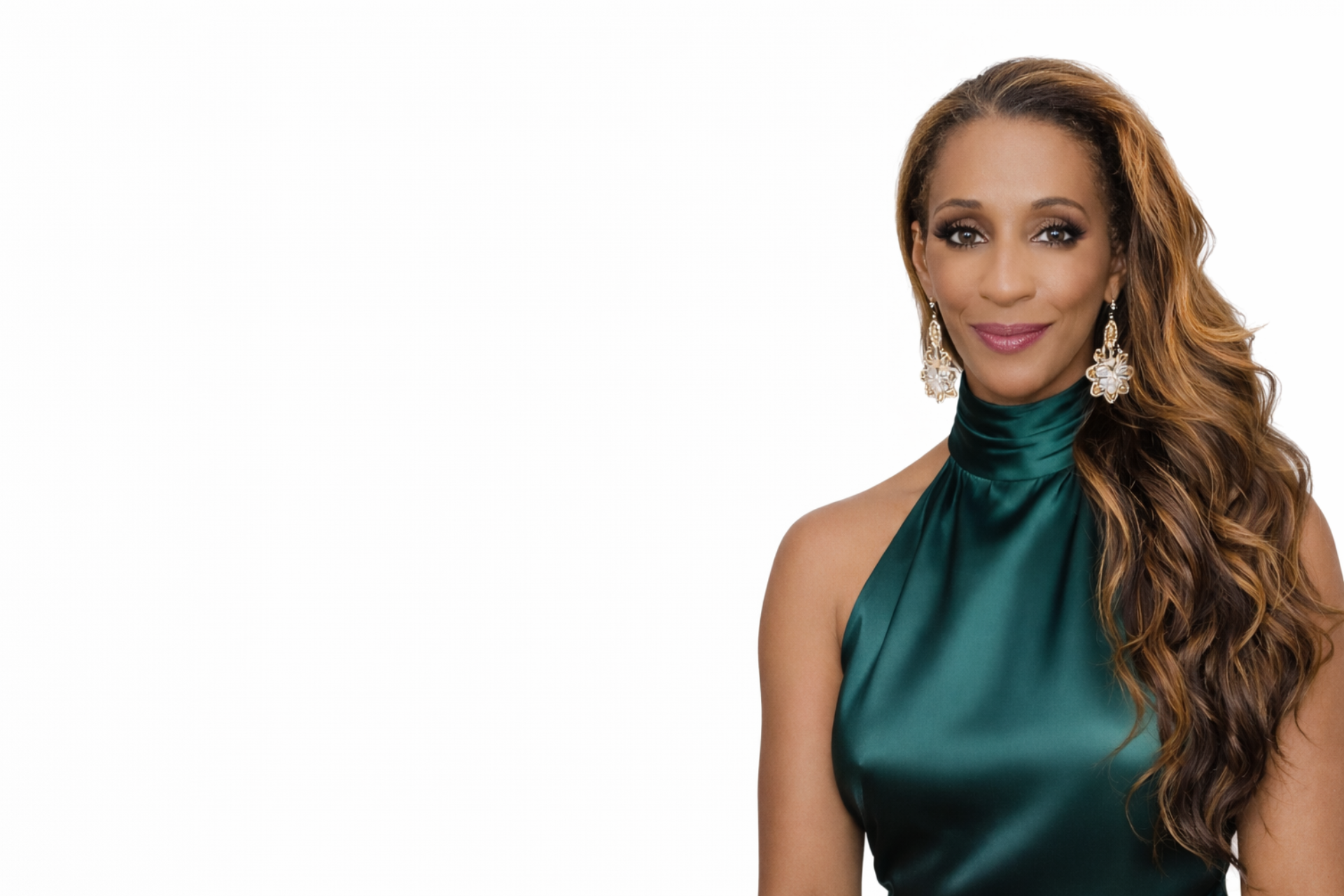
Based in the United States, House of Infinite Luxe is a luxury integration consultancy focused on preparing high-net-worth and ultra-high-net-worth individuals for authentic participation in elite luxury markets. Founded by Dr. Felisha Kay, the firm operates at the intersection of cultural fluency, strategic positioning, and refined communication, supporting clients as they enter and engage with the world’s most exclusive environments.

The consultancy’s work centers on three core areas: luxury market integration consulting, communication and presence refinement, and relationship and lifestyle elevation. Through structured guidance in international etiquette, cultural intelligence, executive presence, and social navigation, House of Infinite Luxe equips clients to participate in premium hospitality, private aviation, exclusive social circles, and global luxury ecosystems with confidence and discretion.

Membership in the World Luxury Chamber of Commerce reflects the company’s alignment with an executive-level ecosystem designed to foster meaningful dialogue, trusted partnerships, and long-term industry impact. As a complementary, non-competitive participant, the firm serves as a strategic pipeline of luxury-ready consumers for chamber members across hospitality, travel, yachting, concierge, and lifestyle services, strengthening client experiences and long-term brand relationships.

“House of Infinite Luxe represents a considered approach to luxury that emphasizes preparedness, cultural understanding, and long-term value,” said Alexander Chetchikov, President of the World Luxury Chamber of Commerce“Their role within the chamber supports a more informed and engaged luxury consumer base, which is essential for the sustainable growth of the global luxury industry.”

Through its work with newly affluent executives, individuals integrating into elite families, international business leaders, and established wealth seeking elevation, House of Infinite Luxe contributes to the broader luxury ecosystem by developing informed, respectful, and committed participants. Its membership underscores a shared focus on quality, relevance, and leadership within the evolving global luxury landscape.

Discover more about House of Infinite Luxe LLC: www.felishakay.com.

WLCC Welcomes Scentsophy, an Artisanal Fragrance House Rooted in Purity and Emotion

The World Luxury Chamber of Commerce (WLCC) proudly announces the membership of Scentsophy, an independent fragrance house known for its clean, soulful perfumes that connect scent with emotion and memory. This partnership reflects WLCC’s ongoing mission to unite brands that value authenticity, innovation, and ethical luxury.

Founded on the idea that fragrance should express feeling rather than fashion, Scentsophy creates small-batch perfumes that mix both artistry and science. At its core is Anu Ruohosto, Co-Founder and Master of Science in Cosmetic Chemistry, whose 25 years in the beauty industry have shaped Scentsophy’s thoughtful approach to formulation. Every creation is guided by her belief that scent should be personal, genuine, and kind to both skin and environment.

Joining the World Luxury Chamber of Commerce allows the company to connect with others who share these same values and who seek to advance responsible beauty. As a member of WLCC, Scentsophy will gain access to global networking opportunities, brand collaborations, and initiatives that promote growth across the luxury sector.

Alexander Chetchikov, President of the WLCC, welcomed the new member, saying: “We are pleased to have Scentsophy join our global network. Their focus on purity, authenticity, and emotional connection through fragrance reflects what modern luxury is truly about. Scentsophy’s participation strengthens our collective commitment to advancing innovation within the luxury industry.”

Scentsophy’s entry into WLCC represents a shared vision for the future of luxury, one that values creativity, transparency, and genuine connection with customers. Discover the fragrances and their sensory depth and emotional resonance:  https://www.scentsophy.com/.

The WLCC Weekly Edit: Valentino Garavani, Mercedes-Benz x Binghatti Dubai, Mandarin Oriental Homes & Indian Luxury 2026

The WLCC Weekly Edit: your curated digest of the latest in the world of luxury. Each week, WLCC brings you a handpicked selection of industry news, insights, and stories influencing the future of high-end fashion, design, travel, real estate, and beyond. Consider this your insider’s guide to the latest in luxury. 

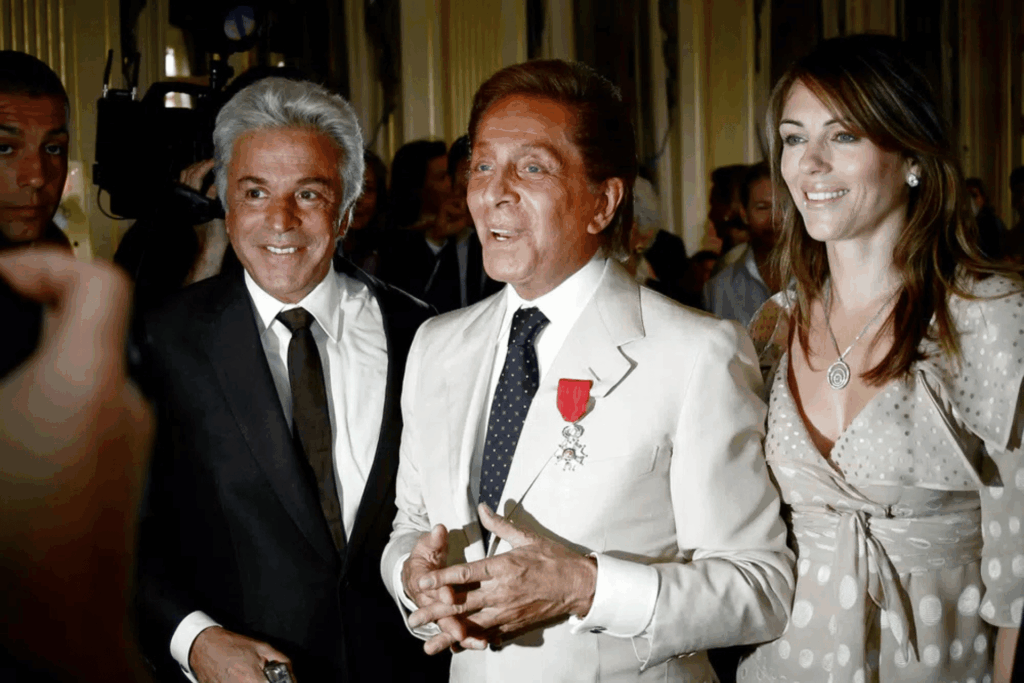
Valentino Garavani, Legendary Roman Couturier, Dies at 93

Valentino Garavani, the Rome-born couturier who founded his fashion house in 1960 and rose to global prominence by dressing European royalty, American first ladies, and the era’s most celebrated stars, has died at his home in Rome at the age of 93.

Via: Vogue / Image: Valentino

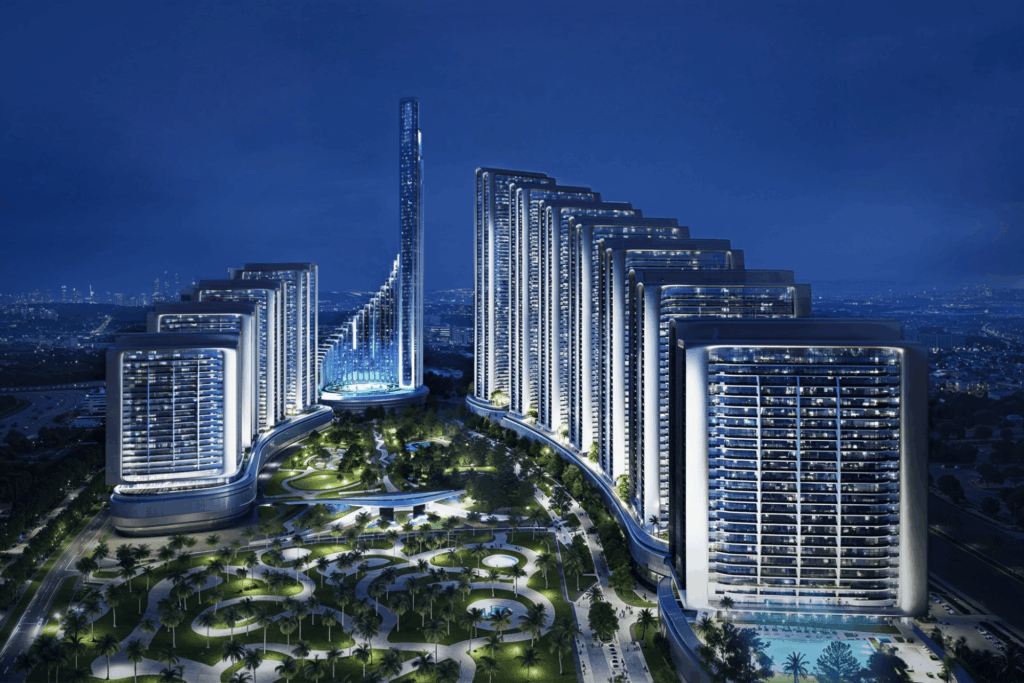
Mercedes-Benz and Binghatti Unveil Second Dubai Project

Mercedes-Benz and Binghatti have revealed Mercedes-Benz Places | Binghatti City, their second joint real estate development in Dubai, located in the Meydan area. Designed as a “city within a city,” the project spans nearly 836,000 square meters and includes more than 13,000 residences across twelve towers. Inspired by Mercedes-Benz’s “Sensual Purity” design philosophy, the architecture translates the brand’s DNA into an integrated urban lifestyle concept. The development combines luxury living with curated wellness, sports, retail, and community spaces, supported by sustainable mobility solutions and extensive landscaped environments.

Via: Mercedes-Benz / Image: Mercedes-Benz Places and Binghatti unveil second real estate project in Dubai

Mandarin Oriental Exceptional Homes Expands Portfolio

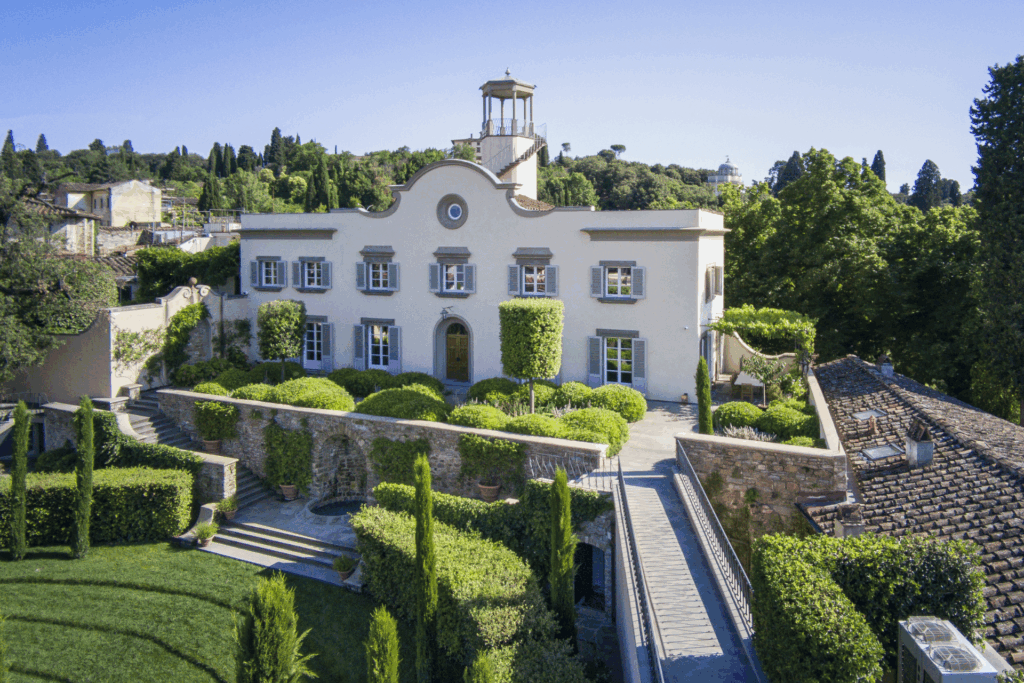
Mandarin Oriental Exceptional Homes has announced a major expansion of its global portfolio, adding ten new private residences and increasing the collection to 35 homes across 14 destinations. The latest additions introduce Florence, Sardinia, and Marbella as new Mediterranean locations, alongside further growth in Puglia. Highlights include Villa Petrucci in Florence, a restored Renaissance-era retreat; Villa Marzia, a rare beachfront home in Sardinia; traditional trulli residences in Puglia; and six design-led villas in Marbella’s prestigious Golf Valley. Each property combines distinctive design, prime locations, and Mandarin Oriental’s signature personalised service.

Via: Mandarin Oriental / Image: Mandarin Oriental 

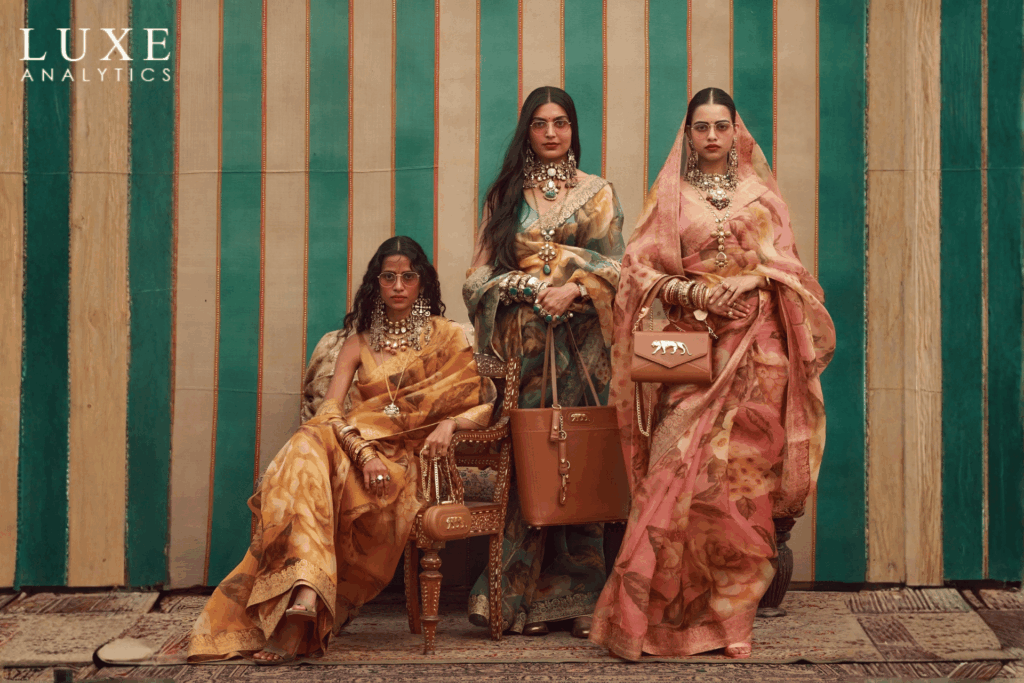
Indian Luxury Consumer 2026 by Luxe Analytics

India’s luxury market is complex and fast evolving, where success depends on precise segmentation rather than broad assumptions. The Indian Luxury Consumer 2026 report reveals who India’s luxury buyers are, what they value, how they shop, and provides actionable strategies for global and local luxury brands.

Via: Dr. Sheetal Jain | Luxe Analytics


Stay ahead in luxury – explore the latest WLCC news, insights, and thought leadership:
https://worldluxurychamber.com/insights-news/

Skin O2 Joins World Luxury Chamber of Commerce

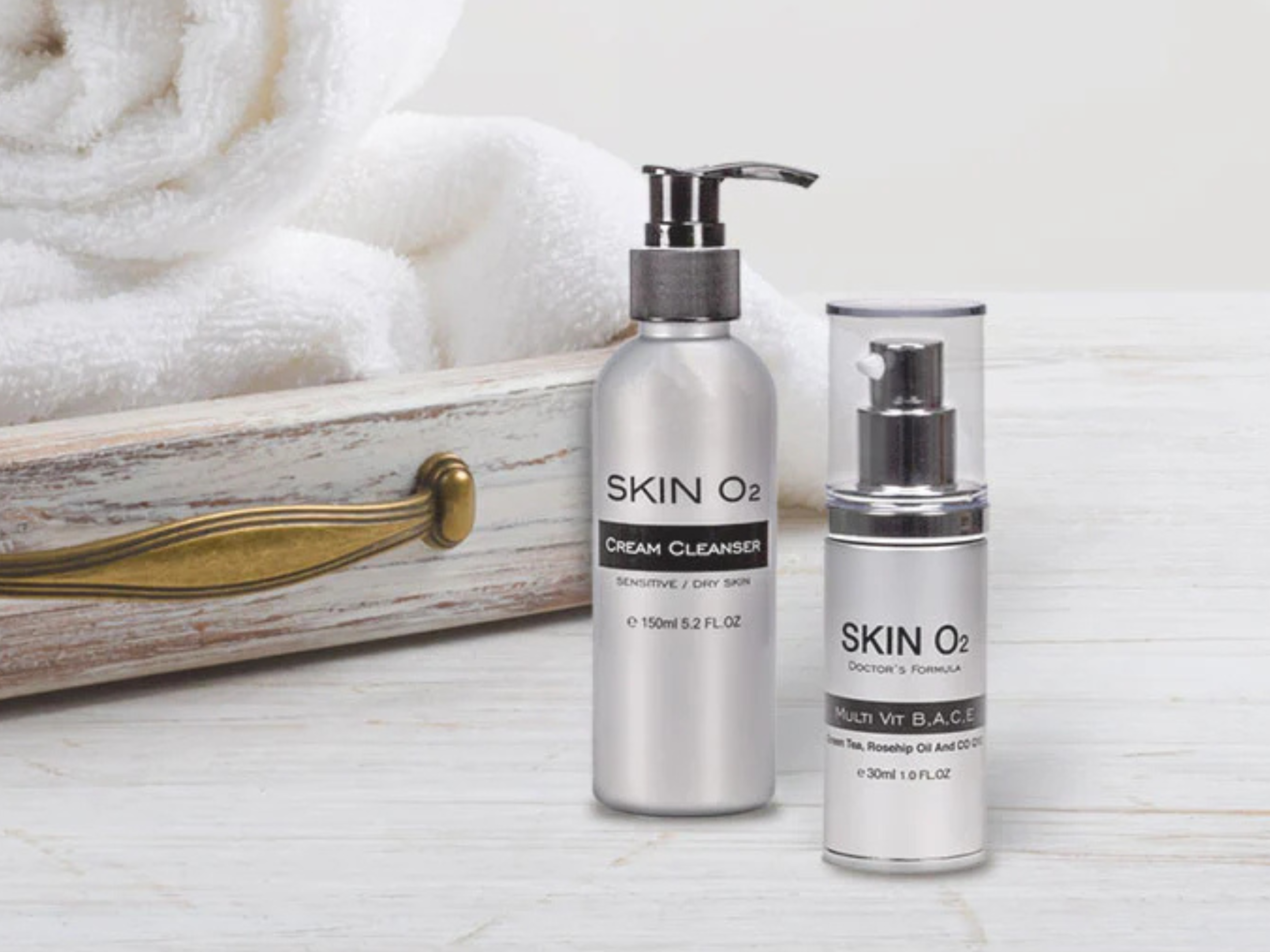
The World Luxury Chamber of Commerce (WLCC) proudly welcomes Skin O2, the Australian-based clean beauty brand, as its newest member. This addition further strengthens WLCC’s international network of luxury brands. By welcoming Skin O2, WLCC continues to unite brands that set the standard in premium products, design, and customer experiences.

Founded by Dr. Aaron Atia and Alison Atia in 2005, Skin O2 has been a pioneer in the Australian clean beauty movement, offering doctor-formulated skincare and makeup designed to protect skin health while supporting environmental and ethical practices. The brand is known for its vegan, cruelty-free, and environmentally conscious products, using potent, clinically proven ingredients without harmful additives.

Alexander Chetchikov, President of WLCC, said: “We are pleased to welcome Skin O2 to our global community. The company offers amazing clean beauty products that align perfectly with the values of our network, especially their commitment to ethics and sustainability. Skin O2’s presence in WLCC will inspire further innovation and growth within the luxury skincare sector.”

Skin O2’s inclusion in WLCC will not only reinforce WLCC’s reputation for supporting brands that merge luxury with ethical practices but also highlight how sustainability and high-quality skincare can coexist within the luxury industry. Also, the company will benefit from membership at WLCC by having access to a global network of luxury brands, exclusive business opportunities, and a platform to enhance international visibility.

With its focus on environmental responsibility, ethical sourcing, and advanced skin health solutions, Skin O2 will contribute meaningfully to the ongoing evolution of luxury skincare, promoting both innovation and consumer trust.

Learn more about Skin O2’s approach to sustainable, high-performance beauty:  https://skino2.com.au/.

The Beatles And The Sound Of A Generation

Let It Be: Music, Culture, and the 1960s Revolution

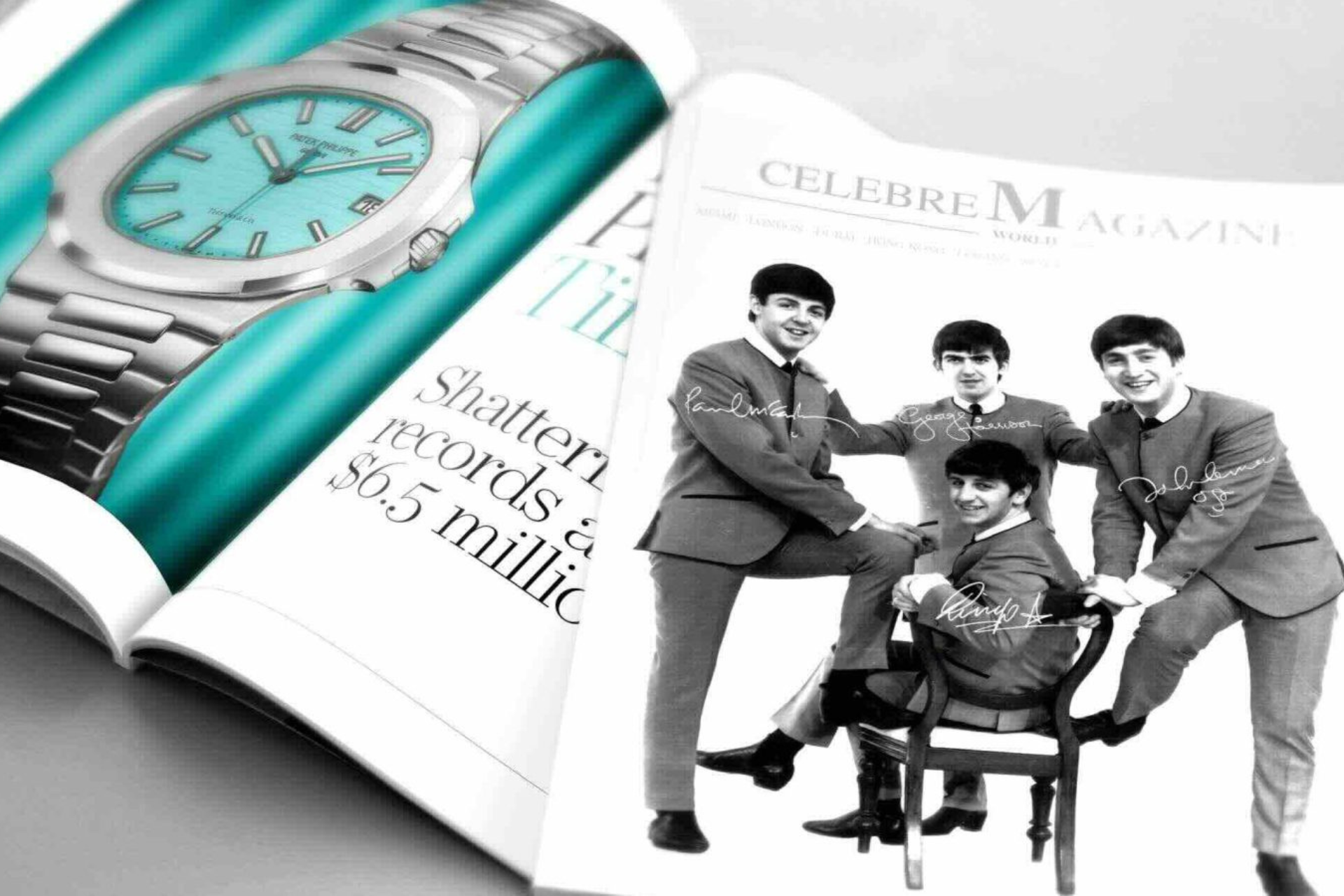
“If you want to know about the 1960s, listen to the music of the Beatles.” The words of American composer Aaron Copland encapsulate the cultural spectrum of a decade of Western economic boom and the key to understanding it: the quartet from Liverpool. John, Paul, George and Ringo.

Their success was aided by the historical context marked by social upheavals, such as the emergence of adolescent culture, women’s liberation and the collapse of racial segregation, which characterised the freedom of expression of the era. The winds of change were blowing: Swinging London emerged from the darkness of the post-war period, Mary Quant invented the miniskirt and Twiggy wore it. These were years of breaking with preconceived ideas and opening up to the new, but also of contradictions and civil tensions.

“We were all in the same boat: a boat sailing towards the New World. The Beatles were on lookout duty,” Lennon said in an interview. The Fab Four were the perfect interpreters of this “Revolution,” so much so that they became a musical, commercial and cultural phenomenon, as had already happened with the legend of Elvis. Even “A Hard Day’s Night,” the first of their films aimed at launching their albums, was a tribute to Beatlemania.

People liked them because they were spontaneous, genuine friends, disciplined and cheeky in responding to those who told them what to do, but without aggression or rudeness. Far from being tormented artists, they were gifted with a rare solidity under the pressure of fame, aided by the camaraderie with which they protected each other and made decisions only unanimously. They used humour to respond to the provocations of the press, and this was even more appealing. In October 1965, they walked through the gates of Buckingham Palace to receive the MBE (Member of the Order of the British Empire) decoration from Queen Elizabeth II, which was considered a scandalous gesture at the time.

“We weren’t trying to fuel a popular movement; we were part of it, as we always had been. I believe that the Beatles weren’t leaders of a generation, but its spokespeople,” explains McCartney, who, together with Lennon, author of the wordplay of beetles and beat, formed the most successful composer duo ever. The story began at a parish fair where the Quarrymen were performing, led by John Lennon, who invited Paul McCartney to join them. George Harrison joined on acoustic guitar and later also as a composer, while Pete Best was on drums.

It was 1960 when they changed their name to The Beatles. After two years playing in clubs in Hamburg, Brian Epstein saw them performing at the Cavern Club: they were feisty, confident, charismatic and their appeal to the audience was evident. He became their new manager and suggested Ringo Starr as their drummer. The chemistry with Ringo was immediate, and despite their different personalities, they became one, reinforced by their visual identity, created by their manager, who had them combed and dressed in the same way, a future rule for all boy bands to come. Epstein created their formal style as good boys in suits and ties, reassuring but capable of unleashing hysterical crowds of adoring girls, complete with a bow in unison at the end of each performance. White shirts, skinny trousers, slip-on boots still known today as Beatles boots, and bowl haircut were a trademark that balanced tradition and revolution and survived the break-up of the group in 1970.

Initially, the lyrics were elementary, almost like love nursery rhymes. They sang “Love Me Do” on their first single and “I Want to Hold Your Hand” on the one that launched the so-called British invasion of the American market two years later. “She Loves You,” or “Can’t Buy Me Love,” and “All My Loving.” The sound was unique and the language was direct, which their female fans loved, and they knew it. They adored what they were experiencing, and the message was clear: “Twist and Shout,” music and fun. Everyone was welcome aboard their “Yellow Submarine.”

“For some reason, people liked everything we did and loved us wherever we went. It was a surprise even to us,” says Ringo Starr. In addition to their live performances, for which they pioneered the use of stadiums to accommodate the crowds, their popularity was largely due to their television appearances. In New York, they starred on The Ed Sullivan Show, which was watched by 73 million viewers. “Even criminals took a ten-minute break for the Beatles show,” quipped George Harrison, referring to newspaper reports that crime in the city had almost disappeared.

Gradually, thanks in part to producer George Martin, they refined their compositional techniques, incorporating a wide variety of genres into their beat, such as jazz, blues, classical and Indian music, until in 1965 they cried out “Help!”, almost as if to foreshadow what was to come. The Beatles experimented like no other band, especially after they stopped performing live in 1966, having experienced the sinister side of popularity in the form of persistent death threats.

Their unity slowly began to crumble and arguments, especially between Paul and John, not least due to the intrusive presence of the latter’s new partner, became increasingly heated. They also turned towards psychedelic rock, particularly with the albums “Revolver” and “Sgt. Pepper’s Lonely Hearts Club Band,” breaking away from their image as good boys, changing their look and using psychotropic substances. Fiercely attacked by the press and the public, they remained faithful to the thing that really united them: making music. And in their musical testament “Let It Be,” they returned in part to the simplicity of their early rock and roll roots.

Article edited by Claudia Chiari

Quotes from published interviews. This contribution is part of WLCC’s partner series, offering a partner perspective on icons whose influence continues to shape culture, society, and industry across generations.

To learn more about WLCC, visit: https://worldluxurychamber.com/

World Luxury Chamber of Commerce Welcomes Phil Keb to the WLCC Board 

The World Luxury Chamber of Commerce (WLCC) is proud to announce the appointment of Phil Keb, Senior Advisor, Global Corporate Investments and Transactions at IHG Hotels & Resorts, to the WLCC Board. 

A seasoned global executive with more than three decades of leadership in luxury hospitality, real estate development, and strategic deal structuring, Phil Keb brings exceptional expertise in guiding complex, high-value projects from concept to completion. His distinguished career includes the successful financing and development of over 50 luxury hotels, branded residences and resorts worldwide, representing an investment value exceeding $6 billion. 

Before joining IHG Hotels & Resorts, Phil served as Executive Vice President of Development at Gencom, where he led high-profile hospitality and branded residence projects across the Americas, the Caribbean, and Europe. His work with both brand companies and hospitality owners/developers has supported some of the world’s most iconic brands, including Regent Hotels & Resorts, Six Senses, Capella, Rosewood, Ritz-Carlton, Park Hyatt, and Four Seasons.  

“Phil represents the kind of leadership that defines the next chapter of global luxury,” said Alexander Chetchikov, President of the World Luxury Chamber of Commerce. “His proven ability to structure and deliver complex, multi-billion-dollar hotel and resort developments  bridging relationships with investors, operators, and governments  will add tremendous depth to WLCC’s strategic vision. Phil’s insight into how partnerships, financing, and innovation can shape the future of luxury hospitality aligns perfectly with our mission to connect global leaders driving growth and transformation across the luxury industry.” 
As a WLCC Board Member, Phil Keb will contribute his extensive expertise in global hotel development, deal structuring, and public–private partnerships to help shape WLCC’s initiatives in the luxury hospitality and branded real estate sectors. His deep understanding of how to structure, finance, and deliver complex luxury projects will offer WLCC Members practical insights into investment models, development strategies, and the evolving dynamics of branded residences and resort ownership. Phil’s perspective will enrich WLCC’s mission to connect industry leaders through knowledge exchange, strategic collaboration, and forward-thinking dialogue on the future of luxury destinations worldwide. 

“I’m honored to join the WLCC Board and look forward to supporting its mission of building meaningful global connections across the luxury ecosystem,” said Phil Keb. “The Chamber’s focus on excellence, sustainability, and innovation resonates strongly with my own approach to development.” 

The World Luxury Chamber of Commerce unites leaders and changemakers across the global luxury industry – from hospitality and design to investment, real estate, and technology – providing a platform for collaboration, visibility, and influence. 

For more information about the World Luxury Chamber of Commerce and its initiatives, please visit www.worldluxurychamber.com

The WLCC Weekly Edit: Bain Luxury Outlook, LVMH Leadership Shifts, Real Estate 2026 & More

The WLCC Weekly Edit: your curated digest of the latest in the world of luxury. Each week, WLCC brings you a handpicked selection of industry news, insights, and stories influencing the future of high-end fashion, design, travel, real estate, and beyond. Consider this your insider’s guide to the latest in luxury. 

Global Luxury in Transition: Key Findings from the Bain Market Study

The global luxury market stabilized in 2025 following the post-pandemic surge, with total spending holding near €1.44 trillion. Growth increasingly shifted toward experiences such as hospitality and fine dining, while personal luxury goods remained broadly stable at approximately €358 billion. Jewelry and select small indulgences outperformed, while leather goods and footwear declined amid price sensitivity. Regional performance diverged, with relative resilience in the Americas and continued pressure in China and Japan. The industry faced ongoing customer attrition, particularly among aspirational buyers, alongside declining profitability driven by higher costs and increased promotional activity. Looking ahead, moderate growth is expected, with performance increasingly dependent on product discipline, operational efficiency, and customer retention.

Via: Bain & Company & WLCC

Amandine Ohayon Named CEO of Givenchy in LVMH Leadership Reshuffle

LVMH has appointed Amandine Ohayon as CEO of Givenchy, effective January 9, 2026, succeeding Alessandro Valenti. Ohayon will report to Pietro Beccari, chair and CEO of the LVMH Fashion Group. Formerly CEO of Stella McCartney, Ohayon is praised for her collaborative leadership and retail expertise, with expectations to drive Givenchy’s next growth phase alongside creative director Sarah Burton. Valenti will transition to deputy managing director for commercial activities at Christian Dior Couture from January 12. The move is part of wider executive and creative reshuffles across LVMH’s Fashion Group amid an industry-wide reset.

Via: Vogue Business, Image Via: LVMH

Inherited Wealth and Global Buyers Set to Power Luxury Real Estate Growth in 2026

Sotheby’s International Realty’s 2026 outlook predicts continued strength in the luxury housing market, outperforming traditional real estate despite broader economic uncertainty. Growth is driven by wealthy buyers who are less sensitive to interest rates, rising international demand, and a major global transfer of inherited wealth. Many purchasers are adding second or third homes rather than buying primary residences, prioritizing lifestyle, privacy, and long-term value. Foreign buyer activity has surged, particularly in U.S. gateway and lifestyle markets. Multigenerational living is also reshaping luxury home design, reinforcing high-end real estate as both an investment and a legacy asset.

Via: Robb Report

Event Recap: WLCC Leadership Lounge – December 2025

On December 15, WLCC convened global luxury leaders for a standout edition of the Leadership Lounge, uniting decision-makers across real estate, hospitality, development, investment, and strategy. The session featured an exclusive fireside chat with Kassie Smith, Founder & CEO of KS Global and WLCC Board Member, who shared rare insights into designing and financing world-class luxury ecosystems. Discussions explored branded collaborations, AI and human-centric service, capital shifts toward emerging markets, wellness-driven development, and experiential luxury. Beyond insights, members actively explored partnerships and cross-border opportunities, reinforcing WLCC’s role as a trusted private circle where meaningful alliances shape the future of global luxury.

Via: WLCC

Launching Soon: Luxury People Podcast – Episode 4

Prepare to uncover Ras Al Khaimah’s rise to elite luxury status. The next episode of the Luxury People Podcast, hosted by Antonio Paraiso, features Iyad Rasbey, Vice President of Ras Al Khaimah Tourism Development Authority and WLCC Honorary Board Member. We explore his origin story, the bold moves shaping Ras Al Khaimah’s unique luxury DNA, leadership through crises such as the pandemic, and much more. You won’t want to miss this. Mark your calendar for 21 January and get ready to be inspired.

View Past Episodes: YouTube


Stay ahead in luxury – explore the latest WLCC news, insights, and thought leadership:
https://worldluxurychamber.com/insights-news/

Global Luxury in Transition: Key Findings from the Bain Market Study

The global luxury market stabilized in 2025 following several years of volatility. Total luxury spending reached approximately €1.44 trillion, resulting in a flat to slightly negative year-on-year outcome at constant exchange rates, while remaining materially above 2019 levels. The data indicates a normalization phase rather than a cyclical downturn, as demand patterns, pricing dynamics, and customer behavior adjust after the post-pandemic surge.

This article is a high-level overview of the study conducted by Bain & Company: https://www.bain.com/insights/finding-a-new-longevity-for-luxury/

Demand and Spending Patterns

Luxury spending continued to shift away from goods toward experiences. Categories such as hospitality, fine dining, wellness, and travel delivered the strongest performance and accounted for all net market growth since 2023. This reflects sustained consumer prioritization of social, experiential, and personal well-being-related purchases over product ownership. By contrast, experience-based goods and several core product categories declined as entry-level demand weakened.

Personal luxury goods, the industry’s central segment, remained broadly stable at approximately €358 billion. Performance improved sequentially in the second half of the year, although the category remains under pressure. Repeated price increases since 2019 have reduced perceived value for many consumers, particularly aspirational buyers, contributing to lower purchase frequency and reduced participation.

Brand and Category Polarization

Market performance remained uneven across brands. Fewer than half of personal luxury goods brands achieved revenue growth in 2025. Specialist players performed materially better than diversified brands, while large global groups reported mixed results. Profitability declined further, with industry operating margins falling to approximately 15 to 16 percent, down from peak levels reached earlier in the decade. Margin pressure stemmed from higher costs, increased markdowns, tariffs, and operating leverage effects from slower top-line growth.

Category outcomes diverged significantly. Jewelry was the strongest performing category across regions, supported by sustained demand and product relevance. Eyewear continued to grow as an accessible category with strong appeal among younger consumers. Beauty was broadly stable, with fragrances leading growth within the segment. Leather goods and footwear declined sharply, reflecting price sensitivity, limited product renewal, and declining appeal among aspirational consumers.

Regional Performance

Regional trends showed increasing divergence. The Americas remained comparatively resilient, supported by domestic consumption and favorable currency effects. Europe experienced a mild contraction as tourism normalized and local demand softened. Mainland China declined again, although the pace of decline moderated in the second half of the year. Japan corrected following an exceptionally strong 2024, driven by inbound tourism. Emerging regions, including Southeast Asia, the Middle East, India, Latin America, and Africa, collectively represent the most significant source of future market expansion.

Distribution and Channel Dynamics

Value-oriented channels gained share in 2025. Outlet sales continued to outperform the broader market, while full-price physical retail faced declining footfall and increased promotional pressure. Online sales stabilized, with brand-owned platforms performing better than multibrand marketplaces. The secondhand luxury market expanded to approximately €50 billion, growing faster than the primary market and gaining relevance across both hard and soft luxury categories.

Customer Base Trends

The luxury market experienced a second consecutive year of customer contraction, losing approximately 20 million active consumers in 2025. Attrition was concentrated among aspirational buyers. High-spending clients maintained absolute spending levels and now account for close to half of total personal luxury goods sales. Generational spending patterns remained stable overall, with Millennials retaining the largest share and Gen Z demonstrating selective engagement combined with lower brand loyalty and higher expectations around authenticity and relevance.

Forward Outlook

The study projects a return to moderate growth in 2026, followed by a positive long-term outlook through 2035. Growth is expected to be more selective and uneven than in the past decade, favoring brands with strong product discipline, cost control, clear positioning, and consistent execution. Sustained performance will depend less on price increases and more on operational efficiency, product credibility, and customer retention.

Read the full report here: https://www.bain.com/insights/finding-a-new-longevity-for-luxury/

Want more news straight to your inbox? Sign up for the WLCC newsletter here: https://worldluxurychamber.com/wlcc-community

Source: Bain & Company and Fondazione Altagamma, Luxury Goods Worldwide Market Study: Finding a New Longevity for Luxury, 2026.

Exclusive Conversation: Ramanathan Lakshmanan on Innovation, Luxury, and the Future of Urban Hospitality

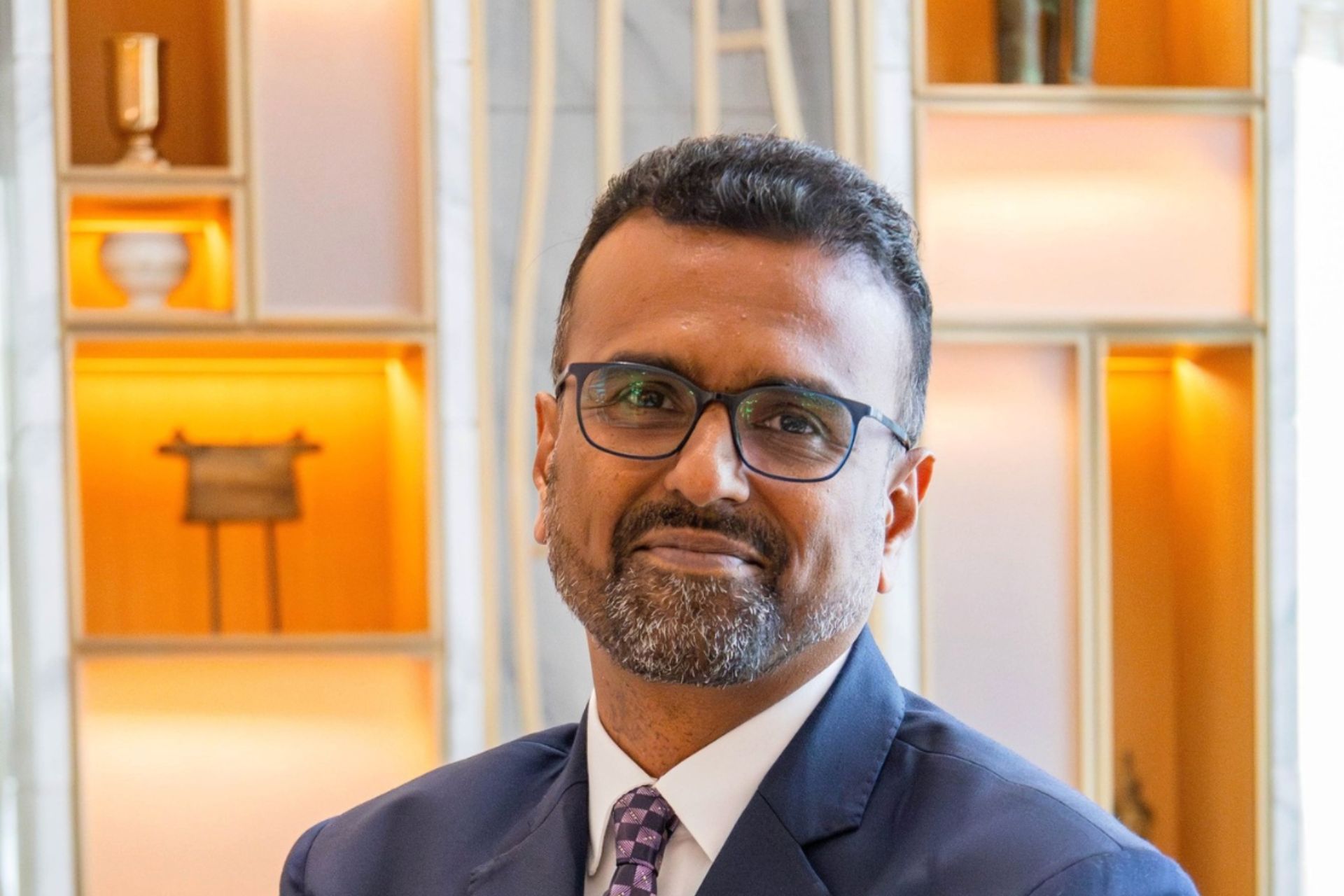
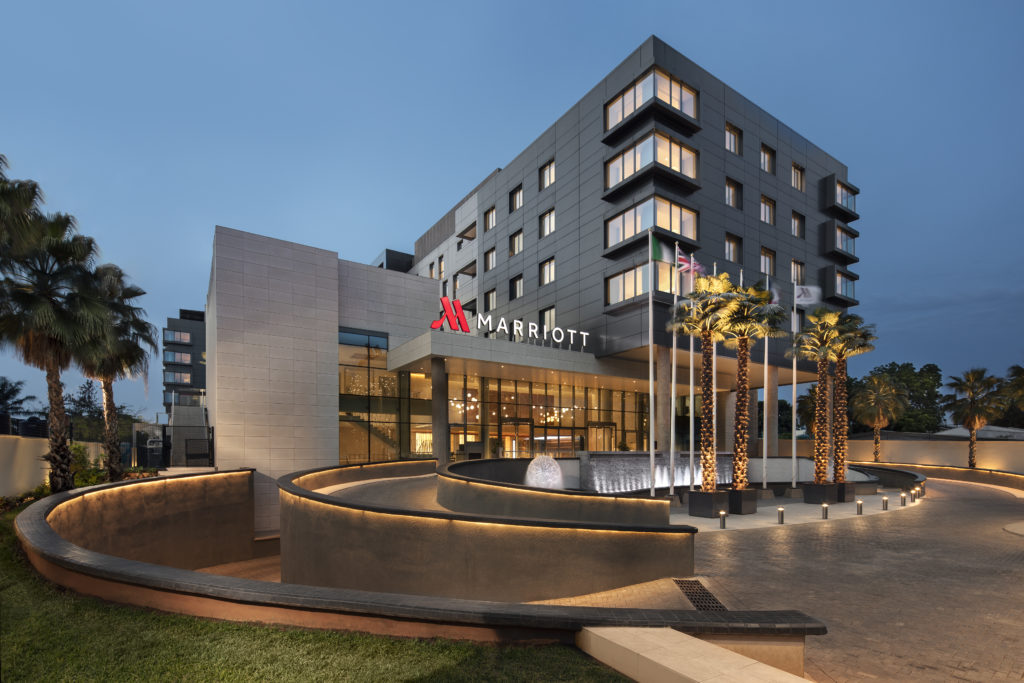
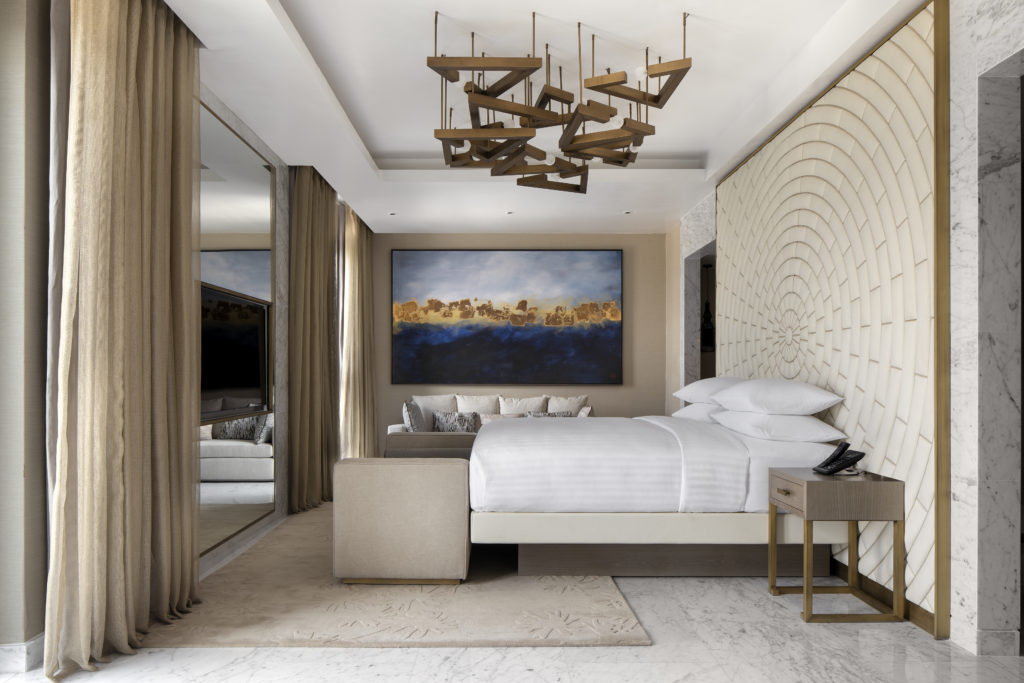
Lagos Marriott Hotel Ikeja, fresh off its win as Best Luxury City Hotel in Nigeria, continues to stand out among industry leaders recognized by Luxury Lifestyle Awards. In this exclusive conversation led by Alexander Chetchikov, president of the World Luxury Chamber of Commerce, the discussion explores the hotel’s approach to luxury, operational strategy, and the broader industry insights driving its success. Speaking with Lagos Marriott Hotel Ikeja General Manager, Ramanathan Lakshmanan, this interview reveals the standards, vision, and direction shaping one of Nigeria’s most influential hospitality destinations.

Alexander Chetchikov: Lakshmanan, to begin, how has winning Best Luxury City Hotel in Nigeria influenced your team’s approach to delivering elevated guest experiences?

Ramanathan LakshmananWinning this award reaffirmed our belief that true luxury lives in consistency. It inspired the team to be even more intentional about the small details that make guests feel genuinely seen, valued, and at home.

AC: From an operational perspective, how do you define luxury in a way that resonates with both international and Nigerian travelers?

LR: For us, luxury is personal. It is understanding cultural nuances, respecting global standards, and delivering experiences that feel effortless, warm, and authentic to every guest who walks through our doors.

AC: Luxury is evolving globally, what elements do you believe modern guests value most at Lagos Marriott Hotel Ikeja?

LR: Modern guests value meaningful experiences, seamless service, and emotional connection. They want comfort, but they also want to feel understood and cared for in a way that feels natural, not scripted.

AC: How do your dining concepts, from Wakame to Azure Terrace, contribute to the hotel’s luxury positioning?

LR: Our dining concepts are extensions of our storytelling. Wakame, Azure Terrace, and our other outlets offer distinct experiences that celebrate flavour, atmosphere, and moments of connection, all delivered with refined service.

AC: Shifting to industry insight, what major operational trends do you believe will shape hospitality in West Africa over the next few years?

LR: The future of hospitality in West Africa will be shaped by adaptability, talent development, sustainability, and technology, while staying deeply rooted in local culture and guest expectations.

AC: Digital innovation is a strength of the property; how do you see technology reshaping hotel operations moving forward?

LR: Technology allows us to enhance efficiency without losing the human touch. When used thoughtfully, it helps us anticipate needs, personalize experiences, and empower our teams to focus on what truly matters, our guests.

AC: With increasing demand for business events and conferences, how is Lagos Marriott Hotel Ikeja adapting its facilities and services to industry needs?

LR: We continue to invest in flexible spaces, advanced infrastructure, and dedicated service teams to support the growing demand for business, meetings, and conferences, ensuring every event is seamless and impactful.

AC: Lastly, what unique qualities do you believe guests appreciate most about Lagos Marriott Hotel Ikeja?

LR: What guests appreciate most is our ability to deliver world-class hospitality while remaining deeply personal. From thoughtful service to carefully designed spaces, every detail is meant to make them feel truly at home.

Luxury Lifestyle Awards extends its sincere thanks to Ramanathan Lakshmanan for sharing his insights and expertise. His leadership continues to contribute to the hotel’s rising influence on Nigeria’s hospitality landscape.

To learn more about Lagos Marriott Hotel Ikeja, visit
https://www.marriott.com/en-us/hotels/loslg-lagos-marriott-hotel-ikeja/overview/.

Something went wrong

Please try again later

Ok

    Ask About Member Deals

    Submit your request for media/press opportunities here, and we will provide you with all the details.


    Your form submitted successfully!

    We will be in touch soon with further details.

    Got it