Have a question? Call now! +16468108764

The New Codes of Luxury Travel 2026: From Wellness and Solo Journeys to Neo-Nomad Living

The definition of luxury is evolving rapidly, shifting from material excess toward emotional richness and personal transformation. For today’s traveler, luxury is no longer defined by marble details or champagne service, but by calm, self-exploration, renewal, and meaningful connection. 

According to insights shared by Board Members of the World Luxury Chamber of Commerce (WLCC) – a leading global network shaping dialogue among the world’s most influential luxury leaders – these shifts will define luxury travel in 2026 and signal a new era of high-end journeys rooted in intention, experience, and personal meaning. 

Experience-Led Travel & Emotional Connection 

Luxury in 2026 will prioritize meaning over materialism, as travelers increasingly seek experiences that create emotional impact, authenticity, and cultural resonance. Across the luxury sector, destinations and brands are rethinking how value is created, placing emotional connection and a strong sense of place at the center of the journey. Experiences that feel personal, immersive, and authentic will increasingly define what travelers perceive as true luxury. 

Holistic Wellness & Intentional Restoration 

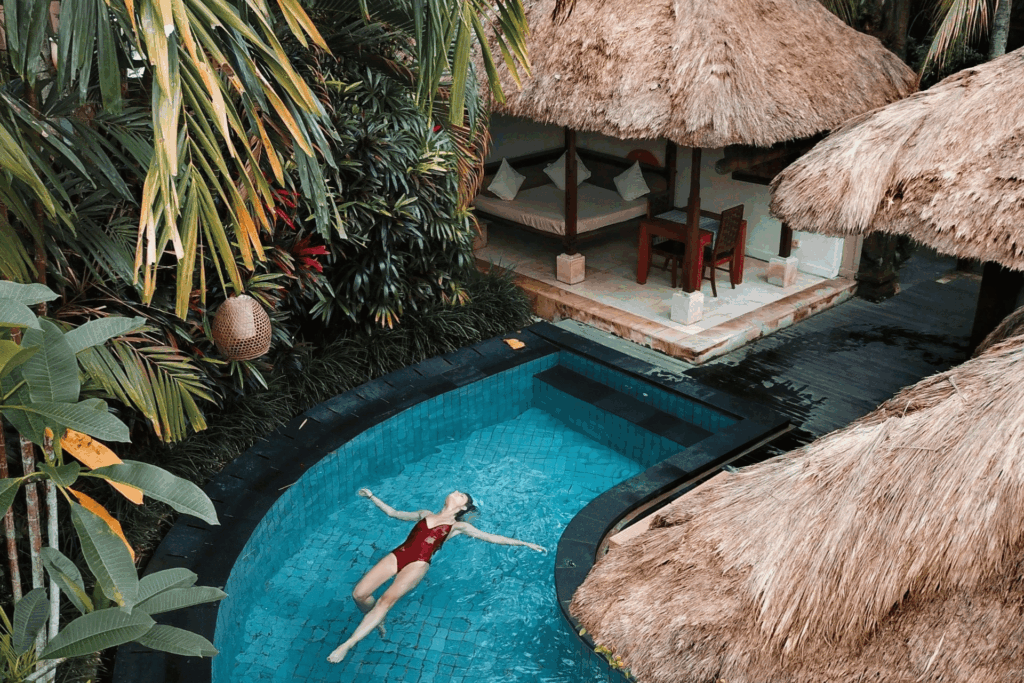
Wellness has moved from a complementary offering to a central motivator of luxury travel. In 2026, travelers will increasingly seek journeys that combine physical restoration, mental clarity, and long-term well-being through medical-wellness retreats, mindfulness programs, and purpose-driven escapes. 

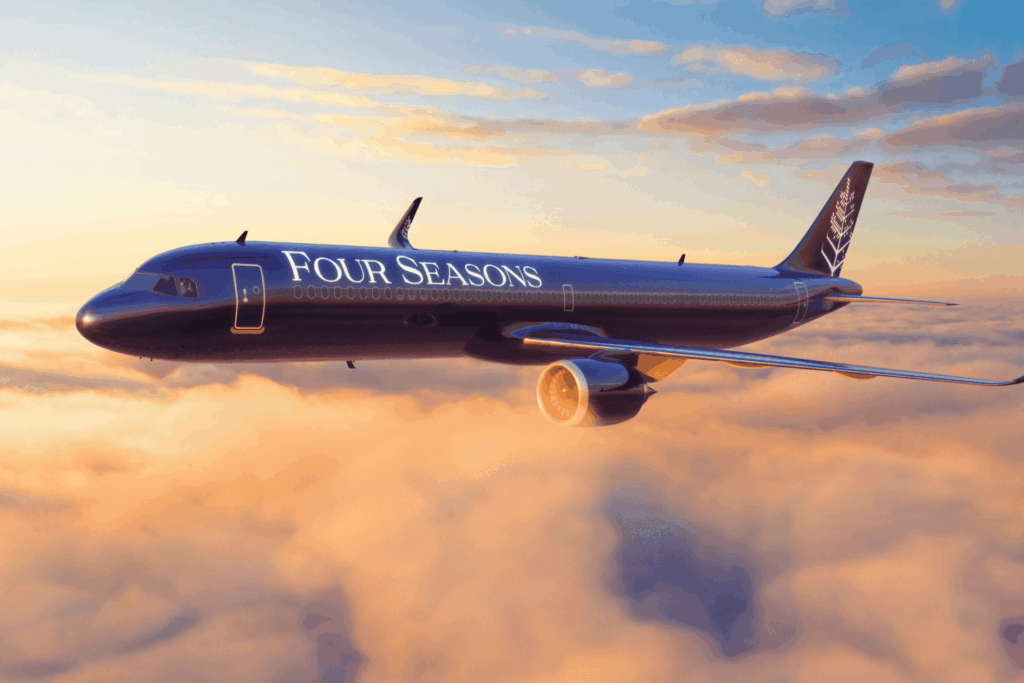
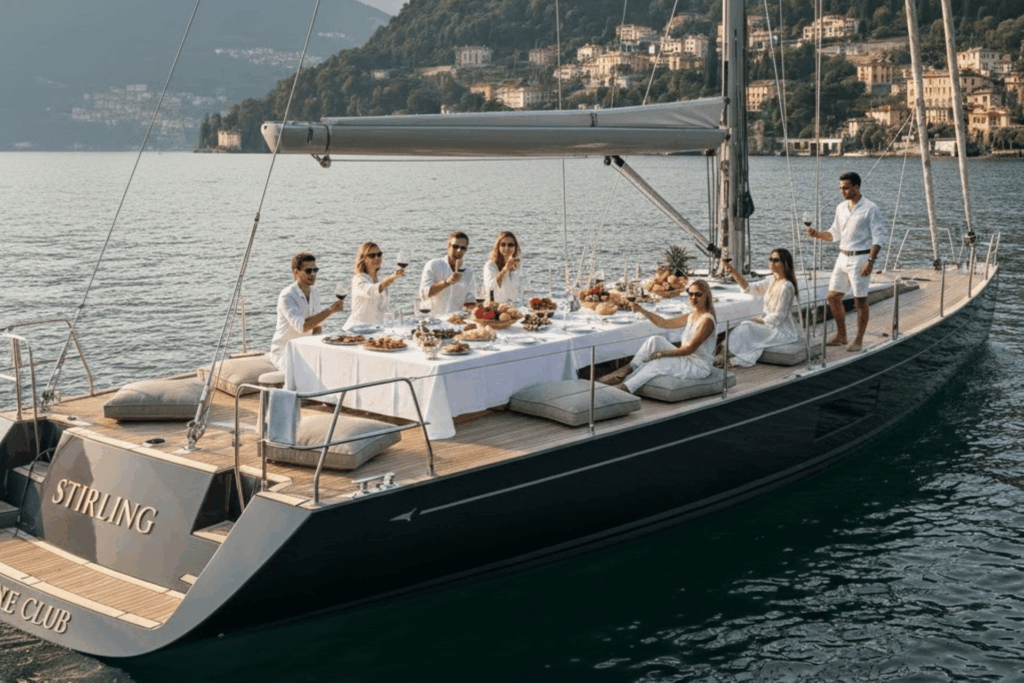
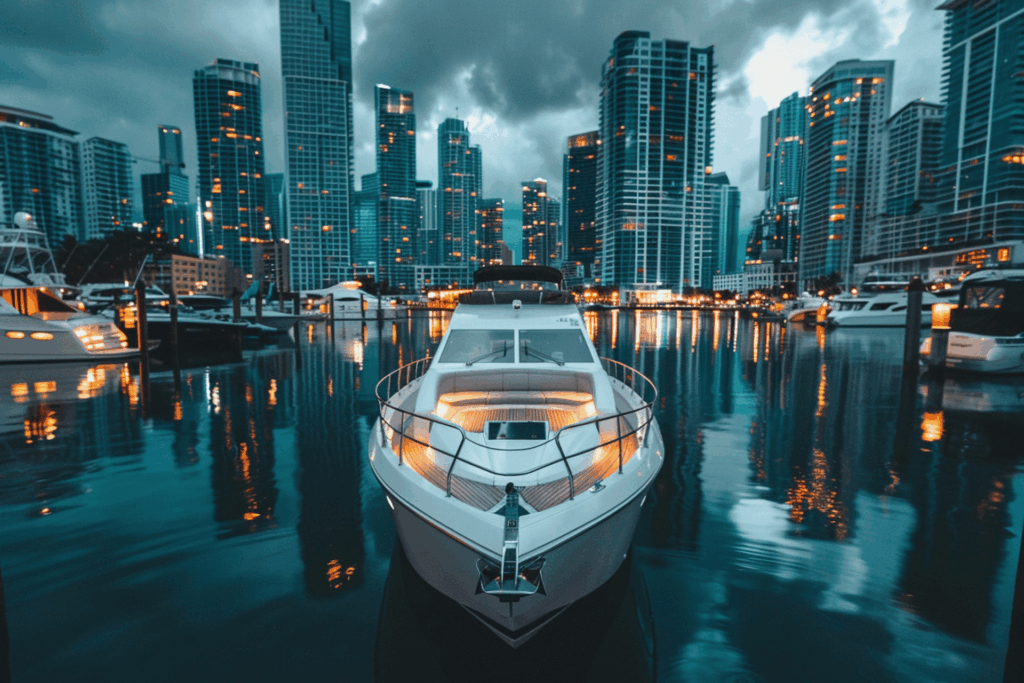
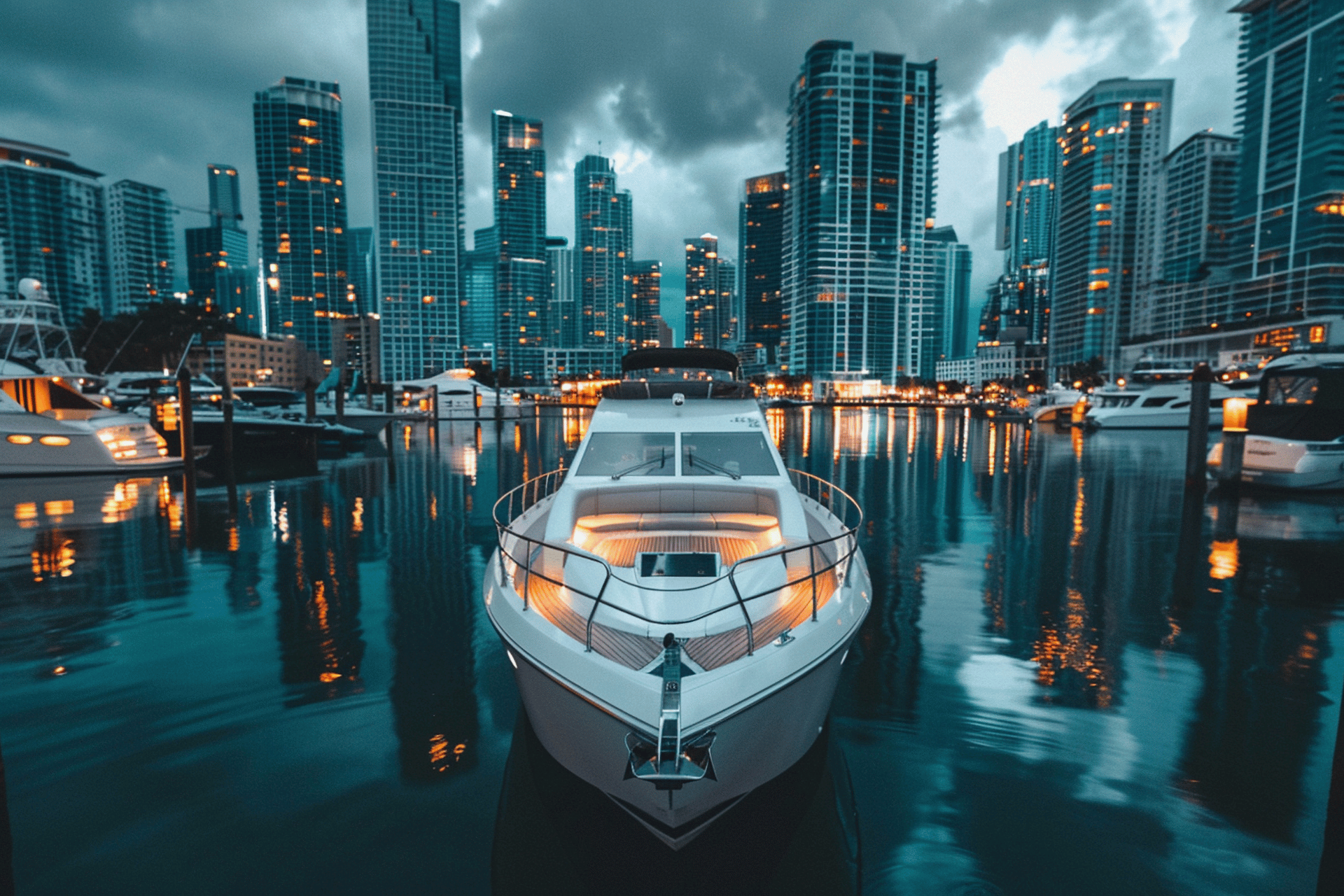
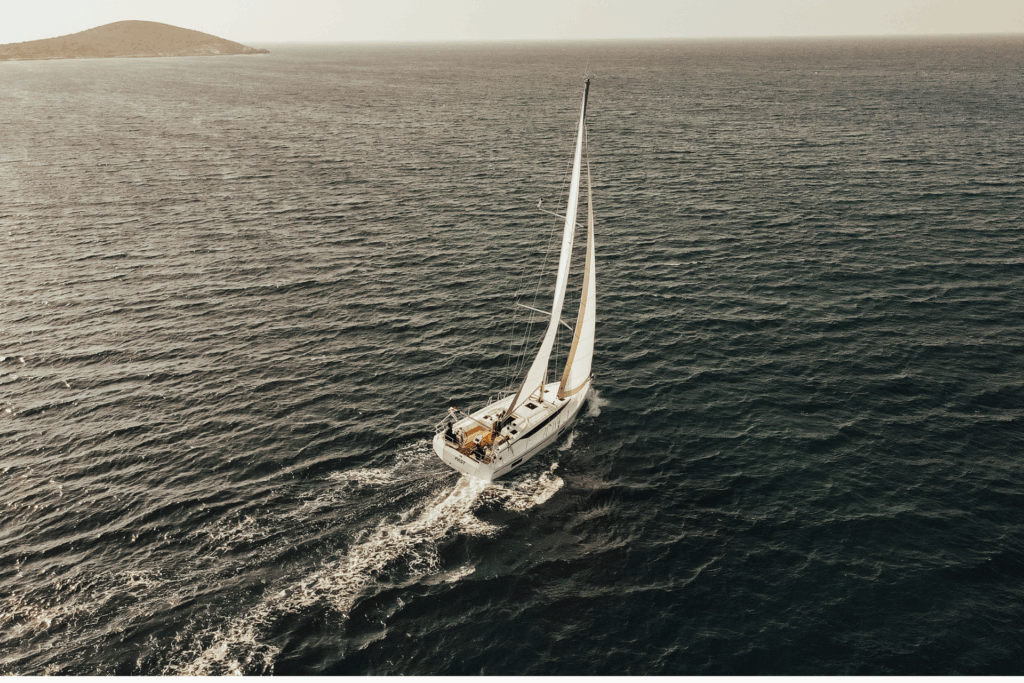
“One significant trend among ultra-luxury travellers is the increasing use of private air travel and yachts, transforming the journey itself into a luxurious experience. For instance, The Ritz-Carlton now has three superyachts, offering a meticulously curated food and beverage experience. Similarly, Four Seasons has introduced private branded jets, elevating the travel experience to new heights,” said Bob Kharazmi, Founder & CEO, Global Hotel Advisors LLC, a WLCC Board voice on global hospitality strategy. “Another growing trend is the focus on wellness. Luxury travelers are increasingly seeking experiences that blend spa retreats, medical-wellness vacations, mental health, and mindfulness escapes.” 

Solo Female Travel & Safety-Led Luxury 

Women are driving one of the most influential behavioral shifts in luxury travel. In 2026, solo female travelers will prioritize independence, safety, discretion, and deeply restorative experiences, prompting leading brands to rethink service design around anticipation and empowerment. 

“Luxury travel in 2026 will see a surge in solo women travelers seeking what I call ‘Intentional Restoration’ – wellness-focused experiences that blend absolute safety with complete freedom,” said Neen James, WLCC Board Member, Author of Exceptional Experiences, and Client Experience Expert. “The most discerning properties will master the balance between attentive service and respectful distance, creating environments where women can explore, recharge, and indulge without compromise. This means anticipating unique needs – from strategic room placement to curated wellness experiences and trusted local connections – while honoring the independence that defines these journeys. When luxury brands think like a concierge rather than a bellhop, they transform solo travel from a logistical challenge into a liberating, legacy-defining experience.” 

Private Membership Clubs & Exclusive Access 

Access, rather than ownership, is becoming the new currency of luxury. Bespoke private membership clubs are reshaping how high-net-worth travelers experience the world, offering hyper-personalized itineraries and entry to destinations and events unavailable to the general public. 

“The demand for experiential travel through bespoke private membership clubs is a powerful global trend that will accelerate significantly in 2026,” said Kassie Smith, Visionary and Real Estate Development Leader at KS Global, contributing to WLCC’s strategic perspective. “These exclusive clubs specialize in crafting highly personalized destination journeys, granting members access to exotic adventures, private resorts, and coveted global private events. Key drivers include the rise of wellness and medical tourism and exclusive access to elite experiences.” 

Ultra-Luxury Mobility & Neo-Nomad Living 

As travel increasingly merges with lifestyle, ultra-luxury mobility is redefining how global leaders move, live, and work. Private aviation, yachts, and mobile residences are transforming mobility itself into a statement of freedom, exclusivity, and control over time. 

“Neo-nomad living represents the next frontier of luxury – a lifestyle where mobility becomes the ultimate privilege,” noted Alexander Chetchikov, President of the World Luxury Chamber of Commerce. “These ultra-luxury mobile residences allow global leaders to carry their world with them, blending freedom of movement with impeccably tailored comfort and the privacy of a truly personal sanctuary.” 

Cultural Immersion & Gastronomic Exploration 

Alongside these global shifts, destinations offering authentic cultural immersion paired with refined luxury are emerging as leaders. Culinary discovery and storytelling are becoming central pillars of the luxury journey, transforming restaurants and local heritage into essential components of the travel experience. 

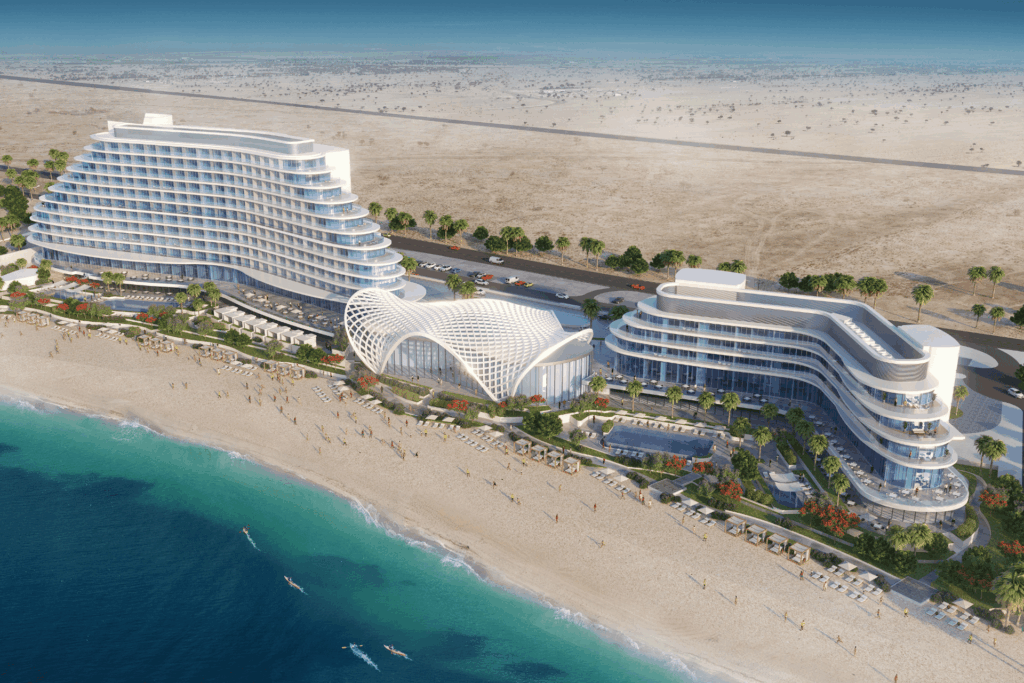
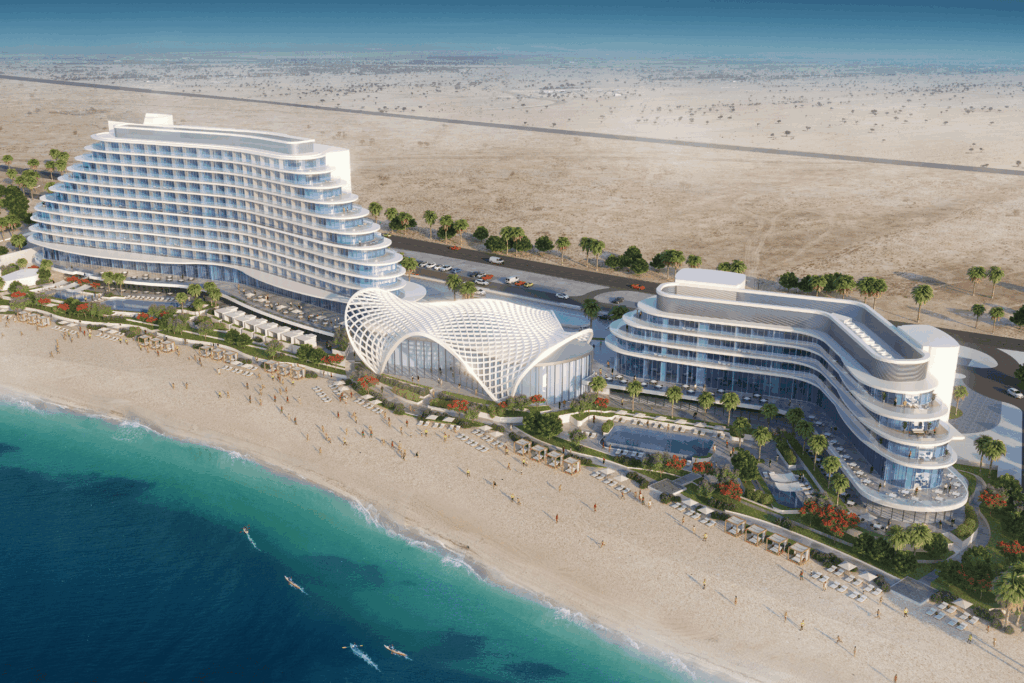
“Luxury travel in 2026 will be defined by a shift toward experience-led journeys, where travelers seek deeper meaning, emotional connection, and authentic cultural engagement,” commented Iyad Rasbey, Vice President, Destination Tourism Development, Ras Al Khaimah Tourism Development Authority, speaking as part of the WLCC Board’s global outlook on luxury travel. “Ras Al Khaimah is naturally aligned with these expectations, with its unspoiled landscapes, generous space, and inherent sense of place that modern luxury travelers increasingly prioritize. The Emirate’s intentionally curated hotel pipeline – including upcoming openings from Anantara, Sofitel, SO/ and the landmark Wynn Marjan Island – reflects this movement toward premium, experience-driven hospitality. As a result, Ras Al Khaimah is rapidly emerging as a leading luxury destination, propelled by a clear strategy and a hospitality inventory that is steadily shifting toward the upper-upscale and luxury segments.” 

This destination-led evolution is also visible across the wider Middle East. “It’s a space where Saudi Arabia and the wider GCC are now taking a leading role,” said Ahmed Alajmi, Chairman & Founder of Takara Hospitality Group, sharing insights aligned with WLCC’s global destination outlook. “Riyadh is emerging as a global destination for high-value travelers, driven by landmark developments and a rapidly expanding dining landscape. The arrival of ZIBA and Sold Out in the heart of the capital reflects a pivotal shift in which restaurants are no longer complementary to travel but an essential part of the luxury journey. As journeys increasingly revolve around culinary and cultural experiences, Saudi Arabia is setting the benchmark for next-generation luxury.” 

A Global Outlook Shaped by WLCC 

Across the WLCC Board, a shared perspective is emerging: luxury travel in 2026 will be defined not by extravagance, but by intention, access, wellbeing, and emotional resonance. From solo journeys and wellness-led escapes to neo-nomadic lifestyles and immersive cultural experiences, the future of luxury travel reflects a deeper desire for meaning, freedom, and connection. 

The World Luxury Chamber of Commerce continues to serve as a strategic forum where these global trends are identified and shaped by the leaders driving the luxury industry forward. 

Readers are invited to join the WLCC Community to receive curated news, expert insights, and exclusive updates from the world’s leading luxury minds. 

Subscribe today: https://worldluxurychamber.com/wlcc-community/  

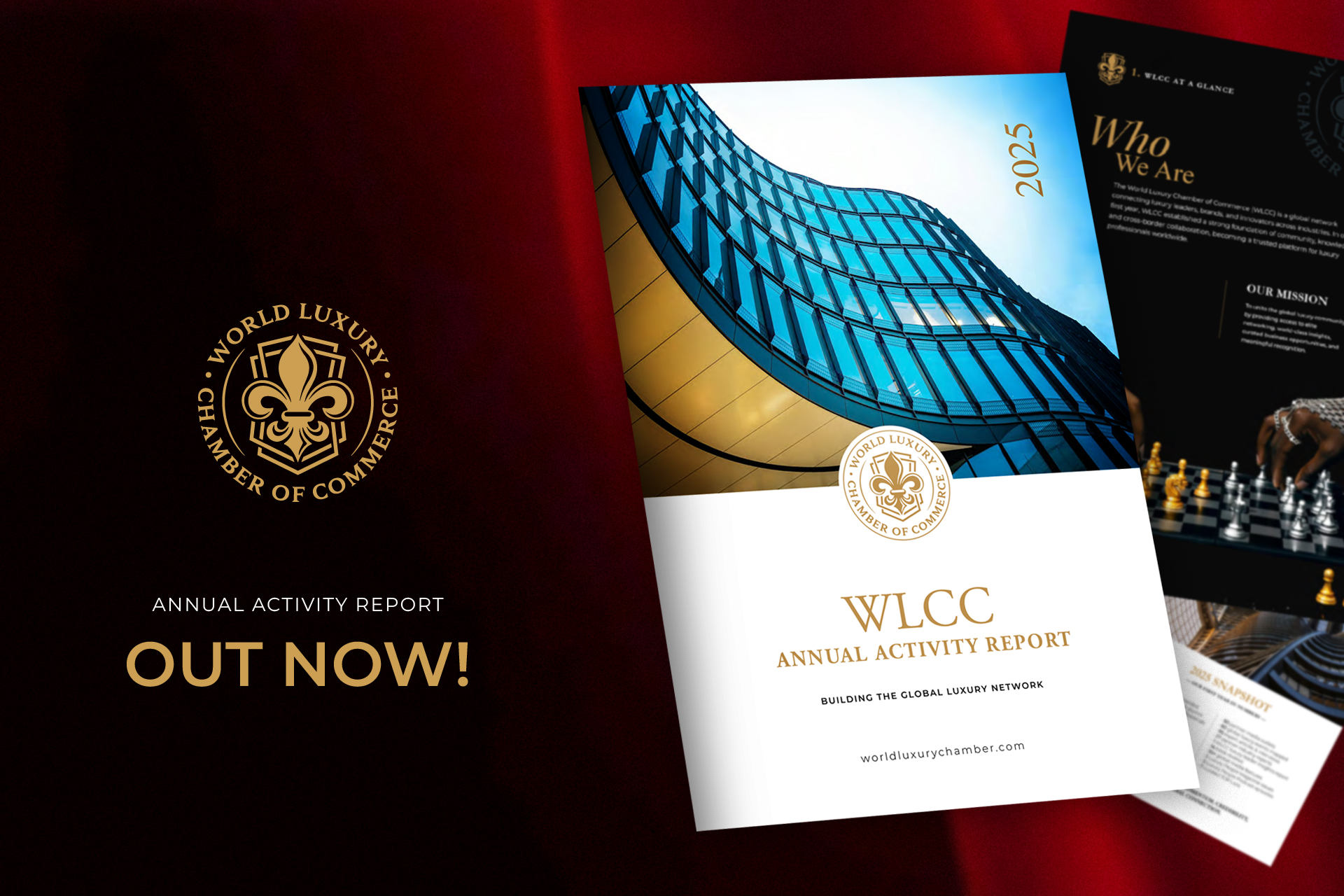
WLCC 2025 Activity Report: Building the Global Luxury Network

In 2025, the World Luxury Chamber of Commerce completed its inaugural year, marked by rapid growth, global engagement, and the establishment of a truly influential network of luxury professionals. The WLCC 2025 Activity Report captures this formative year in detail, highlighting how the Chamber expanded its membership base, strengthened its global presence, and launched meaningful initiatives such as World Luxury Day. Together, these achievements laid the foundation for what is poised to become one of the most connected and respected organizations in the luxury sector.

Throughout the year, the Chamber welcomed 220 members across 17 luxury categories, creating a diverse and increasingly interconnected community of more than 5,000 professionals. This group spanned industries such as hospitality, branding, fashion, real estate, yachts, gourmet dining, technology, collectible arts, and more, demonstrating the richness and multidimensionality of the global luxury economy. Members joined not only for visibility and connection, but for the shared belief that luxury should be elevated through collaboration, knowledge, and responsible leadership.

Education and insight were central to WLCC’s mission. Over the course of the year, the Chamber hosted 21 webinars featuring renowned international experts whose perspectives explored themes such as brand storytelling, emotional value creation, leadership excellence, innovation, and the evolving meaning of luxury. These sessions brought together more than 700 participants and contributed to a growing culture of learning within the community.

Equally important were the opportunities for live connection. WLCC organized four curated networking events designed to facilitate authentic B2B dialogues. These gatherings enabled members from different regions and sectors to meet, exchange expertise, and identify avenues for meaningful collaboration. Consistently, participants described these experiences as energizing, sincere, and highly professional, reinforcing WLCC’s identity as a connector of like-minded leaders.

A significant moment in 2025 was the introduction of World Luxury Day on October 8. Created as the first professional holiday dedicated to the luxury industry, the initiative encouraged global reflection on the essence of luxury today. Leaders across hospitality, marketing, retail, craftsmanship, and consulting shared perspectives on why luxury must go beyond material value to embody culture, artistry, sustainability, and emotional resonance. World Luxury Day became an inspiring symbol of unity and appreciation for all who shape the luxury experience.

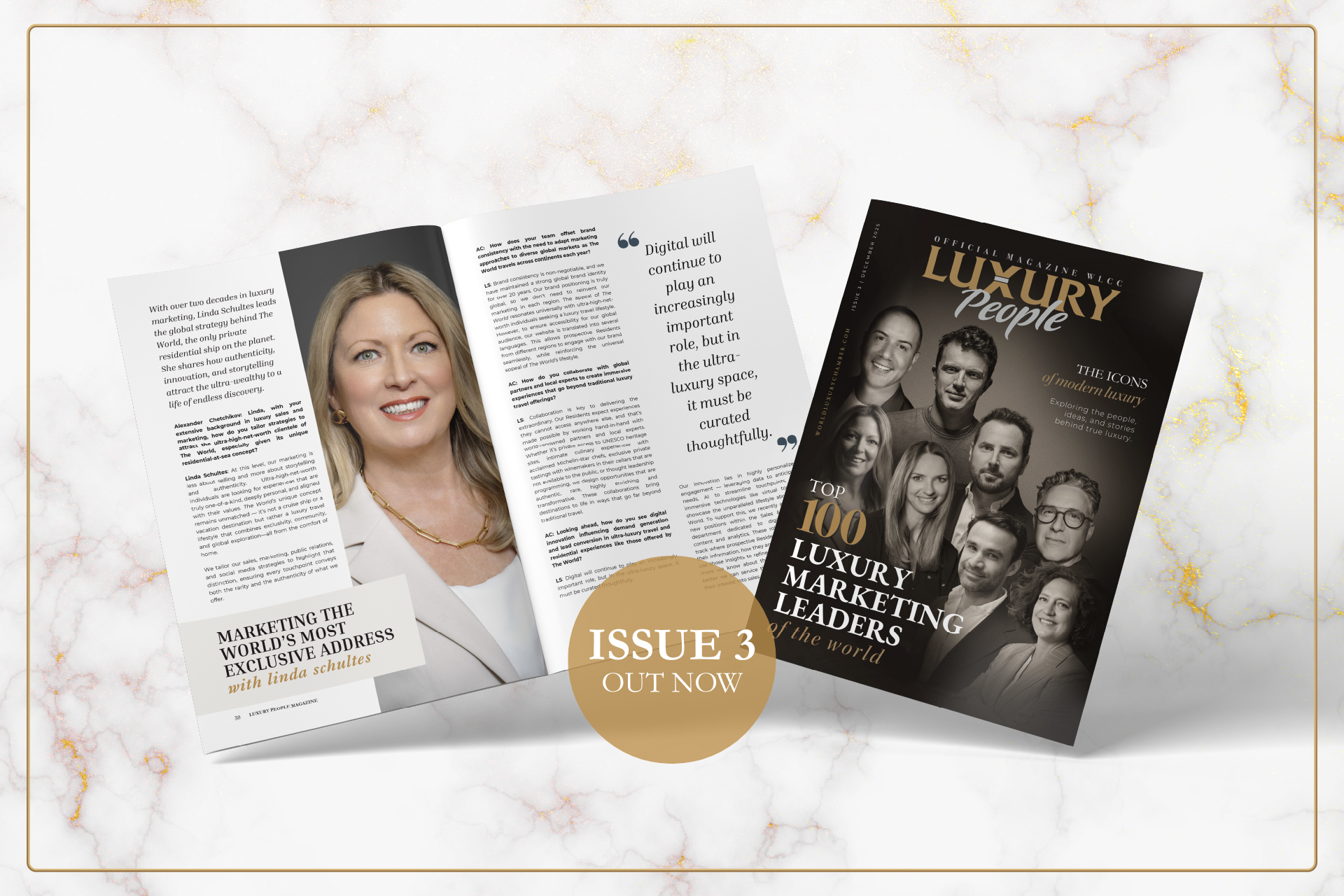
The Chamber also amplified its voice and the voices of its members through media and storytelling. Luxury People Magazine released three editions featuring interviews, industry insights, and member spotlights. The Luxury People Podcast added intimate conversations with respected professionals, while curated lists of influential brands, books, events, and experts further solidified WLCC’s emerging role as a source of luxury intelligence.

Guiding this development is a distinguished group of 14 honorary board members whose expertise spans hospitality, communications, real estate, branding, marketing, automotive luxury, and social impact. Their leadership supported WLCC’s vision and helped strengthen the Chamber’s credibility from the outset.

The WLCC Honorary Board Members include:

  • Bob Kharazmi, Founder, Global Hotel Advisors
  • Ahmed Alajmi, Chairman and Founder, Takara Hospitality Group
  • Neen James, Leadership Strategist and Luxury Expert, Neen James Inc.
  • Sanjeev Banga, President, International Business, Radico Khaitan Ltd
  • Iyad Rasbey, Vice President, Ras Al Khaimah Tourism Development Authority
  • Jacqueline Hara, Co-Founder and Family Business Partner, Fine & Country Spain
  • Malek Semar, Founder of No Water No Us, International Water Advocate and Speaker
  • Philippe Mihailovich, CEO and Founder, HAUTeLUXE
  • Kassie Smith, Visionary and Real Estate Development Leader, KS Global
  • Florent Canepa, Global Head of Communications and Marketing Creation, Mercedes-Benz AG
  • Alberto Menegatti, Senior Brand, Marketing, and Omnichannel Leader, Gucci
  • Jeremie Bernheim, Chief Marketing Officer, RAYMOND WEIL
  • Mic Adilardi, Director, Global Luxury and Lifestyle Sales, The Americas, IHG Hotels and Resorts
  • Kamal El Desouky, Deputy Chief Technology Officer, United Real Estate Company

Together, the WLCC Board and these esteemed Honorary Board Members bring unparalleled global insight, industry leadership, and strategic influence, forming the foundation of WLCC’s credibility, growth, and mission to elevate luxury worldwide.

By the end of its first year, WLCC had also introduced an events hub connecting members to key global luxury gatherings and outlined its ambitions for the future, including enhanced B2B matchmaking, a private community platform, expanded events, and broader international reach.

The 2025 report portrays an organization not only growing, but growing with intention. WLCC’s first year demonstrated the power of bringing together professionals who believe in excellence, creativity, and purposeful connection. With strong momentum and a clear vision, the Chamber is positioned to become one of the most influential forces shaping the future of luxury worldwide.

Read the full WLCC 2025 Activity Report below:

WLCC Appoints Technology Strategist Kamal El Desouky to Its Board

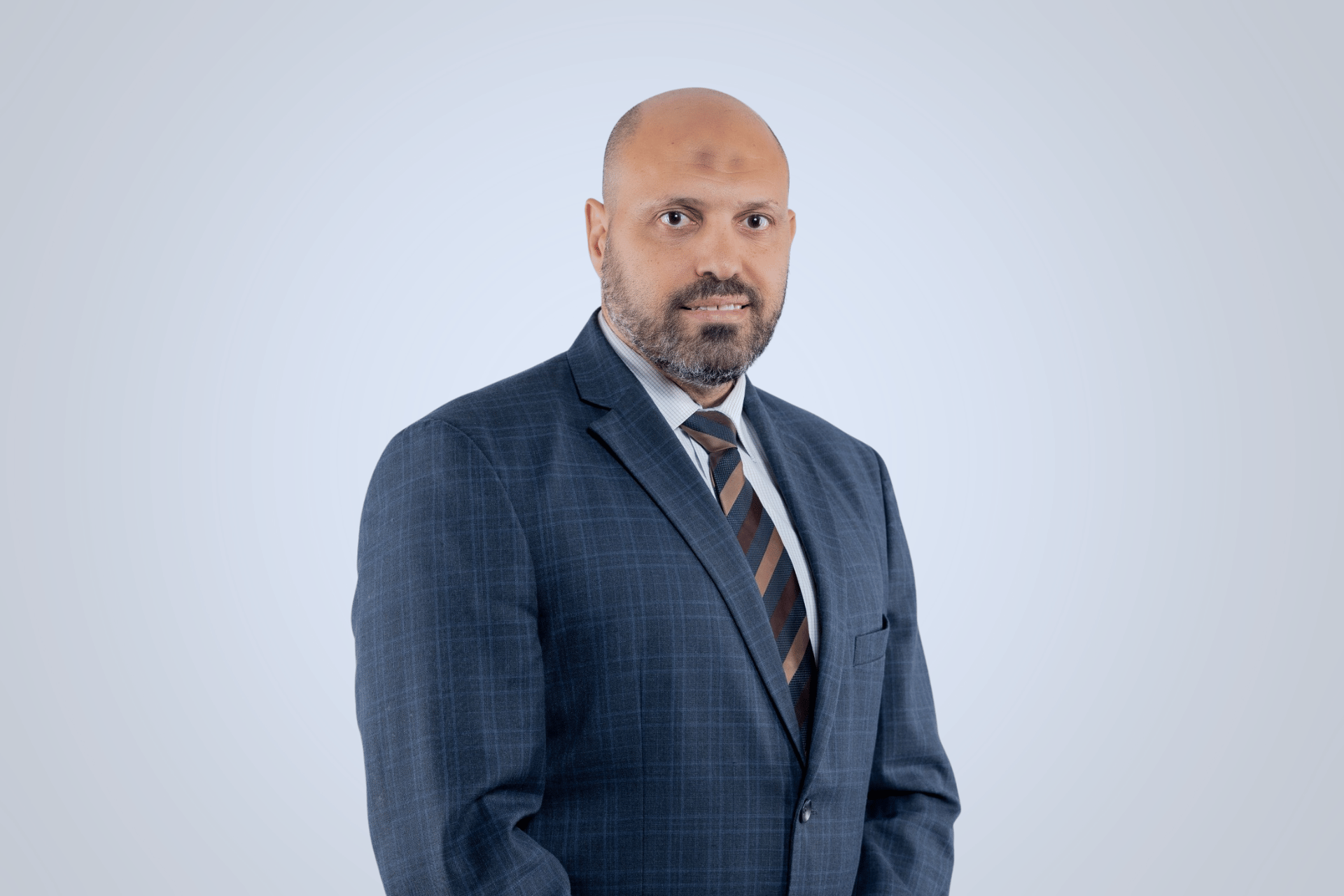
The World Luxury Chamber of Commerce (WLCC) is honored to announce the appointment of Kamal El Desouky to the WLCC Board, joining the Chamber’s distinguished circle of global leaders.

With 28 years of experience in information technology, including two decades in senior executive roles across Top 100 listed companies and major technology organizations throughout the GCC, Kamal brings a powerful blend of strategic clarity, global perspective, and transformative leadership to WLCC. His career spans high-impact roles in banking, telecommunications, and real estate, where he has led enterprise-scale IT strategy, architecture, operations, and digital innovation.

As Deputy Chief Technology Officer at United Real Estate Company. K.S.C.P (URC), one of the leading real estate developers in Kuwait and the MENA region, Kamal is widely recognized for his ability to architect future-ready systems, cultivate international partnerships, and guide complex organizations through technological evolution. His reputation for excellence aligns seamlessly with WLCC’s criteria for Board Membership – including executive leadership, global reach, thought leadership, and a commitment to innovation and integrity.

A Powerful Addition to WLCC’s Global Leadership

Kamal strengthens the Board in several strategic dimensions:

  • Digital Innovation for the Luxury Sector: His deep expertise in technology strategy enhances WLCC’s ability to guide the industry through digital transformation.
  • Global Network Expansion: With strong relationships across GCC markets and international corporations, Kamal elevates WLCC’s global influence and partnership capacity.
  • Strategic and Advisory Insight: His history of advising multinational leadership teams will support WLCC’s long-term vision and collaborative initiatives.
  • Operational Excellence: His ability to design, lead, and deliver complex IT ecosystems brings valuable operational intelligence to WLCC’s global agenda.

Honoring a Leader of Exceptional Integrity

Kamal exemplifies the ethics, professionalism, and industry reputation expected of WLCC Board Members. His track record of responsible leadership, coupled with his commitment to collaborative progress, reinforces the Chamber’s values and strategic priorities.

“Kamal’s depth of expertise and global strategic perspective make him an invaluable addition to our Board,” said Alexander Chetchikov, President of the World Luxury Chamber of Commerce. “His leadership will play a defining role in shaping WLCC’s digital vision and strengthening our impact across the global luxury landscape.”

We extend our heartfelt congratulations to Kamal El Desouky as he joins the WLCC Board and our global luxury community.

To learn more about WLCC, visit https://worldluxurychamber.com/

The WLCC Weekly Edit: Prada–Versace Deal, Zegna Strategy, Saudi AI, Hotel Investments & More

Welcome to The Weekly Edit, your curated digest of the latest in the world of luxury. Each week, WLCC brings you a handpicked selection of industry news, insights, and stories influencing the future of high-end fashion, design, travel, real estate, and beyond. Consider this your insider’s guide to the latest in luxury. 

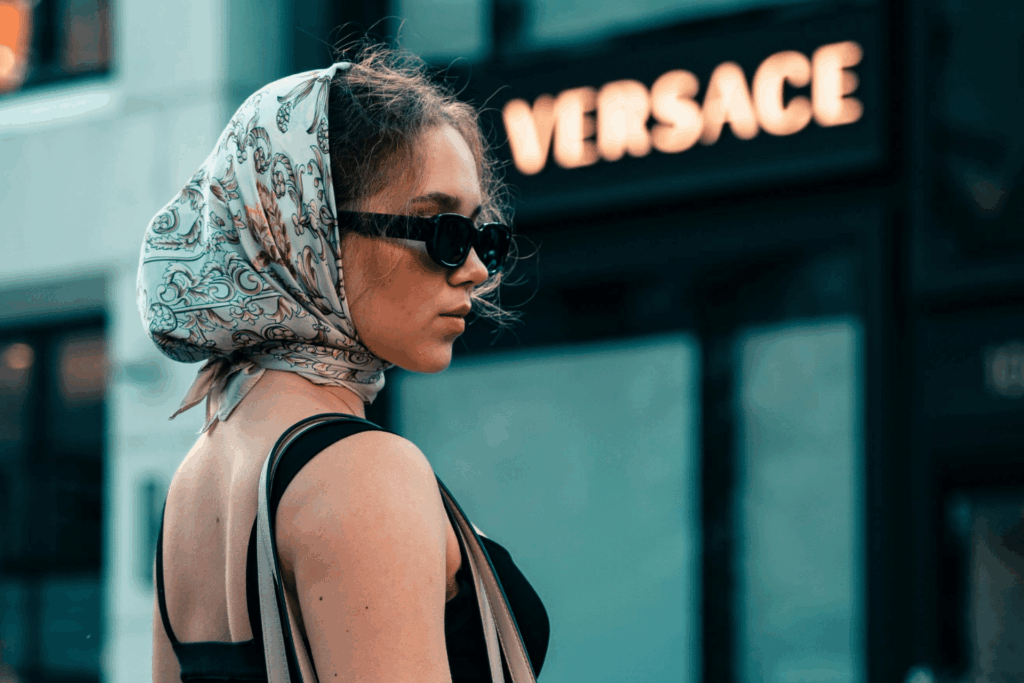
Photo by apertur2.8

Prada Finalizes Long-Awaited Versace Acquisition

Prada has finalized its long-pursued purchase of Versace, acquiring the iconic fashion house from Capri Holdings for about €1.3 billion after Capri’s planned sale to Tapestry collapsed under regulatory pressure. The deal marks a major strategic expansion for Prada, adding Versace’s globally recognized, high-glamour identity to its portfolio alongside Prada and Miu Miu. Lorenzo Bertelli, who championed the acquisition and will become Versace’s executive chairman, said the company had explored a takeover for years, including during the pandemic. He emphasized that Versace offered strong brand value and manageable financial risk, making it a compelling long-term addition to the group.

Via: CNN

Above: Image via BOF

How Zegna Plans to Win Luxury’s Toughest Market Yet

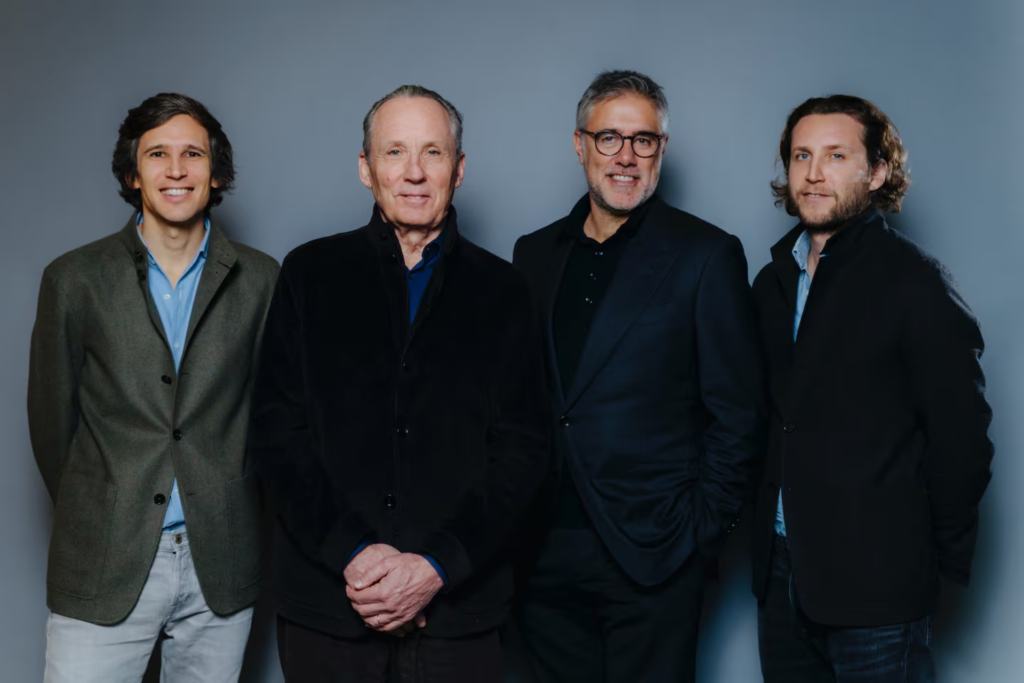
Gildo Zegna discusses his planned succession as the Zegna Group enters a new phase amid a volatile luxury market. Turning 70, he is shifting to executive chairman while longtime CFO and COO Gianluca Tagliabue becomes group CEO, and his sons Angelo and Edoardo become coCEOs of the Zegna brand alongside creative director Alessandro Sartori. Zegna highlights the company’s transformation into a modern, vertically integrated luxury group, ongoing shifts at Thom Browne and Tom Ford, and the importance of manufacturing in Italy. While cautious on global demand, especially China, he remains optimistic thanks to strong US, Gulf, and Latin American growth and Zegna’s cash-positive, agile model.

Via: BOF

Saudi Arabia’s Bold Plan to Become the Next Global AI Superpower

Saudi Arabia is accelerating its plan to become a global center for artificial intelligence through Humain, a PIF-backed company forming major partnerships with AWS, Nvidia, xAI, Adobe, Qualcomm, Cisco, and others. A key step is the launch of a Riyadh AI Zone with AWS, powered by Nvidia GB300 technology and AWS Trainium chips, with plans to deploy 150,000 AI accelerators. Humain will also deploy up to 600000 Nvidia systems and expand data centers in both Saudi Arabia and the United States. With its ALLAM language model and deep tech alliances, Saudi Arabia aims to shift from oil to computational power and become a major global AI hub.

Via: AI Magazine

Shanghai’s Newest Luxury Waterfront Retreat

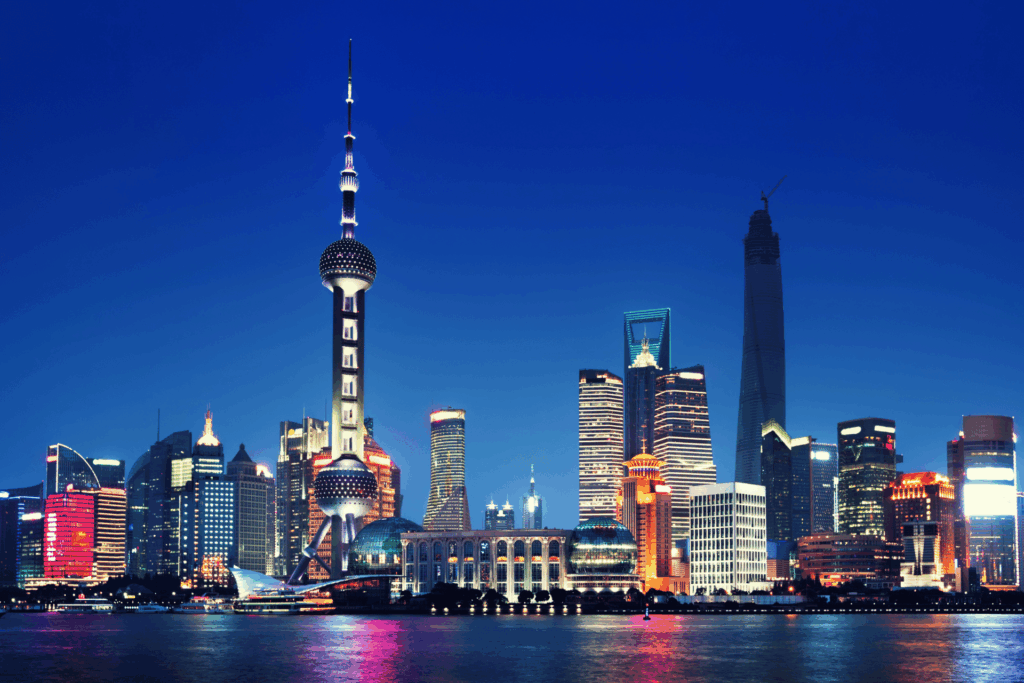
Waldorf Astoria has opened its newest luxury hotel in China, the Waldorf Astoria Shanghai Qiantan, marking a significant milestone for the brand. Located on the Pudong waterfront, the hotel features 204 rooms and suites with expansive layouts and riverfront balconies overlooking the Huangpu River and West Bund skyline. Designed by KPF with interiors by CCD, the property evokes the elegance of a cruise ship through curved architectural lines and a luminous nighttime presence. Inside, refined materials, Art Deco-inspired details, and a serene palette elevate the experience. Signature restaurants ARAME and Fu Cheng further enhance the hotel’s focus on heritage, design, and modern luxury.

Via: Latte Luxury News

Investors Target Urban Luxury Stays

Investors are returning to luxury and upper-upscale hotels in major global cities following a resilient 2024, which saw strong growth in room nights and RevPAR. Europe and the Americas have largely recovered to pre-pandemic levels, while Asia-Pacific, particularly China, is slowly rebounding. Analysts forecast steady global RevPAR growth in 2025, driving interest in cities such as London, New York, and Tokyo. Luxury and lifestyle urban hotels are attracting institutional and private equity investors seeking stable returns. Global hotel investment is expected to rise significantly, offering opportunities for both new and established operators.

Via: Yahoo Finance

Monaco Yacht Show Market Report 2025 By SuperYacht Times

The 2025 Monaco Yacht Show Market Report highlights evolving trends in the superyacht industry amid softer demand in smaller segments and steady interest in larger vessels. New-build activity has slowed, particularly for yachts under 45 metres, while larger yachts maintain selective but stable demand. The global fleet exceeds 6,100 yachts over 30 metres, with Italy leading production and Turkey and the Netherlands playing key roles in yard activity and high-value builds. The used market remains stable, refit demand is strong, and charter activity grows. North America leads ownership trends, and expanding capacity in the Middle East and Turkey signals continued global engagement.

Via: WLCC & SuperYacht Times


Stay ahead of the curve; explore more stories, register for upcoming events, and join the conversation with WLCChttps://worldluxurychamber.com/insights-news/  

Exclusive Interview: How Ras Al Khaimah Is Rising As A Luxury Powerhouse With Iyad Rasbey

In this exclusive interview, Alexander Chetchikov, President of the World Luxury Chamber of Commerce, sits down with WLCC Honorary Board Member Iyad Rasbey, Vice President of the Ras Al Khaimah Tourism Development Authority, to uncover the strategy behind one of the world’s most compelling destination transformations. With global travel shifting toward authenticity, emotional connection, and elevated experiences, Ras Al Khaimah is emerging as a standout case study in how a destination can evolve with purpose. Rasbey shares the vision, decisions, and guiding principles that are shaping the Emirate’s ascent as a luxury powerhouse, one built on nature, culture, and long-term sustainability.

Alexander Chetchikov: What was the original strategic insight that convinced you Ras Al Khaimah could evolve from an emerging destination into a luxury powerhouse?

Iyad Rasbey: Travellers are directing more of their budget toward experience-led holidays, driven by higher lifestyle expectations and a desire for greater meaning in how they travel. This steady rise in luxury and lifestyle demand is helping destinations stand out in a competitive market. These shifts are also influencing how value is created. New ultra-luxury brands are coming to markets, and destinations are keen to attract new projects or elevate quality and rethink their offer.

Ras Al Khaimah naturally has what modern luxury travellers value most – unspoiled landscapes, cultural authenticity, generous space, and a sense of place. This wasn’t something we had to manufacture; it was inherent in the destination. At a time when global luxury is shifting away from excess and toward emotional connection, experience, and authenticity, Ras Al Khaimah already embodied these attributes. The real catalyst came when we analysed our current and upcoming hospitality offering and saw not only strong existing foundations where more than half of our inventory is already in the luxury segment, but also the opportunity to shape a more intentional future.

Our upcoming hotel pipeline is deliberately curated to enhance the Emirate’s overall livability and attract a higher-yielding visitor who values quality and seeks deeper engagement. New openings from globally recognised luxury brands such as Anantara, Sofitel, and SO/, represent a conscious movement toward more premium experiences that elevate both the resident and guest experience.

With the opening of Wynn Marjan Island, the first integrated luxury resort in the region, and our hotel pipeline maturing, we expect nearly 80 percent of the Emirate’s total inventory to be in the luxury and upper-upscale categories in the coming years.

This deliberate evolution supports our strategic insight. Ras Al Khaimah is not simply capable of becoming a luxury powerhouse – it is already on that trajectory, and our role is to guide and accelerate it with purpose and clarity.

AC: How did you determine which elements of the Emirate – nature, culture, sustainability – would become the core pillars of its luxury identity?

IR: Ras Al Khaimah has something few destinations in the region can offer, and that is natural diversity, authentic heritage, and space to grow sustainably. When we examined global luxury travel trends, we saw a clear shift toward destinations that provide meaningful experiences, privacy, heritage, and nature-driven escapism. Luxury today is no longer defined by opulence alone, but by rarity, authenticity, and emotional connection. With our mountains, desert, coastline, mangroves, and rich cultural narratives, we knew we had the foundation to build a new kind of luxury destination. These pillars align perfectly with where luxury tourism is headed globally.

That naturally led us to highlight our landscapes, from mountains to coastline, as the defining stage on which luxury experiences could unfold. Our cultural heritage added depth, offering a narrative that is both timeless and distinctly ours. And sustainability became essential because high-value travelers now expect destinations to protect what makes them special. Importantly, our hotel landscape reflected this direction too. For example, the upcoming Saij Eco-lodge by Mantis Collection on Jebel Jais embodies nature escapism. Opening in 2026, it will be the first luxury, eco-driven mountain lodge of its kind in the UAE.

AC: In a country known for world-leading luxury cities, what was your approach to positioning Ras Al Khaimah with a distinctive and authentic luxury proposition?

IR: Our approach was grounded in complementarity. The UAE already excels in urban, architectural, and shock-and-awe luxury. Considering that we are only 45 minutes from Dubai, we chose to stand apart by embracing the kind of luxury that is rooted in space, nature, and authenticity. Ras Al Khaimah offers a serenity that contrasts beautifully with the energy of nearby urban hubs. Our proposition focuses on immersive, nature-led experiences and a slower, more reflective style of travel that allows visitors to connect deeply with the landscape and its stories. This is reflected in our hotel as well as in our attractions. In doing so, we’re creating a type of luxury offering that is unmistakably ours and inherently authentic.

AC: What are the most critical initiatives within Destination 2030 that directly support the Emirate’s luxury repositioning?

IR: The destination’s masterplan is essentially a blueprint that ensures Ras Al Khaimah evolves with intention, coherence, and long-term value. At its core, the strategy is driven by a curated hotel pipeline and the deliberate structuring of the Emirate into distinct, high-quality destination zones. These zones take advantage of our 68 kilometres of coastline and are being developed in a way that protects their natural integrity while offering luxury brands the opportunity to create one-of-a-kind, context-led experiences.

A major focus is on attracting premier hospitality names that align with our low-density, high-value philosophy. The introduction of brands such as Janu, Nobu Hotels, Four Seasons, W Hotels, The Unexpected Hotels, and other high-end brands is not incidental; it is the result of a selective approach that assesses how each property contributes to the broader masterplan, enhances experiential diversity, and elevates the Emirate’s premium positioning.

The master also advances a coordinated infrastructure plan that supports the luxury ecosystem—from mobility and accessibility enhancements to integrated green spaces, cultural touchpoints, and community-centric developments that improve resident livability. For example, we recently announced plans to develop a VVIP terminal at Ras Al Khaimah International Airport. In essence, the strategy ensures that as Ras Al Khaimah grows, it grows purposefully: building a destination where elevated hospitality, thoughtful planning, and the preservation of natural and cultural assets reinforce one another to create an exceptional luxury environment.

AC: How did high-profile collaborations and events (WTTC, AHIC, PATA) help elevate global perception and attract luxury travelers?

IR: These partnerships played a pivotal role in amplifying Ras Al Khaimah’s visibility and credibility internationally. Hosting influential tourism bodies and major global conferences positions the Emirate at the forefront of industry dialogue, demonstrating that we are shaping and not just participating in the future of travel. These platforms allowed us to showcase our long-term vision, secure new development opportunities, and build trust with investors, operators, and travel brands. As a result, perceptions shifted rapidly, and Ras Al Khaimah became recognized not only as a destination for rapid tourism growth but as one with a clear vision and capability to deliver a strong luxury destination proposition.

AC: Why is sustainability central to RAK’s premium travel strategy, and how do you balance environmental responsibility with luxury expectations?

IR: Today’s travellers want to enjoy a holiday experience knowing that their presence contributes positively to the destination. Our development philosophy prioritizes low-density, high-quality projects that protect our landscapes and preserve cultural integrity. Operationally, by working closely with our hotels and attractions through our certification programmes like Responsible RAK, created in partnership with EarthCheck, we ensure that sustainability metrics are monitored and sustainable practices are embedded into operations and guest experience. This allows us to deliver elevated experiences while preserving the very elements that make those experiences luxurious in the first place.

AC: During challenging global periods, RAK achieved record visitation. What leadership decisions proved most pivotal for maintaining growth and consumer confidence?

IR: Our resilience in challenging times was rooted in quick, decisive action. For example, as tourism recovered from the pandemic, we focused on creating compelling, nature-led offerings that resonated with travellers seeking open spaces. We were agile in implementing world-class safety protocols early and communicated transparently to reassure travellers and industry partners. We also supported our hospitality partners with relief measures so that the entire tourism ecosystem remained strong. And during recent periods of geopolitical tensions and airspace disruptions, we were able to effectively communicate and reassure partners and travellers of the stability of the UAE. We also pivoted strategically toward regional markets to maintain visitor levels. These decisions built confidence at moments when visitors were cautious, and they positioned Ras Al Khaimah as one of the safest destinations during uncertainty.

AC: From your experience, what are the key principles any destination or luxury brand must follow when attempting to elevate their positioning in the global market?

IR: In a globally competitive industry where so many great destinations are competing for the same traveller wallet, being distinctive and authentic is the only thing a destination or a brand should be to remain competitive. The most successful destinations and luxury brands have this in common. They’re anchored in authenticity, building their value proposition around what is inherently unique. They pursue quality over quantity, focusing on curated experiences that resonate with discerning travellers. And they invest in strong partnerships that elevate their credibility and amplify their reach. When these principles come together, the result is a destination that earns lasting relevance in the global luxury landscape.

Thank you, Iyad! With its curated hotel pipeline, transformative infrastructure plans, and dedication to preserving natural and cultural heritage, Ras Al Khaimah is not only shaping its own future but offering a blueprint for destinations worldwide. The journey ahead is ambitious, but as this exclusive interview demonstrates, the foundations of a true luxury powerhouse are already firmly in place.

To learn more, visit https://raktda.com/

Want to read more exclusives? Check out our news and insights: https://worldluxurychamber.com/insights-news/ & sign up for our newsletter here: https://worldluxurychamber.com/wlcc-community/

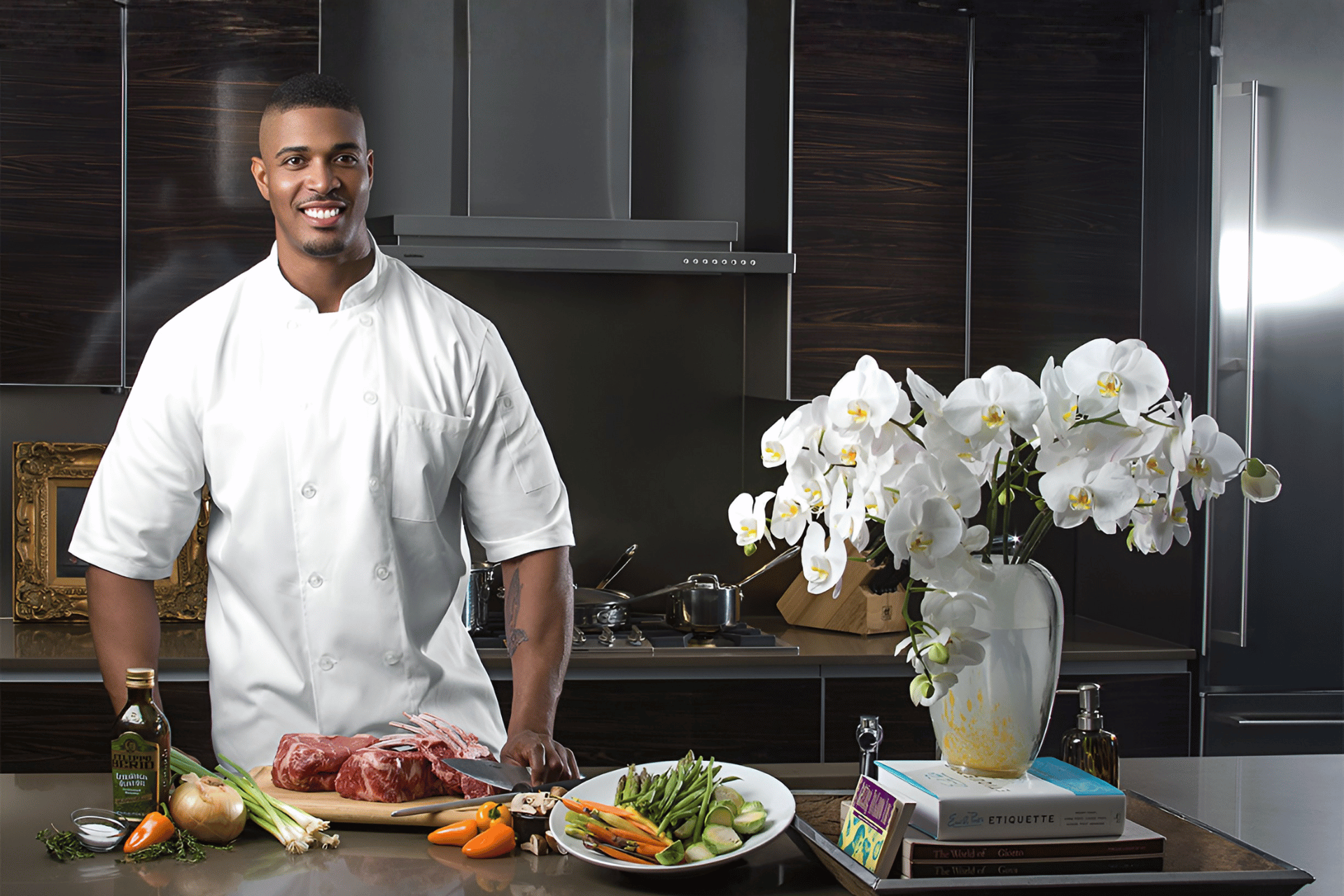
Exclusive Conversation: Chef Shawn Osbey on Food, Storytelling, and Global Influence

In this exclusive feature, Chef Shawn Osbey, known internationally as The Traveling Chef, joins Alexander Chetchikov, President of the World Luxury Chamber of Commerce, for a conversation on the future of luxury hospitality. Chef Shawn has built a reputation for blending American foundations with global influences drawn from his journeys across continents. His work spans luxury events, media appearances, culinary strategy, and high-profile collaborations that highlight his creative range. With experience in both celebrated restaurant kitchens and large-scale premium dining, he brings a perspective shaped by real cultural engagement and a deep respect for ingredients and community. In this interview, he reflects on the role of culture, emotion, and authenticity in defining what luxury means today and what guests are seeking in modern culinary experiences.

Alexander Chetchikov: Chef Shawn, as “The Traveling Chef,” you’ve explored diverse cultures and cuisines around the world. In your view, how is cultural immersion becoming a new benchmark for luxury hospitality?

Chef Shawn Osbey: I think people are starting to want more than just a nice room or a good meal — they want to feel connected to the place they’re in. When you let guests experience the culture, the people, the stories behind the food, that’s when it becomes real luxury. It’s about creating moments they can’t get anywhere else.

AC: Luxury consumers today expect more than exceptional food; they seek meaningful experiences. How do you transform culinary moments into emotional, memorable journeys?

SO: I focus on how I want people to feel first. A great dish is technical, sure, but the emotion is what stays with you. I try to create little moments — a flavor that reminds you of home, a dish that surprises you, a story behind an ingredient. When you tap into that, the experience goes way beyond the plate.

AC: Storytelling plays a powerful role in gastronomy. How do you weave cultural heritage and narrative into your dishes?

SO: For me, food is personal. I pull from my upbringing, from the big family dinners I grew up on, and I mix that with things I’ve learned traveling. I love blending Southern roots with techniques or flavors I pick up abroad. That’s how I tell a story — by putting pieces of my journey right on the plate.

AC: You work across travel, food, and cultural landscapes. What lessons can luxury brands learn from the culinary world about creating authenticity and connection?

SO: Keep it real. People can feel when something is genuine. In the kitchen, authenticity comes from respecting your ingredients and the cultures you’re inspired by. Luxury brands can take the same approach — lead with intention, pay attention to the details, and make people feel like the experience was created just for them.

AC: What role do sustainability, local ingredients, and ethical sourcing play in shaping a truly modern luxury experience?

SO: A huge role. People care about where their food comes from now. They want to know it’s fresh, local, and responsibly sourced. To me, that’s modern luxury — knowing the story behind your ingredients and doing right by the people and communities you’re sourcing from. It adds depth to the experience.

AC: What is the most memorable cultural or culinary experience that has influenced your approach to luxury hospitality?

SO: South Africa, without question. The food, the energy, the way people welcome you — it all hit me in a different way. There’s so much pride and history in the cuisine. It reminded me that hospitality is really about heart. It’s about making people feel seen and cared for, no matter how fancy the setting is.

AC: Looking ahead, what opportunities excite you most as luxury hospitality continues to evolve?

SO: I’m excited about how creative things are becoming. People want immersive dining, destination experiences, collaborations… all the stuff that lets chefs tell bigger stories. It feels like the lines between travel, culture, and food are blending in a really fun way, and there’s so much room to push boundaries. I’m ready for all of it.

Thank you, Chef Shawn! Chef Shawn’s journey reflects a commitment to growth, creativity, and meaningful hospitality, and his influence will continue to inspire the industry as it evolves.

Follow his journey here: https://linktr.ee/ChefShawn

Want to read more exclusives? Check out our news and insights: https://worldluxurychamber.com/insights-news/ & sign up for our newsletter here: https://worldluxurychamber.com/wlcc-community/

The Luxe Reset 2026: The Rise of the Next China-Sized Luxury Power Bloc

By Abhay Gupta
Luxury Strategist | Founder & Chairman, Luxury Connect


Luxury’s New Economic Geography

The global luxury sector enters 2026 at a decisive turning point. Two of the industry’s most respected intelligence sources, Bain & Company with Altagamma, and The Business of Fashion with McKinsey, independently paint a picture of an industry under pressure yet on the brink of a major geographic realignment.

While global luxury spending stands at €1.44 trillion, essentially flat, and personal luxury goods stabilize around €358 billion, the headline numbers conceal a deeper shift: luxury’s next wave of growth will no longer be anchored in a single geography.

For the first time in modern luxury history, five emerging regions, India, the Middle East, Southeast Asia, Africa, and Latin America, collectively equal Mainland China’s luxury market.

As Bain notes: “Middle East, Latin America, Southeast Asia, India, and Africa combined represent a market value of around €45 billion in 2025, matching Mainland China in scale.”

This is far more than a statistical milestone.
This is the beginning of luxury’s new multi-polar growth era.

A New Power Bloc Emerges

China’s two-decade dominance as global luxury’s growth engine is now balanced by a rising coalition of fast-modernising, upwardly mobile markets.

Together, these five regions form luxury’s next super-region, powered by:

  • India’s booming affluent and UHNW population
  • The Middle East’s sovereign-backed tourism and retail ecosystems
  • Southeast Asia’s Gen-Z-led premiumization
  • Africa’s creative luxury renaissance and rising urban elites
  • Latin America’s concentrated metropolitan wealth

The message to global luxury leaders is clear:
This is no longer a China-plus-one world. It is a China-plus-new-frontier-bloc world.

Brands that pivot early will capture disproportionate value.

Creativity and Craftsmanship Return to Centre Stage

Both Bain and BoF–McKinsey confirm that luxury’s “price-led decade” has ended. Aspirational buyers have reached their tolerance limits, and the global customer base has contracted from nearly 400 million to around 340 million.

In 2026, desirability must be re-earned, not priced in.

Luxury’s core value drivers are reasserting themselves:

  • Craftsmanship
  • Material excellence
  • Creative originality
  • Narrative depth
  • Emotional resonance
  • Distinctive client experience

The wave of new creative directors across global maisons underscores this shift. The next icons of luxury will emerge from brands that return to the artistry that originally defined the sector.

Experience, Wellbeing and Jewellery Take the Lead

The most profound consumer shift is psychological: customers want emotional value, not display value.

According to Bain, the fastest-growing categories include:

  • Experiential luxury, hospitality, cruises, and fine dining
  • Jewellery, expanding at 4–6% annually
  • Accessories, resilient and stable
  • Premium beauty and skincare
  • Smart eyewear, expected to exceed $30 billion by 2030

Consumers across geographies, especially Gen Z and millennials, are shifting from accumulation to self-expression, wellbeing, and meaningful experience.

Luxury brands that build ecosystems rather than product lines will emerge stronger.

AI Becomes Luxury’s Operating System

The BoF–McKinsey study positions AI as the single greatest opportunity for the industry.

In 2026, AI will accelerate:

  • AI-led product discovery
  • Hyper-personalised clienteling
  • Predictive retail and merchandising
  • Creative augmentation in design
  • Digital twins and supply-chain visibility
  • Enhanced omnichannel service
  • Performance within AI-driven shopping agents (the new SEO)

Brands that embed AI into their organizational DNA will gain cost efficiency, creative acceleration, and competitive visibility.

Tariffs and Sourcing Complexity Make Agility a Strategic Imperative

US tariffs peaking at 54% in 2025 created seismic disruptions. Fashion and luxury sourcing is shifting from traditional hubs toward more diversified and resilient ecosystems across Cambodia, Mexico, India, and Africa.

Both reports converge on a single truth: Agility is now the most important competitive advantage.

Luxury supply chains, long optimized for precision and craftsmanship, must now be redesigned for resilience, redundancy, and regional flexibility.

The New Mandate for Luxury Leaders

The merged intelligence from Bain and BoF–McKinsey points toward a dual transformation shaping luxury’s next decade:

1. Reignite Desirability

  • Creativity, craftsmanship, and cultural relevance
  • Jewellery and accessories leadership
  • Experience-led ecosystems
  • Emotional storytelling
  • Authentic brand purpose

2. Engineer Structural Resilience

  • Embed AI into creative, commercial, and operational processes
  • Build multi-market sourcing models
  • Strengthen organizational agility
  • Prioritise the new €45B frontier super-region (India + ME + SEA + Africa + LatAm)
  • Shift from reach to precision – defined client segmentation, not mass appeal

Luxury’s next great chapter will belong to the maisons that embrace this reset with clarity and conviction.

Conclusion

As luxury enters this new era of multi-polar growth, the brands that will define the decade are those that recognize the magnitude of the geographic realignment already underway. The emergence of India, the Middle East, Southeast Asia, Africa, and Latin America as a combined China-sized luxury force marks a structural pivot that will reshape investment priorities, creative direction, and leadership agendas across the industry. In a world where desirability must be rebuilt, and resilience must be engineered, success will belong to the maisons that read these signals early, reframe their strategies boldly, and respond with the agility that today’s reality demands.

The next chapter of global luxury will not be written in one capital, but across a constellation of dynamic markets whose collective influence is now too powerful to ignore.

Sources:
Bain & Company & Altagamma, Global luxury stays resilient despite economic headwinds and shifting consumer trends that reshape market (latest edition) https://www.bain.com/about/media-center/press-releases/20252/global-luxury-stays-resilient-despite-economic-headwinds-and-shifting-consumer-trends-that-reshape-marketbain–company-and-altagamma/
The Business of Fashion & McKinsey & Company, The State of Fashion (2025/2026) https://www.mckinsey.com/capabilities/growth-marketing-and-sales/our-insights/state-of-fashion


Abhay Gupta is the Founder & CEO of Luxury Connect LLP and LCBS. Named among the World’s Top 100 Voices in Luxury, he writes at the intersection of culture, commerce, and conscience.

Disclaimer: The views expressed in this article are those of the author and do not necessarily reflect the official stance of the World Luxury Chamber of Commerce, its affiliates, or any brands/entities mentioned.

World Luxury Chamber of Commerce Strengthens Board with Industry Leader Florent Canepa

The World Luxury Chamber of Commerce (WLCC) announces the appointment of Florent Canepa, Head of Communications & Marketing Creation at Mercedes-Benz AG, to its Board of Directors. A global leader in luxury marketing and communications, Florent brings two decades of experience shaping brand strategy, creative content, and cultural influence for some of the world’s most iconic companies.

At Mercedes-Benz, Florent leads a 200-person international team and oversees the brand’s creative and communications strategy across all global touchpoints. His work has been central to strengthening the brand’s positioning and elevating its modern luxury narrative.

Before joining Mercedes-Benz, Florent held senior leadership roles at Hermès, La Prairie, Coty, and L’Oréal. He has overseen global communications, campaign development, product storytelling, and major cultural partnerships. His entrepreneurial background includes founding the events and creative agency Sing City, which collaborated with leading luxury brands across Europe.

Florent is a graduate of ESSEC Business School and Sciences Po Paris. His career blends strategic vision with a strong creative mindset, complemented by work as a guest lecturer, sound designer, and contributor to music and theater projects.

Alexander Chetchikov, President of WLCC, said, “We are honored to welcome Florent Canepa to the Board of the World Luxury Chamber of Commerce. Florent embodies the forward-thinking and culturally attuned leadership that is shaping the future of luxury on a global scale. His creative vision and deep industry expertise will significantly strengthen WLCC’s mission to drive sustainable growth, set new standards of excellence, and support the next generation of luxury leaders.”

As a Board Member, Florent will play a key role in advancing WLCC’s mission to foster sustainable growth, set industry standards, and cultivate leadership across the global luxury community.

For more information about the World Luxury Chamber of Commerce and its initiatives, please visit www.worldluxurychamber.com.

Architect of Icons: Kassie Smith on the Future of Luxury, Investment, and Global Influence

For nearly three decades, Kassie Smith, Founder & CEO of KS Global, has shaped some of the world’s most iconic luxury destinations – spanning resorts, branded residences, mixed-use master plans, and transformational hospitality developments across global markets. Renowned for her ability to fuse vision, strategy, and cultural nuance, Kassie brings a rare combination of creative leadership and investment intelligence to every project she touches.

This year, she joined the WLCC Board, strengthening the Chamber’s global perspective across luxury development, capital investment, and destination strategy. In this exclusive interview, Kassie shares her insights on the future of luxury, the evolving behavior of capital, and the forces reshaping how affluent travelers live, invest, and explore the world.

Alexander Chetchikov: You’ve dedicated your career to shaping some of the world’s most iconic luxury destinations. When you look at the global luxury landscape today, what fundamental shifts will define the next generation of luxury real estate and hospitality?

Kassie Smith: The future of luxury hospitality will be defined by immersive collaboration – where iconic brands and high-end hotels converge to create deeply layered experiences. Strategic partnerships and luxury licensing are no longer enhancements; they’re becoming core drivers of identity and differentiation.

We’re seeing this evolution accelerate through crossover collaborations between fashion, automotive, and hospitality brands. What began years ago with Bulgari, Versace, and Baccarat has now matured into a powerful global movement, with the 2026 opening of the Louis Vuitton hotel on the Champs-Élysées standing as a landmark example. Affluent travelers increasingly seek experiences that feel both personally expressive and seamlessly integrated with the luxury lifestyles they already inhabit.

Looking ahead, several frontiers are reshaping development:
Mixed-use luxury communities anchored by hotels and branded residences, where the name alone elevates real estate value.
Wellness and medical tourism, now fully embedded into the luxury ecosystem with sophisticated, well-being-driven hospitality offerings.
Private members’ clubs within hotel environments – an increasingly vital revenue stream that enhances exclusivity and long-term engagement.

Together, these forces are crafting a new era where luxury destinations are not merely visited, but lived, felt, and remembered.

AC: What principles guide you when crafting places that become lasting symbols of luxury culture?

KS: Every destination begins with understanding the market’s strongest benchmark, and then elevating it beyond what currently exists. I always ask: What will the affluent traveler desire here that no one else is offering? Luxury must deliver an experience so exclusive and so thoughtfully curated that it becomes unforgettable.

It’s never about cost; it’s about value creation, revenue success, and strategic distinction. I’m willing to innovate boldly, but only when the vision, the market, and the story align. Every project is a precise puzzle – where each element must work together to create something iconic.

AC: As a WLCC Board Member, where do you see the greatest opportunities for WLCC to shape the future of the luxury sector?

KS: WLCC is uniquely positioned to become the global orchestrator between investment, luxury hospitality, and destination development. The organization has built an impressive and polished platform, and the next chapter lies in expanding this foundation through the expertise of leaders across these sectors.

By curating knowledge, showcasing successful journeys, and facilitating high-impact introductions among capital partners, visionary brands, and industry innovators, WLCC can drive transformative partnerships. Capital is at the core of every thriving luxury destination, and WLCC can play a decisive role in connecting the right resources to the right opportunities – shaping the future of the entire luxury ecosystem.

AC: What signals or emerging trends are you watching that luxury leaders should pay attention to?

KS: I closely monitor both market performance and innovation, always distinguishing between long-term value and temporary trends. The luxury segment has demonstrated remarkable resilience through economic cycles, but one area that demands discernment is technology.

The ultra-luxury market will always remain fundamentally high-touch. Human expertise, emotional intelligence, and personalized service are irreplaceable. Technology has great power when it enhances these elements, but it becomes a liability when it attempts to replace them.

Having spent two decades developing in Las Vegas and witnessing multiple reinventions, I’m convinced of one thing: luxury endures when it remains rooted in the human experience.

AC: What shifts are you seeing in how capital behaves in the luxury asset space, and how should leaders adapt?

KS: Capital today behaves very differently than it did a decade ago. Traditional funding models are no longer sufficient; success depends on alternative capital strategies and building a diversified, resilient capital stack. Luxury development is inherently expensive, but it becomes achievable when supported by a compelling story, a proven team, and a robust revenue model.

Family offices and private investors now evaluate opportunities as much through vision and narrative as through traditional financials. Developers must enter conversations from a position of strength – with clarity, differentiation, and optionality. Those who master alternative funding mechanisms and present a unified, high-caliber team will remain competitive and far less vulnerable to shifting lending conditions.

AC: How do brand partnerships elevate the value of a project, and what makes a brand worthy of anchoring a luxury destination?

KS: Brand partnerships are no longer optional – they are essential to positioning a project within the competitive luxury landscape. When the right brand aligns with the right destination, it immediately enhances valuation, strengthens market relevance, and elevates everything from amenities to long-term revenue potential.

Whether it’s a spa, golf experience, fine dining, or a signature moment unique to the location, the brand must feel authentic, complementary, and strategically aligned. Not every luxury brand is the right fit. The most successful collaborations are those where both the property and the brand elevate one another, creating a shared identity that resonates with the global luxury traveler.

AC: What leadership principles guide you when managing large, multi-market luxury development teams?

KS: Leadership in luxury development is both visionary and deeply hands-on. Inspiration fuels my teams, but that inspiration must be anchored in market intelligence, engineered strategy, and cohesive planning. Before anything reaches a large group, my core team and I refine the vision together – listening, analyzing, and aligning.

I work alongside my teams, offering support, clarity, and accountability. A strong middle-management layer and a culture of mentorship are essential. When people feel emotionally invested from the beginning, they produce their best work. Ultimately, leadership is about creating the environment where excellence becomes inevitable.

AC: What long-term impact do you hope to create through your role on the WLCC Board?

KS: My goal is to contribute strategic insight, global connectivity, and long-term vision to WLCC’s mission. I hope to help shape new initiatives and expand existing ones – especially by forming sector-specific committees that unite leaders in capital, luxury development, and consumer brand innovation.

I also aim to support the growth of WLCC in the Western US through curated events that highlight exceptional talent, expand membership, and elevate ambassador engagement. Globally, I look forward to traveling, participating, and serving as an industry expert wherever WLCC seeks to make an impact.

Together, we can build a platform that not only reflects the future of luxury but actively shapes it.

Thank you, Kassie! Kassie’s perspective highlights a truth that increasingly defines the future of luxury: the industry’s most powerful innovations emerge at the intersection of vision, collaboration, and human-centered experience. Her leadership continues to shape global landscapes, and her contribution to the WLCC Board brings a vital strategic dimension to our mission.

To explore more of Kassie’s work and global portfolio, visit https://www.ksglobalco.com/

Want to read more exclusives? Check out our news and insights: https://worldluxurychamber.com/insights-news/ & sign up for our newsletter here: https://worldluxurychamber.com/wlcc-community/

Exclusive Interview: Alberto Menegatti on Human Insight as Luxury’s Last Advantage

In this exclusive interview, the World Luxury Chamber of Commerce presents a compelling conversation with Alberto Menegatti, newly appointed to the WLCC Board. The discussion, held by Alexander Chetchikov, President of the World Luxury Chamber of Commerce, explores Alberto’s perspectives on leadership, innovation, and the evolving dynamics of the global luxury sector. As a seasoned executive known for bridging heritage-rich creativity with cutting-edge digital transformation, Alberto offers deep insight into the challenges and opportunities facing luxury brands today. His addition to the WLCC Board marks a significant moment for the organization as it continues to elevate cross-industry dialogue and foster the next generation of luxury leaders.

Alexander Chetchikov: Alberto, welcome to the WLCC Board! What excites you most about joining this community, and how do you envision contributing to its mission of connecting and supporting leaders across the luxury industry?

Alberto Menegatti: What excites me most is the opportunity to be part of a global community that brings together leaders from such a wide spectrum of the luxury world. The conversations that happen within WLCC — across fashion, hospitality, real estate, yachts, wellness, and art — are incredibly rich. Many of the challenges we face today are shared across sectors, and I believe there is immense value in creating spaces where ideas can cross-pollinate.

I hope to contribute by fostering even more knowledge exchange within the community, particularly by supporting initiatives that strengthen cross-industry dialogue and create meaningful exchanges between emerging brands and experienced leaders. My goal is to add perspective, share what I’ve learned from my experience in brand building and strategic marketing, and help expand WLCC’s role as a catalyst for collaboration and forward thinking in the luxury ecosystem and as a platform that nurtures talent and elevates the next generation of luxury entrepreneurs.

AC: You’ve led major initiatives at a globally renowned luxury fashion house that connect digital innovation with brand heritage. How do you balance maintaining a luxury brand’s tradition while delivering modern, data-driven experiences?

AM: Balancing heritage and innovation starts with recognizing that they are not opposing forces. A brand’s history gives depth and purpose to innovation — and thoughtful innovation, in turn, ensures that heritage continues to resonate.

For me, the balance comes from having a clear understanding of what the brand stands for: its codes, its values, and the emotions it wants to evoke. Heritage anchors the narrative, while data helps us fine-tune how that narrative comes to life for different audiences and moments.

Digital initiatives, because of their scale and visibility, offer a unique opportunity to show a broad audience what the brand truly represents. When technology is used as an enabler, it helps extend the brand universe in a way that feels modern, intuitive, and fully coherent with its identity. This is where innovation becomes meaningful: when it reinforces, rather than competes with, the brand’s essence.

AC: From your perspective, what distinguishes effective leadership within a creative organization at a leading global luxury fashion house, where artistry and business objectives must work hand in hand?

AM: Effective leadership in a creative environment is rooted in trust, clarity, and the ability to create the conditions for creativity to thrive while staying anchored in a strategic vision.

Great leaders are translators: they bridge creative intuition and business ambition, ensuring that teams feel both inspired and aligned. In practice, this means giving enough space for ideas to take shape, while providing a clear framework — whether it’s the brand’s long-term direction, client expectations, or commercial opportunities.

It also requires empathy. Creative and business teams both share the same goal: building cultural relevance and long-term value. Leaders who can connect these worlds, protect the creative process, and maintain strategic discipline are the ones who create the most meaningful outcomes.

AC: Omnichannel marketing is often discussed as the gold standard for luxury retail. In your view, what are the most critical elements brands overlook when creating a seamless customer journey?

AM: The first is consistency of service and emotion. Many brands focus on harmonizing systems and touchpoints, but the emotional dimension — how the brand makes you feel at every step — is often inconsistent across channels.

The second is the role of the client advisor. Technology is essential, but in luxury the human moment is irreplaceable. Brands sometimes underestimate how much data, digital tools, and content should be designed to empower people, not replace them.

Third, brands sometimes overlook the transitions: how a client moves from inspiration to research, from social media to store, from store to post-purchase. Seamlessness is not created within channels but between them.

Lastly, omnichannel requires a long-term cultural shift inside the organization. It’s not a project — it’s a mindset that touches product, operations, communication, and service. When brands treat omnichannel as a technology challenge rather than a holistic transformation, the experience inevitably feels fragmented.

AC: Mentorship seems to be a personal passion of yours. What do you believe young professionals entering the luxury sector need most from mentors today?

AM: They need clarity, perspective, and confidence.

More than ever, young professionals need mentors who can help them see the bigger picture. The luxury industry is complex, fast-evolving, and increasingly influenced by technology, shifting customer expectations, and global cultural dynamics. It’s easy for someone early in their career to get absorbed in day-to-day tasks without understanding how their work connects to the broader ecosystem of the brand.

A strong mentor can give them that perspective — helping them understand how creativity, strategy, operations, and customer experience all intersect.

I also believe they need exposure: to different functions, geographies, and ways of thinking. The most valuable mentorships show young talents how interconnected this industry is, and how careers grow through curiosity and cross-functional learning.

Finally, they need mentors who encourage them to nurture their own curiosity. The best growth happens when someone feels safe to ask questions, challenge assumptions, and explore new ways of thinking. In a sector like luxury — where heritage and innovation coexist — that curiosity is often what makes young talent truly stand out.

AC: Looking ahead, what do you foresee as the next major shift in how luxury brands will connect with their customers globally?

AM: The next major shift will come from the convergence of personalization, cultural relevance, and experience.

Clients increasingly expect brands not only to know them — but to understand them. This means connecting data, creativity, and human insight to build experiences that are tailored yet meaningful, global yet locally resonant.

We will also see a stronger emphasis on value-driven engagement: brands will need to articulate not only what they offer, but what they stand for. Clients are looking for authenticity, responsibility, and emotional depth, not just product excellence.

Finally, the relationship between brands and clients will become more circular. Instead of linear journeys, brands will build ecosystems that keep clients engaged beyond the moment of purchase.

In essence, the future of luxury will be built on relationships that are more personal, more human, and more continuous.

Thank you, Alberto! Alberto’s reflections reveal a leader driven by curiosity, empathy, and a genuine desire to elevate others. His approach to innovation and mentorship resonates strongly with the WLCC’s purpose, making his appointment to the Board especially meaningful. The WLCC community is delighted to welcome him and eager to see the impact of his vision and generosity of spirit in the months ahead.

Want to read more exclusives? Check out our news and insights: https://worldluxurychamber.com/insights-news/ & sign up for our newsletter here: https://worldluxurychamber.com/wlcc-community/

WLCC Appoints Jeremie Bernheim of RAYMOND WEIL to Board of Directors

The World Luxury Chamber of Commerce (WLCC) is pleased to welcome Jeremie Bernheim, Chief Marketing Officer of RAYMOND WEIL S.A., as the newest member of its Board of Directors. Bernheim brings nearly 20 years of international experience in marketing, sales, and strategy, shaping some of the world’s most recognized brands across both consumer goods and luxury sectors.

Bernheim began his career at Procter & Gamble, progressing through roles of increasing responsibility before joining Kellogg’s and later taking on leadership positions at Philip Morris International. His work has consistently demonstrated a unique ability to bridge creativity and strategic foresight while delivering strong results across global markets.

In his current role as Chief Marketing Officer of RAYMOND WEIL, he has introduced a refreshed vision to the historic Swiss luxury watchmaker, driving global expansion while staying true to the brand’s heritage. Known for his passion for building meaningful connections between brands and consumers, Bernheim is recognized for inspiring teams and championing innovative approaches in evolving industries.

As a member of the WLCC Board, Bernheim will help further the Chamber’s mission to drive sustainable growth, elevate industry standards, and guide the next generation of luxury leaders through mentorship and collaboration.

Alexander Chetchikov, President of the World Luxury Chamber of Commerce, shared his enthusiasm regarding the appointment: “Jeremie’s strategic mindset, creativity, and global leadership experience make him an outstanding addition to our Board. His background in both major consumer brands and luxury houses brings valuable perspective to our community. We are delighted to welcome him and look forward to the insight he will bring as we continue to strengthen and elevate the global luxury ecosystem.”

For more information about the World Luxury Chamber of Commerce and its initiatives, please visit www.worldluxurychamber.com.

Monaco Yacht Show Market Report 2025 By SuperYacht Times

The luxury arena continues to evolve as global economic forces, policy shifts, and changing client expectations influence the direction of the superyacht sector. The Monaco Yacht Show Market Report 2025, produced by SuperYacht Times, offers a precise examination of these dynamics at a moment when the industry adapts to softer demand in certain categories while maintaining considerable strength in larger yacht segments. With the Monaco Yacht Show once again serving as the primary stage for new launches, brokerage activity, and strategic dialogue, the report outlines the forces shaping the year and the structural trends defining the fleet.

Market Conditions in 2025

New-build activity has slowed compared with the peak of recent years. From January to July 2025, sales declined by around 10% year-on-year, driven mainly by reduced movement in yachts below 45 metres. GRP-led production, traditionally dominant in this size range, faces longer sales cycles and increased stock. At the same time, shipyards continue to deliver vessels at high levels due to capacity expansions initiated after 2021. Larger yachts—especially above 50 metres- maintain steadier demand, though with lengthier negotiations and a more selective buyer base.

Fleet Structure and Construction Landscape

The global fleet now comprises more than 6,100 yachts over 30 metres, with the 30–40 metre category remaining the largest share. However, the in-built profile indicates gradual movement toward greater volumes and larger dimensions, supported by 588 yachts currently under construction. Italy leads in output, Turkey in the number of active yards, and the Netherlands in high-value tonnage. This distribution reflects a diversified but increasingly specialized global production environment.

Used Market Stability and Shifts in Buyer Focus

The used sector remains steady, with 200 yachts sold in the first seven months of 2025, similar to last year, yet with higher average tonnage. Availability has stabilised at 17% of the operational fleet, offering slightly more choice than in the highly constrained years following 2021. Key brokerage hubs include Florida, Italy, and France. Interest is strongest above 50 metres, where new-build timelines are longest.

Refit Activity and Global Expansion

Refit demand remains strong with close to 2,200 visits recorded in 2024. The United States leads in overall activity, Spain in work on the largest yachts, and Italy in total facility count. New investment continues across the Middle East and Turkey, where expanding capacity reflects rising regional participation in the sector.

Charter and Ownership Developments

The charter fleet has expanded, intensifying competition in the 30–50 metre segment, while larger yachts continue to secure most early bookings. Ownership trends show continued growth among US, Greek, and Turkish owners, with regional data confirming North America’s leading role.

The 2025 market reflects adjustment rather than contraction. Larger segments remain stable, the used market shows healthy movement, and refit facilities continue expanding. As the year progresses, the balance between elevated production levels and moderated demand in mid-size categories will define the industry’s trajectory.

WLCC Perspective: HNW clients are prioritising pedigree, immediacy, and customisation, which explains the resilience of the used and refit sectors. In this environment, trust and owner referrals have become the most powerful drivers of new business.

Access the Complete 2025 Superyacht Market Report:

https://www.monacoyachtshow.com/media-file/318930/mys-market-report-2025-21-9.pdf

Stay up to date on the latest luxury industry news: https://worldluxurychamber.com/insights-news/     
Parisian Maison EARTH BLUSH Enters the World Luxury Chamber of Commerce

The World Luxury Chamber of Commerce (WLCC) is pleased to announce the induction of EARTH BLUSH, a distinguished PARISIAN HIGH JEWELRY MAISON, into its exclusive international network. This recognition positions EARTH BLUSH among an elite group of luxury leaders celebrated for their contribution to the global luxury economy.

“Welcoming EARTH BLUSH into our global luxury network is an honor,” said Alexander Chetchikov, President of the World Luxury Chamber of Commerce. “Their devotion to ethical artistry and refined French design embodies the future of High Jewelry. We are proud to support their continued growth and creative evolution.”

EARTH BLUSH, headquartered in Paris, has earned acclaim for its bespoke creations and exquisite mastery of natural gemstones. Each piece crafted by the Maison reflects a deep understanding of gemology, meticulous attention to detail, and the timeless elegance associated with French Haute Joaillerie. With a focus on ethically sourced diamonds and colored gems, EARTH BLUSH combines traditional techniques with a modern aesthetic to produce one-of-a-kind pieces that resonate with collectors and connoisseurs alike.

By joining WLCC, EARTH BLUSH gains access to a powerful global network designed to elevate the visibility, influence, and development of outstanding luxury brands. The Chamber’s international reach, industry insights, and high-level connections provide member Maisons with unmatched opportunities to expand their presence across new markets and foster meaningful collaboration with leaders across luxury hospitality, fashion, design, and fine craftsmanship.

EARTH BLUSH’s induction into the WLCC will further enrich the chamber’s jewelry and design community. The Maison’s refined approach to gemstone artistry and commitment to responsible luxury contribute to ongoing conversations shaping the future of the industry. Their presence strengthens WLCC’s mission to cultivate a forward-thinking luxury ecosystem where creativity, sustainability, and excellence work in harmony.

Visit https://earthblushjewelry.com/ to learn more today.

The Weekly Edit: AI Challenges, IHG & Four Seasons Moves, Lalique Reopening & More

Welcome to The Weekly Edit, your curated digest of the latest in the world of luxury. Each week, WLCC brings you a handpicked selection of industry news, insights, and stories influencing the future of high-end fashion, design, travel, real estate, and beyond. Consider this your insider’s guide to the latest in luxury. 

The Hidden Value Gap Blocking AI Adoption in Luxury 

Daniel Langer argues that luxury brands struggle to scale AI because most initiatives focus on efficiency rather than emotional impact. While companies test tools like virtual stylists, tagging systems, and clienteling apps, these pilots rarely grow because they fail to align with Added Luxury Value (ALV), the psychological premium that fuels desire and loyalty. Many projects improve speed or accuracy but don’t strengthen brand meaning or deepen emotional connection. Younger clients also expect AI to function quietly in the background. Langer says real progress requires designing AI around a brand’s cultural code, emotional relevance, and signature service moments. 

Via: JINGDAILY

IHG Signs Dual Agreement to Grow Portfolio in Key Saudi Markets 

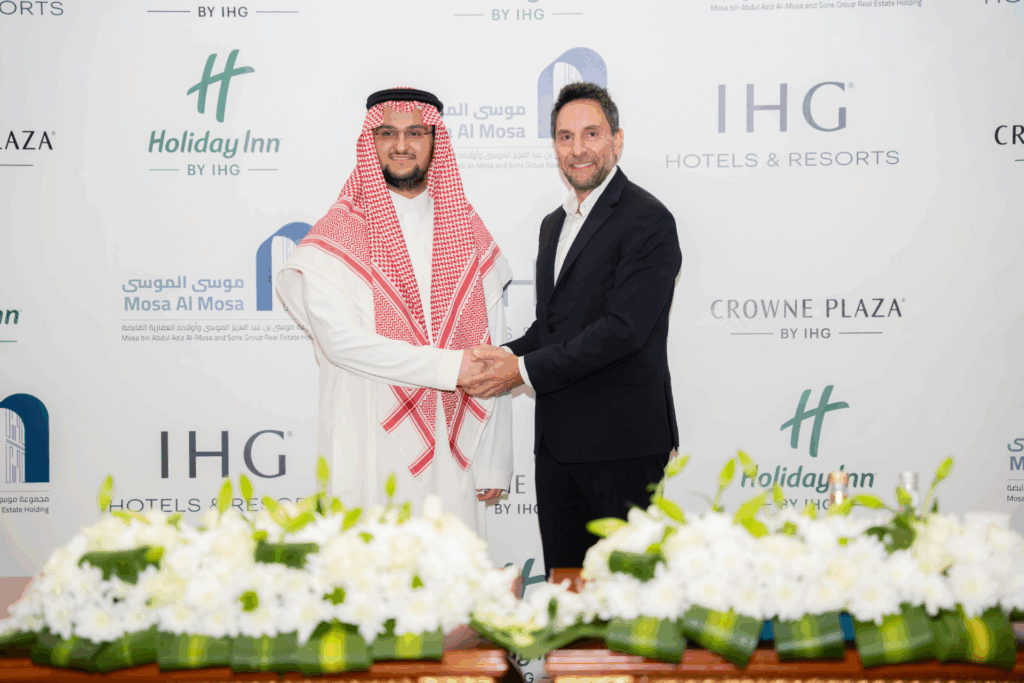
IHG Hotels & Resorts has signed a dual management agreement with Mosa bin Abdul Aziz Al-Mosa and Sons Real Estate Holding Co. to open two new properties in Saudi Arabia: Crowne Plaza Al Khobar Al Bandariyah and Holiday Inn Riyadh Rose Yard. Together, they will add more than 330 rooms to IHG’s national portfolio and support the country’s Vision 2030 tourism goals. The Al Khobar hotel, opening in early 2027, will be located near the Corniche, with strong regional connectivity. The Riyadh property, opening in late 2026, will feature the brand’s updated Open Lobby concept. Both hotels will join IHG’s existing 46 properties across Saudi Arabia. 

Via: IHG

New Multi-Property Four Seasons Journeys Bring Travelers Closer to Local Culture 

Travelers craving deeper cultural meaning now have a new way to explore the world: Four Seasons has introduced Insider Itineraries, a series of multi-property journeys in Bali, Spain, and Mexico shaped directly by local Four Seasons teams. The programs combine stays across multiple hotels with exclusive access, regional expertise, and experiences that connect guests to traditions, landscapes, cuisine, and community. Each itinerary includes activities such as private museum access, wellness rituals, chef-led cooking classes, nature immersion, and behind-the-scenes artistic encounters. With a dedicated point of contact managing every detail, the collection offers an elevated approach to multi-destination travel. 

Via:  Four Seasons

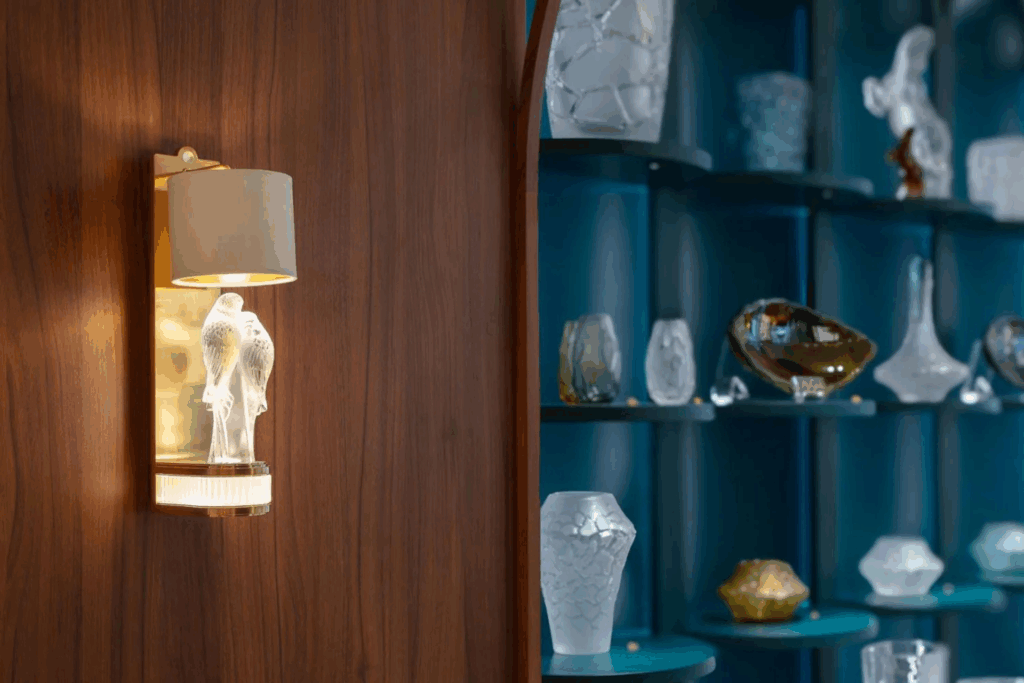
Above: Image from LALIQUE  

Paris Welcomes Lalique’s New Flagship Space 

Paris sparkles anew as Lalique reimagines its historic flagship at 11 rue Royale, reopening on 18 November 2025 to mark 90 years since its first establishment at the iconic address. Designed as the apartment of a cosmopolitan artist couple, the 115 m² space blends heritage and modernity, light and material, emotion and artistry. Visitors are greeted by sixty crystal swallows in motion, luminous arches, and floral-inspired floors, exploring seven pillars of the Maison: decorative objects, interior design, tableware, jewellery, art, fragrances, and hospitality. The boutique celebrates René Lalique’s legacy while projecting a contemporary vision of the art of living. 

Via: LALIQUE  

Beyond the Surface: Dynamics of Extreme Wealth in 2025 By Altrata 

The ultra-wealthy are reshaping global luxury. Altrata’s World Ultra Wealth Report 2025 shows that individuals with ultra-high net worth now hold unprecedented levels of wealth. Concentrated in major cities and fueled by finance, industry, and technology, this elite group drives demand for high-value goods, private jets, yachts, fine art, and experiential luxury. Younger wealth creators favor technology and innovative assets, while legacy holders focus on preservation. Beyond spending power, UHNW individuals form networks of dozens of peers, amplifying influence and opportunity. For luxury brands, understanding these trends, generational shifts, and concentrated hubs is essential to capture both consumption and connections. 

Via: WLCC 

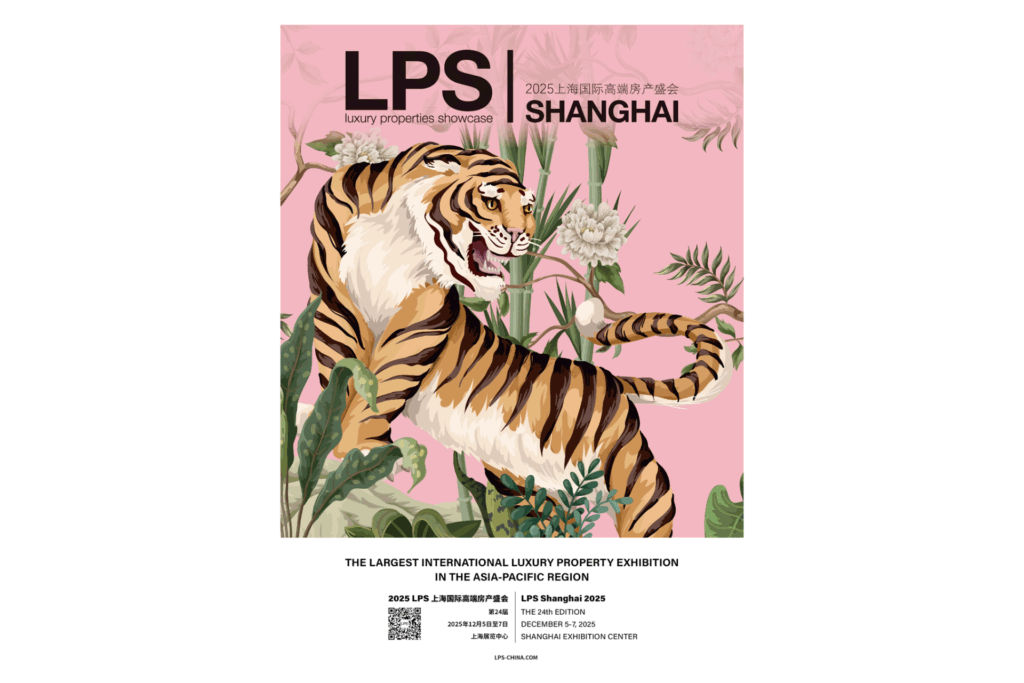
LPS Shanghai

LPS Shanghai, Asia-Pacific’s leading luxury real estate exhibition, features over 180 luxury real estate developers and companies from more than 50 countries that will showcase unique properties to Chinese luxury homebuyers at the historical downtown monument – Shanghai Exhibition Center. With support from FERRETTI GROUP, HANG SHENG BANK, and over 220 Official Partners, this global event offers the perfect platform for buyers to establish connections with leading property experts, facilitating seamless interactions and business opportunities.

Information: 5-7 December | Real Estate | Shanghai, China

Via: WLCC


Stay ahead of the curve; explore more stories, register for upcoming events, and join the conversation with WLCChttps://worldluxurychamber.com/insights-news/    

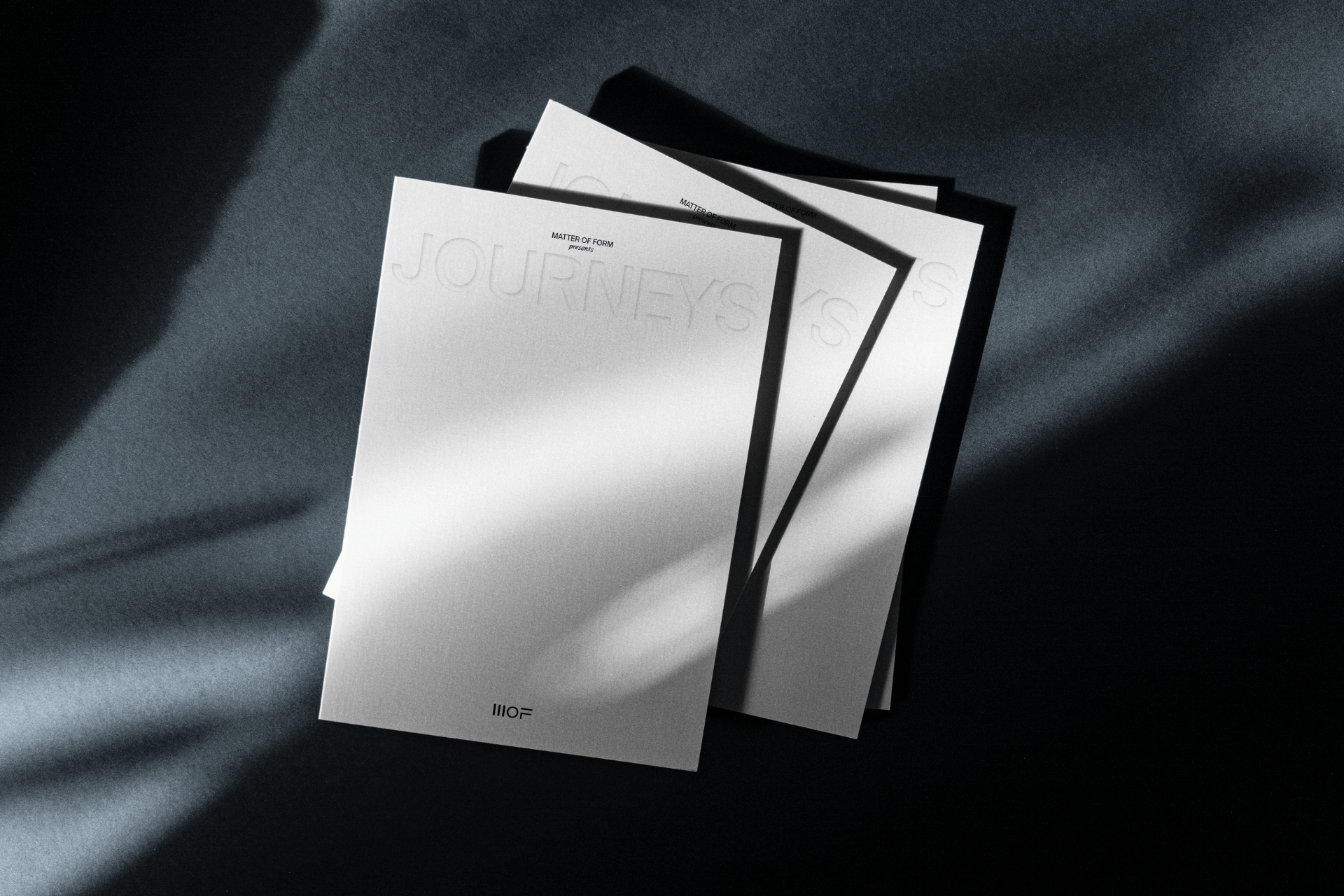
JOURNEYS: Rethinking How Luxury Brands Create Value Through Experience

Luxury has never been defined by price alone. It’s shaped in the mind – by story, memory, and the subtle choreography of interactions that determine how a brand makes someone feel. JOURNEYS, the latest paper from luxury consultancy Matter Of Form, explores this truth through insights drawn from conversations with over 30 leaders across hospitality, travel, and tourism, including Accor, Mandarin Oriental, Jumeirah, Soneva, Design Hotels, and Regent Seven Seas.

What emerges is a clear message: modern luxury isn’t a funnel, it’s a sequence. A tapestry of moments that build belief over time. When brands optimise every touchpoint purely for speed or conversion, they flatten and fracture their own value. When they design with intention, connecting spirit and experience, emotion and function, they create the conditions for loyalty that lasts.

From early signals in the journey to the role of ritual, sensory design, innovation loops, and the evolving expectations of the contemporary traveller, JOURNEYS offers a grounded, practical framework for brands ready to move beyond familiar tropes and towards richer, more resonant connection.

The luxury audience has changed. Their expectations have changed. Their definition of value has changed. JOURNEYS was written to encourage brands to rise and meet that shift.

Download your copy now: https://journeys.matterofform.com/

Something went wrong

Please try again later

Ok

    Ask About Member Deals

    Submit your request for media/press opportunities here, and we will provide you with all the details.


    Your form submitted successfully!

    We will be in touch soon with further details.

    Got it