Have a question? Call now! +16468108764

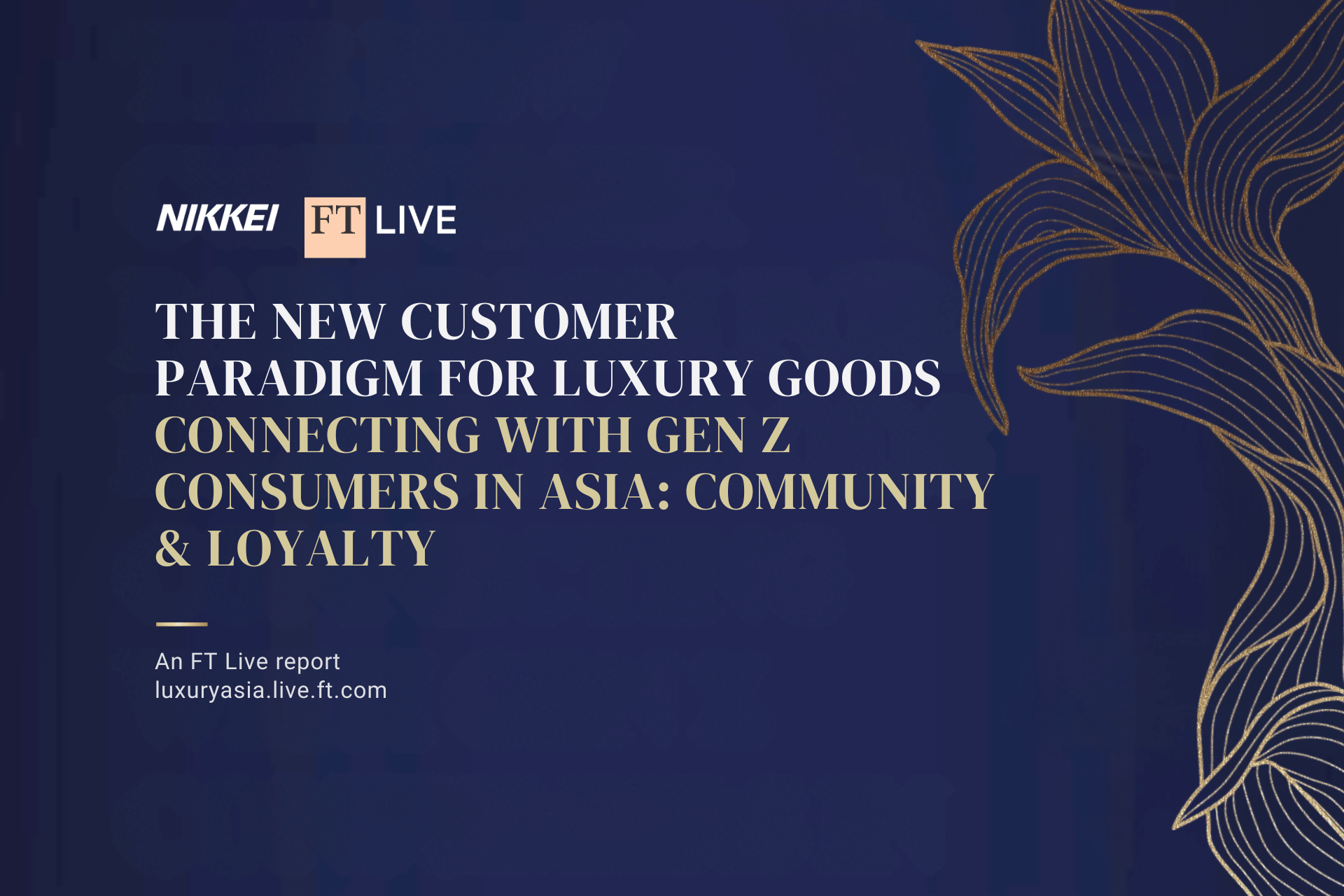
Tomorrow’s Luxury: Gen Z Expectations Across Asia by FT Live 

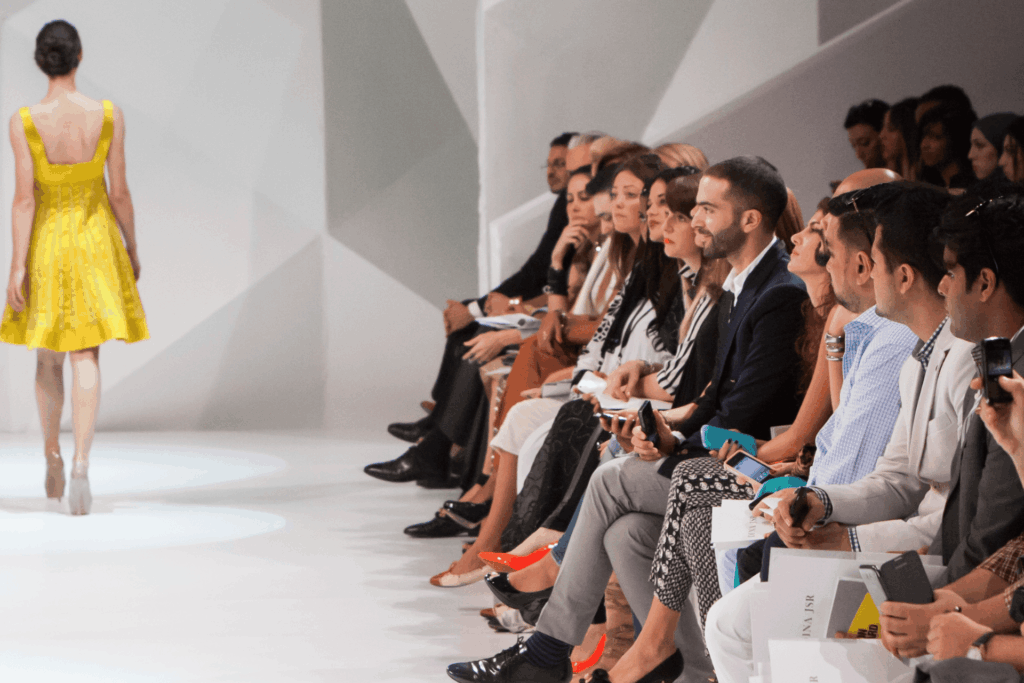
What happens when luxury is no longer about what you own, but how it makes you feel, share, and connect? That is the central question at the heart of The New Customer Paradigm for Luxury Goods, a report by FT Live that explores how Asian markets (particularly among Millennials and Gen Z) are reshaping the industry. 

The findings are clear: younger consumers in Asia are setting the pace for global luxury, demanding experiences that speak to their identity, loyalty programs that offer real value, and brand strategies that go far beyond traditional product launches. For insiders, this signals a decisive moment: adapting to these shifts is no longer optional but essential. 

Storytelling as Strategy, Not Decoration 

The report highlights that in China, customers respond more to innovation, digital presence, and cultural relevance than to discounts or promotions. Effective storytelling now means creating emotional touchpoints. 

This is supported by PwC’s research, which shows that Chinese shoppers are more influenced by social media, personalized digital content, and brand innovation than their global counterparts. The message for brands is simple: don’t just describe a product, explain how it fits into the consumer’s life and values. 

Loyalty Needs to Feel Like a Game, not a Chore 

Standard loyalty cards and points are losing impact. The report shows that 43% of Asian consumers believe traditional loyalty systems offer little value. Instead, programs that reward with exclusivity and interaction are gaining ground. 

Examples include Chanel’s digital “playing cards” for beauty purchases or Rolls-Royce’s “Whisper” loyalty program, which doubles as a private network for owners and grants access to rare cultural opportunities. These approaches highlight that loyalty must feel exciting, accessible, and rewarding. 

Experiences Are Outperforming Products 

According to the Bain-Altagamma study cited, the personal luxury goods market shrank by 2% in 2024, while experiential luxury grew. Pop-ups, immersive events, and lifestyle activities are capturing attention. 

Louis Vuitton’s beach boutique in Xiamen and Hermès’ interactive “Mystery at the Grooms” pop-up in Shanghai show how experiences create cultural impact while reinforcing product desirability. For Gen Z, sharing these moments on social platforms is as valuable as the purchase itself. 

Wellness Becomes a Luxury Lifestyle Marker 

The wellness industry in China is booming, forecasted to triple from $25.6 billion in 2022, and this figure is forecasted to grow much further by 2030. Younger consumers are investing in nutrition, gyms, social sports, and mental health, and luxury brands are entering this space. 

Gucci’s collaboration with Oura on a health-tracking ring demonstrates how well-being is merging with fashion. Meanwhile, metaphysical practices such as tarot or crystals are gaining traction among Gen Z with accessories. Wellness is no longer niche; it’s mainstream, and it’s an area that luxury cannot ignore. 

Identity and Sustainability Are Non-Negotiable 

The report underscores that luxury is now closely linked to values. Sustainability resonates strongly: 85% of mainland Chinese luxury customers say it matters, and nearly half are willing to pay more for environmentally responsible products. Eco-tourism and low-carbon travel are also on the rise, with 84% of respondents in PwC’s survey believing brands should take responsibility for reducing their environmental footprint. 

Secondhand luxury, once stigmatized in China, is now thriving: 59% of mainland Chinese luxury consumers bought pre-owned items in 2024, mainly to express individuality. Auction houses and resale collaborations are helping brands enter this space without eroding exclusivity. 

Main Conclusions

The report signals a decisive transformation in Asia’s luxury sector. Products alone no longer guarantee loyalty. Consumers, especially Gen Z, expect brands to deliver stories that resonate, experiences worth sharing, and values that align with their own. 

The momentum is shifting toward engagement, wellbeing, sustainability, and identity. For brands, this means rethinking strategy: exclusivity should be earned through interaction, experiences must be designed for both impact and shareability, and sustainability cannot remain an afterthought. What truly matters is how consumers connect with a brand, live with it, and see their own values reflected in it. 

To view the full report, visit:  https://luxuryasia.live.ft.com/home  

Stay up to date on the latest luxury industry news: https://worldluxurychamber.com/insights-news/

Inside NCG Experience: An Exclusive Interview with CEO Antonella D’Angelo

Recognized by Luxury Lifestyle Awards as Best Luxury Travel Concierge in the CaribbeanNCG Experience has redefined the landscape of bespoke travel services through its attention to detail, global reach, and intuitive understanding of client desires. In this exclusive conversation, Alexander Chetchikov, President of the World Luxury Chamber of Commerce, sits down with CEO Antonella D’Angelo to discuss the company’s philosophy, the evolution of high-end concierge travel, and what true luxury means in a fast-changing world.

Alexander Chetchikov: Congratulations on NCG Experience’s recognition as Best Luxury Travel Concierge in the Caribbean. What does this award mean to you and your team, and how does it reflect your vision of luxury in today’s rapidly evolving global travel landscape?

Antonella D’Angelo: This award is deeply meaningful to both me and my team. Personally, it represents years of dedication to a craft I’m truly passionate about, creating extraordinary experiences that go beyond expectations. Every journey we design carries a piece of our heart, and to be recognized for that work is incredibly humbling.

This award is a reflection of their exceptional commitment and attention to detail. We answer calls at all hours, we remember a guest’s preferences from visits ago, we turn challenges into seamless solutions. This recognition belongs to my team as much as it does to me—it’s a testament to the culture of excellence we’ve built together.

But more than anything, this award reminds us why we do what we do. Behind every itinerary is a celebration, a milestone, a dream someone trusted us to bring to life. Knowing that our work has created lasting memories for our clients, and that this has been recognized at such a prestigious level, inspires us to keep raising the bar. It’s not just an achievement—it’s a responsibility to continue delivering the level of service that earned us this honor.

AC: The modern client expects personalization and authenticity. How does NCG Experience ensure each experience feels uniquely tailored to individual preferences?

AD: Luxury travel today is defined by time, authenticity, and access. Modern luxury travelers value their time and authentic experiences like private access to archaeological sites after hours, dining in a chef’s home rather than their restaurant, or meaningful interactions with local artisans. It’s about penetrating beyond the tourist veneer.

True luxury now means ‘fully bespoke services’ that adapt to your preferences before you articulate them. Our team remember you despise feather pillows, itineraries that flex around your energy levels, experiences curated to your specific interests rather than a generic “luxury” template. Perhaps the ultimate modern luxury is freedom from crowds and schedules. Private islands, exclusive-use villas, or simply the ability to linger without rushing. Luxury is increasingly measured in tranquility and autonomy rather than thread counts.

NCG travelers often seek meaning alongside comfort. They want their travel to contribute positively — whether through conservation efforts, supporting local economies directly, or cultural preservation. Luxury with a clear conscience. Wellness as truly restorative experiences. Whether that’s a silent retreat, adventure that pushes boundaries, or simply digital detox in spectacular surroundings.

AC: You operate in some of the world’s most exclusive destinations. How does your team maintain a consistent level of excellence across regions like the Caribbean and the Mediterranean?

AD: NCG understands its clients beyond basic preferences. This means going deeper than “beach or mountains” to uncover traveling style, pace preferences, cultural curiosities, dietary nuances, even how they like to start their mornings. We build exclusive relationships and cultivate deep connections with local fixers, cultural insiders, and communities who can open doors that don’t appear in any catalog. NCG is flexible in the DNA. True personalization requires the infrastructure to pivot. This means relationships that allow last-minute changes, team members empowered to make decisions in real-time, and itineraries designed with intentional breathing room. We remember everything, so we build detailed client profiles that evolve across trips, ensuring preferences discovered on one journey inform the next.

AC: The luxury sector often reflects broader lifestyle trends. What new directions or demands are you noticing among your clientele in 2025?

AD: Well, this requires a sophisticated operational framework. NCG successful model combines deep local knowledge with non-negotiable quality benchmarks. We hire and partner with people who are native to or deeply embedded in each region, while maintaining centralized training on brand philosophy, communication protocols, and service expectations. Rather than trying to control everything directly, we build a curated ecosystem of trusted partners in each destination. Lots of site inspections and ongoing performance reviews. The key is having multiple vetted options so you’re never held hostage by a single supplier. We are always looking for people who can physically oversee logistics, troubleshoot in real-time, and verify that the villa actually matches the photos.

We keep records on client preferences, vendor performance data and fast problem solving. When a client mentions a shellfish allergy in the Caribbean, that needs to be flagged automatically for their Mediterranean trip!

Quality control never missed — Post trip debriefs with both clients and on-ground teams. Cultural intelligence — we understand that consistent service quality doesn’t mean identical execution—it means equally exceptional experiences delivered through culturally appropriate methods.

AC: As CEO, what are some of the biggest challenges you face in maintaining the highest standards in luxury travel concierge services?

AD: Certainly, a multi-week vacation immersing into cultural residencies where our clients learn traditional crafts from master artisans and access that cannot be bought (private tours of closed archaeological sites, for example).

Our UHNW clientele are gravitating toward pieces with provenance, craft, and story rather than logo-driven status symbols. This manifests as bespoke commissions from emerging artisans, restored vintage pieces, or investments in preserving traditional craftsmanship.

There’s an intense focus on health span rather than just wealth span. This goes far beyond standard concierge medicine into experimental longevity protocols, personalized supplement regimens based on continuous biomarker monitoring, and creating environments optimized for wellbeing (circadian lighting systems, air quality management, biophilic design).

Multigenerational families are creating sophisticated structures for passing down values, opportunities, and networks. This includes curated education experiences, mentorship networks, and documented family histories that go beyond financial planning. Also, now it’s about funding breakthrough carbon capture technology, rewilding estates, or ensuring supply chains actually restore ecosystems.

AC: How has the digital era, from social media to instant booking platforms, influenced the way NCG Experience connects with clients and partners?

AD: The challenge isn’t just meeting expectations but anticipating desires clients haven’t yet articulated themselves. Our team is genuinely curious cultural observers, not just skilled logistics coordinators. Our clientele expect total privacy, yet delivering extraordinary experiences often requires bringing multiple third parties into the loop – local fixers, security details, specialized guides. Each additional person is a potential vulnerability. Managing information flow while still executing flawlessly is a constant tightrope walk. Also, they want “authentic” experiences, but their presence often changes the very nature of what they’re experiencing NCG key differentiation has become the depth of relationships. The ability to secure room upgrades, restaurant reservations at fully booked venues, or behind-the-scenes experiences that can’t be purchased online.

AC: Looking ahead, where do you envision NCG Experience in the next five years? Are there new markets or experiences you’re excited to explore?

AD:  I see several compelling directions for NCG Experience. We will expand in emerging and underexplored markets. Secondary cities in Europe like Lyon over Paris, and regional Italy beyond the usual suspects. Ultra-wealthy travelers are seeking authentic experiences away from overtourism. We should consider Saudi Arabia that is investing billions in luxury tourism development, from NEOM to AlUla.
However – we want to stay focused on the Caribbean where a big piece of our heart is. Expanding here and focusing on existing and new island developments to make even more ultra-luxury experiences. We will expand our offer in wellness retreats focused on longevity and biohacking.
Developing estates, properties and experiences that actively improve destinations rather than just minimizing impact.

Thank you, Antonella, for sharing your insights and giving us an inside look into the artistry behind luxury concierge travel. 

To explore more about NCG Experience and its bespoke services, visit https://ncgvilla.com/.

Exclusive Interview with Adrian Kołodziej: The Rise of Poland’s Luxury Identity

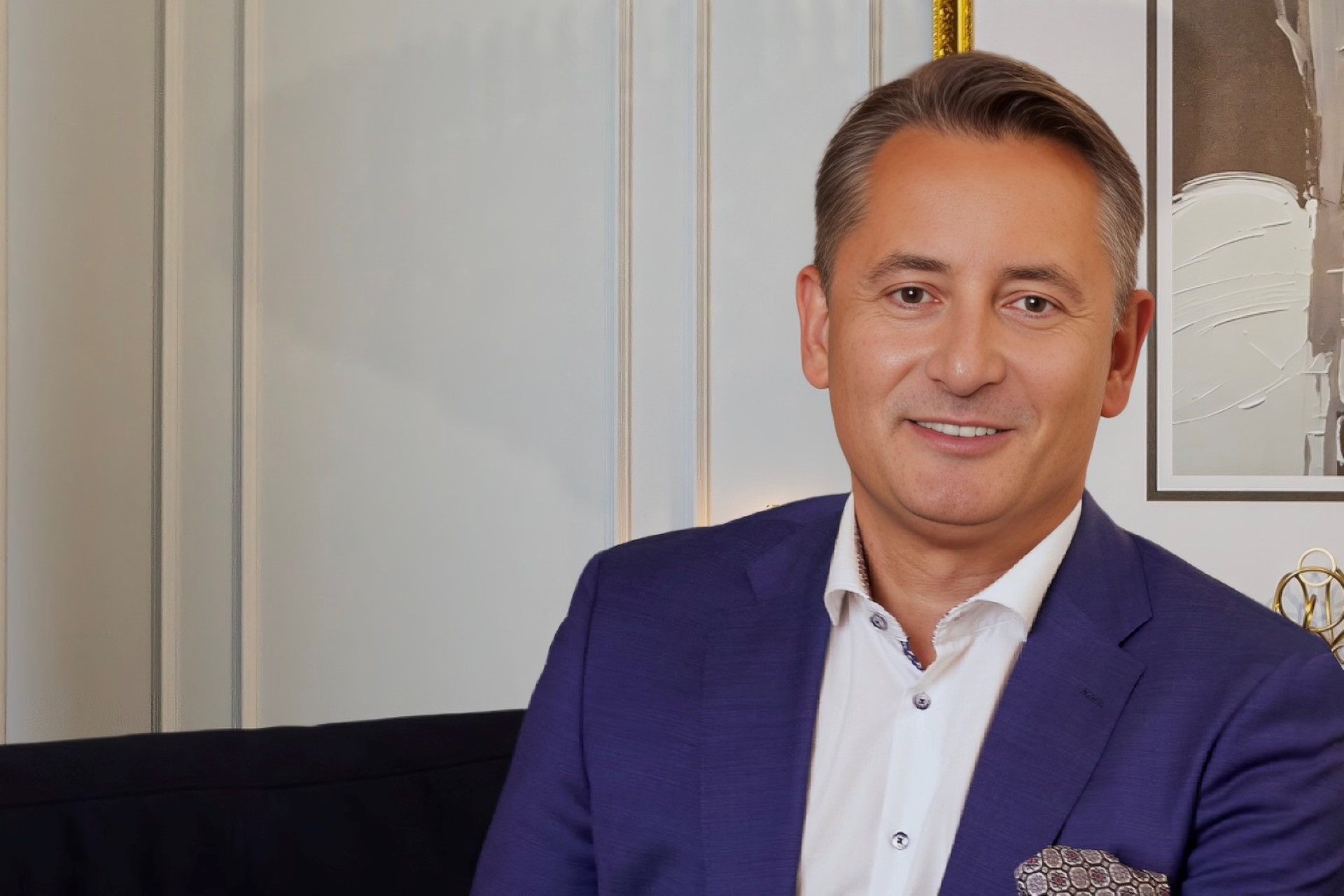
In this exclusive conversation, Alexander Chetchikov, president of World Luxury Chamber of Commerce, sits down with Adrian Kołodziej (AK) — CEO of Luxury Media, publisher of Luxury Boutique magazine, and Managing Director of Vilea Property Boutique, a leading real estate agency specializing in Poland’s premium and luxury sector. With more than two decades of experience bridging refined design, lifestyle, and real estate, Adrian Kołodziej has become one of the key voices shaping Poland’s luxury narrative; a market rapidly emerging as a vibrant European destination for global brands, investors, and connoisseurs of excellence.

Alexander Chetchikov: Adrian, the name Luxury Boutique is becoming increasingly recognised internationally. Before we discuss the Polish market, could you share how your journey began and what motivated you to connect publishing and luxury real estate?

Adrian Kołodziej: My career has always been rooted in a fascination with beauty, architecture, and the way people express their ambitions through the spaces they inhabit. I began in real estate more than twenty years ago, focusing on premium homes in Warsaw at a time when the concept of “luxury property” barely existed here. What I discovered was that true luxury is never just about price or materials — it’s about identity, heritage, and experience. That understanding naturally evolved into publishing. I wanted Luxury Boutique to tell stories about craftsmanship, design, and lifestyle in a way that resonates with the new generation of affluent readers — people who travel, collect art, appreciate gastronomy, and who see Poland as part of a global cultural dialogue. The magazine became a bridge between business and beauty, between investment and inspiration.

AC: The global luxury industry has changed dramatically in the last decade. How has Poland positioned itself within this new landscape?

AK: The transformation has been extraordinary. A decade ago, Poland was rarely mentioned in discussions about the global luxury economy. Today, it’s a market that attracts both international investors and luxury brands seeking an audience that is sophisticated, aspirational, and increasingly well-educated about global trends. Warsaw has become the centre of that evolution — a city where fine dining, design studios, boutique fashion houses, and premium developers coexist with a confident cultural identity. We’ve seen remarkable growth in areas such as high-end hospitality, private clubs, art collecting, and, of course, real estate. The pandemic years accelerated a shift toward quality over quantity. Polish clients — many of whom are entrepreneurs or second-generation business owners — began to value privacy, craftsmanship, and longevity. Instead of chasing international labels, they started commissioning bespoke interiors, buying art, or investing in properties that reflect their personal philosophy.

AC: From your vantage point, what makes the Polish luxury market unique compared to its Western European counterparts?

AK: What sets Poland apart is its balance between tradition and new wealth. Western Europe has centuries-old luxury institutions; Poland, by contrast, is still in a creative phase — establishing its codes of refinement. That brings energy and authenticity. Our clients are curious; they want to learn, explore, and be part of something meaningful. There is less pretension and more discovery. Moreover, luxury in Poland is not purely about consumption; it’s often linked to self-realisation. Many of our clients made their fortunes within one generation, so for them, luxury is not inherited — it’s achieved. That makes it deeply personal. You see it in architecture, in fashion, in how people entertain at home. It’s a market defined by individuality rather than imitation.

AC: Real estate remains one of the strongest pillars of that transformation. How would you describe the evolution of Poland’s luxury property sector in recent years?

AK: The evolution has been profound. Ten or fifteen years ago, luxury property in Warsaw meant a good location and imported finishes. Today, it’s a complete lifestyle ecosystem. Developments in districts like Wilanów or Żoliborz combine architecture from top design studios with green surroundings, wellness spaces, and concierge services. The demand is not only domestic — we’re seeing growing interest from buyers in Western Europe, the Middle East and North America who recognise the value Poland offers: safety, stability, culture and excellent returns compared to traditional European capitals. In the ultra-prime segment, we observe continued resilience. The most prestigious residences — those with exceptional design, privacy, and architectural integrity — not only retain but increase their value. Poland is no longer an emerging market in luxury real estate; it’s a maturing one, comparable in ambition to Lisbon, Vienna, or Prague.

AC: You mentioned culture, and it’s clear that Luxury Boutique highlights this intersection between art, design, and business. How important is cultural sophistication to the growth of the luxury sector in Poland?

AK: It’s absolutely fundamental. Luxury without culture becomes empty very quickly. What’s happening now in Poland is a re-awakening of cultural confidence. After decades of focusing on economic growth, we’re rediscovering the power of aesthetics, heritage, and intellectual curiosity. There’s a new generation of collectors supporting Polish artists, architects blending modern design with historic contexts, and luxury brands partnering with local creatives to express authenticity. Luxury Boutique plays an active role in that ecosystem. We don’t just feature global brands — we showcase Polish excellence too: tailors, jewelers, watchmakers, interior designers. Many of them could easily compete on the international stage. The magazine aims to tell their stories in the same breath as we discuss Cartier or Bentley, because true luxury today is about meaningful coexistence, not hierarchy.

AC: The international investor is often interested in both financial and emotional returns. How would you characterise Poland’s attractiveness from an investment perspective within the broader luxury economy?

AK: Poland offers a compelling combination: economic stability, creative energy, and a growing luxury audience. For investors, this means opportunity across several sectors — not only real estate, but hospitality, fashion retail, art, and high-end services. Warsaw and Kraków are experiencing a renaissance of boutique hotels and private members’ spaces, while regions like Mazury and the Polish mountains are becoming destinations for luxury leisure projects. There’s also a psychological factor. Poland represents authenticity — a European market that still feels genuine, unspoiled, and full of potential. In a world saturated with global sameness, that’s very attractive. Investors who enter now are part of building a story, not just buying into an existing one.

AC: Sustainability, technology, and wellness are global forces reshaping the definition of luxury. How do they influence Polish clients and brands today?

AK: Profoundly. Sustainability is no longer a marketing term — it’s an expectation. Developers are integrating green roofs, energy-efficient systems, and materials with traceable origins. In fashion, we see smaller ateliers prioritising local production and timeless design. Even in publishing, we print on certified paper and highlight responsible consumption. Technology, meanwhile, has elevated service standards. Smart homes, virtual property tours, and AI-driven concierge — all these tools enhance convenience without replacing the human touch. And wellness has become the new expression of status. Clients are investing in homes with spa zones, private gyms, and gardens designed for mindfulness. The modern Polish luxury consumer values time, privacy, and balance more than ostentation.

AC: If you look ahead five years, what do you envision for Poland’s luxury landscape — and where will Luxury Boutique fit within that vision?

AK: I believe Poland will become one of the most interesting luxury markets in Europe and beyond. We will see stronger integration between international brands and local creative talent, more investment in design-driven architecture, and a growing appetite for experiences over possessions. As for Luxury Boutique, our role is to remain a curator of that transformation. We will continue to connect global perspectives with local authenticity, expand our English-language presence, and build partnerships with international institutions such as WLCC to position Poland within the world’s luxury narrative. My dream is for Poland to be perceived not only as a place to invest, but as a destination to experience refinement, creativity, and purpose.

AC: A final question – in one sentence, what would you say defines the essence of Polish luxury today?

AK: Polish luxury is the meeting point of ambition and authenticity — a modern confidence that draws from heritage, celebrates individuality, and believes that true sophistication is about how you live, not just what you own. Thank you, Adrian, for sharing your vision and insights into Poland’s evolving luxury landscape, a story of authenticity, creativity, and modern confidence.

For more information, visit www.luxuryboutiquemagazine.pl and www.vilea.pl.

Want to read more exclusives? Check out our news and insights: https://worldluxurychamber.com/insights-news/ & sign up for our newsletter here: https://worldluxurychamber.com/wlcc-community/

Self-Hospitality Is the New Luxury: An Exclusive Interview with Liz Batsche, Founder of Well Hosted

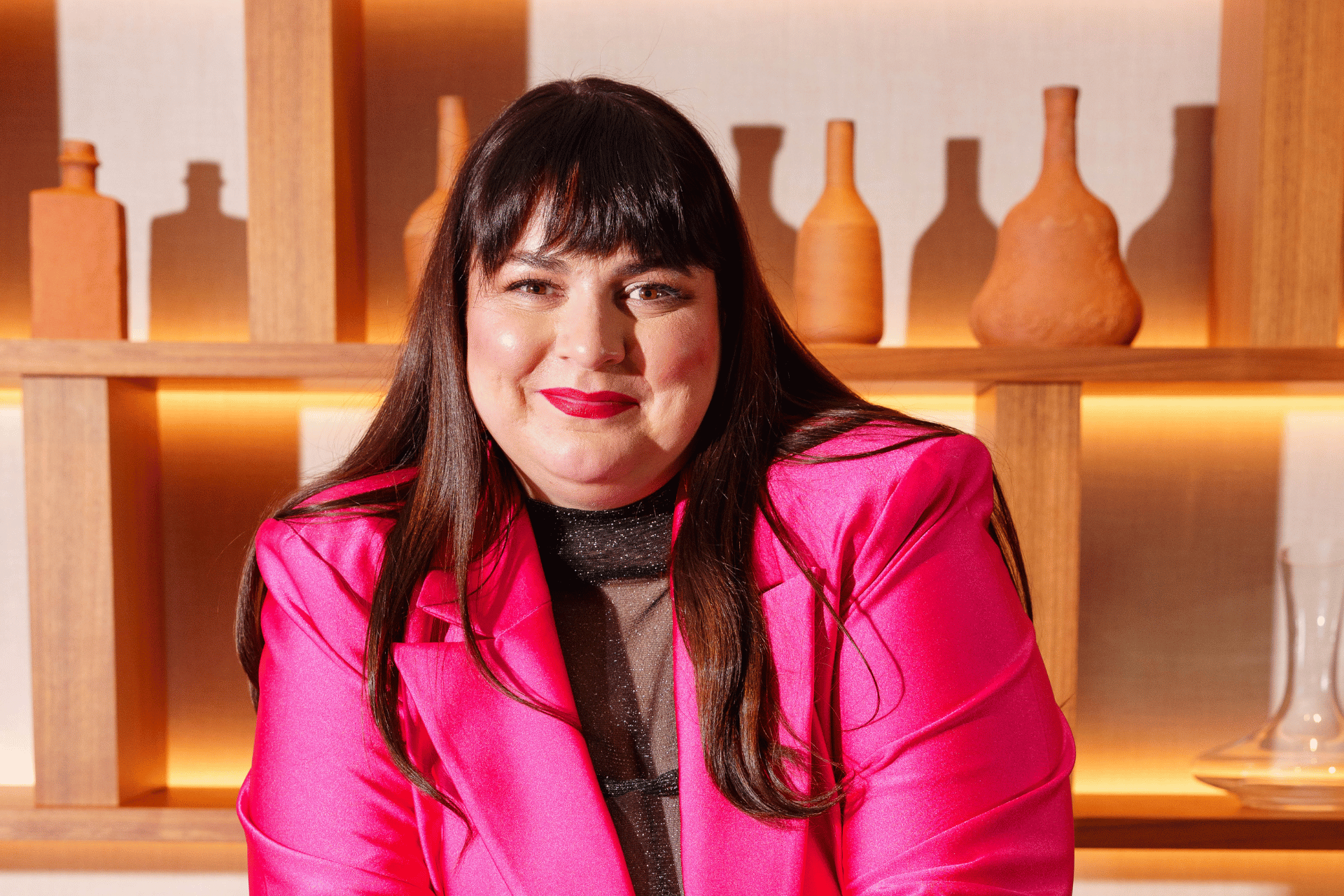
In an exclusive interview led by Alexander Chetchikov, President of the World Luxury Chamber of Commerce, Liz Batsche, founder of Well Hosted, shares her transformative vision of modern luxury. A former investment banker and luxury brand marketer, Batsche has spent years merging the worlds of self-development and hospitality, guiding individuals and brands toward cultivating presence, connection, and care. Through her proprietary Well Hosted Mindset, she reveals how the most profound luxury begins not in lavish surroundings, but from within.

Alexander Chetchikov: You often say that “great hosting starts within.” What does that mean, and how does it redefine leadership in today’s luxury landscape?

Liz Batsche: Luxury used to mean more. Now it means meaning. Great hosting starts within because presence, generosity, and grace can’t be faked: they have to be felt. When leaders learn to host themselves first – to regulate, to notice, to replenish — they naturally lead with more empathy, creativity, and composure. That’s the new luxury: emotional fluency in a world addicted to performance.

AC: You’ve led Hospitality & Etiquette workshops for leading luxury maisons. What have these experiences revealed about how modern luxury service and the people behind it are evolving?

LB: Modern luxury is moving from service to sincerity. Associates aren’t just trained to serve; they’re empowered to connect. The next generation of luxury professionals want to bring their humanity to the job; this includes their intuition, personality, and warmth. As artificial intelligence and automation become more prevalent, the ability to make someone feel truly recognized is the new differentiator. Etiquette and hospitality become tools not for perfection, but for presence: a way to make every client feel seen, not sized up.

AC: Your Well Hosted Journey and H.O.S.T. framework (Human-Centered Observation with Signature Style & Taste) feel both timeless and modern. How can brands and teams bring these principles to life in their daily guest experiences?

LB: To H.O.S.T. is to shift from transaction to transformation with ourselves and others.

  • Human-Centered: The art of presence, for yourself and others.
  • Observation: The luxury of noticing: that’s where true personalization lives.
  • Signature Style: Your defining details: these are your differentiators.
  • Taste: Refinement in action: it’s how we express respect.

When teams practice those behaviors consistently, both associate and guest experiences (what I like to call The Well Hosted Journey) are elevated from mundane to magnificent.

AC: Etiquette is often perceived as rigid or outdated. How do you reframe it as a contemporary expression of empathy and excellence rather than rules and restrictions?

LB: Etiquette isn’t about hierarchy; it’s about harmony. It’s not “follow the rulebook,” it’s “read the room.” True etiquette is emotional intelligence in motion; I like to call it the “other EQ”. It’s how we create ease for others so we can enjoy shared moments.. When practiced with warmth and awareness, etiquette becomes one of the most modern expressions of respect there is, not only for others, but for ourselves!

AC: You love the term “self-hospitality,” the idea of caring for yourself the way you’d care for a valued guest. How does that mindset transform the way leaders and teams show up for others?

LB: You can’t pour from an empty well, though luxury service often expects it. Self-hospitality is the quiet revolution: the art of filling your own well first. When you tend to yourself with the same care you offer others, you lead from overflow, not depletion. As the airline safety announcement reminds us, “Put on your oxygen mask first.” That simple act of self-priority turns service into soul work, and hospitality into something sacred for all parties involved.

AC: Finally, what do you believe defines luxury hospitality in 2025, and how can we all live a little more Well Hosted in our own lives?

LB: Luxury Hospitality in 2025 is defined not by perfection, but by presence. The most magnetic brands and people feel authentic, aware, and deeply human. We need a touch of friction!  Without it, life becomes flat. To live Well Hosted is to extend care inward. As 2026 begins, hospitality remains a foundational luxury: our proof that human connection will always outshine computer code.

Thank you, Liz! Batsche leaves a clear message: luxury is not defined by extravagance but by emotional presence, authenticity, and connection. By embracing self-hospitality, leaders and brands alike can elevate not just their service, but the humanity at its heart. In the words of Batsche, “To live Well Hosted is to extend care inward, creating a ripple that enriches every interaction.”

Follow her journey: https://www.linkedin.com/in/liz-batsche/

Want to read more exclusives? Check out our news and insights: https://worldluxurychamber.com/insights-news/ & sign up for our newsletter here: https://worldluxurychamber.com/wlcc-community/

The WLCC Weekly Edit: Cape Town’s Culinary Scene, Don Julio Pop Up, Gulf Luxury Market & More

Welcome to The Weekly Edit, your curated digest of the latest in the world of luxury. Each week, WLCC brings you a handpicked selection of industry news, insights, and stories influencing the future of high-end fashion, design, travel, real estate, and beyond. Consider this your insider’s guide to the latest in luxury.     

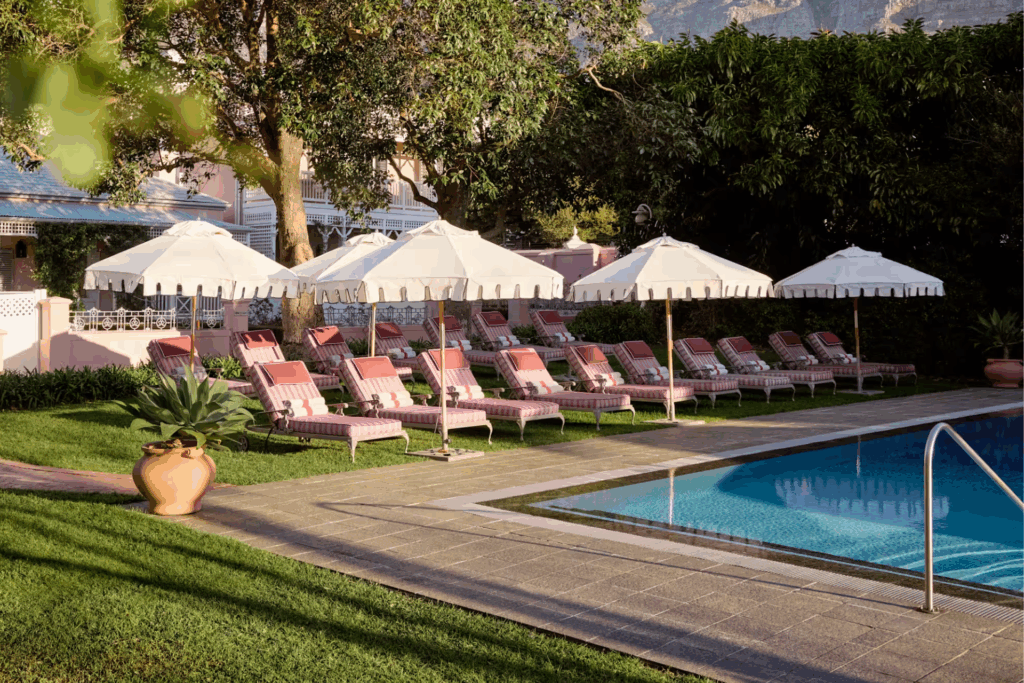
Above: Image from Belmond Mount Nelson 

Mount Nelson Celebrates Cape Town’s Fashion and Culinary Scene in 2025 

Cape Town’s Mount Nelson, A Belmond Hotel, is boosting culture, design, and gastronomy in 2025 with a series of landmark projects. South African designer Thebe Magugu introduces the THEBE MAGUGU SUITE and MAGUGU HOUSE, a concept space celebrating local creativity and storytelling. Culinary innovation comes to the fore with AMURA by three-Michelin-star Chef Ángel León, an immersive dining experience inspired by the Cape coastline and Andalusian heritage. The hotel also hosts the fourth edition of CONFECTIONS x COLLECTIONS from 6–8 November, highlighting Pan-African fashion and embedding Magugu’s Spring/Summer 2026 collection into a permanent space within the property. 

Via: Belmond Media Hub, Belmond Mount Nelson 

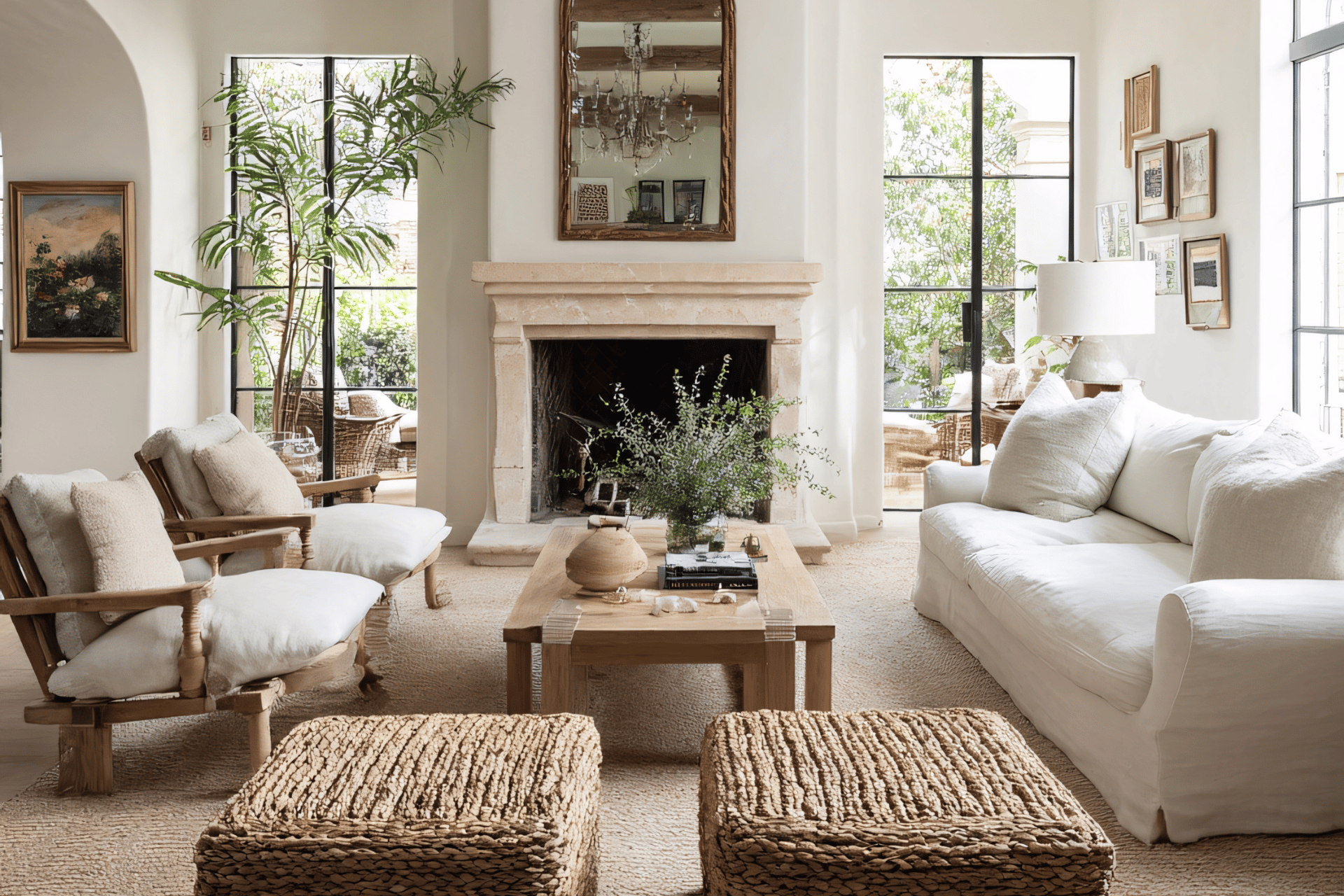
Above: Image from Diageo 

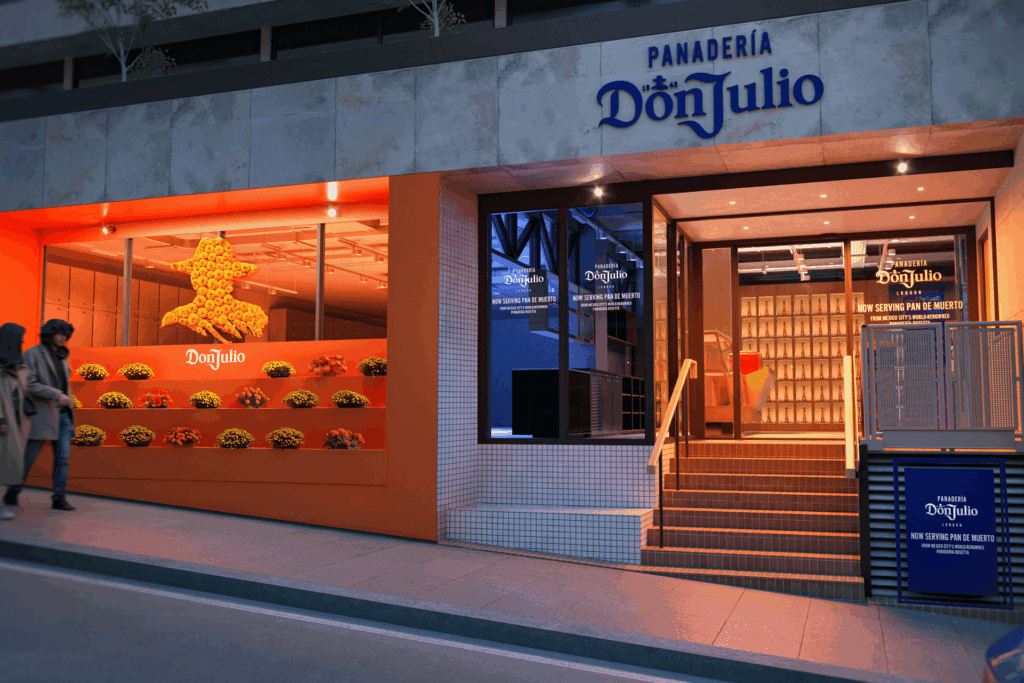
Don Julio x Panadería Rosetta: Bringing “Día de Muertos” Traditions to Life 

“Día de Muertos” comes alive around the world with Don Julio’s Panadería Don Julio pop-up experience, created in collaboration with Mexico’s Panadería Rosetta and Chef Elena Reygadas. Launching in over twelve cities, including Bogotá, London, Los Angeles, Delhi, and Johannesburg, the pop-ups celebrate the traditional pan de muerto while incorporating tequila bar elements. Guests can enjoy Handshake Speakeasy cocktails, candlelit Ofrendas, marigolds, and festive rituals, connecting communities through remembrance and celebration. By combining culinary artistry and cultural storytelling, Panadería Don Julio offers an immersive experience that honors Mexican heritage while sharing Don Julio tequila, crafted from 100% Blue Weber Agave, with audiences worldwide. 

Via: Diageo 

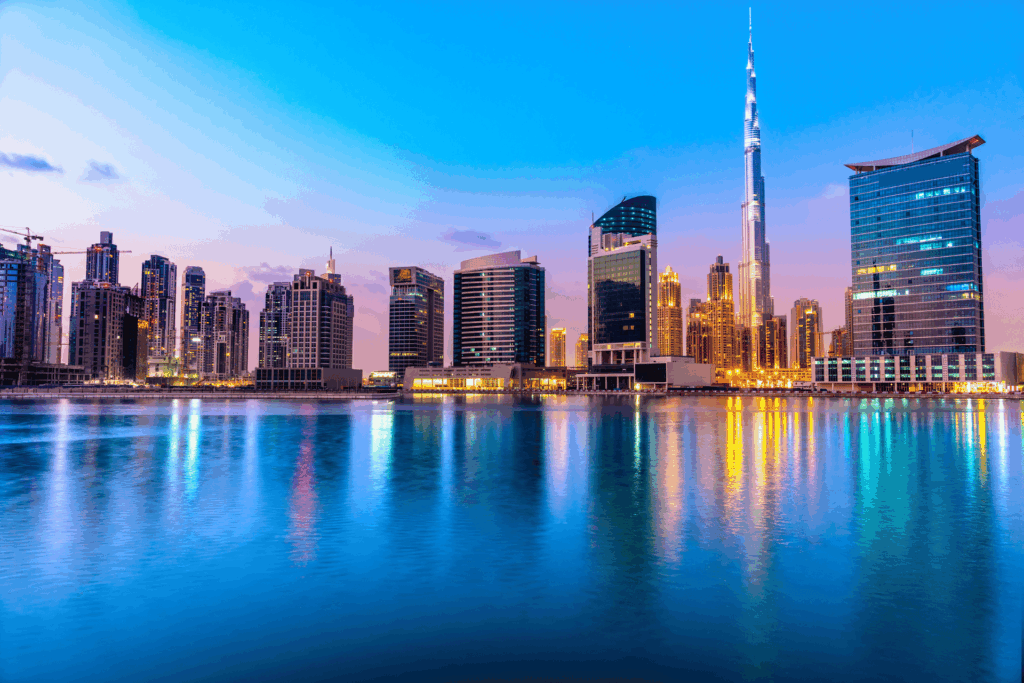
High-Net-Worth Buyers Seek Exclusivity as Gulf Luxury Market Expands 

The Gulf is emerging as a key hub shifting toward experiences, identity, and exclusivity. Cities like Dubai and Riyadh are attracting thousands of high-net-worth individuals, thanks to their strong infrastructure, lifestyle, and governance. DarGlobal has invested heavily in co-branded real estate developments, including Trump Tower Jeddah and Neptune villas in Riyadh, targeting affluent buyers from around the world. These projects integrate residential, retail, cultural, and entertainment elements, positioning luxury communities as economic and cultural anchors within their cities. With the region’s luxury market growing rapidly, the Gulf is becoming a central destination for high-end goods and experiences. 

Via: Fortune & Fortune LinkedIn 

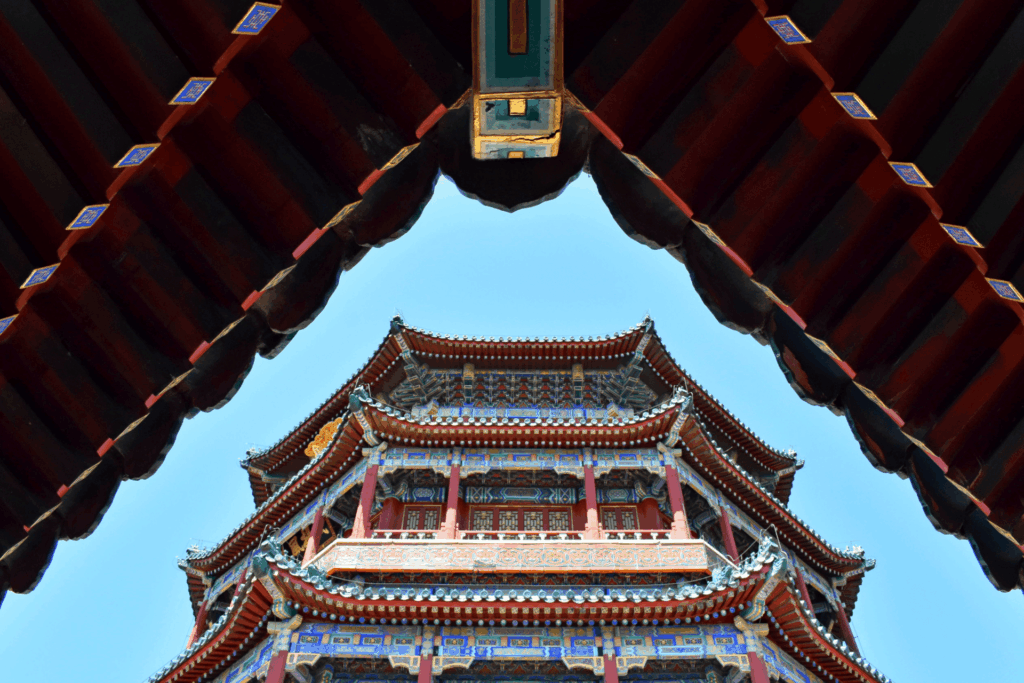
The Chinese Luxury Market: Signs Of Revival & Brands Engagement 

As China’s luxury market shows early signs of recovery, brands are focusing on high-income consumers with tailored experiences. LVMH, Hermès, and others are hosting intimate dinners, exclusive events, and VIP store areas to strengthen engagement rather than expand rapidly. Nanjing Deji Plaza, featuring Louis Vuitton, Chanel, Dior, and Hermès, has become a key location for these initiatives, becoming China’s top-performing mall in 2024 with sales of 24.5 billion yuan ($3.4 billion). Analysts report China’s share of global luxury purchases has dropped to 22% from a pandemic-era peak of 33%, highlighting cautious optimism for the sector. 

Via: Reuters 

Prada Group Posts 9% Revenue Growth, Miu Miu Drives Momentum 

Prada Group reported strong growth for the first nine months of 2025, fueled by the continued momentum of Miu Miu, which outpaced its namesake brand. While Prada saw a slight decline, Miu Miu’s performance helped lift the group overall. Retail sales improved across all regions, led by Asia Pacific, Europe, and the Americas. These results come ahead of Prada’s €1.25 billion acquisition of Versace, which is expected to broaden the group’s portfolio and attract new customers. Despite positive trends, the luxury sector remains sensitive to China’s market recovery, global economic uncertainty, and evolving trade dynamics. 

Via: BOF 

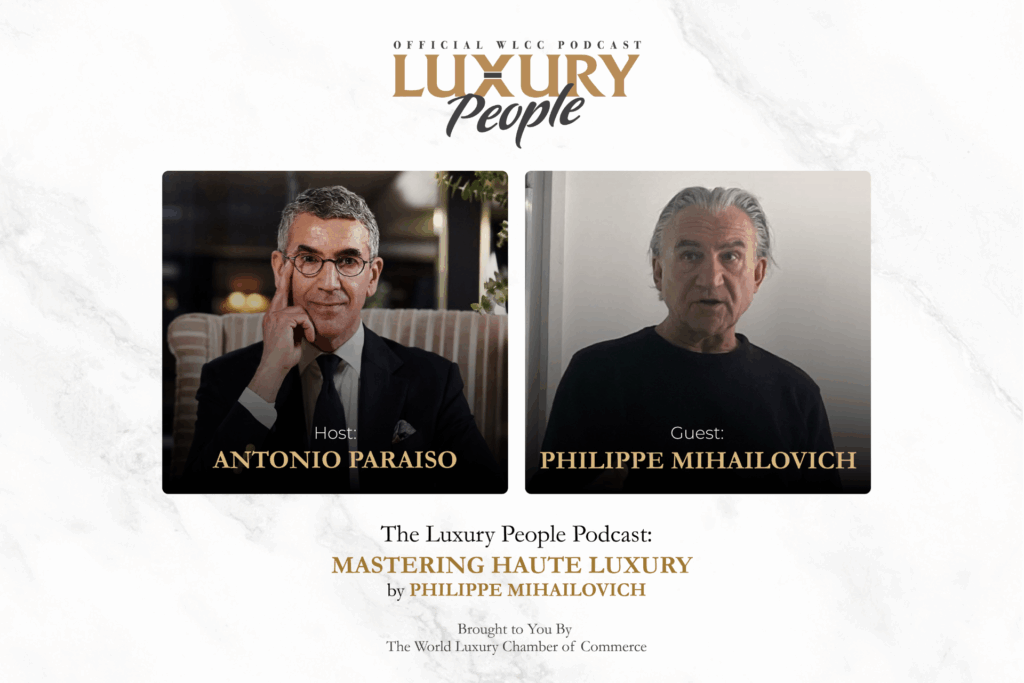
Soon To Launch: Luxury People Podcast | EPISODE 3

The next episode of the Luxury People Podcast, hosted by Antonio Paraiso, features Philippe Mihailovich, founder of HAUTeLUXE, lead author of Haute Luxury Branding, and WLCC Honorary Board Member. Discover his expert insights on what elevates brands into the rarefied world of haute luxury, ethical sourcing with exclusivity, and the evolving challenges luxury leaders face.

You do not want to miss this-mark your calendar for 11 November to stay curious and inspired!

Via: WLCC 

Stay ahead of the curve; explore more stories, register for upcoming events, and join the conversation with WLCC: https://worldluxurychamber.com/insights-news/      

Something went wrong

Please try again later

Ok

    Ask About Member Deals

    Submit your request for media/press opportunities here, and we will provide you with all the details.


    Your form submitted successfully!

    We will be in touch soon with further details.

    Got it