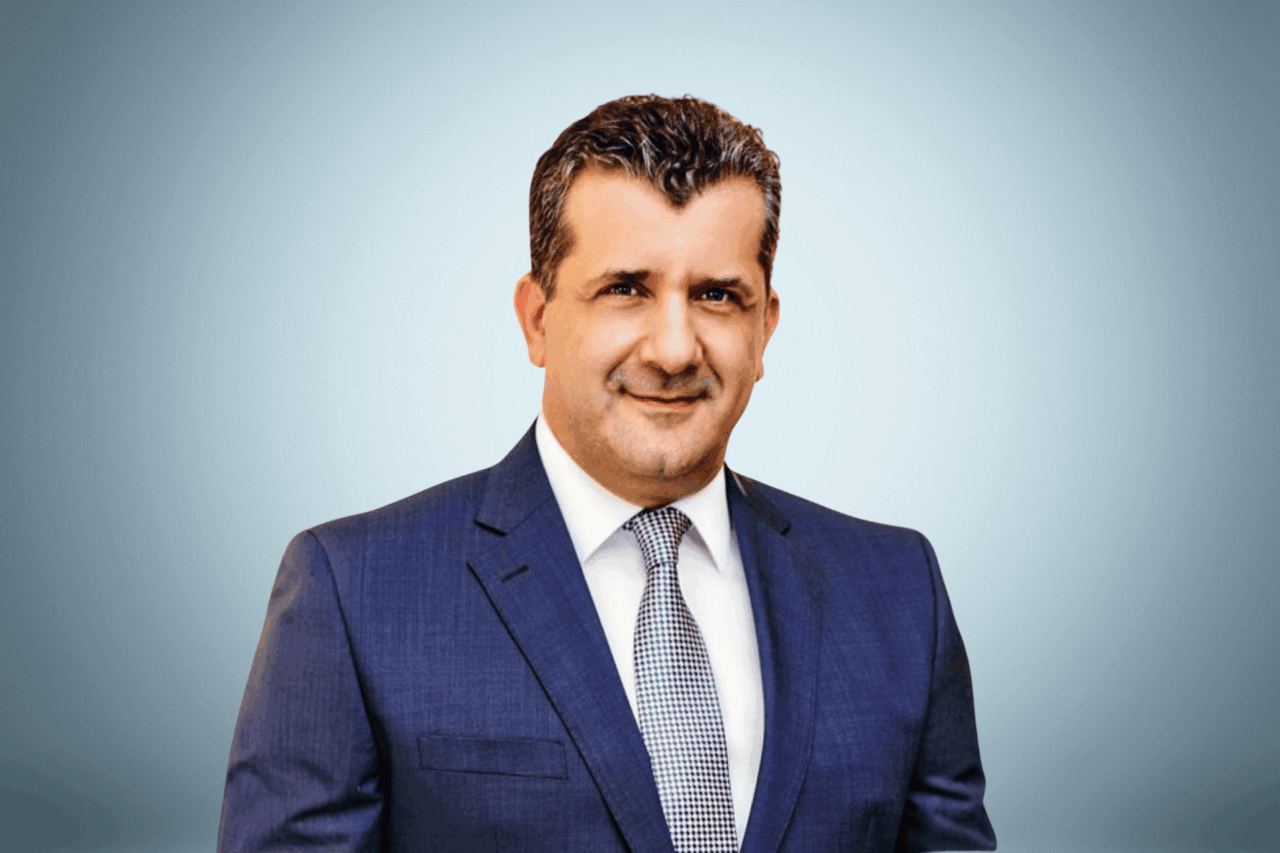
With more than 30 years of experience in hotel operations, Adel Aramouni leads Hotel Indigo Singapore Katong with a strong focus on performance, guest experience, and operational discipline. The hotel itself reflects a blend of luxury lifestyle hospitality and local cultural identity, rooted in the Katong-Joo Chiat neighbourhood. Under Adel’s leadership, the property has also placed clear emphasis on measurable sustainability, from reducing single-use materials to improving energy and water efficiency, all while maintaining the standards expected of an international luxury brand.
World Luxury Chamber of Commerce: With over two decades in hotel operations and openings, what lessons have had the biggest impact on how you run a property like Hotel Indigo Singapore Katong today?
Adel Aramouni: One of the most important lessons I have learned is that a successful hotel must be both commercially discipline and emotionally connected to its guests. Over the years, I have been involved in different areas of operations and openings, and that has taught me the importance of having strong fundamentals, consistency, service standards, revenue focus, team alignment, and operational readiness.
At the same time, hotels are ultimately about people. A property like Hotel Indigo Singapore Katong cannot be run only through processes and numbers. It has to be brought to life through the team, the guest experience, and the story of neighbourhood. My role is to ensure that we maintain operational excellence while preserving the individuality and cultural character that makes the hotel special.
For me, the biggest lesson is balance, balancing performance with people efficiency with warmth, and international brand standards with strong sense of local identity.
WLCC: Your property places strong emphasis on sustainability initiatives such as reducing single-use items and improving resource efficiency. How do you ensure these efforts enhance, rather than compromise, the guest experience?
AA: Sustainability should never feel like a reduction in quality. We (GSTC certified) mandate that responsible practices must be implemented in a way that feels thoughtful, seamless, and aligned with the guest experience.
At Hotel Indigo Singapore Katong, we approach sustainability with that mindset. Whether we are reducing single-use materials, improving energy and water efficiency, or encouraging more responsible operational practices, the objective is always to do so without compromising comfort, convenience, or service standards.
Guests today are increasingly aware of environmental impact of travel, and many appreciate hotels that take meaningful action. The key is to make these efforts part of a better experience, not a lesser one. That means using quality alternatives, communicating with clarity, training our team well, and ensuring that every sustainable initiative supports both guest satisfaction and long-term responsibility.
WLCC: As a general manager with deep experience in rooms division and revenue planning, how do you balance operational efficiency with delivering a distinctive luxury lifestyle experience?
AA: Operational efficiency and luxury experience should not be seen as opposites. In fact, strong operations are what allow a hotel to deliver luxury consistently.
My experience in rooms division and revenue planning has taught me that every decision must support both the guest journey and the business outcome. Efficiency helps us manage resources, improve response times, support team productivity, and protect profitability. But in a lifestyle hotel, efficiency must never make the experience feel mechanical.
At Hotel Indigo Singapore Katong, we focus on creating structure behind the scenes so that the front-facing experience feels warm, personal and intuitive. The systems, planning, and discipline are there to support the team, not replace genuine hospitality.
The balance comes from understanding where consistency is essential and where individuality can shine. Guests should feel that the hotel is well-run, but they should also feel the personality of Katong, the warmth of our team, and the uniqueness of the Hotel Indigo Brand.
WLCC: The “Heritage to Tomorrow” initiative reflects a blend of local culture and responsible hospitality. How important is it for luxury hotels today to connect guests with the surrounding community in a meaningful way?
AA: It is extremely important. Luxury and lifestyle travel has evolved. Today’s guests are not only looking for beautiful rooms and excellent services, they are looking for meaning authenticity, and a deeper connection to the destination.
For Hotel Indigo Singapore Katong, the surrounding community is central to who we are. Katong and Joo Chiat are rich in heritage, architecture, food culture and local stories. Our responsibility is to help guests discover that in a way that feels authentic and respectful.
The “Heritage to Tomorrow” approach reflects this belief. It is about celebrating local culture while also thinking responsibly about the future. A hotel should contribute positively to its neighbourhood, support local discovery, and preserve the character that makes the destination unique.
When guests leave with a stronger appreciation of Katong, its Peranakan influences, colourful shophouses, local flavours, and community spirit, we know we have created an experience that goes beyond accommodation.
WLCC: Looking to the future, what changes do you expect to see in the luxury hospitality industry over the next five to ten years, and how should hotel leaders prepare for them?
AA: Over the next five to ten years, I believe luxury and lifestyle hospitality will become even more experience-led, personalised, and values-driven. Guests continue to expect high standards, but they will also look more closely at authenticity, sustainability, wellness, cultural connection, and how a hotel reflects its destination.
Technology (AI) will also play a larger role, especially in improving convenience, personalisation, and operational efficiency. However, I believe that human element will remain the heart of hospitality. Technology should support service, not replace it.
Hotel leaders need to prepare by building agile teams, investing in talents, strengthening sustainability practices, and staying close to changing guest expectations. We must also be commercially sharp, because market will remain competitive and fast-moving.
Most importantly, hotel needs to be clear about their identity. For Hotel Indigo Singapore Katong, our strength lies in our connection to the neighbourhood, our heritage-inspired design, and our ability to offer guests a distinctive Singapore experience. The future of luxury and lifestyle will belong to hotels that can deliver both excellence and meaning.
Thank you, Adel! Connect with Adel Aramouni on LinkedIn to explore his insights on luxury hospitality, operational excellence, sustainability, and guest experience. Learn more about Hotel Indigo Singapore Katong and discover how the property blends neighbourhood heritage, cultural authenticity, and responsible hospitality to create a distinctive luxury lifestyle experience.
WLCC regularly features conversations from global luxury leaders. Join our community to receive new interviews and perspectives weekly: https://worldluxurychamber.com/wlcc-community/.