By Dr. Sheetal Jain, Founder & CEO of Luxe Analytics
India’s luxury market is undergoing a profound generational transformation. According to BCG and Snapchat, Gen Z-driven spending in India is expected to reach nearly USD 2 trillion by 2035, meaning that every second rupee spent in the country could come from a Gen Z consumer. Already contributing approximately 45% of fashion and lifestyle expenditure, this generation is reshaping luxury through its emphasis on digital engagement, self-expression, authenticity, and conscious consumption.
Unlike previous generations, Indian Gen Z consumers do not view luxury solely as a symbol of wealth or status. For them, luxury is increasingly about identity, experiences, values, and personal meaning.
The New Luxury Identity: Where Heritage Meets Global Aspiration
One of the most distinctive characteristics of Indian Gen Z consumers is their ability to blend global influences with local cultural pride.
According to Snapchat, 83% of Indian Gen Z consumers take pride in purchasing Indian-origin brands. Yet at the same time, they remain deeply connected to global fashion, luxury, and lifestyle trends. Their consumption patterns reflect a hybrid identity—one that embraces both tradition and modernity.
It is not unusual to see a young consumer pairing heirloom jewellery with contemporary luxury fashion or mixing traditional craftsmanship with international brands. For this generation, heritage and modernity are not opposing forces; they coexist naturally.
Luxury has become a means of expressing both individuality and cultural identity.
Family and community also continue to play an important role. Nearly 70% of Gen Z consumers are influenced by family members and close social circles, highlighting that luxury consumption in India remains deeply connected to culture, relationships, and shared values.
From Status to Significance
Perhaps the most important shift in luxury consumption is the move from status-driven purchasing to meaning-driven consumption.
Historically, luxury was often associated with exclusivity, logos, and visible status symbols. Today’s Gen Z consumers increasingly seek products and brands that align with their personal beliefs and lifestyles.
Research conducted by RAIS indicates that sustainability is becoming a significant consideration, with 89% of respondents agreeing that eco-friendly production, ethical sourcing, and transparency are important for the future of luxury fashion.
This evolving mindset is also reflected in the growth of India’s second-hand luxury market. According to IMARC, the market is expected to reach USD 1.67 billion by 2033, growing at nearly 10% annually. The rise of resale and circular fashion demonstrates that younger consumers increasingly value longevity, craftsmanship, and responsible consumption.
Luxury is no longer defined only by ownership—it is increasingly defined by purpose.
The Digital Luxury Journey
For Indian Gen Z consumers, the luxury journey begins long before entering a store.
Digital platforms serve as discovery engines where consumers explore products, compare options, watch reviews, engage with creators, and seek validation from their communities. Social media, content platforms, and immersive technologies such as augmented reality are becoming integral parts of the luxury purchase journey.
According to Bain & Company, nearly 70% of luxury purchases are influenced by online interactions, while luxury brand websites receive approximately twice the traffic of physical stores.
Yet physical retail continues to play a critical role. Approximately 75% of luxury purchases still take place offline, highlighting the enduring importance of personal service, trust, emotional connection, and immersive brand experiences.
The future of luxury lies not in choosing between digital and physical channels but in creating seamless omnichannel experiences that combine the strengths of both.
Influencers and Communities: The New Drivers of Influence
The sources of influence shaping luxury consumption are also evolving.
According to BCG, 72% of Indian Gen Z consumers look to creators and influencers for shopping inspiration. Deloitte estimates that creators influence nearly 63% of product discovery across categories.
Unlike previous generations that often looked to celebrities as aspirational figures, Gen Z increasingly values authenticity, relatability, and cultural relevance. Consumers are more likely to engage with creators who share experiences, tell meaningful stories, and provide trusted recommendations.
Importantly, luxury consumers are not simply seeking products—they are seeking communities and narratives that align with their identities.
As a result, authentic storytelling is becoming as important as product excellence.
Research-Driven and Open to Discovery
Despite common perceptions of Gen Z as impulsive shoppers, research suggests the opposite.
According to Snapchat, 84% of Gen Z consumers actively research across multiple touchpoints before making a purchase. They compare brands, seek reviews, evaluate quality, and carefully assess whether a product aligns with their aspirations and values.
At the same time, they are highly open to discovery. Nearly 76% of Indian Gen Z consumers are willing to explore new brands if they resonate with their identity, demonstrate credibility, and offer a distinctive value proposition.
This openness presents significant opportunities for both established and emerging luxury brands.
Brand heritage remains valuable, but it is no longer enough. Consumers increasingly reward brands that can combine credibility with relevance and innovation.
What This Means for the Future of Luxury
Indian Gen Z consumers are redefining luxury in ways that extend beyond products and price points.
They seek brands that help them express their identity, connect with their values, and participate in meaningful experiences. They move fluidly between online and offline worlds, balance global aspirations with cultural pride, and increasingly prioritise authenticity over overt displays of wealth.
For luxury brands, the implications are clear:
- Create experiences, not just products.
- Build authentic and culturally relevant narratives.
- Invest in seamless omnichannel engagement.
- Embrace sustainability and transparency.
- Collaborate with creators and communities that genuinely resonate with consumers.
- Recognise the growing importance of Indian culture, craftsmanship, and identity in shaping future luxury demand.
Exclusivity will continue to matter, but its expression is changing. The future of luxury in India will be defined less by conspicuous consumption and more by meaning, relevance, and personal connection.
Understanding this shift will be essential for any brand seeking to succeed with the next generation of Indian luxury consumers.
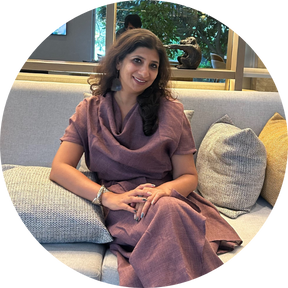
Dr. Sheetal Jain
Founder & CEO | Luxe Analytics
Dr. Sheetal Jain is a global luxury industry expert, author, and researcher with over two decades of experience in academia and consulting. She has trained 10,000+ professionals, advised leading brands, and is recognized as a top voice in luxury research, particularly on India’s evolving market and sustainability.
Editorial Note: This op-ed reflects the independent views and analysis of the author, based on publicly available industry research. The opinions expressed are those of the author and do not necessarily reflect the views of the World Luxury Chamber of Commerce (WLCC).
For more expert articles and exclusive interviews, subscribe to the WLCC Newsletter: https://worldluxurychamber.com/wlcc-community/