The convergence of Artificial Intelligence (AI), Web3, and the Metaverse is no longer a distant vision. It is actively influencing how luxury brands operate, engage, and create value. For members of the World Luxury Chamber of Commerce (WLCC), understanding and adopting these technologies is becoming a strategic imperative rather than a speculative exercise. Today’s most forward-thinking luxury leaders are not waiting. They are deploying practical tools that enhance exclusivity, deepen client relationships, and unlock new revenue streams.
AI: Hyper-Personalisation at Scale
Luxury has always been defined by personalization, but AI is taking it to a more advanced level. Advanced AI tools are now enabling brands to analyze client behavior, preferences, and purchase history in real time. New platforms and bespoke AI systems are helping luxury houses curate tailored experiences, from personalized product recommendations to predictive concierge services.
AI is also influencing clienteling. Sales associates are equipped with intelligent dashboards that suggest when to reach out, what to offer, and how to engage each client uniquely. In high-touch sectors such as haute couture, private aviation, and luxury hospitality, AI-driven insights are supporting, not replacing, the human touch.
Another key application is generative AI. Leading brands are using online tools to support creative processes, from campaign ideation to virtual prototyping. This allows luxury houses to maintain creative standards while reducing time-to-market.
Web3: Ownership, Authenticity, and Digital Assets
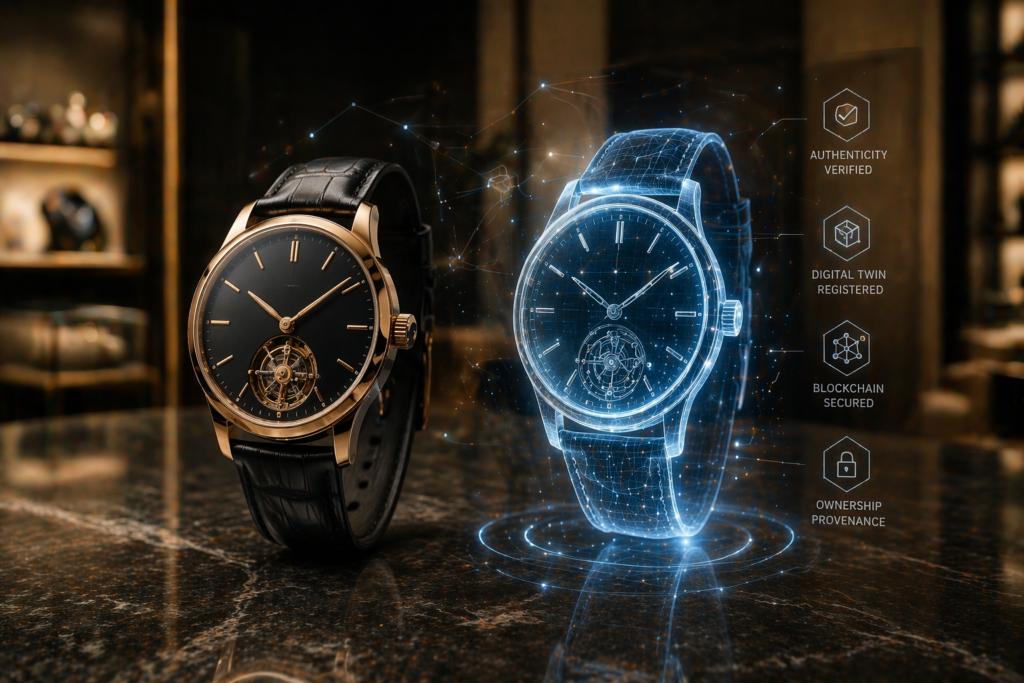
Web3 technologies are placing greater focus on ownership, an essential pillar in the luxury sector. Blockchain-based tools are being used to create digital certificates of authenticity, ensuring provenance and combating counterfeiting.
Non-Fungible Tokens (NFTs) have evolved beyond hype into practical use. Luxury brands are issuing NFTs as exclusive membership passes, granting access to private events, limited editions, and bespoke services. NFT-based loyalty programs allow brands to reward their most valuable clients with verifiable, tradable digital assets.
Smart contracts are another important Web3 tool. They enable automated, transparent transactions, particularly relevant for resale markets, where royalties can be programmed directly into the asset. This ensures that brands maintain a stake in secondary market activity, which has long been a challenge in luxury.
Web3 is also supporting new forms of storytelling. Brands are creating digital narratives tied to their heritage, craftsmanship, and values, building deeper emotional connections with a digitally native clientele.
The Metaverse: Immersive Brand Worlds
The Metaverse is becoming an important space for luxury engagement. While still evolving, virtual platforms are already being used by leading brands to create immersive experiences that extend beyond physical limitations.
Virtual flagship stores are allowing clients to explore collections in 3D environments, interact with brand ambassadors, and attend exclusive digital events. These experiences are not merely replicas of physical spaces. They are environments where creativity and storytelling can expand without the usual constraints.
Digital fashion is another area gaining traction. Luxury brands are designing virtual garments and accessories for avatars, opening up a new category of high-margin, low-production-cost products. This is particularly appealing to younger, digitally native consumers who value identity expression in virtual spaces as much as in the physical world.
The Metaverse is also becoming a strong platform for brand collaborations. Cross-industry partnerships between fashion, automotive, art, and entertainment are creating new types of luxury experiences.
Strategic Integration: The Luxury Imperative
The opportunity lies not in adopting these technologies in isolation, but in integrating them with clear intent. AI strengthens personalization, Web3 supports ownership and trust, and the Metaverse expands how brands present and engage. Together, they form a powerful combination guiding modern luxury.
For WLCC members, the question is no longer if but how to engage. The most successful leaders are those who approach these tools with clarity of brand identity and a commitment to excellence. Technology should amplify the essence of luxury, including craftsmanship, exclusivity, and emotional resonance, not dilute it.
As we move forward, the brands that will lead are those that incorporate tradition with innovation, using AI, Web3, and the Metaverse not as trends, but as core elements of a forward-looking luxury strategy.
Stay connected with the latest news, trends, and curated networking opportunities – join the WLCC community: https://worldluxurychamber.com/wlcc-community/