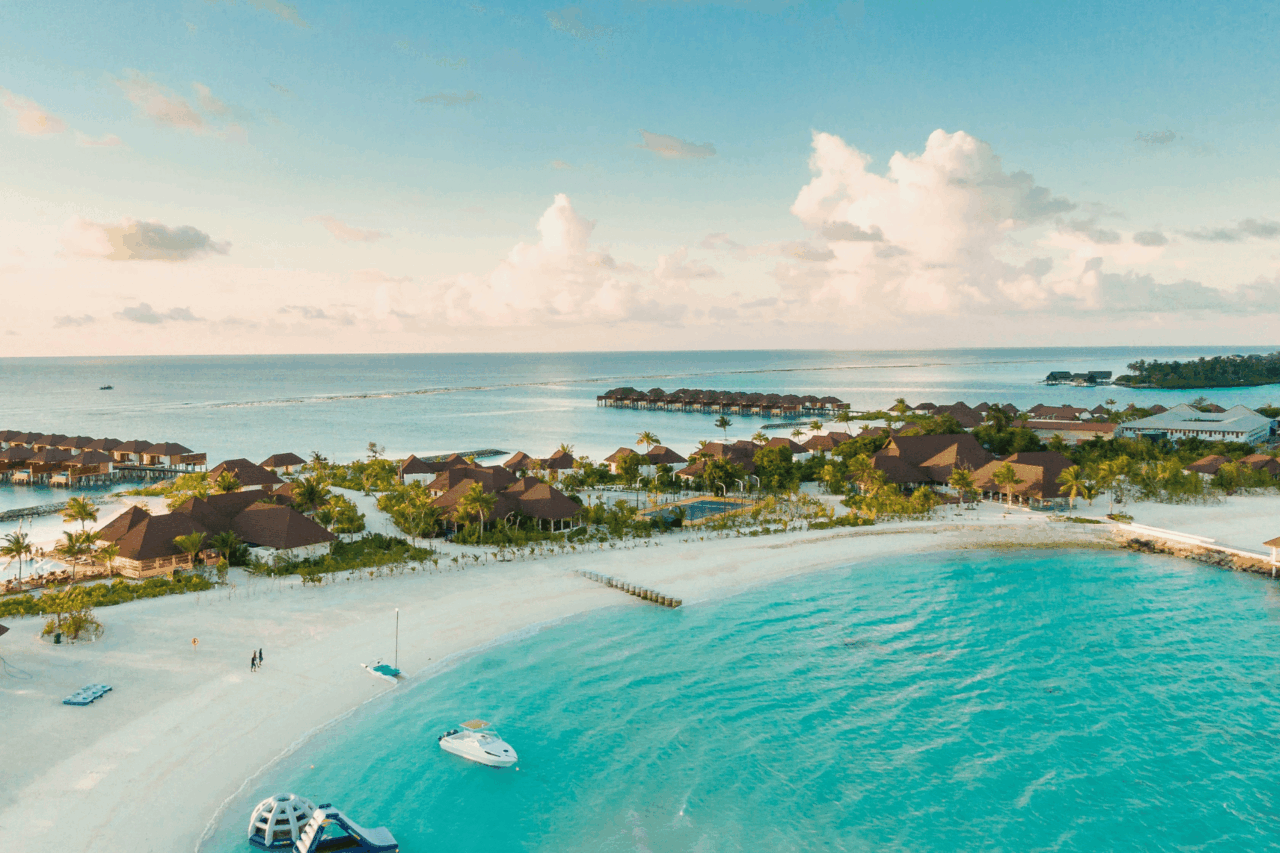
The definition of luxury is evolving rapidly, shifting from material excess toward emotional richness and personal transformation. For today’s traveler, luxury is no longer defined by marble details or champagne service, but by calm, self-exploration, renewal, and meaningful connection.
According to insights shared by Board Members of the World Luxury Chamber of Commerce (WLCC) – a leading global network shaping dialogue among the world’s most influential luxury leaders – these shifts will define luxury travel in 2026 and signal a new era of high-end journeys rooted in intention, experience, and personal meaning.
Experience-Led Travel & Emotional Connection
Luxury in 2026 will prioritize meaning over materialism, as travelers increasingly seek experiences that create emotional impact, authenticity, and cultural resonance. Across the luxury sector, destinations and brands are rethinking how value is created, placing emotional connection and a strong sense of place at the center of the journey. Experiences that feel personal, immersive, and authentic will increasingly define what travelers perceive as true luxury.
Holistic Wellness & Intentional Restoration
Wellness has moved from a complementary offering to a central motivator of luxury travel. In 2026, travelers will increasingly seek journeys that combine physical restoration, mental clarity, and long-term well-being through medical-wellness retreats, mindfulness programs, and purpose-driven escapes.
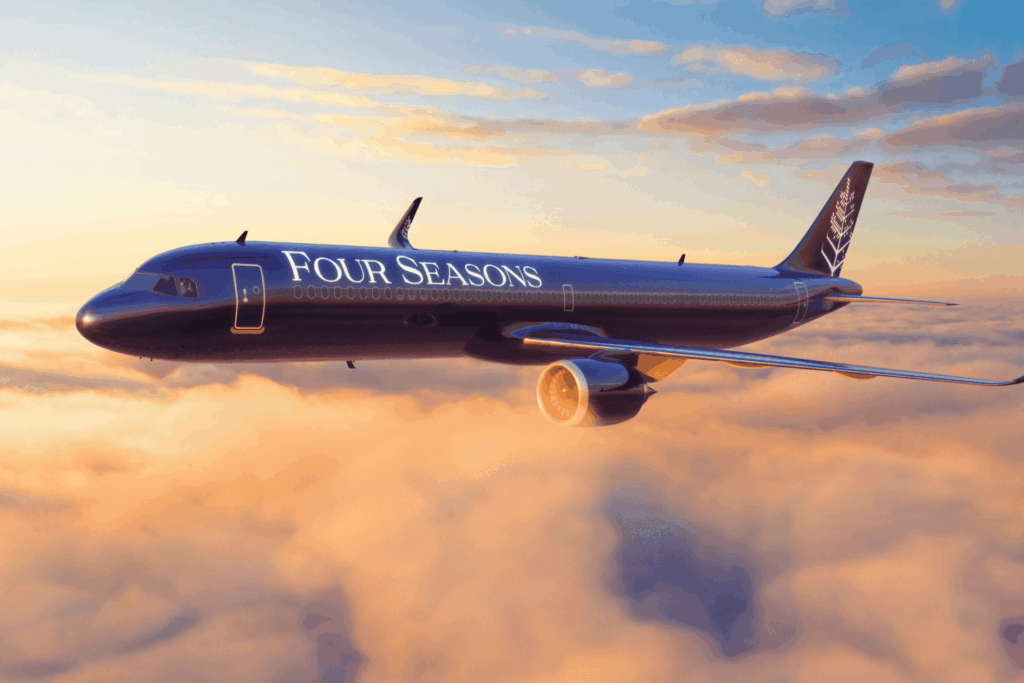
“One significant trend among ultra-luxury travellers is the increasing use of private air travel and yachts, transforming the journey itself into a luxurious experience. For instance, The Ritz-Carlton now has three superyachts, offering a meticulously curated food and beverage experience. Similarly, Four Seasons has introduced private branded jets, elevating the travel experience to new heights,” said Bob Kharazmi, Founder & CEO, Global Hotel Advisors LLC, a WLCC Board voice on global hospitality strategy. “Another growing trend is the focus on wellness. Luxury travelers are increasingly seeking experiences that blend spa retreats, medical-wellness vacations, mental health, and mindfulness escapes.”
Solo Female Travel & Safety-Led Luxury
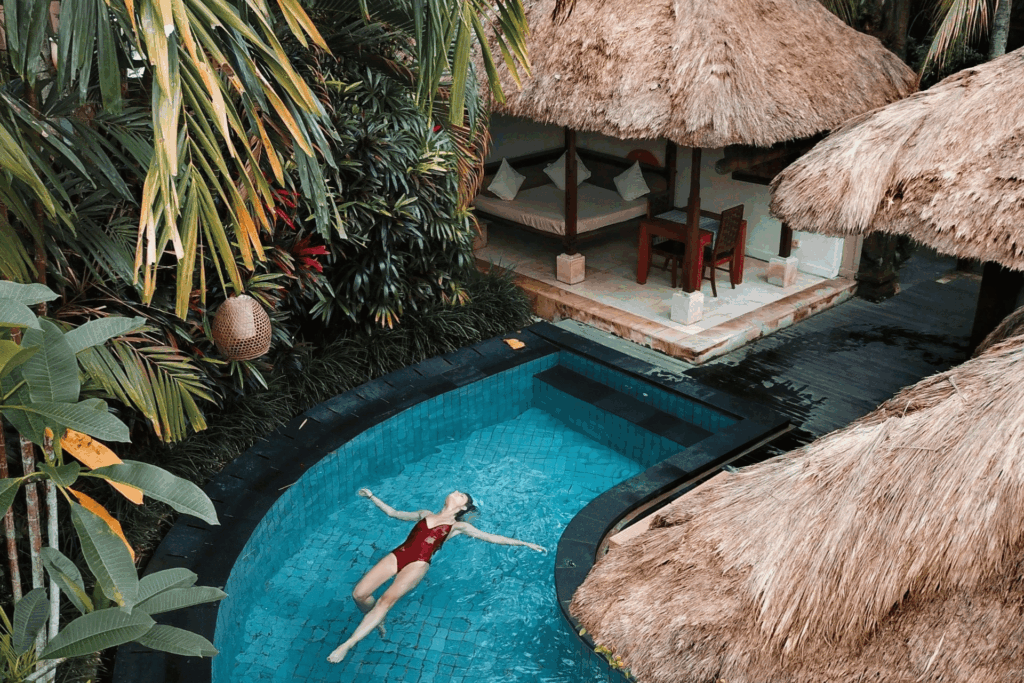
Women are driving one of the most influential behavioral shifts in luxury travel. In 2026, solo female travelers will prioritize independence, safety, discretion, and deeply restorative experiences, prompting leading brands to rethink service design around anticipation and empowerment.
“Luxury travel in 2026 will see a surge in solo women travelers seeking what I call ‘Intentional Restoration’ – wellness-focused experiences that blend absolute safety with complete freedom,” said Neen James, WLCC Board Member, Author of Exceptional Experiences, and Client Experience Expert. “The most discerning properties will master the balance between attentive service and respectful distance, creating environments where women can explore, recharge, and indulge without compromise. This means anticipating unique needs – from strategic room placement to curated wellness experiences and trusted local connections – while honoring the independence that defines these journeys. When luxury brands think like a concierge rather than a bellhop, they transform solo travel from a logistical challenge into a liberating, legacy-defining experience.”
Private Membership Clubs & Exclusive Access
Access, rather than ownership, is becoming the new currency of luxury. Bespoke private membership clubs are reshaping how high-net-worth travelers experience the world, offering hyper-personalized itineraries and entry to destinations and events unavailable to the general public.
“The demand for experiential travel through bespoke private membership clubs is a powerful global trend that will accelerate significantly in 2026,” said Kassie Smith, Visionary and Real Estate Development Leader at KS Global, contributing to WLCC’s strategic perspective. “These exclusive clubs specialize in crafting highly personalized destination journeys, granting members access to exotic adventures, private resorts, and coveted global private events. Key drivers include the rise of wellness and medical tourism and exclusive access to elite experiences.”
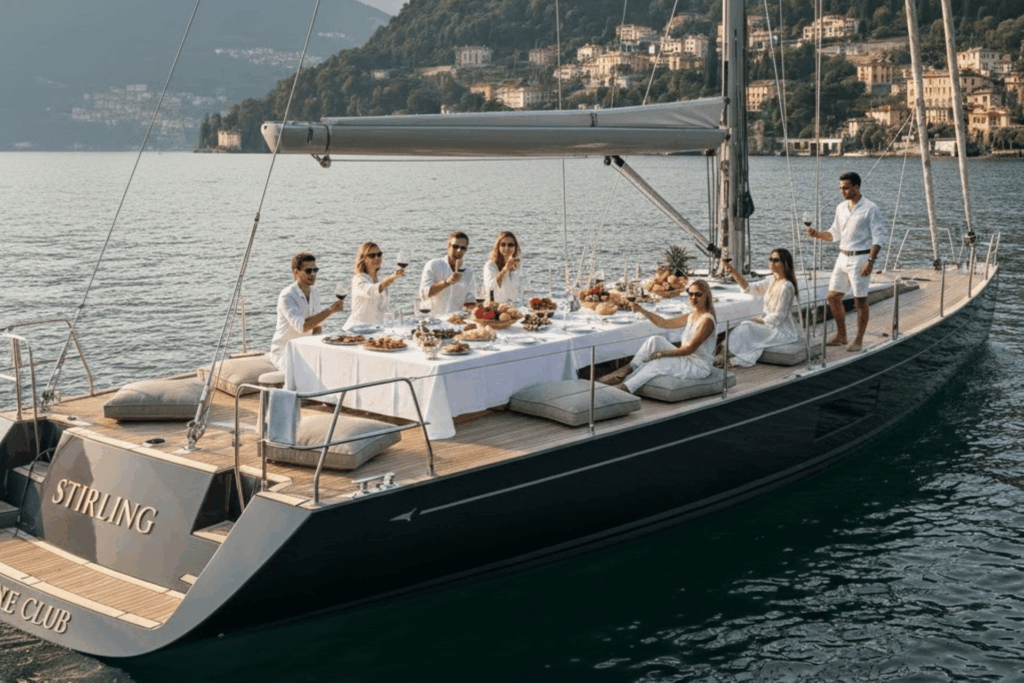
Ultra-Luxury Mobility & Neo-Nomad Living
As travel increasingly merges with lifestyle, ultra-luxury mobility is redefining how global leaders move, live, and work. Private aviation, yachts, and mobile residences are transforming mobility itself into a statement of freedom, exclusivity, and control over time.
“Neo-nomad living represents the next frontier of luxury – a lifestyle where mobility becomes the ultimate privilege,” noted Alexander Chetchikov, President of the World Luxury Chamber of Commerce. “These ultra-luxury mobile residences allow global leaders to carry their world with them, blending freedom of movement with impeccably tailored comfort and the privacy of a truly personal sanctuary.”
Cultural Immersion & Gastronomic Exploration
Alongside these global shifts, destinations offering authentic cultural immersion paired with refined luxury are emerging as leaders. Culinary discovery and storytelling are becoming central pillars of the luxury journey, transforming restaurants and local heritage into essential components of the travel experience.
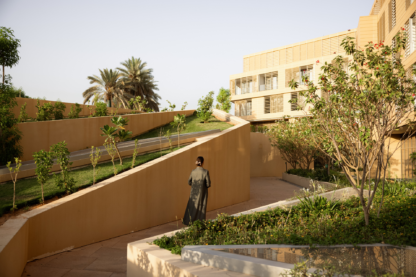
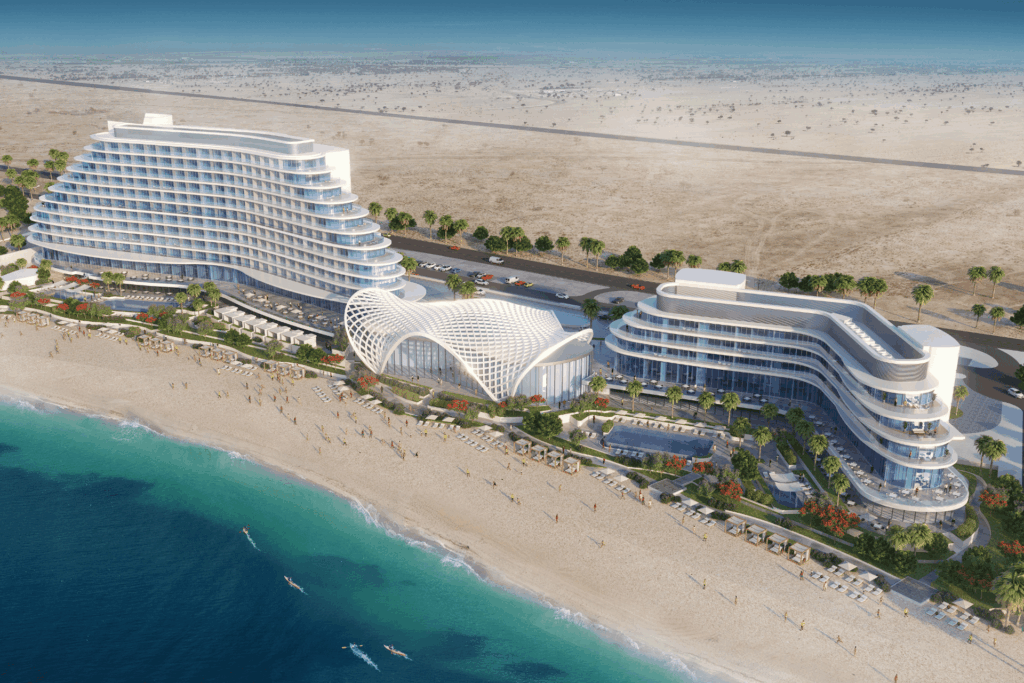
“Luxury travel in 2026 will be defined by a shift toward experience-led journeys, where travelers seek deeper meaning, emotional connection, and authentic cultural engagement,” commented Iyad Rasbey, Vice President, Destination Tourism Development, Ras Al Khaimah Tourism Development Authority, speaking as part of the WLCC Board’s global outlook on luxury travel. “Ras Al Khaimah is naturally aligned with these expectations, with its unspoiled landscapes, generous space, and inherent sense of place that modern luxury travelers increasingly prioritize. The Emirate’s intentionally curated hotel pipeline – including upcoming openings from Anantara, Sofitel, SO/ and the landmark Wynn Marjan Island – reflects this movement toward premium, experience-driven hospitality. As a result, Ras Al Khaimah is rapidly emerging as a leading luxury destination, propelled by a clear strategy and a hospitality inventory that is steadily shifting toward the upper-upscale and luxury segments.”
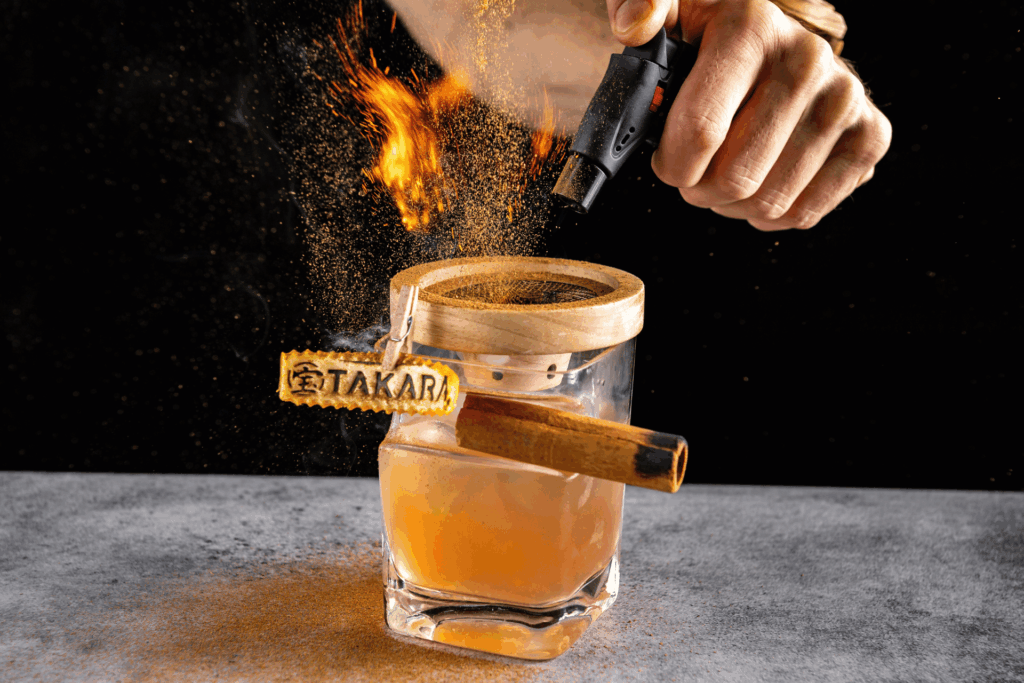
This destination-led evolution is also visible across the wider Middle East. “It’s a space where Saudi Arabia and the wider GCC are now taking a leading role,” said Ahmed Alajmi, Chairman & Founder of Takara Hospitality Group, sharing insights aligned with WLCC’s global destination outlook. “Riyadh is emerging as a global destination for high-value travelers, driven by landmark developments and a rapidly expanding dining landscape. The arrival of ZIBA and Sold Out in the heart of the capital reflects a pivotal shift in which restaurants are no longer complementary to travel but an essential part of the luxury journey. As journeys increasingly revolve around culinary and cultural experiences, Saudi Arabia is setting the benchmark for next-generation luxury.”
A Global Outlook Shaped by WLCC
Across the WLCC Board, a shared perspective is emerging: luxury travel in 2026 will be defined not by extravagance, but by intention, access, wellbeing, and emotional resonance. From solo journeys and wellness-led escapes to neo-nomadic lifestyles and immersive cultural experiences, the future of luxury travel reflects a deeper desire for meaning, freedom, and connection.
The World Luxury Chamber of Commerce continues to serve as a strategic forum where these global trends are identified and shaped by the leaders driving the luxury industry forward.
Readers are invited to join the WLCC Community to receive curated news, expert insights, and exclusive updates from the world’s leading luxury minds.
Subscribe today: https://worldluxurychamber.com/wlcc-community/