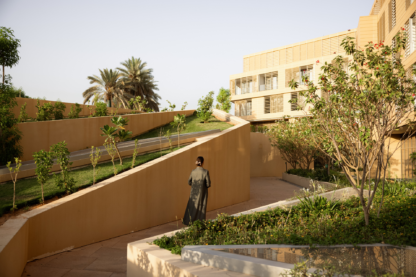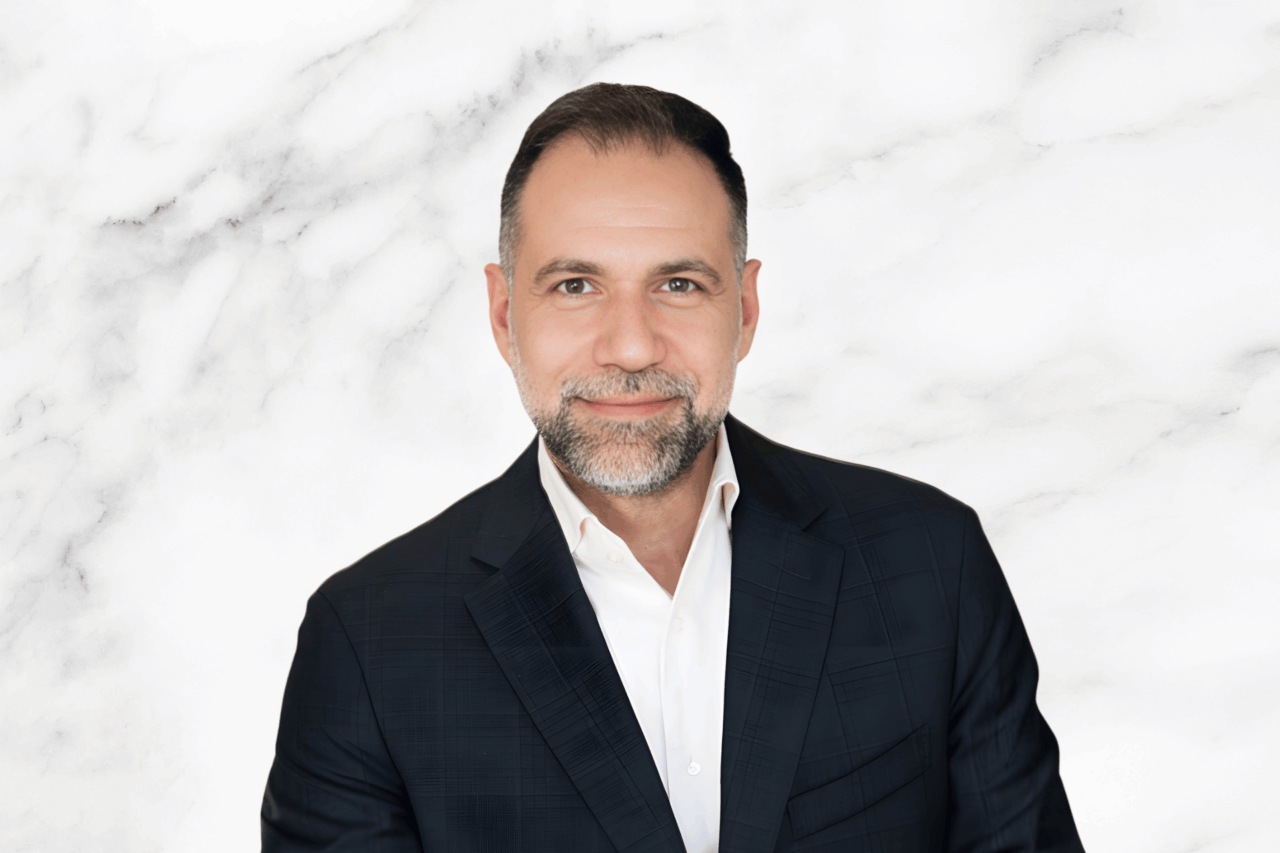
In this exclusive interview, Alexander Chetchikov, President of the World Luxury Chamber of Commerce, sits down with WLCC Honorary Board Member Iyad Rasbey, Vice President of the Ras Al Khaimah Tourism Development Authority, to uncover the strategy behind one of the world’s most compelling destination transformations. With global travel shifting toward authenticity, emotional connection, and elevated experiences, Ras Al Khaimah is emerging as a standout case study in how a destination can evolve with purpose. Rasbey shares the vision, decisions, and guiding principles that are shaping the Emirate’s ascent as a luxury powerhouse, one built on nature, culture, and long-term sustainability.
Alexander Chetchikov: What was the original strategic insight that convinced you Ras Al Khaimah could evolve from an emerging destination into a luxury powerhouse?
Iyad Rasbey: Travellers are directing more of their budget toward experience-led holidays, driven by higher lifestyle expectations and a desire for greater meaning in how they travel. This steady rise in luxury and lifestyle demand is helping destinations stand out in a competitive market. These shifts are also influencing how value is created. New ultra-luxury brands are coming to markets, and destinations are keen to attract new projects or elevate quality and rethink their offer.
Ras Al Khaimah naturally has what modern luxury travellers value most – unspoiled landscapes, cultural authenticity, generous space, and a sense of place. This wasn’t something we had to manufacture; it was inherent in the destination. At a time when global luxury is shifting away from excess and toward emotional connection, experience, and authenticity, Ras Al Khaimah already embodied these attributes. The real catalyst came when we analysed our current and upcoming hospitality offering and saw not only strong existing foundations where more than half of our inventory is already in the luxury segment, but also the opportunity to shape a more intentional future.
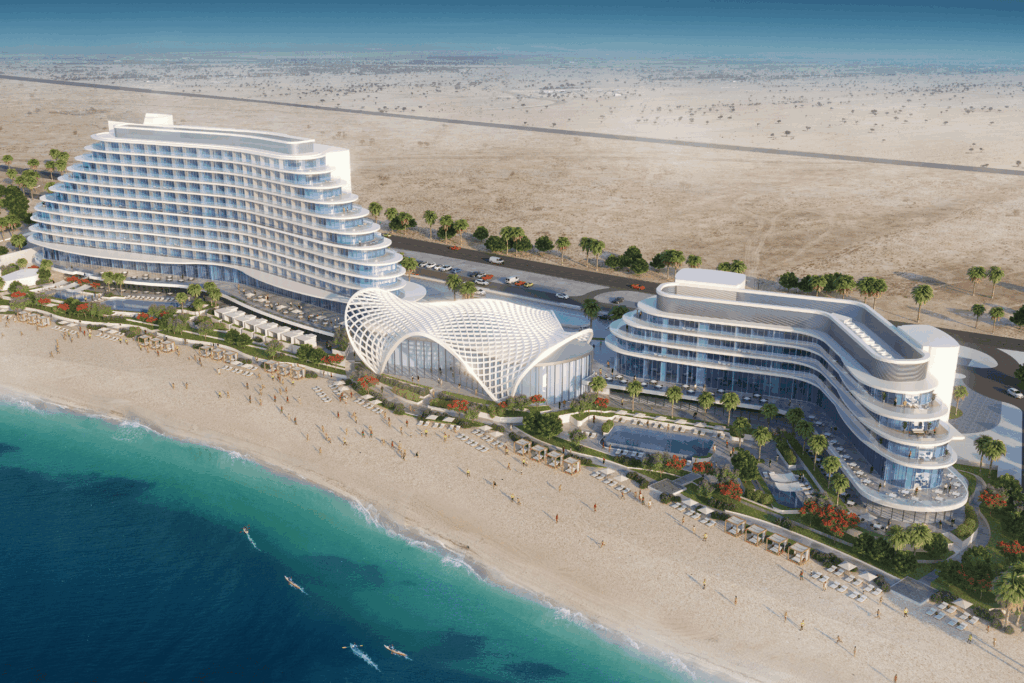
Our upcoming hotel pipeline is deliberately curated to enhance the Emirate’s overall livability and attract a higher-yielding visitor who values quality and seeks deeper engagement. New openings from globally recognised luxury brands such as Anantara, Sofitel, and SO/, represent a conscious movement toward more premium experiences that elevate both the resident and guest experience.
With the opening of Wynn Marjan Island, the first integrated luxury resort in the region, and our hotel pipeline maturing, we expect nearly 80 percent of the Emirate’s total inventory to be in the luxury and upper-upscale categories in the coming years.
This deliberate evolution supports our strategic insight. Ras Al Khaimah is not simply capable of becoming a luxury powerhouse – it is already on that trajectory, and our role is to guide and accelerate it with purpose and clarity.
AC: How did you determine which elements of the Emirate – nature, culture, sustainability – would become the core pillars of its luxury identity?
IR: Ras Al Khaimah has something few destinations in the region can offer, and that is natural diversity, authentic heritage, and space to grow sustainably. When we examined global luxury travel trends, we saw a clear shift toward destinations that provide meaningful experiences, privacy, heritage, and nature-driven escapism. Luxury today is no longer defined by opulence alone, but by rarity, authenticity, and emotional connection. With our mountains, desert, coastline, mangroves, and rich cultural narratives, we knew we had the foundation to build a new kind of luxury destination. These pillars align perfectly with where luxury tourism is headed globally.
That naturally led us to highlight our landscapes, from mountains to coastline, as the defining stage on which luxury experiences could unfold. Our cultural heritage added depth, offering a narrative that is both timeless and distinctly ours. And sustainability became essential because high-value travelers now expect destinations to protect what makes them special. Importantly, our hotel landscape reflected this direction too. For example, the upcoming Saij Eco-lodge by Mantis Collection on Jebel Jais embodies nature escapism. Opening in 2026, it will be the first luxury, eco-driven mountain lodge of its kind in the UAE.
AC: In a country known for world-leading luxury cities, what was your approach to positioning Ras Al Khaimah with a distinctive and authentic luxury proposition?
IR: Our approach was grounded in complementarity. The UAE already excels in urban, architectural, and shock-and-awe luxury. Considering that we are only 45 minutes from Dubai, we chose to stand apart by embracing the kind of luxury that is rooted in space, nature, and authenticity. Ras Al Khaimah offers a serenity that contrasts beautifully with the energy of nearby urban hubs. Our proposition focuses on immersive, nature-led experiences and a slower, more reflective style of travel that allows visitors to connect deeply with the landscape and its stories. This is reflected in our hotel as well as in our attractions. In doing so, we’re creating a type of luxury offering that is unmistakably ours and inherently authentic.
AC: What are the most critical initiatives within Destination 2030 that directly support the Emirate’s luxury repositioning?
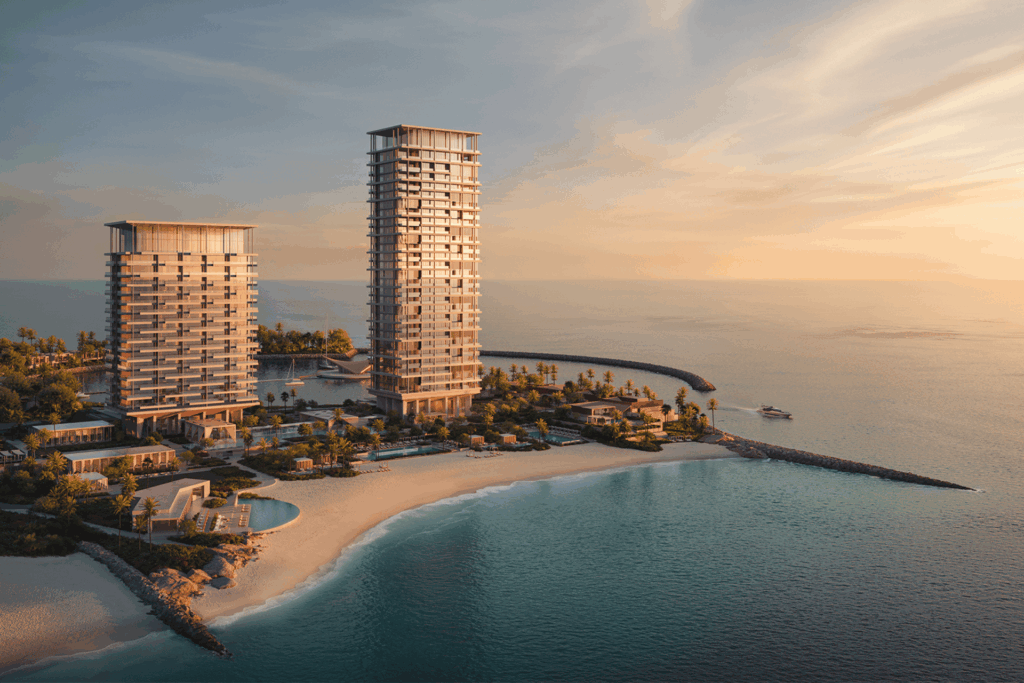
IR: The destination’s masterplan is essentially a blueprint that ensures Ras Al Khaimah evolves with intention, coherence, and long-term value. At its core, the strategy is driven by a curated hotel pipeline and the deliberate structuring of the Emirate into distinct, high-quality destination zones. These zones take advantage of our 68 kilometres of coastline and are being developed in a way that protects their natural integrity while offering luxury brands the opportunity to create one-of-a-kind, context-led experiences.
A major focus is on attracting premier hospitality names that align with our low-density, high-value philosophy. The introduction of brands such as Janu, Nobu Hotels, Four Seasons, W Hotels, The Unexpected Hotels, and other high-end brands is not incidental; it is the result of a selective approach that assesses how each property contributes to the broader masterplan, enhances experiential diversity, and elevates the Emirate’s premium positioning.
The master also advances a coordinated infrastructure plan that supports the luxury ecosystem—from mobility and accessibility enhancements to integrated green spaces, cultural touchpoints, and community-centric developments that improve resident livability. For example, we recently announced plans to develop a VVIP terminal at Ras Al Khaimah International Airport. In essence, the strategy ensures that as Ras Al Khaimah grows, it grows purposefully: building a destination where elevated hospitality, thoughtful planning, and the preservation of natural and cultural assets reinforce one another to create an exceptional luxury environment.
AC: How did high-profile collaborations and events (WTTC, AHIC, PATA) help elevate global perception and attract luxury travelers?
IR: These partnerships played a pivotal role in amplifying Ras Al Khaimah’s visibility and credibility internationally. Hosting influential tourism bodies and major global conferences positions the Emirate at the forefront of industry dialogue, demonstrating that we are shaping and not just participating in the future of travel. These platforms allowed us to showcase our long-term vision, secure new development opportunities, and build trust with investors, operators, and travel brands. As a result, perceptions shifted rapidly, and Ras Al Khaimah became recognized not only as a destination for rapid tourism growth but as one with a clear vision and capability to deliver a strong luxury destination proposition.
AC: Why is sustainability central to RAK’s premium travel strategy, and how do you balance environmental responsibility with luxury expectations?
IR: Today’s travellers want to enjoy a holiday experience knowing that their presence contributes positively to the destination. Our development philosophy prioritizes low-density, high-quality projects that protect our landscapes and preserve cultural integrity. Operationally, by working closely with our hotels and attractions through our certification programmes like Responsible RAK, created in partnership with EarthCheck, we ensure that sustainability metrics are monitored and sustainable practices are embedded into operations and guest experience. This allows us to deliver elevated experiences while preserving the very elements that make those experiences luxurious in the first place.
AC: During challenging global periods, RAK achieved record visitation. What leadership decisions proved most pivotal for maintaining growth and consumer confidence?
IR: Our resilience in challenging times was rooted in quick, decisive action. For example, as tourism recovered from the pandemic, we focused on creating compelling, nature-led offerings that resonated with travellers seeking open spaces. We were agile in implementing world-class safety protocols early and communicated transparently to reassure travellers and industry partners. We also supported our hospitality partners with relief measures so that the entire tourism ecosystem remained strong. And during recent periods of geopolitical tensions and airspace disruptions, we were able to effectively communicate and reassure partners and travellers of the stability of the UAE. We also pivoted strategically toward regional markets to maintain visitor levels. These decisions built confidence at moments when visitors were cautious, and they positioned Ras Al Khaimah as one of the safest destinations during uncertainty.
AC: From your experience, what are the key principles any destination or luxury brand must follow when attempting to elevate their positioning in the global market?
IR: In a globally competitive industry where so many great destinations are competing for the same traveller wallet, being distinctive and authentic is the only thing a destination or a brand should be to remain competitive. The most successful destinations and luxury brands have this in common. They’re anchored in authenticity, building their value proposition around what is inherently unique. They pursue quality over quantity, focusing on curated experiences that resonate with discerning travellers. And they invest in strong partnerships that elevate their credibility and amplify their reach. When these principles come together, the result is a destination that earns lasting relevance in the global luxury landscape.
Thank you, Iyad! With its curated hotel pipeline, transformative infrastructure plans, and dedication to preserving natural and cultural heritage, Ras Al Khaimah is not only shaping its own future but offering a blueprint for destinations worldwide. The journey ahead is ambitious, but as this exclusive interview demonstrates, the foundations of a true luxury powerhouse are already firmly in place.
To learn more, visit https://raktda.com/
Want to read more exclusives? Check out our news and insights: https://worldluxurychamber.com/insights-news/ & sign up for our newsletter here: https://worldluxurychamber.com/wlcc-community/