Image credits: Tomo Yarmush
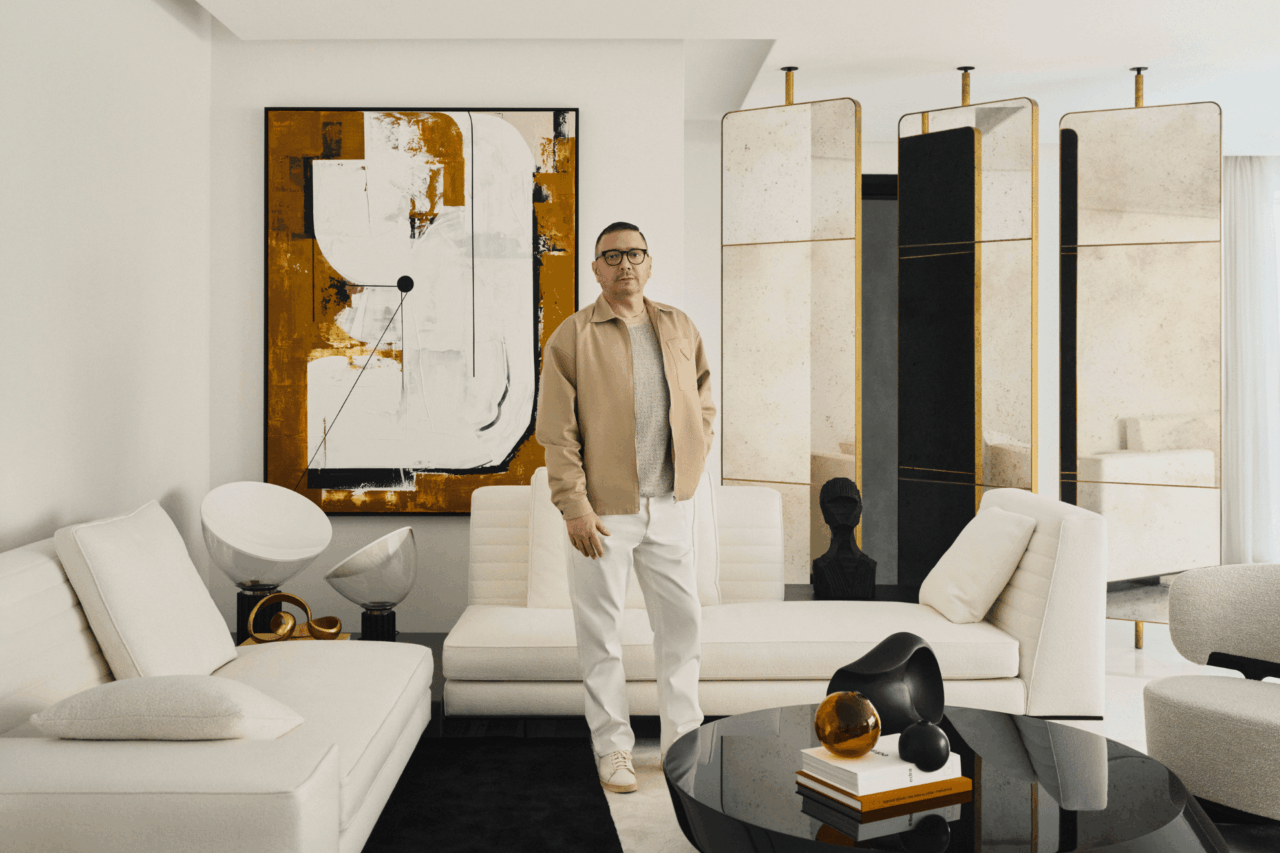
Award-winning Italian interior designer Gaetano La Vigna, founder of GLV Design, shares how more than three decades of international experience have influenced his approach to luxury interiors. He discusses Italian craftsmanship, technology, hospitality design, and why thoughtful design continues to matter in an increasingly digital world.
World Luxury Chamber of Commerce: Your career has taken you from Italy to the United States, the United Kingdom, and the Middle East. How have these different cultural influences changed your approach to creating luxury interiors while maintaining your distinctive Italian design identity?
Gaetano La Vigna: Italy gave me my foundation. Growing up surrounded by timeless architecture, exceptional craftsmanship, and a culture where beauty is part of everyday life shaped my understanding of design from the very beginning. Italian design has always been about achieving elegance through proportion, quality, and attention to detail rather than excess, and those principles continue to define my work today.
Working internationally has taught me that true luxury is not universal; it is deeply influenced by culture, lifestyle, and personal expectations. In the United States, I experienced a greater emphasis on innovation, scale, and functionality. In the United Kingdom, I appreciated the balance between heritage and contemporary design. The Middle East has introduced me to clients who value exceptional craftsmanship, generous spaces, and highly personalized environments that reflect their identity and aspirations.
Rather than changing my design philosophy, these experiences have enriched it. Every project begins by understanding the client’s culture, vision, and way of living or working. I then interpret those needs through an Italian design lens — one that values harmony, refinement, meticulous detailing, and timeless elegance.
For me, luxury is never about following trends. It is about creating spaces with lasting emotional value, where every material, every detail, and every proportion has a purpose. My goal is to deliver interiors that feel authentic to the client while carrying the sophistication and craftsmanship that define Italian design.
WLCC: Luxury clients today often expect spaces that are both beautiful and deeply personal. How do you balance timeless design principles with each client’s individual lifestyle, aspirations, and vision?
GLV: I believe that true luxury begins with listening. Every client has a unique story, lifestyle, and vision, and my role is to translate those into a space that feels both exceptional and deeply personal.
I always start by understanding how my clients live, work, entertain, and experience their environment. Beyond aesthetics, I want to understand what inspires them, what makes them feel comfortable, and how they want their space to make them feel every day. This discovery process is fundamental because great design should reflect the people who inhabit it, not the designer’s ego.
At the same time, I believe timeless design is achieved through balance, proportion, high-quality materials, and meticulous attention to detail rather than following short-lived trends. Trends come and go, but elegant architecture, exceptional craftsmanship, and thoughtful design remain relevant for decades.
My objective is to combine these timeless principles with each client’s personality and aspirations. The result is an interior that is not only visually beautiful but also meaningful, functional, and emotionally connected to its owner. For me, the greatest compliment is when a client tells me that the space feels as though it was always meant to be theirs refined, authentic, and capable of standing the test of time.
WLCC: GLV Design has introduced AI technology into its design process while placing strong emphasis on listening to clients. Where do you see technology adding the greatest value, and where should the human designer always remain at the center of the creative process?
GLV: I see artificial intelligence as one of the most exciting tools our industry has embraced, but I firmly believe it should enhance creativity, not replace it.
At GLV Design, we use AI to accelerate concept development, explore multiple design directions, improve visual communication, and streamline parts of the design process. It allows us to test ideas more quickly, present options more effectively, and ultimately provide a better experience for our clients. Technology enables us to spend less time on repetitive tasks and more time refining the quality of the design.
However, the essence of great design remains profoundly human. AI cannot truly understand emotions, interpret unspoken expectations, or build the trust that develops through a close relationship with a client. It cannot replace intuition, empathy, cultural sensitivity, or the ability to transform a conversation into a meaningful spatial experience.
For me, the designer’s most important role is to listen. Every successful project begins with understanding not only what the client says, but also what they dream of achieving. That level of interpretation, creativity, and emotional intelligence is something technology cannot replicate.
The future of design is not about choosing between human creativity and artificial intelligence; it is about combining both. AI gives us extraordinary capabilities, while the designer provides vision, judgment, experience, and soul. That combination allows us to create spaces that are not only more efficient to develop, but also more personal, timeless, and emotionally resonant.
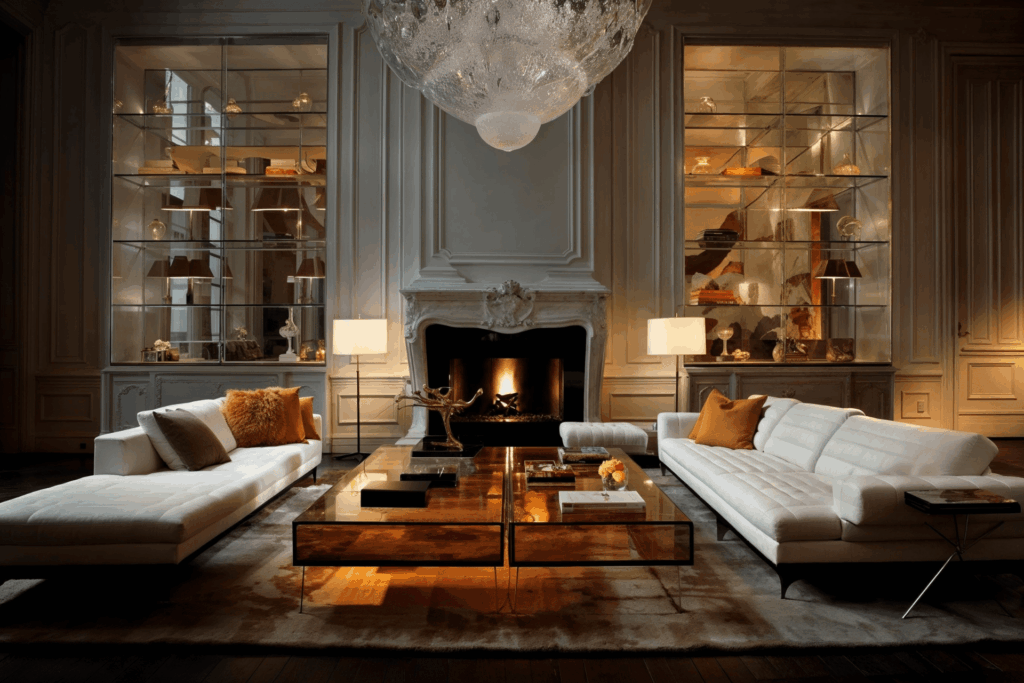
WLCC: You have designed projects across residential, hospitality, retail, corporate, and commercial sectors. Which sector presents the greatest opportunity for innovation today, and what are the biggest expectations from luxury clients in that market?
GLV: Each sector presents unique challenges and opportunities, but I believe the hospitality sector offers the greatest potential for innovation today. Luxury hotels are no longer simply places to stay; they have become destinations that create memorable experiences, foster emotional connections, and reflect the culture and identity of their location.
Today’s luxury guests expect far more than exceptional finishes and impeccable service. They seek authenticity, personalization, wellness, sustainability, and technology that enhances their experience without being intrusive. Every space, from the arrival sequence to the guest room and public areas, must tell a story and evoke a lasting emotional response.
At the same time, I see a growing convergence between hospitality and high-end residential design. Luxury homeowners increasingly want their residences to offer the comfort, sophistication, and service-inspired experience of a five-star hotel, while hospitality projects are becoming warmer, more intimate, and residential in character. This convergence creates exciting opportunities to rethink how luxury spaces are designed.
Ultimately, regardless of the sector, the expectations of luxury clients remain remarkably consistent. They want originality, exceptional craftsmanship, timeless elegance, and solutions that are tailored specifically to their lifestyle, brand, or vision. They are looking for spaces that are not only visually impressive but also meaningful, functional, and capable of standing the test of time.
For me, innovation is never about creating something different for the sake of being different. It is about finding better ways to enhance the human experience while preserving the quality, authenticity, and timeless character that define true luxury.
WLCC: Many of your projects incorporate Italian craftsmanship, fine materials, and cultural influences. In a global market where trends move quickly, what elements of Italian design do you believe will always remain relevant?
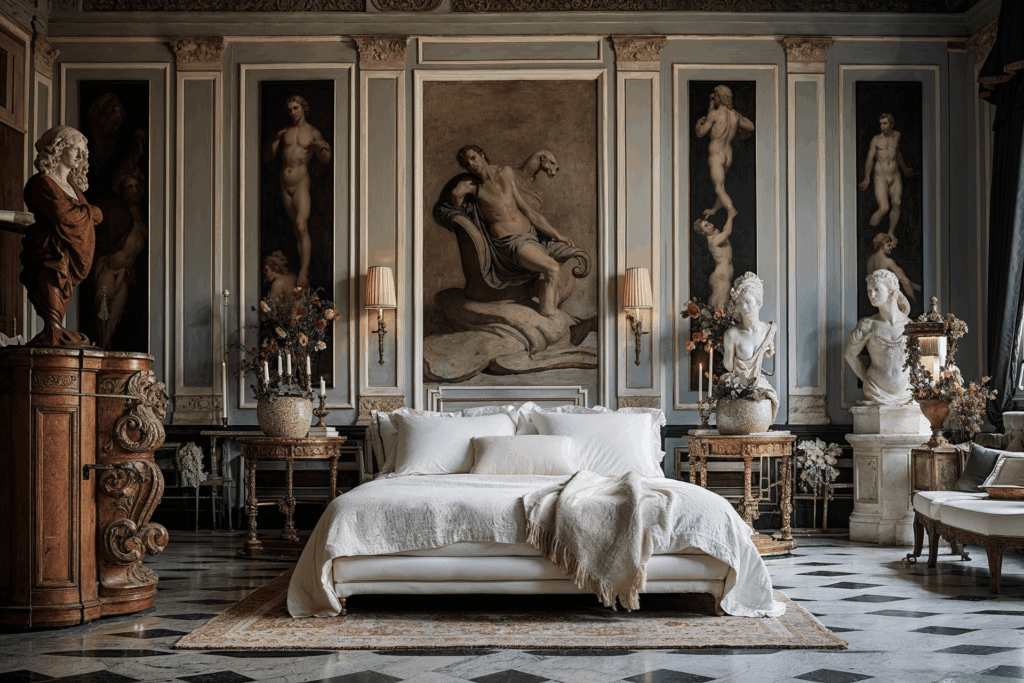
GLV: Italian design has endured for centuries because it has never been driven by trends; it has always been guided by timeless principles. That is why I believe its relevance will never fade, regardless of how quickly the design world evolves. For me, the essence of Italian design lies in the perfect balance between beauty and functionality. Every detail has a purpose, every proportion is carefully considered, and every material is selected not only for its appearance but also for its quality, authenticity, and longevity.
Another defining characteristic is craftsmanship. Italy has an extraordinary heritage of artisans who transform natural materials such as marble, wood, leather, metal, and glass into works of art. While technology continues to evolve, the human touch, precision, and passion behind handcrafted elements remain irreplaceable and are increasingly valued in the luxury market.
I also believe that Italian design has a unique ability to combine innovation with tradition. We embrace new technologies and contemporary ideas without losing respect for history, culture, and craftsmanship. This balance allows us to create spaces that feel modern today while remaining elegant for decades to come.
Ultimately, what will always make Italian design relevant is not a particular style or aesthetic, but a philosophy, one that values quality over quantity, timeless elegance over short-lived fashion, and authentic craftsmanship over excess. Those principles resonate with discerning clients around the world and will continue to define true luxury for generations to come.
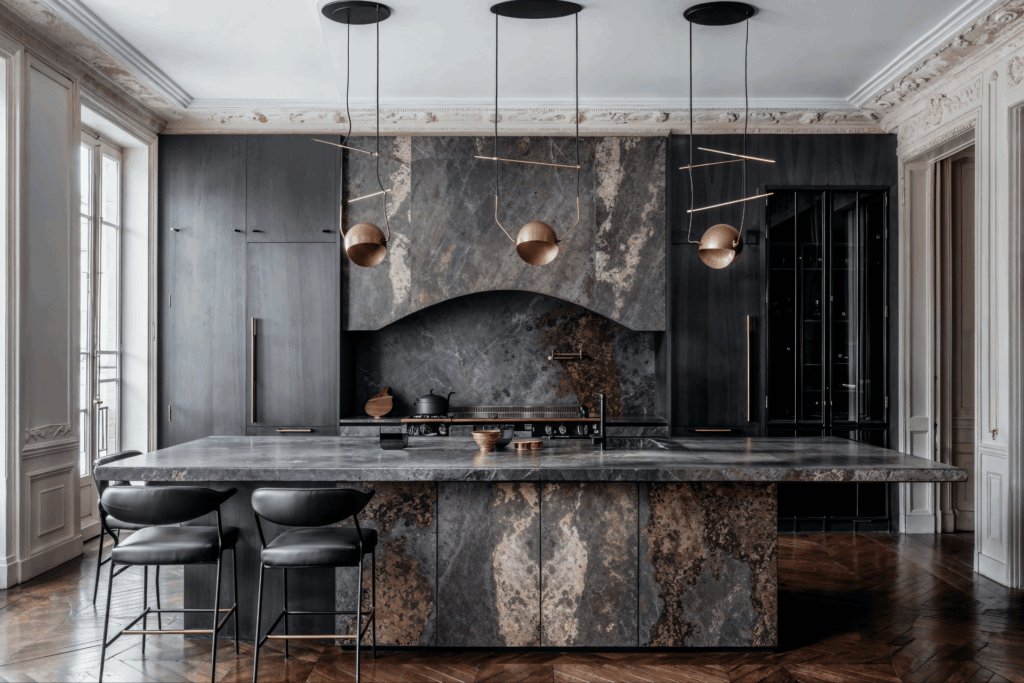
WLCC: Having worked with developers, luxury brands, and private clients for more than three decades, what qualities consistently distinguish truly exceptional luxury interiors from spaces that simply appear expensive?
GLV: After more than 30 years in the industry, I have learned that true luxury is never defined by cost alone. A space can feature the most expensive materials, furniture, and finishes, yet still lack character, emotion, and authenticity. What distinguishes an exceptional luxury interior is thoughtful design. Every element has a purpose and contributes to a cohesive vision, from the architectural proportions and spatial flow to the lighting, materials, craftsmanship, and the smallest details. Nothing is included simply to impress; everything is carefully considered to create harmony and a lasting emotional connection. Another defining quality is authenticity. The most successful interiors reflect the personality, lifestyle, or identity of their owner or brand. They tell a story rather than following trends, making each project unique instead of interchangeable. Craftsmanship is equally essential. The precision of bespoke joinery, the quality of natural materials, and the skill of the artisans behind every detail create a level of refinement that cannot be replicated through mass production. These are the elements that give a space depth, character, and longevity.
Ultimately, I believe that exceptional luxury is measured by how a space makes people feel. It should evoke comfort, inspiration, elegance, and a sense of belonging. When beauty, functionality, authenticity, and craftsmanship come together seamlessly, the result is an interior that not only looks extraordinary but also enriches the lives of those who experience it. That, to me, is the true definition of luxury.
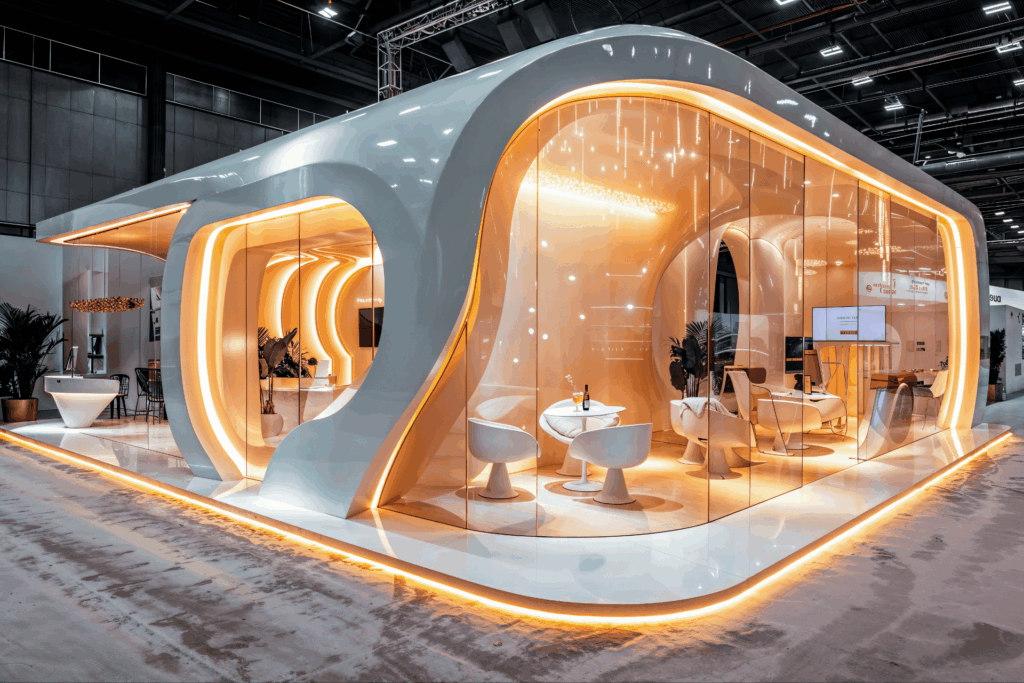
WLCC: Looking ahead, what do you believe will define the next chapter of luxury interior design, and how should designers prepare for the changing expectations of clients over the next decade?
GLV: I believe the next chapter of luxury interior design will be defined by a deeper balance between technology, sustainability, personalization, and emotional well-being. Luxury will no longer be measured simply by exclusivity or the value of materials, but by the quality of the experience a space provides and the meaning it holds for the people who use it.
Clients are becoming more informed and more discerning. They want homes, hotels, workplaces, and retail environments that are not only beautiful but also intelligent, sustainable, and tailored to their individual lifestyles. They expect seamless technology, responsibly sourced materials, wellness-focused environments, and flexible spaces that adapt to changing ways of living and working.
At the same time, I believe there will be an even greater appreciation for authenticity and craftsmanship. In an age where artificial intelligence and automation are becoming increasingly common, handcrafted details, bespoke design, and genuine human creativity will become even more valuable. Technology can accelerate the design process, but it cannot replace the emotional intelligence, intuition, and vision that define exceptional design.
For designers, the challenge will be to embrace innovation without losing sight of the timeless principles that have always defined great interiors. We must continue to learn, adapt, and explore new technologies while remaining committed to listening to our clients, respecting cultural context, and creating spaces with lasting value.
Ultimately, I believe the future belongs to designers who can combine innovation with humanity. The most successful projects will not be those that simply showcase the latest trends or technologies, but those that create meaningful experiences, stand the test of time, and improve the way people live, work, and connect. That is the future of luxury, and it is the vision that continues to inspire my work at GLV Design.
Discover more about GLV Design and its international portfolio by visiting https://www.glvdesign.net/
WLCC regularly features conversations from global luxury leaders. Join our community to receive new interviews and perspectives weekly: https://worldluxurychamber.com/wlcc-community/.