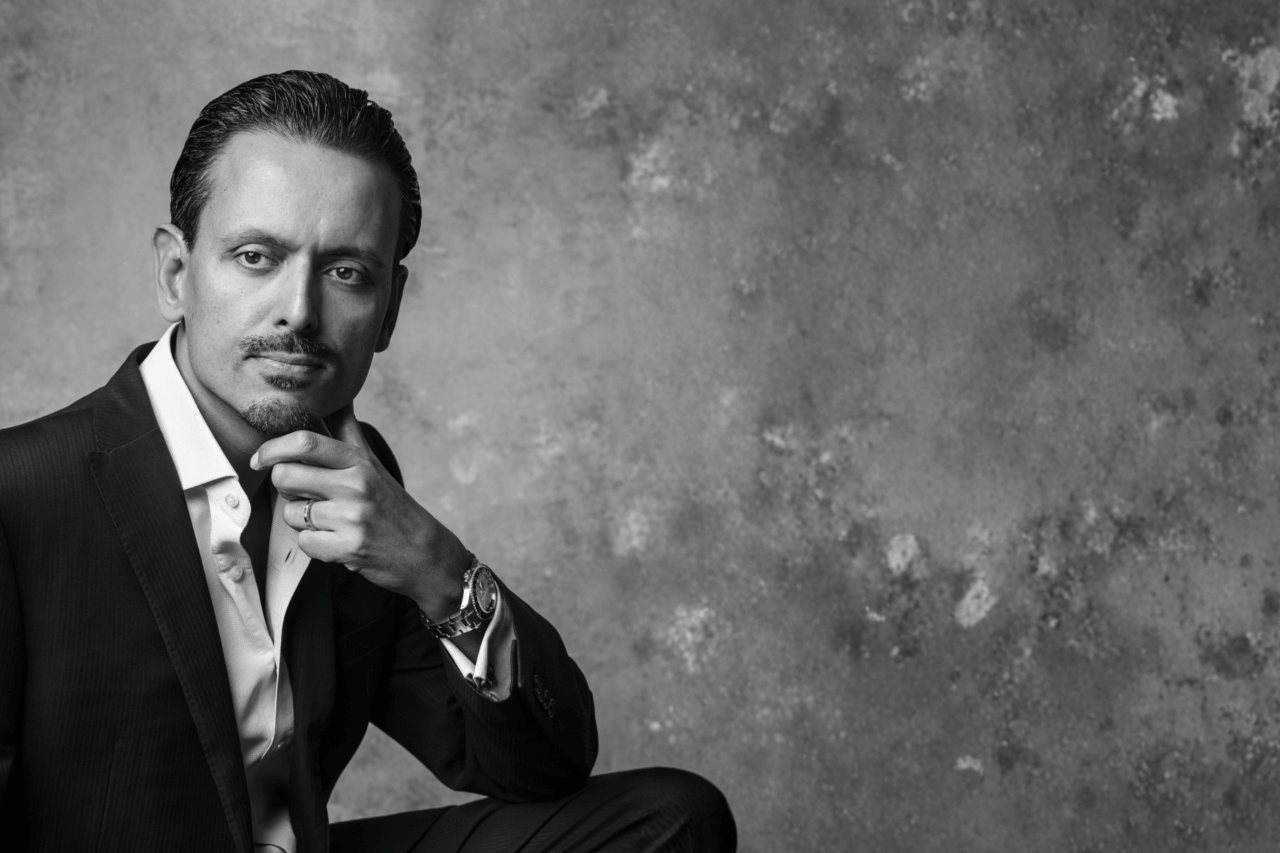
Sacha Zackariya, CEO and Co-Founder of Prosegur ChangeGroup, explores the changing expectations of international luxury travellers and why service, trust, and operational precision remain central to modern travel retail. His book Leading Travel & Tourism Retail was named one of the WLCC TOP Luxury Books for 2026, bringing together insights from leaders across CHANEL, LVMH, and the global luxury sector.
World Luxury Chamber of Commerce: Your book “Leading Travel & Tourism Retail,” now included in the WLCC TOP Luxury Books for 2026, brings together insights from leaders at CHANEL, LVMH, and others. What common principles did you find among these executives when it comes to serving high-value international travellers?
Sacha Zackariya: Across all the leaders interviewed, the common principle was that luxury travel retail is never simply about selling products; it is about understanding the psychology, timing, and expectations of the international traveller. High-value travellers are often time-poor, culturally diverse, and emotionally influenced by the journey itself. The best executives understood that success comes from combining operational excellence with emotional intelligence: the right product, in the right location, presented by well-trained people who can create trust very quickly. Another shared principle was consistency. Whether the customer is in Paris, Dubai, London, or Singapore, luxury brands must deliver a recognisable brand experience while still adapting sensitively to local culture and traveller profiles.
WLCC: Drawing from your experience at Prosegur ChangeGroup and the case studies in your book, how should luxury retailers rethink the role of physical locations in airports and prime city streets to better capture traveller spending?
SZ: Physical locations remain incredibly important, but they need to be rethought as experience, service, and conversion spaces rather than traditional shops. In airports, the customer is in a unique mindset: they are travelling, often spending more freely, but also under time pressure. The best locations must therefore be highly visible, easy to understand, and operationally efficient. On prime city streets, the role is slightly different: stores can become brand ambassadors for the destination itself, combining retail with hospitality, cultural storytelling, and personal service. Luxury retailers should think carefully about traveller flows, dwell time, visibility, staff training, and the ability to convert international visitors who may only have one opportunity to buy.
WLCC: In the book, you address the complexity of the modern traveller, particularly post-pandemic. What practical steps can luxury brands take to balance exclusivity with accessibility for a global and diverse customer base?
SZ: The modern traveller does not fit into one simple category. Luxury brands need to preserve aspiration and exclusivity, but without making customers feel intimidated or excluded. Practical steps include multilingual service, culturally aware staff training, flexible payment options, tax-free and cross-border shopping support, and a more personalised approach to different traveller segments. Accessibility does not mean discounting luxury; it means removing unnecessary friction. A brand can remain exclusive while still being welcoming, understandable, and easy to engage with for customers from many different countries and backgrounds.
WLCC: ESG and responsible tourism are key themes in your work. How do you see luxury retail aligning profitability with environmental and social responsibility without compromising the customer experience?
SZ: I believe ESG and profitability can be aligned if responsible tourism is treated as part of the customer experience rather than as a separate corporate obligation. Luxury customers increasingly expect brands to behave responsibly, but they do not want the experience to feel compromised. That means using better materials, reducing waste, improving supply-chain transparency, supporting local communities, and making operations more efficient, while still delivering beauty, service, and excellence. In travel retail, there is also a responsibility to respect the destination. The most successful brands will be those that can make customers feel that their purchase is not only desirable, but also thoughtful and responsible.
WLCC: Looking ahead, what changes do you expect in travel and tourism retail over the next decade, and how should luxury brands prepare to remain competitive in that environment?
SZ: Over the next decade, travel retail will become more data-driven, more experiential, and more competitive. International travellers will expect seamless digital and physical journeys, more personalisation, faster service, and greater transparency. Airports and prime city locations will remain powerful, but only for brands that understand how to capture attention quickly and create genuine value. Luxury brands should prepare by investing in people, technology, customer data, localisation, and operational agility. The winners will be those who combine the timeless qualities of luxury — trust, craftsmanship, and service — with a much more modern understanding of global travellers and how they behave.
Thank you, Sacha! Discover more about Sacha Zackariya on LinkedIn and grab your copy of Leading Travel & Tourism Retail on Kogan Page.
WLCC regularly features conversations and insights from global luxury leaders. Join our community to receive new interviews and perspectives weekly: https://worldluxurychamber.com/wlcc-community/.