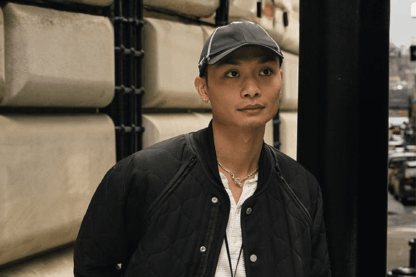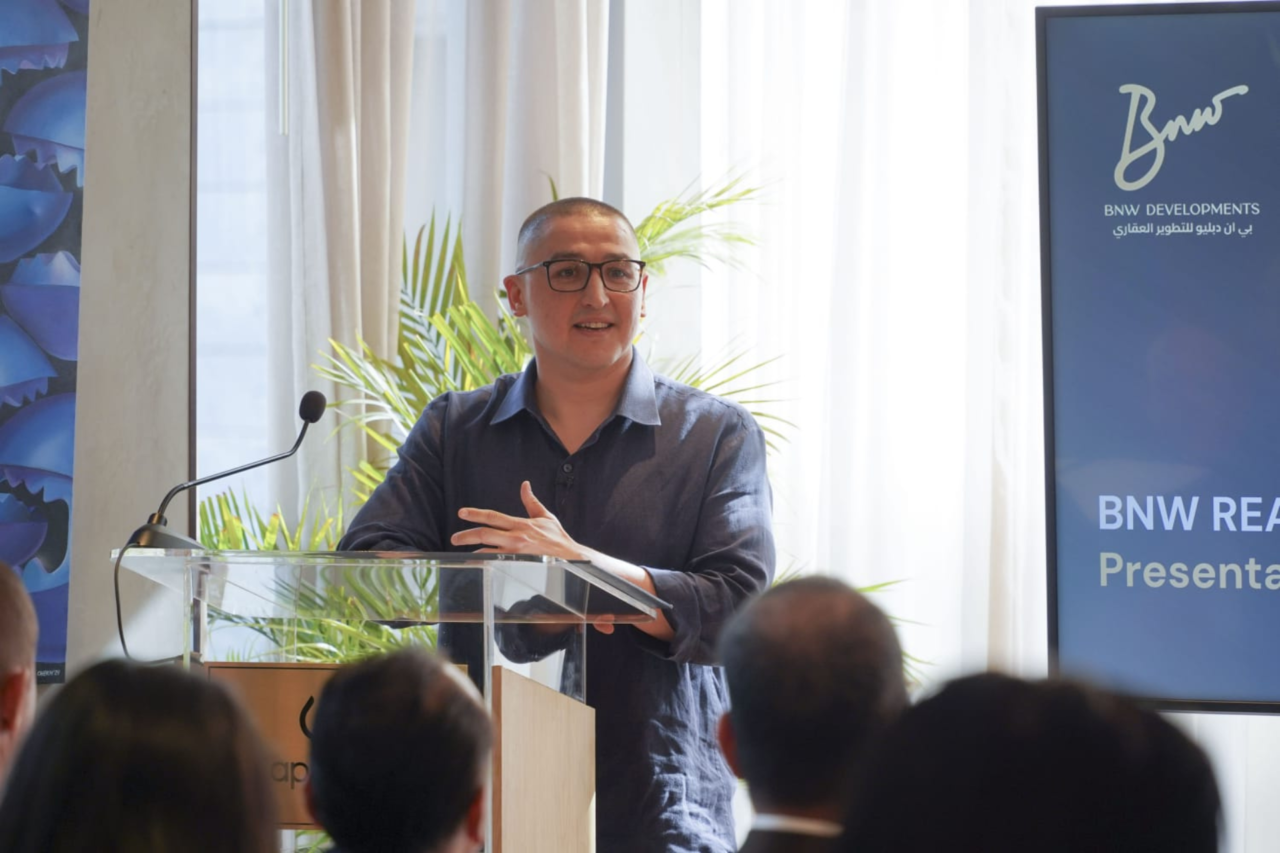
Timur Kudratov is an entrepreneur, investor, and Founder of Enlightened Minds Investments, a Dubai-based platform focused on building revenue-generating businesses across real estate, technology, and services. With over two decades of experience in the UAE, he works closely with international investors, founders, and partners entering the region, structuring opportunities, and enabling sustainable, long-term growth.
In this exclusive interview, he shares his perspective on Dubai’s evolving economic landscape, shifting investor behavior, and the opportunities emerging across the region.
World Luxury Chamber of Commerce: What is your current view of Dubai’s economic position, and how is the business community responding to recent regional developments?
Timur Kudratov: Dubai doesn’t operate as a single-flow economy, so it doesn’t react the way more dependent markets do.
What we see today is not a slowdown — it’s a rebalancing. Certain segments soften temporarily, others pick up quickly. The city absorbs pressure and redirects activity.
From a business perspective, serious operators are not pulling back. If anything, they are becoming more focused — tightening execution, prioritizing real revenue, and avoiding speculative moves.
At our level, we continue to see a consistent inflow of entrepreneurs and investors who are looking for a stable base to operate from. That hasn’t changed.
WLCC: With changes in regional travel dynamics, how are businesses in Dubai adapting their strategies?
TK: The companies that relied purely on tourist traffic are the ones adjusting the most.
The stronger businesses have already shifted toward a more balanced model — combining international visitors with local and regional demand. Dubai has a large resident base with strong purchasing power, and that is often underestimated.
What matters now is not footfall — it’s retention and quality of customer base.
We advise companies to build for continuity, not seasonality. That’s the difference between a business and an operation.
WLCC: How would you describe the current behavior of high-net-worth consumers in the luxury segment?
TK: Demand hasn’t disappeared. It has become more selective.
People still spend — but they are more intentional. There’s less interest in pure brand exposure and more focus on quality, access, and experience.
You see it clearly: clients are choosing fewer things, but better ones.
This is why businesses that combine lifestyle, service, and investment positioning are performing better than those selling just products.
WLCC: How would you describe the sentiment of international investors toward Dubai today?
TK: Investor interest in Dubai remains strong for one simple reason — execution works here.
In many markets, the challenge is not opportunity, it’s delivery. In the UAE, if something is structured properly, it gets done.
That creates confidence.
What investors are more cautious about today is not the market — it’s who they work with. They look for partners who understand the system, not just the opportunity.
That’s where platforms like Enlightened Minds come in — structuring deals properly and reducing execution risk.
WLCC: From your experience, how does the current environment compare to previous cycles in terms of Dubai’s resilience?
TK: The biggest difference is maturity.
Years ago, Dubai was growing fast, but it was still building its systems. Today, those systems are in place — regulatory, financial, operational.
That changes everything.
It’s no longer just a high-growth market. It’s a structured environment where growth can be repeated, not just achieved once.
WLCC: How are other GCC markets evolving, and where do you see the main opportunities?
TK: The region is becoming more connected.
Each market has a role:
- The UAE is the entry point and capital hub.
- Saudi Arabia has scale and internal demand.
- Other markets are developing more specialized positioning.
The opportunity today is not choosing one market — it’s knowing how to operate across them.
Those who understand that dynamic will move faster than those treating each country separately.
WLCC: How do you view the evolving positioning of Saudi Arabia within the region?
TK: Saudi Arabia is moving at a very aggressive pace. The scale of what they are building is significant.
At the same time, the UAE remains the place where most businesses choose to base themselves.
In reality, it’s not a simple competition. Many companies structure in the UAE and expand into Saudi Arabia.
If you understand both markets, they complement each other well.
WLCC: What role do you see the UAE playing as a regional business hub over the next five years?
TK: The UAE will continue to play three roles:
- A place where capital comes in,
- A place where deals are structured,
- And a place where businesses launch from.
That position is difficult to replicate because it’s built on a combination of regulation, infrastructure, and trust.
Over time, this will only strengthen.
WLCC: How do you see Dubai evolving over the next two years if current conditions continue?
TK: Dubai will remain open, but more selective.
The next phase is not about attracting everyone — it’s about attracting the right businesses and the right capital.
You’ll see more structure, more discipline, and less tolerance for weak models.
For serious operators, that’s a positive shift.
WLCC: What is your message to entrepreneurs and investors operating in the region today?
TK: This market doesn’t reward presence. It rewards positioning.
If you are here, you need to be clear on:
What you are building.
Who you are building it with.
And how you are structuring it.
Those who treat the UAE as a long-term base — not a short-term opportunity — will benefit the most.
The environment is there. The question is whether the business is built properly to use it.
Thank you, Timur! WLCC regularly features conversations and insights from global luxury leaders. Join our community to receive new interviews and perspectives weekly: https://worldluxurychamber.com/wlcc-community/.