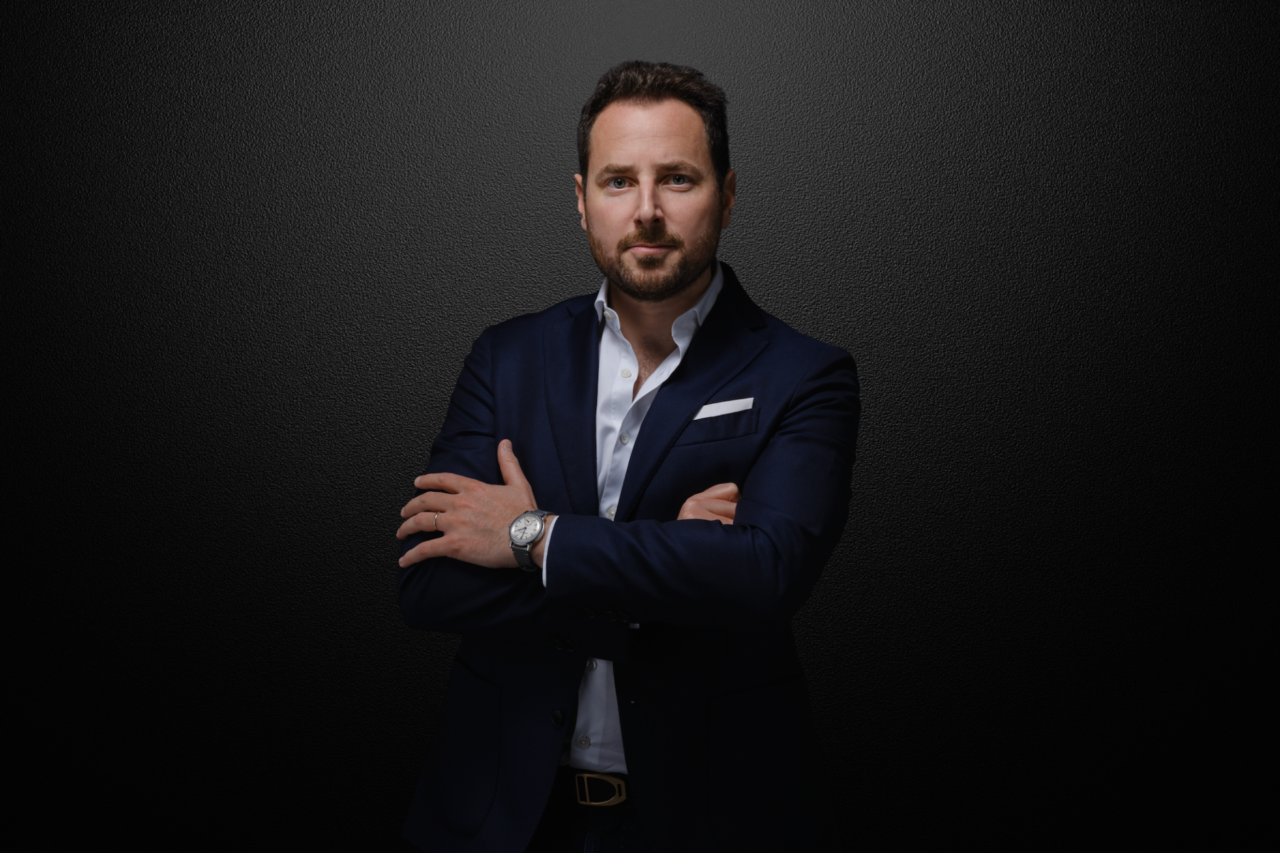
In this exclusive interview, Jeremie Bernheim reflects on leadership, legacy, and the responsibilities that come with guiding a global luxury brand today.
With nearly 20 years of experience across Marketing, Sales, and Strategy, Bernheim has built his career within some of the world’s most recognized companies. He began at Procter & Gamble, continued at Kellogg’s, and later held senior roles at Philip Morris International before joining RAYMOND WEIL as Chief Marketing Officer. There, he has focused on driving international growth while preserving the independence and heritage that define the Swiss watchmaker.
In conversation with the World Luxury Chamber of Commerce, Bernheim discusses the transition from large FMCG organizations to a family-owned luxury house, the discipline required to build lasting brands, and the importance of clarity, accountability, and authenticity in today’s competitive environment.
Alexander Chetchikov: Jeremie, congratulations on joining the WLCC Board! What perspectives or priorities are you hoping to contribute, and how do you see collaboration with the WLCC strengthening both the luxury sector and leaders within it?
Jeremie Bernheim: Thank you, Alexander. I’m truly honored to join the WLCC Board.
I hope to bring a perspective focused on long-term brand building, protecting what makes luxury distinctive while adapting our business models, distribution, and client engagement to today’s realities. Luxury is evolving quickly, and I believe our role as leaders is to safeguard its core values while ensuring it remains relevant and responsible. Collaboration within WLCC is key because our industry, while competitive, shares common challenges and opportunities. By creating space for open dialogue and shared insight, we can strengthen not only our businesses but the quality of leadership across the luxury sector as a whole.
AC: You’ve led marketing across major consumer brands and now helm the global marketing vision at RAYMOND WEIL. What mindset shifts were most important when moving from large-scale FMCG to the precision and heritage of Swiss watchmaking?
JB: One of the biggest shifts was moving from scale and inertia to depth and precision. In large FMCG organizations, there’s a powerful machine behind you with structures, processes, budgets, and teams that naturally create momentum. In a more entrepreneurial, heritage-driven company like RAYMOND WEIL, things move only if you make them move.
That means being far more hands-on and self-starting. You need to bring energy, initiative, and clarity to every project, and most importantly, bring people along with you. With leaner teams and tighter resources, organization and prioritization become critical, and leadership is about alignment and conviction. It’s less about managing a system and more about creating momentum together, while always respecting the depth, craftsmanship, and long-term vision that define Swiss watchmaking.
AC: RAYMOND WEIL has a strong identity rooted in family tradition. How do you balance honoring that legacy while ensuring the brand stays relevant to today’s luxury buyer without relying on trends alone?
JB: For me, honoring a family legacy doesn’t mean looking backward; it means understanding what truly defines the brand and making it relevant today. At RAYMOND WEIL, independence, creativity, and musical inspiration are part of our DNA. Those values are timeless. The balance comes from staying faithful to that identity while expressing it in a contemporary way, through design, communication, and client experience. Relevance doesn’t come from chasing trends, but from understanding today’s customer expectations and translating our heritage into something that resonates now. If the foundation is strong and authentic, evolution becomes natural rather than forced.
AC: You’ve managed teams across continents and industries. What principles guide you when building marketing organizations that stay agile and creative while still delivering consistent results?
JB: For me, it starts with clarity. Teams can only be agile and creative if they clearly understand the vision, priorities, and what success looks like. Alignment creates confidence, and confidence unlocks productive creativity.
The second principle is empowerment with accountability. I believe in giving people ownership and space to take initiative, but always within a clear framework of objectives and measurable impact. That balance keeps energy high while ensuring consistency and delivery.
Finally, I focus a lot on simplicity in organization and processes. The more complex the environment, the more important it is to keep structures lean, communication transparent, and decision-making fast. Agility doesn’t happen by chance; it’s built through trust, clarity, and disciplined business execution.
AC: The luxury watch market is facing new pressures, from digital-first competitors to changing expectations around craftsmanship and authenticity. What forces do you think will matter most in shaping the industry’s next chapter, and how is RAYMOND WEIL preparing for them?
JB: I believe the most important force shaping the next chapter is the search for meaning. Clients today are extremely informed; they compare, they research, they question. Beyond the product itself, they want authenticity, transparency, and brands that stand for something clear.
Digital will continue to accelerate expectations around accessibility and engagement, but craftsmanship and credibility remain the foundation. In watchmaking, legitimacy cannot be improvised. Our price positioning is also a key part of the equation. We operate in a segment where value matters, not in terms of discounting, but in delivering genuine Swiss watchmaking, strong design, and independence at a fair and coherent price point. In times of uncertainty and economic instability across the globe, that balance becomes even more relevant.
At RAYMOND WEIL, our approach is to remain deeply committed to quality and heritage, while sharpening how we express that value: through stronger storytelling, enhanced digital presence, and close relationships with our partners and clients. It’s not about reinventing who we are, but about expressing it with clarity and confidence in a changing environment.
Thank you, Jeremie!
Jeremie Bernheim’s perspective is informed by experience across industries but firmly rooted in the realities of contemporary luxury. His approach combines structure with creativity, long-term thinking with operational discipline, and respect for heritage with clear market positioning.
As the luxury watch sector faces new pressures and changing customer expectations, his message is straightforward: strong foundations, consistent execution, and clear identity remain essential. Through continued dialogue within the World Luxury Chamber of Commerce, leaders like Bernheim contribute to strengthening standards and leadership across the global luxury sector.
WLCC regularly features conversations and insights from global luxury leaders. Join our community to receive new interviews and perspectives weekly: https://worldluxurychamber.com/wlcc-community/