The WLCC Monthly Edit: your curated digest of the latest in the world of luxury. Each month, WLCC brings you a handpicked selection of industry news, insights, and stories influencing the future of high-end fashion, design, hospitality, travel, real estate, and beyond. Consider this your insider’s guide to the latest in luxury.
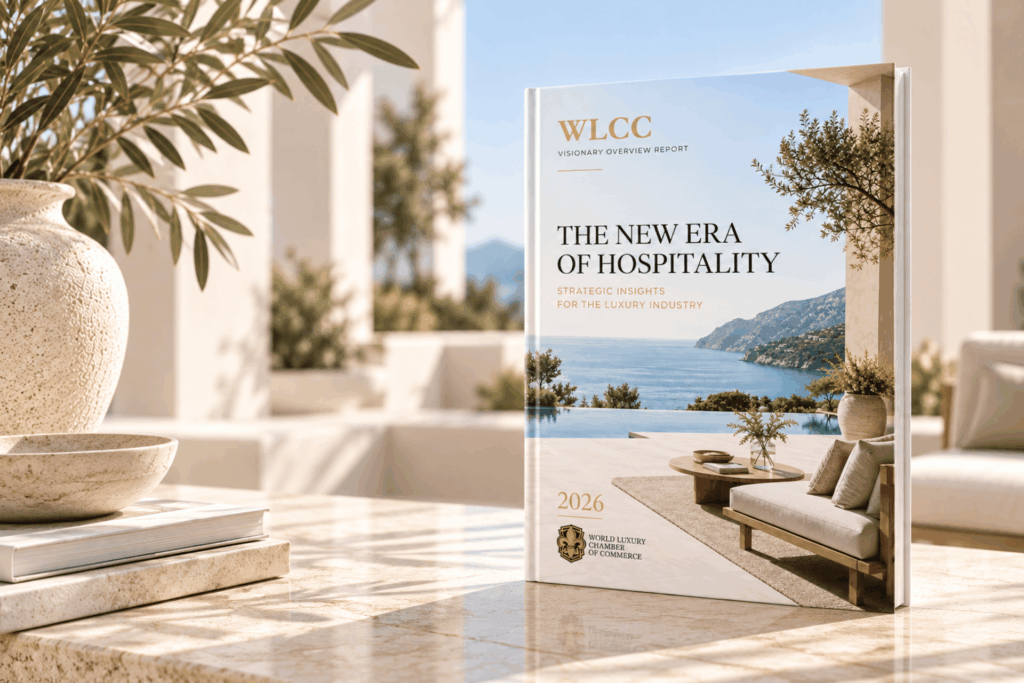
WLCC Visionary Overview Report 2026
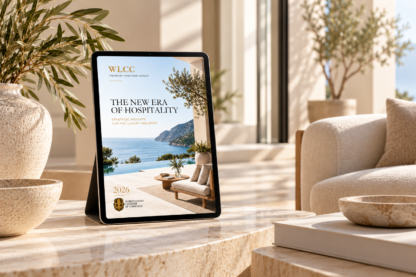
What will make a luxury destination truly desirable in the years ahead? The inaugural WLCC Visionary Overview Report, The New Era of Hospitality, brings together 14 international experts to examine the decisions, innovations and consumer expectations influencing the industry’s future. Across eight key areas, the report explores residential hospitality, wellness, gastronomy, destination development and the growing importance of personalised experiences. Combining expert perspectives, industry data and 10 Signals to Watch, the publication offers valuable intelligence for hospitality executives, investors and luxury professionals seeking to understand where demand is heading, what distinguishes exceptional brands and where new opportunities may emerge.
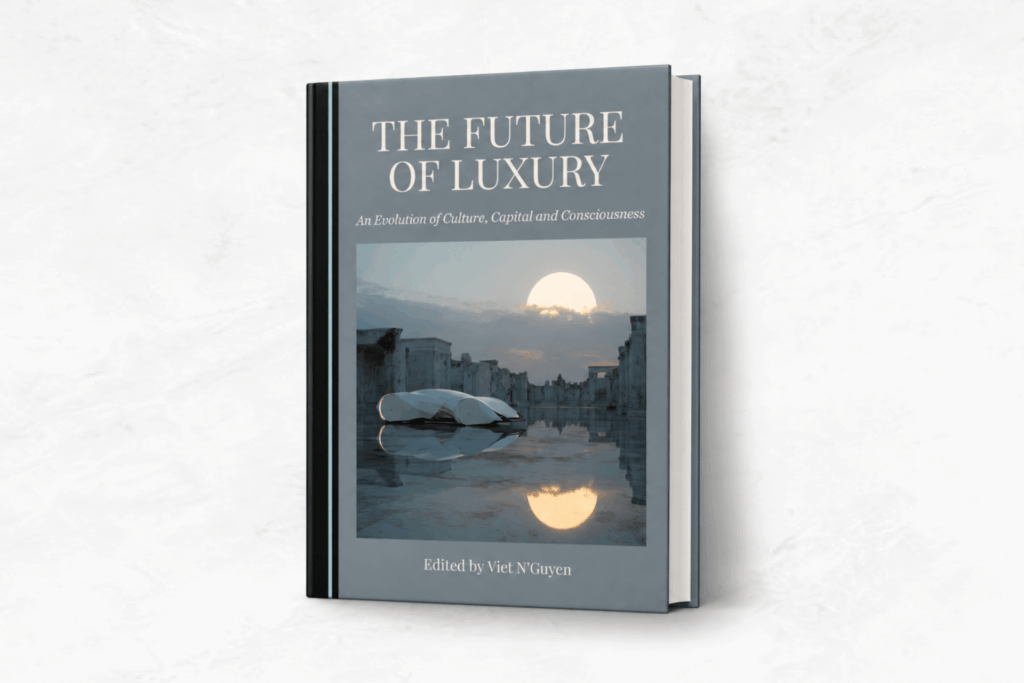
The Future of Luxury by Viet N’Guyen
What gives luxury its value in a world of changing cultural expectations and technological advancement? The Future of Luxury: An Evolution of Culture, Capital & Consciousness, edited by Viet N’Guyen, brings together eight industry experts to examine the forces influencing modern luxury. Featuring perspectives from fashion, art, automotive, media and cultural strategy, the book explores authenticity, consumer identity, artificial intelligence, sustainability and the growing influence of community. Published by Cambridge Scholars Publishing, this interdisciplinary collection combines industry analysis with practical insights, offering luxury professionals, entrepreneurs and academics a fresh perspective on maintaining relevance, understanding emerging markets and responding to changing consumer priorities.
Agentic Hotel Bookings: Three Models, Three Very Different Futures
What does agentic hotel booking actually mean, and why should hospitality leaders care? Hospitality technology strategist Ira Vouk identifies three distinct models: AI-assisted, AI-mediated and AI-executed bookings. While the first enhances hotel discovery through consumer AI platforms, the second enables transactions within hotel websites. The third introduces autonomous agent-to-agent commerce, where AI systems independently manage reservations, payments and identity verification. Vouk explains why these approaches demand different technologies, commercial agreements and security frameworks. Her analysis challenges hotels to look past industry buzzwords and prepare strategically for multiple booking models that could fundamentally change distribution, customer relationships and commercial control.

Japan’s Luxury Market Faces a New Consumer Reality
Japan’s luxury market is entering a period of uncertainty as Chinese visitor arrivals decline sharply, challenging its reliance on international shopping demand. While higher spending per tourist initially protected department store revenues, early October figures suggest this resilience may be weakening. Domestic consumers remain an important source of stability, particularly in jewellery, watches, and other high-value categories. Meanwhile, changing travel preferences, currency fluctuations, and new tax-free shopping regulations are influencing purchasing behaviour. For luxury brands, future success will depend less on attracting large tourist volumes and more on cultivating valuable customers, strengthening loyalty, and building sustainable demand across markets.

Dubai’s Ultra Luxury Property Market Defies Regional Uncertainty
Dubai’s ultra-luxury residential market recorded 412 property transactions exceeding $10 million during the first nine months of 2026, generating approximately $6.67 billion in sales. According to Knight Frank, Q3 contributed 86 transactions worth $1.57 billion, despite declining activity and regional geopolitical uncertainty. Palm Jumeirah remained the leading destination, accounting for 31% of quarterly transactions, while villas represented nearly two-thirds of sales. Properties exceeding $25 million contributed almost one-third of quarterly sales value, highlighting continued appetite for exceptional residences. Although prime property prices softened, Dubai continues to attract affluent buyers seeking permanent homes, holiday residences, and long-term lifestyle investments.
Global Luxury Brand Analysis H1 2026 Report Via Luxurynsight
The Luxurynsight Global Luxury Brand Analysis H1 2026 reveals a gradual recovery across the luxury industry, with brand activations increasing 14% year-on-year to 4,931. Watches and jewellery led growth at 39%, while Europe and North America recorded significant increases in activity. Luxury brands adopted more restrained pricing strategies, revisited iconic products, and invested in immersive experiences across hospitality, wellness, sport, and culture. China remained strategically important despite declining activations, prompting more selective engagement. Meanwhile, emerging competitors from Korean beauty and Gulf fragrance markets intensified competition. The findings highlight an industry prioritising cultural relevance, customer engagement, and long-term brand desirability over aggressive expansion.
Stay connected with the latest news, trends, and curated networking opportunities – join the WLCC community: https://worldluxurychamber.com/wlcc-community/