Let It Be: Music, Culture, and the 1960s Revolution
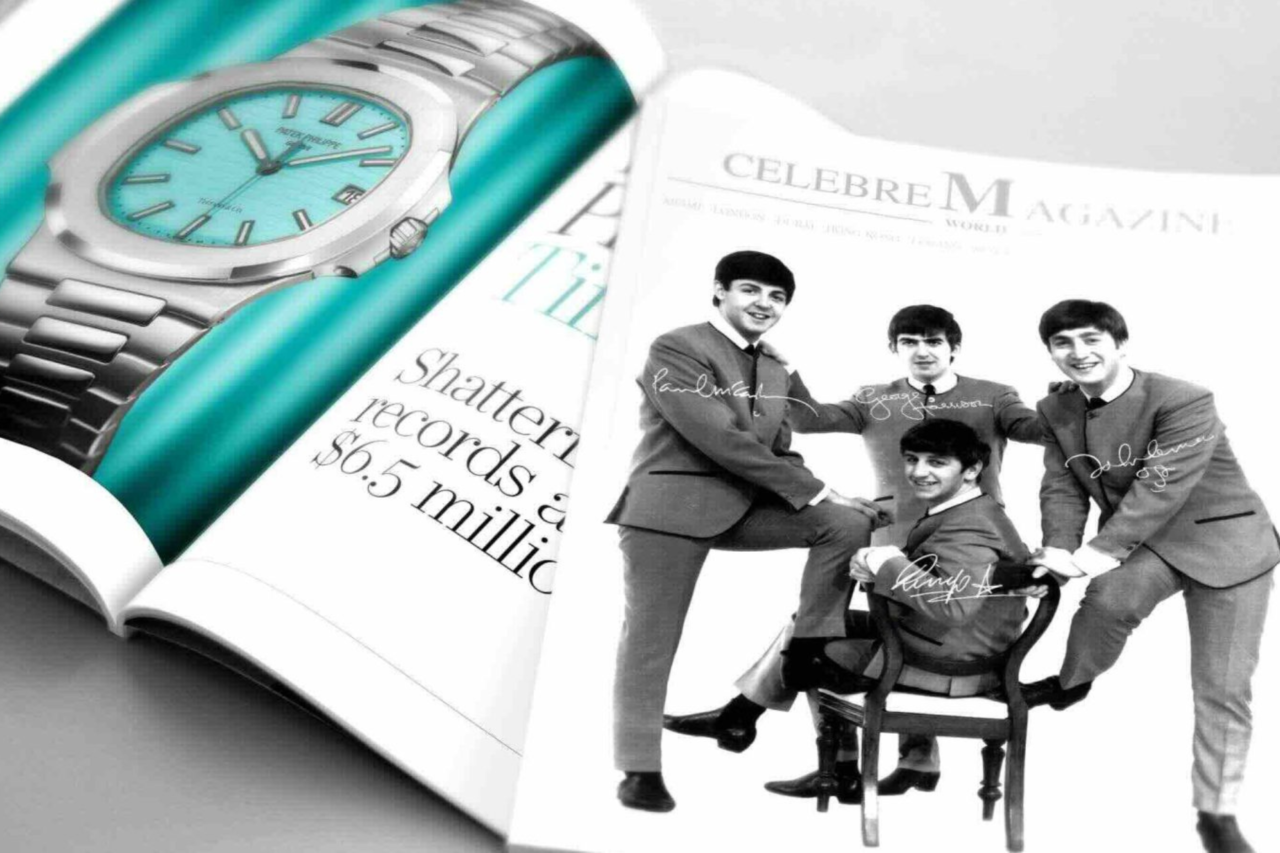
“If you want to know about the 1960s, listen to the music of the Beatles.” The words of American composer Aaron Copland encapsulate the cultural spectrum of a decade of Western economic boom and the key to understanding it: the quartet from Liverpool. John, Paul, George and Ringo.
Their success was aided by the historical context marked by social upheavals, such as the emergence of adolescent culture, women’s liberation and the collapse of racial segregation, which characterised the freedom of expression of the era. The winds of change were blowing: Swinging London emerged from the darkness of the post-war period, Mary Quant invented the miniskirt and Twiggy wore it. These were years of breaking with preconceived ideas and opening up to the new, but also of contradictions and civil tensions.
“We were all in the same boat: a boat sailing towards the New World. The Beatles were on lookout duty,” Lennon said in an interview. The Fab Four were the perfect interpreters of this “Revolution,” so much so that they became a musical, commercial and cultural phenomenon, as had already happened with the legend of Elvis. Even “A Hard Day’s Night,” the first of their films aimed at launching their albums, was a tribute to Beatlemania.
People liked them because they were spontaneous, genuine friends, disciplined and cheeky in responding to those who told them what to do, but without aggression or rudeness. Far from being tormented artists, they were gifted with a rare solidity under the pressure of fame, aided by the camaraderie with which they protected each other and made decisions only unanimously. They used humour to respond to the provocations of the press, and this was even more appealing. In October 1965, they walked through the gates of Buckingham Palace to receive the MBE (Member of the Order of the British Empire) decoration from Queen Elizabeth II, which was considered a scandalous gesture at the time.
“We weren’t trying to fuel a popular movement; we were part of it, as we always had been. I believe that the Beatles weren’t leaders of a generation, but its spokespeople,” explains McCartney, who, together with Lennon, author of the wordplay of beetles and beat, formed the most successful composer duo ever. The story began at a parish fair where the Quarrymen were performing, led by John Lennon, who invited Paul McCartney to join them. George Harrison joined on acoustic guitar and later also as a composer, while Pete Best was on drums.
It was 1960 when they changed their name to The Beatles. After two years playing in clubs in Hamburg, Brian Epstein saw them performing at the Cavern Club: they were feisty, confident, charismatic and their appeal to the audience was evident. He became their new manager and suggested Ringo Starr as their drummer. The chemistry with Ringo was immediate, and despite their different personalities, they became one, reinforced by their visual identity, created by their manager, who had them combed and dressed in the same way, a future rule for all boy bands to come. Epstein created their formal style as good boys in suits and ties, reassuring but capable of unleashing hysterical crowds of adoring girls, complete with a bow in unison at the end of each performance. White shirts, skinny trousers, slip-on boots still known today as Beatles boots, and bowl haircut were a trademark that balanced tradition and revolution and survived the break-up of the group in 1970.
Initially, the lyrics were elementary, almost like love nursery rhymes. They sang “Love Me Do” on their first single and “I Want to Hold Your Hand” on the one that launched the so-called British invasion of the American market two years later. “She Loves You,” or “Can’t Buy Me Love,” and “All My Loving.” The sound was unique and the language was direct, which their female fans loved, and they knew it. They adored what they were experiencing, and the message was clear: “Twist and Shout,” music and fun. Everyone was welcome aboard their “Yellow Submarine.”
“For some reason, people liked everything we did and loved us wherever we went. It was a surprise even to us,” says Ringo Starr. In addition to their live performances, for which they pioneered the use of stadiums to accommodate the crowds, their popularity was largely due to their television appearances. In New York, they starred on The Ed Sullivan Show, which was watched by 73 million viewers. “Even criminals took a ten-minute break for the Beatles show,” quipped George Harrison, referring to newspaper reports that crime in the city had almost disappeared.
Gradually, thanks in part to producer George Martin, they refined their compositional techniques, incorporating a wide variety of genres into their beat, such as jazz, blues, classical and Indian music, until in 1965 they cried out “Help!”, almost as if to foreshadow what was to come. The Beatles experimented like no other band, especially after they stopped performing live in 1966, having experienced the sinister side of popularity in the form of persistent death threats.
Their unity slowly began to crumble and arguments, especially between Paul and John, not least due to the intrusive presence of the latter’s new partner, became increasingly heated. They also turned towards psychedelic rock, particularly with the albums “Revolver” and “Sgt. Pepper’s Lonely Hearts Club Band,” breaking away from their image as good boys, changing their look and using psychotropic substances. Fiercely attacked by the press and the public, they remained faithful to the thing that really united them: making music. And in their musical testament “Let It Be,” they returned in part to the simplicity of their early rock and roll roots.
Article edited by Claudia Chiari
Quotes from published interviews. This contribution is part of WLCC’s partner series, offering a partner perspective on icons whose influence continues to shape culture, society, and industry across generations.
To learn more about WLCC, visit: https://worldluxurychamber.com/