In a city where hospitality operates at both spiritual and global scale, transformation demands precision, foresight, and institutional clarity. Makkah Hotel and Towers – a member of the World Luxury Chamber of Commerce – is undertaking a renovation that reflects not only physical renewal, but a broader repositioning aligned with evolving expectations in high-volume, high-significance destinations.
Operating in one of the world’s most visited cities, Makkah Hotel and Towers occupies a distinctive position within the hospitality landscape. Its location places it at the intersection of faith-driven travel and international guest flows, where operational excellence must coexist with cultural sensitivity and logistical discipline. Renovation in such an environment is not cosmetic – it is strategic.
A Framework for Contemporary Hospitality
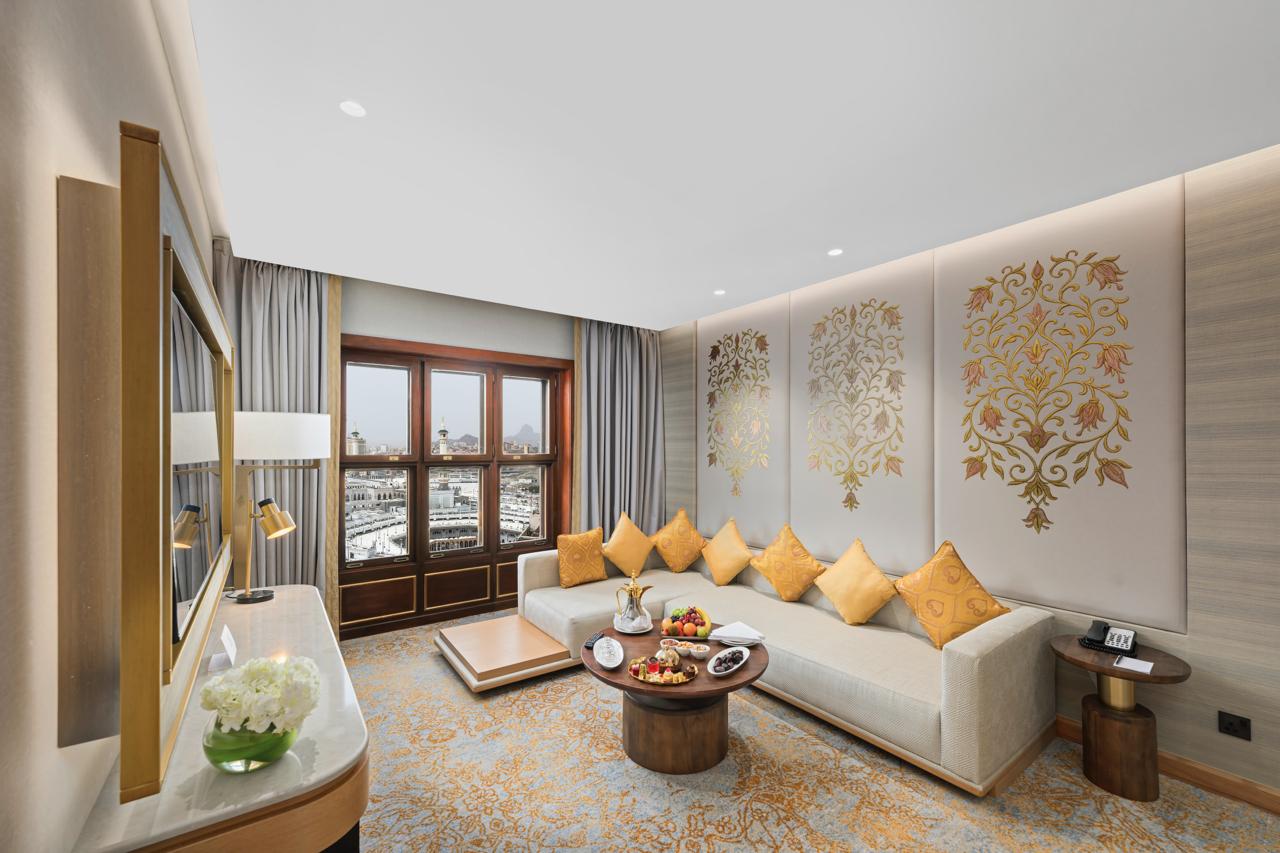
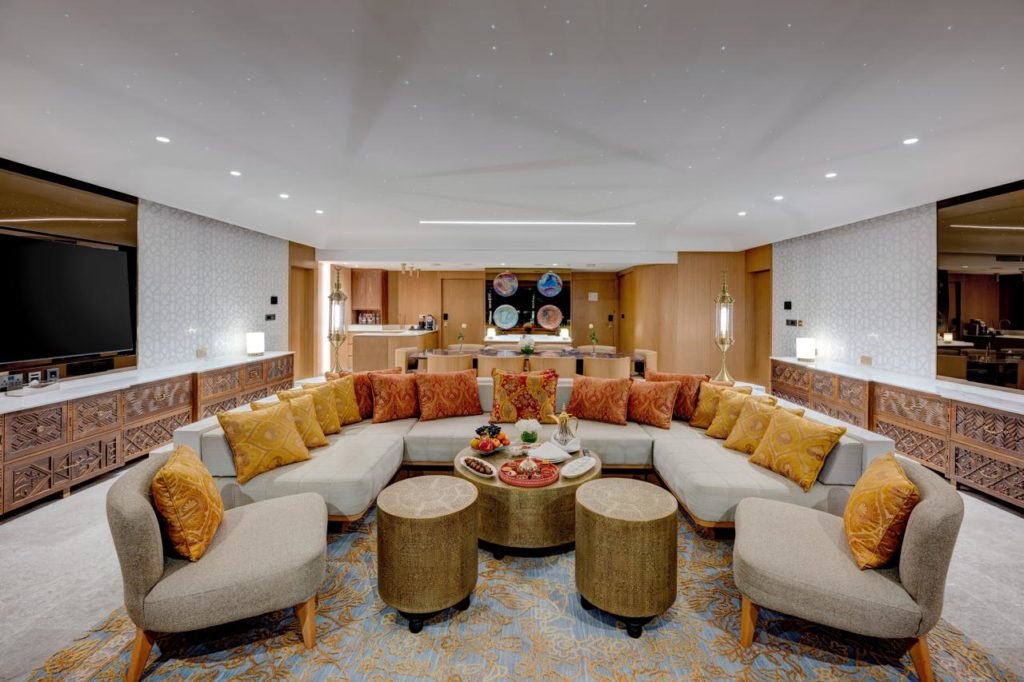
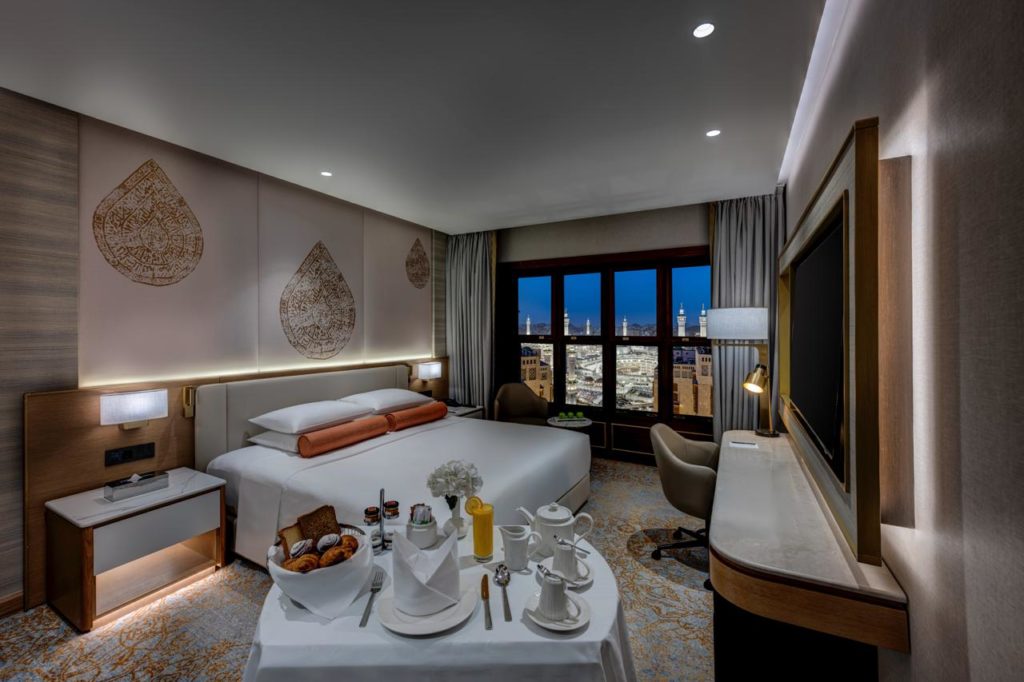
The current renovation initiative signals a structured approach to modernization. Rather than redefining identity, the project reinforces core positioning while introducing updated design language, enhanced spatial functionality, and refreshed guest-facing environments. In markets where guest turnover is significant and expectations continue to rise, sustained reinvestment is a leadership decision.
For hospitality leaders, renovation represents more than aesthetic refinement. It requires alignment between infrastructure, service delivery, and long-term asset value. In this context, Makkah Hotel and Towers demonstrates a forward-looking operational mindset – one that recognizes renewal as a mechanism for maintaining relevance in a globally competitive environment.
Balancing Heritage and Modern Standards
Makkah’s hospitality sector is shaped by continuity and tradition. Yet it is equally influenced by international benchmarks in comfort, efficiency, and technology. Renovating within this framework requires calibrated decision-making: preserving familiarity while introducing contemporary standards.
The hotel’s upgrade process reflects this balance. Guest areas are being refreshed to support comfort and flow, while maintaining the dignified atmosphere expected in the city’s hospitality ecosystem. Such measured transformation reinforces institutional credibility rather than pursuing short-term visual impact.
Operational Continuity During Transformation
Renovation at scale, particularly within an active hospitality asset, demands disciplined planning. Maintaining service continuity while implementing structural and design improvements reflects executive-level coordination across departments. This approach underscores the maturity of the organization’s internal governance and project oversight.
For global hospitality leaders observing similar transitions, the case illustrates a broader principle: modernization must be executed without disrupting trust. In destinations where guest journeys are deeply personal and often once-in-a-lifetime experiences, operational stability remains paramount.
WLCC Membership and Strategic Alignment
Membership in the World Luxury Chamber of Commerce situates Makkah Hotel and Towers within a global network of decision-makers shaping the future of the luxury industry. Within this framework, renovation becomes part of a wider dialogue about asset resilience, long-term positioning, and industry advancement.
WLCC, as a global leadership platform, unites influential figures in the luxury sector to shape dialogue around collaboration, market evolution, and sustainable growth models. It fosters strategic exchange on evolving guest expectations, investment priorities, and development frameworks influencing the future of luxury hospitality. For Makkah Hotel and Towers, participation in this ecosystem complements its modernization efforts, reinforcing alignment with global standards of leadership and industry influence.
Alexander Chetchikov, President of the World Luxury Chamber of Commerce, notes:
“Strategic renovation is not simply about physical transformation. It reflects leadership intent – a decision to invest in long-term relevance and to uphold standards that define the future of hospitality. Members who undertake such initiatives demonstrate responsibility toward both their guests and the broader industry.”
Positioning for the Next Phase
As global travel patterns continue to evolve, properties in key destinations must adapt with clarity and purpose. Renovation provides an opportunity to recalibrate operational systems, enhance guest environments, and reinforce institutional identity.
For Makkah Hotel and Towers, the current transformation represents a structured step toward sustained competitiveness. In a city where hospitality plays a central role in the visitor experience, maintaining contemporary standards is not optional – it is foundational.
By integrating modernization with disciplined execution and strategic alignment through WLCC, the hotel signals readiness for its next phase of development. The initiative illustrates how established hospitality assets can renew their infrastructure and positioning while preserving their significance within a city of global importance.
Discover more about Makkah Hotel and Towers: https://www.makkah-hnt.com.
If you found this insight valuable, don’t miss future perspectives for luxury leaders. WLCC delivers expert insights on a weekly basis. Join now https://worldluxurychamber.com/wlcc-community/.